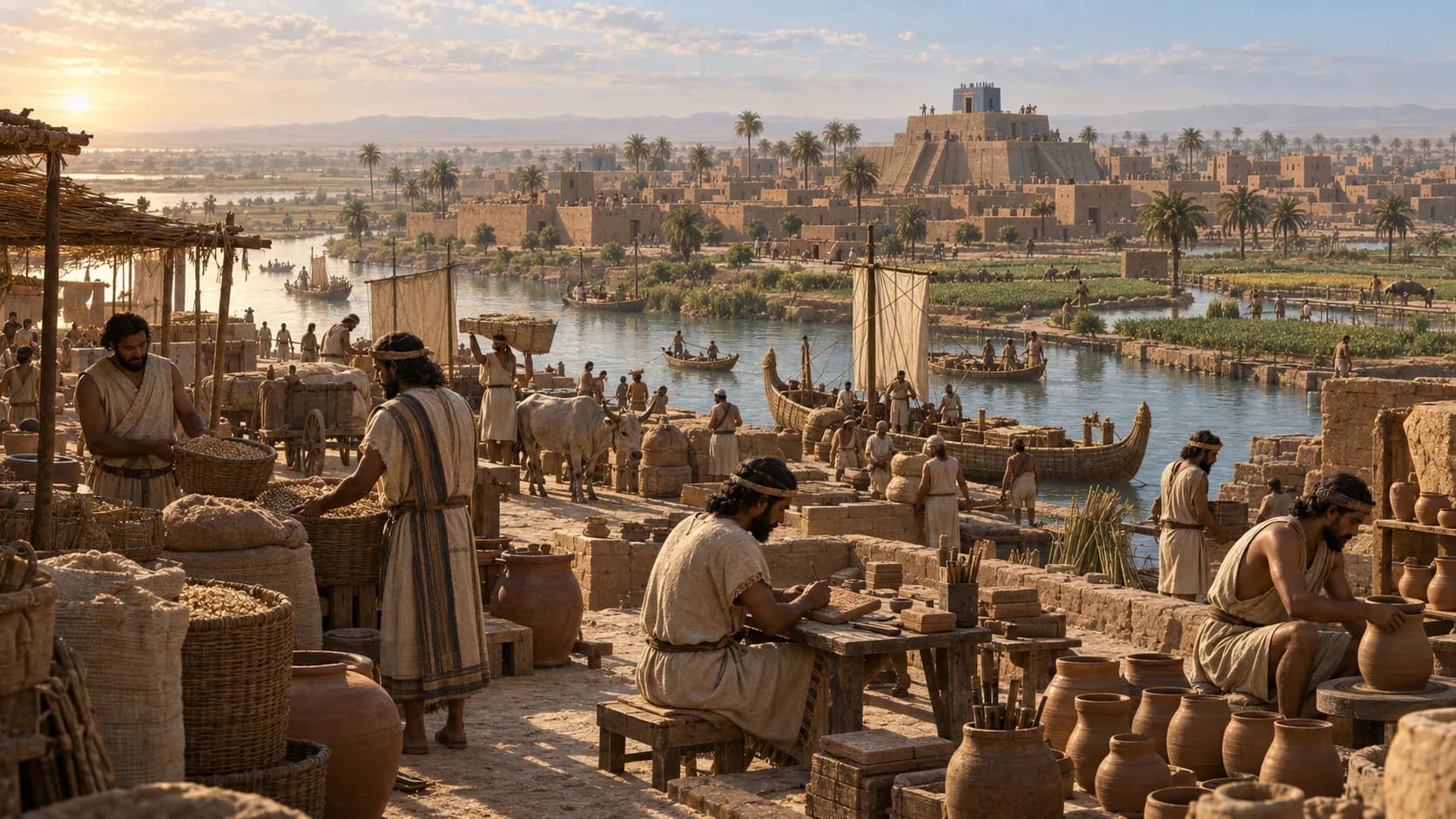
1
Story
The Indus Valley
Begin with planned cities, trade networks and one of history's great undeciphered scripts.
Start with the first cities, writing systems, states and ideas that still shape how societies work.
New to the topic? Start with the essentials. Already know the broad story? Follow the route for the turning points, context and consequences that make each step matter.
45 min
Begin with planned cities, trade networks and one of history's great undeciphered scripts.
Move to the land between the rivers, where cities, writing, law and kingship changed human life.
Follow a civilisation shaped by the Nile, divine kingship, monuments and extraordinary continuity.
See how river societies, bronze power and dynastic legitimacy created foundations for Chinese history.
End with city-states, democracy, philosophy and war: an inheritance later worlds kept returning to.
Start with these figure pages to follow the people, rulers and decision-makers behind the route.
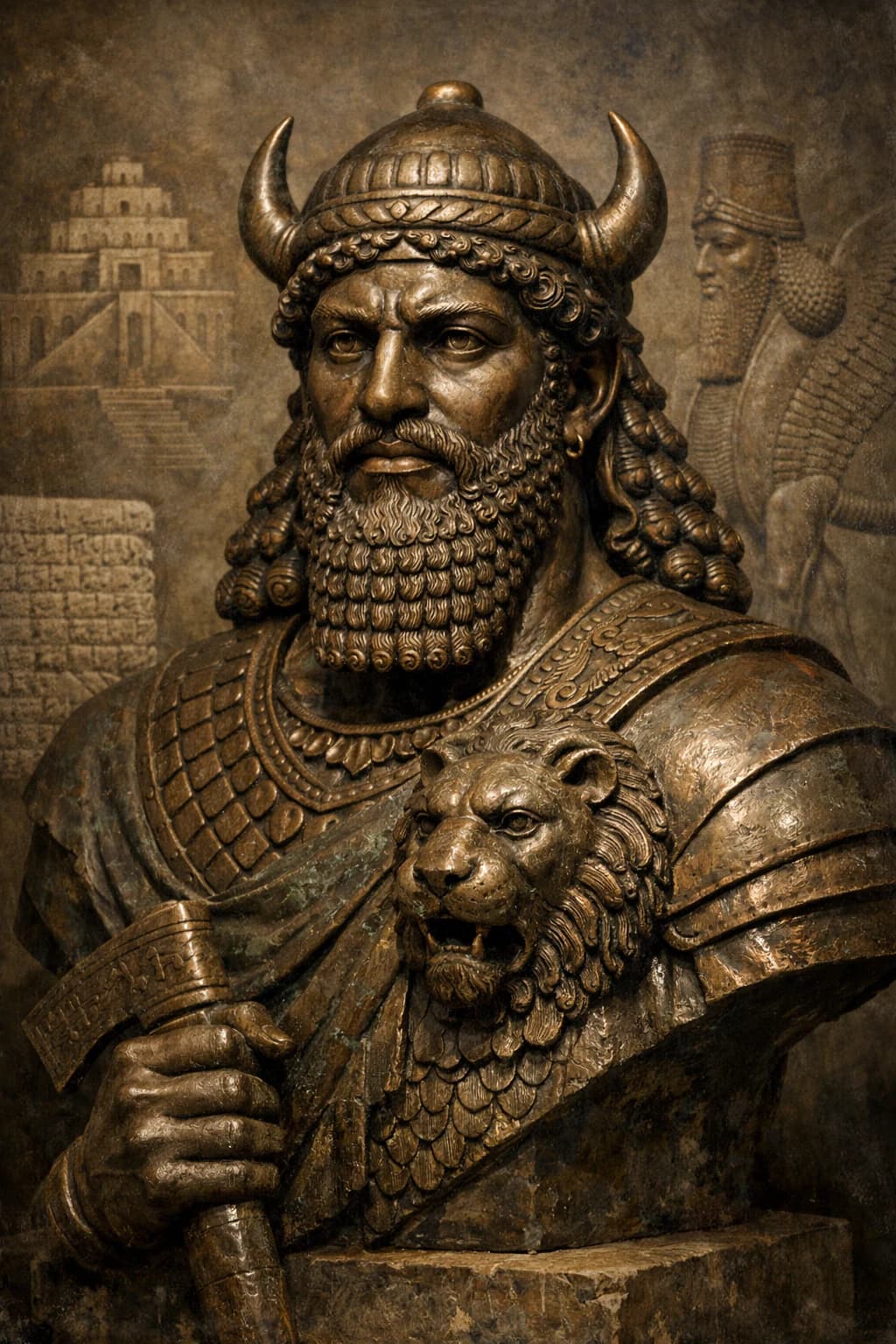
He was the legendary king of Uruk whose search for fame, friendship, grief, and immortality became one of humanity's oldest surviving stories.
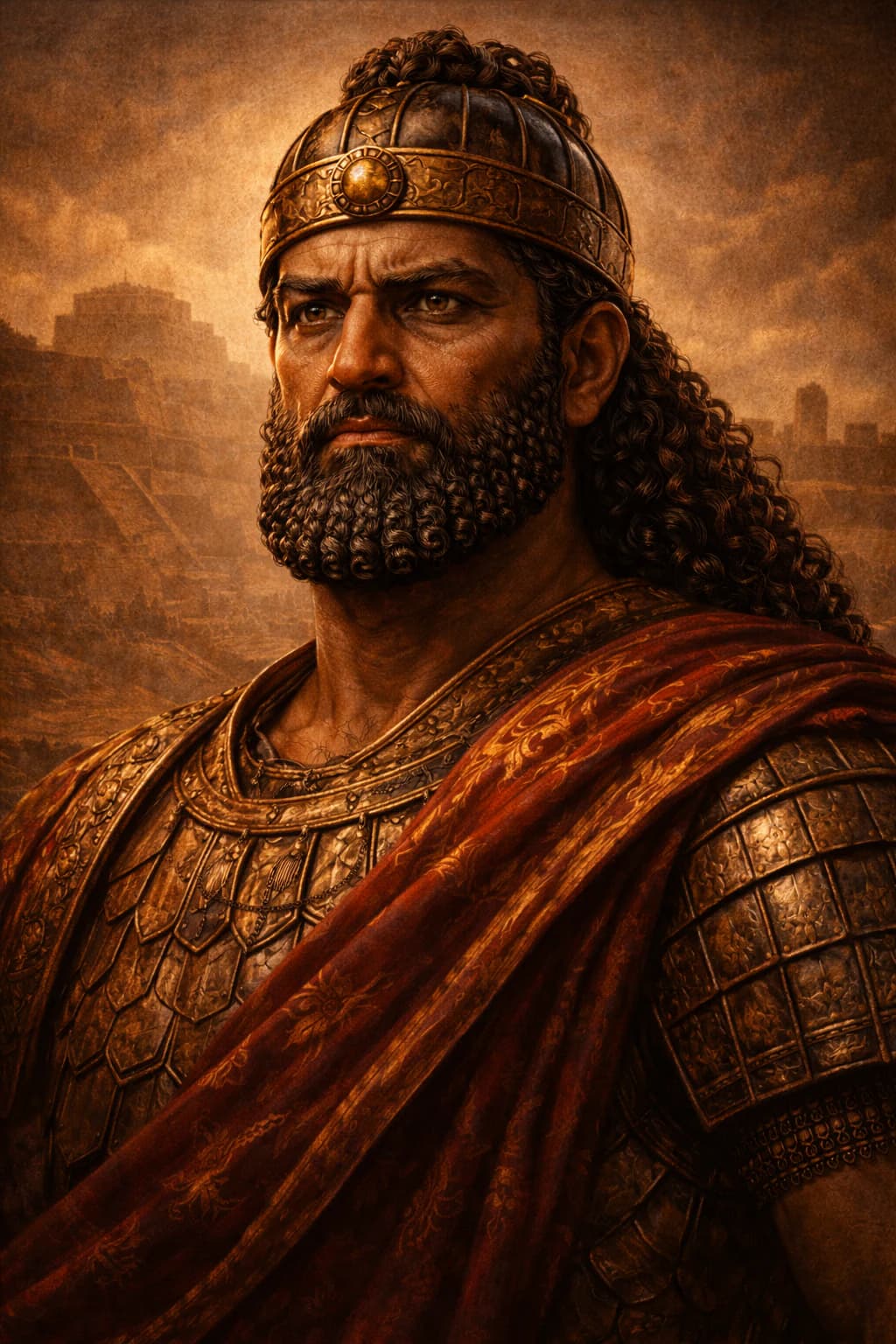
He rose from obscurity — possibly a gardener's son — to build the first true empire in recorded history, and the stories told about him echo through legends for millennia.
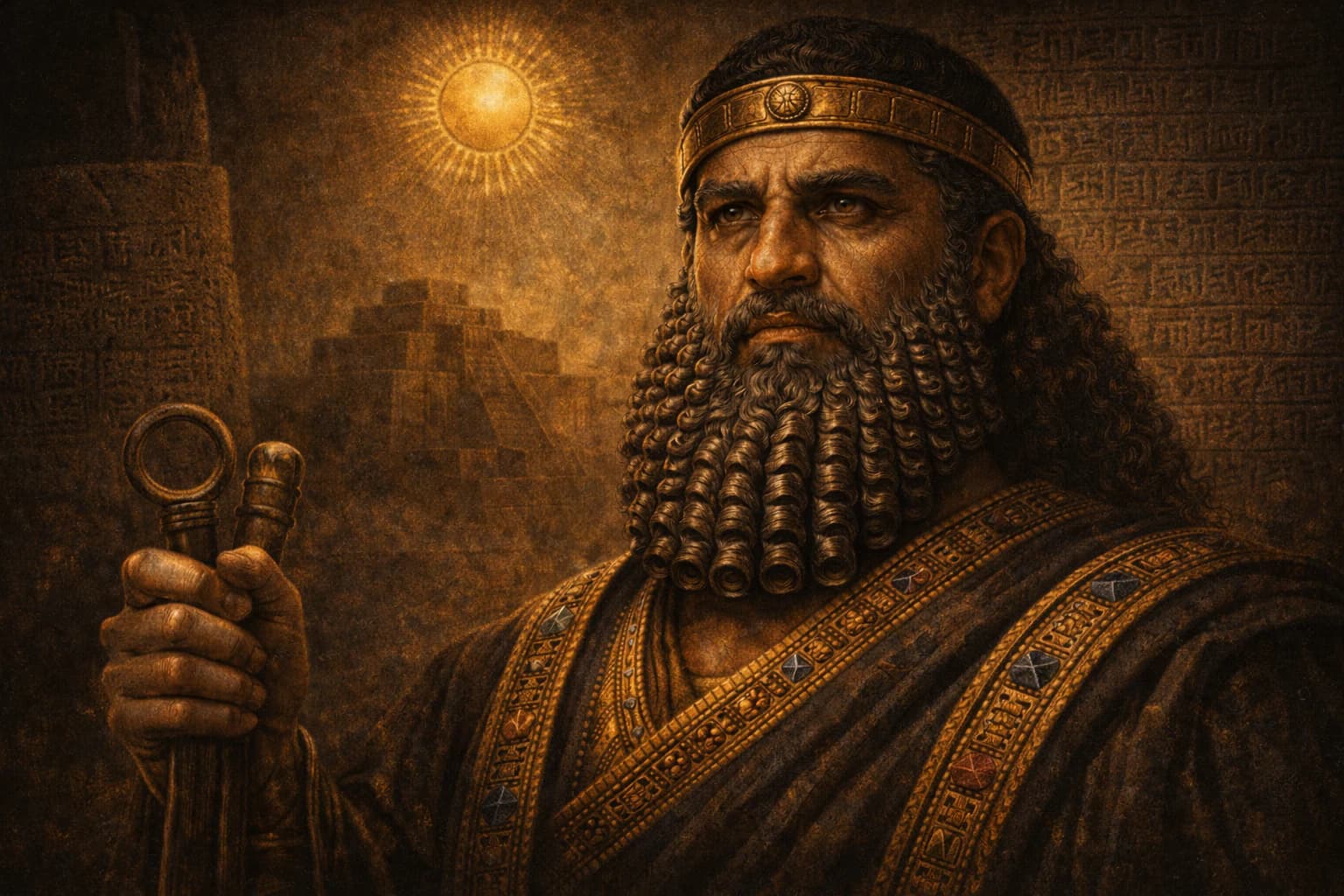
He turned Babylon from a rising city-state into the strongest power in Mesopotamia, then carved royal justice into stone so his authority looked orderly, divine, and knowable.
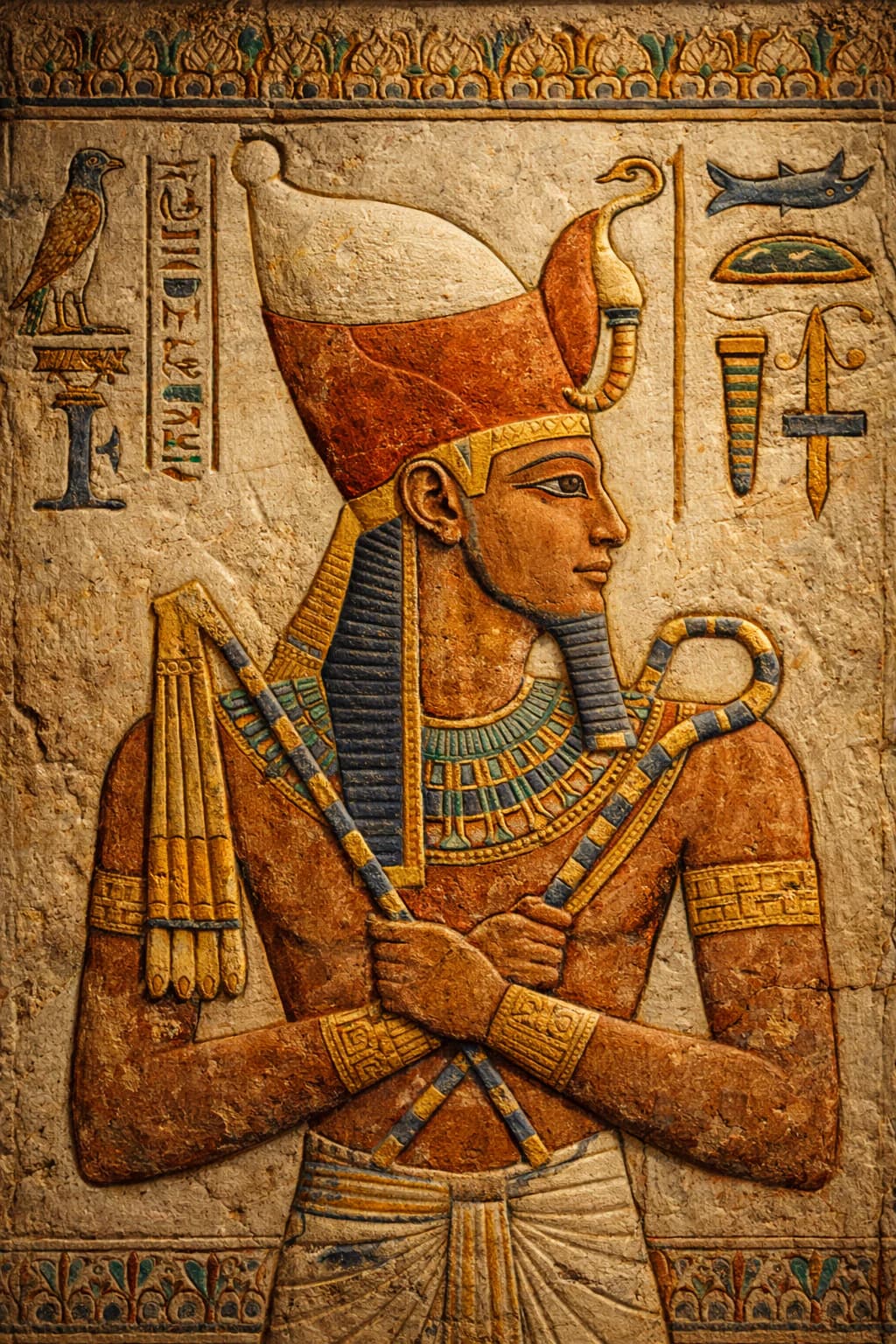
He stands at the threshold of Egyptian history, the king most closely linked with unifying Upper and Lower Egypt, yet known through symbols, tombs and the Narmer Palette rather than a biography in the modern sense.
A compact index for the wider cast connected to these stories.
17 figures
Legendary king of Uruk
2800 BC–2500 BC
Founder of the Akkadian Empire
2334 BC–2279 BC
Babylonian king
1810 BC–1750 BC
Pharaoh credited with unifying Upper and Lower Egypt
3150 BC–3100 BC
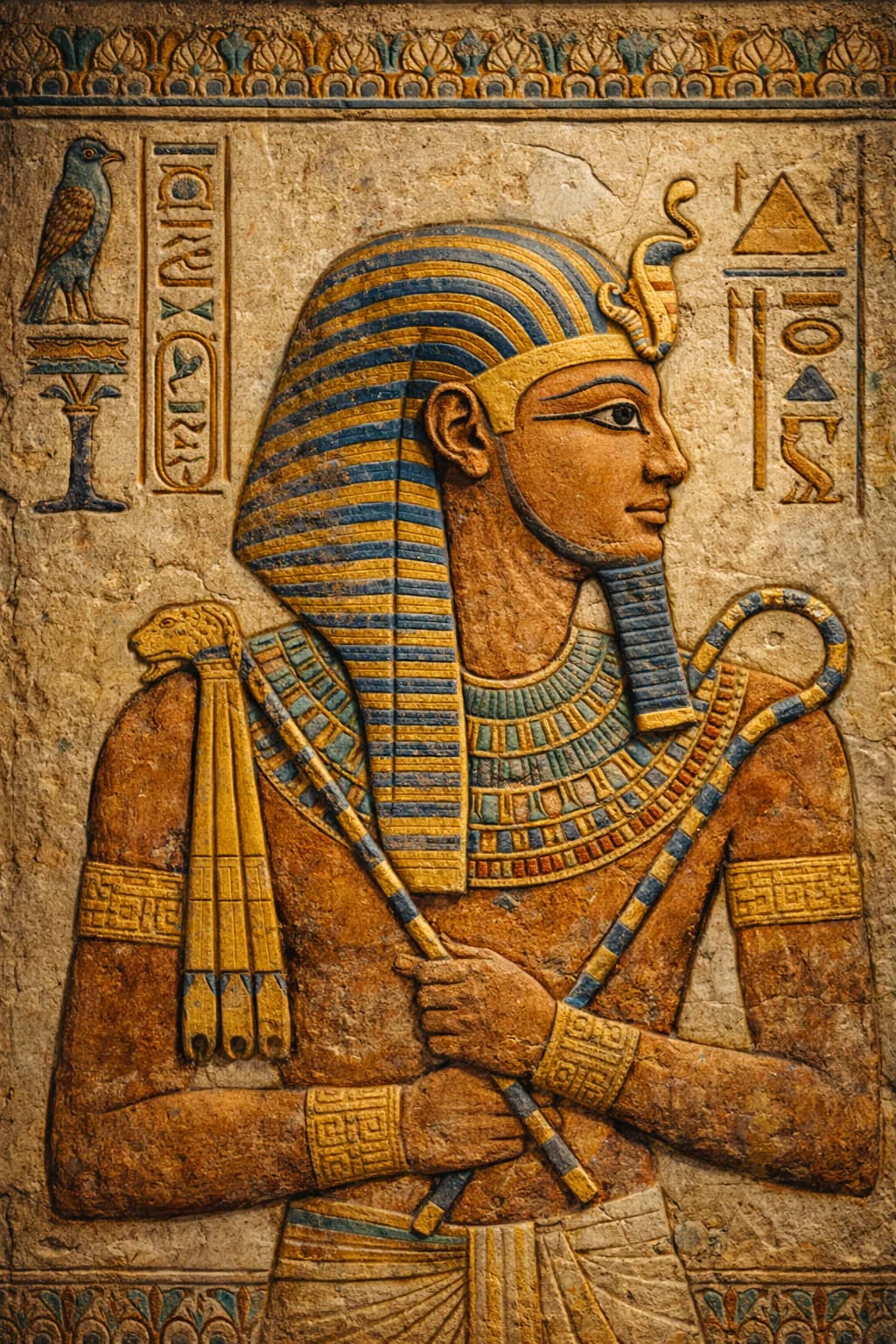
Ancient Egyptian pharaoh
2600 BC–2566 BC
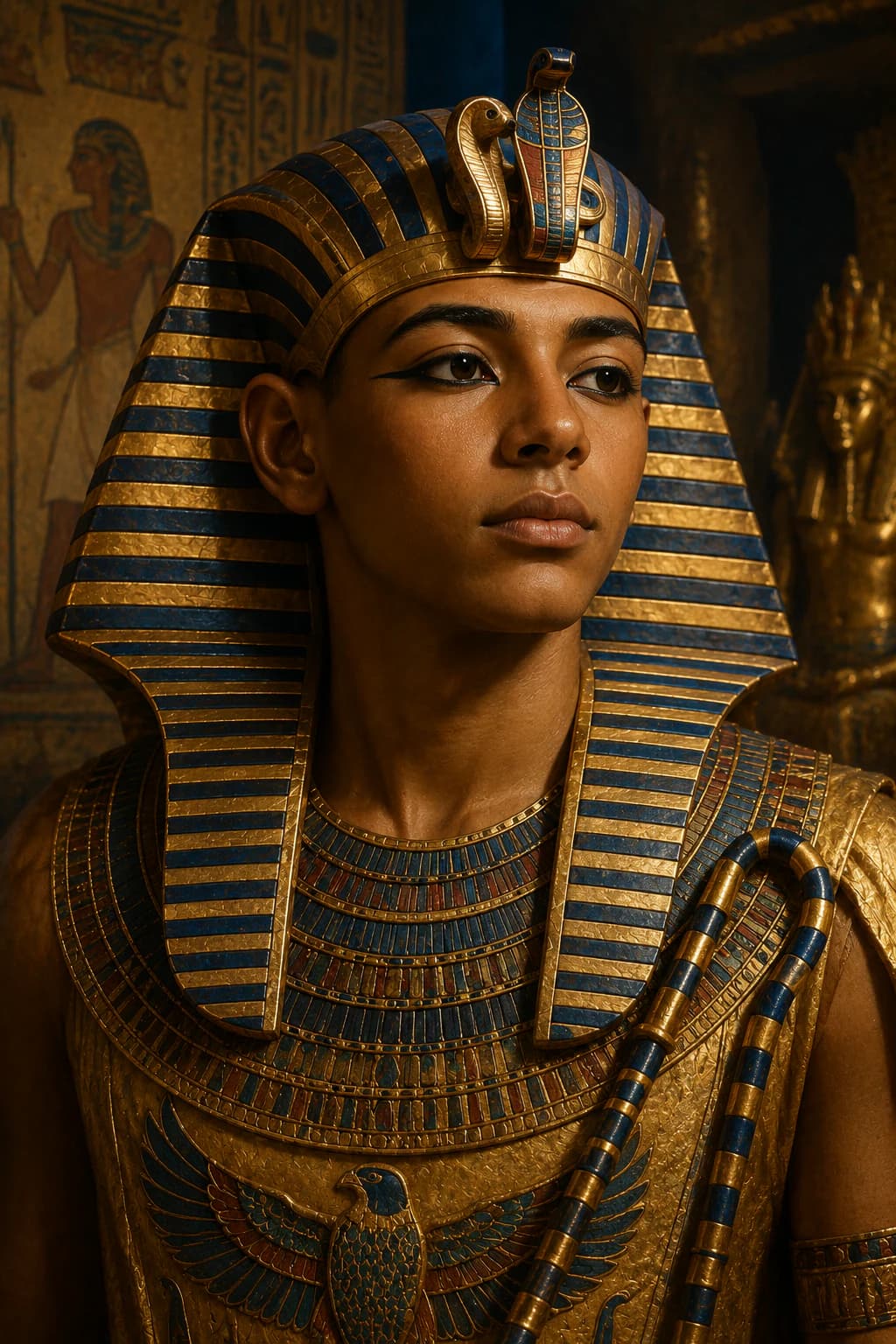
Ancient Egyptian pharaoh
1341 BC–1323 BC
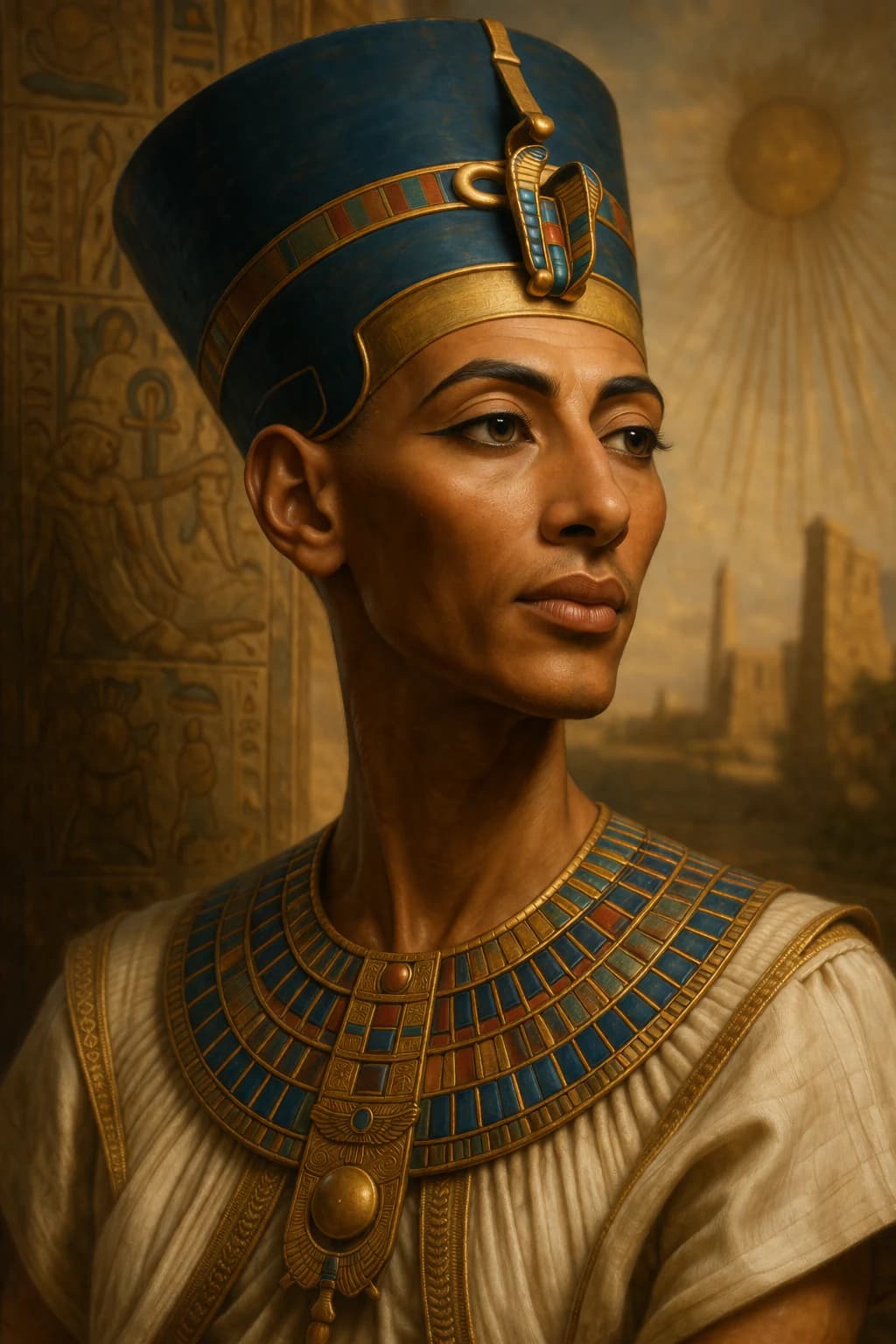
Pharaoh of Egypt
1370 BC–1336 BC
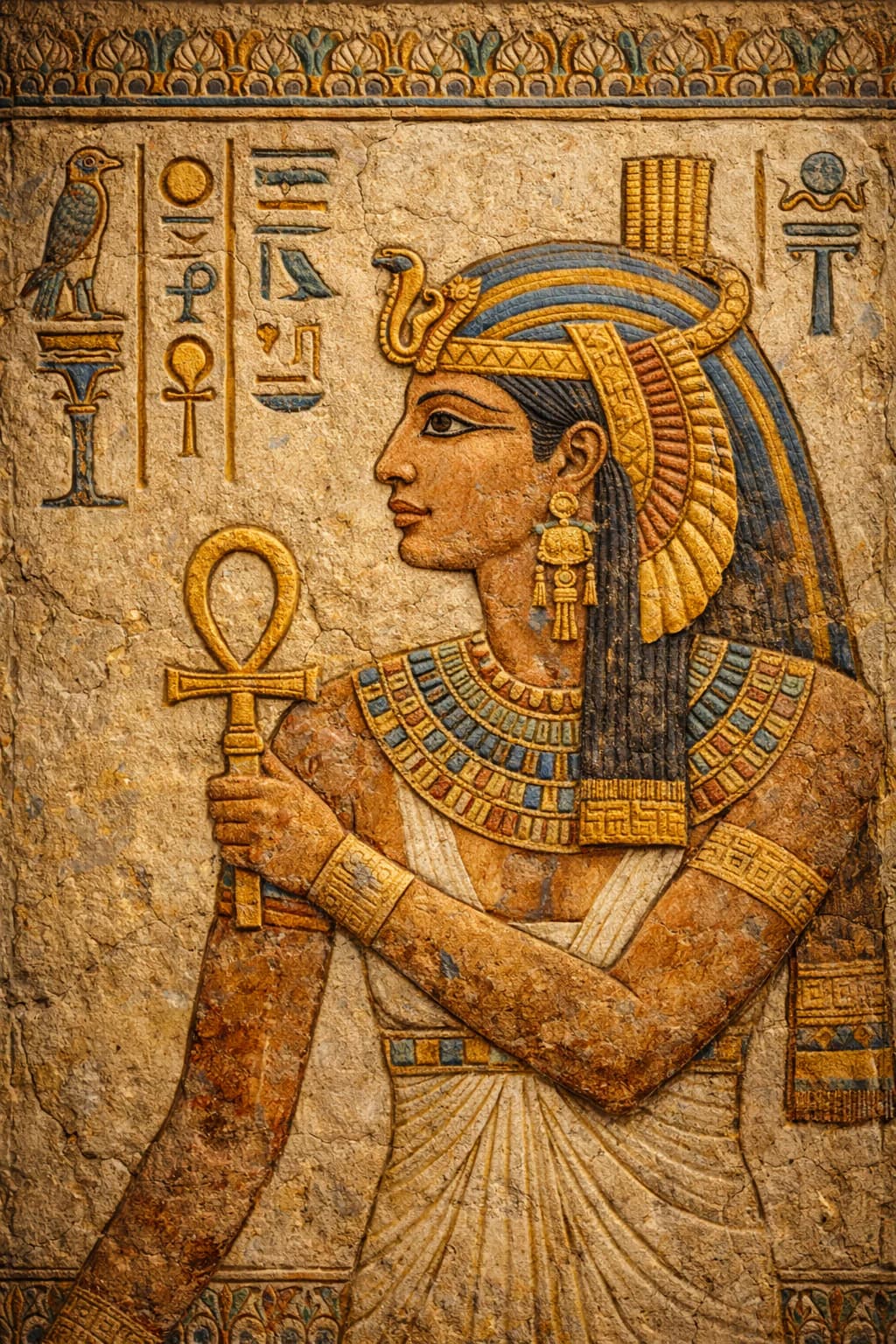
Last active pharaoh of Ptolemaic Egypt
69 BC–30 BC
Find out first about the latest published stories, feature notes and occasional Premium offers in one weekly email.
