People

Tokugawa Yoshinobu

Tokugawa Yoshinobu was the fifteenth and final shogun of the Tokugawa shogunate. He returned governing authority to the emperor in 1867, fought the Boshin War and withdrew from politics after Tokugawa defeat.

Born
1837 CE
Died
1913 CE
Role
Shogun of Japan

15th Tokugawa shogun (1837-1913)

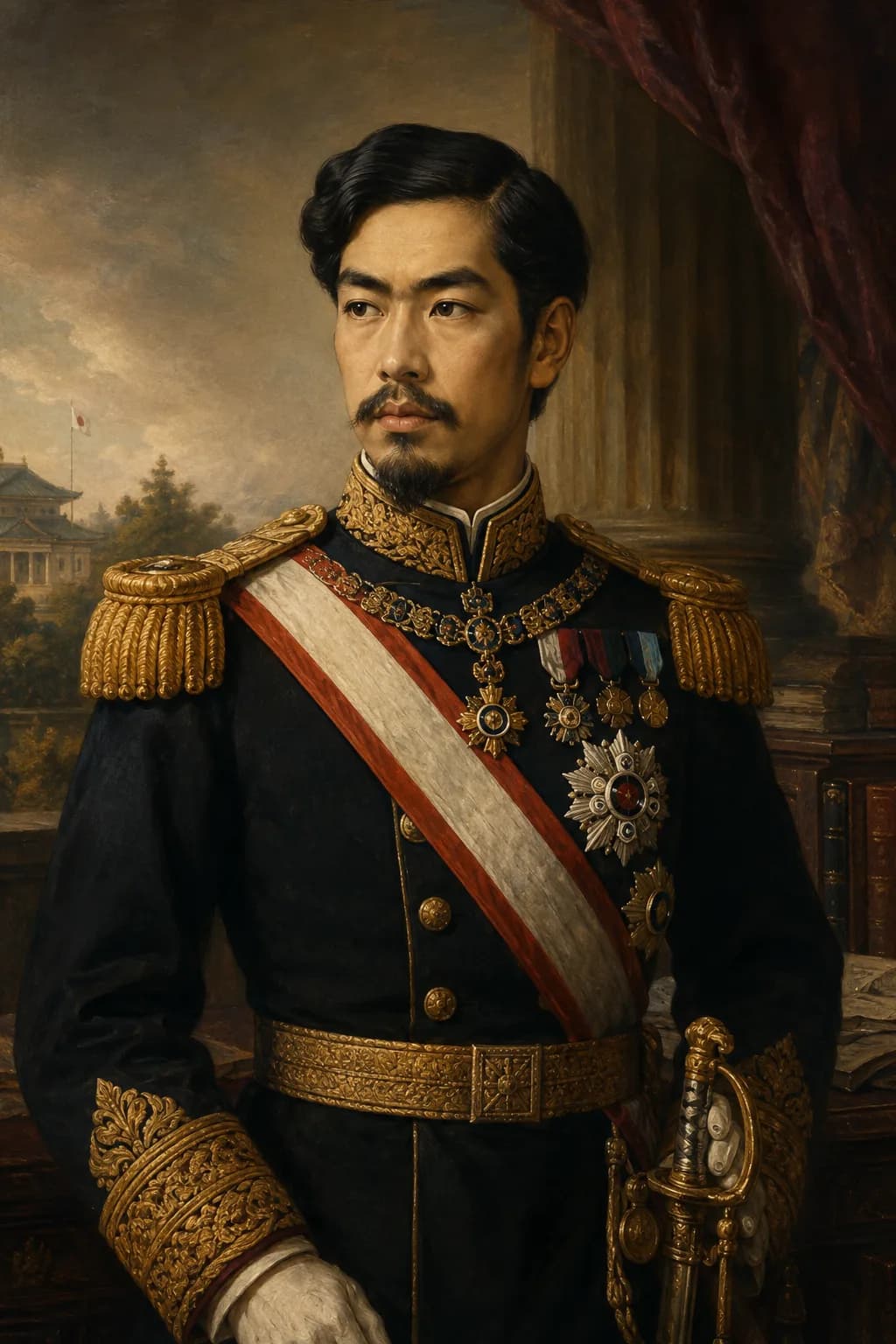
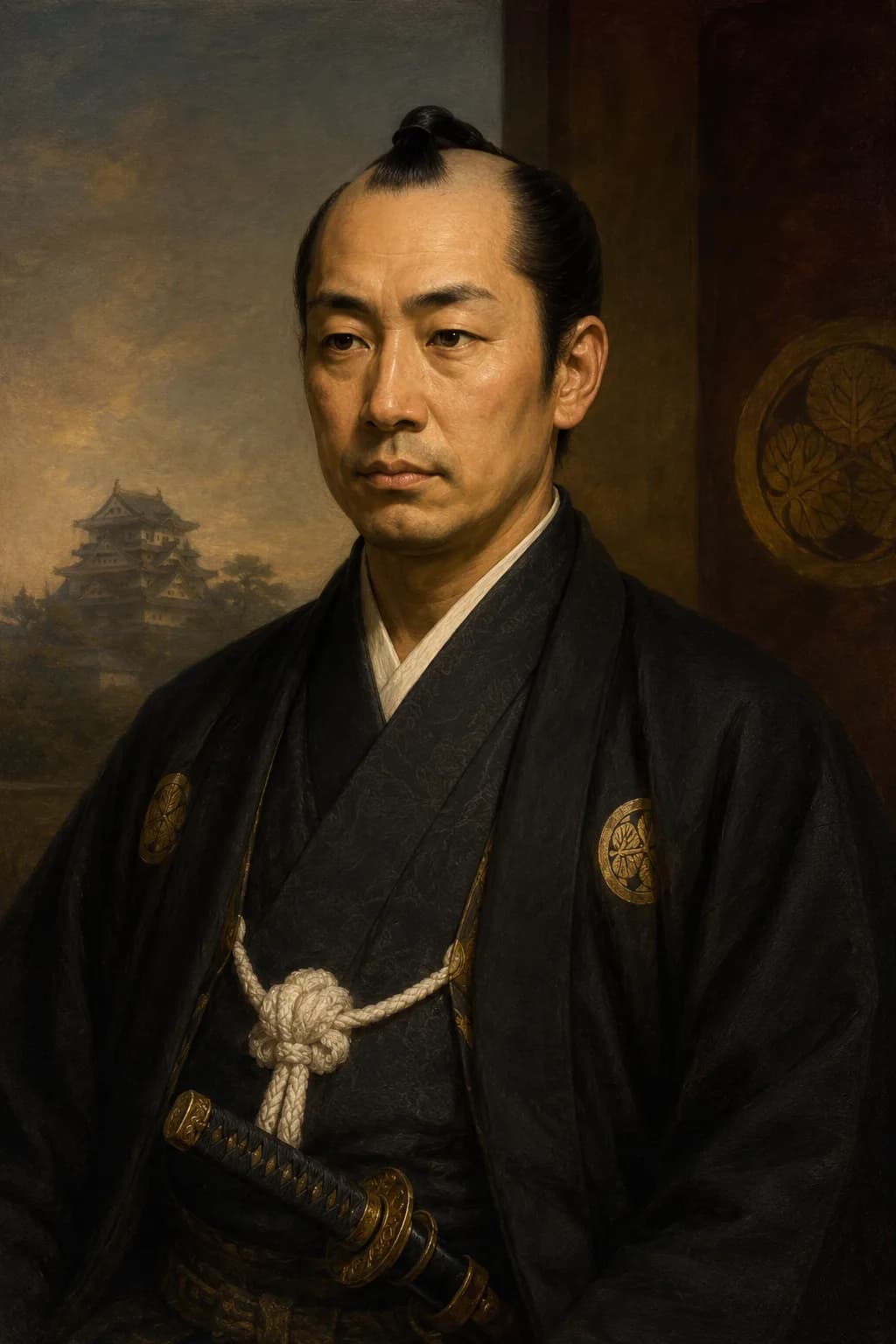
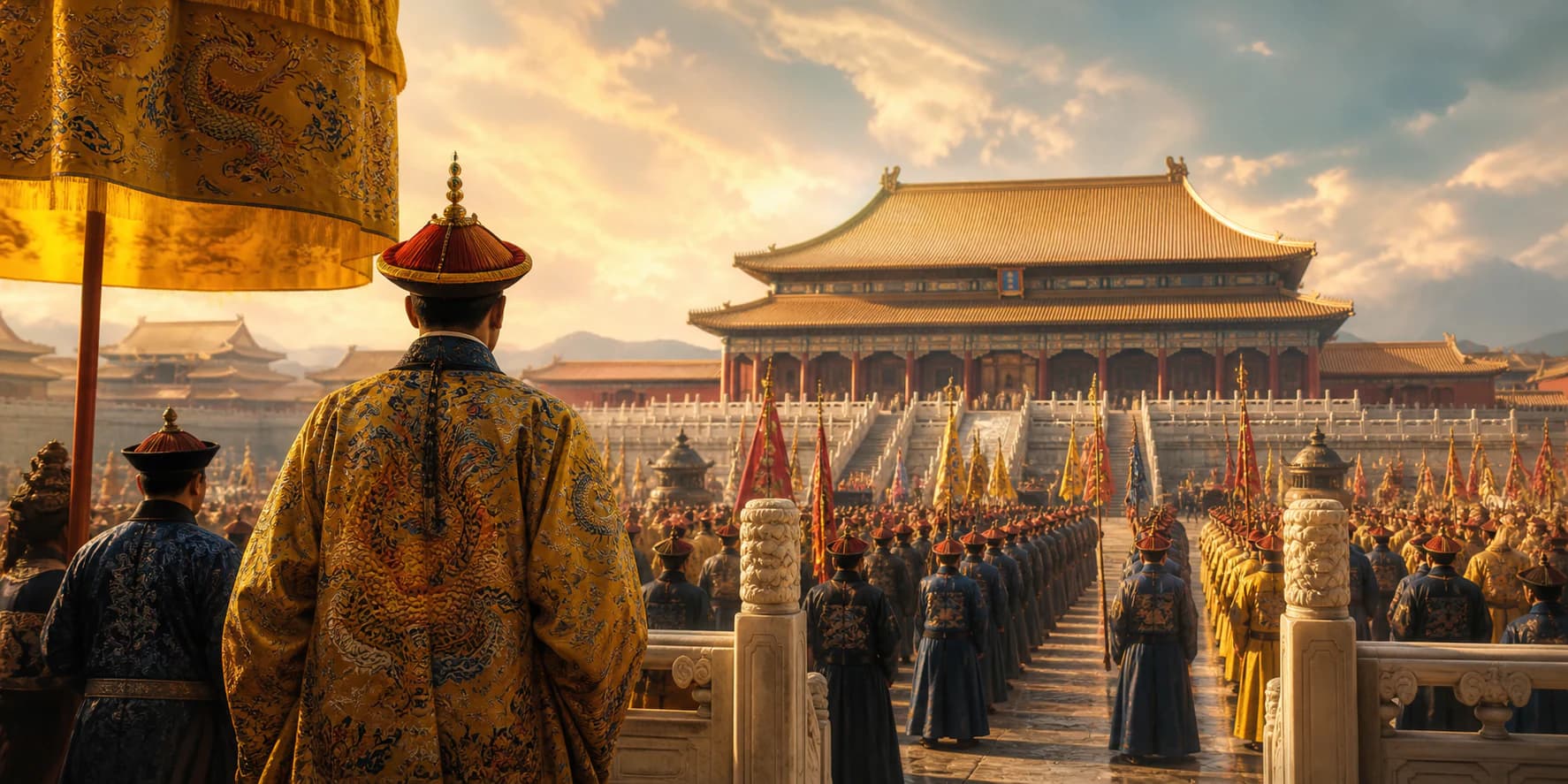
AI-generated portrait of Tokugawa Yoshinobu in formal Tokugawa dress
AI-assisted historical reconstruction

An illustrative reconstruction based on historical context. It is not a photograph or documentary likeness. Image policy

Quick answer

Tokugawa Yoshinobu was the fifteenth and final shogun of the Tokugawa shogunate. He returned governing authority to the emperor in 1867, fought the Boshin War and withdrew from politics after Tokugawa defeat.

Born
1837 CE
Died
1913 CE
Role
Shogun of Japan
Years
1837-1913 CE
Quick facts

Profile details

Additional identity and tagging details that are not already covered in the introduction.

Also known as
Hitotsubashi Keiki, Keiki, Tokugawa Keiki
Facts

Tokugawa Yoshinobu timeline facts

Selected specifics from this profile's life story.

1837
Born near power

Yoshinobu was born into the Mito branch of the Tokugawa family and later became head of the Hitotsubashi house.

1850s-1860s
Reform candidate

As the shogunate weakened, Yoshinobu became a leading candidate for those who wanted stronger, more flexible Tokugawa leadership.

1868
Boshin War

The Boshin War ended Tokugawa hopes of controlling the transition and confirmed the victory of the imperial coalition.

1868-1913
Long retirement

After defeat, Yoshinobu withdrew from politics and lived to see the modern Japan that replaced his family's regime.

Life Journey

The last shogun at the end of the Tokugawa world

Follow the story in a more continuous narrative, with a reading mode that matches how much depth you want.

Complete chronology

1837

Born near power

Tokugawa Yoshinobu was born in 1837 into the Mito branch of the Tokugawa family, one of the houses close enough to the ruling line to matter in moments of succession crisis. He grew up in a political culture that prized the shogunate but also carried strong ideas about imperial loyalty and national defence. That combination became increasingly difficult after Western ships forced Japan open. Yoshinobu was intelligent, disciplined and more reform-minded than many later caricatures of the old regime suggest. Yet his talents belonged to a system already under pressure from foreign treaties, angry samurai and domains that wanted power moved away from Edo.
1850s-1860s

Reform candidate

The 1850s and 1860s pushed the Tokugawa regime into almost continuous crisis. Unequal treaties undermined its claim to defend Japan, while anti-foreign and pro-imperial activists attacked its legitimacy. Yoshinobu emerged as a figure who might restore shogunal strength through reform. He understood that Japan needed military and administrative change, and he had support among factions that wanted the Tokugawa house to adapt rather than fall. But compromise became harder as powerful domains such as Satsuma and Choshu moved from pressure to confrontation. Reform from within was racing against collapse from without.

1866-1867

Last shogun

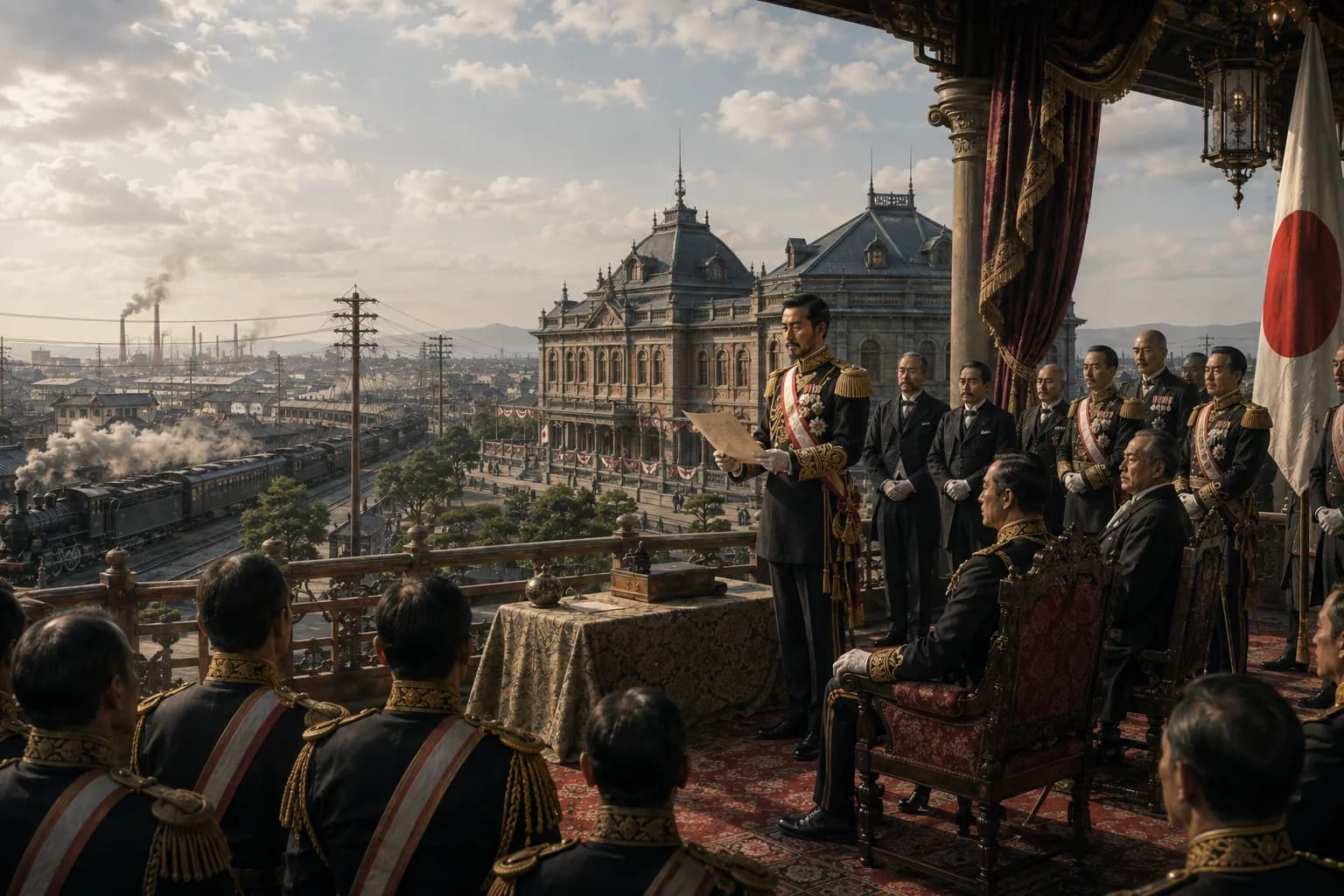
Yoshinobu became the fifteenth Tokugawa shogun in 1866. His position was almost impossible. Foreign powers demanded stability and treaties; imperial loyalists demanded political change; loyal Tokugawa retainers expected defence of hereditary authority. In 1867 Yoshinobu returned governing authority to the emperor, hoping a new political arrangement might preserve Tokugawa status within a broader national government. It was a bold move, not simple surrender. But anti-shogunal leaders did not want the Tokugawa house to dominate a rebranded order. The resignation removed one layer of legitimacy while leaving the deeper power struggle unresolved.

1868

Boshin War

In 1868 fighting broke out between Tokugawa forces and the new imperial coalition. The Battle of Toba-Fushimi was decisive because troops fighting under the imperial banner defeated forces associated with the shogunate and made continued resistance politically dangerous. Yoshinobu withdrew to Edo and eventually submitted, while remaining Tokugawa loyalists fought on in northern Japan and Hokkaido. His choice helped spare Edo from the kind of destruction a prolonged urban battle might have brought, but it also confirmed the end of Tokugawa rule. The shogunate founded in 1603 had lost both the battlefield and the claim to national legitimacy.

1868-1913

Long retirement

Yoshinobu lived for decades after the Restoration, largely outside politics. That long retirement made him a living bridge between two worlds: the shogunal order of hereditary warriors and the Meiji state of ministries, conscription, railways and empire. He was later restored to noble status, but he never returned as a central political actor. His legacy is therefore complicated. He did not found modern Japan, but his resignation, defeat and restraint shaped the conditions in which it emerged. The last shogun matters because endings are not passive. How a regime falls can influence what replaces it.

Continue in context

Connected stories

Move from the profile into the wider events and settings this figure belongs to.

Tertiary paths

Content note

This profile is written for educational use and connects to related Stories of History pages. The main portrait is an AI-assisted historical reconstruction, included as an illustrative aid rather than documentary evidence. Image policy

References

Sources & Further Reading

Reliable reference works, archives and reading paths connected to this profile.

Further reading

  1. Encyclopaedia Britannica, Search results for Tokugawa Yoshinobu,” accessed June 2026.Open source
  2. WorldCat, Books and library holdings for Tokugawa Yoshinobu,” accessed June 2026.Open source

Primary sources

  1. Library of Congress, Search results for Tokugawa Yoshinobu,” accessed June 2026.Open source

Reviewed claim sources

Loading reviewed claim sources...

A weekly route through history

Find out first about the latest published stories, feature notes and occasional Premium offers in one weekly email.