People

Ii Naosuke

Ii Naosuke was the Tokugawa tairō, or great elder, who approved the 1858 Harris Treaty, carried out the Ansei Purge and was assassinated outside Edo Castle in 1860.

Born
1815 CE
Died
1860 CE
Role
Great Elder of the Tokugawa shogunate

Tokugawa tairō (1815-1860)

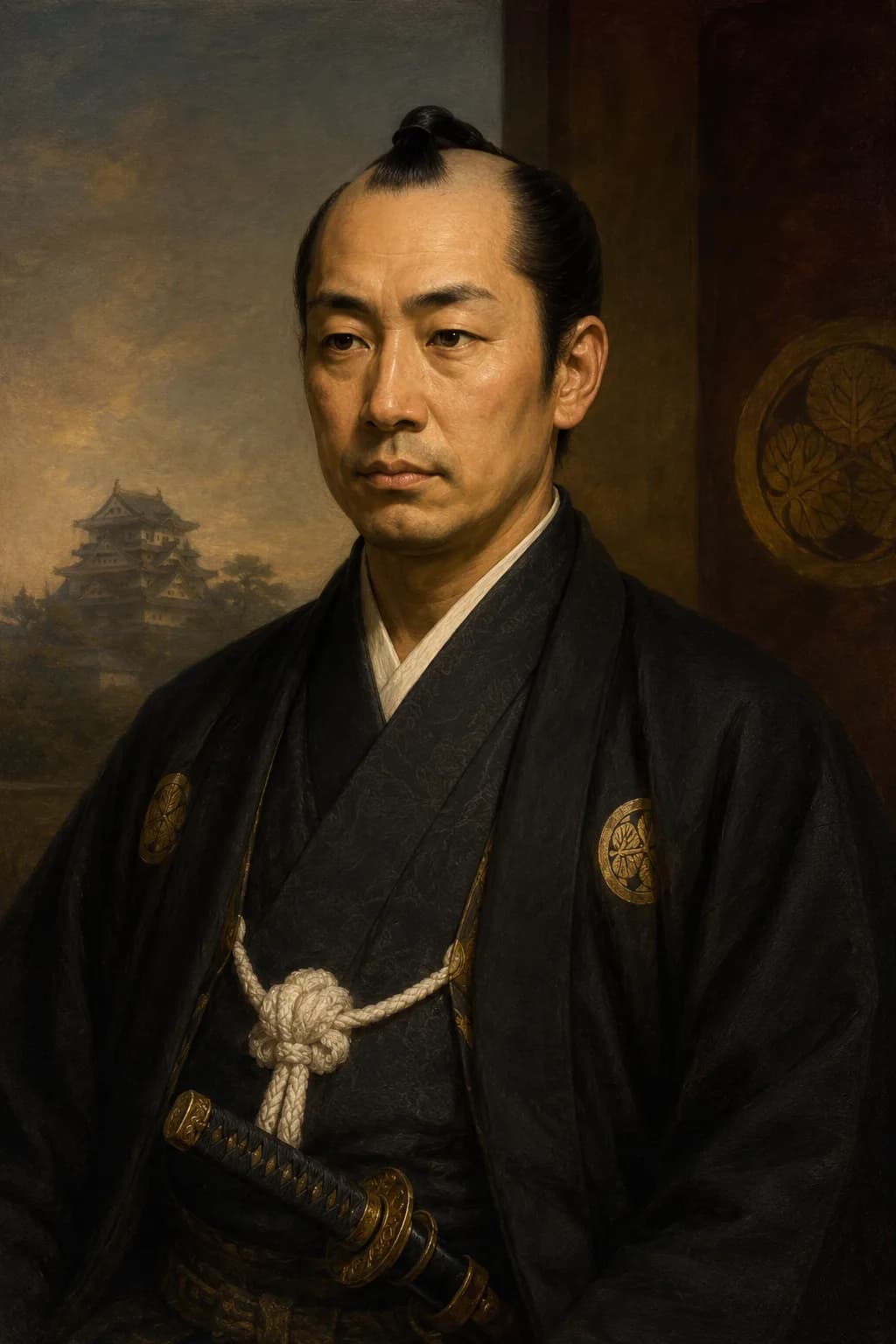
AI-generated portrait of Ii Naosuke in formal Japanese dress
AI-assisted historical reconstruction

An illustrative reconstruction based on historical context. It is not a photograph or documentary likeness. Image policy

Quick answer

Ii Naosuke was the Tokugawa tairō, or great elder, who approved the 1858 Harris Treaty, carried out the Ansei Purge and was assassinated outside Edo Castle in 1860.

Born
1815 CE
Died
1860 CE
Role
Great Elder of the Tokugawa shogunate
Years
1815-1860 CE
Quick facts

Profile details

Additional identity and tagging details that are not already covered in the introduction.

Also known as
Ii Kamon-no-kami Naosuke
Facts

Ii Naosuke timeline facts

Selected specifics from this profile's life story.

1815-1850s
Late rise

Ii Naosuke came from the Hikone domain and rose late into national Tokugawa politics.

1858
Great elder

As tairō, Ii became the shogunate's emergency strongman during the treaty and succession crises.

1858-1859
Ansei Purge

Ii moved against critics through the Ansei Purge, punishing opponents and intensifying anti-shogunal resentment.

1860
Sakuradamon assassination

Ii was assassinated outside Edo Castle in 1860, showing how far the shogunate's crisis had escalated.

Life Journey

The hardliner who tried to hold the shogunate together

Follow the story in a more continuous narrative, with a reading mode that matches how much depth you want.

Complete chronology

1815-1850s

Late rise

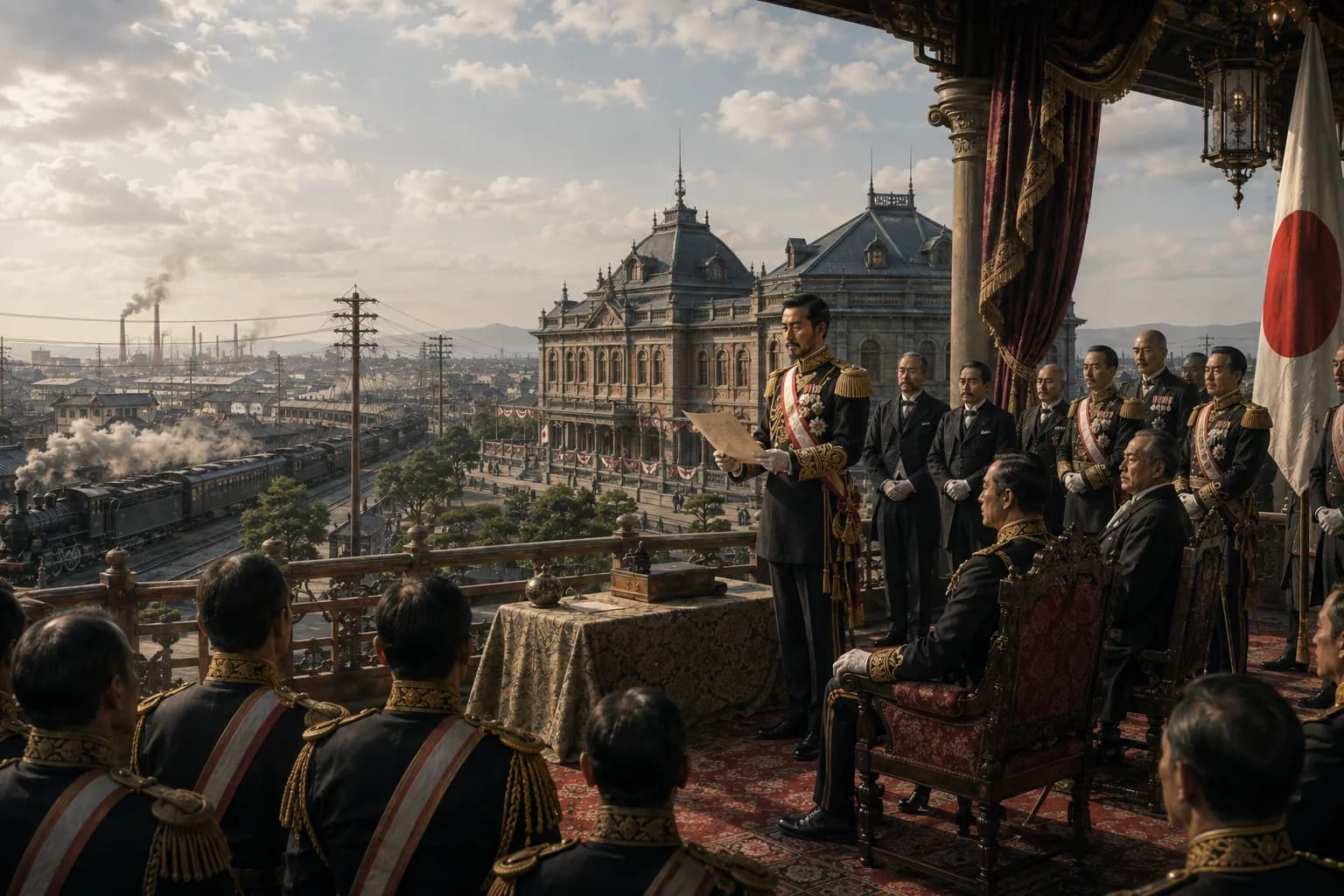
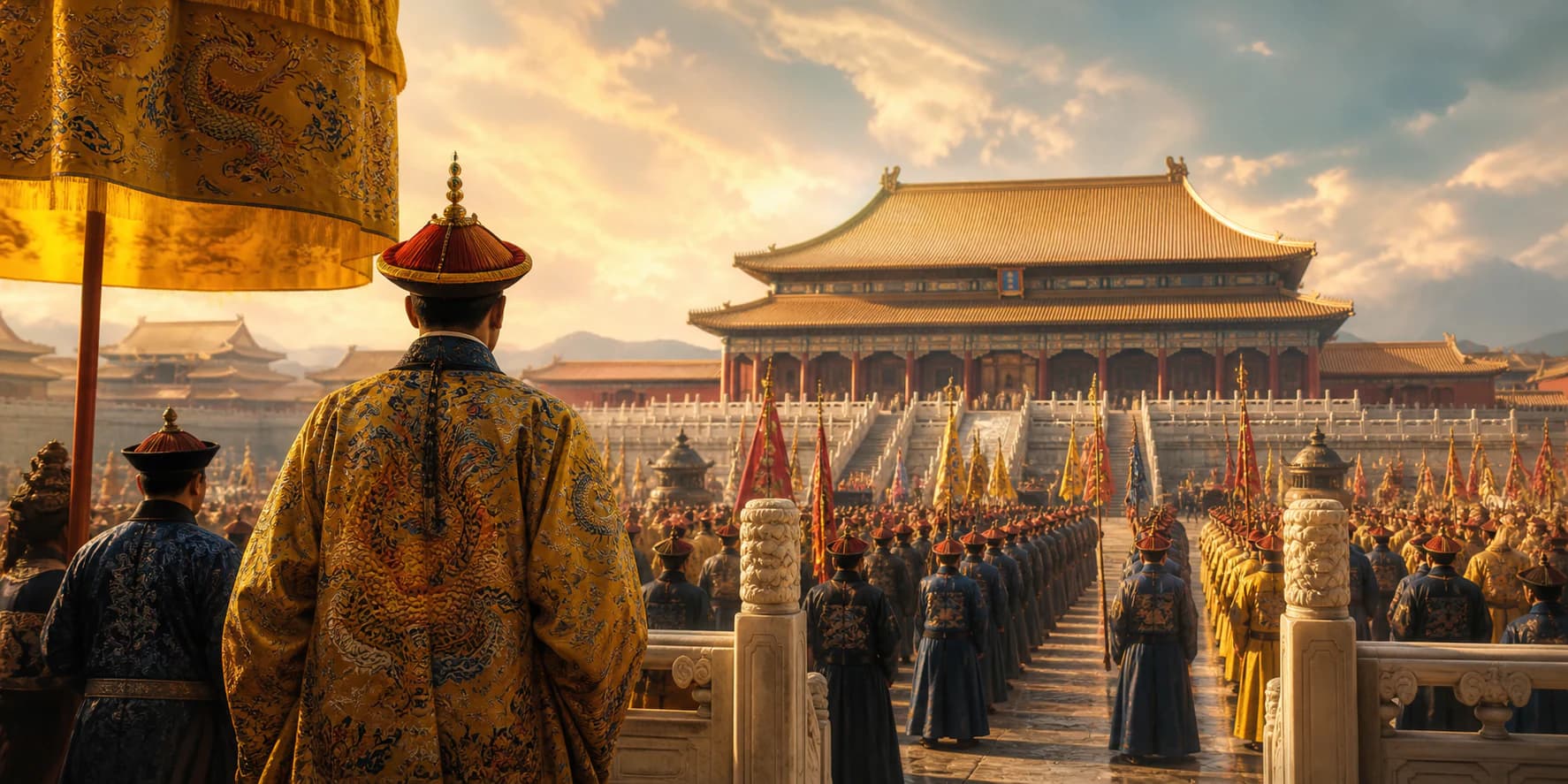
Ii Naosuke was born in 1815 into the powerful Ii family of Hikone, a house long tied to Tokugawa service. His early path did not guarantee national prominence, but he eventually became daimyo of Hikone and entered the inner politics of the shogunate at a moment of acute danger. Western powers were pressing Japan to open, succession disputes divided Tokugawa elites, and imperial court politics were becoming harder to ignore. Ii's importance came from the fact that he treated hesitation as the greatest threat. In a system built on controlled consensus, he chose command.
1858

Great elder

In 1858 Ii Naosuke became tairō, often translated as great elder, an office used in exceptional circumstances. He faced two connected problems: who should succeed as shogun, and how Japan should respond to Western demands for commercial treaties. Ii backed Tokugawa Iemochi over the faction that supported Yoshinobu, strengthening his own control while alienating powerful opponents. He also believed Japan could not defeat Western powers militarily in the short term. That judgement may have been realistic, but the way he acted made concession look like illegitimate surrender.

1858

Unequal treaty

The 1858 Treaty of Amity and Commerce with the United States, known as the Harris Treaty, opened Japanese ports to trade and granted privileges that Japanese critics saw as unequal. The shogunate accepted limits on tariff autonomy and extraterritorial arrangements for foreigners. Ii approved the treaty without full imperial consent, a decision that gave opponents a powerful accusation: Edo had yielded to foreigners and ignored the emperor. Other Western powers soon secured similar treaties. The shogunate had bought time, but the political cost was severe. Foreign relations had become a question of legitimacy.

1858-1859

Ansei Purge

Ii responded to opposition with repression. The Ansei Purge targeted court nobles, daimyo, samurai activists and intellectuals who opposed his treaty policy or succession choices. Some were placed under house arrest, exiled, dismissed or executed. The purge temporarily restored control, but it also convinced many opponents that the shogunate could no longer be reformed through ordinary channels. The more Ii tried to silence dissent, the more he linked Tokugawa survival with coercion and humiliation. His enemies increasingly framed resistance as loyalty to the emperor and defence of the realm.

1860

Sakuradamon assassination

On 24 March 1860, Ii Naosuke was assassinated outside the Sakuradamon gate of Edo Castle by samurai opponents. His death was a political earthquake. It showed that even the shogunate's highest emergency officer could be attacked at the centre of Tokugawa power. The assassination did not immediately end the regime, but it weakened confidence in its authority and emboldened movements that mixed anti-foreign anger with imperial loyalism. Ii's legacy remains severe and tragic. He understood that Japan faced Western superiority, but his method of buying time through treaties and coercion helped make the old order harder to defend.

Continue in context

Connected stories

Move from the profile into the wider events and settings this figure belongs to.

Tertiary paths

Content note

This profile is written for educational use and connects to related Stories of History pages. The main portrait is an AI-assisted historical reconstruction, included as an illustrative aid rather than documentary evidence. Image policy

References

Sources & Further Reading

Reliable reference works, archives and reading paths connected to this profile.

Further reading

  1. Encyclopaedia Britannica, Search results for Ii Naosuke,” accessed June 2026.Open source
  2. WorldCat, Books and library holdings for Ii Naosuke,” accessed June 2026.Open source

Primary sources

  1. Library of Congress, Search results for Ii Naosuke,” accessed June 2026.Open source

Reviewed claim sources

Loading reviewed claim sources...

A weekly route through history

Find out first about the latest published stories, feature notes and occasional Premium offers in one weekly email.