People

Tokugawa Ieyasu

Tokugawa Ieyasu founded the Tokugawa shogunate after victory at Sekigahara and became shogun in 1603. His political order governed Japan until the Meiji Restoration overthrew Tokugawa rule in 1868.

Born
1543 CE
Died
1616 CE
Role
Shogun of Japan

Founder of the Tokugawa shogunate (1543-1616)

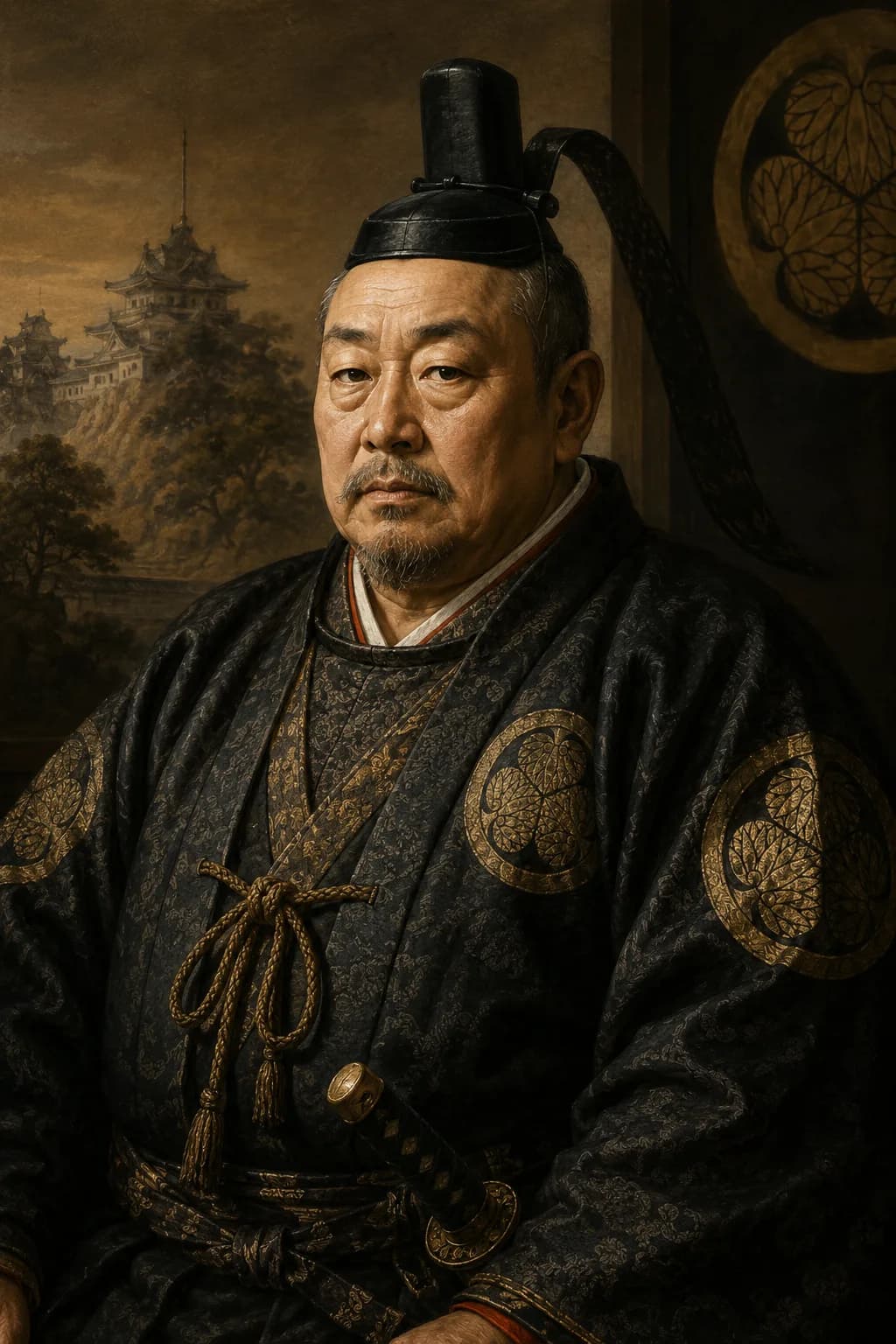
AI-generated portrait of Tokugawa Ieyasu in formal shogunal dress
AI-assisted historical reconstruction

An illustrative reconstruction based on historical context. It is not a photograph or documentary likeness. Image policy

Quick answer

Tokugawa Ieyasu founded the Tokugawa shogunate after victory at Sekigahara and became shogun in 1603. His political order governed Japan until the Meiji Restoration overthrew Tokugawa rule in 1868.

Born
1543 CE
Died
1616 CE
Role
Shogun of Japan
Years
1543-1616 CE
Quick facts

Profile details

Additional identity and tagging details that are not already covered in the introduction.

Also known as
Ieyasu
Facts

Tokugawa Ieyasu timeline facts

Selected specifics from this profile's life story.

1543
Age of war

Ieyasu was born during Japan's violent Sengoku period, when rival warlords fought for survival and supremacy.

1560s-1590s
Alliance and patience

Ieyasu survived by allying with stronger unifiers, including Oda Nobunaga and Toyotomi Hideyoshi, while building his own power.

1603
Shogunate founded

In 1603 Ieyasu became shogun, founding the Tokugawa shogunate that ruled from Edo for more than two centuries.

After 1616
Long Tokugawa order

Ieyasu's settlement created long peace, but its rigid hierarchy and restricted foreign contact later became targets of Meiji reform.

Life Journey

The founder of the order Meiji Japan would overturn

Follow the story in a more continuous narrative, with a reading mode that matches how much depth you want.

Complete chronology

1543

Age of war

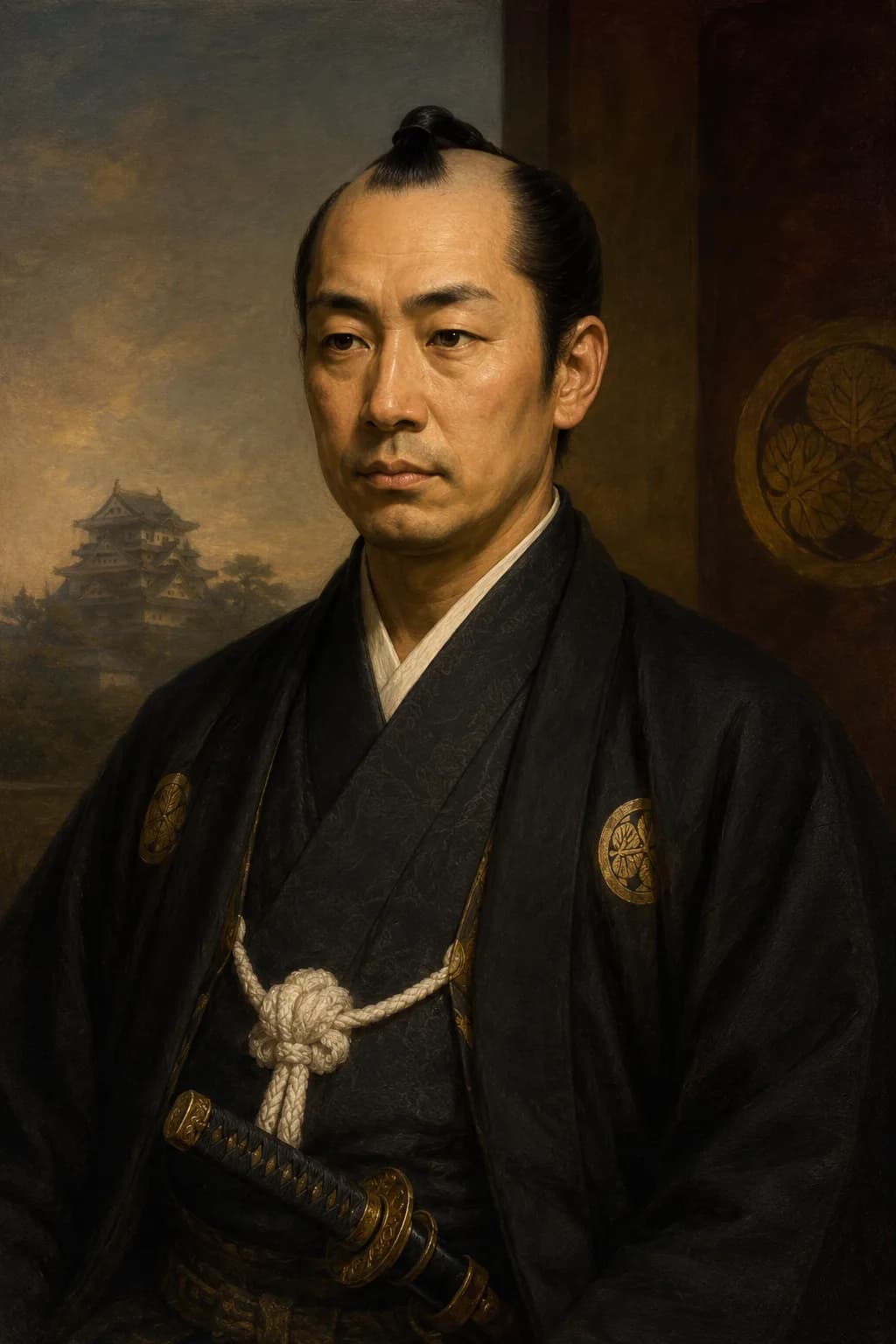
Tokugawa Ieyasu was born in 1543 into a Japan fractured by the Sengoku period, an age of competing warlords, shifting alliances and military survival. His childhood included hostage-taking, family danger and the hard education of a world where political trust was fragile. That experience shaped his later statecraft. Ieyasu learned patience, calculation and the value of institutions that could outlast battlefield fortune. The Tokugawa order would eventually be remembered for peace, but its founder was formed by war.
1560s-1590s

Alliance and patience

Ieyasu's rise depended on knowing when to fight, when to wait and when to serve. He allied with Oda Nobunaga, survived the upheavals after Nobunaga's death and accommodated Toyotomi Hideyoshi's dominance while preserving Tokugawa strength. This restraint was not weakness. It was strategy. By accepting temporary limits, Ieyasu kept his forces intact and expanded his position in eastern Japan. When Hideyoshi died, the balance of power shifted. Ieyasu was ready because he had spent decades building resources rather than chasing every immediate advantage.

1600

Sekigahara

The Battle of Sekigahara in 1600 decided the political future of Japan. Ieyasu defeated a coalition of rivals and emerged as the country's dominant military figure. The victory did not instantly create a stable regime, but it allowed him to redistribute lands, reward allies, punish enemies and position the Tokugawa house above other daimyo. Sekigahara mattered because it converted military success into political architecture. Ieyasu understood that victory had to be followed by arrangements that made another age of war less likely.

1603

Shogunate founded

In 1603 Ieyasu received the title of shogun, establishing the Tokugawa shogunate. He soon passed the title to his son to prove hereditary continuity, but he continued to shape policy from behind the scenes. The new order balanced central authority with daimyo domains, controlled military families through obligation and residence, and placed the Tokugawa house at the centre of national politics. Edo became the seat of shogunal power. The emperor remained in Kyoto as a sacred source of legitimacy, while effective government rested with the warrior regime.

After 1616

Long Tokugawa order

Ieyasu died in 1616, but the system he founded endured until 1868. Tokugawa rule brought long domestic peace, urban growth, commercial development and a carefully managed social order. It also fixed status boundaries, limited foreign contact and preserved samurai privilege in ways that later made adaptation harder. The Meiji Restoration did not simply reject Ieyasu's world because it had failed at everything. It overturned a system that had once worked brilliantly but had become too rigid for the nineteenth-century imperial world. Ieyasu matters to the Meiji story because he built the order the reformers had to dismantle.

Continue in context

Connected stories

Move from the profile into the wider events and settings this figure belongs to.

Tertiary paths

Content note

This profile is written for educational use and connects to related Stories of History pages. The main portrait is an AI-assisted historical reconstruction, included as an illustrative aid rather than documentary evidence. Image policy

References

Sources & Further Reading

Reliable reference works, archives and reading paths connected to this profile.

Further reading

  1. Encyclopaedia Britannica, Search results for Tokugawa Ieyasu,” accessed June 2026.Open source
  2. WorldCat, Books and library holdings for Tokugawa Ieyasu,” accessed June 2026.Open source

Primary sources

  1. Library of Congress, Search results for Tokugawa Ieyasu,” accessed June 2026.Open source

Reviewed claim sources

Loading reviewed claim sources...

A weekly route through history

Find out first about the latest published stories, feature notes and occasional Premium offers in one weekly email.