People

Thomas Pelham Holles

Thomas Pelham-Holles, Duke of Newcastle, was a British Whig politician and two-time Prime Minister. He dominated mid-18th-century politics through patronage, elections and party management.

Born
1693 CE
Died
1768 CE
Role
Prime Minister of the United Kingdom

British Prime Minister (1693–1768)

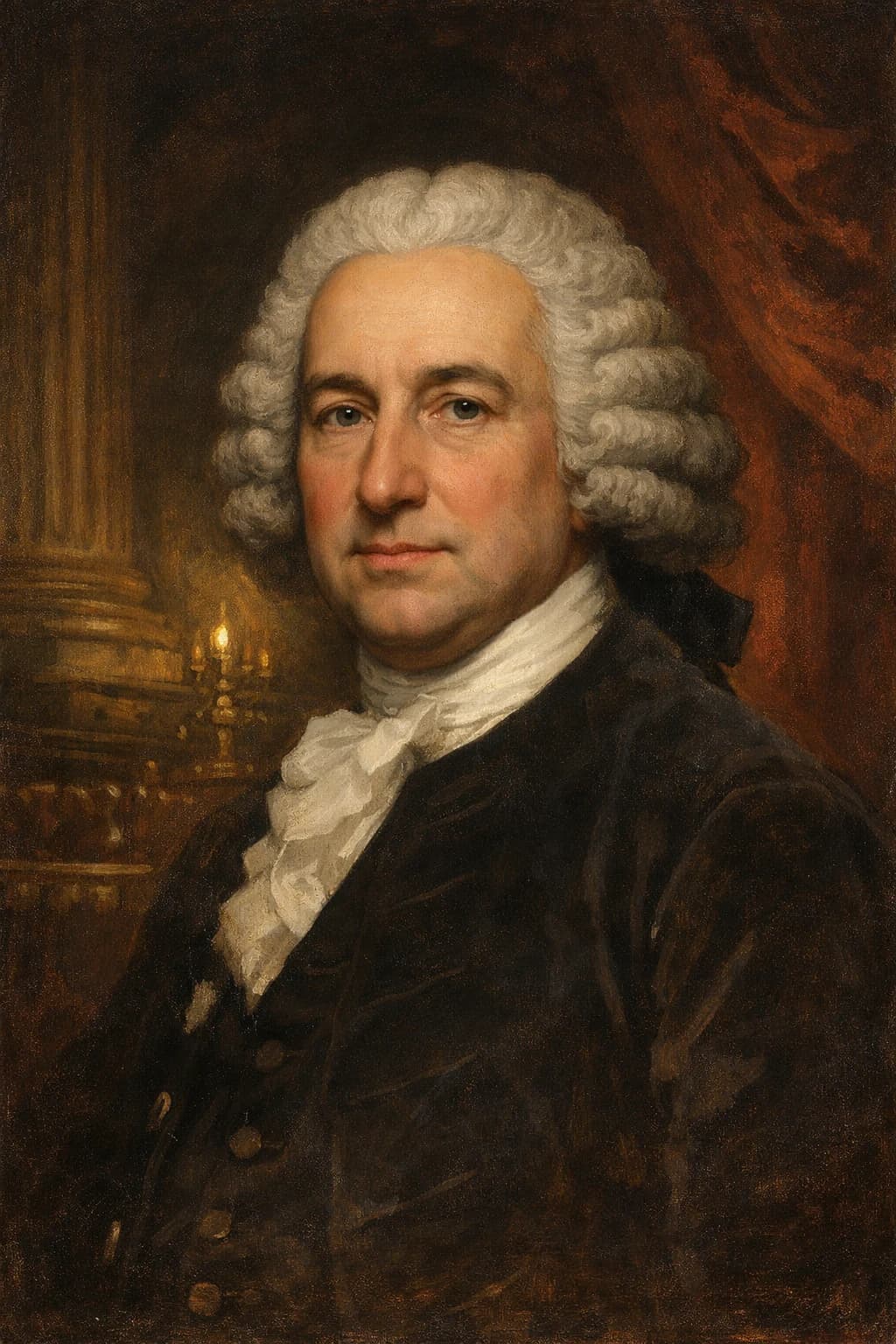
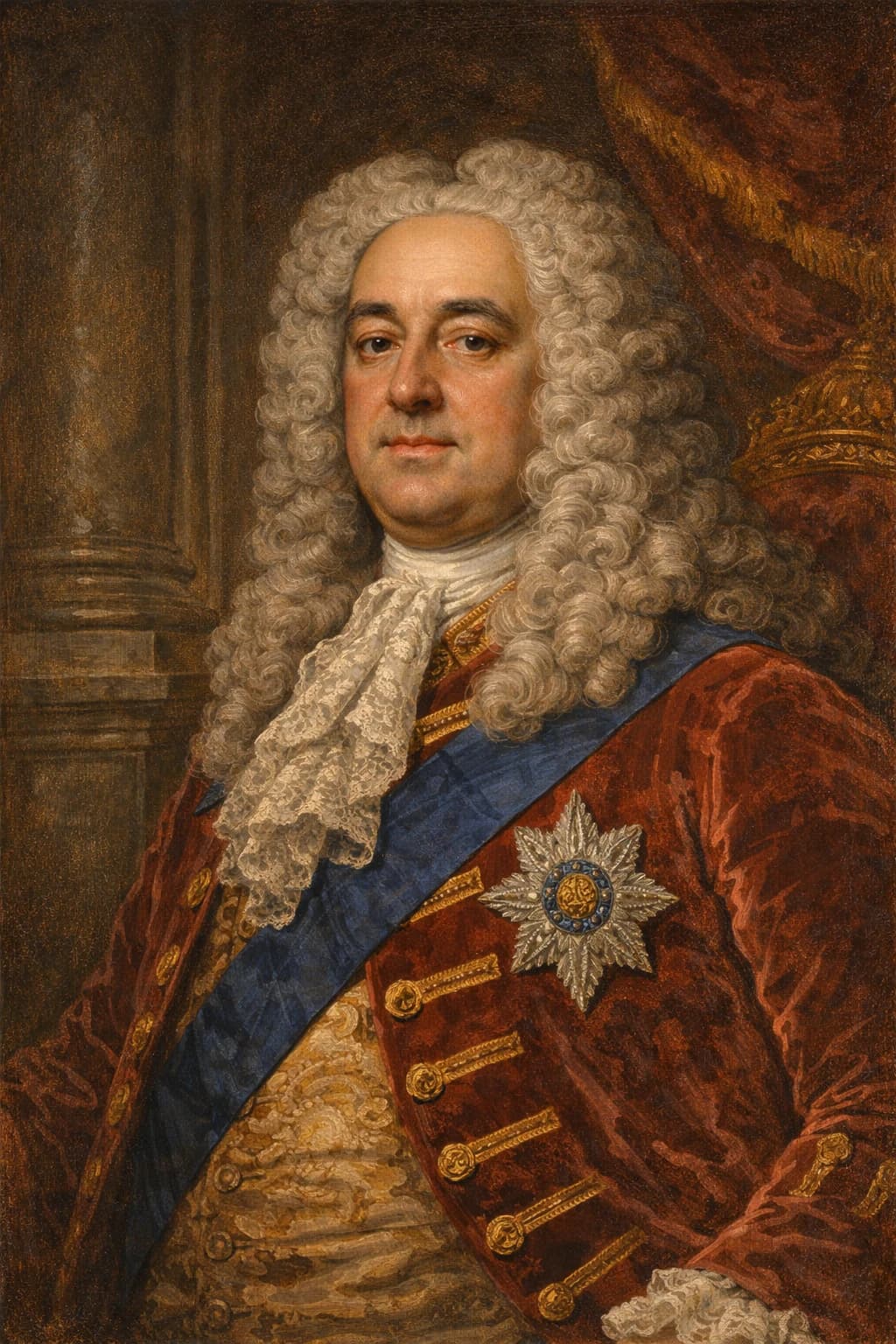
AI-generated portrait of the Duke of Newcastle in formal Georgian attire
AI-assisted historical reconstruction

An illustrative reconstruction based on historical context. It is not a photograph or documentary likeness. Image policy

Quick answer

Thomas Pelham-Holles, Duke of Newcastle, was a British Whig politician and two-time Prime Minister. He dominated mid-18th-century politics through patronage, elections and party management.

Born
1693 CE
Died
1768 CE
Role
Prime Minister of the United Kingdom
Years
1693-1768 CE
Quick facts

Profile details

Additional identity and tagging details that are not already covered in the introduction.

Full name
Thomas Pelham Holles, Duke of Newcastle
Also known as
Duke of Newcastle, Newcastle Whig leader
Facts

Thomas Pelham Holles timeline facts

Selected specifics from this profile's life story.

1693
Aristocratic inheritance

Thomas Pelham-Holles was born in 1693 into a wealthy Whig family, inheriting titles, estates and a political network that shaped his career.

1724
Secretary of State

As Secretary of State from 1724, Newcastle handled diplomacy and domestic management while Robert Walpole dominated financial and Commons leadership.

1750s
War pressures

The Seven Years' War exposed Newcastle's weaknesses, but his alliance with William Pitt turned patronage and public leadership into a winning combination.

1768
Enduring reputation

Newcastle died in 1768 with a reputation for fussiness and indecision, but also as one of the great political organisers of Georgian Britain.

Life Journey

Patronage, Whig management, and the politics of survival

Follow the story in a more continuous narrative, with a reading mode that matches how much depth you want.

Complete chronology

1693

Aristocratic inheritance

Newcastle's power began with inheritance, but it did not end there. Born Thomas Pelham, he became heir to the Holles estates and titles through family settlement, eventually becoming Duke of Newcastle. The result was immense wealth, borough influence and access to the Whig grandees who dominated politics after the Glorious Revolution and Hanoverian succession. He was not a great thinker or commanding orator. His gifts were social, organisational and relentless. He remembered requests, managed families, dispensed favours and treated politics as a living web of obligation. In an age before mass democracy, that web could decide governments.

1710s

Entry into politics

Newcastle's early career unfolded in a Britain still haunted by Jacobitism, dynastic insecurity and party conflict. His Whiggism was both conviction and interest: the Hanoverian monarchy protected the political order in which Whig aristocrats flourished. He entered the Commons briefly but soon moved in the Lords, where his wealth and social position mattered more. He attached himself to the dominant Whig system and made himself useful in the unglamorous work of politics: correspondence, local management, office distribution and election support. His rise showed that British power was not only made in speeches. It was made in letters, dinners, boroughs and promises.

1720s

Building influence

Newcastle's genius was managerial. He knew which families controlled which boroughs, which local patrons needed honours, which MPs wanted offices, and which grievances might become dangerous if neglected. Patronage in his hands was not simple bribery; it was a system of political maintenance. Government posts, pensions, church livings, military commissions and court favour could bind supporters to the Whig interest. The system looks unattractive to modern eyes, but it was central to eighteenth-century parliamentary government. Newcastle's influence came from knowing the machinery better than almost anyone and working it with obsessive energy.

1724

Secretary of State

Newcastle became Secretary of State in 1724 and held the office for three decades, an extraordinary run. Under Walpole, he managed foreign correspondence, court relationships and much of the political detail that kept the Whigs in power. He could be fussy, anxious and indecisive in high strategy, but he was tireless in administration. His partnership with Walpole was not equal in public stature, yet it mattered. Walpole needed parliamentary and financial control; Newcastle helped maintain the broader aristocratic and electoral structure around him. The office gave Newcastle a national reach and made his network indispensable.

1730s–1740s

Whig dominance

After Walpole's fall, Newcastle and his brother Henry Pelham became central to the Pelhamite Whig order. Henry, as prime minister and Commons manager, supplied steadiness and financial credibility; Newcastle supplied aristocratic connections, electoral reach and indefatigable management. Their system was designed less for ideological excitement than for stability. It kept Jacobitism marginal, managed war and peace, and distributed power among Whig families. Newcastle's critics mocked his nervousness and confusion, but they also had to reckon with his usefulness. He could hold together people who disliked one another by ensuring each received enough attention to stay inside the tent.

1754

Prime minister

Henry Pelham's death pushed Newcastle into the premiership. He had long possessed influence, but now he needed to provide direction. That was harder. Newcastle lacked the Commons authority his brother had exercised and struggled to master the strategic pressures of imperial rivalry with France. His style, effective in correspondence and patronage, looked weak when war demanded clarity. He was not stupid, as caricature sometimes suggests, but his intelligence was dispersed across relationships rather than concentrated into bold decisions. As prime minister, the question became whether a man of networks could lead a state entering global war.

1750s

War pressures

Early failures in the Seven Years' War damaged Newcastle badly, including the loss of Minorca and the execution of Admiral Byng after public outrage. He resigned in 1756 but soon returned because no durable ministry could ignore his parliamentary network. The great solution was partnership with William Pitt the Elder. Pitt supplied war vision, rhetoric and public confidence; Newcastle supplied money votes, borough management and elite support. Together they presided over Britain's global victories against France. The arrangement reveals Newcastle's true importance. He was not the heroic face of empire, but without his machinery Pitt's strategy would have struggled to survive Parliament.

1760s

Gradual withdrawal

The accession of George III changed the atmosphere. The young king and his advisers wanted to reduce dependence on the old Whig oligarchy, and Newcastle's system looked like exactly the kind of aristocratic management they wished to escape. He served again briefly as prime minister from 1757 to 1762 in partnership with Pitt, then found himself increasingly marginalised. The end was not a dramatic collapse but a slow displacement. New men, new court priorities and new political alignments weakened the habits that had sustained him. Newcastle remained wealthy and connected, but the age in which he was indispensable was passing.

1768

Enduring reputation

Newcastle's legacy is easy to underestimate because he was not glamorous. He did not dominate through speeches like Pitt, financial mastery like Walpole, or royal favour alone. He dominated through attention. For decades he managed the connective tissue of British politics: elections, patrons, offices, factions and expectations. The system was oligarchic, corrupt by modern standards and often closed to ordinary voters, but it helped stabilise Hanoverian Britain and sustain governments through war and dynastic tension. Newcastle's career shows that power is not always command. Sometimes it is the patient maintenance of dependence, gratitude and access.

Continue in context

Connected stories

Move from the profile into the wider events and settings this figure belongs to.

British Prime Ministers lineage
LineagePrime ministers in sequence
British Prime Ministers
1721 CE–present

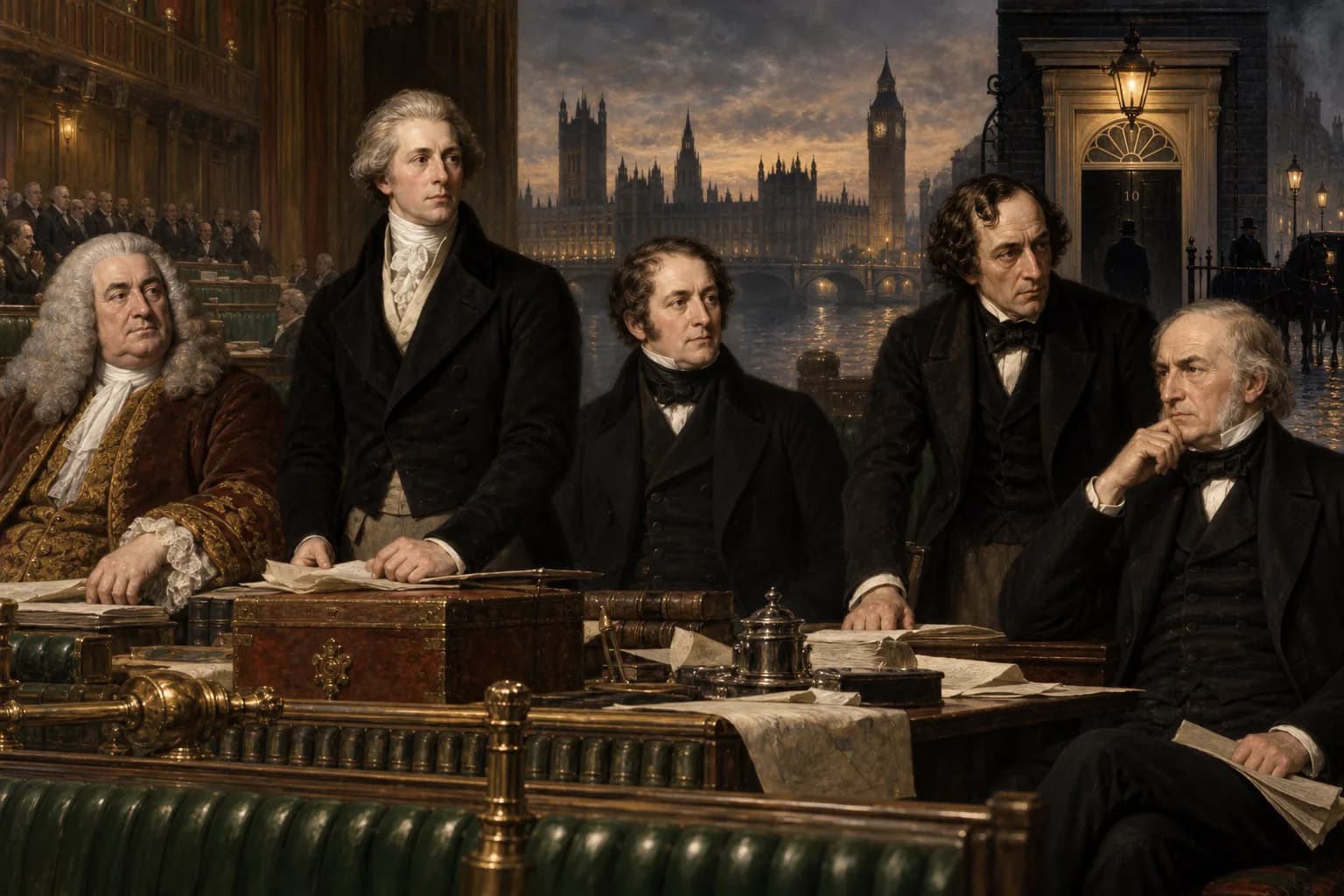
Explore British prime ministers from Walpole to the present.

View lineage
Tertiary paths

Content note

This profile is written for educational use and connects to related Stories of History pages. The main portrait is an AI-assisted historical reconstruction, included as an illustrative aid rather than documentary evidence. Image policy

References

Sources & Further Reading

Reliable reference works, archives and reading paths connected to this profile.

Further reading

  1. Encyclopaedia Britannica, Search results for Thomas Pelham Holles,” accessed June 2026.Open source
  2. WorldCat, Books and library holdings for Thomas Pelham Holles,” accessed June 2026.Open source

Primary sources

  1. Library of Congress, Search results for Thomas Pelham Holles,” accessed June 2026.Open source

Reviewed claim sources

Loading reviewed claim sources...

A weekly route through history

Find out first about the latest published stories, feature notes and occasional Premium offers in one weekly email.