People

Henry Pelham

Henry Pelham was British Prime Minister from 1743 to 1754 and a leading Whig statesman. He managed wartime politics, reduced interest on the national debt, stabilised government after Walpole, and governed alongside his brother, the Duke of Newcastle.

Born
1694 CE
Died
1754 CE
Role
Whig Prime Minister

Whig Prime Minister (1694–1754)

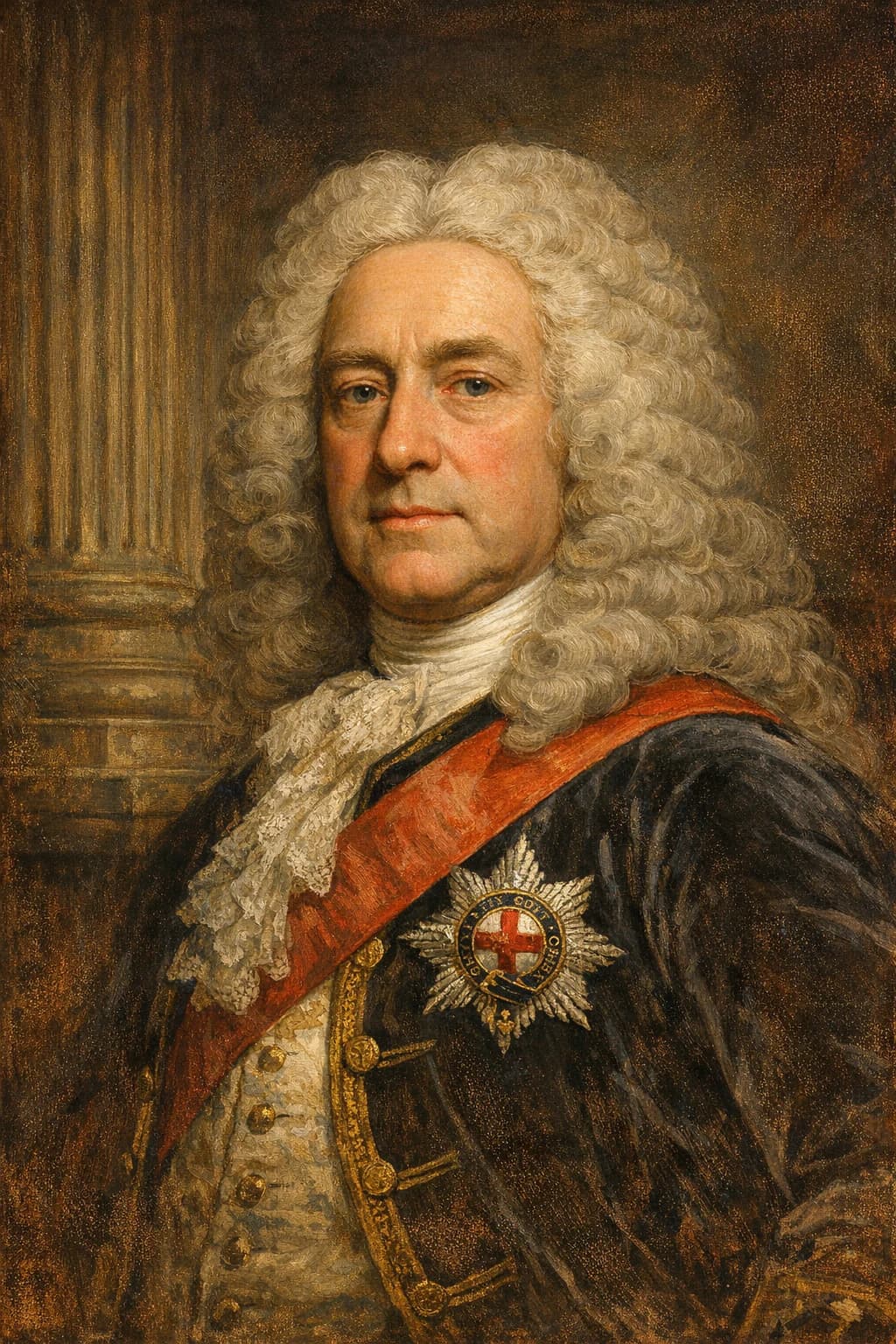
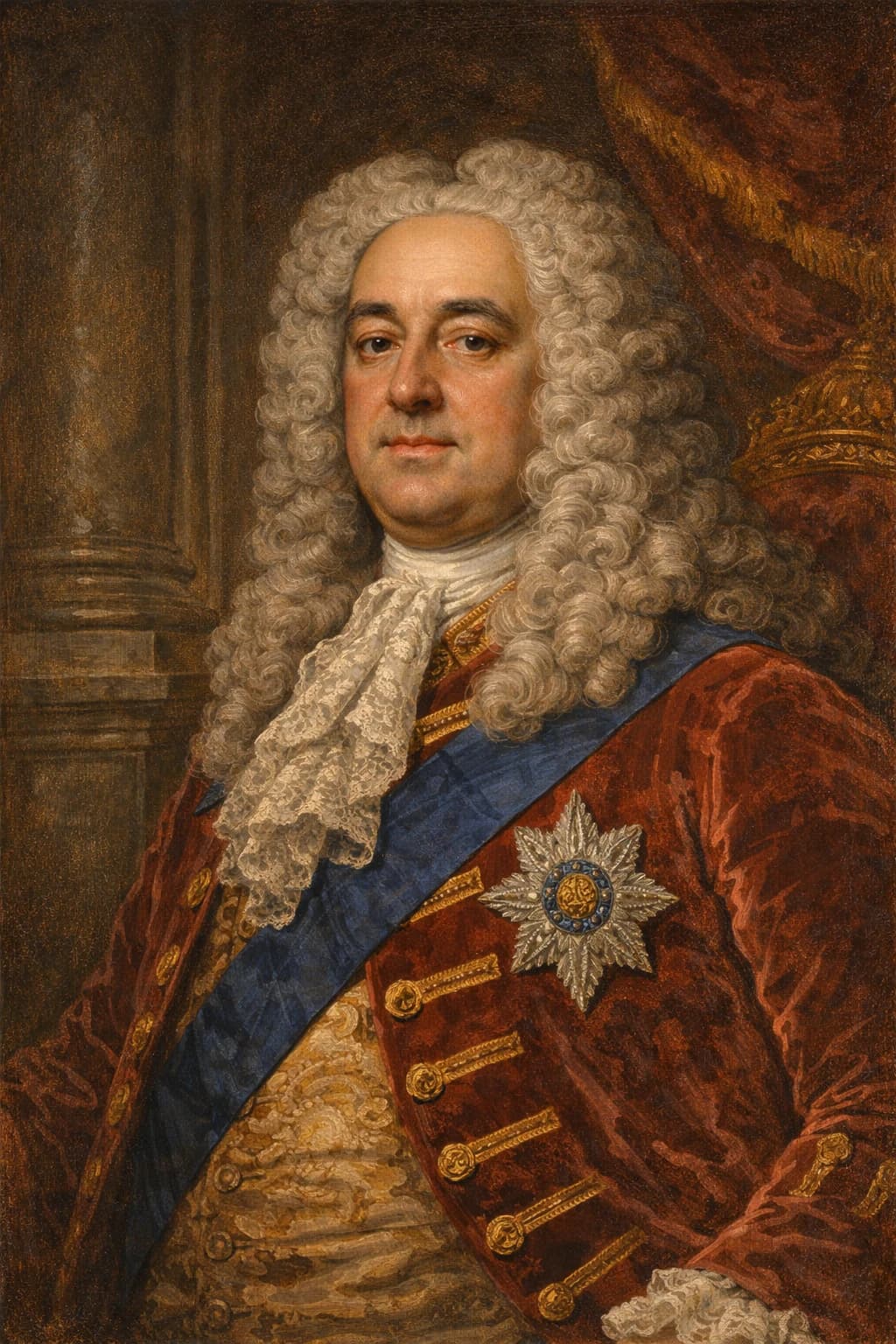
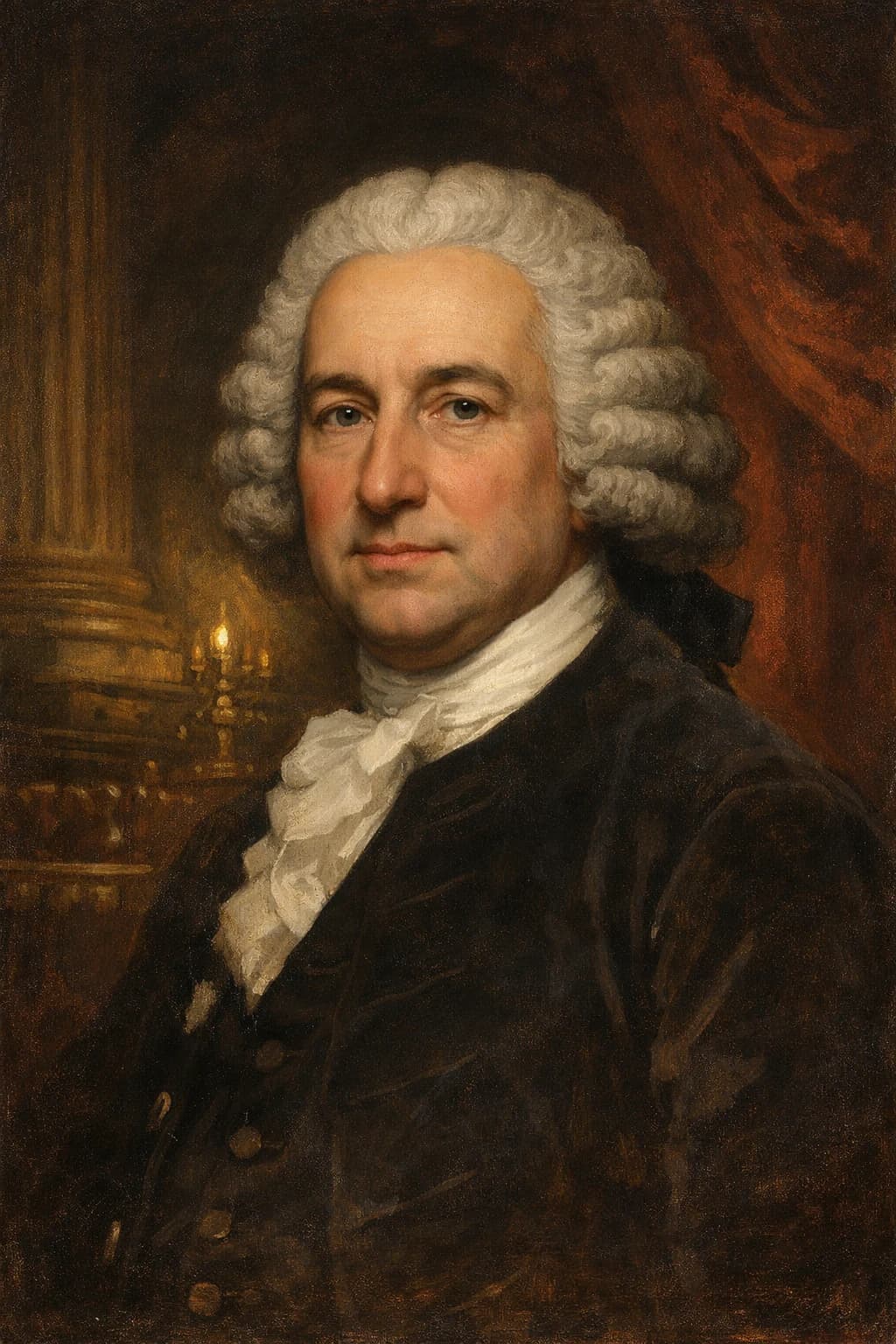
AI-generated portrait of Henry Pelham in formal Georgian attire
AI-assisted historical reconstruction

An illustrative reconstruction based on historical context. It is not a photograph or documentary likeness. Image policy

Quick answer

Henry Pelham was British Prime Minister from 1743 to 1754 and a leading Whig statesman. He managed wartime politics, reduced interest on the national debt, stabilised government after Walpole, and governed alongside his brother, the Duke of Newcastle.

Born
1694 CE
Died
1754 CE
Role
Whig Prime Minister
Years
1694-1754 CE
Facts

Henry Pelham timeline facts

Selected specifics from this profile's life story.

1694
Aristocratic beginnings

Henry Pelham was born in 1694 into a powerful Whig family, younger brother of Thomas Pelham-Holles, the future Duke of Newcastle.

1720s–1730s
Growing influence

Through offices including Paymaster of the Forces, Pelham gained the financial and administrative experience that made him valuable after Walpole's fall.

1740s–1750s
Managing factions

Pelham managed Whig factions, court expectations, and parliamentary patronage, keeping government stable without pretending politics was harmonious.

1754
Lasting impact

Pelham's legacy lies in quiet competence: stronger public credit, steadier Whig government, and a Britain better prepared for future imperial war.

Life Journey

A steady hand in unsettled times

Follow the story in a more continuous narrative, with a reading mode that matches how much depth you want.

Complete chronology

1694

Aristocratic beginnings

Pelham grew up inside the world that made early Georgian politics work: aristocratic connection, borough influence, family alliance, and Whig loyalty to the Hanoverian settlement. His father had served in high office, and his elder brother Newcastle would become one of the great managers of patronage in the 18th century. Henry was less flamboyant than many contemporaries and less socially tireless than Newcastle, but he had a steadier judgement. His political formation taught him that power in Britain did not belong simply to the crown or to Parliament, but to the careful management of both. That instinct would define his premiership.


1710s

Education and training

Pelham's education prepared him for a political culture that valued classical fluency, manners, and the ability to operate inside elite networks. Yet his real education came through office, finance, and parliamentary bargaining. He was not a theorist of government. He became a practitioner of it. That mattered in a state whose growing military commitments depended on credit, taxation, and confidence in public funds. Pelham developed an eye for the practical foundations of power: revenue had to be raised, debt had to be serviced, allies had to be reassured, and the king had to be managed without letting royal preference destroy parliamentary support.

1717

Entering Parliament

Pelham's parliamentary career began under the long shadow of Robert Walpole, the dominant minister of the early Hanoverian age. He advanced through loyalty, competence, and family connection, holding posts that taught him how government money moved and how Commons support was built. He was not the man most likely to produce a famous phrase or dramatic confrontation. His value lay elsewhere: he understood the moods of MPs, the importance of patronage, and the danger of letting factional quarrels become public crises. In a political world often dismissed as corrupt, Pelham represented a quieter skill: making a system full of self-interest continue to function.

1720s–1730s

Growing influence

The decades before Pelham became prime minister were shaped by war scares, Jacobite anxiety, and argument over Walpole's long dominance. Pelham's service as Paymaster of the Forces and other offices gave him command of detail. He saw how armies, subsidies, debt, and parliamentary votes connected. This was not glamorous work, but it made him trusted at a time when trust was political currency. After Walpole fell in 1742, Britain needed ministers who could steady a divided Whig world without surrendering government to opposition adventurers or court favourites. Pelham's combination of caution, fiscal competence, and acceptability made him increasingly hard to avoid.

1743

Becoming Prime Minister

Pelham's premiership began in a difficult setting. Britain was fighting in Europe, George II remained personally interested in continental affairs, and the Whig political nation was divided after Walpole's fall. Pelham did not try to dominate through charisma. He governed by consultation, careful appointments, and financial credibility. His partnership and rivalry with his brother Newcastle mattered constantly: Newcastle managed vast networks of patronage and foreign-policy interests, while Henry provided steadier Commons leadership and fiscal control. Together they helped restore a workable Whig administration. Pelham's achievement was not to create a new political order, but to stop the existing one from coming apart.

1740s

Financial reforms

Pelham understood that Britain's power rested on credit. The state could fight wars and subsidise allies only if investors believed government debt was secure. His conversion of government stock reduced interest payments, most famously moving parts of the debt from 4 percent toward 3 percent, easing the fiscal burden without repudiating obligations. This was not the drama of battle or empire, but it mattered more than many battles. Financial credibility allowed Britain to borrow at scale in future conflicts, including the Seven Years' War. Pelham's policy showed how 18th-century state power worked: behind fleets and armies stood ledgers, confidence, and the management of debt.

1740s–1750s

Managing factions

Pelham's government depended on managing people who often disliked one another. The king wanted influence, Newcastle wanted control of patronage and foreign affairs, MPs wanted office or favour, and opposition figures watched for weakness. Pelham's method was practical rather than visionary. He distributed rewards, avoided unnecessary provocation, and kept the Commons supplied with enough reasons to support the ministry. His broad-bottom ministry briefly tried to absorb more factions into government, though not without tension. This was politics as maintenance, and maintenance can be historically important. In the aftermath of Walpole and before the turbulence of George III's reign, Pelham made oligarchic Whig rule look competent again.

1750s

Final years

The Peace of Aix-la-Chapelle in 1748 ended the War of the Austrian Succession without solving the deeper imperial rivalry between Britain and France. Pelham used the peace to focus on financial repair and domestic calm. His later ministry looked uneventful compared with the wars around it, but that was part of the point. Britain gained a rare interval of steadiness. Yet the calm was personal as well as institutional. Pelham's ability to balance Newcastle, the Commons, and the crown made him a hinge figure. When he died suddenly in 1754, that balance was disturbed, and the political system moved toward the instability that would mark the coming decade.

1754

Lasting impact

Pelham is easy to overlook because he left no grand doctrine and inspired no legend. Yet his importance becomes clear when measured against the state he helped stabilise. He made government finance more credible, restored ministerial calm after Walpole's fall, and showed that the post-1688 British system could be managed through Parliament, credit, patronage, and pragmatic compromise. His Britain was not democratic in any modern sense, and his politics belonged to a narrow ruling elite. But within that world he was effective. The fiscal machine he strengthened helped support the global struggles that followed. Pelham's achievement was to make power look ordinary, and that ordinariness was part of its strength.

Continue in context

Connected stories

Move from the profile into the wider events and settings this figure belongs to.

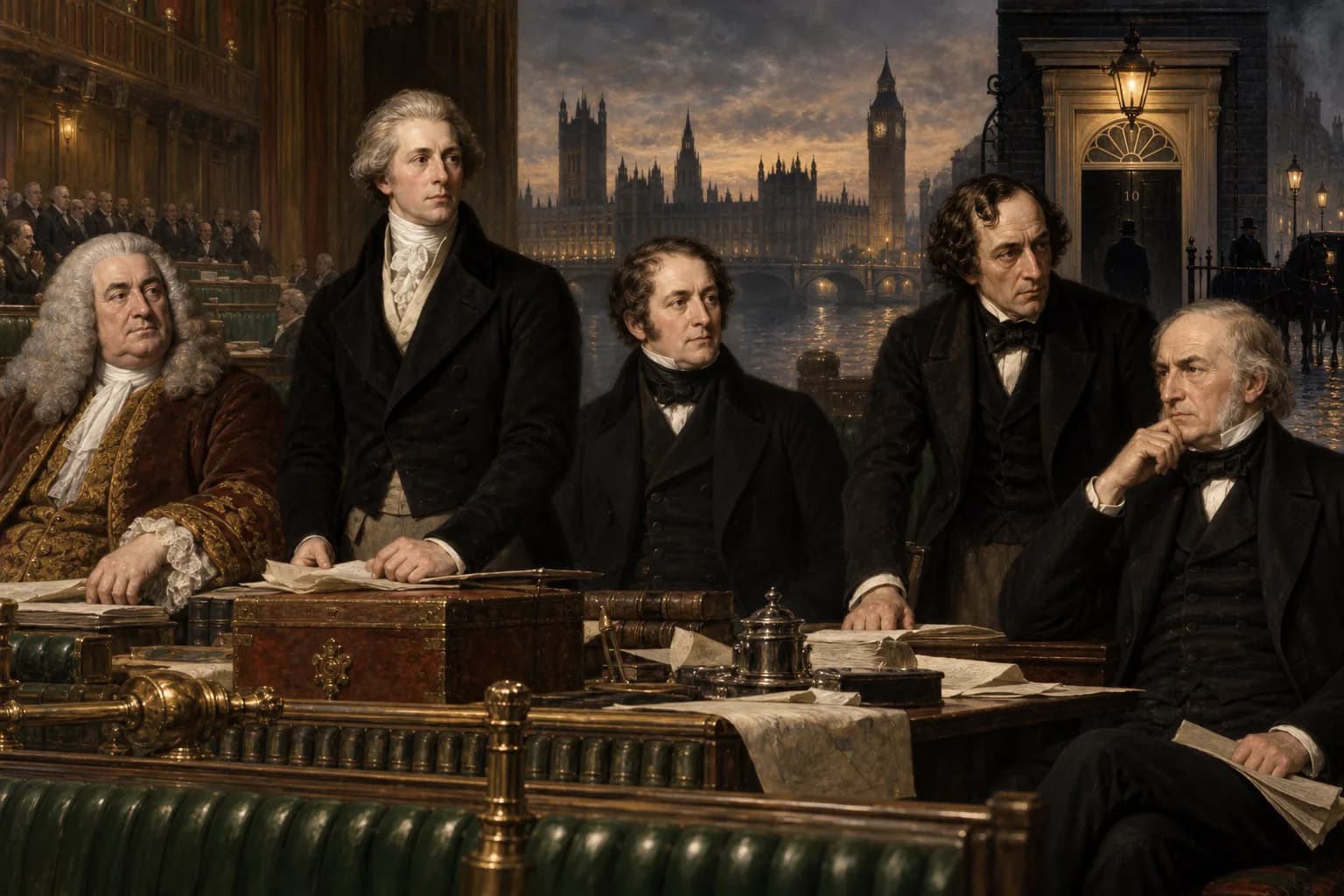
British Prime Ministers lineage
LineagePrime ministers in sequence
British Prime Ministers
1721 CE–present

Explore British prime ministers from Walpole to the present.

View lineage
Tertiary paths

Content note

This profile is written for educational use and connects to related Stories of History pages. The main portrait is an AI-assisted historical reconstruction, included as an illustrative aid rather than documentary evidence. Image policy

References

Sources & Further Reading

Reliable reference works, archives and reading paths connected to this profile.

Further reading

  1. Encyclopaedia Britannica, Search results for Henry Pelham,” accessed June 2026.Open source
  2. WorldCat, Books and library holdings for Henry Pelham,” accessed June 2026.Open source

Primary sources

  1. Library of Congress, Search results for Henry Pelham,” accessed June 2026.Open source

Reviewed claim sources

Loading reviewed claim sources...

A weekly route through history

Find out first about the latest published stories, feature notes and occasional Premium offers in one weekly email.