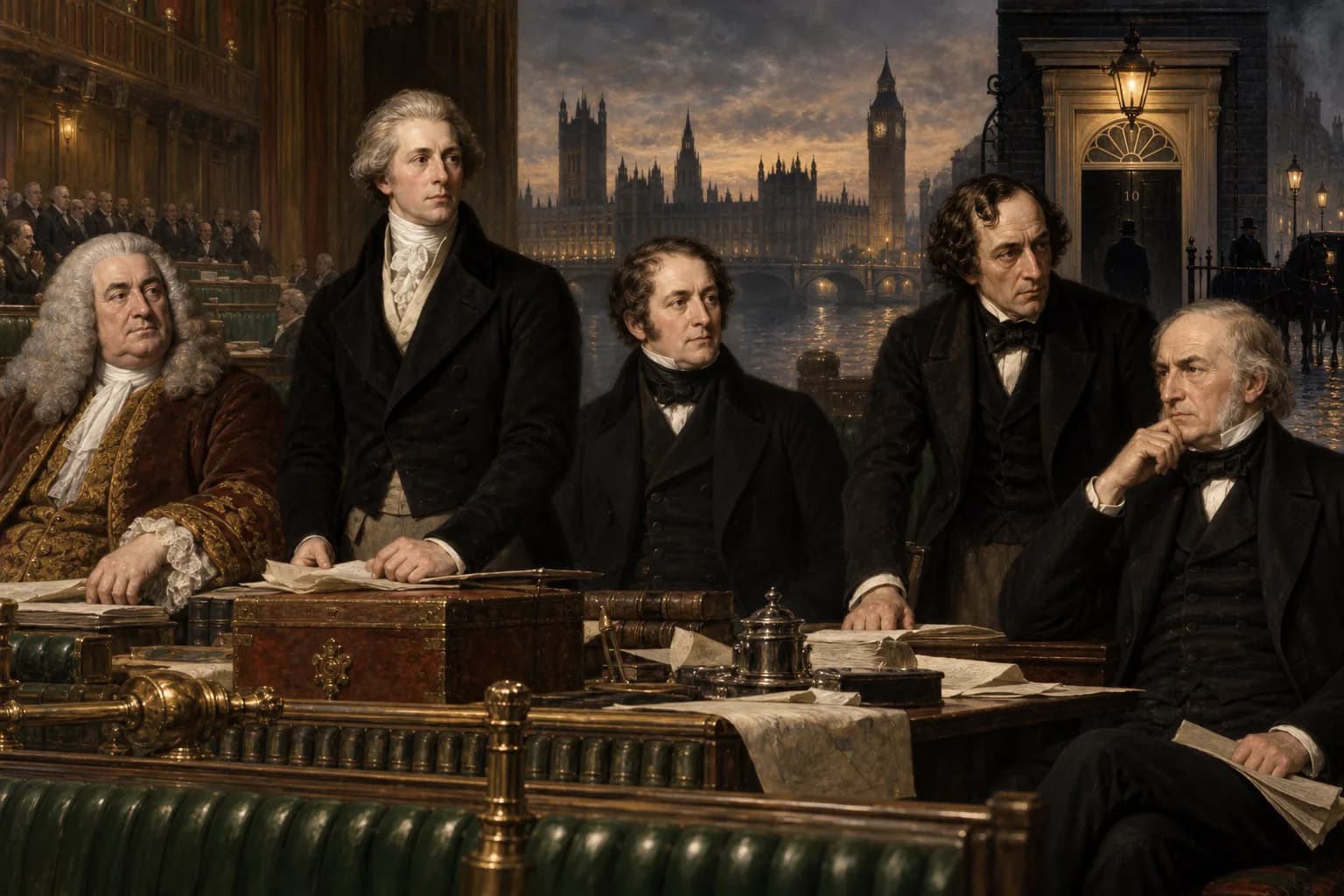
People

William Cavendish

William Cavendish, 4th Duke of Devonshire, was a British Whig statesman and Prime Minister from 1756 to 1757. He briefly led government during the Seven Years' War crisis.

Born
1720 CE
Died
1764 CE
Role
Prime Minister of the United Kingdom

British Prime Minister (1720–1764)

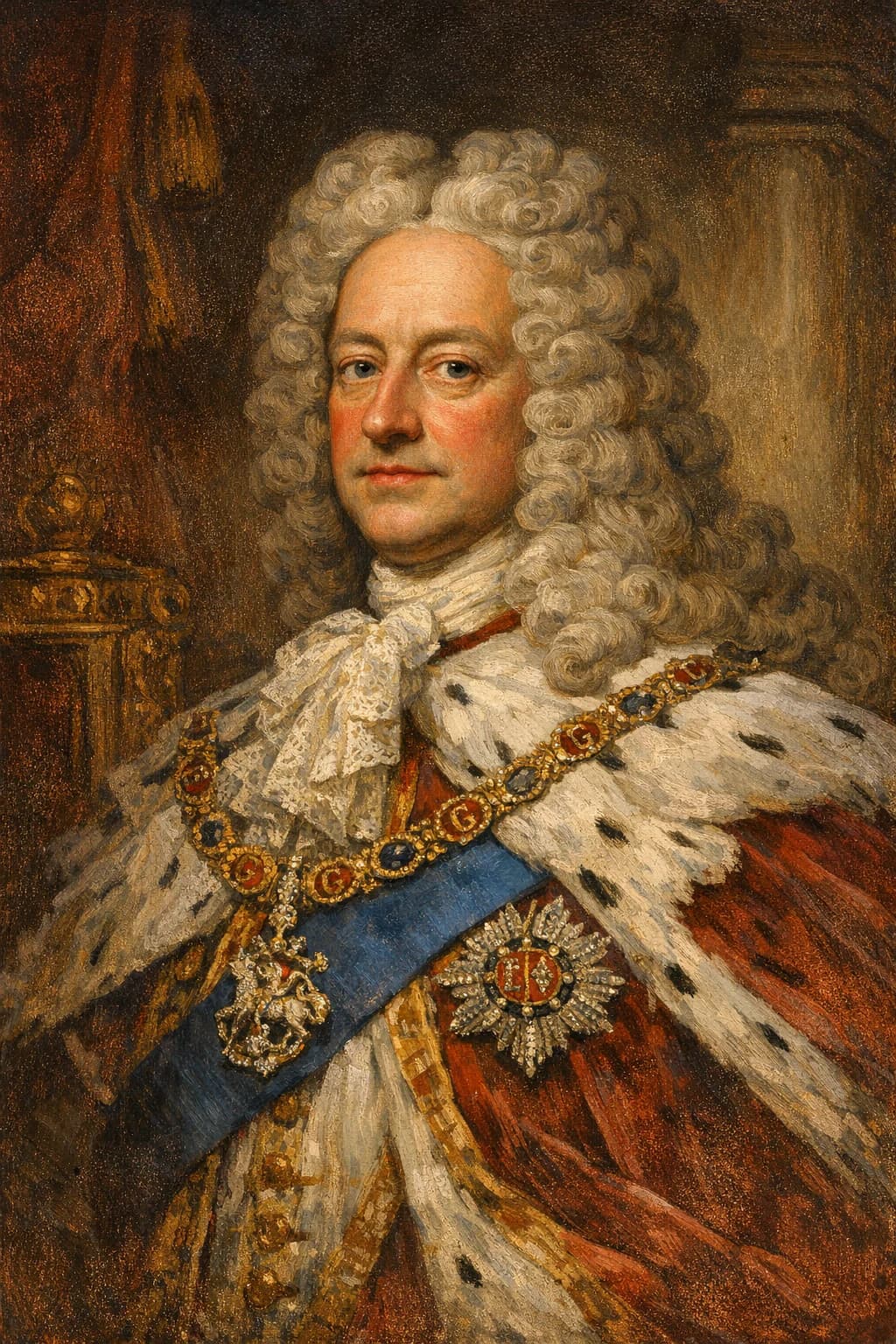
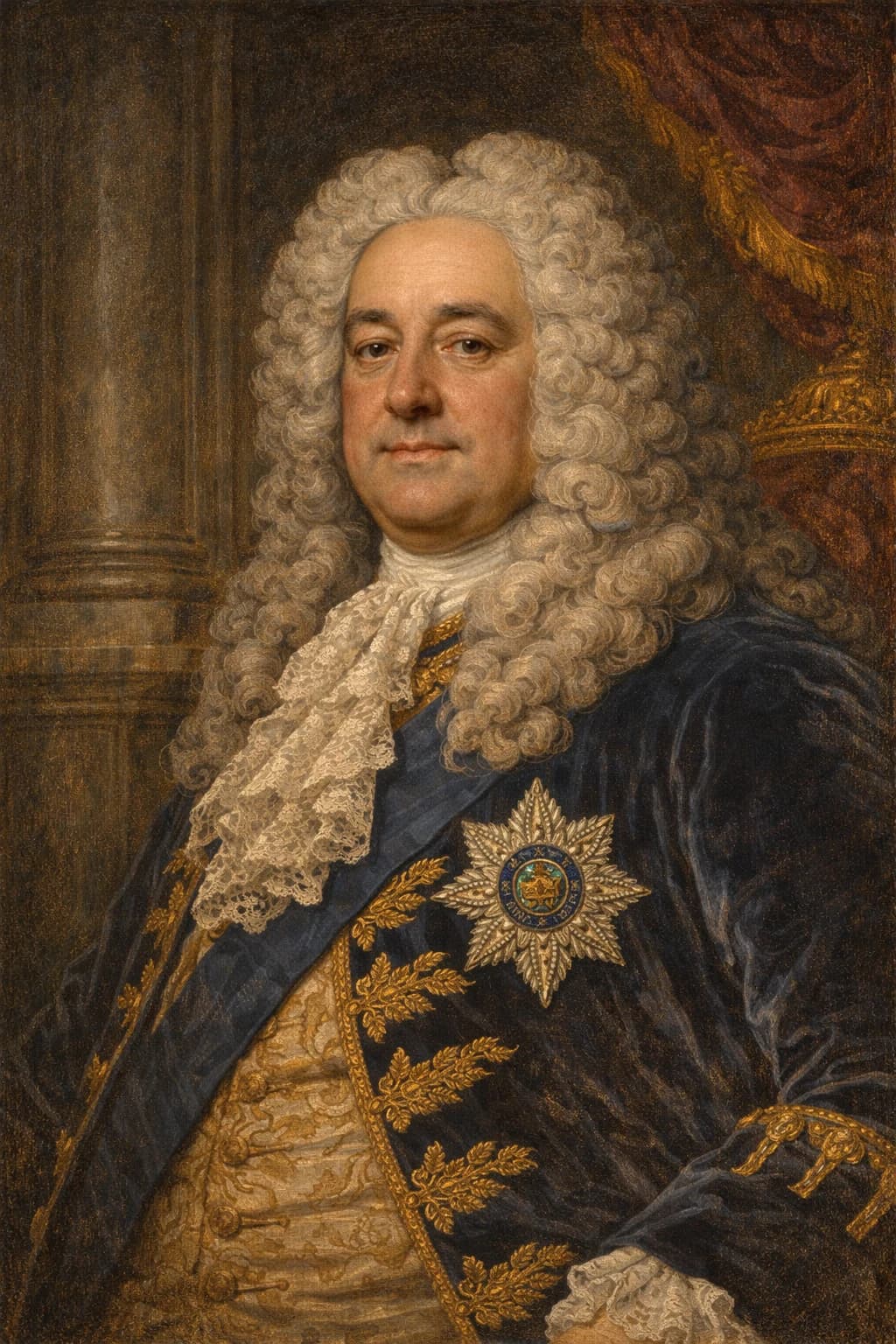
AI-generated portrait of the Duke of Devonshire in formal Georgian attire
AI-assisted historical reconstruction

An illustrative reconstruction based on historical context. It is not a photograph or documentary likeness. Image policy

Quick answer

William Cavendish, 4th Duke of Devonshire, was a British Whig statesman and Prime Minister from 1756 to 1757. He briefly led government during the Seven Years' War crisis.

Born
1720 CE
Died
1764 CE
Role
Prime Minister of the United Kingdom
Years
1720-1764 CE
Quick facts

Profile details

Additional identity and tagging details that are not already covered in the introduction.

Full name
William Cavendish, 4th Duke of Devonshire
Also known as
4th Duke of Devonshire, Duke of Devonshire, William Cavendish, Duke of Devonshire
Facts

William Cavendish timeline facts

Selected specifics from this profile's life story.

1720
Aristocratic birth

William Cavendish was born in 1720 into the Cavendish family, one of Britain's richest and most politically connected Whig houses.

1740s
Entering public life

Devonshire entered national politics through Whig networks, serving in office and building trust as a sober aristocratic manager.

1750s–1760s
Behind the scenes power

After leaving the premiership, Devonshire remained influential through office, family power and Whig connections rather than personal showmanship.

1764
Enduring legacy

His legacy is that of a brief prime minister and major Whig noble whose influence came from aristocratic trust more than public command.

Life Journey

Whig aristocracy, wartime crisis, and a brief premiership

Follow the story in a more continuous narrative, with a reading mode that matches how much depth you want.

Complete chronology

1720

Aristocratic birth

Devonshire's birth placed him inside the aristocratic structure that governed Georgian Britain. The Cavendish estates, centred on Chatsworth and wider regional influence, gave the family wealth, borough interests and political standing. He inherited not only title but obligation: great Whig houses were expected to support the Hanoverian settlement, manage local influence and participate in national government. Devonshire was not a self-made politician or ideological insurgent. His authority came from rank, trust and the stabilising weight of a name that mattered in Parliament and at court.
1730s

Formative education

Devonshire's preparation was designed for a world where land and politics reinforced each other. Education for a duke was not simply academic. It meant learning how to manage property, cultivate dependants, form alliances and preserve family honour. This produced a political style based on restraint rather than display. Devonshire did not need to dazzle the Commons; as a peer, he moved through the Lords, court and private negotiation. His career would show how much eighteenth-century government still depended on the social capital of great families as well as on administrative talent.

1731

Duke at a young age

Devonshire became the 4th Duke of Devonshire after his father's death in 1755. The timing mattered. Britain was entering the Seven Years' War, and the government was under pressure after failures abroad and political conflict at home. The dukedom brought him immense status but also placed him in the front rank of Whig politics at a moment when aristocratic leadership was needed to steady government. He was young for such responsibility, but his family position made him more than a private nobleman. In Georgian politics, a duke with influence was a political institution.

1740s

Entering public life

Before becoming prime minister, Devonshire held offices that placed him within the governing Whig system, including Lord Lieutenant of Ireland. His political value lay in reliability and status. He could reassure factions, connect great families and represent continuity at moments when more forceful figures divided opinion. This was not democratic leadership in a modern sense. It was government by elite confidence, court access and parliamentary management. Devonshire's career makes sense only inside that world: he mattered because his support could help hold together a fragile governing arrangement.

1750s

Building alliances

Devonshire's influence depended on the larger Whig landscape. The Duke of Newcastle controlled immense patronage and parliamentary connections; William Pitt the Elder commanded public enthusiasm and war rhetoric. Devonshire stood between worlds of aristocratic management and energetic war leadership. His rank made him useful to Newcastle's system, while his relative moderation helped him function when factions could not agree. He was not the author of Britain's grand strategy, but he helped bridge the political space in which strategy could later be made.

1756–1757

Brief premiership

Devonshire's premiership was born from crisis. Newcastle had fallen after military failure and political anger, while Pitt's popularity made him impossible to ignore but difficult for the king and some grandees to accept without safeguards. Devonshire became the aristocratic head of a ministry in which Pitt served as the driving force in the Commons. It was a transitional arrangement, not a durable settlement. The war demanded stronger coordination than Devonshire could supply alone. His premiership lasted only months, but it helped carry government through the gap between Newcastle's collapse and the more effective Pitt-Newcastle coalition of 1757.

1750s–1760s

Behind the scenes power

Devonshire did not vanish when he ceased to be prime minister. In aristocratic politics, influence did not depend solely on holding the top office. He remained Lord Chamberlain for a time and continued to matter through estates, family alliances and Whig networks. His career reminds us that the Georgian premiership was still developing. The prime minister was not yet always the single commanding executive figure of later politics. Men like Devonshire could be central because they helped legitimate arrangements, soothe factional nerves and provide the social authority needed for government to function.

1760s

Later years

Devonshire died in 1764 at only forty-four. His life had been short, and his premiership shorter still, which makes him easy to overlook. Yet his career sits at an important moment in British political development. The Seven Years' War was turning Britain into a global imperial power, while older forms of aristocratic management were adapting to new public pressures and war leadership. Devonshire's later years did not produce a grand personal programme, but they preserved the Cavendish presence within the Whig elite. His importance lies less in individual policy than in the role he played as a stabilising aristocrat during transition.

1764

Enduring legacy

William Cavendish, 4th Duke of Devonshire, was not one of Britain's transformative prime ministers. He left no equivalent of Pitt's war strategy, Walpole's financial system or Gladstone's reforming programme. But he shows how Georgian government actually worked. Great noble houses supplied legitimacy, electoral influence and social glue. Devonshire's short premiership mattered because it helped bridge a dangerous political moment and made space for the ministry that would prosecute the Seven Years' War more successfully. His life is a reminder that quiet, inherited power shaped eighteenth-century Britain as surely as famous speeches did.

Continue in context

Connected stories

Move from the profile into the wider events and settings this figure belongs to.

British Prime Ministers lineage
LineagePrime ministers in sequence
British Prime Ministers
1721 CE–present

Explore British prime ministers from Walpole to the present.

View lineage
Tertiary paths

Content note

This profile is written for educational use and connects to related Stories of History pages. The main portrait is an AI-assisted historical reconstruction, included as an illustrative aid rather than documentary evidence. Image policy

References

Sources & Further Reading

Reliable reference works, archives and reading paths connected to this profile.

Further reading

  1. Encyclopaedia Britannica, Search results for William Cavendish,” accessed June 2026.Open source
  2. WorldCat, Books and library holdings for William Cavendish,” accessed June 2026.Open source

Primary sources

  1. Library of Congress, Search results for William Cavendish,” accessed June 2026.Open source

Reviewed claim sources

Loading reviewed claim sources...

A weekly route through history

Find out first about the latest published stories, feature notes and occasional Premium offers in one weekly email.