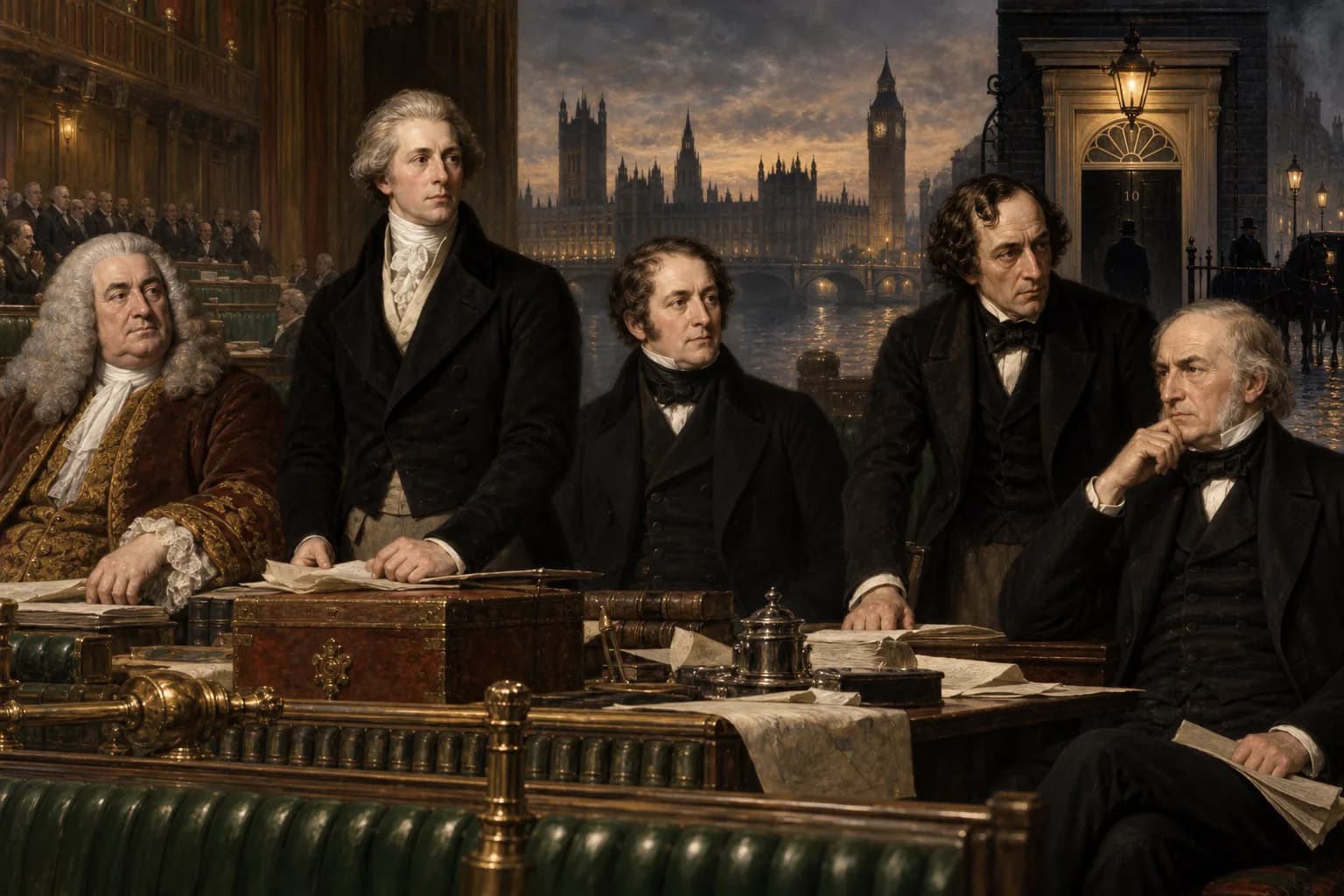
People

John Stuart

John Stuart, 3rd Earl of Bute, was British Prime Minister from 1762 to 1763 and a close adviser to George III during the end of the Seven Years' War.

Born
1713 CE
Died
1792 CE
Role
Prime Minister of the United Kingdom

British Prime Minister (1713–1792)

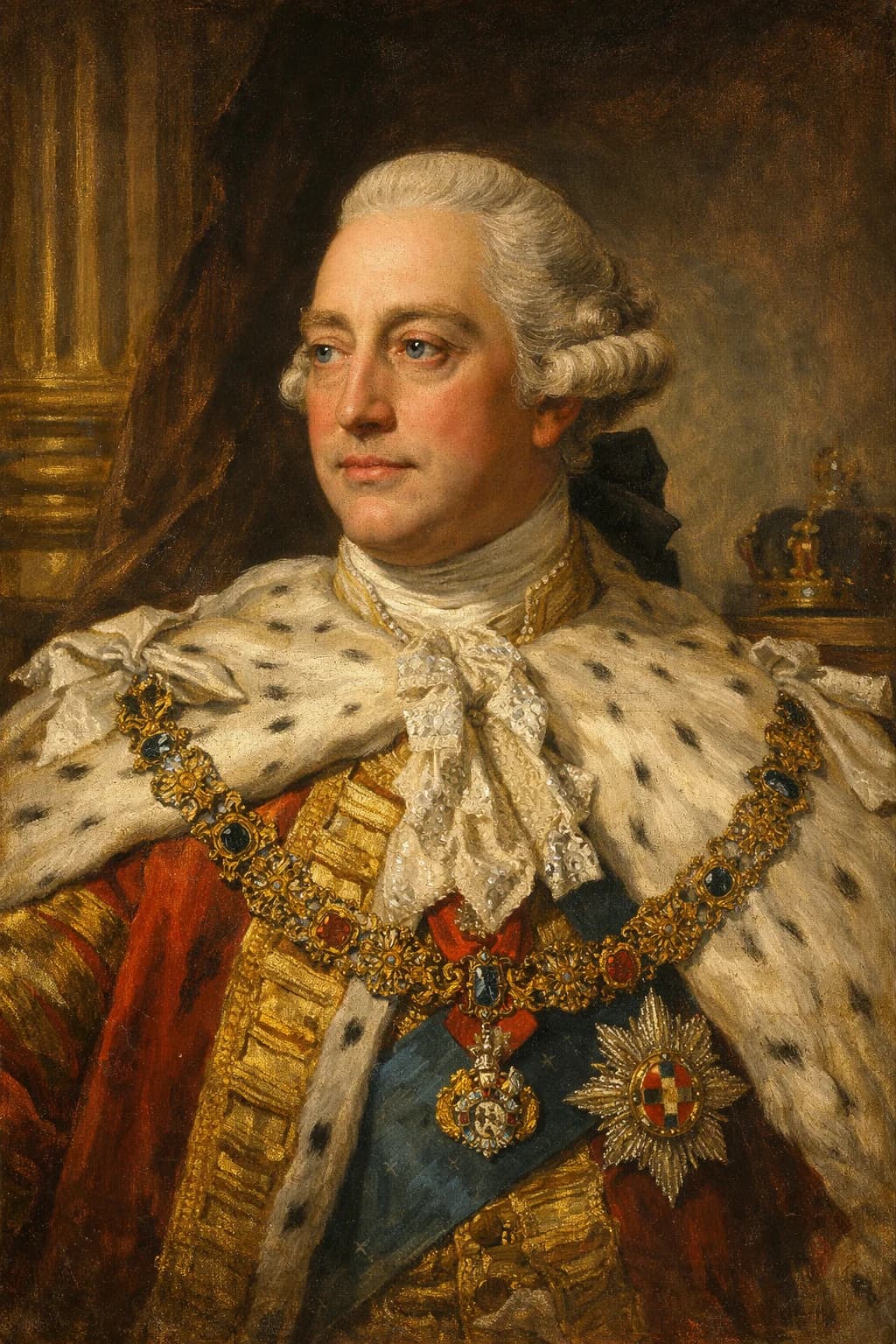
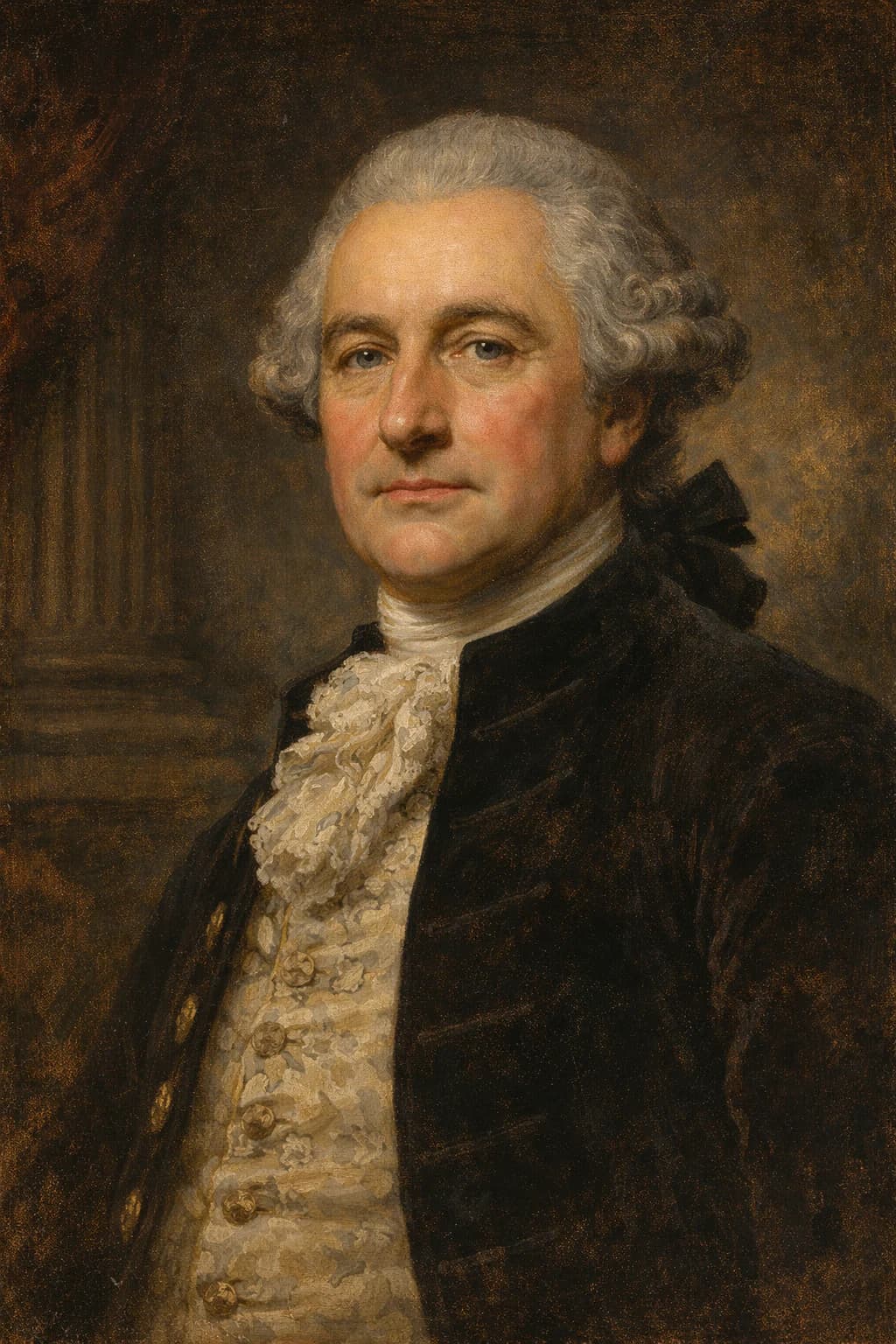
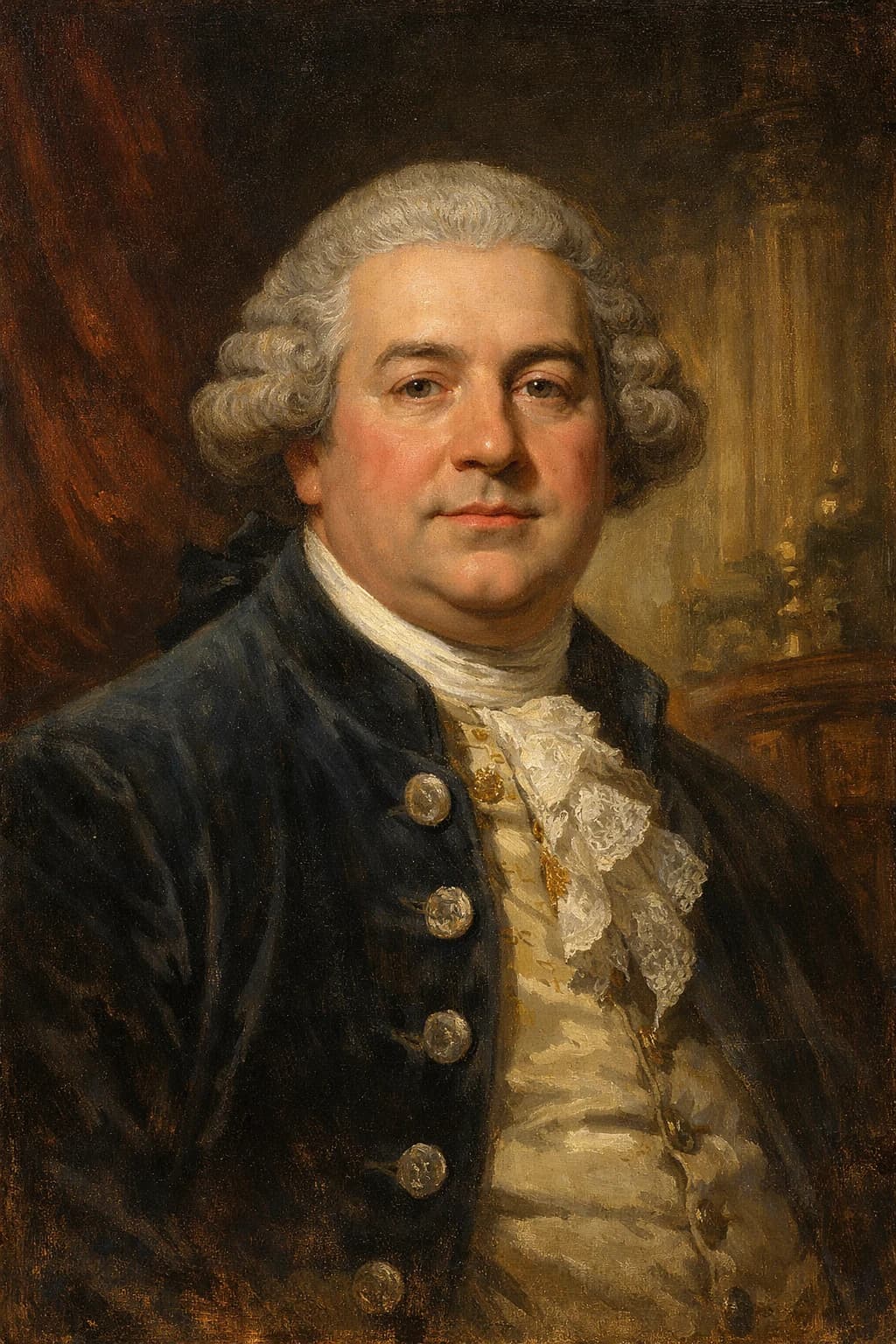
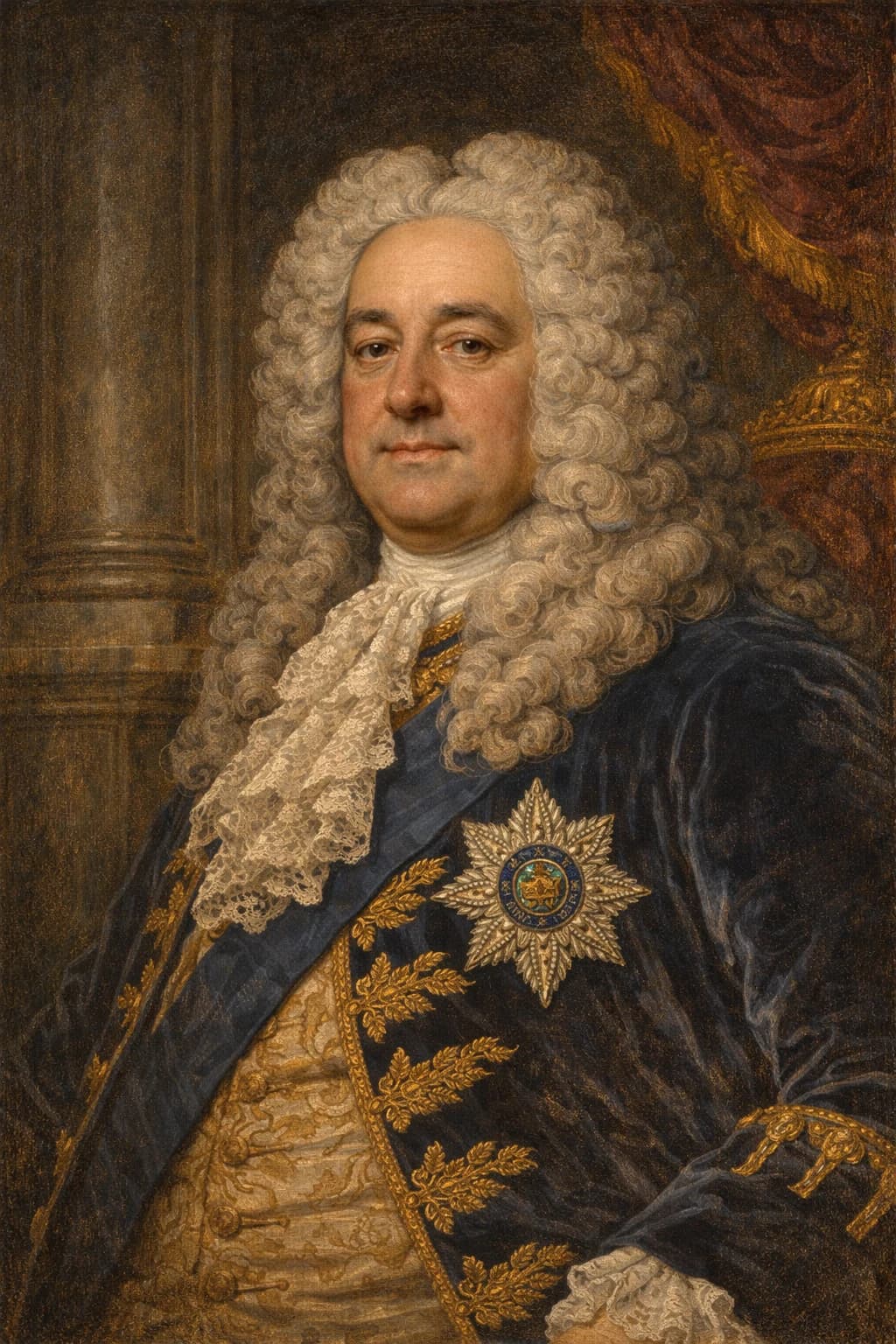
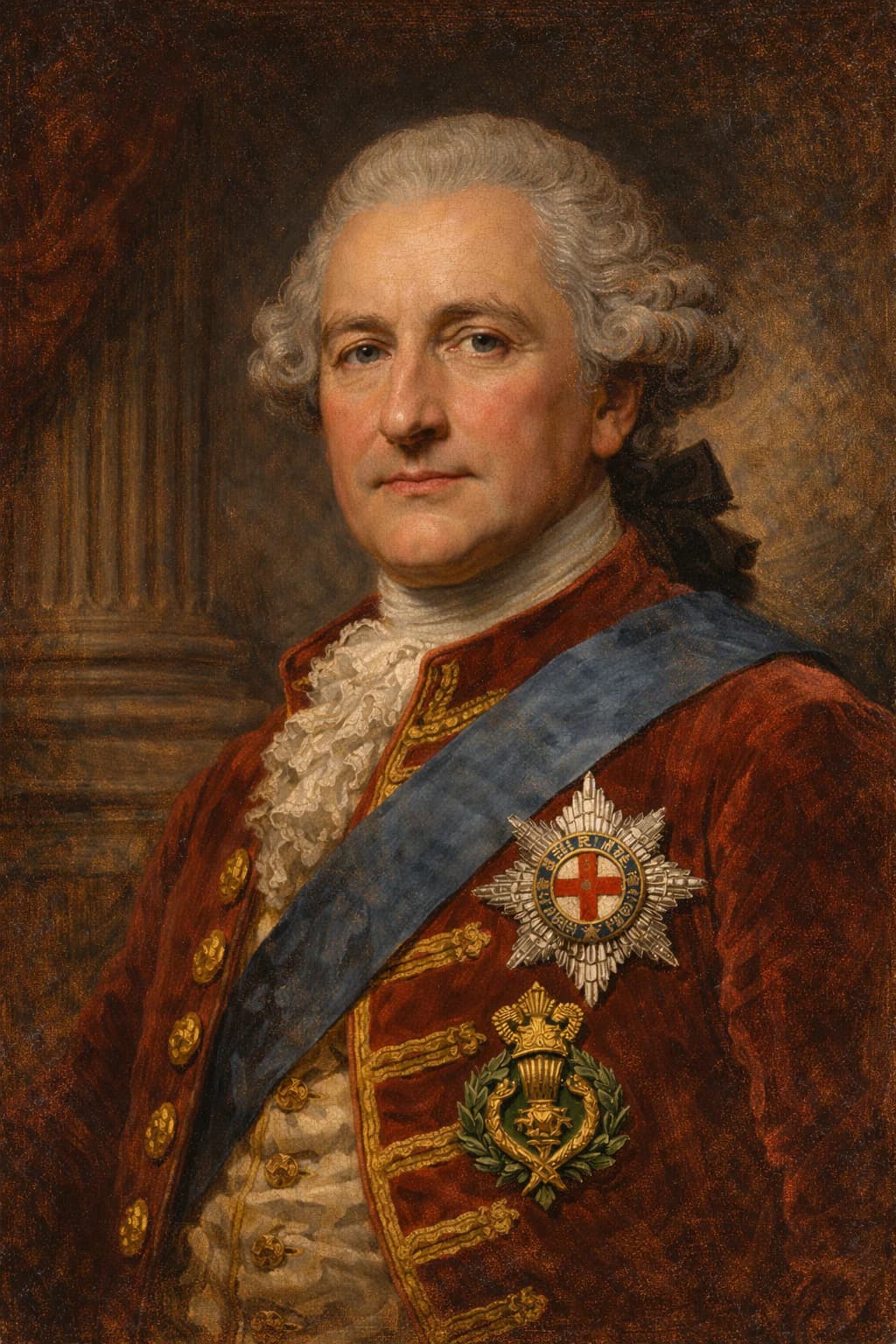
AI-generated portrait of Lord Bute in formal Georgian attire
AI-assisted historical reconstruction

An illustrative reconstruction based on historical context. It is not a photograph or documentary likeness. Image policy

Quick answer

John Stuart, 3rd Earl of Bute, was British Prime Minister from 1762 to 1763 and a close adviser to George III during the end of the Seven Years' War.

Born
1713 CE
Died
1792 CE
Role
Prime Minister of the United Kingdom
Years
1713-1792 CE
Quick facts

Profile details

Additional identity and tagging details that are not already covered in the introduction.

Full name
John Stuart, 3rd Earl of Bute
Also known as
Earl of Bute, 3rd Earl of Bute, John Stuart, Earl of Bute
Facts

John Stuart timeline facts

Selected specifics from this profile's life story.

1713
Scottish aristocratic roots

John Stuart was born in 1713 into a Scottish aristocratic family, inheriting rank but not an obvious path to national power.

1760
Royal accession advantage

When George III became king in 1760, Bute's private influence became a national political issue almost overnight.

1762–1763
Public hostility grows

Bute became a target of ferocious press attacks, anti-Scottish prejudice and claims that he governed through secret influence over the king.

Post-1763
A cautionary legacy

Bute's legacy lies in the controversy over royal influence, press politics and the fragile relationship between court trust and parliamentary power.

Life Journey

From royal favourite to political outcast

Follow the story in a more continuous narrative, with a reading mode that matches how much depth you want.

Complete chronology

1713

Scottish aristocratic roots

John Stuart, later 3rd Earl of Bute, was born on 25 May 1713 into a Scottish noble family connected to landed status rather than commanding British political power. He inherited his earldom young and received the education expected of an aristocrat, but he did not first make his name as a parliamentary manager, soldier or great administrator. His early life left him with refinement, confidence and social access, yet also with the vulnerability of being seen by English political society as an outsider. That perception would matter enormously. Bute's later career shows how eighteenth-century power depended not only on title, but on trust, networks, prejudice and public reputation.


1740s

Entry into court life

Bute's route to influence ran through court, not Commons. He became associated with Frederick, Prince of Wales, and after Frederick's death remained close to Princess Augusta, the mother of the future George III. His manners, learning and loyalty made him attractive in a royal household that distrusted some of the great Whig families dominating politics. Court influence was not illegitimate in itself, but it was politically combustible. Bute's enemies later portrayed him as a secret favorite, a Scottish interloper and worse. Long before he held office, the terms of his unpopularity were forming.

1750s

Tutor to the prince

Bute's most important role was as mentor to Prince George. He encouraged a view of monarchy that stressed moral seriousness, patriot kingship and freedom from domination by established Whig factions. This appealed deeply to George, who inherited a throne after decades in which ministers and aristocratic connections had often seemed stronger than royal initiative. Bute did not simply teach a prince. He helped form a young king's suspicion that government should be rescued from party corruption. The trouble was that a king's wish to be independent of faction could look, to others, like rule by private favorite.

1760

Royal accession advantage

George III's accession in 1760 transformed Bute's position. The young king trusted him more than seasoned politicians who had built power through Parliament and patronage. Bute entered high office rapidly, first as a key adviser and then as Secretary of State. To supporters, he represented royal renewal after years of factional management. To critics, he embodied everything dangerous about court politics: influence without experience, intimacy without accountability and Scottish favoritism at the center of British government. His authority rested on the king's confidence, but he lacked the parliamentary base needed to make that confidence durable.

1762

Becoming prime minister

Bute became First Lord of the Treasury, effectively Prime Minister, in 1762. It was the height of his formal power and the beginning of his collapse. Britain was winning the Seven Years' War, but the war was expensive, politically divisive and globally complex. Bute wanted peace and the king wanted a ministry not dominated by William Pitt the Elder or old Whig grandees. Yet Bute had not built the habits of parliamentary command. He was intelligent and personally serious, but he was governing through a fragile structure of royal favor, negotiated support and public suspicion. In eighteenth-century Britain, that was not enough.

1763

Peace negotiations

Bute's defining achievement was peace. The Treaty of Paris in 1763 ended the Seven Years' War and confirmed Britain's acquisition of Canada, Florida and major imperial gains. By any broad measure, Britain emerged enormously strengthened. Yet critics argued that Bute had made peace too soon and returned valuable conquests, especially in the Caribbean, that might have yielded more. Pitt's supporters claimed a harder bargain was possible. The dispute was partly strategic and partly political theatre. Bute had ended a costly global war, but because he lacked trust, even success could be framed as betrayal.

1762–1763

Public hostility grows

Bute's unpopularity was unusually intense. John Wilkes and other critics turned him into a symbol of hidden royal manipulation, Scottish corruption and sexual scandal involving Princess Augusta, accusations for which evidence was thin but political usefulness was obvious. The press was becoming a more dangerous force in public life, and Bute was poorly equipped to fight it. Anti-Scottish feeling after the Jacobite risings made attacks on him especially potent. His person became a language through which opponents criticized George III's attempt to reshape politics. Bute was not merely disliked; he was made into a political warning sign.

1763

Resignation and retreat

Bute resigned in April 1763, exhausted by hostility and lacking the political machinery to sustain himself. His formal premiership had lasted less than a year. He remained a figure of suspicion long after leaving office, with enemies imagining him as a secret power behind subsequent ministries, though his real influence declined sharply. His retreat from office showed the limits of personal monarchy in a parliamentary system. George III could elevate a trusted adviser, but he could not make Parliament, press and public opinion accept him. Bute's fall was therefore a personal defeat and an institutional lesson.

Post-1763

A cautionary legacy

Bute died in 1792, long after his brief ministry had become part of Georgian political mythology. His importance is not measured by years in office. He mattered because his rise exposed a central tension in George III's reign: could a king choose ministers through personal trust and moral preference, or did durable government require parliamentary management by established political interests? Bute's career also showed the growing power of print culture to destroy reputation. He was neither the sinister puppet-master of hostile caricature nor a great statesman tragically misunderstood. To ask why John Stuart, 3rd Earl of Bute, was important is to see how a short premiership revealed the changing rules of British political legitimacy.

Continue in context

Connected stories

Move from the profile into the wider events and settings this figure belongs to.

British Prime Ministers lineage
LineagePrime ministers in sequence
British Prime Ministers
1721 CE–present

Explore British prime ministers from Walpole to the present.

View lineage
Tertiary paths

Content note

This profile is written for educational use and connects to related Stories of History pages. The main portrait is an AI-assisted historical reconstruction, included as an illustrative aid rather than documentary evidence. Image policy

References

Sources & Further Reading

Reliable reference works, archives and reading paths connected to this profile.

Further reading

  1. Encyclopaedia Britannica, Search results for John Stuart,” accessed June 2026.Open source
  2. WorldCat, Books and library holdings for John Stuart,” accessed June 2026.Open source

Primary sources

  1. Library of Congress, Search results for John Stuart,” accessed June 2026.Open source

Reviewed claim sources

Loading reviewed claim sources...

A weekly route through history

Find out first about the latest published stories, feature notes and occasional Premium offers in one weekly email.