People

Tony Blair

Sir Tony Blair was Labour Prime Minister from 1997 to 2007. He created New Labour, won three elections, introduced major constitutional and public service reforms, remains controversial for the Iraq War, and later returned to Middle East diplomacy through Gaza transition and reconstruction planning.

Born
1953 CE
Role
Labour Prime Minister

Labour Prime Minister (born 1953)

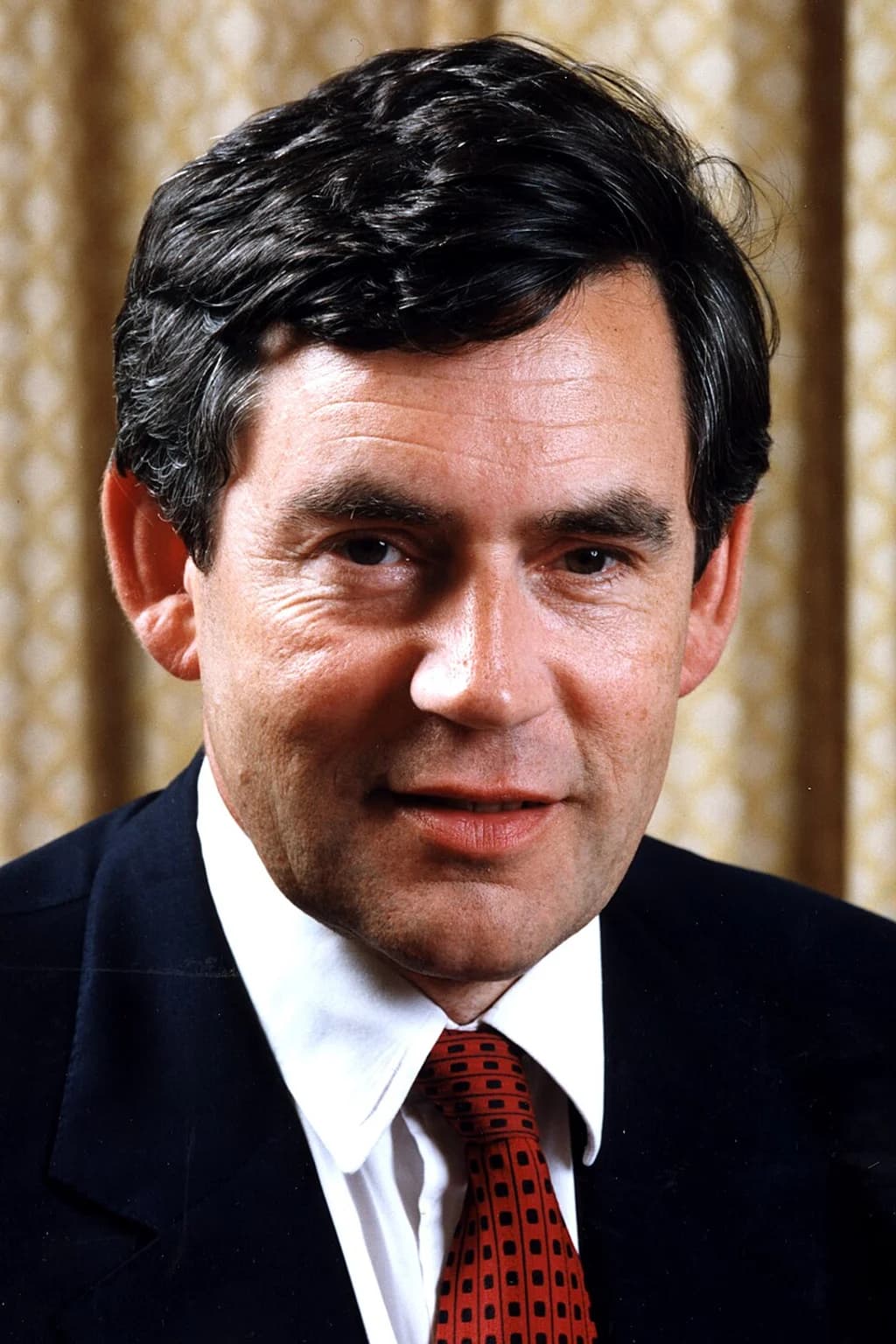
Official portrait photograph of Sir Tony Blair
Licensed archival image

A real historical or editorial image is used here. Source, licence and transformation details are publicly recorded. Image policy Attribution

Quick answer

Sir Tony Blair was Labour Prime Minister from 1997 to 2007. He created New Labour, won three elections, introduced major constitutional and public service reforms, remains controversial for the Iraq War, and later returned to Middle East diplomacy through Gaza transition and reconstruction planning.

Born
1953 CE
Role
Labour Prime Minister
Years
Born 1953 CE
Quick facts

Profile details

Additional identity and tagging details that are not already covered in the introduction.

Full name
Sir Tony Blair
Facts

Tony Blair timeline facts

Selected specifics from this profile's life story.

1953
Early Life

Tony Blair was born in Edinburgh in 1953, raised partly in Durham, and shaped by education, ambition, faith, and a family encounter with serious illness.

1994
Party Leadership

After John Smith's death in 1994, Blair became Labour leader and recast the party as New Labour, symbolised by rewriting Clause IV.

early 2000s
Foreign Policy Decisions

Blair backed intervention in Kosovo, Sierra Leone, Afghanistan, and Iraq, but the 2003 Iraq invasion became the central controversy of his premiership.

after 2007
Post-Political Influence

After office, Blair worked internationally, advised governments, and remained an influential but divisive voice in debates over Labour, globalisation, intervention and Gaza.

Life Journey

Reinventing a party and leading through reform and controversy

Follow the story in a more continuous narrative, with a reading mode that matches how much depth you want.

Complete chronology

1953

Early Life

Tony Blair's early life mixed comfort with disruption. His father Leo was a lawyer and aspiring Conservative politician until a stroke altered the family's expectations. Blair attended Fettes College and later St John's College, Oxford, where performance, argument, and religious searching all mattered to his development. He was not formed by Labour movement institutions in the traditional sense. His route into Labour politics came through law, Christian ethical concern, and a belief that progressive politics needed to speak to aspiration as well as hardship. That distance from old Labour culture later became both his advantage and his vulnerability.


1970s–1980s

Legal Career

Blair's work as a barrister helped refine the habits that defined his politics: clear presentation, emotional timing, and the ability to turn complexity into a persuasive case. Law did not make him cautious in the manner of some lawyers. Instead, it sharpened his instinct for argument and audience. He married Cherie Booth, herself a formidable barrister, and moved deeper into Labour politics during a period when the party was recovering from severe defeat. Blair's legal career was not long enough to define him professionally, but it gave him a language of rights, responsibility, and reform that he later used in government.

1983

Entry into Parliament

The 1983 election was a disaster for Labour and a beginning for Blair. Representing Sedgefield in County Durham, he entered a party arguing over unilateral nuclear disarmament, nationalisation, union power, and how to win back voters who had turned to Margaret Thatcher. Blair aligned with modernisers who believed Labour had to change its image, policies, and relationship with the electorate. He rose under Neil Kinnock and John Smith, learning that opposition purity could become a trap. For Blair, electability was not a cosmetic issue; it became a moral one, because a party unable to win could not help anyone.

1994

Party Leadership

Blair's leadership transformed Labour's public identity. The rewriting of Clause IV, removing the old commitment to common ownership of the means of production, was more than internal housekeeping. It signalled that Labour accepted much of the market economy and wanted to govern from the centre-left rather than the socialist tradition of its past. Gordon Brown was essential to this project, both as partner and rival, giving economic credibility to Blair's political reach. New Labour combined discipline, media management, constitutional reform, investment in public services, and a promise to be tough on crime and its causes. Critics saw triangulation. Supporters saw the route back to power.

1997

Election Victory

The 1997 victory was one of the decisive moments in modern British politics. After years of Conservative division over Europe, sleaze allegations, and fatigue after long rule, Blair offered optimism, discipline, and generational change. The scale of the majority gave him room to act. Early decisions included Bank of England independence, a minimum wage, devolution referendums for Scotland and Wales, and the Good Friday Agreement process in Northern Ireland. Blair's appeal rested on more than policy. He made change feel safe to voters who had feared Labour, and he made moderation feel exciting to many who wanted the country to move on.

late 1990s–2000s

Domestic Reforms

Blair's domestic record is large and contested. His governments introduced the minimum wage, tax credits, devolution, House of Lords reform, civil partnership legislation, major investment in the NHS and schools, and Sure Start. Poverty fell in some key categories, especially among children and pensioners, though inequality remained stubborn. Public service reform mixed money with targets, inspections, private finance, and central pressure. Admirers argue that Blair modernised a tired state and improved services after years of underinvestment. Critics argue that managerialism, private finance deals, and excessive central control created costs that later became clear. The record resists a single verdict.

early 2000s

Foreign Policy Decisions

Foreign policy gave Blair moral confidence and then damaged him profoundly. The interventions in Kosovo and Sierra Leone encouraged his belief that military power could prevent atrocity when used with purpose. After the 11 September 2001 attacks, he bound Britain closely to the United States under George W. Bush. The invasion of Iraq in 2003, justified publicly around weapons of mass destruction and Saddam Hussein's threat, became a defining failure when those weapons were not found and Iraq descended into violence. The Chilcot Inquiry later criticised the decision-making and planning. For many, Iraq permanently altered the meaning of Blair's achievements.

2007

Stepping Down

Blair's departure came after three election victories but also after erosion of trust. The relationship with Gordon Brown, central to New Labour's success, had become a long-running struggle over succession and control. By 2007 the government was burdened by Iraq, party fatigue, and questions about style as much as substance. Blair left as Labour's most electorally successful leader, yet not as an unifying national figure. His farewell exposed the central paradox of his career: he had an extraordinary capacity to win consent, but some of his most consequential decisions made many voters feel that consent had been stretched beyond trust.

after 2007

Post-Political Influence

Blair's post-premiership has kept him visible. He served as Middle East Quartet envoy, founded institutes, advised governments, and continued to argue for liberal intervention, technological modernisation, and centrist politics. In 2026, his institute and Blair himself were connected to U.S.-backed planning for Gaza's postwar administration, reconstruction and technocratic governance, renewing both his diplomatic profile and the controversy around his Middle East legacy. His knighthood and public appearances have repeatedly revived arguments about Iraq and accountability. Yet his influence on British politics is undeniable. David Cameron, Gordon Brown, and later Labour leaders all operated in a landscape Blair helped create. To ask why Tony Blair was important is to hold together electoral mastery, serious reform, constitutional change, and a war whose consequences overwhelmed much of the story he wanted told about himself.

Continue in context

Connected stories

Move from the profile into the wider events and settings this figure belongs to.

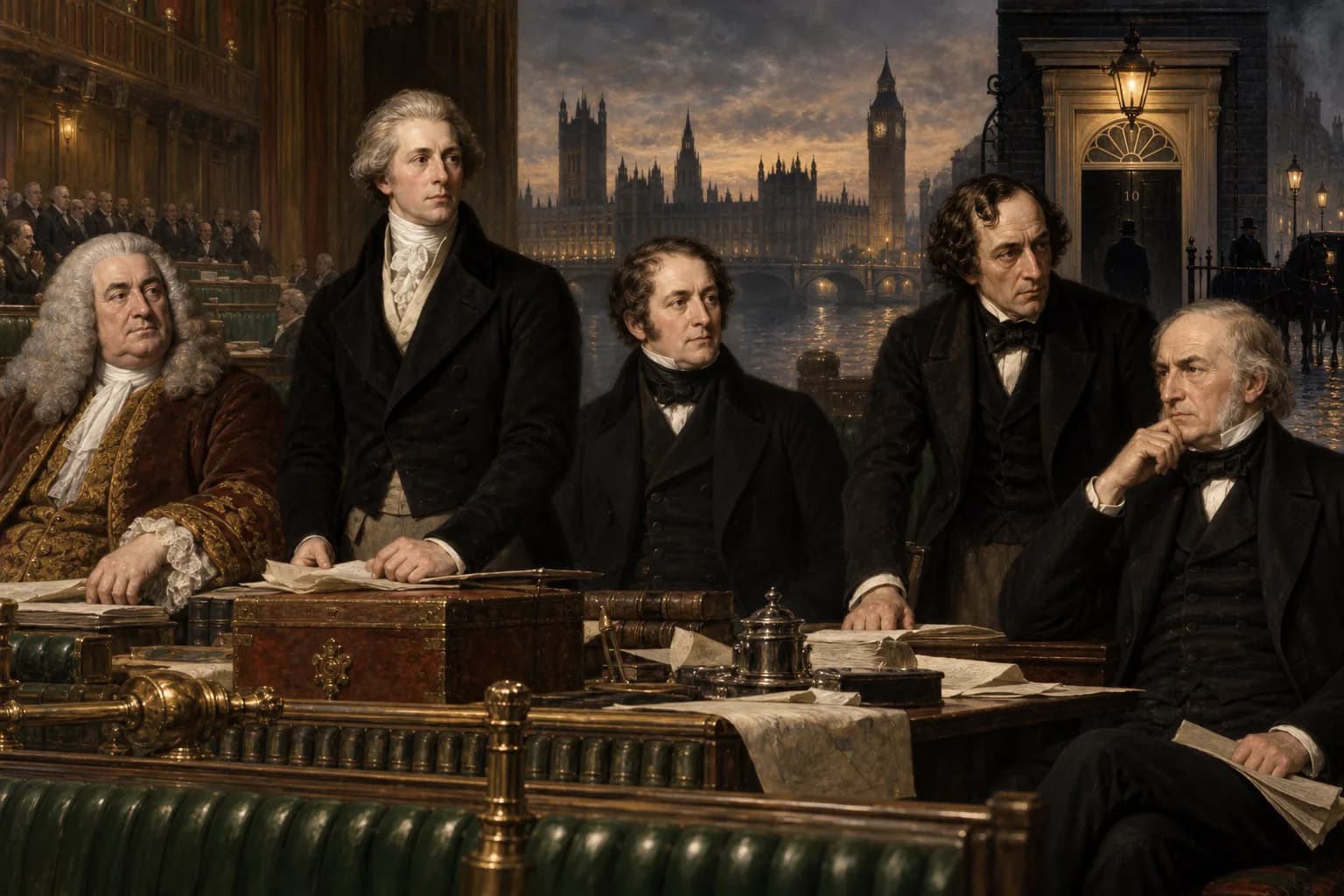
British Prime Ministers lineage
LineagePrime ministers in sequence
British Prime Ministers
1721 CE–present

Explore British prime ministers from Walpole to the present.

View lineage
Tertiary paths

Content note

This profile is written for educational use and connects to related Stories of History pages. The main portrait uses a real historical or editorial image, with source and licence details recorded for attribution review. Image policy Image attribution

References

Sources & Further Reading

Reliable reference works, archives and reading paths connected to this profile.

Further reading

  1. Encyclopaedia Britannica, Search results for Tony Blair,” accessed June 2026.Open source
  2. WorldCat, Books and library holdings for Tony Blair,” accessed June 2026.Open source

Primary sources

  1. Library of Congress, Search results for Tony Blair,” accessed June 2026.Open source

Reviewed claim sources

Loading reviewed claim sources...

A weekly route through history

Find out first about the latest published stories, feature notes and occasional Premium offers in one weekly email.