People

John Major

Sir John Major was Conservative Prime Minister from 1990 to 1997. He succeeded Margaret Thatcher, won the 1992 election, left the ERM after Black Wednesday, and helped lay foundations for Northern Ireland peace.

Born
1943 CE
Role
Conservative Prime Minister

Conservative Prime Minister (born 1943)

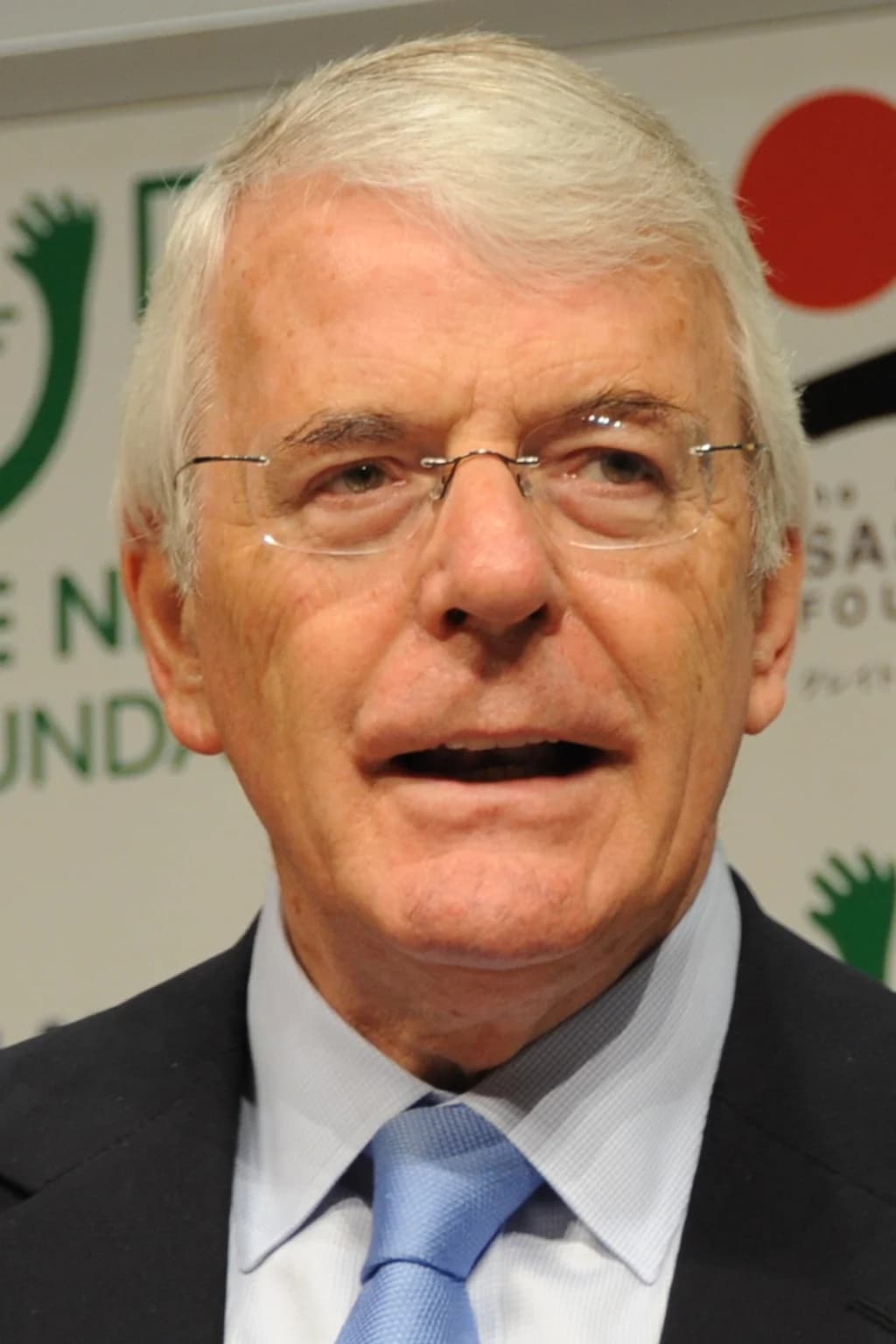
Licensed portrait photograph of Sir John Major
Licensed archival image

A real historical or editorial image is used here. Source, licence and transformation details are publicly recorded. Image policy Attribution

Quick answer

Sir John Major was Conservative Prime Minister from 1990 to 1997. He succeeded Margaret Thatcher, won the 1992 election, left the ERM after Black Wednesday, and helped lay foundations for Northern Ireland peace.

Born
1943 CE
Role
Conservative Prime Minister
Years
Born 1943 CE
Quick facts

Profile details

Additional identity and tagging details that are not already covered in the introduction.

Full name
Sir John Major
Also known as
Prime Minister Major
Facts

John Major timeline facts

Selected specifics from this profile's life story.

1943–1960
Humble beginnings

John Major was born in wartime Brixton and grew up through family financial insecurity, leaving school at sixteen without the elite route common to many prime ministers.

1979
Entering Parliament

As an MP, Major advanced through party and ministerial roles by appearing reliable, hardworking, and unthreatening in a divided government.

1993–1995
Peace efforts

Major's government issued the Downing Street Declaration with Albert Reynolds and opened channels that helped prepare the Good Friday Agreement.

1997–present
After office

After the Conservative defeat of 1997, Major became an elder statesman whose record on peace, Europe, and moderation has been reassessed.

Life Journey

From Brixton roots to Downing Street leadership

Follow the story in a more continuous narrative, with a reading mode that matches how much depth you want.

Complete chronology

1943–1960

Humble beginnings

John Major's biography is unusual among modern British prime ministers because it did not begin in privilege, university politics, or a safe professional ladder. Born in 1943, he grew up in South London as his family's finances declined. Leaving school at sixteen and experiencing unemployment gave him a personal memory of insecurity that later coloured his political language about opportunity and respectability. He was not a grand theorist. His politics grew from caution, self-improvement, and the belief that stability mattered because he had known what instability felt like.

1960–1970

Entering banking

Major's early working life gave him a practical understanding of money, hierarchy, and administration. Banking did not make him a great economist, but it trained him to value procedure, trust, and risk management. At the same time he became involved in Conservative activism in Lambeth, a difficult environment for the party and therefore a useful political school. He learned campaigning without glamour, persuasion without inherited networks, and the importance of local credibility. This grounded route helped create the later image of Major as decent, understated, and somewhat ordinary in a political culture often suspicious of ordinariness.

1970–1979

First steps in politics

Major's political apprenticeship was local before it was national. On Lambeth Council he encountered urban government, budgets, housing pressures, and the limits of rhetoric when services had to be delivered. He also endured electoral disappointment before finding a viable parliamentary path. Elected MP for Huntingdon in Margaret Thatcher's first victory year, he arrived in Parliament as part of a Conservative generation that believed Britain needed economic discipline and institutional toughness. Yet Major's tone was gentler than Thatcher's. He absorbed the era without sounding entirely like its most combative voices.

1979

Entering Parliament

Major's rise was rapid because he combined competence with political safety. He held junior posts, entered the Treasury, and learned the language of public spending at close range. Thatcher valued his loyalty and steadiness, promoting him during a period when the Conservative government was both dominant and internally tense. Major did not build his reputation through ideological drama. He became useful precisely because he seemed able to lower the temperature. In a party full of strong personalities, that became a form of power.

1987–1989

Rapid promotion

Between 1987 and 1989 Major moved from promising minister to central figure. As Chief Secretary to the Treasury he handled spending discipline; as Foreign Secretary he briefly occupied one of the great offices of state; as Chancellor he inherited economic pressures tied to inflation, interest rates, and Britain's exchange rate policy. His promotion reflected Thatcher's trust but also the absence of a perfect heir. Major was not the most charismatic Conservative, yet he looked acceptable to multiple factions. That breadth mattered when Thatcher's authority collapsed in 1990.

1990

Becoming Prime Minister

Major entered Downing Street because the Conservative Party needed someone who could end a civil war without seeming to repudiate Thatcherism entirely. He replaced the poll tax with council tax, presented himself as less abrasive, and sought to reconnect the government with voters tired of confrontation. His biggest immediate success was the 1992 general election. Against expectations, he defeated Neil Kinnock's Labour Party and won the largest popular vote in British electoral history. But the victory contained danger. It left him with a small majority, high expectations, and an economy under severe strain.

1993–1995

Peace efforts

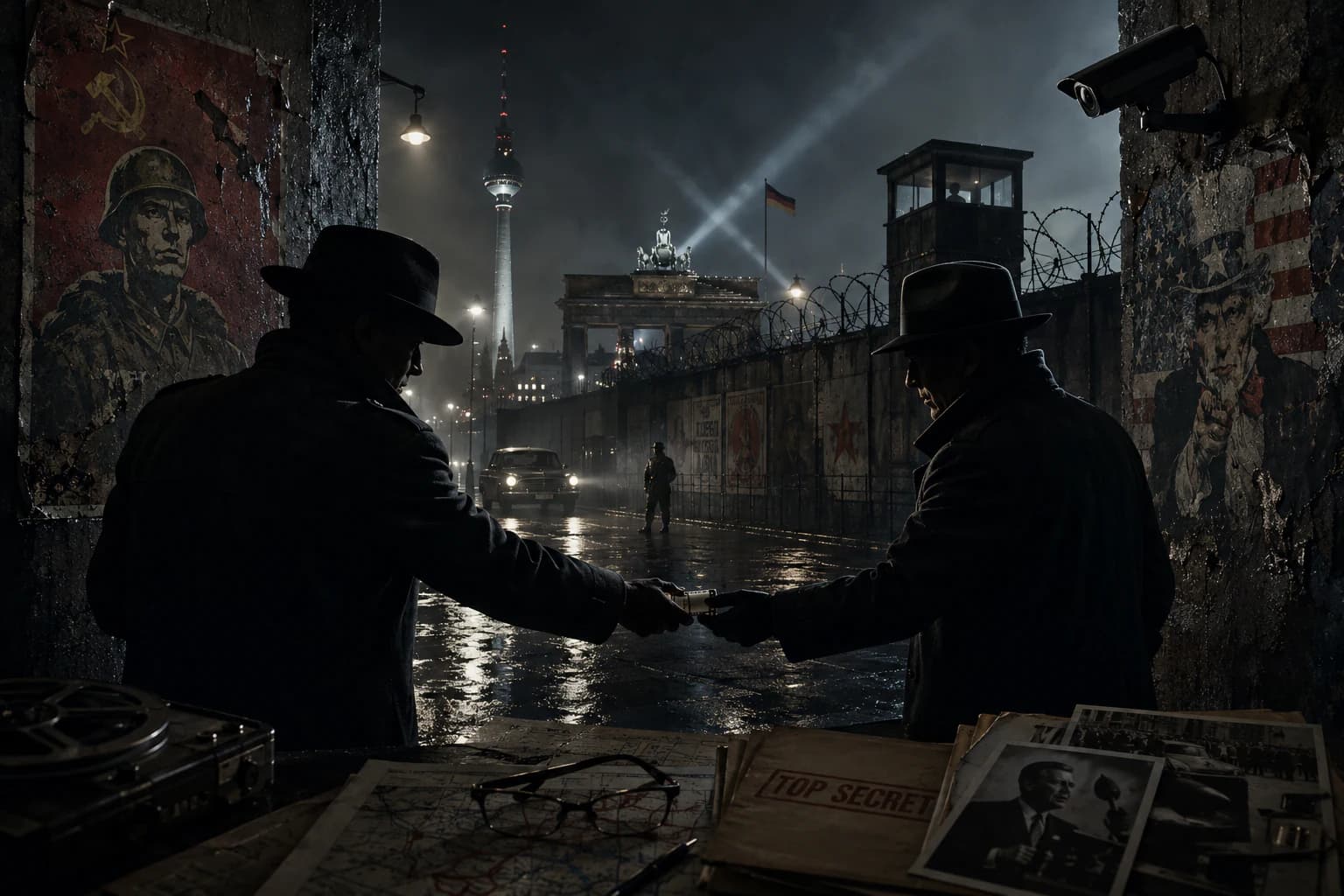
Northern Ireland is one of Major's most important achievements, though the final peace agreement came under Tony Blair. Major worked with Irish Taoiseach Albert Reynolds, supported secret contacts, and helped produce the 1993 Downing Street Declaration, which affirmed self-determination and invited constitutional politics over violence. The process was fragile and politically risky. Unionist suspicion, republican uncertainty, and Conservative dependence on parliamentary votes all constrained him. Yet the framework mattered. Major helped shift the terms of negotiation so that later leaders could move further. Peace processes often reward the finisher, but they depend on those who make beginning possible.

1992

Economic turmoil

Black Wednesday became the wound from which Major's government never politically recovered. Britain had joined the Exchange Rate Mechanism to control inflation and anchor sterling, but pressure from currency markets made the policy impossible to sustain. On 16 September 1992 the government raised interest rates in a failed defence of the pound before withdrawing from the ERM. The economy later improved outside the mechanism, but the political damage was immediate and lasting. Conservatives had claimed economic competence as their strongest asset. Black Wednesday shattered that claim in a single day.

1997–present

After office

Major left office after Labour's landslide in 1997, worn down by sleaze allegations, Eurosceptic rebellion, and public desire for change. His later reputation has softened in some areas. The Citizen's Charter, National Lottery, railway privatisation, Maastricht Treaty battles, and Northern Ireland diplomacy all belong to his record, for good and ill. He became a public voice for constitutional moderation, especially during arguments over Brexit. To ask why John Major was important is not to find a flashy transformational leader. It is to understand a prime minister who governed in the difficult space between Thatcher's revolution and New Labour's renewal, with Europe and Northern Ireland shaping both his burdens and his legacy.

Continue in context

Connected stories

Move from the profile into the wider events and settings this figure belongs to.

British Prime Ministers lineage
LineagePrime ministers in sequence
British Prime Ministers
1721 CE–present

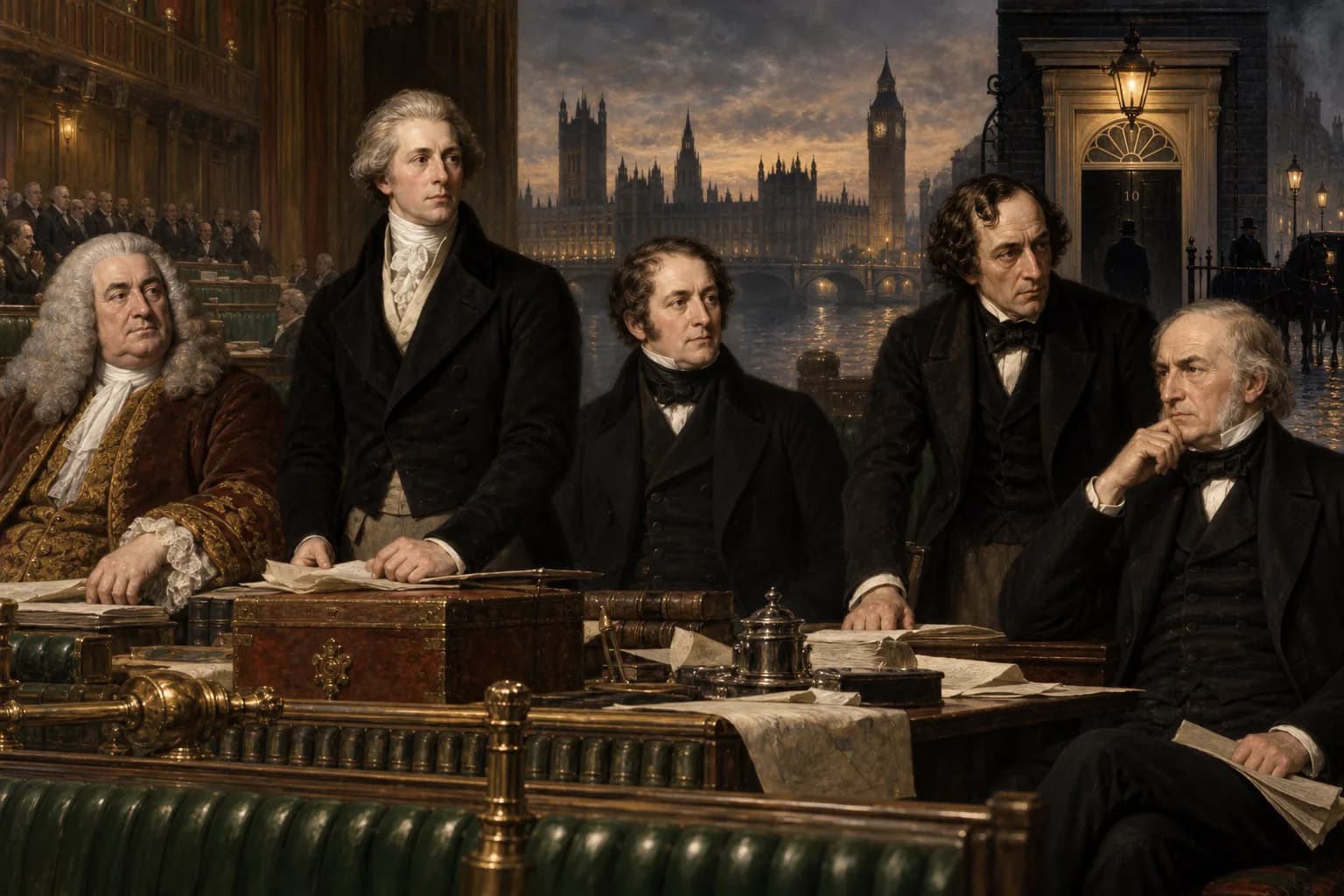
Explore British prime ministers from Walpole to the present.

View lineage
Tertiary paths

Content note

This profile is written for educational use and connects to related Stories of History pages. The main portrait uses a real historical or editorial image, with source and licence details recorded for attribution review. Image policy Image attribution

References

Sources & Further Reading

Reliable reference works, archives and reading paths connected to this profile.

Further reading

  1. Encyclopaedia Britannica, Search results for John Major,” accessed June 2026.Open source
  2. WorldCat, Books and library holdings for John Major,” accessed June 2026.Open source

Primary sources

  1. Library of Congress, Search results for John Major,” accessed June 2026.Open source

Reviewed claim sources

Loading reviewed claim sources...

A weekly route through history

Find out first about the latest published stories, feature notes and occasional Premium offers in one weekly email.