People

Robert Kennedy

Robert Kennedy was U.S. attorney general under John F. Kennedy, a key adviser during the Cuban Missile Crisis, a senator from New York, and a 1968 presidential candidate assassinated after winning the California primary.

Born
1925 CE
Died
1968 CE
Role
U.S. attorney general and senator

U.S. attorney general and senator (1925-1968)

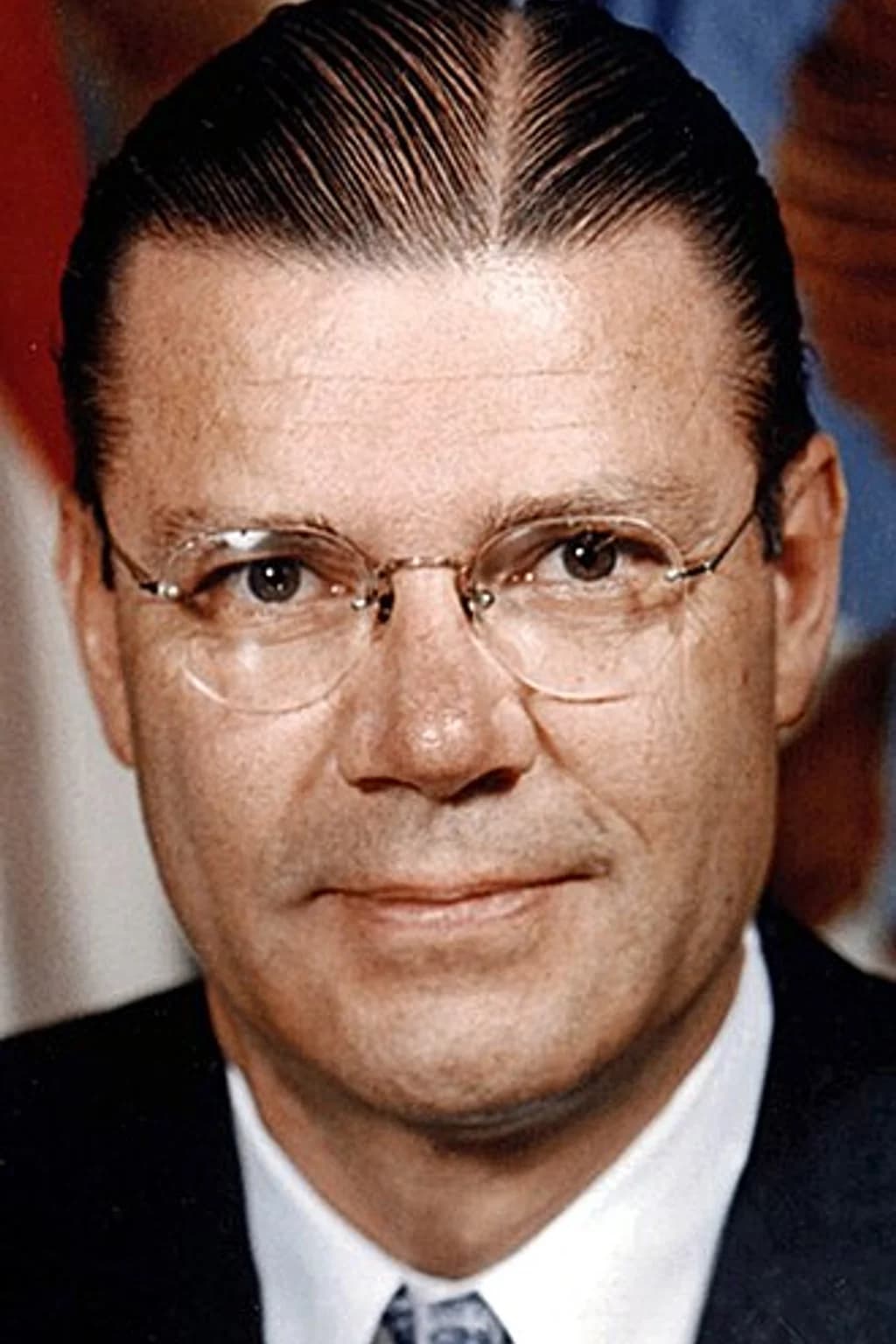
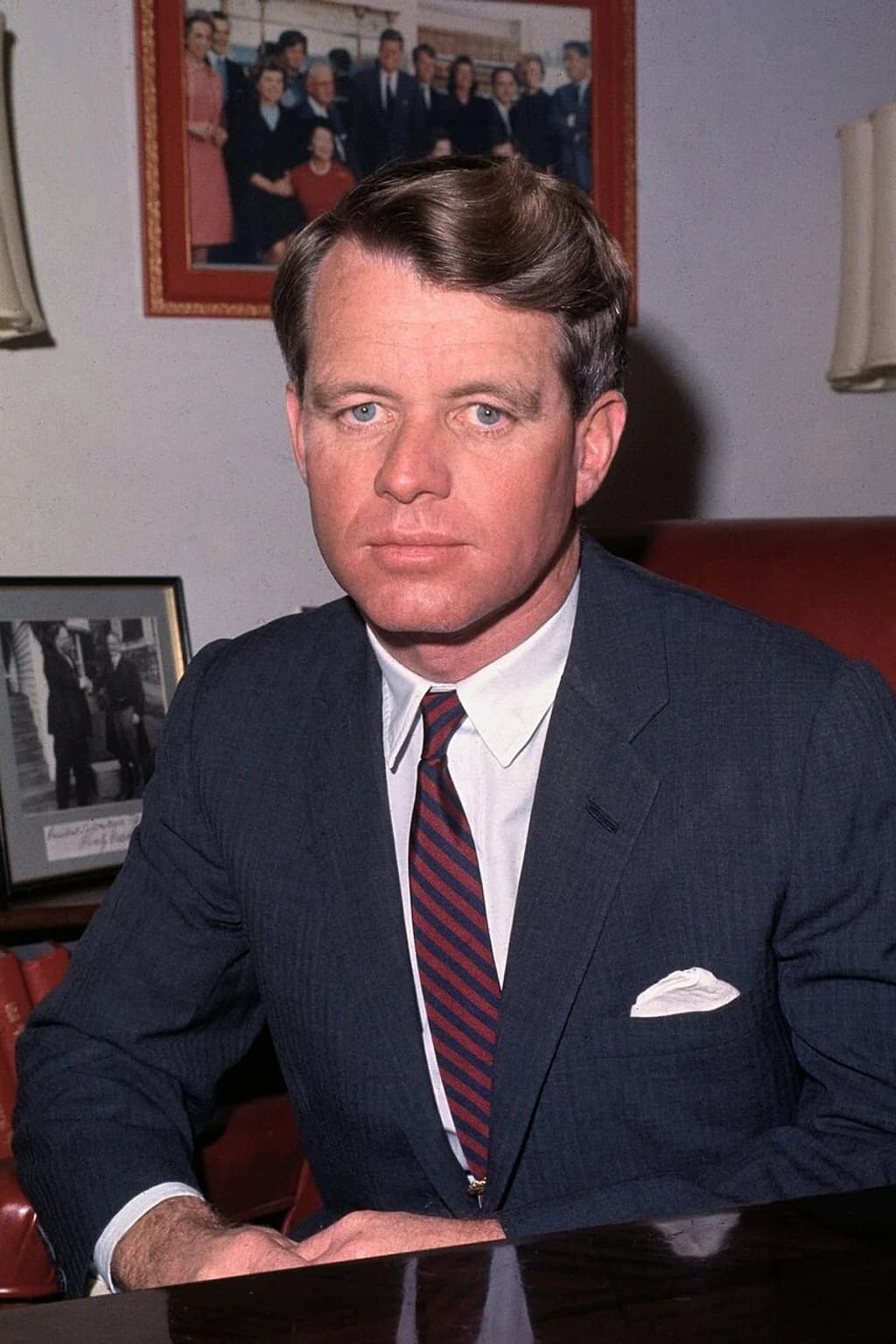
Portrait photograph of Robert Kennedy
Historical photograph

A real historical or editorial image is used here. Source, licence and transformation details are publicly recorded. Image policy Attribution

Quick answer

Robert Kennedy was U.S. attorney general under John F. Kennedy, a key adviser during the Cuban Missile Crisis, a senator from New York, and a 1968 presidential candidate assassinated after winning the California primary.

Born
1925 CE
Died
1968 CE
Role
U.S. attorney general and senator
Years
1925-1968 CE
Quick facts

Profile details

Additional identity and tagging details that are not already covered in the introduction.

Full name
Robert Francis Kennedy
Also known as
Robert F. Kennedy, RFK, Bobby Kennedy
Facts

Robert Kennedy timeline facts

Selected specifics from this profile's life story.

1925-1948
A political family

Robert Francis Kennedy was born in Massachusetts in 1925 into the ambitious Kennedy family and grew up inside a world of public service, competition and expectation.

1961-1962
Attorney general

In 1961, John F. Kennedy made Robert Kennedy attorney general, placing him at the center of civil rights, organized crime investigations and Cold War decision-making.

1964-1968
Senator and critic

After John Kennedy's assassination, Robert Kennedy won a Senate seat from New York and became increasingly critical of poverty, racism and the Vietnam War.

1968
1968 campaign

Kennedy entered the 1968 Democratic presidential race, won the California primary, and was assassinated in Los Angeles on 5 June 1968.

Life Journey

Power, loyalty and a changing moral voice

Follow the story in a more continuous narrative, with a reading mode that matches how much depth you want.

Complete chronology

1925-1948

A political family

Robert Kennedy was the seventh child of Joseph P. Kennedy and Rose Fitzgerald Kennedy. The family treated politics, education and public visibility as obligations as well as opportunities. Robert was often described as quieter and more intense than his older brothers, shaped by Catholic discipline, family loyalty and the pressure to prove himself. The Second World War and the death of Joseph Kennedy Jr. altered the family's future, pushing John Kennedy toward the central political role Robert would later help sustain.

1952-1960

Campaign organizer

Robert Kennedy learned politics through campaigns, investigations and hard organizational work. He helped manage John Kennedy's 1952 Senate victory and became central to the 1960 presidential campaign. His style could be abrasive, relentless and intensely loyal. That made him valuable to his brother because he could enforce discipline and ask questions others avoided. It also made him controversial inside the polished Kennedy operation.

1961-1962

Attorney general

The appointment of the president's younger brother as attorney general raised obvious concerns about nepotism. Yet Robert Kennedy became one of the administration's most important officials. He pursued organized crime, oversaw Justice Department action during civil rights conflicts and joined the president's inner foreign-policy circle. The Bay of Pigs failure in 1961 was a harsh education in covert action, pressure and accountability. By the time Soviet missiles were discovered in Cuba, Kennedy had become both adviser and guardian of his brother's political instincts.

1962

Back channel to Moscow

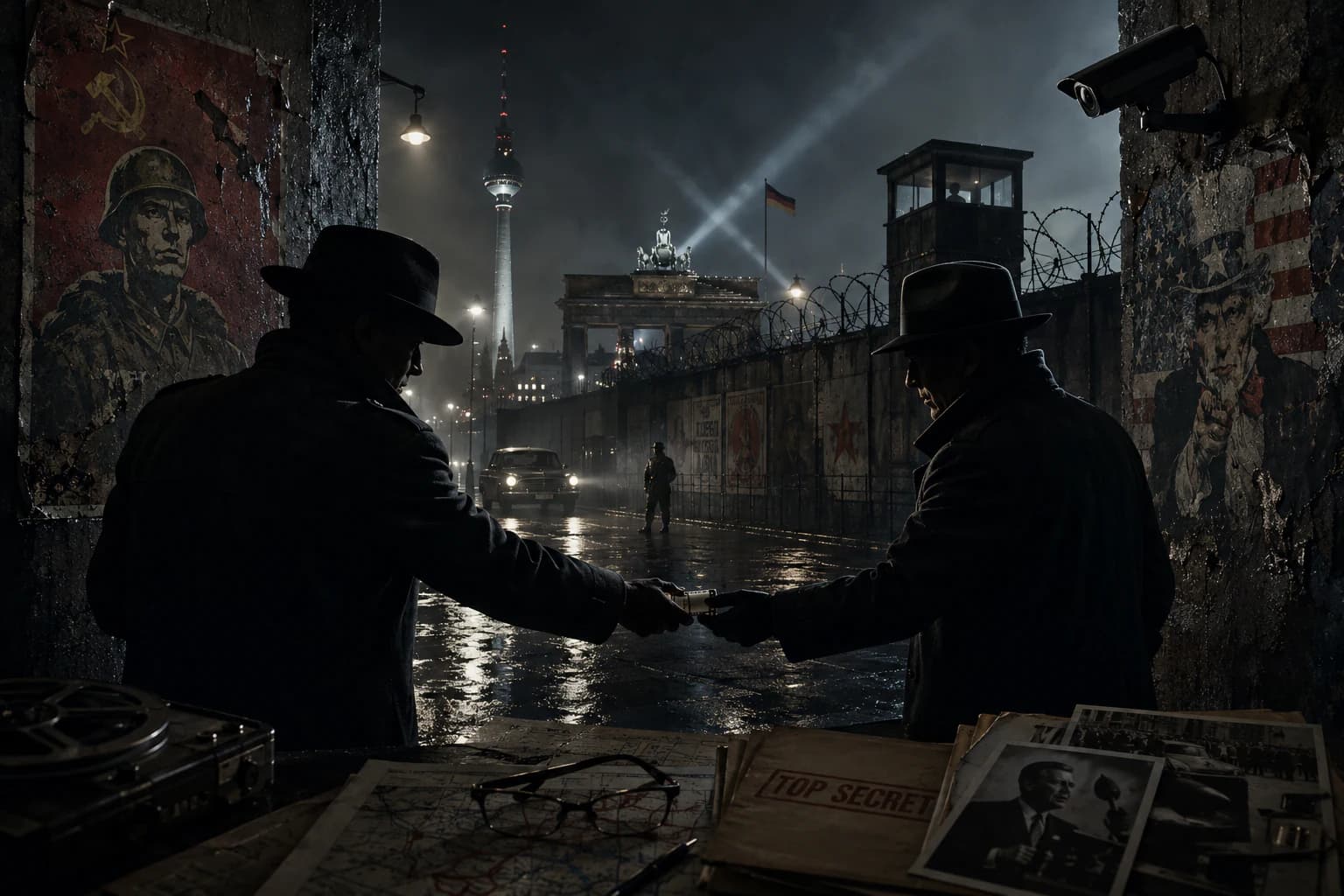
Robert Kennedy was not simply a hawk or a dove during the Cuban Missile Crisis. He pressed hard against Soviet deception while also helping preserve a path out of the confrontation. On 27 October 1962, he met Anatoly Dobrynin and conveyed the essential terms: Soviet missiles would leave Cuba, the United States would pledge not to invade, and American Jupiter missiles in Turkey would be removed later under a private understanding. That back channel gave both governments a way to step back without immediate public humiliation.

1964-1968

Senator and critic

John Kennedy's assassination transformed Robert Kennedy's life and public meaning. He left the Johnson administration, won election to the U.S. Senate from New York in 1964 and gradually developed a broader political voice. He visited poor communities, questioned racial injustice and moved from caution to open criticism of the Vietnam War. The change was not simple sainthood; it was a difficult evolution by a politician still shaped by ambition and calculation. But the direction mattered. Kennedy became a figure onto whom many Americans projected grief, reform and the possibility of repair.

1968

1968 campaign

The 1968 campaign unfolded in a country divided by Vietnam, civil rights conflict and political distrust. Kennedy entered late, after Eugene McCarthy had exposed President Johnson's vulnerability. His campaign drew support from working-class voters, African Americans, Latinos, students and antiwar Democrats, but it also faced deep party resistance. After winning the California primary, he was shot at the Ambassador Hotel in Los Angeles and died the next day. His death intensified the sense that the 1960s had consumed its own promises.

Continue in context

Connected stories

Move from the profile into the wider events and settings this figure belongs to.

Tertiary paths

Content note

This profile is written for educational use and connects to related Stories of History pages. The main portrait uses a real historical or editorial image, with source and licence details recorded for attribution review. Image policy Image attribution

References

Sources & Further Reading

Reliable reference works, archives and reading paths connected to this profile.

Further reading

  1. Encyclopaedia Britannica, Search results for Robert Kennedy,” accessed June 2026.Open source
  2. WorldCat, Books and library holdings for Robert Kennedy,” accessed June 2026.Open source

Primary sources

  1. Library of Congress, Search results for Robert Kennedy,” accessed June 2026.Open source

Reviewed claim sources

Loading reviewed claim sources...

A weekly route through history

Find out first about the latest published stories, feature notes and occasional Premium offers in one weekly email.