People

Dean Rusk

Dean Rusk was an American diplomat and secretary of state from 1961 to 1969 under Presidents John F. Kennedy and Lyndon B. Johnson. He helped manage the Cuban Missile Crisis, supported Cold War containment, defended U.S. involvement in Vietnam, and became one of the most criticised foreign-policy figures of the 1960s.

Born
1909 CE
Died
1994 CE
Role
American secretary of state

American secretary of state (1909-1994)

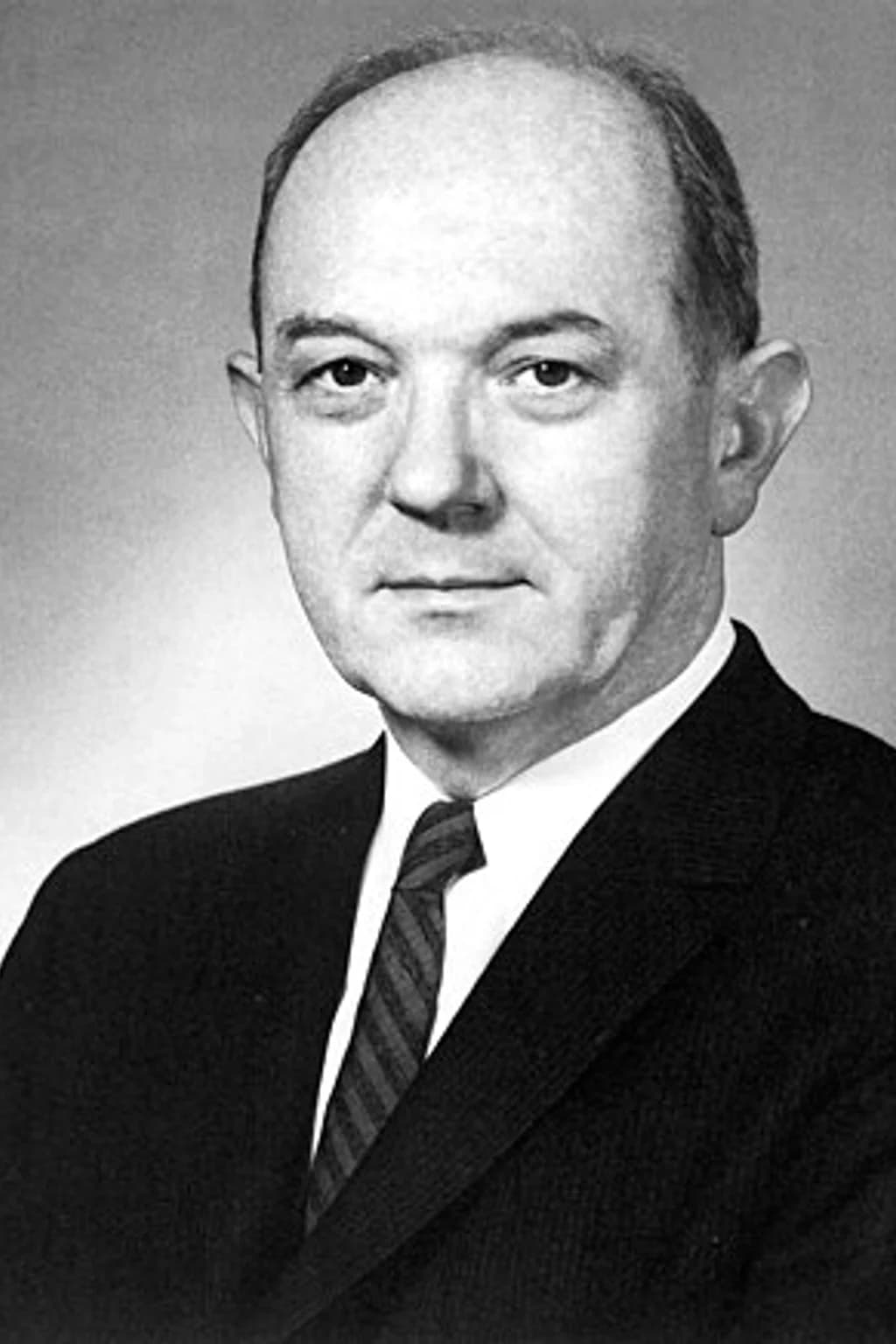
Portrait photograph of Dean Rusk
Historical photograph

A real historical or editorial image is used here. Source, licence and transformation details are publicly recorded. Image policy Attribution

Quick answer

Dean Rusk was an American diplomat and secretary of state from 1961 to 1969 under Presidents John F. Kennedy and Lyndon B. Johnson. He helped manage the Cuban Missile Crisis, supported Cold War containment, defended U.S. involvement in Vietnam, and became one of the most criticised foreign-policy figures of the 1960s.

Born
1909 CE
Died
1994 CE
Role
American secretary of state
Years
1909-1994 CE
Quick facts

Profile details

Additional identity and tagging details that are not already covered in the introduction.

Full name
David Dean Rusk
Facts

Dean Rusk timeline facts

Selected specifics from this profile's life story.

1909-1931
Georgia roots

David Dean Rusk was born in Cherokee County, Georgia, on February 9, 1909, and rose through education from Davidson College to Oxford as a Rhodes Scholar.

1945-1952
Building postwar policy

After the war, Rusk entered the State Department and worked on United Nations affairs, Asian policy and early Cold War questions during the Truman administration.

1964-1968
Defending Vietnam

Under Lyndon Johnson, Rusk became one of the administration's most persistent public defenders of U.S. policy in Vietnam.

1994
A disciplined but contested legacy

Dean Rusk died on December 20, 1994, in Athens, Georgia. His legacy remains inseparable from the Cold War crises he helped manage and the Vietnam War he defended.

Life Journey

Duty, containment and the burden of Vietnam

Follow the story in a more continuous narrative, with a reading mode that matches how much depth you want.

Complete chronology

1909-1931

Georgia roots

Rusk's early life shaped a public servant who valued discipline, restraint and institutional duty. He was not a flamboyant strategist or charismatic politician. His path ran through study, teaching and service. That background mattered later because Rusk approached foreign policy as a matter of responsibility and alliance credibility rather than personal theatre.

1940s

World War II service

The war gave Rusk practical exposure to strategy across distance, culture and alliance tension. The China-Burma-India theatre was logistically punishing and politically complicated. It also placed Asia at the centre of his thinking before many Americans fully grasped how important the region would become. Rusk's wartime experience strengthened his belief that global order depended on American steadiness.

1945-1952

Building postwar policy

Rusk belonged to the generation that built the architecture of postwar American power. He saw the United Nations, alliances and containment as tools for preventing another global collapse. During the Korean War era, he worked in a policy environment where communist advances in Asia were interpreted through a global Cold War frame. That experience made him wary of appearing to abandon allies under pressure.

1952-1960

Rockefeller Foundation

The foundation years broadened Rusk's view of global change beyond military confrontation. He worked in education, development and international exchange, yet he did not abandon the strategic assumptions of containment. When Kennedy chose him as secretary of state, Rusk seemed steady, experienced and unlikely to overshadow the president. That quality was an asset in a Kennedy team full of forceful personalities.

1961-1963

Kennedy secretary of state

Rusk's early years as secretary of state were shaped by danger. The Berlin Crisis tested NATO resolve. Laos raised the problem of neutralisation in Southeast Asia. The Cuban Missile Crisis in 1962 brought the United States and Soviet Union close to nuclear war. Rusk was not the most theatrical voice in Kennedy's inner circle, but his caution and legal-diplomatic instincts mattered.

1964-1968

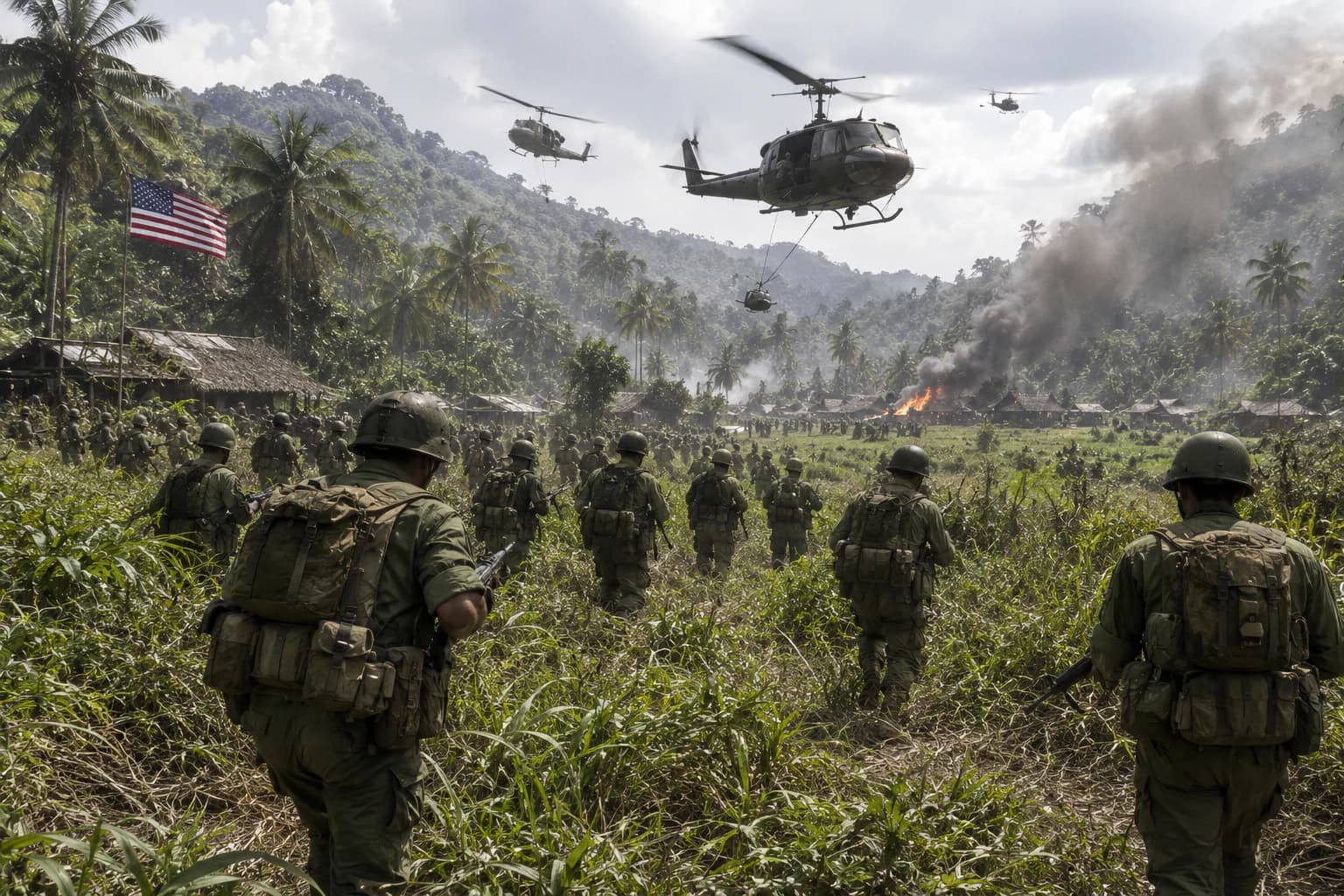
Defending Vietnam

Rusk believed Vietnam was tied to the credibility of American commitments and the containment of communist expansion. He did not see withdrawal as a simple act of prudence; he feared it would unsettle allies and embolden adversaries. This worldview made him a target as the war grew bloodier and more unpopular. Students and antiwar critics saw him as the grey face of official stubbornness.

1969-1994

Return to private life

Rusk's later life was quieter than his years in Washington. He returned to Georgia, taught students and defended much of his record while acknowledging the difficulty of the choices he had faced. Yet the shadow of Vietnam remained. Rusk could not escape the fact that his most visible public service had become tied to a war many Americans viewed as a tragic mistake.

1994

A disciplined but contested legacy

Rusk matters because he represents a particular kind of Cold War statesmanship: disciplined, alliance-minded, legalistic and deeply concerned with credibility. That style helped in moments when panic could have been disastrous, especially during the Cuban Missile Crisis. It failed in Vietnam, where credibility became a trap and loyalty hardened into escalation.

Continue in context

Connected stories

Move from the profile into the wider events and settings this figure belongs to.

Tertiary paths

Content note

This profile is written for educational use and connects to related Stories of History pages. The main portrait uses a real historical or editorial image, with source and licence details recorded for attribution review. Image policy Image attribution

References

Sources & Further Reading

Reliable reference works, archives and reading paths connected to this profile.

Further reading

  1. Encyclopaedia Britannica, Search results for Dean Rusk,” accessed June 2026.Open source
  2. WorldCat, Books and library holdings for Dean Rusk,” accessed June 2026.Open source

Primary sources

  1. Library of Congress, Search results for Dean Rusk,” accessed June 2026.Open source

Reviewed claim sources

Loading reviewed claim sources...

A weekly route through history

Find out first about the latest published stories, feature notes and occasional Premium offers in one weekly email.