People

Robert McNamara

Robert McNamara was an American defense secretary and World Bank president who served John F. Kennedy and Lyndon B. Johnson from 1961 to 1968. He modernised Pentagon management, shaped nuclear strategy during the Cold War, became central to the escalation of the Vietnam War, and later tried to redirect his reputation through global development work at the World Bank.

Born
1916 CE
Died
2009 CE
Role
American defense secretary and World Bank president

American defense secretary and World Bank president (1916-2009)

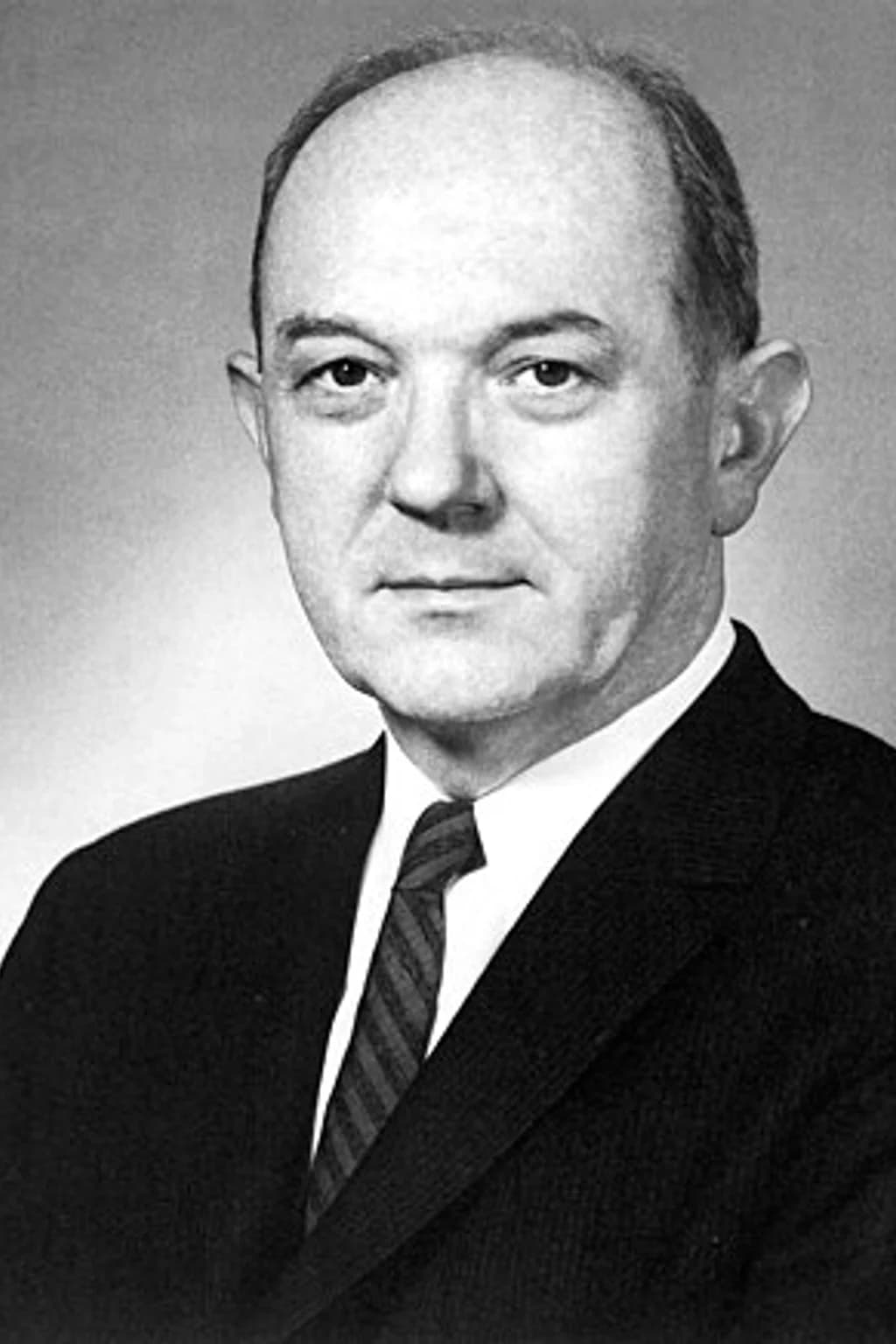
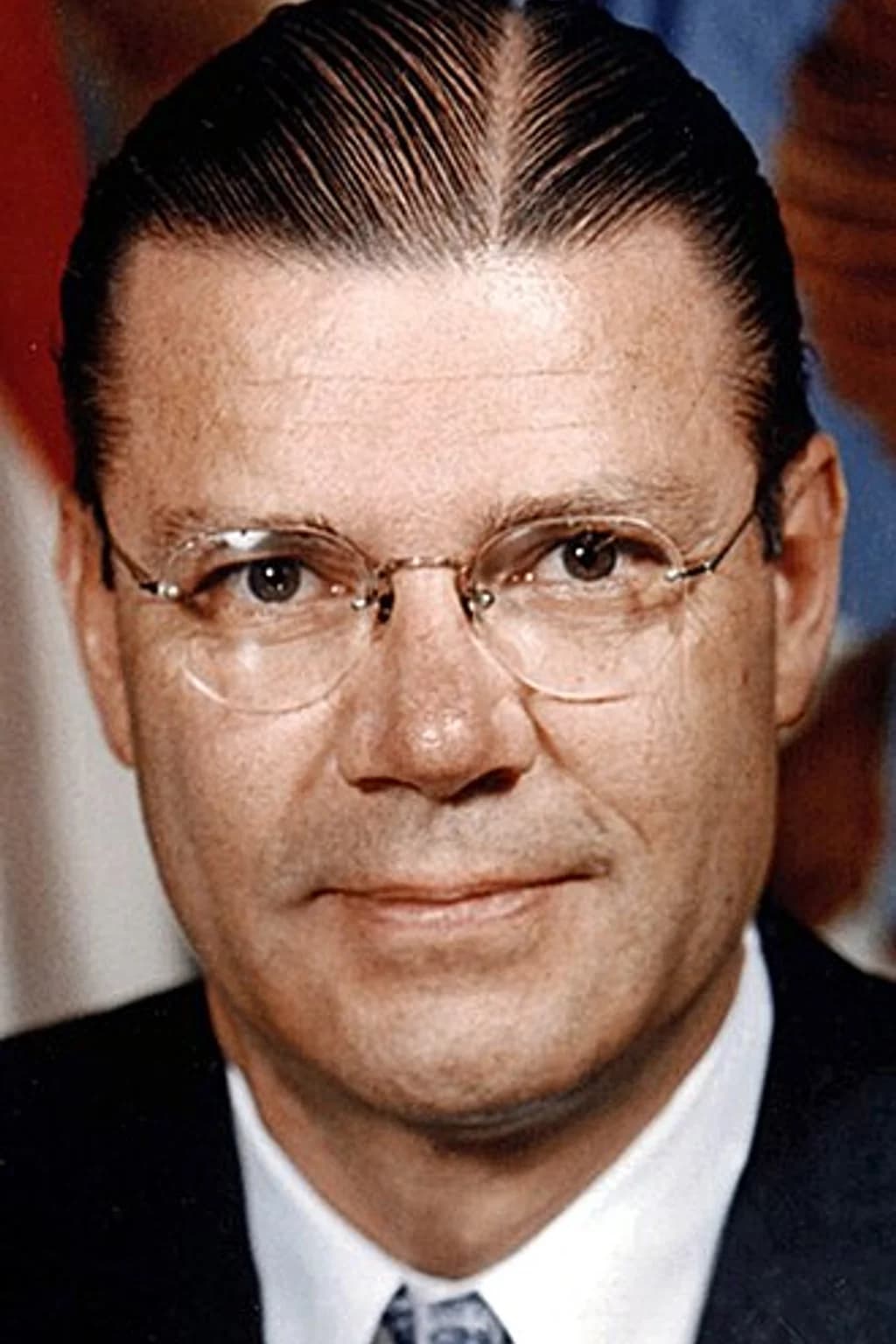
Portrait photograph of Robert McNamara
Historical photograph

A real historical or editorial image is used here. Source, licence and transformation details are publicly recorded. Image policy Attribution

Quick answer

Robert McNamara was an American defense secretary and World Bank president who served John F. Kennedy and Lyndon B. Johnson from 1961 to 1968. He modernised Pentagon management, shaped nuclear strategy during the Cold War, became central to the escalation of the Vietnam War, and later tried to redirect his reputation through global development work at the World Bank.

Born
1916 CE
Died
2009 CE
Role
American defense secretary and World Bank president
Years
1916-2009 CE
Quick facts

Profile details

Additional identity and tagging details that are not already covered in the introduction.

Full name
Robert Strange McNamara
Also known as
Robert S. McNamara
Facts

Robert McNamara timeline facts

Selected specifics from this profile's life story.

1916-1937
California ambition

Robert Strange McNamara was born in San Francisco on June 9, 1916, and came of age in a world where business, engineering and public policy were beginning to speak the language of measurement.

1946-1960
The Ford executive

After the war, McNamara joined Ford Motor Company as one of the Whiz Kids and became Ford president in 1960, the first person outside the Ford family to hold the post.

1966-1968
Private doubt, public loyalty

By the mid-1960s, McNamara privately questioned whether the war could be won at acceptable cost, but publicly defended administration policy.

2009
A cautionary legacy

McNamara died in Washington, D.C., on July 6, 2009. His legacy remains bound to the promise and danger of technocratic power.

Life Journey

Numbers, power and the cost of certainty

Follow the story in a more continuous narrative, with a reading mode that matches how much depth you want.

Complete chronology

1916-1937

California ambition

McNamara did not begin as a soldier or ideologue. His early formation was analytical, competitive and administrative. At Berkeley and Harvard Business School he learned to treat institutions as systems that could be measured, compared and improved. That habit later made him attractive to corporate America and to a federal government trying to manage Cold War complexity. It also created the central tension of his career: a belief that disciplined information could master problems that were political, human and morally unstable.
1943-1945

War by calculation

McNamara joined a group of statistically minded officers who examined aircraft performance, logistics, losses and bombing effectiveness. He saw war through charts, rates and outputs. That perspective could expose waste and illusion, but it could also distance decision-makers from the human experience behind the figures. The habit followed him into Vietnam, where body counts, sortie numbers and enemy-loss estimates became substitutes for political understanding.

1946-1960

The Ford executive

At Ford, McNamara proved that his methods could work in peacetime industry. He was disciplined, unsentimental and unusually effective at imposing financial controls on a sprawling corporation. His rise gave him a reputation as the model modern executive: rational, efficient and impatient with tradition. That reputation brought him to the attention of President-elect John F. Kennedy, who wanted energetic administrators for the New Frontier.

1961-1962

Running the Pentagon

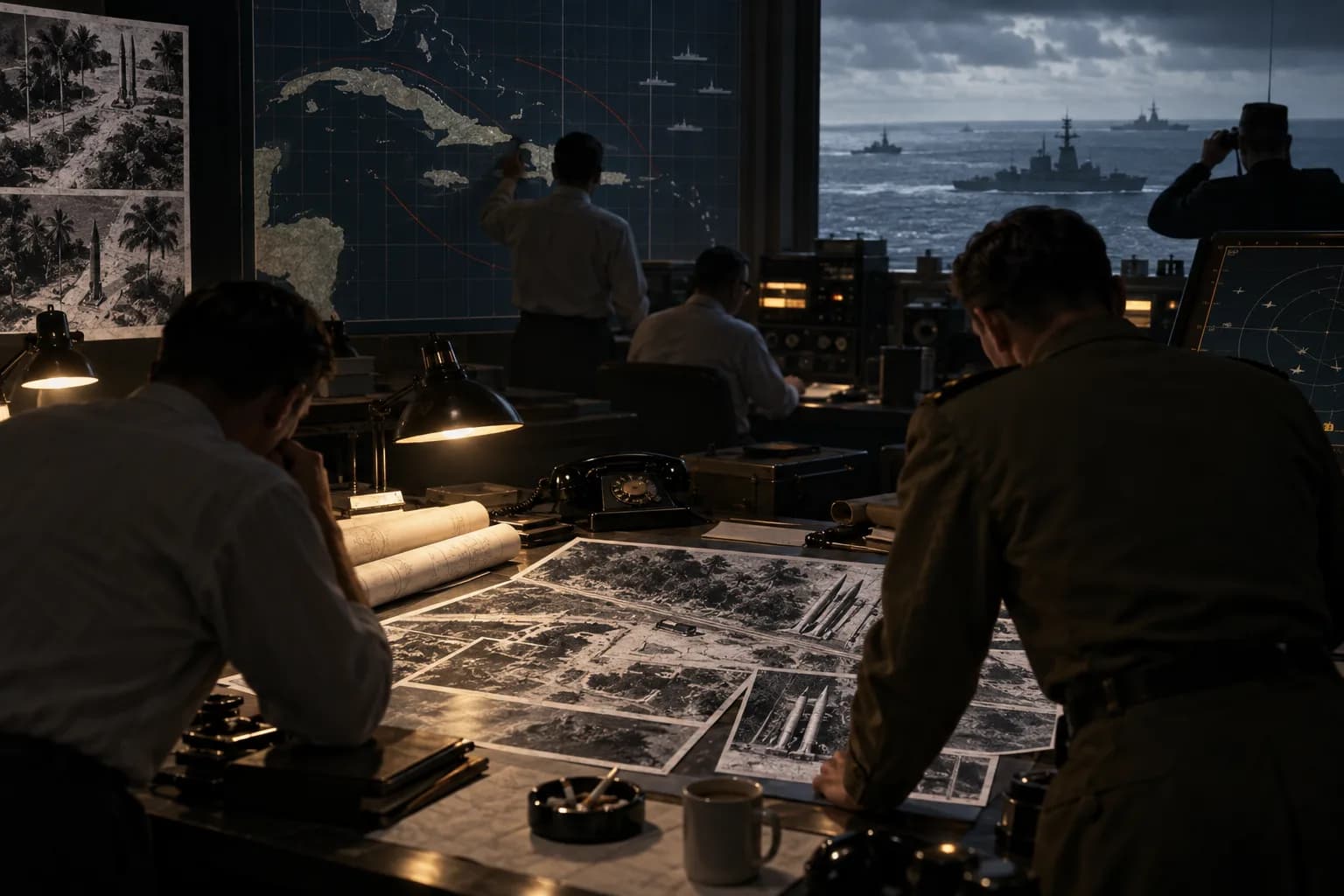
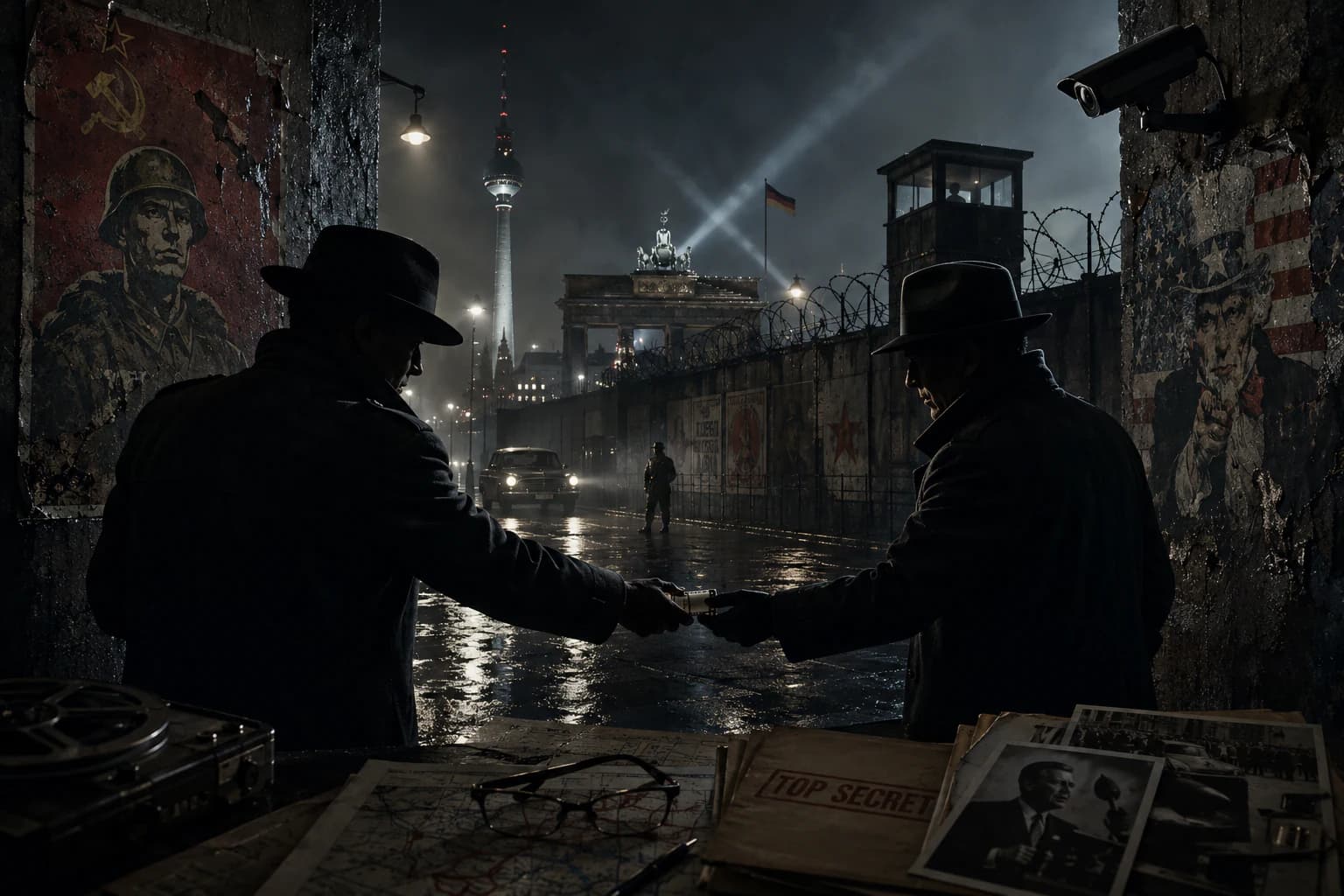
McNamara inherited a military establishment built around service rivalries, procurement politics and nuclear strategy. He tried to bring it under civilian control through planning, budgeting and cost-benefit analysis. During the Berlin Crisis and the Cuban Missile Crisis, his discipline could be valuable. In Vietnam, the same confidence became far more dangerous because the central problem was not a shortage of information but a failure to understand the society in which the United States was fighting.

1961-1968

Vietnam escalation

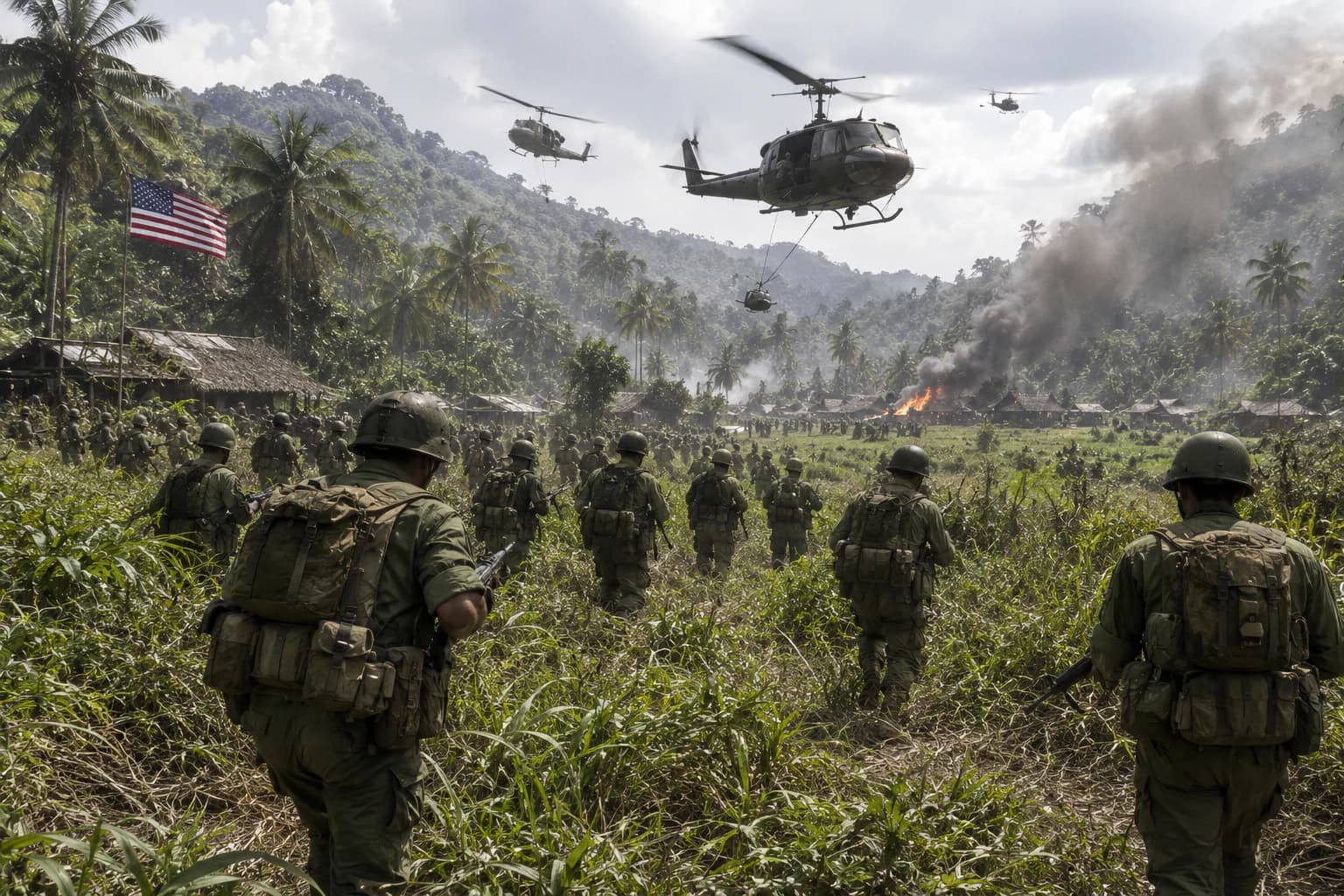
The Vietnam War exposed the limits of McNamara's method. He and other Kennedy and Johnson officials viewed Vietnam through the Cold War lens of containment, credibility and communist expansion. McNamara supported bombing, pressure on North Vietnam and major troop deployments. Yet South Vietnam's political weakness, Vietnamese nationalism, rural insurgency and North Vietnamese endurance could not be solved by superior firepower alone. The more the United States measured, the less it seemed to understand.

1966-1968

Private doubt, public loyalty

Evidence mounted that bombing was failing to break North Vietnamese will and that American metrics gave a distorted picture of progress. McNamara asked harder questions and gradually lost faith. But he remained publicly loyal to Johnson's war policy for too long. That gap between private doubt and public defence damaged his reputation more deeply than a single mistaken judgement would have done. It made him appear not merely wrong, but complicit in sustaining a policy he no longer believed could succeed.

1968-1981

World Bank years

The World Bank gave McNamara a second arena for his belief in large institutions, data and planning. He pushed the bank to expand lending and focus more directly on poverty, agriculture, population and basic human needs. Admirers saw an attempt to use power for development rather than war. Critics argued that debt, technocratic planning and top-down modernisation brought their own harms. The same managerial energy that had shaped Vietnam was redirected toward another kind of global problem.

2009

A cautionary legacy

Robert McNamara matters because he embodied a modern belief that intelligence, data and institutional control could tame history. At times that belief produced genuine administrative reform. In Vietnam it helped produce catastrophe. He was neither a cartoon villain nor a misunderstood genius. He was a brilliant, driven official whose strengths made his failures more consequential. His life asks what happens when capable people mistake measurable activity for wisdom.

Continue in context

Connected stories

Move from the profile into the wider events and settings this figure belongs to.

Tertiary paths

Content note

This profile is written for educational use and connects to related Stories of History pages. The main portrait uses a real historical or editorial image, with source and licence details recorded for attribution review. Image policy Image attribution

References

Sources & Further Reading

Reliable reference works, archives and reading paths connected to this profile.

Further reading

  1. Encyclopaedia Britannica, Search results for Robert McNamara,” accessed June 2026.Open source
  2. WorldCat, Books and library holdings for Robert McNamara,” accessed June 2026.Open source

Primary sources

  1. Library of Congress, Search results for Robert McNamara,” accessed June 2026.Open source

Reviewed claim sources

Loading reviewed claim sources...

A weekly route through history

Find out first about the latest published stories, feature notes and occasional Premium offers in one weekly email.