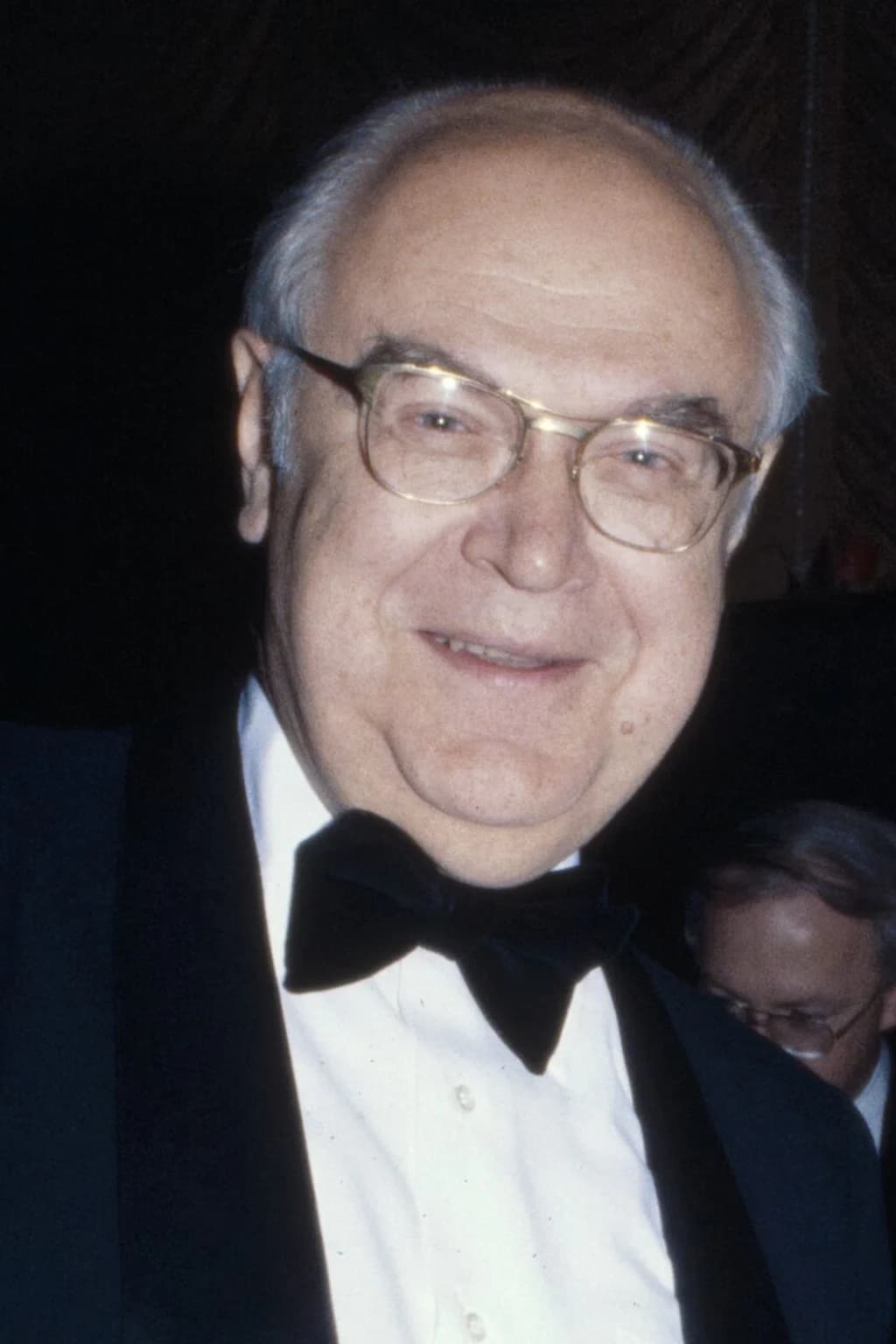
People

Anatoly Dobrynin

Anatoly Dobrynin was a Soviet diplomat who served as ambassador to the United States from 1962 to 1986. He represented Moscow through six American presidencies, helped maintain communication during the Cuban Missile Crisis, became central to U.S.-Soviet back-channel diplomacy, and later served in the Communist Party leadership under Mikhail Gorbachev.

Born
1919 CE
Died
2010 CE
Role
Soviet diplomat and ambassador to the United States

Soviet diplomat and ambassador to the United States (1919-2010)

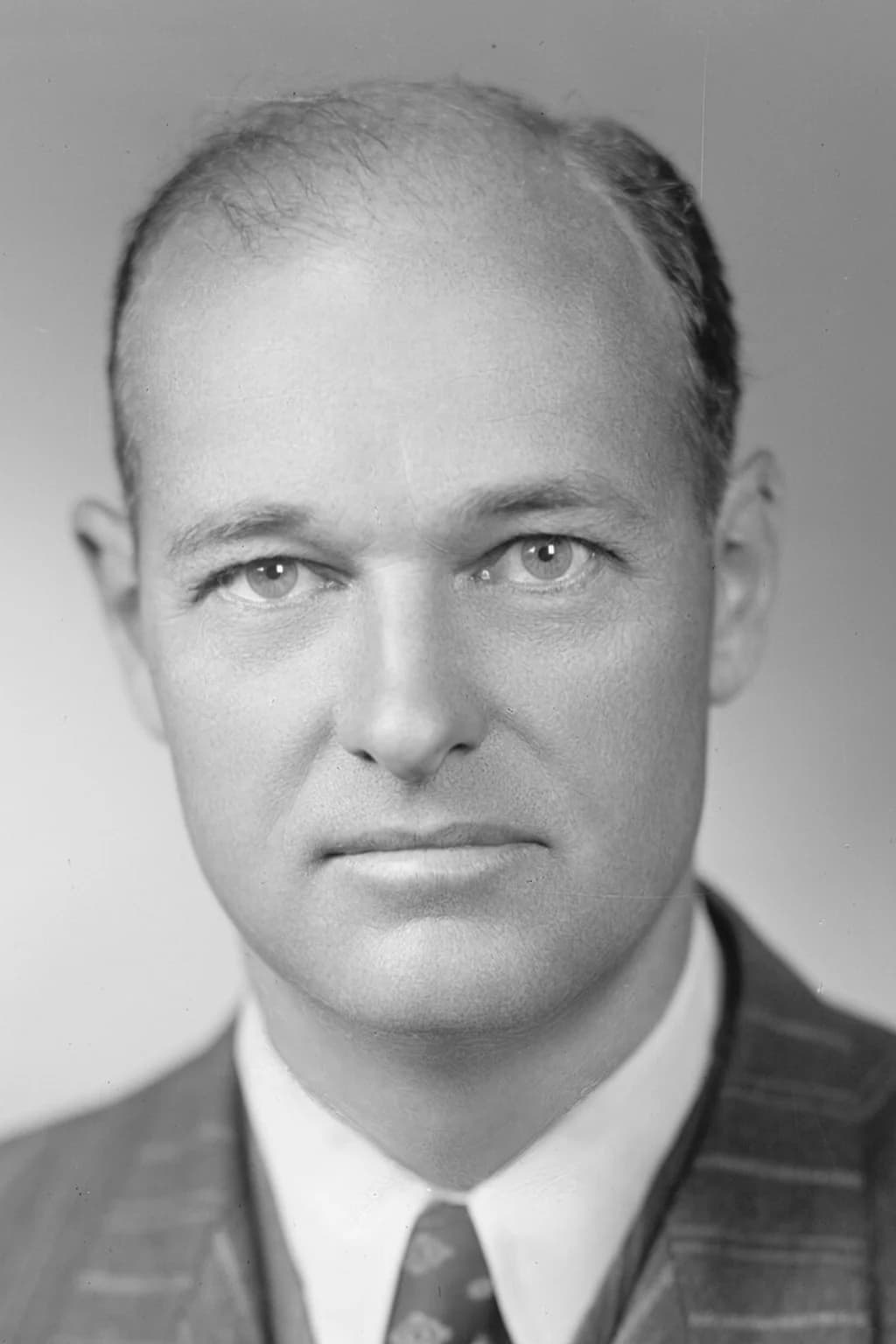
Portrait photograph of Anatoly Dobrynin
Historical photograph

A real historical or editorial image is used here. Source, licence and transformation details are publicly recorded. Image policy Attribution

Quick answer

Anatoly Dobrynin was a Soviet diplomat who served as ambassador to the United States from 1962 to 1986. He represented Moscow through six American presidencies, helped maintain communication during the Cuban Missile Crisis, became central to U.S.-Soviet back-channel diplomacy, and later served in the Communist Party leadership under Mikhail Gorbachev.

Born
1919 CE
Died
2010 CE
Role
Soviet diplomat and ambassador to the United States
Years
1919-2010 CE
Quick facts

Profile details

Additional identity and tagging details that are not already covered in the introduction.

Full name
Anatoly Fyodorovich Dobrynin
Also known as
Anatoliy Dobrynin
Facts

Anatoly Dobrynin timeline facts

Selected specifics from this profile's life story.

1919-1946
From aviation to diplomacy

Anatoly Fyodorovich Dobrynin was born on November 16, 1919, at Krasnaya Gorka near Moscow. Trained first as an aviation engineer, he moved into diplomacy during and after World War II.

1962
Arriving in a dangerous year

Dobrynin became Soviet ambassador to the United States in 1962, the year of the Cuban Missile Crisis.

1969-1976
Back-channel diplomacy

Under Richard Nixon and Henry Kissinger, Dobrynin became a key participant in confidential back-channel diplomacy over arms control, Berlin, Vietnam and detente.

2010
The diplomat as shock absorber

Dobrynin died in Moscow on April 6, 2010. His legacy is that of a disciplined Soviet representative who helped keep communication alive between nuclear rivals.

Life Journey

The quiet channel through the Cold War

Follow the story in a more continuous narrative, with a reading mode that matches how much depth you want.

Complete chronology

1919-1946

From aviation to diplomacy

Dobrynin's route into diplomacy was shaped by the Soviet state at war. He studied at the Moscow Aviation Institute and worked in aircraft production before entering the Higher Diplomatic School. That technical beginning mattered. He brought to diplomacy a calm, practical manner rather than revolutionary flamboyance.
1952-1960

Learning Washington

Before he became ambassador, Dobrynin learned the American capital from inside the Soviet embassy. He observed its rituals, personalities and informal codes. He also worked at the United Nations, where Cold War diplomacy had to be performed in public as well as negotiated in private. By 1962 he understood that U.S.-Soviet relations depended on tone, timing and personal access as much as formal communiques.

1962

Arriving in a dangerous year

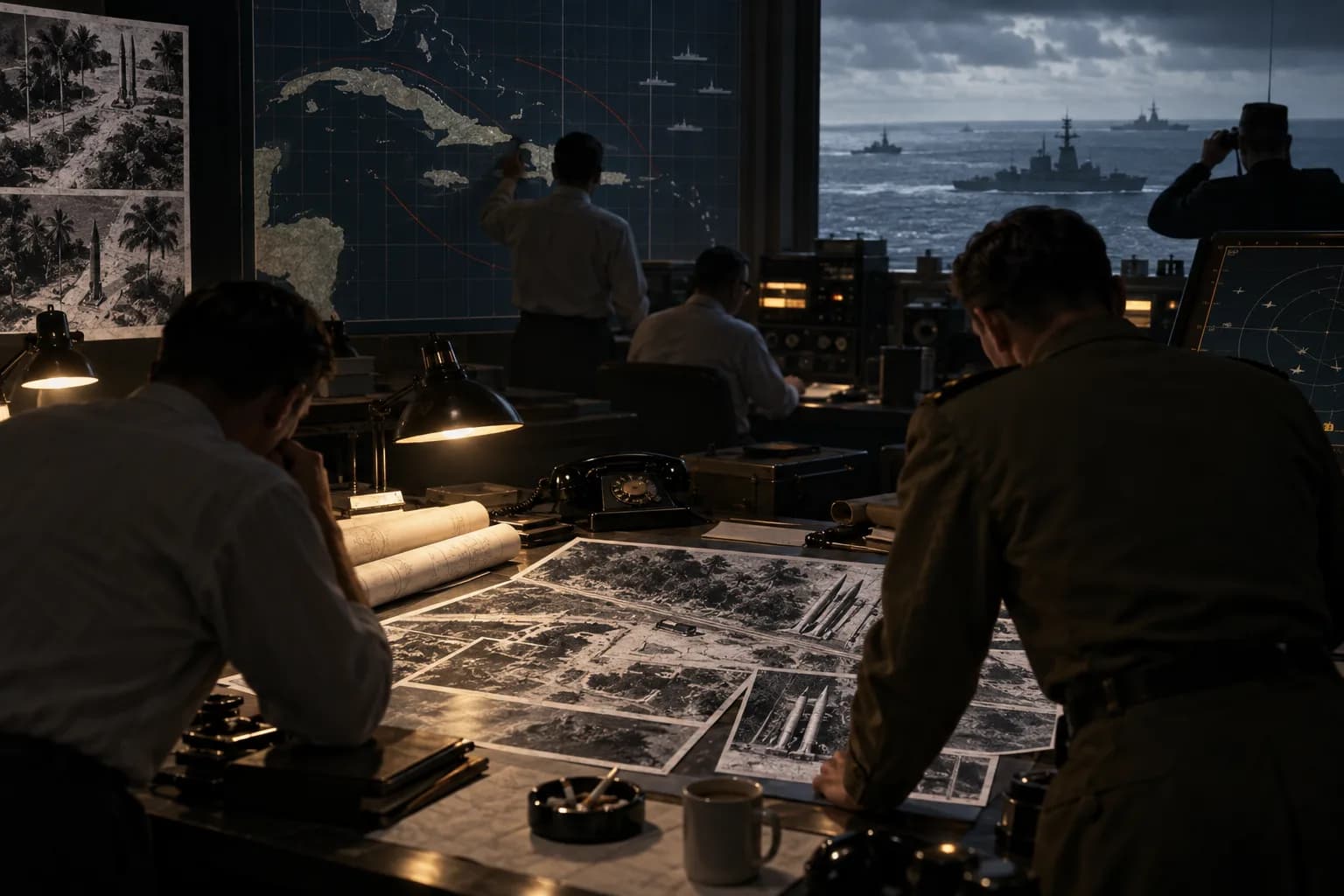
Few diplomatic appointments have begun under greater pressure. The Soviet decision to place missiles in Cuba produced the most dangerous superpower crisis of the Cold War. Dobrynin was not the sole architect of Soviet policy, and at moments he did not know the full truth of Moscow's deployments. Yet his role as channel to American officials became crucial.

October 1962

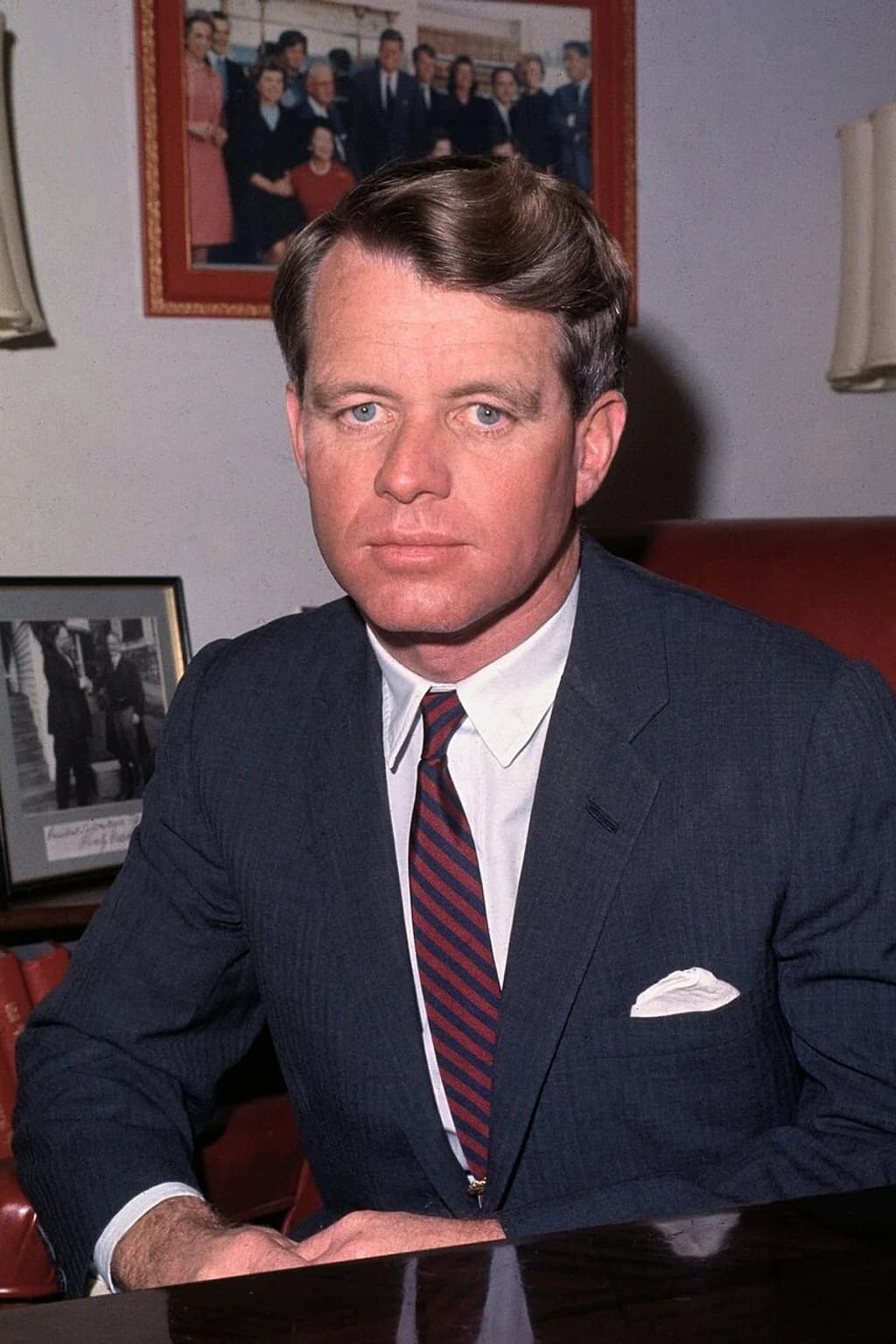
The Robert Kennedy channel

The Kennedy-Dobrynin contact showed why ambassadors matter. Leaders needed a way to speak without locking themselves into public humiliation. Through private exchanges, Washington and Moscow moved toward a settlement: Soviet missiles would leave Cuba, the United States would pledge not to invade the island, and U.S. Jupiter missiles in Turkey would later be removed under a secret understanding.

1962-1986

Six presidents, five Soviet leaders

Cold War policy often changed sharply, but Dobrynin's presence endured. He represented Moscow during Vietnam, detente, arms control, the invasion of Afghanistan, renewed tensions under Reagan and the first signs of late Cold War thaw. His longevity made him a memory bank of superpower diplomacy. In a relationship haunted by miscalculation, continuity itself was a strategic asset.

1969-1976

Back-channel diplomacy

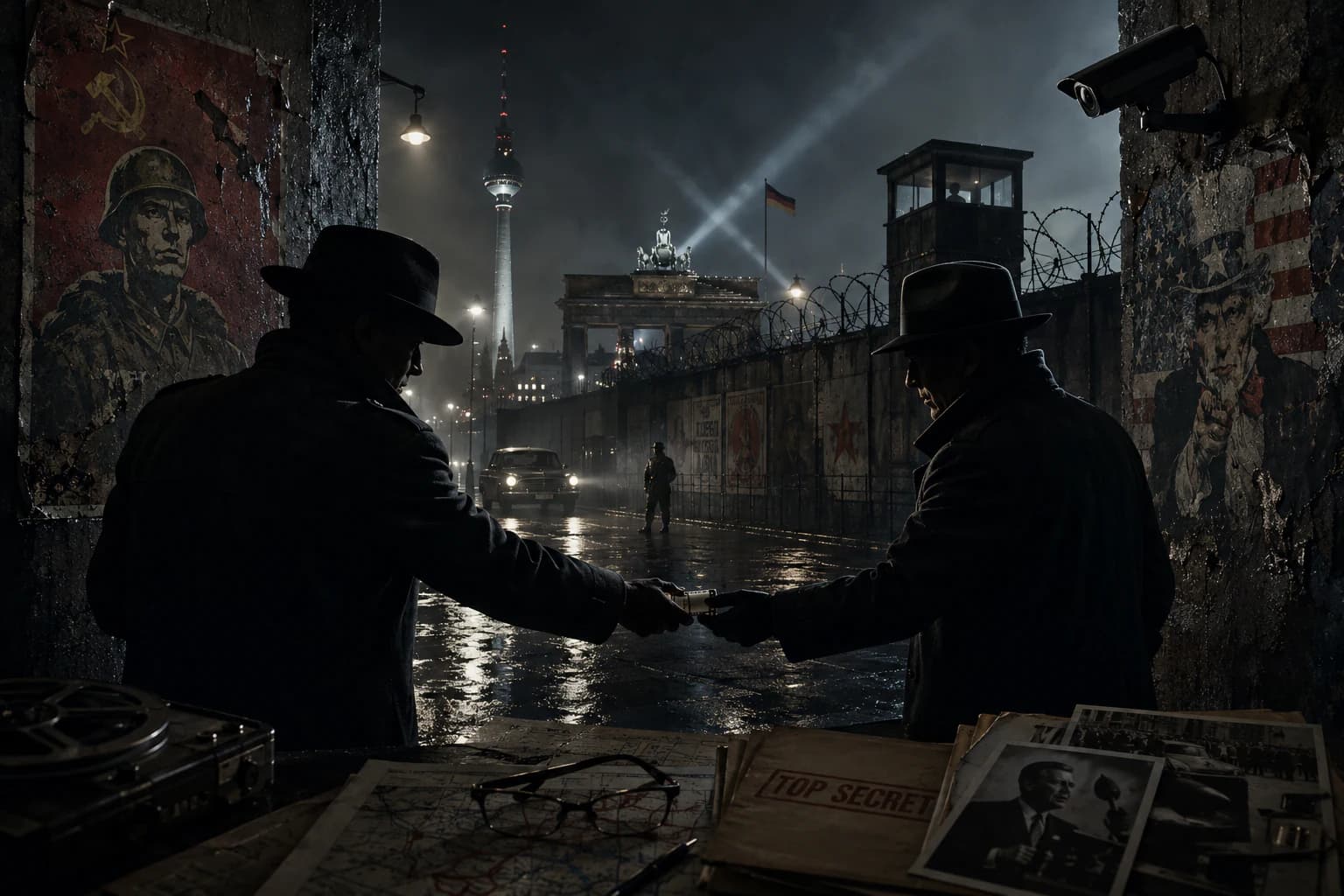
The Kissinger-Dobrynin channel was one of the most important diplomatic relationships of the detente era. It allowed both sides to explore positions away from bureaucratic noise and public posturing. Dobrynin's skill lay in being personable without becoming naive, flexible without abandoning Soviet interests. He understood that personal rapport did not erase rivalry; it made rivalry more manageable.

1986-1988

Return to Moscow

Back in Moscow, Dobrynin entered the machinery of late Soviet reform at a moment when old assumptions were breaking down. He was not the public face of perestroika, but his experience with the United States mattered to a leadership trying to reduce Cold War burdens. His memoir later presented the Cold War from the vantage point of a man who had spent decades reading Washington while answering to Moscow.

2010

The diplomat as shock absorber

Anatoly Dobrynin mattered not because he ended the Cold War alone, but because he reduced the chances that misunderstanding would end the world. He served an authoritarian state and defended its interests, yet he also practised diplomacy with patience, intelligence and human tact. In the history of the Cuban Missile Crisis, detente and U.S.-Soviet relations, he stands for the quiet infrastructure of survival.

Continue in context

Connected stories

Move from the profile into the wider events and settings this figure belongs to.

Tertiary paths

Content note

This profile is written for educational use and connects to related Stories of History pages. The main portrait uses a real historical or editorial image, with source and licence details recorded for attribution review. Image policy Image attribution

References

Sources & Further Reading

Reliable reference works, archives and reading paths connected to this profile.

Further reading

  1. Encyclopaedia Britannica, Search results for Anatoly Dobrynin,” accessed June 2026.Open source
  2. WorldCat, Books and library holdings for Anatoly Dobrynin,” accessed June 2026.Open source

Primary sources

  1. Library of Congress, Search results for Anatoly Dobrynin,” accessed June 2026.Open source

Reviewed claim sources

Loading reviewed claim sources...

A weekly route through history

Find out first about the latest published stories, feature notes and occasional Premium offers in one weekly email.