People

Robert Gascoyne-Cecil

Robert Gascoyne-Cecil, 3rd Marquess of Salisbury, was Conservative Prime Minister of the United Kingdom three times between 1885 and 1902. He shaped late-Victorian foreign policy, imperial strategy, and Unionist politics.

Born
1830 CE
Died
1903 CE
Role
Prime Minister of the United Kingdom

Conservative Prime Minister (1830–1903)

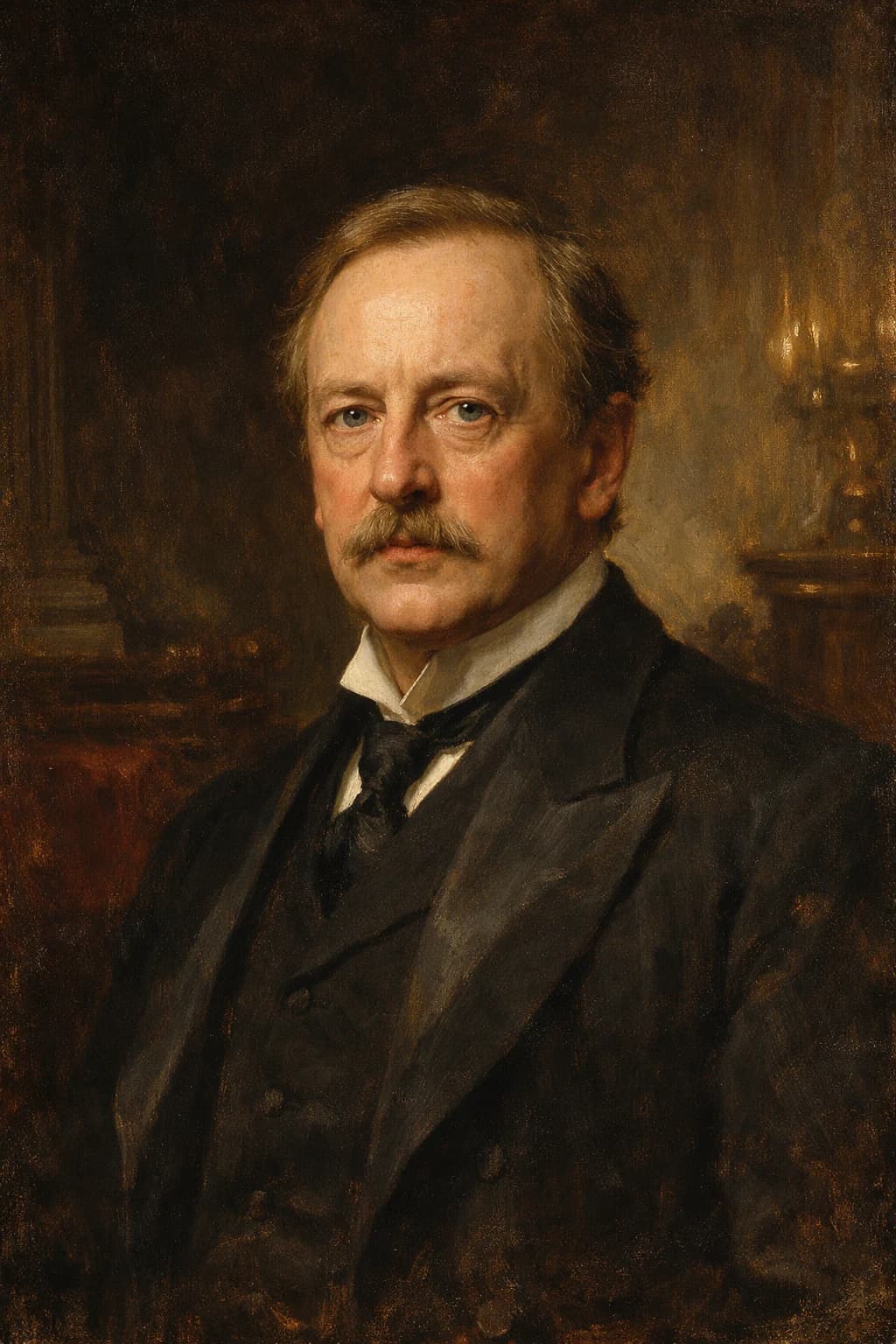
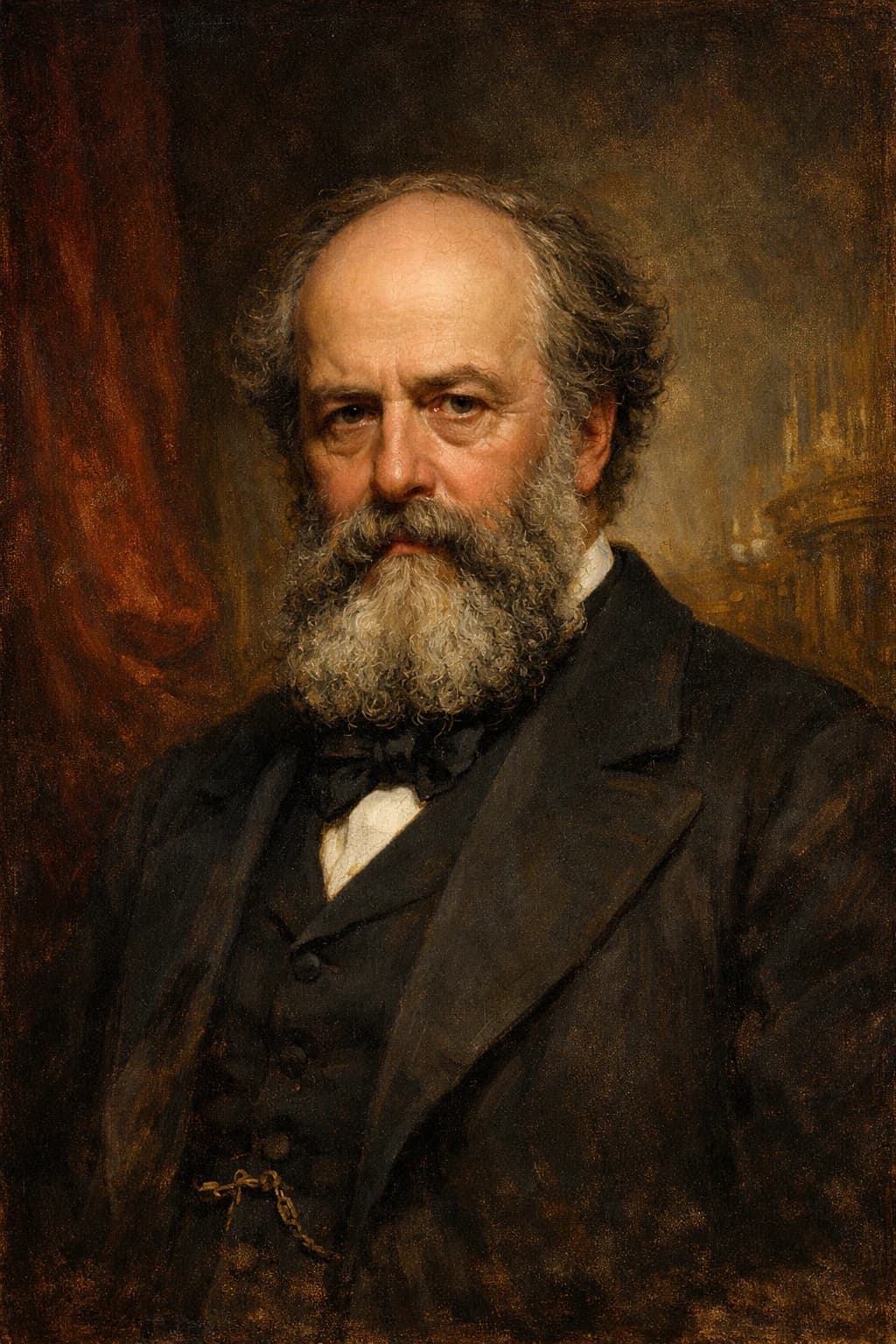
AI-generated portrait of Lord Salisbury in formal Victorian attire
AI-assisted historical reconstruction

An illustrative reconstruction based on historical context. It is not a photograph or documentary likeness. Image policy

Quick answer

Robert Gascoyne-Cecil, 3rd Marquess of Salisbury, was Conservative Prime Minister of the United Kingdom three times between 1885 and 1902. He shaped late-Victorian foreign policy, imperial strategy, and Unionist politics.

Born
1830 CE
Died
1903 CE
Role
Prime Minister of the United Kingdom
Years
1830-1903 CE
Quick facts

Profile details

Additional identity and tagging details that are not already covered in the introduction.

Full name
Robert Gascoyne-Cecil, 3rd Marquess of Salisbury
Also known as
Robert Cecil, Lord Salisbury, Marquess of Salisbury
Facts

Robert Gascoyne-Cecil timeline facts

Selected specifics from this profile's life story.

1830
Aristocratic beginnings

Robert Gascoyne-Cecil was born in 1830 into the Cecil family, one of Britain's great aristocratic houses, but his route to power was shaped by intellect as much as inheritance.

1870s
Rise to leadership

After inheriting the marquessate in 1868, Salisbury moved to the House of Lords and became indispensable to Conservative governments, especially in India and foreign affairs.

1895–1902
Political dominance

His final and longest premiership from 1895 to 1902 brought Conservative dominance, imperial confidence, and the shock of the South African War.

Post-1903
Enduring legacy

Salisbury's legacy lies in Conservative Unionism, late-Victorian imperial diplomacy, and a governing style that prized restraint while resisting democratic and social reform.

Life Journey

A statesman balancing power and caution

Follow the story in a more continuous narrative, with a reading mode that matches how much depth you want.

Complete chronology

1830

Aristocratic beginnings

Robert Gascoyne-Cecil, later the 3rd Marquess of Salisbury, grew up inside a family that had been close to power since the age of Elizabeth I. Privilege gave him access, but it did not make him socially easy or politically conventional. He was clever, depressive, proud, and often caustic, more comfortable with analysis than performance. His aristocratic world taught him to distrust sudden change and to see government as a matter of stewardship by those trained for it. That outlook would make him a formidable Conservative prime minister and a fierce critic of democratic enthusiasm. It would also leave him increasingly out of step with the mass politics taking shape around him.

1840s–1850s

Education and outlook

Salisbury's education sharpened his already formidable intelligence, but it did not turn him into a glad-handing politician. He preferred argument to charm and diagnosis to optimism. The mid-Victorian world around him was changing quickly: railways, newspapers, urban growth, religious debate, Irish nationalism, and pressure for parliamentary reform all pushed politics beyond the old aristocratic frame. Salisbury's instinct was to ask what damage reform might do before asking what injustice it might correct. That made him seem reactionary to opponents and refreshingly clear-eyed to supporters. He did not believe history automatically moved toward improvement. He believed societies could be destabilised by well-meaning ideas carried too fast.

1853

Entry into politics

Salisbury's early parliamentary career showed the qualities that would later define him: intellectual force, emotional distance, and a willingness to be unpopular. He attacked policies he thought shallow, including aspects of electoral reform, and was not easily absorbed into party discipline. His journalism also mattered, because writing allowed him to develop arguments with a freedom not always available in office. In 1866 he resigned from Lord Derby's government over Conservative reform plans, convinced they conceded too much to democratic pressure. The irony was that the party he challenged would later rely on him to lead it through the very age of mass politics he distrusted.

1870s

Rise to leadership

Inheritance changed Salisbury's platform without changing his temperament. As Marquess of Salisbury, he sat in the Lords and became a senior Conservative voice. He served as Secretary of State for India and later as Foreign Secretary under Benjamin Disraeli, gaining experience in imperial administration and European diplomacy. The Congress of Berlin in 1878 placed him near the centre of great-power negotiation after the Russo-Turkish War. He disliked theatrical politics, but he understood power: alliances, geography, finance, military limits, and the danger of promising more than Britain could enforce. By the time Disraeli died in 1881, Salisbury was not the obvious popular face of Conservatism, but he was one of its strongest governing minds.

1885–1886

First premiership

Salisbury's first premiership was brief, but the political transformation around it was immense. William Gladstone's support for Irish Home Rule split the Liberal Party, allowing Salisbury to make Unionism the foundation of a new Conservative dominance. The alliance with Liberal Unionists gave him a broader parliamentary base and helped the Conservatives present themselves as defenders of the United Kingdom, property, empire, and order. This was not merely obstruction. Salisbury recognised that the age of mass electorate politics required organisation, messaging, and coalition-building. He remained sceptical of democracy, but he was too intelligent to ignore it. His genius lay in adapting Conservative power to conditions he disliked.

1880s–1890s

Imperial strategy

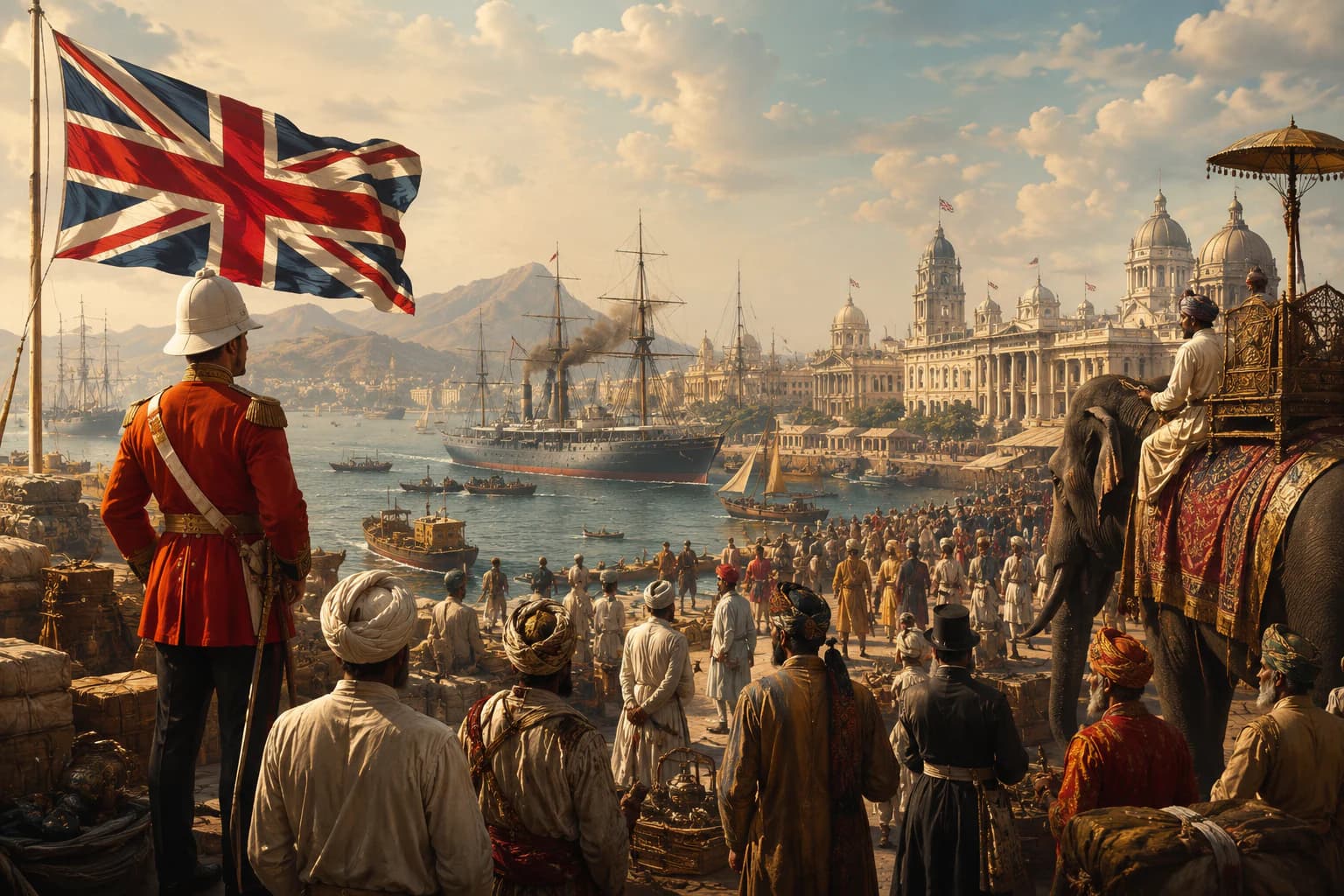
Salisbury's foreign policy is often associated with 'splendid isolation', though the phrase can mislead. He did not want Britain cut off from the world; he wanted freedom of manoeuvre without binding commitments that might drag the empire into unnecessary war. He watched Russia in Central Asia, France in Africa, Germany under Bismarck and after, and the Ottoman Empire's weakening position with a cold eye for interests. His diplomacy mixed firmness with restraint. He accepted colonial expansion where it seemed useful, but he feared overextension and distrusted emotional crusades. In an era of imperial rivalry, that caution helped Britain avoid a general European war, though it could not prevent every colonial conflict or moral compromise.

1895–1902

Political dominance

Salisbury's last government appeared powerful: a large Unionist majority, imperial patriotism, and a political opposition weakened by division. Yet the period also exposed limits. The South African War, fought against the Boer republics from 1899, became longer, costlier, and more controversial than many expected. It stirred patriotic support but also international criticism and domestic unease over military performance and concentration camps. Salisbury was not the sole architect of every imperial decision, but the war unfolded under his leadership and marked the harder edge of late-Victorian empire. At home, social questions, labour organisation, and demands for reform were growing. Salisbury could manage the old order with mastery; he was less equipped to imagine the new one.

1902–1903

Final years

By 1902 Salisbury was old, tired, and increasingly detached from the daily demands of leadership. He resigned in favour of Arthur Balfour, keeping power within the wider Cecil family network but also acknowledging that a new political generation had arrived. His departure came just after the end of the South African War and just before debates over tariff reform, social policy, and imperial defence would unsettle Conservatism. Salisbury's exit therefore feels like an ending larger than one career. He had governed from the House of Lords, dominated foreign affairs, and led through aristocratic authority. The twentieth century would make that style harder to sustain.

Post-1903

Enduring legacy

Robert Gascoyne-Cecil's importance is not that he transformed Britain through sweeping domestic legislation. He did something subtler: he preserved Conservative power across a period when the electorate expanded, party organisation changed, Ireland destabilised Westminster, and imperial rivalry intensified. His admirers see a realist who avoided reckless wars and understood the limits of power. His critics see an aristocrat too comfortable with inequality, too resistant to democratic claims, and too willing to treat empire as strategic property. Both views capture something essential. Salisbury was a brilliant manager of a world he believed was becoming more dangerous and less governable. His career marks the high point, and near end, of the idea that Britain could be steered by a small governing class through intelligence, caution, and inherited confidence.

Continue in context

Connected stories

Move from the profile into the wider events and settings this figure belongs to.

British Prime Ministers lineage
LineagePrime ministers in sequence
British Prime Ministers
1721 CE–present

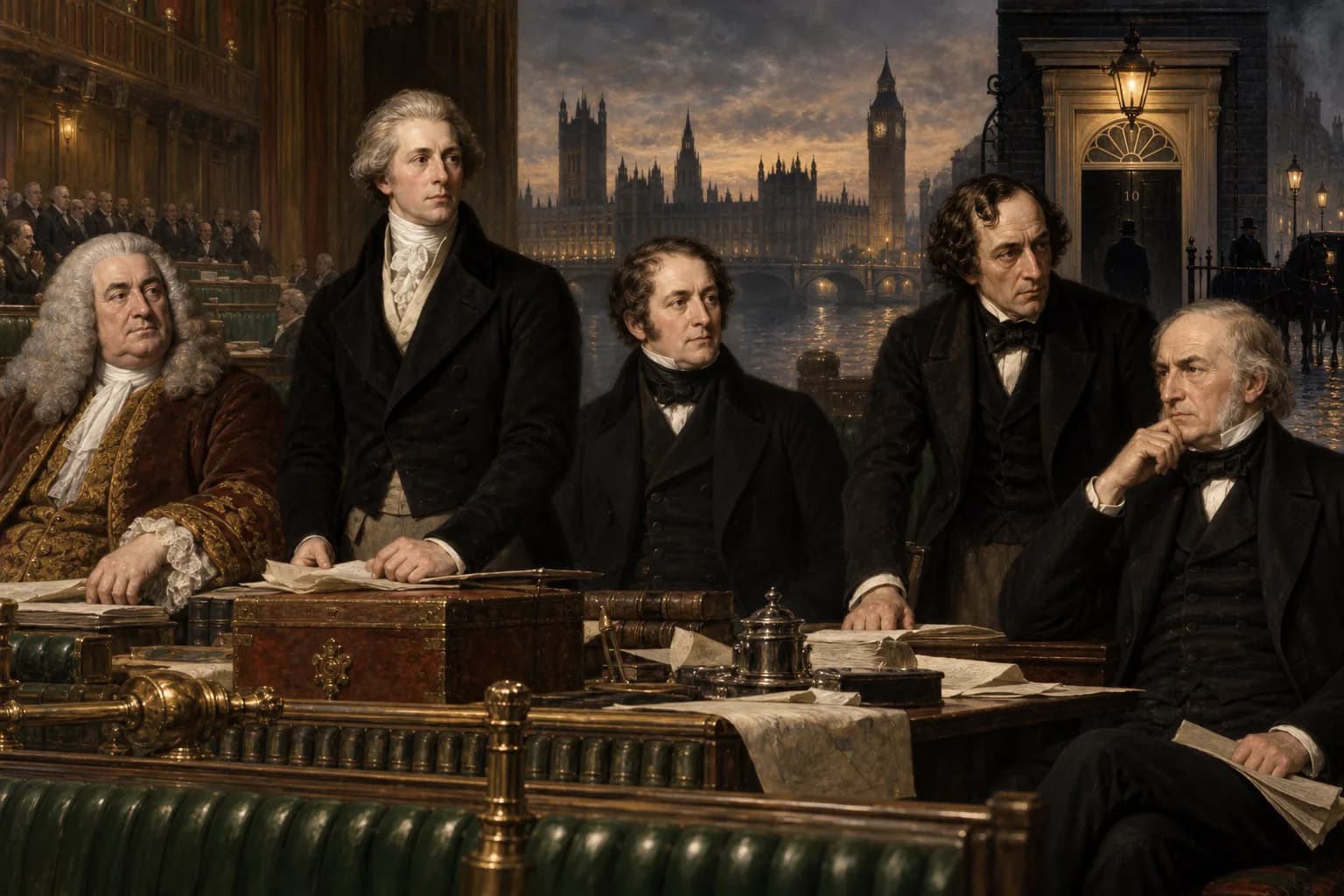
Explore British prime ministers from Walpole to the present.

View lineage
Tertiary paths

Content note

This profile is written for educational use and connects to related Stories of History pages. The main portrait is an AI-assisted historical reconstruction, included as an illustrative aid rather than documentary evidence. Image policy

References

Sources & Further Reading

Reliable reference works, archives and reading paths connected to this profile.

Further reading

  1. Encyclopaedia Britannica, Search results for Robert Gascoyne-Cecil,” accessed June 2026.Open source
  2. WorldCat, Books and library holdings for Robert Gascoyne-Cecil,” accessed June 2026.Open source

Primary sources

  1. Library of Congress, Search results for Robert Gascoyne-Cecil,” accessed June 2026.Open source

Reviewed claim sources

Loading reviewed claim sources...

A weekly route through history

Find out first about the latest published stories, feature notes and occasional Premium offers in one weekly email.