People

Archibald Primrose

Archibald Primrose, 5th Earl of Rosebery, was a Liberal Prime Minister of the United Kingdom from 1894 to 1895, best known for succeeding Gladstone, struggling with party division, and championing liberal imperialism.

Born
1847 CE
Died
1929 CE
Role
Liberal Prime Minister of the 1890s

Liberal Prime Minister of the 1890s (1847–1929)

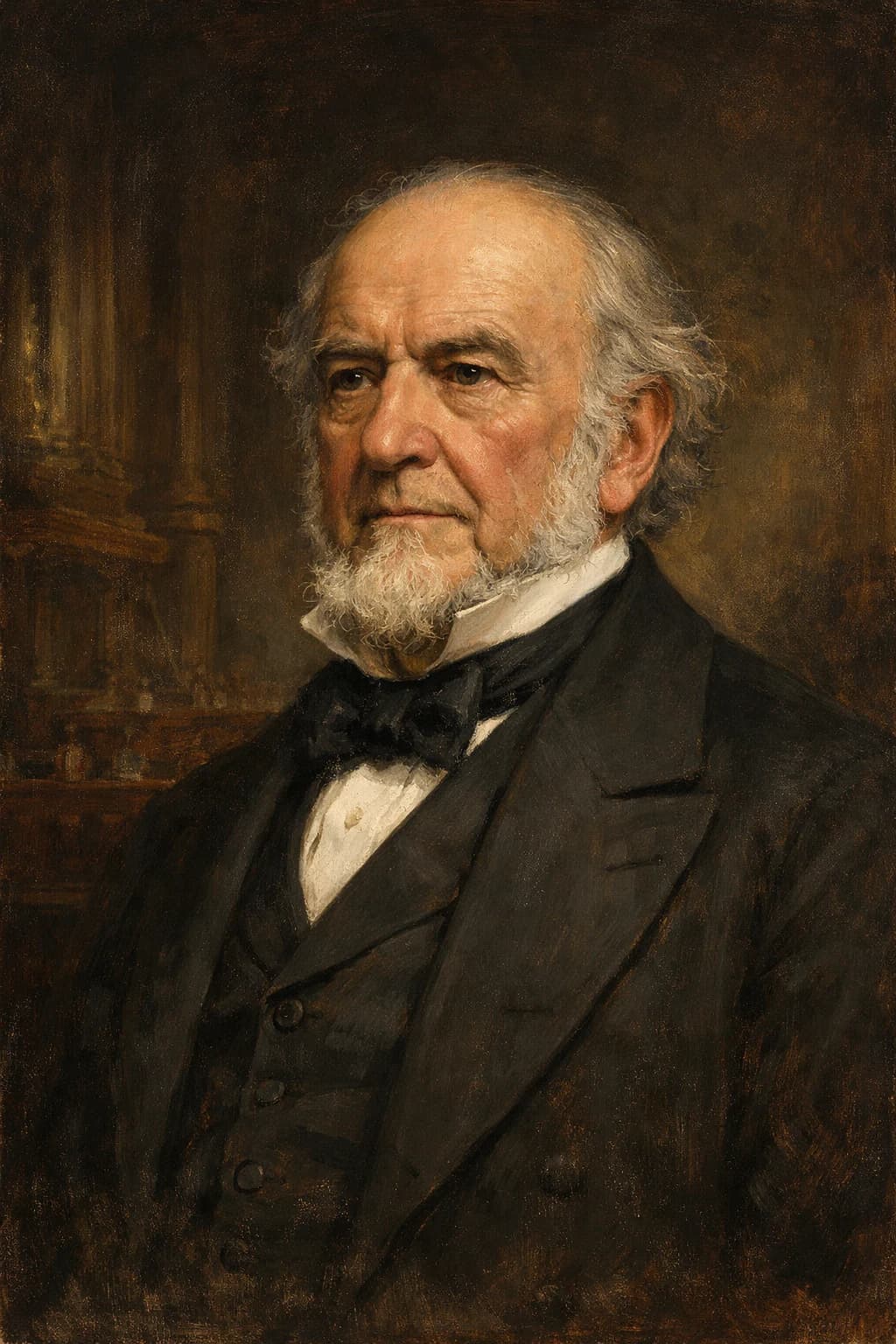
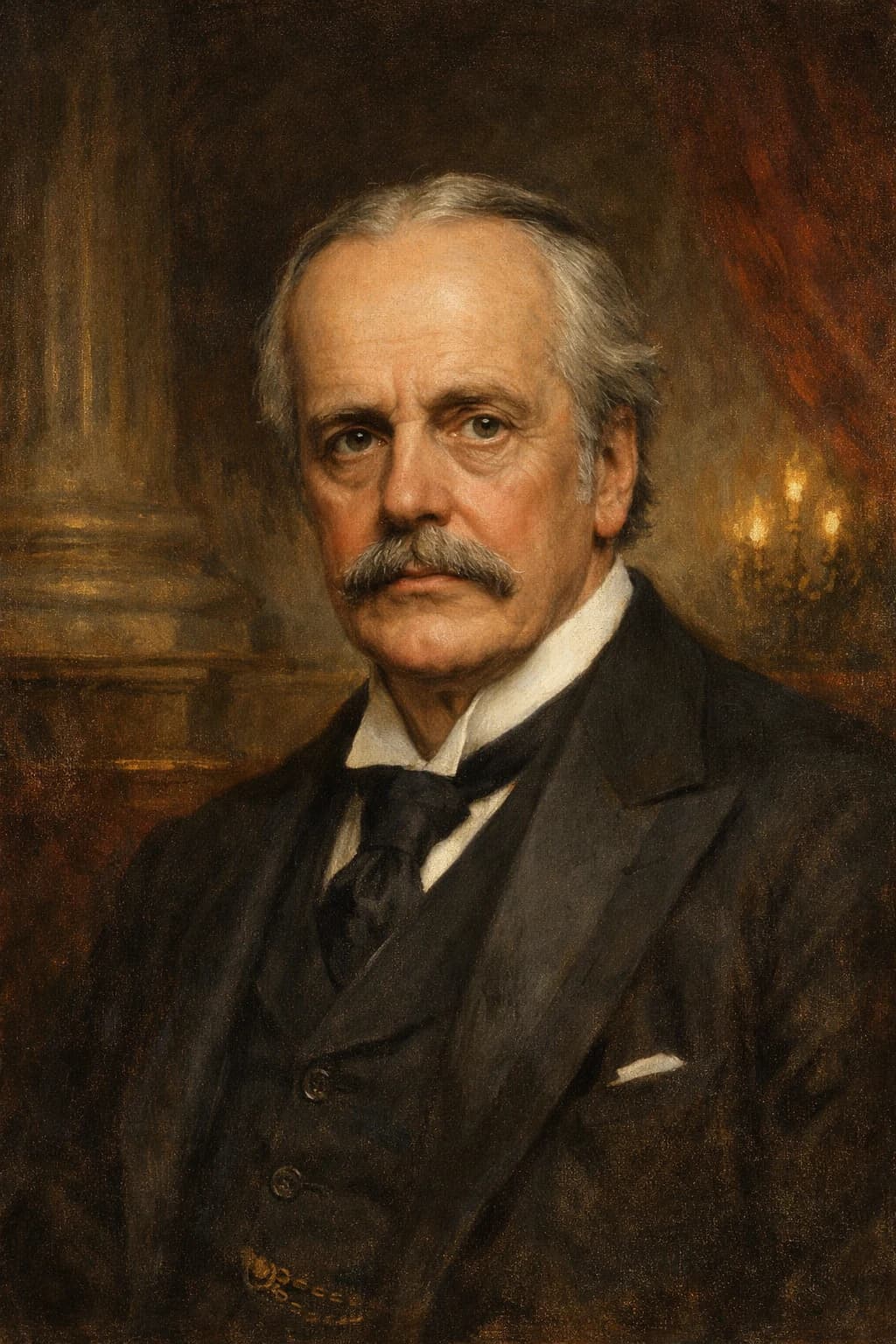
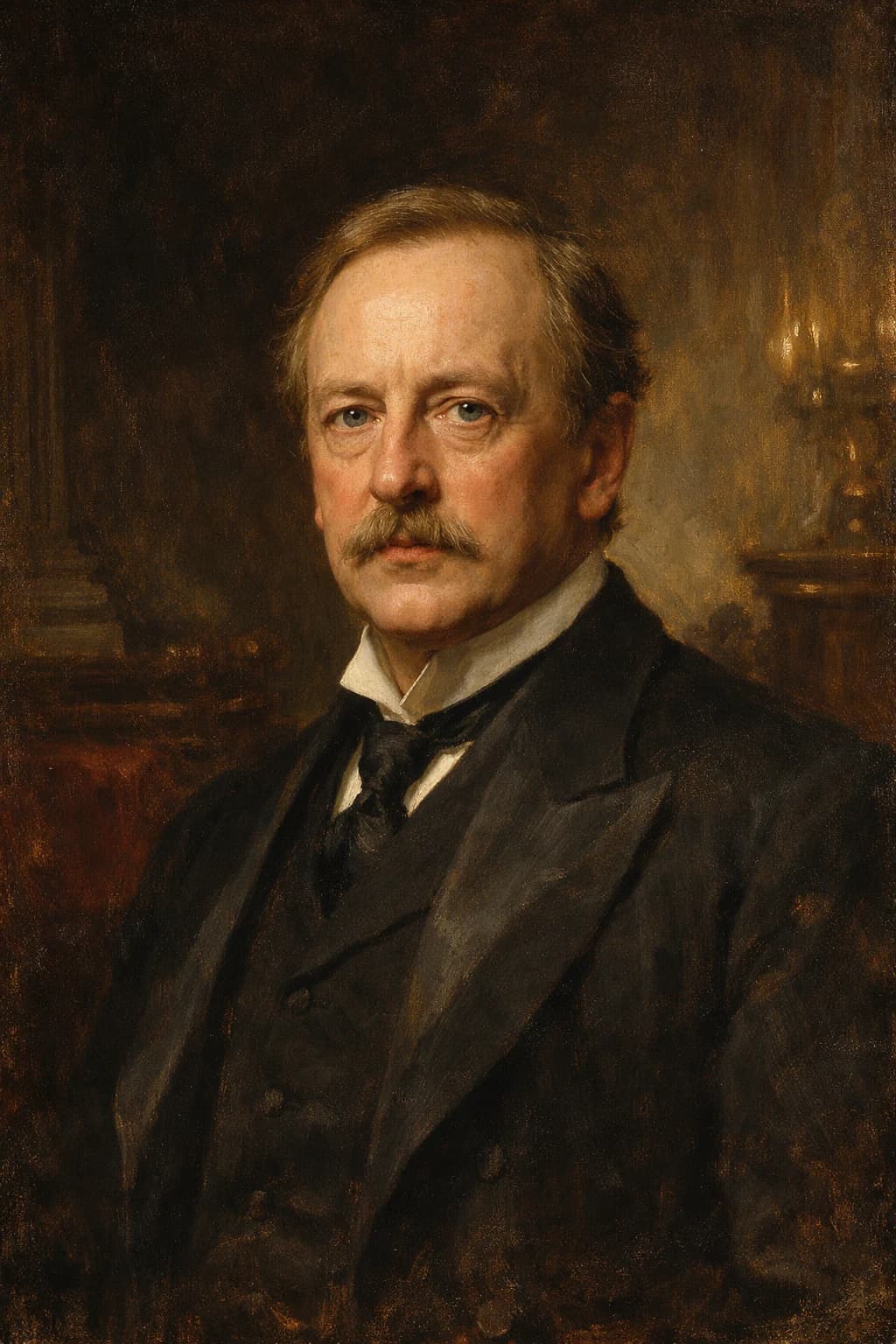
AI-generated portrait of Lord Rosebery in formal Victorian attire
AI-assisted historical reconstruction

An illustrative reconstruction based on historical context. It is not a photograph or documentary likeness. Image policy

Quick answer

Archibald Primrose, 5th Earl of Rosebery, was a Liberal Prime Minister of the United Kingdom from 1894 to 1895, best known for succeeding Gladstone, struggling with party division, and championing liberal imperialism.

Born
1847 CE
Died
1929 CE
Role
Liberal Prime Minister of the 1890s
Years
1847-1929 CE
Quick facts

Profile details

Additional identity and tagging details that are not already covered in the introduction.

Full name
Archibald Primrose, 5th Earl of Rosebery
Also known as
Earl of Rosebery, 5th Earl of Rosebery, Archibald Primrose, Earl of Rosebery
Facts

Archibald Primrose timeline facts

Selected specifics from this profile's life story.

1847
Aristocratic beginnings

Archibald Primrose was born into a wealthy and influential Scottish aristocratic family, inheriting privilege alongside expectations of public leadership.

1880s
Foreign affairs prominence

He rose to prominence through roles in foreign affairs, gaining experience in diplomacy and international strategy within the British government.

1894–1895
Struggles in office

His time as prime minister was marked by internal divisions and limited authority, making it difficult for him to achieve lasting political success.

1895–1929
Later life and reflection

He spent his later years reflecting on politics, remaining influential but largely removed from direct leadership until his death.

Life Journey

A career shaped by ambition, hesitation and missed authority

Follow the story in a more continuous narrative, with a reading mode that matches how much depth you want.

Complete chronology

1847

Aristocratic beginnings

Archibald Primrose was born in London in 1847 into one of the worlds Victorian Britain understood best: aristocratic, wealthy, socially connected, and quietly trained for public consequence. He inherited the earldom of Rosebery as a child, which gave him status before he had earned achievement and expectation before he had chosen a path. His Scottish estates, family name, and access to elite society opened doors closed to most aspiring politicians. Yet privilege did not make his career simple. Rosebery grew up with a sharp awareness of destiny, but also with a tendency to imagine public life in grand, almost literary terms. He wanted importance, perhaps greatness, but was never entirely comfortable with the daily grind of party management. That tension between ambition and temperament became the central drama of his political life.
1860s

Elite education

Rosebery was educated at Eton and Christ Church, Oxford, moving through institutions that produced ministers, bishops, diplomats, and imperial administrators. He possessed intelligence, charm, and a taste for history, horses, books, and high society. His time at Oxford ended awkwardly after a dispute connected with his racehorse ownership, a revealing episode because it showed both his independence and the aristocratic ease with which he treated rules that bound others more tightly. He was not a machine politician formed by constituency work or parliamentary apprenticeship. He was reflective, stylish, and sometimes elusive, with a mind drawn to large themes rather than procedural detail. In an age when democracy was widening and party organization mattered more each decade, Rosebery remained partly a patrician observer of politics, admiring public duty while resisting the discipline it demanded.

1870s

Entering politics

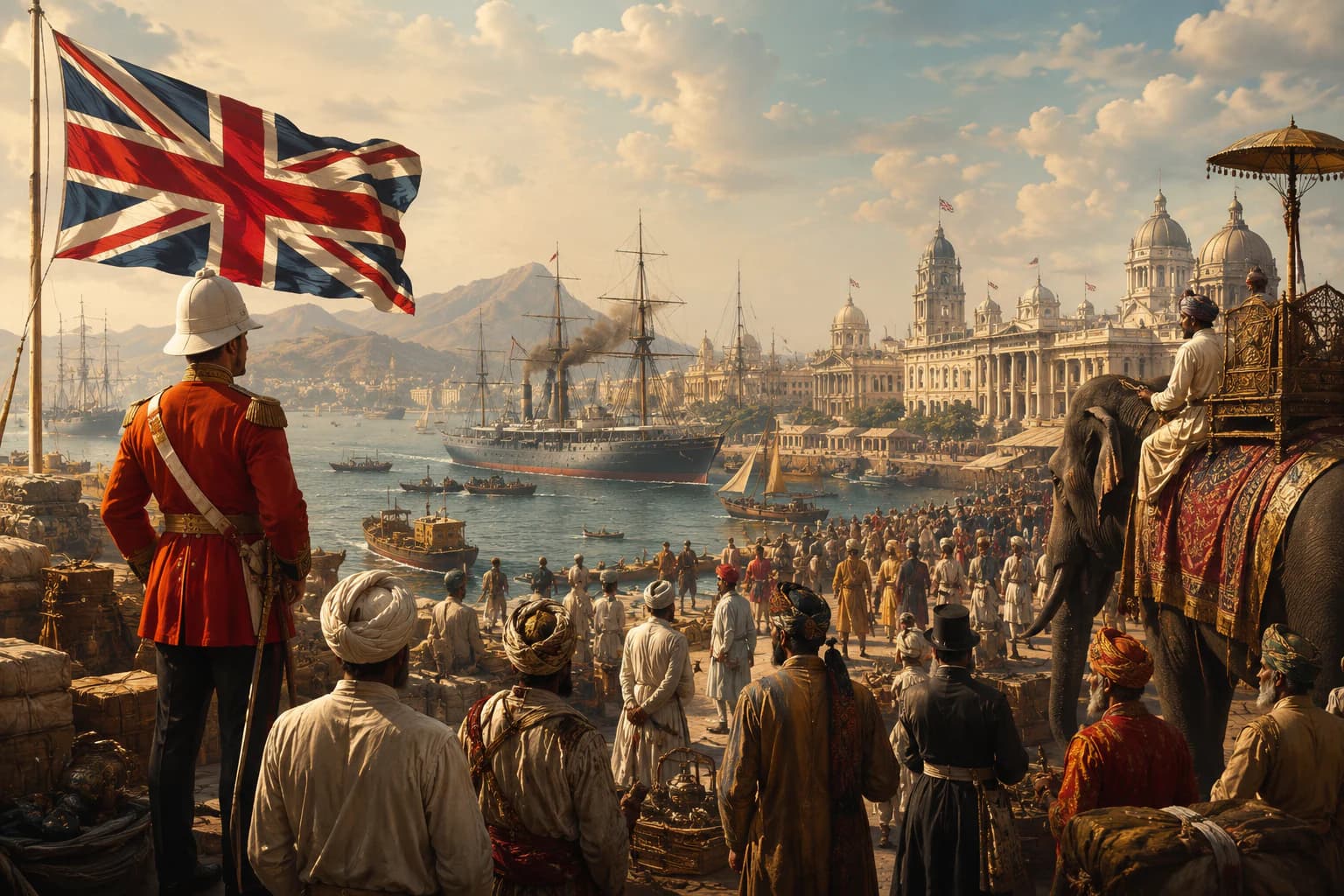
Because he sat in the House of Lords, Rosebery entered politics through influence rather than electoral combat. He attached himself to the Liberal Party and to William Ewart Gladstone, though he never fitted neatly into Gladstonian moral fervor. Rosebery admired reform, administrative competence, and national efficiency, but he also believed Britain should remain a great imperial power. That blend later became known as liberal imperialism. Early roles in Scottish and local government gave him practical experience, especially through his interest in London governance and civic improvement. He could impress audiences with wit and polish, yet he often seemed more comfortable above the fray than inside it. His rise depended on reputation, social authority, and promise. The question was whether promise could survive contact with the party conflicts of late Victorian liberalism.

1880s

Foreign affairs prominence

Foreign affairs suited Rosebery better than much of domestic politics. As foreign secretary under Gladstone, he dealt with imperial anxieties, European power politics, and the need to protect British interests without drifting into unnecessary war. He was more cautious than jingoists wanted and more imperial-minded than anti-imperial Liberals trusted. The role strengthened his reputation as a statesman of balance and intelligence, especially among those who wanted Liberal politics to look patriotic, strategic, and modern. But foreign policy also encouraged his weakness: he could appear elevated, detached, and too interested in the posture of statesmanship. Rosebery understood the language of national greatness, yet the Liberal Party was increasingly divided over Ireland, empire, labor, temperance, and social reform. The skills that made him impressive abroad did not automatically create command at home.

1878

Strategic marriage

Rosebery's marriage in 1878 to Hannah de Rothschild, heiress to one of the great banking fortunes in Europe, transformed his already privileged position into extraordinary wealth. Their marriage was by many accounts affectionate and politically useful; Hannah supported his career, hosted effectively, and brought resources that expanded his independence. That independence had two edges. It freed Rosebery from the financial anxieties that shaped many political lives and allowed him to build a public image on his own terms. It also increased his distance from ordinary party workers and from colleagues who depended on organization, compromise, and steady attendance. Hannah's death in 1890 was a severe personal blow. Rosebery lost not only a wife but an emotional and social partner who had helped anchor his public life. His later career carried that absence.

1894

Becoming prime minister

Rosebery became prime minister in March 1894 after Gladstone resigned, but his appointment was not the coronation of an uncontested leader. Queen Victoria preferred him, and his standing in foreign affairs helped, but the Liberal Party contained powerful figures with stronger roots in the Commons, including Sir William Harcourt. Rosebery also faced the unresolved burden of Irish Home Rule, the cause that had defined Gladstone's final years and divided British politics. As a peer in the House of Lords, Rosebery could not lead from the elected chamber, a growing handicap in a more democratic age. He entered Downing Street with elegance, fame, and intelligence, but without firm control of party machinery or a clear popular mandate. His premiership began as a compromise, and compromise rarely produces authority unless the leader can turn it into direction.

1894–1895

Struggles in office

Rosebery's government lasted little more than a year, and its weakness came from structure as much as personality. The Liberals were exhausted after long battles over Home Rule, dependent on Irish nationalist support, divided over social priorities, and vulnerable to Conservative attack. Rosebery wanted a broader, more imperial, nationally confident Liberalism, but he lacked the time and authority to remake the party. Harcourt's budget of 1894 introduced important death duties, showing that the government was not empty of achievement, yet the ministry never felt secure. Rosebery disliked the grind of managing factions and often seemed temperamentally unsuited to the pressure of constant parliamentary conflict. His critics saw hesitation; his defenders saw a leader trapped by impossible arithmetic. Both views contain truth. He had talent, but talent without command could not stabilize the ministry.

1895

Departure from power

The government fell in 1895 after defeat on a relatively minor military supply issue, but the small occasion exposed a larger truth: Rosebery's ministry had run out of force. He resigned, and the Conservatives under Lord Salisbury returned to power. The brevity of Rosebery's premiership made it easy to dismiss, yet its failure illuminates a major transition in British politics. Charismatic aristocratic leadership was becoming less sufficient in an age of mass parties, organized interests, and sharper ideological demands. Rosebery had imagined himself as a national leader above faction, but the system required someone able to work through faction every day. His departure left the Liberals searching for direction between Gladstonian moral reform, imperial confidence, and emerging social liberalism. Rosebery had glimpsed the problem without solving it.

1895–1929

Later life and reflection

After 1895, Rosebery remained famous but increasingly marginal. He resigned the Liberal leadership, criticized aspects of party direction, and spoke for a liberal imperialist vision that appealed to some younger politicians but never became his instrument of return. He wrote biographies, cultivated historical memory, bred racehorses, and watched British politics move toward issues he had not mastered: labor organization, welfare reform, tariff controversy, Irish settlement, and constitutional conflict between Lords and Commons. He died in 1929, having lived long enough to see the Liberal Party displaced by Labour as the main alternative to Conservatism. Rosebery's legacy is therefore one of brilliance without durable command. He was not a fool or a mere aristocratic ornament. He was intelligent, eloquent, and often perceptive. But he reached the premiership at a moment that demanded disciplined party leadership, and his gifts belonged partly to an older world.

Continue in context

Connected stories

Move from the profile into the wider events and settings this figure belongs to.

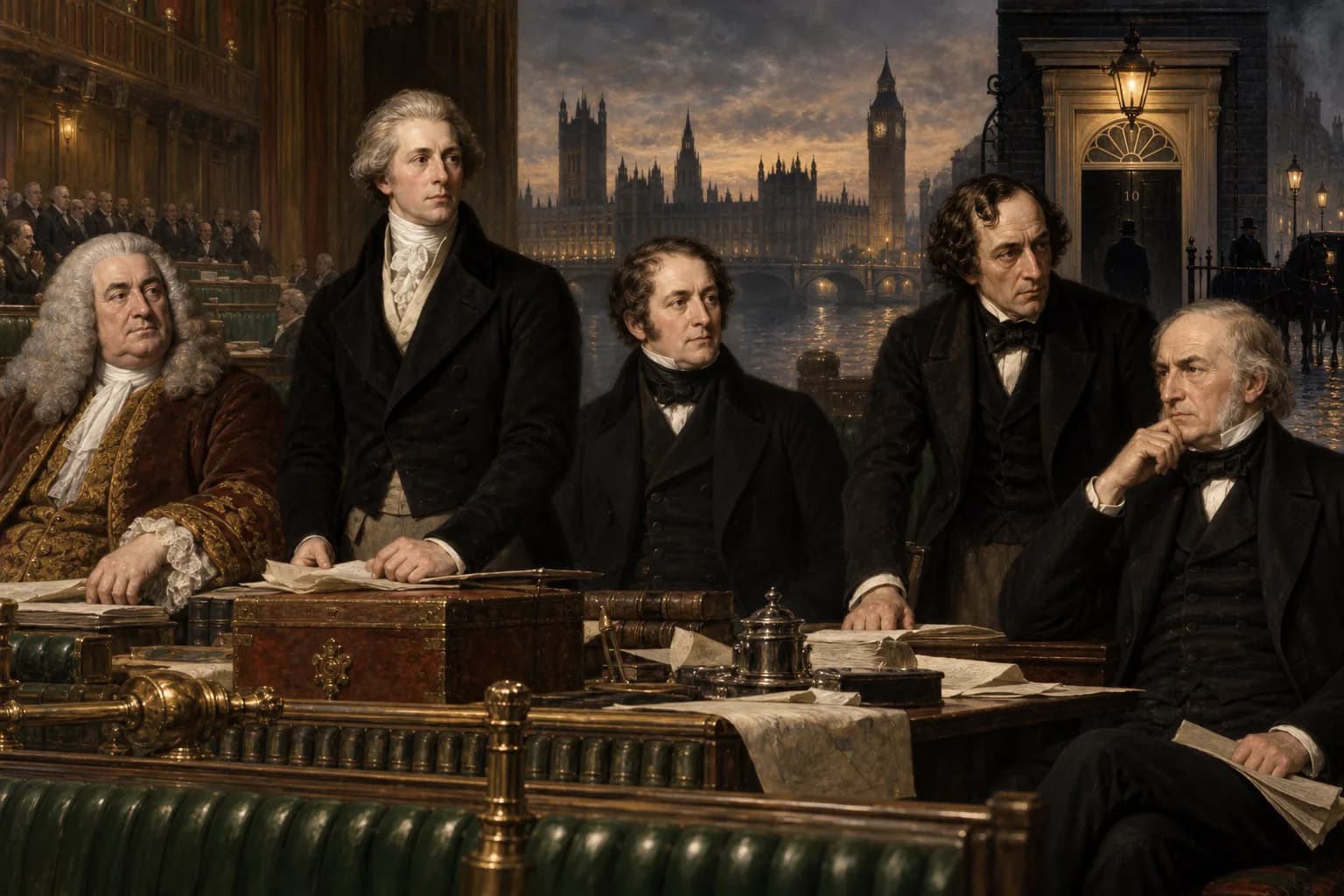
British Prime Ministers lineage
LineagePrime ministers in sequence
British Prime Ministers
1721 CE–present

Explore British prime ministers from Walpole to the present.

View lineage
Tertiary paths

Content note

This profile is written for educational use and connects to related Stories of History pages. The main portrait is an AI-assisted historical reconstruction, included as an illustrative aid rather than documentary evidence. Image policy

References

Sources & Further Reading

Reliable reference works, archives and reading paths connected to this profile.

Further reading

  1. Encyclopaedia Britannica, Search results for Archibald Primrose,” accessed June 2026.Open source
  2. WorldCat, Books and library holdings for Archibald Primrose,” accessed June 2026.Open source

Primary sources

  1. Library of Congress, Search results for Archibald Primrose,” accessed June 2026.Open source

Reviewed claim sources

Loading reviewed claim sources...

A weekly route through history

Find out first about the latest published stories, feature notes and occasional Premium offers in one weekly email.