People

Arthur Balfour

Arthur Balfour was a British Prime Minister, Conservative statesman, foreign secretary, author of the 1917 Balfour Declaration, and a central figure in late imperial British politics.

Born
1848 CE
Died
1930 CE
Role
Prime Minister of the United Kingdom

British Prime Minister and statesman (1848–1930)

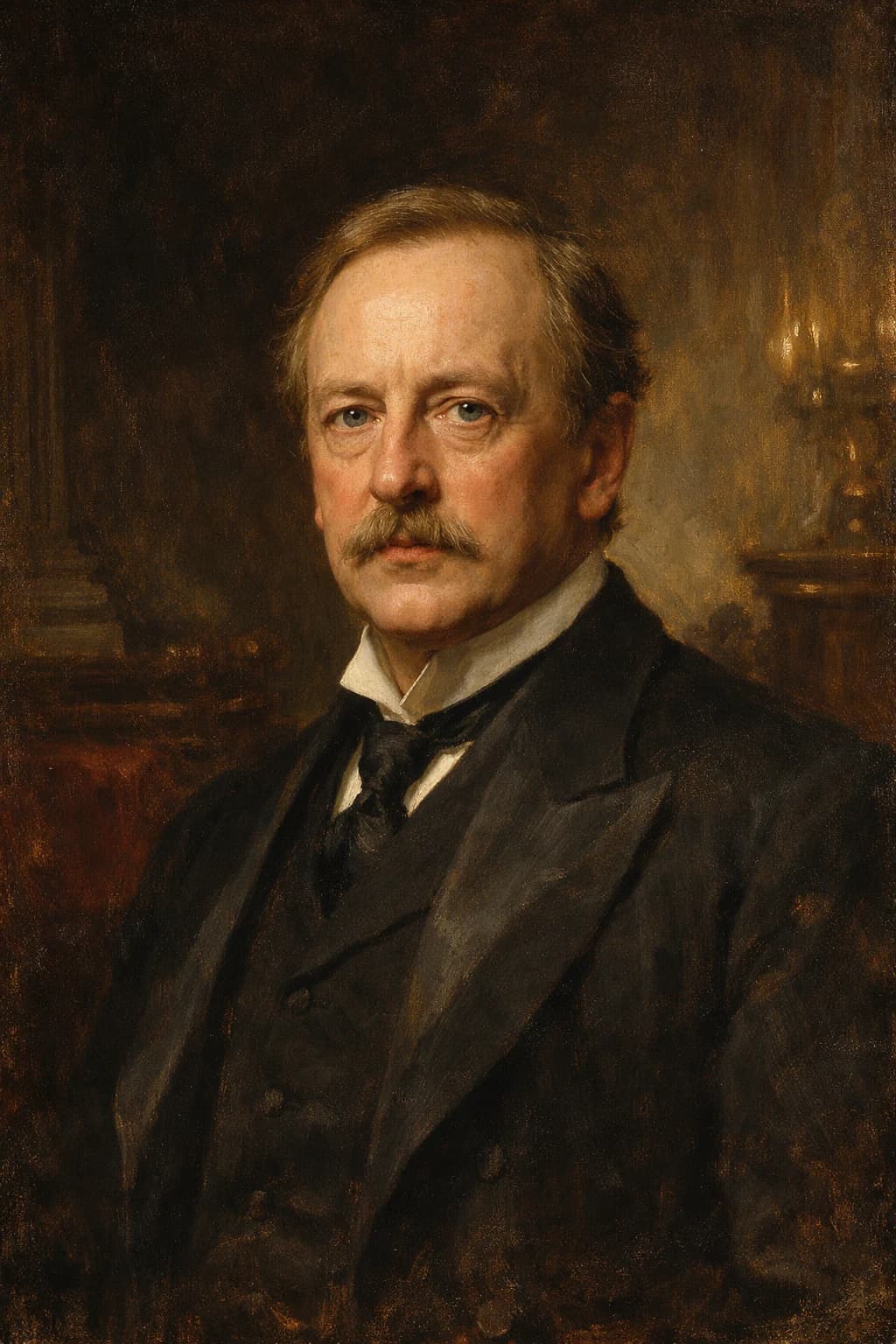
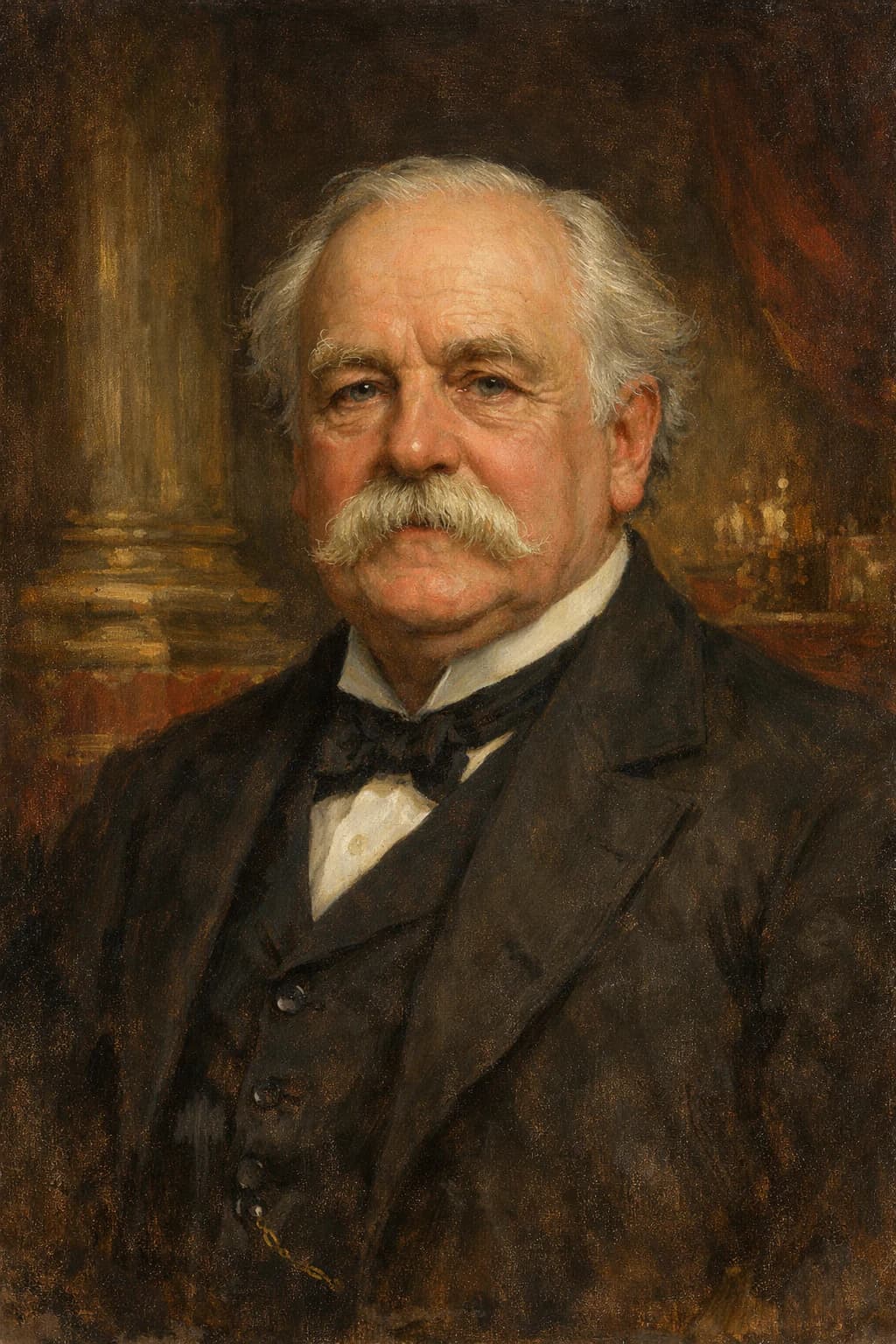
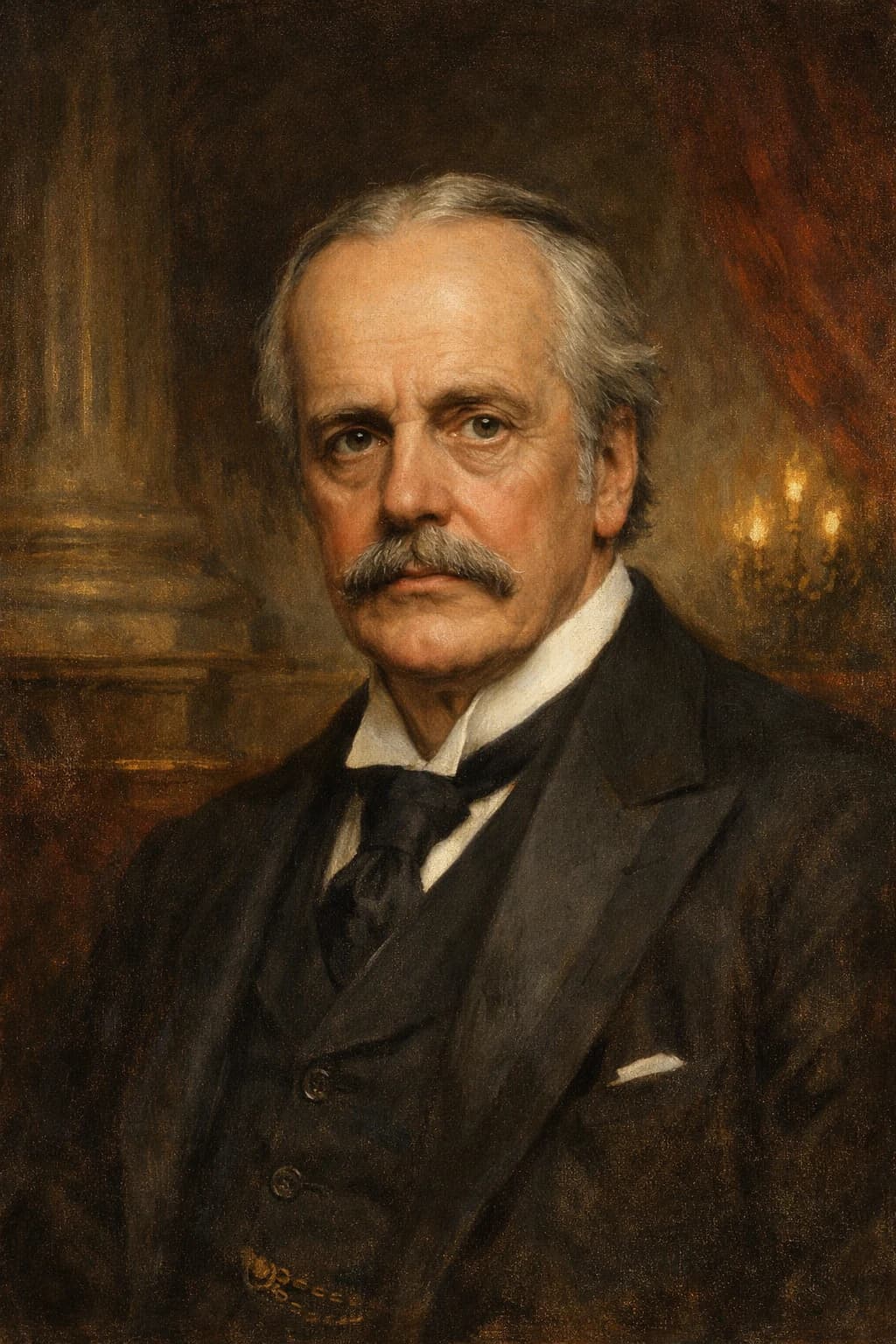
AI-generated portrait of Arthur Balfour in formal Edwardian attire
AI-assisted historical reconstruction

An illustrative reconstruction based on historical context. It is not a photograph or documentary likeness. Image policy

Quick answer

Arthur Balfour was a British Prime Minister, Conservative statesman, foreign secretary, author of the 1917 Balfour Declaration, and a central figure in late imperial British politics.

Born
1848 CE
Died
1930 CE
Role
Prime Minister of the United Kingdom
Years
1848-1930 CE
Quick facts

Profile details

Additional identity and tagging details that are not already covered in the introduction.

Full name
Arthur James Balfour
Also known as
Lord Balfour, Arthur Balfour Prime Minister, Balfour Declaration author
Facts

Arthur Balfour timeline facts

Selected specifics from this profile's life story.

1848
Privileged beginnings

Arthur Balfour was born into a wealthy and well-connected family, giving him early access to elite education and political circles.

1887–1891
Irish administration

As chief administrator in Ireland, he enforced British rule firmly, earning both respect from supporters and anger from Irish nationalists.

1916–1919
Wartime influence

During the First World War, he served as foreign secretary, playing a key role in shaping Britain’s diplomatic strategy.

1920s–1930
Final years and legacy

He spent his later years as a respected elder statesman, remembered both for his leadership and the lasting impact of his decisions.

Life Journey

A career shaped by power, ideas and unintended consequences

Follow the story in a more continuous narrative, with a reading mode that matches how much depth you want.

Complete chronology

1848

Privileged beginnings

Arthur James Balfour was born in 1848 into the kind of family that made Victorian power look natural. He belonged to a wealthy Scottish landed background, connected by blood and marriage to the Conservative elite. His uncle, Lord Salisbury, would become prime minister and one of the dominant political figures of the late nineteenth century. Balfour grew up in a household where public service, intellectual confidence, and social authority reinforced one another. That privilege matters because his career was never a simple meritocratic climb. Doors opened early, assumptions worked in his favor, and politics appeared less like an impossible ascent than an expected arena. Yet Balfour was not merely a beneficiary of connection. He had a subtle mind, a taste for philosophy, and a cool manner that made him seem detached even when he was exercising real power.

1860s–1870s

Education and identity

At Eton and Trinity College, Cambridge, Balfour formed the habits that later made him admired and distrusted in equal measure. He was intelligent, elegant, sociable, and philosophically inclined, interested in questions of belief, doubt, and knowledge as much as ordinary partisan argument. His later writings on philosophy and religion were not hobbies pasted onto a political life; they reflected a mind drawn to abstraction and carefully balanced judgment. In politics, that produced a style very different from the emotional force of Joseph Chamberlain or the moral thunder of Gladstone. Balfour could sound amused, skeptical, and distant, as though events were problems to be examined rather than fires to be fought. Supporters found him civilized and intellectually superior. Critics saw indolence, aristocratic ease, and a dangerous lack of urgency.

1874

Entry into politics

Balfour entered Parliament in 1874 as Conservative MP for Hertford, beginning a career that would last more than half a century. His early rise was helped by family connection, especially through Salisbury, and opponents never stopped using that fact against him. But patronage alone cannot explain his endurance. Balfour learned the House of Commons, mastered administrative briefs, and developed a style of understated control. He was not a crowd-pleasing democrat, and he did not pretend to be one. He belonged to a governing class trying to adapt to a more organized, vocal, and democratic electorate. His early career therefore shows a late Victorian transition in miniature: aristocratic leadership still mattered, but it now had to survive mass parties, newspapers, Irish nationalism, labor agitation, and imperial competition.

1887–1891

Irish administration

Balfour's reputation changed dramatically when he became Chief Secretary for Ireland in 1887. Ireland was at the center of British politics because of land agitation, nationalist mobilization, and the battle over Home Rule. Balfour answered disorder with coercion, enforcing law against the Plan of Campaign and nationalist activists with a firmness that earned him the nickname 'Bloody Balfour' among opponents. Yet his Irish policy was not only repression. He also backed land purchase and development measures, believing that stability required material reform as well as police power. This mixture of coercion and constructive policy became characteristic: order first, improvement second, never sovereignty for Irish nationalism. The post destroyed any image of Balfour as merely languid. It revealed a politician capable of cold persistence when imperial authority was challenged.

1902

Becoming prime minister

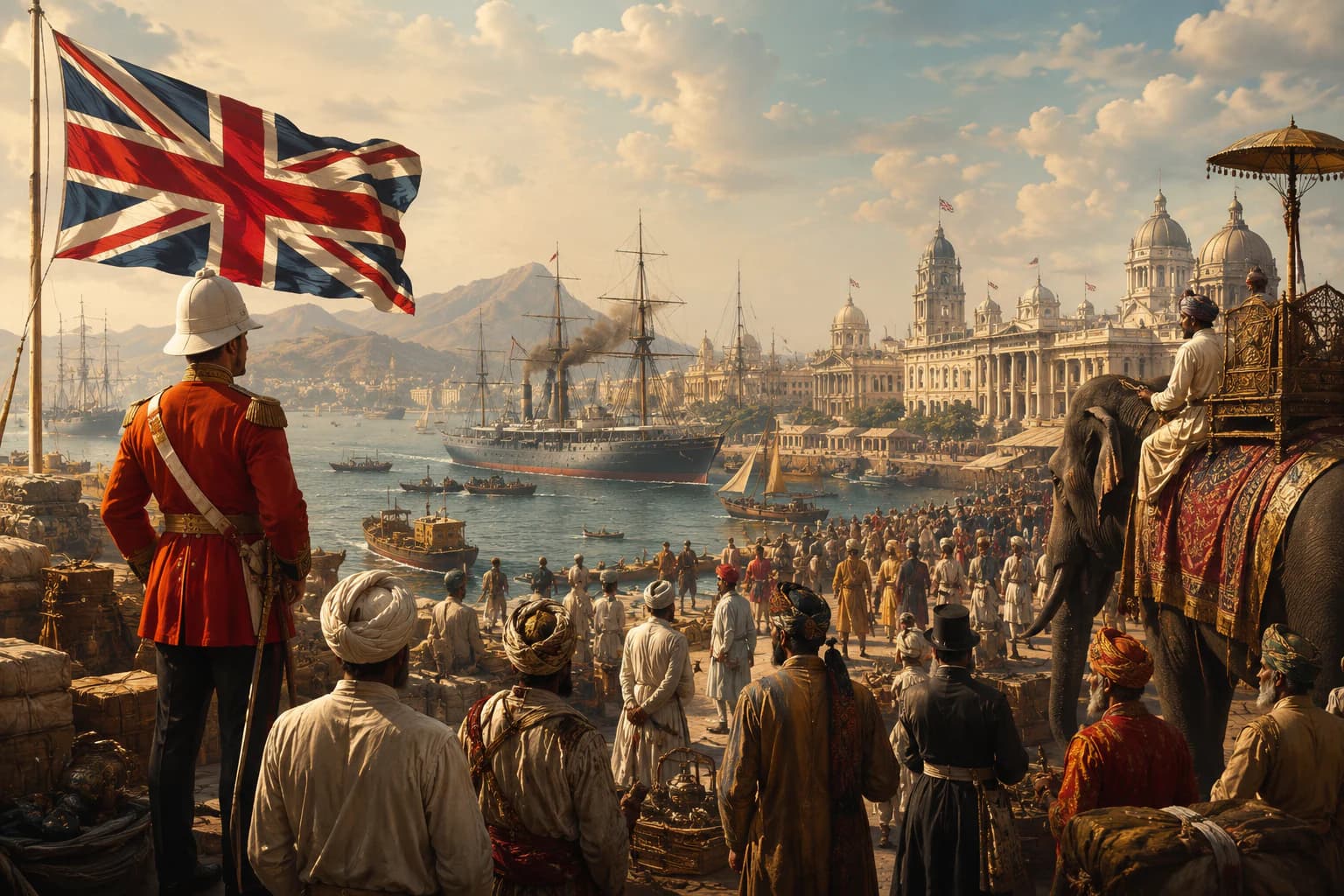
Balfour became prime minister in 1902 after Salisbury retired, inheriting a Conservative and Liberal Unionist government at the height of Britain's imperial confidence and anxiety. The South African War had exposed military and administrative weaknesses, while Germany's rise sharpened questions about defense, trade, and empire. At home, education reform became his most important achievement. The Education Act of 1902 reorganized local education and expanded support for secondary schooling, but it also provoked fierce Nonconformist anger because public money could support church schools. Balfour governed as a manager of complex interests rather than a crusader. That suited some problems and failed others. He could hold a cabinet together for a time, but he struggled to give the country a clear answer as tariff reform split his coalition and free trade became a defining political issue.

1903–1905

Political struggles

The crisis that broke Balfour's premiership was tariff reform. Joseph Chamberlain argued that Britain should abandon strict free trade and build an imperial preference system, using tariffs to bind the empire economically and protect industry. Many Conservatives were attracted to the idea; others feared it would raise food prices and betray a central Victorian economic creed. Balfour tried to keep both wings together through ambiguity, inquiry, and tactical delay. It was a clever strategy for postponing rupture but a poor one for restoring momentum. Meanwhile the government looked tired, divided, and vulnerable. Balfour resigned in December 1905, expecting perhaps to wrong-foot the Liberals, but the 1906 election produced a landslide defeat for his party. His premiership ended as a lesson in the limits of elegant hesitation when a party needs a decision.

1916–1919

Wartime influence

Balfour returned to central power during the First World War, first in coalition government and then as foreign secretary from 1916. By then he was an elder statesman rather than a party commander, and diplomacy suited his temperament. Britain was fighting a global war while managing alliances with France, Russia, later the United States, and imperial forces across the world. Balfour led the British mission to America in 1917, helping strengthen relations just as U.S. entry into the war changed the balance. His work was shaped by wartime calculation: winning allies, preserving imperial interests, and preparing for a postwar order before victory was secure. This was the setting for the decision that would make his name globally familiar. It did not arise from a single personal whim, but from Zionist lobbying, British strategic thinking, Christian and imperial assumptions, and the collapsing Ottoman order.

1917

The declaration

On 2 November 1917, Balfour sent a letter to Lord Rothschild stating that the British government viewed with favor the establishment in Palestine of a national home for the Jewish people, while adding that nothing should prejudice the civil and religious rights of existing non-Jewish communities in Palestine or the rights of Jews elsewhere. The declaration was short, but its ambiguities were enormous. It did not define 'national home,' did not grant political consent from the Arab majority living in Palestine, and sat uneasily beside other British wartime promises and imperial agreements. For many Zionists, it was a breakthrough: a great power had endorsed Jewish national aspirations after centuries of persecution and exclusion. For Palestinians, it became a foundational grievance, a statement about their land made without their political voice. Balfour's importance rests here: a few lines of imperial diplomacy helped shape the Mandate era and the future Israeli-Palestinian conflict.

1920s–1930

Final years and legacy

Balfour remained influential after the war, serving in senior roles and lending his name to the 1926 Balfour Declaration on the status of the Dominions, a step toward the later Commonwealth idea of equal self-governing nations under the Crown. He died in 1930, having lived through the high Victorian empire, the Edwardian crisis, the First World War, and the first stages of imperial redefinition. His legacy is unusually layered. As prime minister, he was intelligent but limited, undone by party division and a reluctance to force clarity. As an Irish administrator, he embodied the coercive confidence of British rule. As foreign secretary, he helped produce a document whose consequences outgrew its wording. To ask why Arthur Balfour was important is to see how late imperial statesmen could be thoughtful, civilized, and consequential while still making decisions over peoples whose consent they did not seek.

Continue in context

Connected stories

Move from the profile into the wider events and settings this figure belongs to.

British Prime Ministers lineage
LineagePrime ministers in sequence
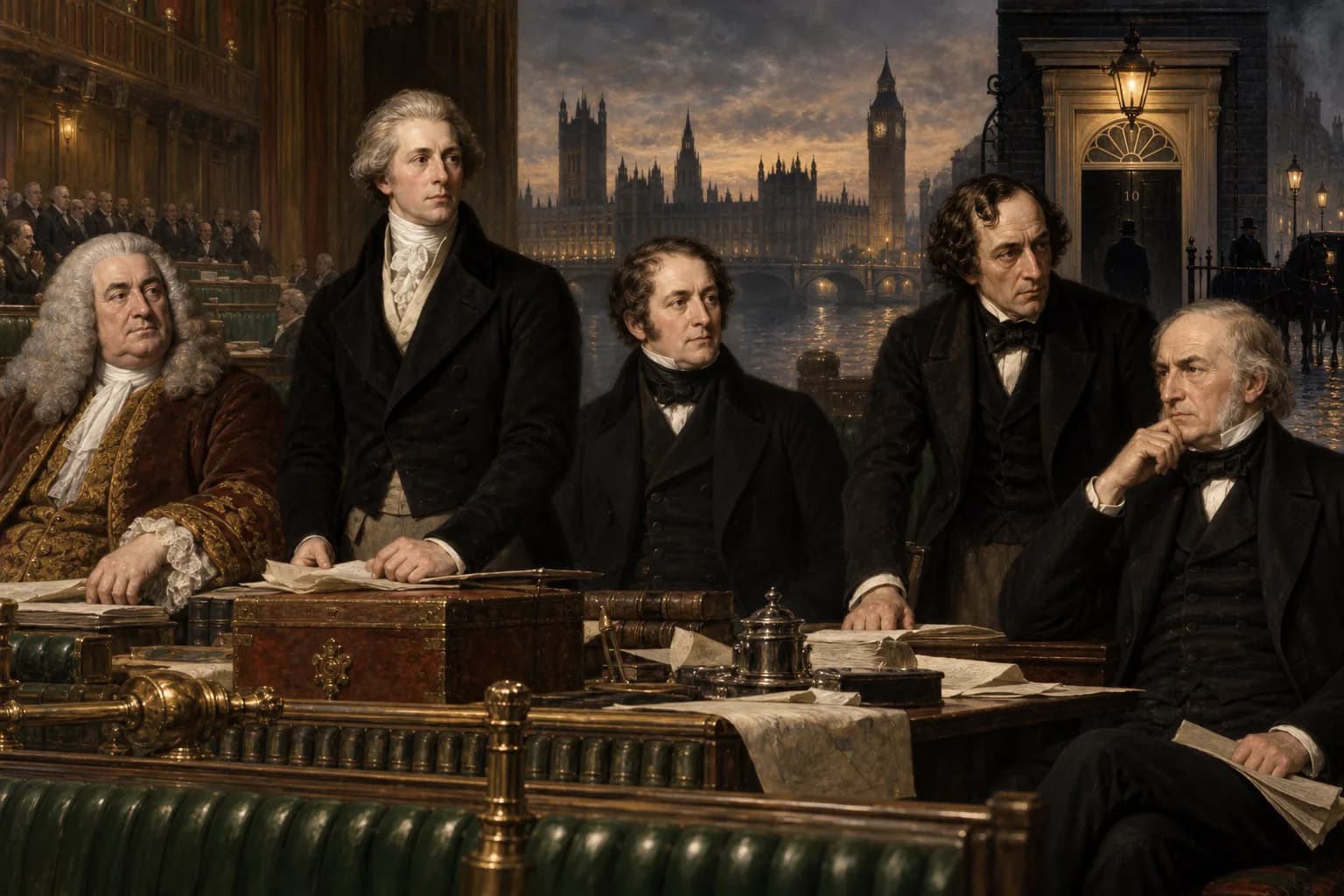
British Prime Ministers
1721 CE–present

Explore British prime ministers from Walpole to the present.

View lineage
Tertiary paths

Content note

This profile is written for educational use and connects to related Stories of History pages. The main portrait is an AI-assisted historical reconstruction, included as an illustrative aid rather than documentary evidence. Image policy

References

Sources & Further Reading

Reliable reference works, archives and reading paths connected to this profile.

Further reading

  1. Encyclopaedia Britannica, Search results for Arthur Balfour,” accessed June 2026.Open source
  2. WorldCat, Books and library holdings for Arthur Balfour,” accessed June 2026.Open source

Primary sources

  1. Library of Congress, Search results for Arthur Balfour,” accessed June 2026.Open source

Reviewed claim sources

Loading reviewed claim sources...

A weekly route through history

Find out first about the latest published stories, feature notes and occasional Premium offers in one weekly email.