People

Rishi Sunak

Rishi Sunak was Prime Minister of the United Kingdom from 2022 to 2024. He was the first British-Asian prime minister, a former Chancellor, and Conservative MP for Richmond and Northallerton.

Born
1980 CE
Role
Prime Minister of the United Kingdom

British Prime Minister (born 1980)

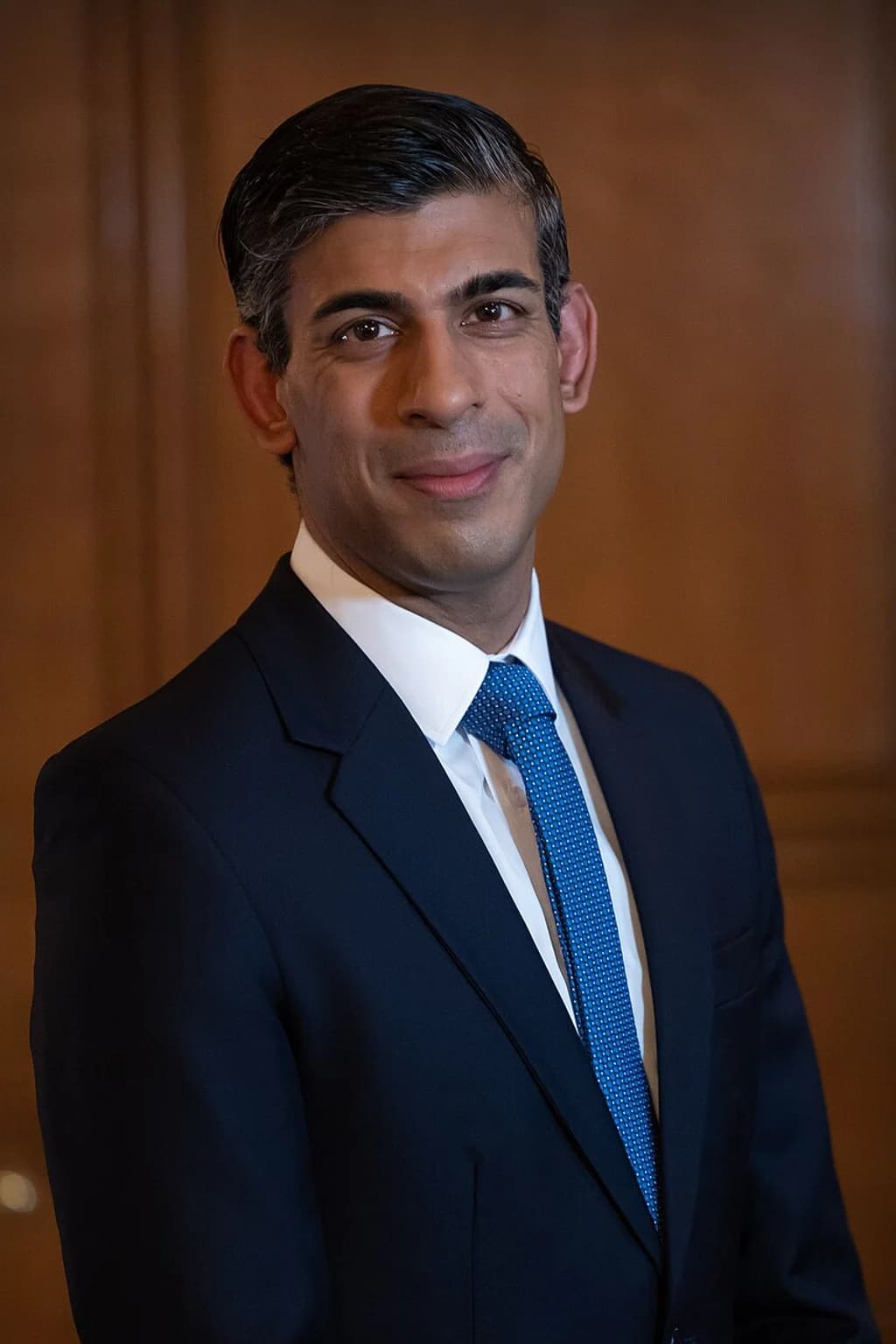
Official portrait photograph of Rishi Sunak
Licensed archival image

A real historical or editorial image is used here. Source, licence and transformation details are publicly recorded. Image policy Attribution

Quick answer

Rishi Sunak was Prime Minister of the United Kingdom from 2022 to 2024. He was the first British-Asian prime minister, a former Chancellor, and Conservative MP for Richmond and Northallerton.

Born
1980 CE
Role
Prime Minister of the United Kingdom
Years
Born 1980 CE
Facts

Rishi Sunak timeline facts

Selected specifics from this profile's life story.

1980
Early Life

Rishi Sunak was born in Southampton in 1980 to parents of Indian heritage who had migrated to Britain from East Africa, growing up in a family shaped by work, education, and public service.

2015
Entry into Politics

Sunak entered Parliament in 2015 as Conservative MP for Richmond in Yorkshire, succeeding William Hague and aligning himself with the party's Brexit-era future.

2022
Leadership Contest

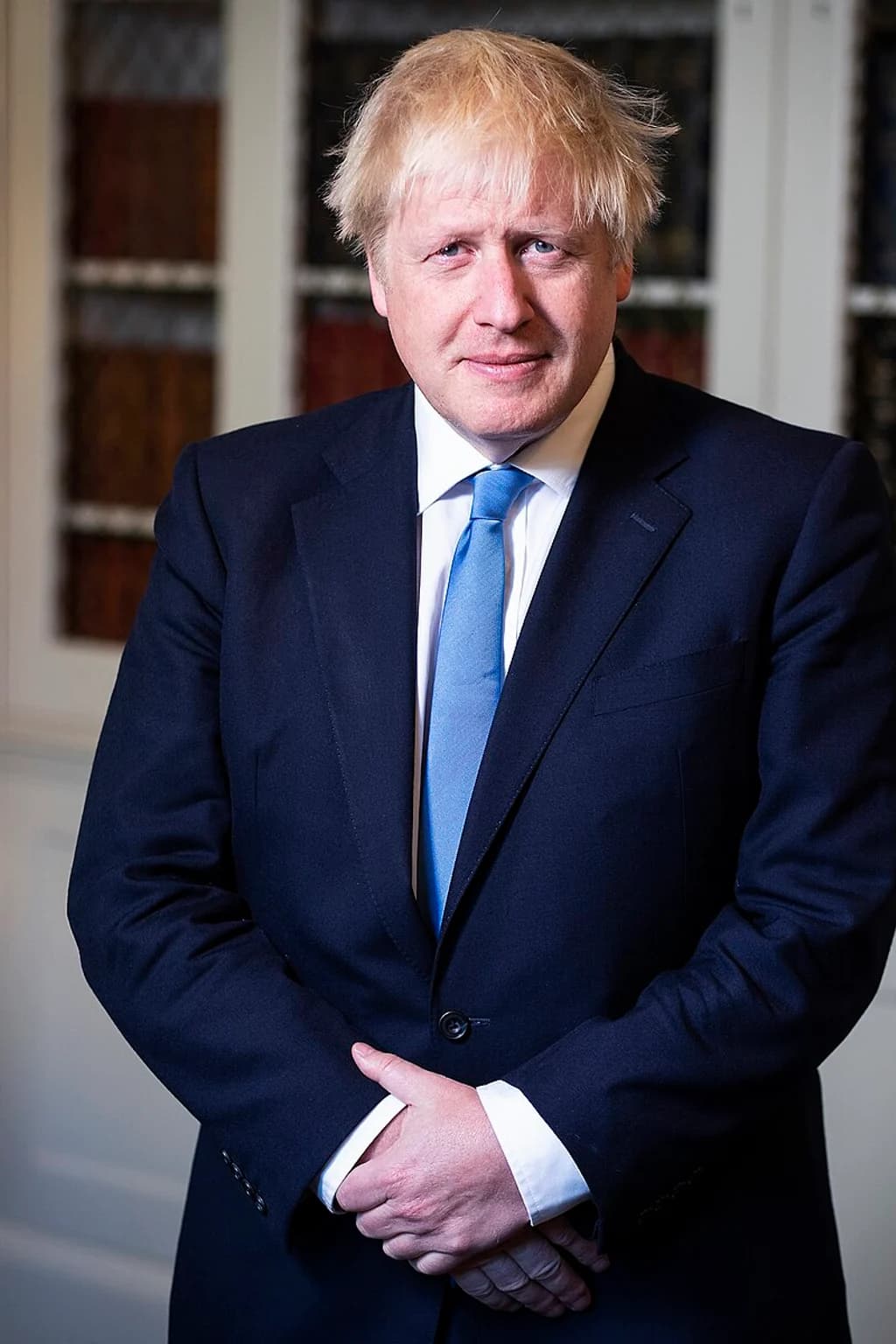
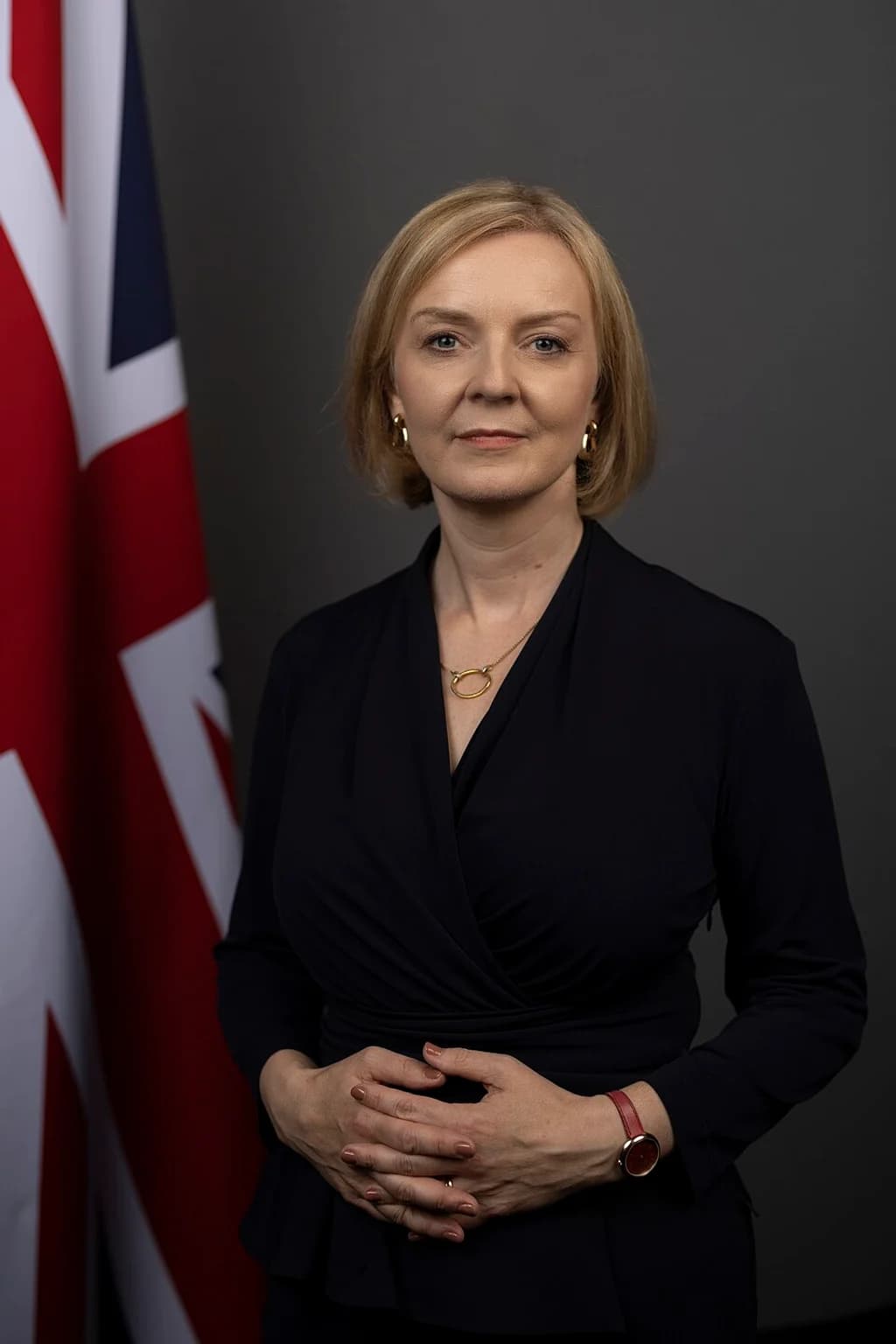
Sunak resigned from Johnson's government in July 2022, lost the first Conservative leadership contest to Liz Truss, and then became the stability candidate after her premiership collapsed.

2024
Electoral Defeat

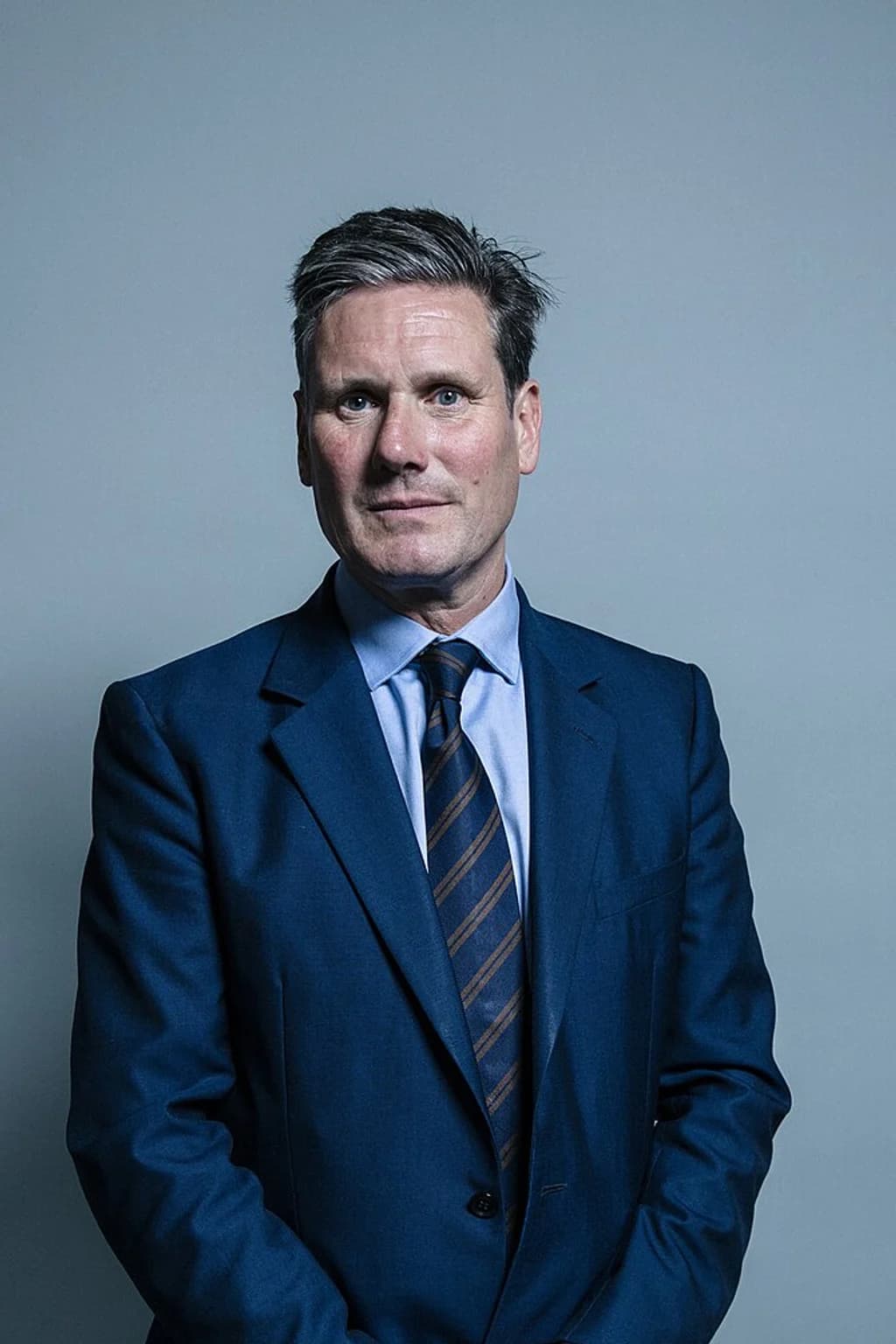
Sunak led the Conservatives into the July 2024 general election, lost heavily to Labour under Keir Starmer, and remained an MP for Richmond and Northallerton afterward.

Life Journey

From finance to leadership in a time of national pressure

Follow the story in a more continuous narrative, with a reading mode that matches how much depth you want.

Complete chronology

1980

Early Life

Rishi Sunak's biography belongs to a modern British story of migration, professional aspiration, and political ascent. His father was a GP and his mother ran a pharmacy, placing him close to the everyday language of service, small business, and middle-class discipline. That background later became part of his political identity: he presented himself as a product of family effort and educational opportunity rather than inherited office. It also made his rise symbolically significant. When he became prime minister in 2022, he was not only the youngest occupant of Downing Street in more than two centuries, but also the first person of South Asian heritage and the first Hindu to hold the office. Those facts do not explain his politics by themselves, but they made his premiership a visible marker of how Britain had changed.


1990s–2000s

Elite Education

Sunak's education placed him in institutions that have long acted as gateways to British and global elite networks. Winchester College gave him academic polish and confidence in traditional establishments; Oxford's PPE course offered the classic route into politics, economics, journalism, and government; Stanford exposed him to American business culture and technology-driven ambition. These experiences mattered because Sunak's later political style often fused technocratic language with market confidence. He preferred spreadsheets, fiscal rules, and managerial competence to ideological theatre, even when party politics forced him into sharper slogans. His critics saw privilege and distance from ordinary voters; supporters saw seriousness, fluency, and a command of economic detail. Both readings drew from the same educational path.

2000s–2010s

Career in Finance

Sunak worked for Goldman Sachs and then in investment management before entering politics. The experience gave him a practical vocabulary of risk, markets, incentives, and capital allocation, which later helped him appear unusually comfortable during economic briefings. It also made him vulnerable. As British politics became more sensitive to inequality, living costs, and public-service strain, Sunak's personal wealth and finance background became a recurring point of attack. His marriage to Akshata Murty, daughter of Infosys co-founder N. R. Narayana Murthy, drew further scrutiny, especially during debates over tax arrangements. Sunak's pre-political career therefore gave him both an asset and a burden: economic fluency, but also a public image that opponents could frame as remote from everyday hardship.

2015

Entry into Politics

Winning Richmond in 2015 placed Sunak in one of the Conservative Party's safest seats but also under the shadow of a major predecessor: William Hague, former party leader and foreign secretary. Sunak moved carefully, building a reputation for diligence rather than rebellion. During the Brexit referendum he supported Leave, a decision that helped him fit the direction of the party after 2016 and separated him from parts of the older Conservative establishment. He was not initially a household name, but he understood that the post-referendum party rewarded those who combined competence with loyalty to Brexit. His rise was therefore not accidental. It came from reading the party's new centre of gravity accurately.

2019–2020

Rapid Advancement

Sunak's ministerial rise accelerated under Boris Johnson. He served at the Ministry of Housing, Communities and Local Government, became Chief Secretary to the Treasury in 2019, and was promoted to Chancellor after Sajid Javid resigned in a dispute over Treasury advisers. The timing was extraordinary. Within weeks, the COVID-19 pandemic forced the government to design economic rescue measures at speed. Sunak moved from promising young minister to one of the most visible figures in the country almost overnight. His polished press conferences, clear branding, and command of support schemes made him unusually popular for a chancellor. Yet the crisis also locked him into choices about borrowing, taxation, and state intervention that would shape the rest of his career.

2020–2022

Chancellor Role

Sunak's chancellorship is central to any Rishi Sunak timeline. The Coronavirus Job Retention Scheme, widely known as furlough, subsidised wages on a scale that would have seemed politically impossible months earlier. Grants, loans, hospitality support, and the 'Eat Out to Help Out' scheme showed a chancellor willing to use the state aggressively during emergency. The consequences were complicated. Many credited him with preventing mass unemployment and business collapse; critics questioned gaps in support, fraud risks, and whether reopening incentives were prudent. As the immediate health crisis gave way to inflation and fiscal pressure, Sunak reverted to a more conservative message about sound money. That shift made sense within his economic worldview, but it also exposed the tension between crisis popularity and the unpopular work of paying for crisis government.

2022

Leadership Contest

The fall of Boris Johnson made Sunak both kingbreaker and contender. His resignation as chancellor helped trigger the final collapse of Johnson's authority, but it also angered Conservatives who saw disloyalty. In the summer leadership contest, Sunak warned that unfunded tax cuts risked inflation and market instability. Liz Truss defeated him among party members by promising a sharper break with Treasury orthodoxy. Within weeks of her mini-budget, market turmoil, rising borrowing costs, and political panic vindicated many of Sunak's warnings. When Truss resigned after forty-nine days as prime minister, Conservative MPs turned to Sunak as the candidate most associated with fiscal credibility. His path to Downing Street was not through a general election, but through party crisis.

2022

Becomes Prime Minister

Sunak inherited a government exhausted by scandal, factional warfare, pandemic aftershocks, Brexit strain, and the market shock of the Truss premiership. His first task was reassurance: to tell voters, investors, and MPs that basic competence had returned. He made five pledges for 2023, including halving inflation, growing the economy, reducing debt, cutting NHS waiting lists, and stopping small-boat crossings. Some conditions improved, especially inflation from its peak, but public services remained under pressure and Conservative poll ratings stayed weak. Abroad, he repaired parts of the UK's relationship with the European Union through the Windsor Framework on Northern Ireland and maintained support for Ukraine. At home, however, his authority was repeatedly hemmed in by party divisions and the weight of fourteen Conservative years in office.

2024

Electoral Defeat

The 2024 general election became a verdict on more than Sunak's personal premiership. Voters judged the Conservative record since 2010: austerity, Brexit, COVID, leadership churn, public-service strain, mortgage pressure, and the cost-of-living crisis. Sunak campaigned on stability, tax restraint, and warnings about Labour, but the public mood had already moved toward change. The Conservatives suffered one of the worst defeats in their history, and Keir Starmer entered Downing Street with a large Labour majority. Sunak accepted responsibility, resigned as prime minister on 5 July 2024, and later stepped down as Conservative leader while remaining in Parliament. His legacy is still forming: he may be remembered as the leader who restored order after Truss, but also as the prime minister unable to rescue a party whose problems were larger than his own tenure.

Continue in context

Connected stories

Move from the profile into the wider events and settings this figure belongs to.

British Prime Ministers lineage
LineagePrime ministers in sequence
British Prime Ministers
1721 CE–present

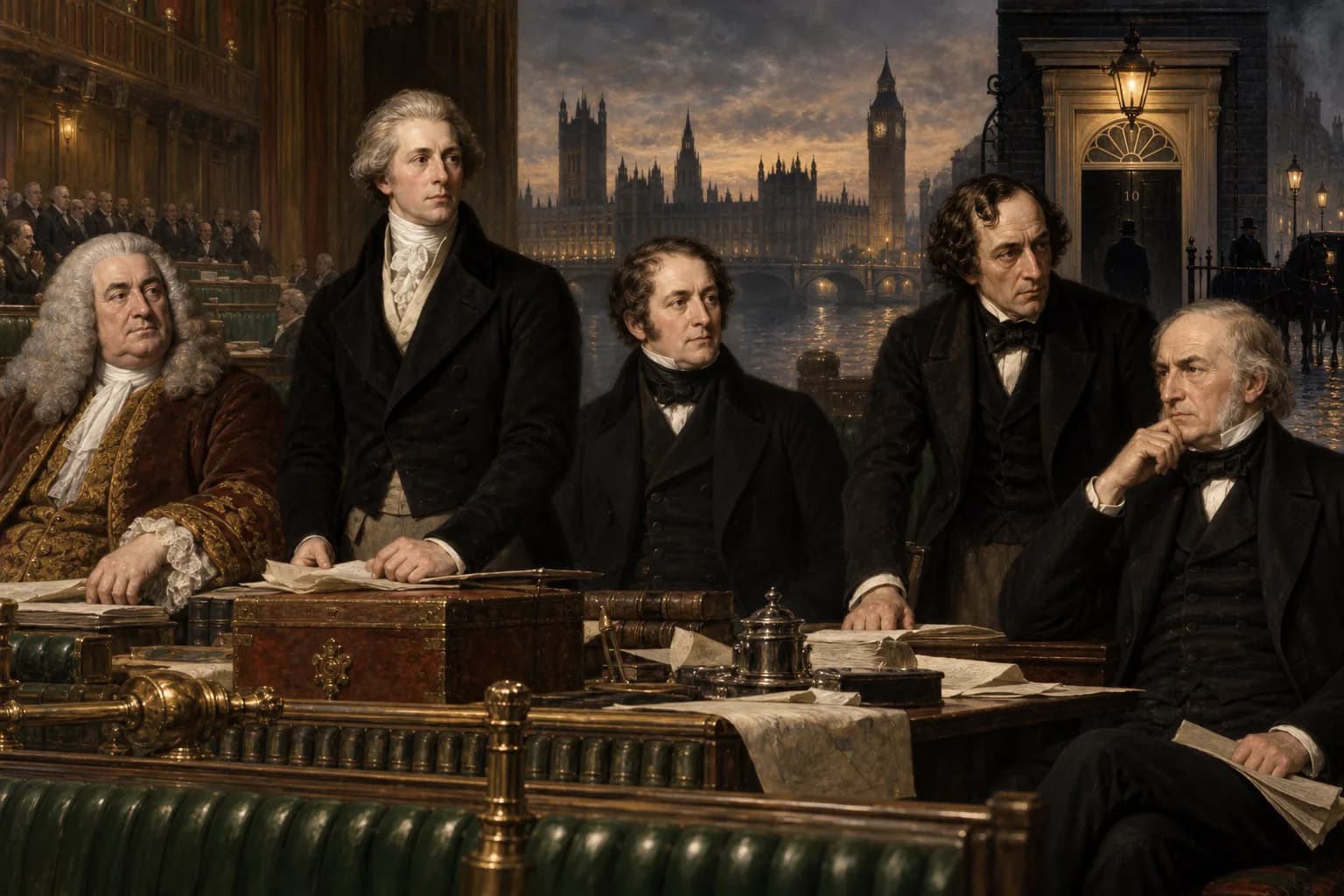
Explore British prime ministers from Walpole to the present.

View lineage
Tertiary paths

Content note

This profile is written for educational use and connects to related Stories of History pages. The main portrait uses a real historical or editorial image, with source and licence details recorded for attribution review. Image policy Image attribution

References

Sources & Further Reading

Reliable reference works, archives and reading paths connected to this profile.

Further reading

  1. Encyclopaedia Britannica, Search results for Rishi Sunak,” accessed June 2026.Open source
  2. WorldCat, Books and library holdings for Rishi Sunak,” accessed June 2026.Open source

Primary sources

  1. Library of Congress, Search results for Rishi Sunak,” accessed June 2026.Open source

Reviewed claim sources

Loading reviewed claim sources...

A weekly route through history

Find out first about the latest published stories, feature notes and occasional Premium offers in one weekly email.