People

Boris Johnson

Boris Johnson was a British Prime Minister, Mayor of London, journalist, and leading Brexit campaigner. He delivered the UK's EU exit, governed through COVID-19, and resigned amid scandals over conduct and trust.

Born
1964 CE
Role
British Prime Minister

British Prime Minister (born 1964)

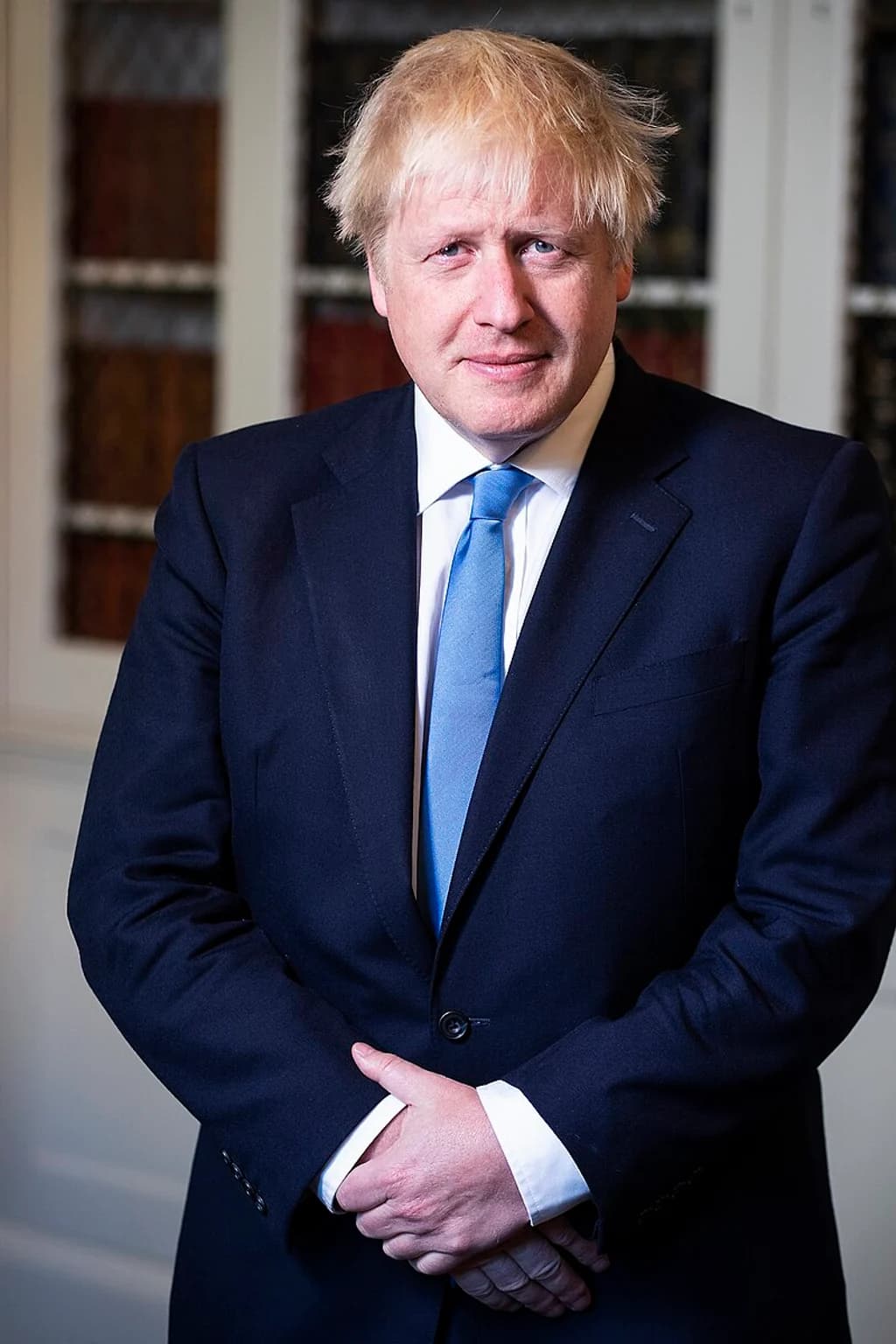
Official portrait photograph of Boris Johnson
Licensed archival image

A real historical or editorial image is used here. Source, licence and transformation details are publicly recorded. Image policy Attribution

Quick answer

Boris Johnson was a British Prime Minister, Mayor of London, journalist, and leading Brexit campaigner. He delivered the UK's EU exit, governed through COVID-19, and resigned amid scandals over conduct and trust.

Born
1964 CE
Role
British Prime Minister
Years
Born 1964 CE
Facts

Boris Johnson timeline facts

Selected specifics from this profile's life story.

1964–1980s
Early Background

Boris Johnson was born in New York in 1964 into a mobile, ambitious family, then educated at Eton and Oxford.

2008–2016
Mayor of London

As Mayor of London from 2008 to 2016, Johnson won twice in a Labour-leaning city and became a national figure.

2020
Brexit Implementation

The UK formally left the European Union on 31 January 2020 and exited the transition period at the end of that year.

2022–present
Departure and Legacy

Johnson resigned as prime minister in 2022 after ministers quit over repeated scandals, including his handling of allegations against Chris Pincher.

Life Journey

Brexit, charisma and the costs of political theatre

Follow the story in a more continuous narrative, with a reading mode that matches how much depth you want.

Complete chronology

1964–1980s

Early Background

Alexander Boris de Pfeffel Johnson grew up with a rare mixture of privilege, disruption and expectation. Born in New York and raised largely in Britain, he passed through institutions that have long supplied British public life with leaders: Eton College, then Balliol College, Oxford, where he studied classics and became president of the Oxford Union. Those years mattered not only because of connections, but because they trained the performance. Johnson learned to turn classical reference, humour, apparent dishevelment and verbal speed into a style that could disarm audiences while keeping him at the centre of attention. The persona later looked spontaneous, but it was also crafted. His biography made him both an insider and a self-invented outsider, able to mock the establishment while moving comfortably inside it.


1980s–1990s

Journalistic Career

Journalism gave Johnson his first national audience and his first major controversies. After an early dismissal from The Times for fabricating a quotation, he rebuilt himself at the Daily Telegraph, especially as Brussels correspondent. His reports on European regulation were funny, memorable and often written in a tone that made the European Community seem absurd, intrusive and distant from British common sense. Critics argued that this style exaggerated or distorted; admirers saw it as puncturing bureaucratic pretension. Either way, it mattered. Johnson helped create a language of Euroscepticism that travelled beyond policy specialists into pubs, breakfast tables and Conservative associations. As editor of The Spectator, he became a political personality in his own right, a columnist who understood that attention was becoming a form of power.

2001

Entering Parliament

Johnson entered Parliament in 2001 as MP for Henley, bringing a journalist's timing into a chamber that rewards theatre but also exposes indiscipline. He served on the Conservative front bench, lost positions over controversies, and repeatedly tested the tolerance of party leaders who recognised both his appeal and his risks. Unlike many ambitious MPs, he did not build power primarily through committee mastery or ideological faction-building. He built it through recognisability. Television appearances, columns and speeches made him a figure many voters knew before they could name his policy record. That celebrity could seem unserious, yet it gave him a rare asset: the ability to reach people who paid little attention to ordinary Westminster politics.

2008–2016

Mayor of London

The London mayoralty transformed Johnson from colourful Conservative MP into a plausible national leader. Defeating Ken Livingstone in 2008 and again in 2012 proved he could reach beyond the Conservative base. His record included the cycle hire scheme associated with his name, the New Routemaster bus, support for major development, and a visible role during the London Olympics. He also benefited from a city whose global status was already strong and whose politics gave a mayor broad symbolic reach but limited control over some outcomes. The job suited him perfectly: executive enough to look serious, public enough to reward performance, and distant enough from Westminster to avoid daily party management. By 2016, he had become the Conservative most capable of turning popularity into a national argument.

2016

Brexit Campaign

Johnson's decision to back Leave was one of the defining choices of modern British politics. David Cameron had called the referendum to manage Conservative divisions and settle Britain's relationship with the European Union; Johnson turned it into the platform for his own ascent. Campaigning alongside figures such as Michael Gove and Nigel Farage's parallel UKIP pressure, he argued for sovereignty, democratic control and a more independent Britain. The campaign's claims, including the famous bus message about NHS funding, became intensely contested. What cannot be disputed is Johnson's effect on the campaign's reach. He gave Leave humour, celebrity and Conservative respectability. When Leave won on 23 June 2016, the result destroyed Cameron's premiership, reordered party politics and made Johnson both indispensable and distrusted.

2019

Becoming Prime Minister

Johnson entered Downing Street in a constitutional storm. Theresa May had been broken by the parliamentary arithmetic of Brexit, and many Conservatives believed only a more combative leader could force the issue. Johnson suspended Parliament in a move the Supreme Court later ruled unlawful, expelled Conservative rebels, and reframed the crisis as a battle between decision and delay. He renegotiated the withdrawal agreement, accepting a new settlement for Northern Ireland that would later produce its own tensions. The December 2019 election gave him an eighty-seat majority, built on Conservative gains in many Labour-held Leave-voting seats across England and Wales. It was a remarkable victory: Johnson had transformed a party crisis into a mandate, but one centred overwhelmingly on completing Brexit rather than defining what came after it.

2020

Brexit Implementation

Johnson delivered the formal act around which his premiership had been built. Britain left the European Union on 31 January 2020, then completed the transition period after a last-minute trade agreement in December. For supporters, this restored national control over laws, borders and trade policy. For critics, it created new barriers with Britain's largest trading partner and left unresolved questions about the Union itself. Northern Ireland became the most sensitive test. The protocol designed to avoid a hard border on the island of Ireland effectively placed checks on some goods moving from Great Britain to Northern Ireland, angering unionists and forcing later renegotiation. Johnson's great strength was making Brexit sound simple enough to win; his governing problem was that implementation made its complexity visible again.

2020–2022

Pandemic and Controversy

The pandemic forced Johnson into a kind of leadership very different from campaign politics. Decisions about lockdowns, schools, hospitals, testing, borders and economic support carried immediate human consequences. The UK suffered heavy early losses, and critics argued that delay, mixed messaging and administrative weakness cost lives. The furlough scheme helped protect jobs, while the vaccine procurement and rollout became one of the government's strongest achievements. Yet the political damage came from the contrast between public sacrifice and private behaviour in government. Reports of gatherings in Downing Street during restrictions, police fines and Sue Gray's investigation made the issue not just incompetence but fairness. Johnson apologised, insisted he had not knowingly misled Parliament, and survived for a time, but authority had begun leaking away.

2022–present

Departure and Legacy

Johnson's fall was not caused by one event alone. Partygate weakened trust; rows over standards and appointments drained patience; the Chris Pincher affair convinced many Conservative MPs that Downing Street's explanations could no longer be relied upon. In July 2022, a wave of ministerial resignations forced Johnson to announce his departure. The following year, the House of Commons Privileges Committee concluded that he had deliberately misled Parliament and the committee over lockdown gatherings; Johnson rejected the process and resigned as an MP before the report was debated. His legacy remains fiercely contested. Supporters point to Brexit, the 2019 majority, Ukraine support after Russia's 2022 invasion, and vaccine rollout. Critics see a premiership that weakened standards, strained institutions and converted politics into permanent performance. Johnson's importance lies in that contradiction: he could mobilise voters with unusual force, but the same style made durable trust hard to sustain.

Continue in context

Connected stories

Move from the profile into the wider events and settings this figure belongs to.

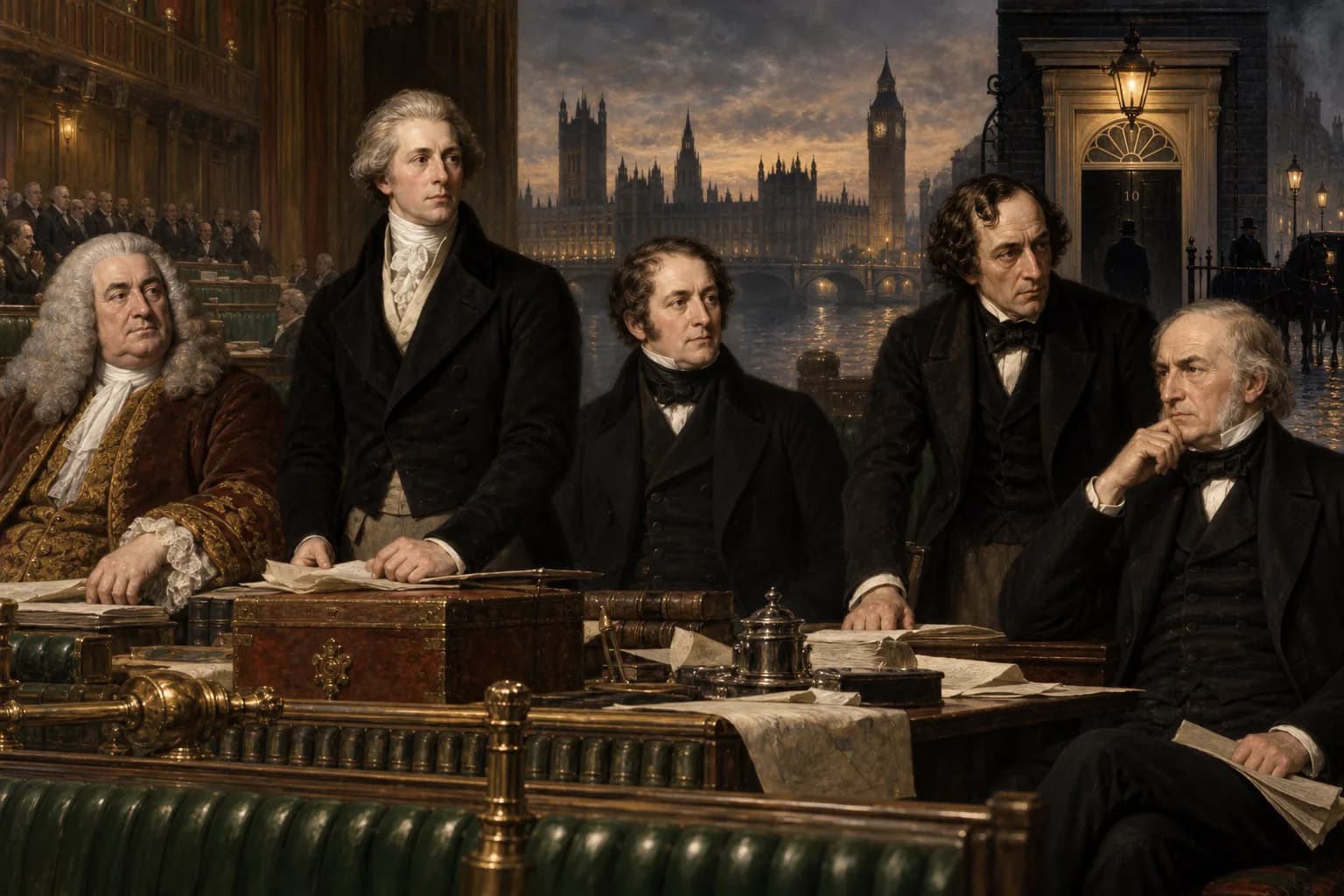
British Prime Ministers lineage
LineagePrime ministers in sequence
British Prime Ministers
1721 CE–present

Explore British prime ministers from Walpole to the present.

View lineage
Tertiary paths

Content note

This profile is written for educational use and connects to related Stories of History pages. The main portrait uses a real historical or editorial image, with source and licence details recorded for attribution review. Image policy Image attribution

References

Sources & Further Reading

Reliable reference works, archives and reading paths connected to this profile.

Further reading

  1. Encyclopaedia Britannica, Search results for Boris Johnson,” accessed June 2026.Open source
  2. WorldCat, Books and library holdings for Boris Johnson,” accessed June 2026.Open source

Primary sources

  1. Library of Congress, Search results for Boris Johnson,” accessed June 2026.Open source

Reviewed claim sources

Loading reviewed claim sources...

A weekly route through history

Find out first about the latest published stories, feature notes and occasional Premium offers in one weekly email.