People

Richard III

Richard III was King of England from 1483 to 1485 and the last Yorkist ruler. His seizure of power, the disappearance of the Princes in the Tower, and death at Bosworth made him England's most debated monarch.

Born
1452 CE
Died
1485 CE
Role
Last Yorkist king of England

Last Yorkist king of England (1452–1485)

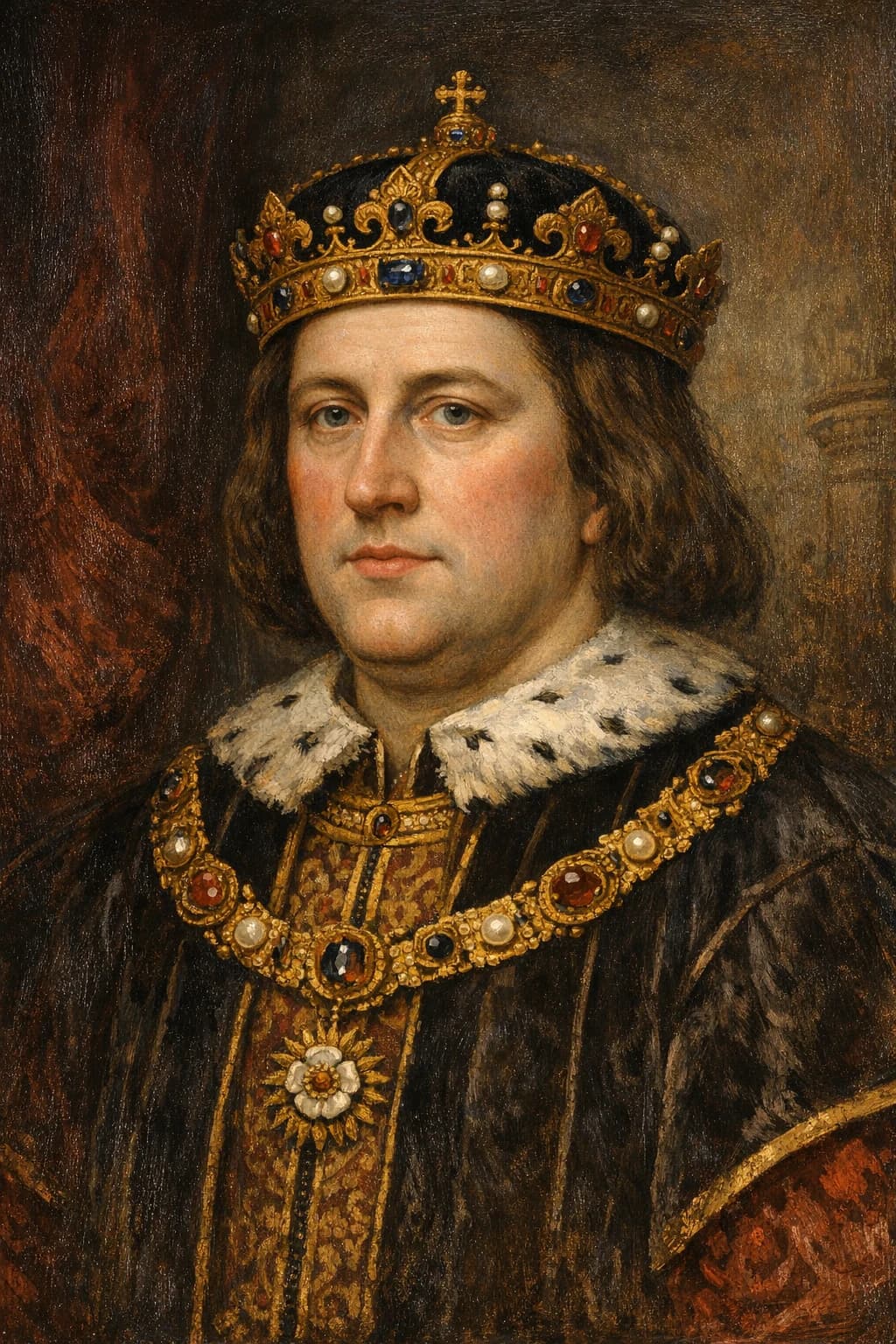
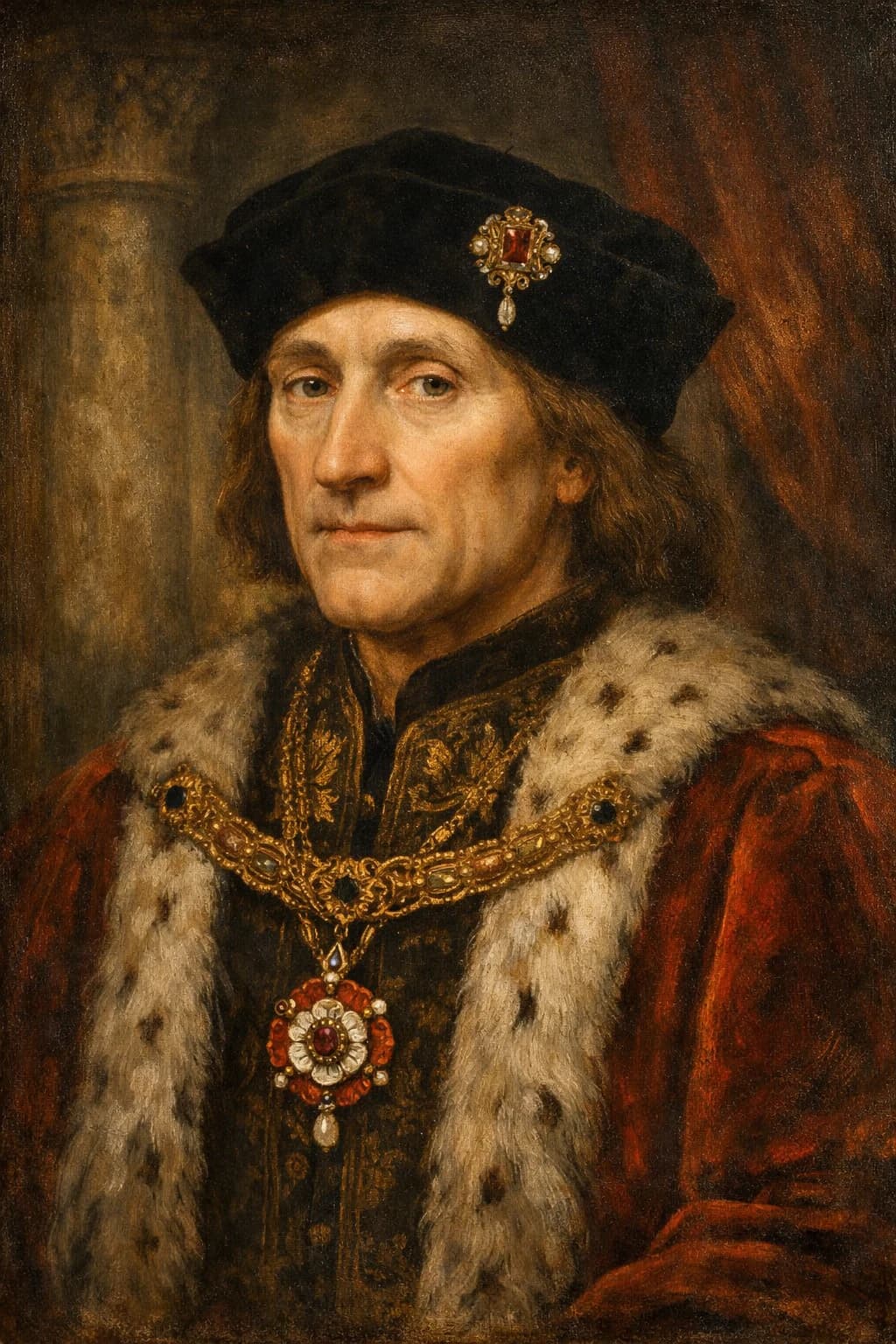
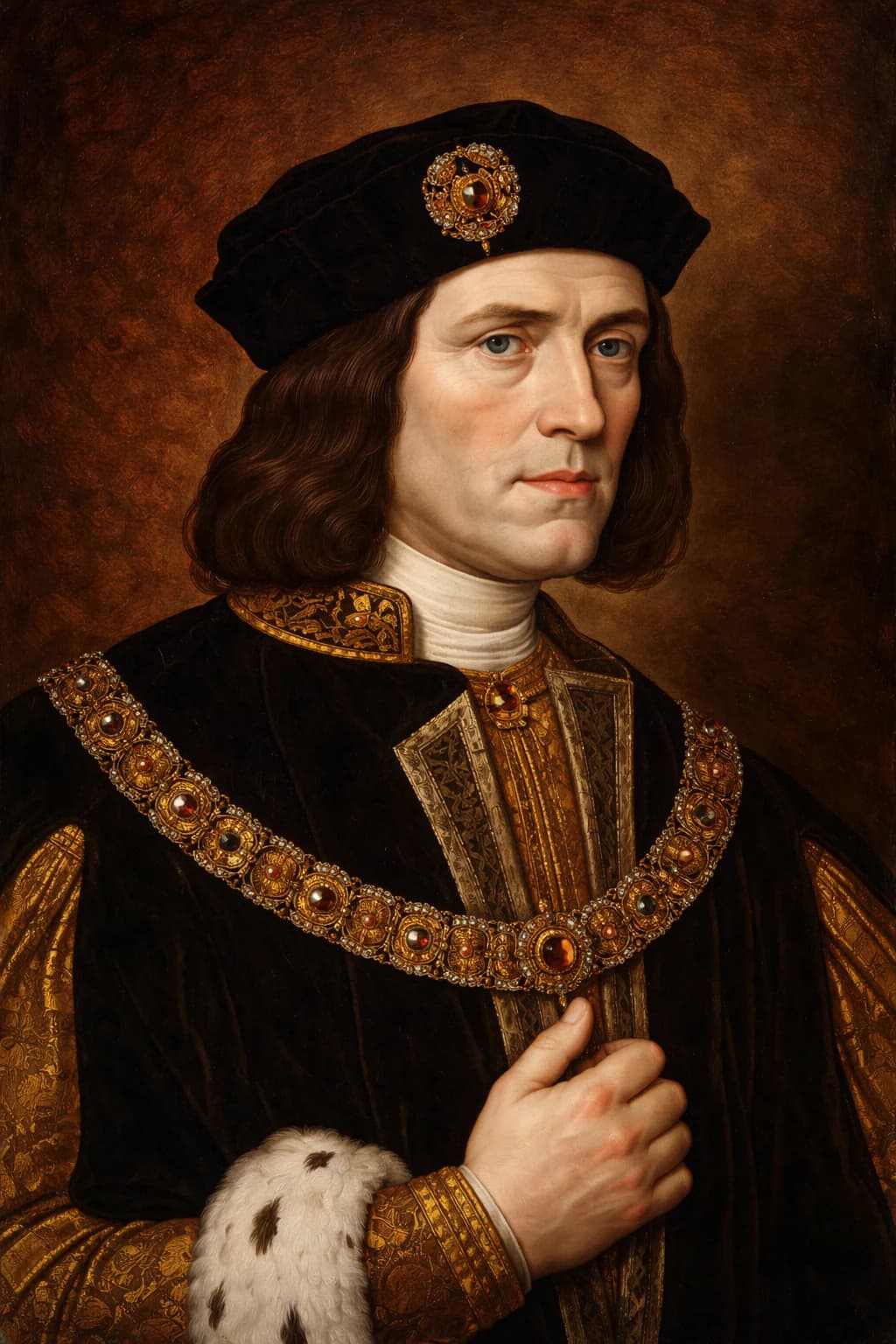
AI-generated portrait of Richard III in late medieval royal attire
AI-assisted historical reconstruction

An illustrative reconstruction based on historical context. It is not a photograph or documentary likeness. Image policy

Quick answer

Richard III was King of England from 1483 to 1485 and the last Yorkist ruler. His seizure of power, the disappearance of the Princes in the Tower, and death at Bosworth made him England's most debated monarch.

Born
1452 CE
Died
1485 CE
Role
Last Yorkist king of England
Years
1452-1485 CE
Facts

Richard III timeline facts

Selected specifics from this profile's life story.

1452–1460s
Youngest York brother

Richard was born the youngest surviving son of the Duke of York, spending his childhood in the turbulence of the Wars of the Roses with his family's fortunes repeatedly tested.

June–July 1483
Taking the crown

Within weeks of arriving in London, Richard had declared his nephew illegitimate, had himself petitioned to take the throne, and was crowned king.

1484–1485
Henry Tudor's threat

As Henry Tudor prepared an invasion from France, Richard faced the problem that many who had reason to oppose him were quietly looking toward a rival.

Post-1485
The most debated king

Richard III became England's most contested monarch, blackened by Tudor memory, reconsidered by later historians, and still inseparable from the unresolved fate of the Princes in the Tower.

Life Journey

From loyal duke to England's most condemned king

Follow the story in a more continuous narrative, with a reading mode that matches how much depth you want.

Complete chronology

1452–1460s

Youngest York brother

Richard of Gloucester was born at Fotheringhay Castle in October 1452, the eleventh child of Richard Duke of York and Cecily Neville. His early childhood was genuinely unsettled: his father was killed at Wakefield when Richard was eight, and the family's position swung between victory and disaster during the opening years of the civil conflict. He grew up knowing that survival was not guaranteed and that loyalty within the family was essential. He was educated for lordship rather than kingship, placed in the household of the Earl of Warwick to learn the practical arts of nobility. Whatever his later notoriety, his early years were shaped by the same brutal conditions as every member of his generation.
1461–1470s

Edward's loyal duke

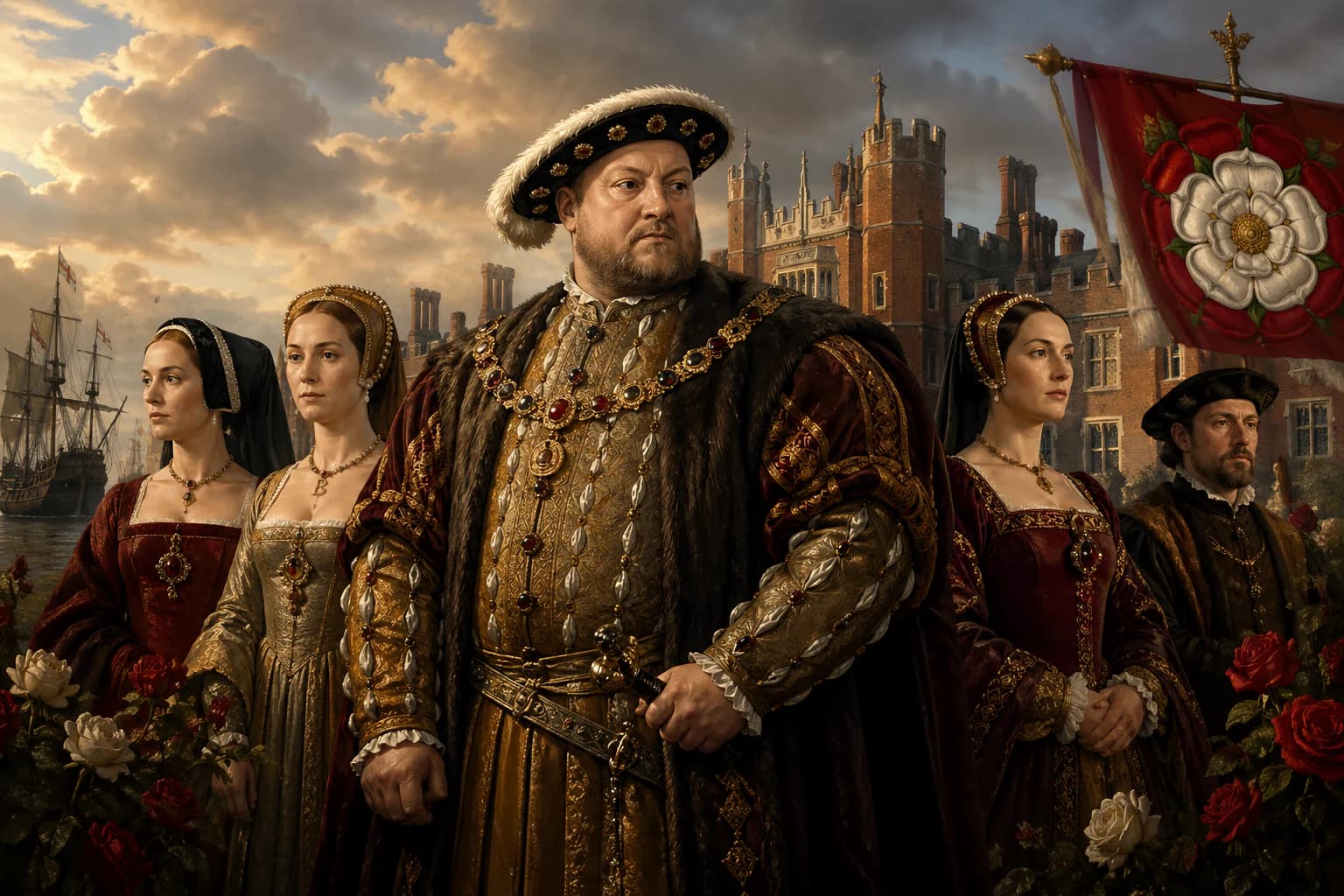
When Edward IV secured the throne in 1461, Richard remained conspicuously loyal when others around the king wavered or betrayed him. He did not join Clarence's defection to Warwick in 1469–1470 and stayed with his brother through the difficult exile period. After Edward's restoration in 1471, Richard played an active military role, fighting at Barnet and Tewkesbury. He was then given extensive authority in the north of England, where he proved to be an able and respected administrator. The Council of the North, which he effectively ran, gave him genuine governing experience and built him a loyal regional following. His reputation in the north was considerably more positive than the image posterity would later assign to him.

April 1483

Edward IV's death

Richard was in Yorkshire when word reached him that his brother had died. The political situation in London was immediately tense: the young king Edward V was surrounded by Woodville relatives, and the queen's family had been preparing to control the regency. Richard, who had been named Lord Protector in Edward IV's will, rode south at speed. His interception of the royal party at Stony Stratford and the arrest of the Woodville lords around the king can be interpreted either as a legitimate exercise of his protectorial authority or as a pre-emptive seizure. The speed and decisiveness of his actions suggest that he had been thinking about this situation before it arose.

June–July 1483

Taking the crown

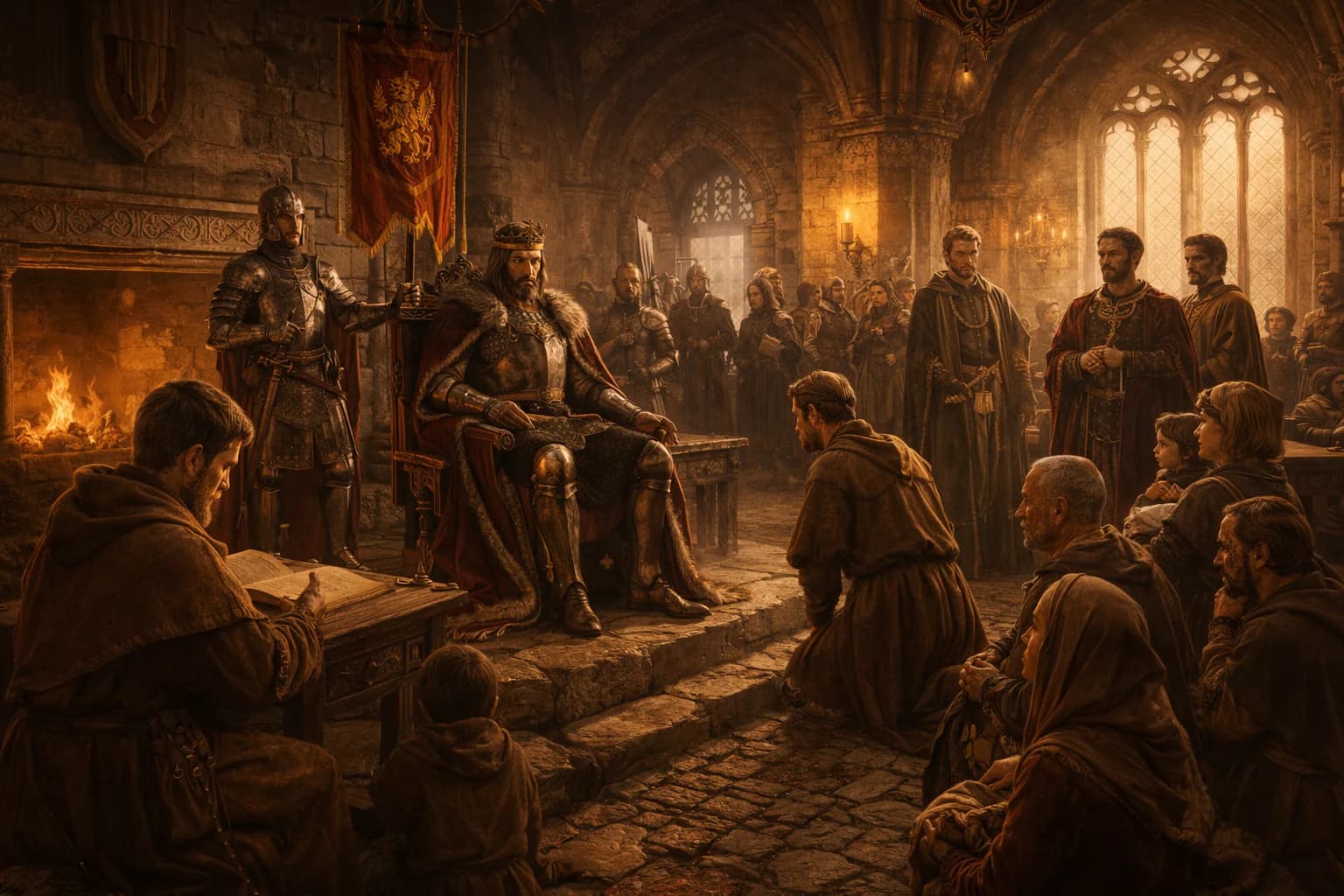
Richard's path from protector to king moved with striking speed. He secured the council, arranged the execution of Lord Hastings, a potential obstacle, and organised the argument by which Edward IV's children were declared illegitimate. The formal petition inviting him to take the crown came from an assembly of lords and commons in late June 1483. He accepted and was crowned on 6 July. The speed of the process left many observers uncertain about his intentions: had he planned to become king from the beginning, or had circumstances driven him there? Both interpretations were circulating within months of the coronation. What was not in doubt was that two boys who had legitimate prior claims to the throne were now in the Tower.

1483–1484

Governing as king

Richard III's actual record as king is more complex than his later reputation suggests. His one Parliament passed significant legislation, including reforms of the legal system that benefited ordinary subjects and established principles of fair procedure that endured for generations. He was active in administration, accessible to petitioners, and showed the same practical governing ability that had marked his years in the north. Yet all of this was overshadowed by the disappearance of the princes from the Tower. By the autumn of 1483, people were already asking what had become of them, and the question attached itself to everything else that Richard did. Even his genuine achievements could not escape the shadow of the suspicion.

October 1483

Buckingham's revolt

The revolt that broke out in October 1483 was particularly alarming because it was led by the Duke of Buckingham, who had been one of Richard's most important supporters during the seizure of power. The rebellion drew on southern Yorkist gentry as well as Woodville loyalists, and it is significant that it appealed in some versions to the Princes in the Tower as claimants — suggesting they were already believed to be dead and Henry Tudor was being positioned as an alternative. Buckingham was captured and executed. The revolt failed, but its aftermath left Richard more reliant on northern loyalty and less able to win over the broader political nation that he needed.

1484–1485

Henry Tudor's threat

By 1484, Henry Tudor had emerged as the focal point for opposition to Richard III. Tudor's claim to the throne was not strong by itself — he came from a bastard line of the Beauforts — but he was available, untainted, and supported by the French. Richard took active steps to defend against an invasion, preparing coastal defences and maintaining an alert military posture. Yet he was also aware that defection was a real risk: too many English lords had mixed feelings about the current regime. The death of his young son in 1484 and the death of his queen in 1485 added personal blows to the political pressure. He entered the summer of 1485 increasingly isolated.

August 1485

Bosworth Field

The battle fought at Bosworth on 22 August 1485 was not simply a military contest but a test of how many powerful men remained genuinely loyal to Richard. The Stanleys, with a large force positioned between the two armies, waited to see how the battle developed before committing. When Richard identified Henry Tudor's position and led a cavalry charge toward him, the Stanleys moved — against him. Richard was unhorsed and killed fighting, refusing any chance of flight. His crown, found on the battlefield, was placed on Henry Tudor's head. Richard was buried without ceremony, his dynasty ended, and his reputation left entirely to the victors to shape.

Post-1485

The most debated king

The Richard III legacy is unusually dependent on who controlled the story after his death. Tudor writers had every reason to make Bosworth look like moral deliverance as well as dynastic victory. Sir Thomas More, Polydore Vergil, and then Shakespeare fixed the image of a brilliant, physically marked villain who murdered his way to the throne. Modern scholarship has complicated that portrait without making Richard innocent by default. His legal reforms, northern support, and administrative competence were real; so was the political fact that his nephews disappeared while he benefited from their removal. The discovery of his skeleton beneath a Leicester car park in 2012, followed by reburial at Leicester Cathedral in 2015, made the argument newly tangible. Richard remains fascinating because evidence, propaganda, loyalty, and suspicion all meet in one short reign.

Continue in context

Connected stories

Move from the profile into the wider events and settings this figure belongs to.

British Monarchs lineage
Lineage42 rulers
British Monarchs
1066 CE–present

Trace the English and later British monarchy from William I to today.

View lineage
Tertiary paths

Content note

This profile is written for educational use and connects to related Stories of History pages. The main portrait is an AI-assisted historical reconstruction, included as an illustrative aid rather than documentary evidence. Image policy

References

Sources & Further Reading

Reliable reference works, archives and reading paths connected to this profile.

Further reading

  1. Encyclopaedia Britannica, Search results for Richard III,” accessed June 2026.Open source
  2. WorldCat, Books and library holdings for Richard III,” accessed June 2026.Open source

Primary sources

  1. Library of Congress, Search results for Richard III,” accessed June 2026.Open source

Reviewed claim sources

Loading reviewed claim sources...

A weekly route through history

Find out first about the latest published stories, feature notes and occasional Premium offers in one weekly email.