People

Edward IV

Edward IV was the first Yorkist king of England, ruling from 1461 to 1470 and again from 1471 to 1483. He won the throne in the Wars of the Roses, married Elizabeth Woodville, restored royal authority, and left a dangerous succession crisis.

Born
1442 CE
Died
1483 CE
Role
First Yorkist king of England

First Yorkist king of England (1442–1483)

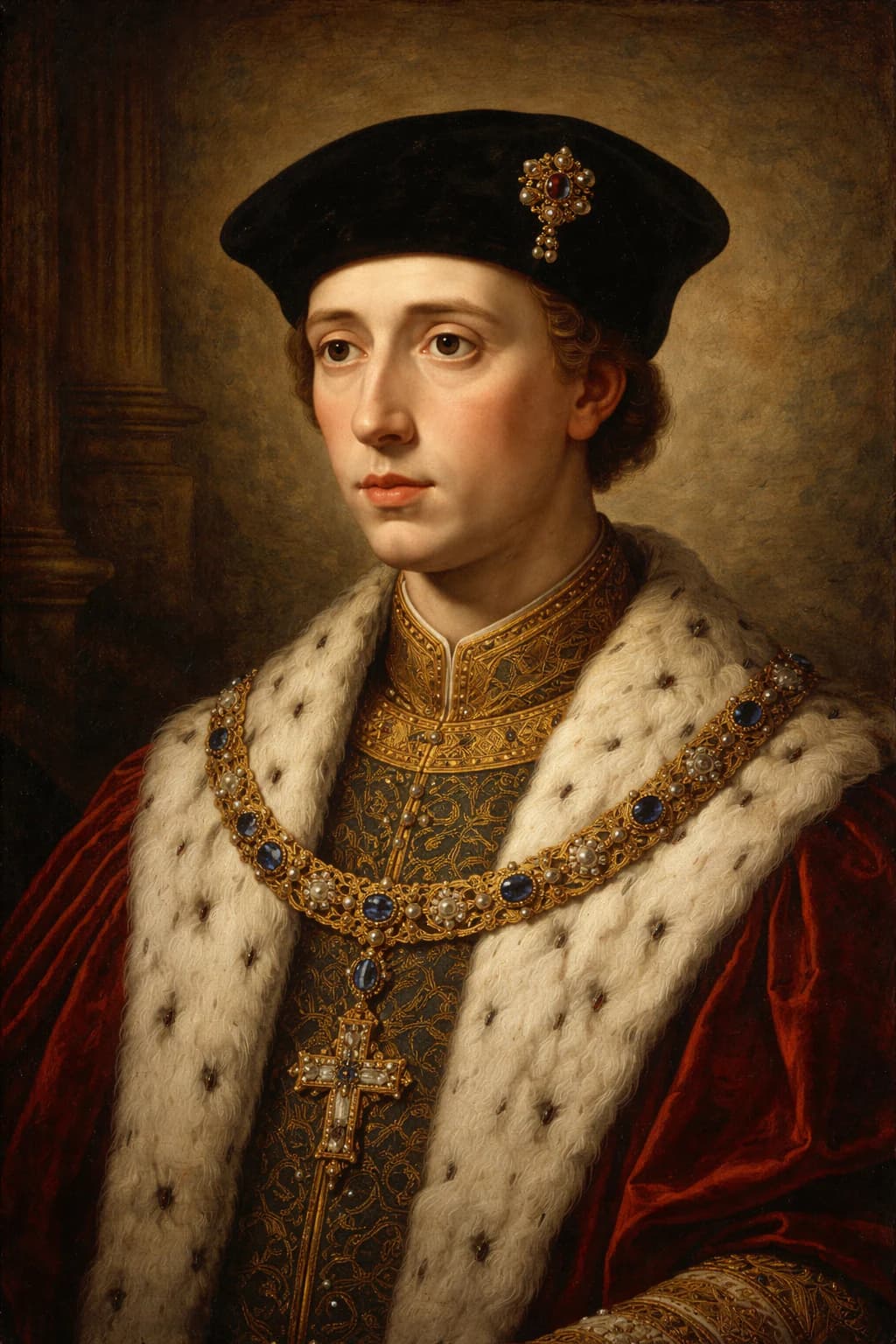
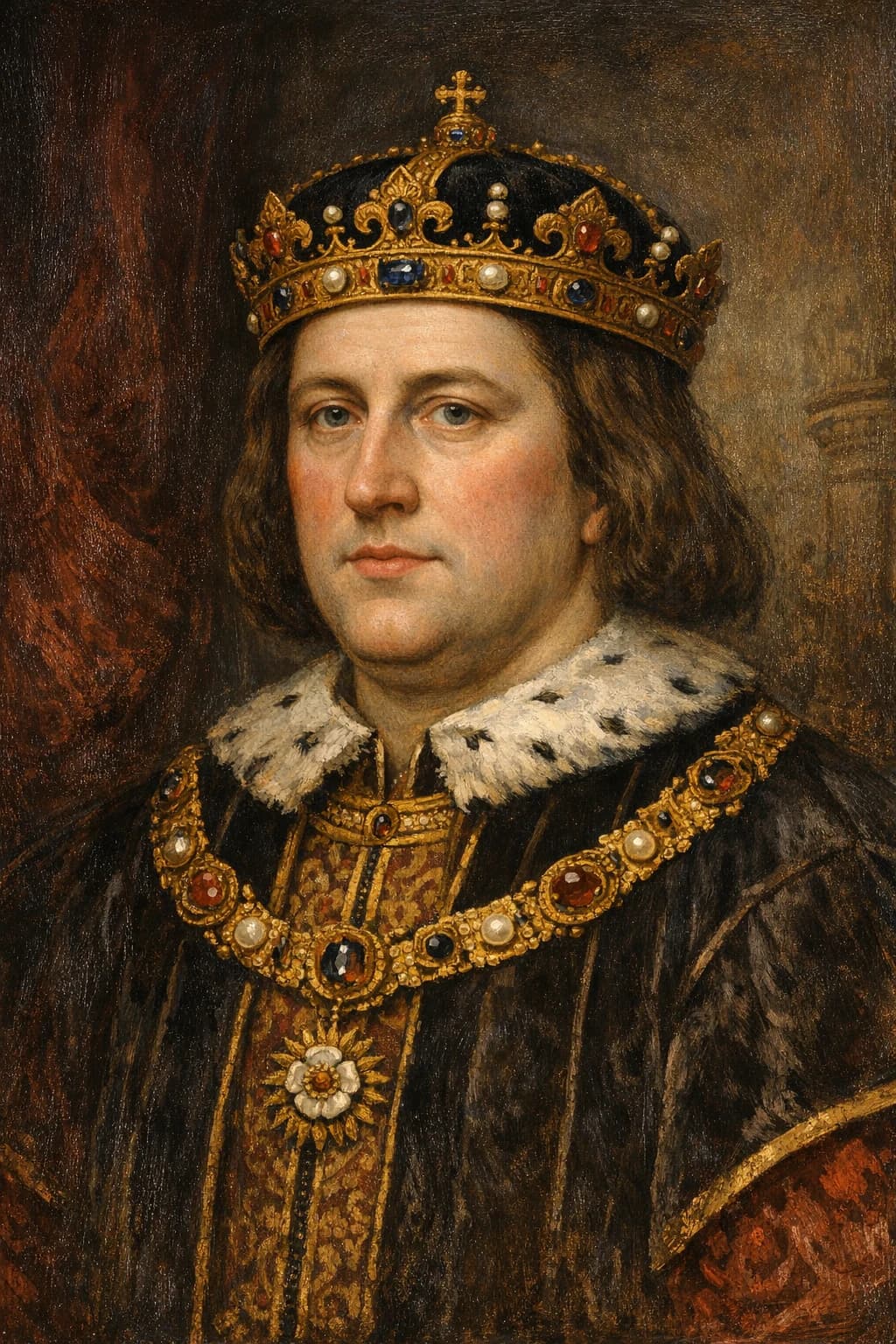
AI-generated portrait of Edward IV in Yorkist royal attire
AI-assisted historical reconstruction

An illustrative reconstruction based on historical context. It is not a photograph or documentary likeness. Image policy

Quick answer

Edward IV was the first Yorkist king of England, ruling from 1461 to 1470 and again from 1471 to 1483. He won the throne in the Wars of the Roses, married Elizabeth Woodville, restored royal authority, and left a dangerous succession crisis.

Born
1442 CE
Died
1483 CE
Role
First Yorkist king of England
Years
1442-1483 CE
Facts

Edward IV timeline facts

Selected specifics from this profile's life story.

1442–1450s
Born into conflict

Edward grew up as the eldest son of the Duke of York, watching his father's rivalry with the Lancastrian court deepen into political crisis.

1461–1469
Ruling and rebuilding

Edward worked to restore royal finances and authority, though his secret marriage and reliance on personal favourites created tensions within his own coalition.

1471–1483
Second reign

Edward's restored reign was more stable and financially capable, though his ambitious French campaign ended in a profitable but unimpressive peace.

Post-1483
A Yorkist legacy

Edward IV's reign demonstrated that strong personal kingship could restore order, but his failure to secure a stable succession invited the catastrophe that followed.

Life Journey

Twice a king, never quite secure

Follow the story in a more continuous narrative, with a reading mode that matches how much depth you want.

Complete chronology

1442–1450s

Born into conflict

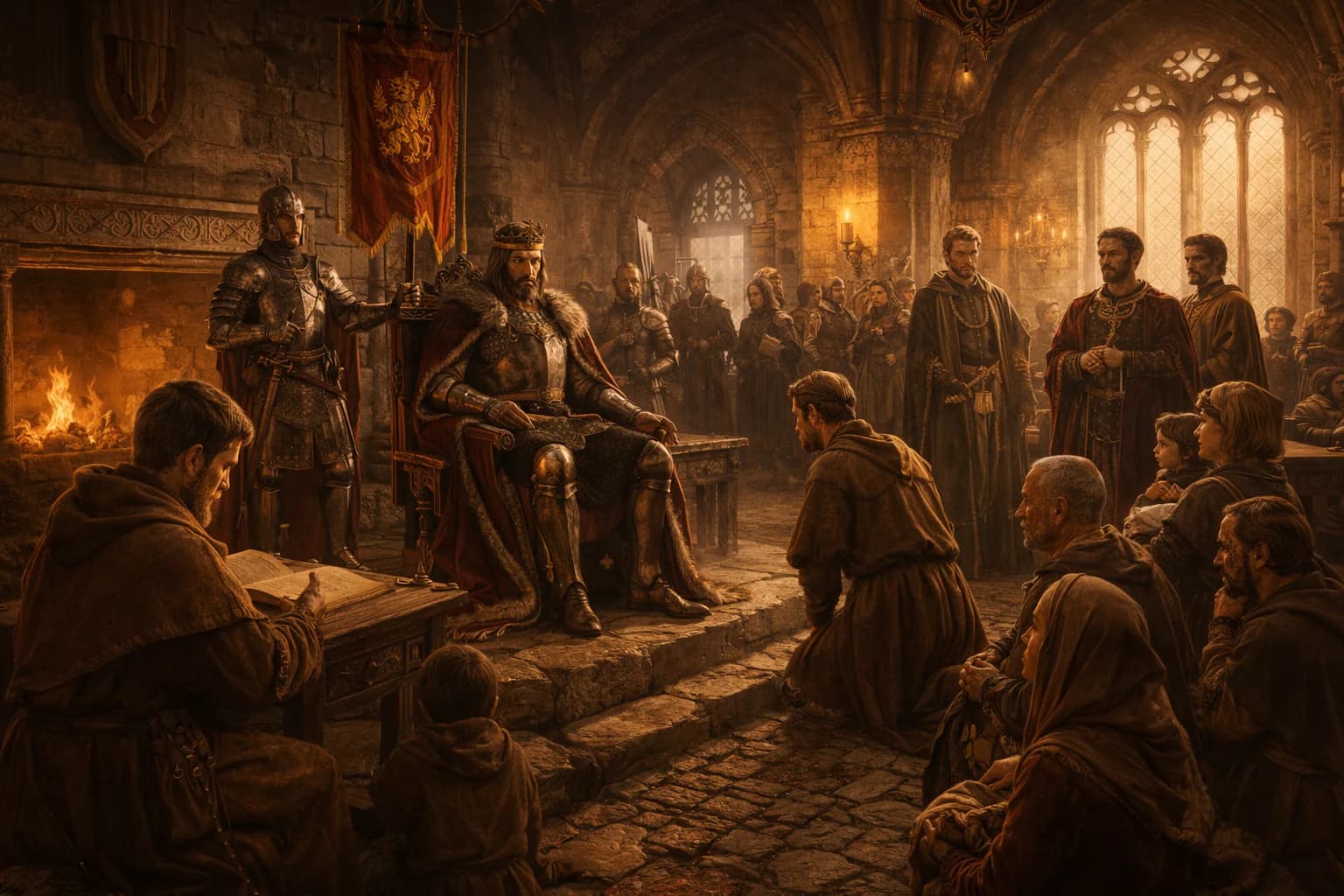
Edward was born at Rouen, then an English-held city in Normandy, into a family already entangled in the highest levels of English politics. His father, Richard Duke of York, was one of the most powerful noblemen in England and a claimant to the throne through legitimate descent. As Edward grew, the political atmosphere around him darkened. The weakness of Henry VI's court, the losses in France, and his father's repeated attempts to reform or control the government created an environment in which conflict felt increasingly inevitable. Edward absorbed this world of competing loyalties and dynastic ambition from childhood, entering adult life already positioned at the centre of an unresolved national crisis.
1459–1460

Father's cause

The late 1450s brought the Yorkist cause to a critical juncture. After earlier rounds of conflict and failed accommodation, the Duke of York moved toward an explicit claim to the throne rather than simply reform of the government. Edward, still a teenager, participated in the shifting military campaigning of this period and showed a natural aptitude for the physical and tactical demands of medieval warfare. When his father was killed at the Battle of Wakefield in December 1460, the shock was real but Edward's response was to press forward rather than retreat. His victory at Mortimer's Cross in 1461 helped steady Yorkist morale at exactly the moment collapse was possible. The loss of his father transformed him almost immediately from a young lord into the undisputed leader of the Yorkist cause.

1461

First kingship

March 1461 brought the Battle of Towton, the bloodiest engagement of the Wars of the Roses and one of the largest battles ever fought on English soil. Edward's forces won a decisive victory in brutal winter conditions, and within weeks he was crowned king at Westminster. He was tall, physically imposing, and exuded the confident presence that the age demanded of a king. His accession gave the Yorkist cause its long-sought formal legitimacy, and for many in England, especially in the south and east, it offered the prospect of stability after years of Lancastrian mismanagement. Henry VI fled north, and for the first time in a generation, England had a king who could actually lead.

1461–1469

Ruling and rebuilding

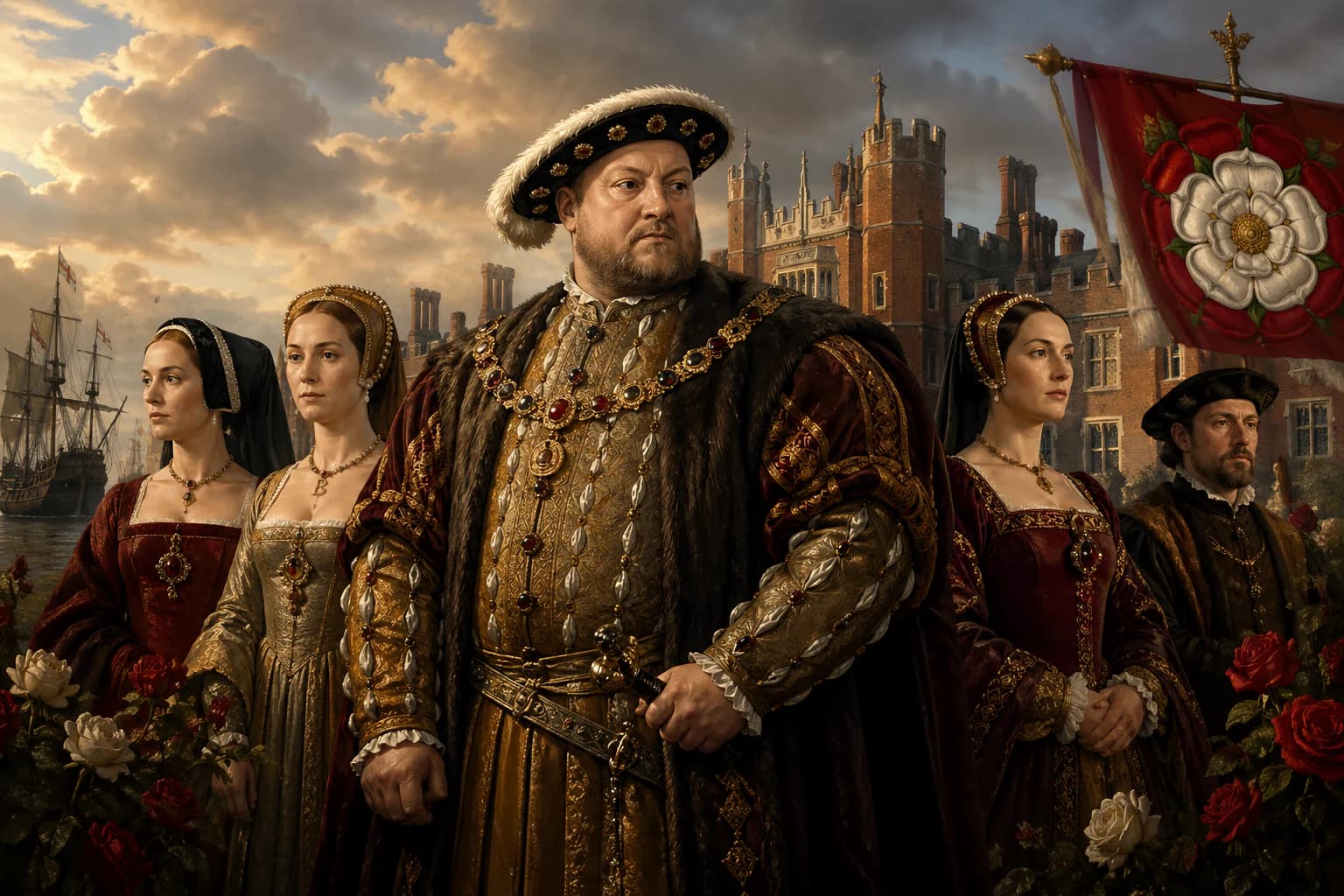
The first decade of Edward's reign was marked by genuine administrative energy. He worked to improve royal finances, repair the prestige of the crown, and assert authority over the nobility that had grown accustomed to operating with considerable independence. Yet he also made choices that complicated his position. His secret marriage to Elizabeth Woodville in 1464 stunned his chief ally Richard Neville, Earl of Warwick, who had been negotiating a French diplomatic match. The Woodvilles rose rapidly at court, generating resentment among those who felt displaced. Edward's personal charm and military reputation kept these tensions manageable for a while, but beneath the surface, the coalition that had brought him to power was developing fractures.

1469–1470

Betrayal and deposition

The break with Warwick came in stages and then all at once. After a series of confrontations, Warwick allied with Edward's own brother George, Duke of Clarence, against him. They joined forces with the French and eventually with the Lancastrian Queen Margaret. In late 1470, Edward was forced to flee England, taking refuge in Burgundy with a small group of loyalists. Henry VI was released from the Tower and restored to the throne in a strange and temporary reversal. Edward in exile was forced to rebuild from almost nothing, seeking support and ships while watching his kingdom being governed by his enemies. It was a test of character as much as a military problem.

1471

Reclaiming the throne

Edward's return in March 1471 was one of the more remarkable recoveries in English history. Landing with a small Burgundian-backed force, he advanced through England, gathering support as he moved. His brother Clarence defected back to his side. At Barnet in April, Warwick was defeated and killed. Weeks later, at Tewkesbury in May, the Lancastrian army was destroyed, and Henry VI's son Edward was killed. Henry VI himself died in the Tower shortly after, closing the Lancastrian line. Edward was now king again, and this time without the powerful rivals who had previously been able to challenge him. The second reign was built on a far more secure foundation than the first.

1471–1483

Second reign

The final twelve years of Edward's reign showed what he could achieve when not threatened by internal revolt. He pursued an active diplomatic agenda, improved royal revenue through better management of crown lands, customs, and commercial dealings, and reasserted authority with a confident hand. In 1475, he led an invasion of France, but accepted a large payment and annual pension from Louis XI to withdraw without fighting — a settlement that looked to some like a missed opportunity but which filled the treasury and avoided unnecessary risk. He maintained his authority over the nobility through a combination of reward, intimidation, legal pressure, and personal magnetism. England was more peaceful and better governed than at any point during Henry VI's reign, though that peace depended heavily on Edward's own presence.

1483

Sudden death

In April 1483, Edward IV died at Westminster. He was forty years old and had appeared to be in reasonable health only weeks before. The cause remains uncertain, though contemporary accounts suggest an illness that moved quickly. His death was catastrophic in its timing: his heir was twelve years old, his brother Richard of Gloucester was a powerful and ambitious figure, and the Woodville family who surrounded the young prince had made enemies throughout the political class. Edward had not planned adequately for minority rule. Within weeks of his death, his brother had seized the young king, and within months the Yorkist dynasty had entered its terminal crisis. Edward's personal ability had held together a coalition that could not survive without him.

Post-1483

A Yorkist legacy

Edward IV's place in history is somewhat obscured by what came immediately after him. His reign, especially its second phase, showed genuine qualities of leadership: financial acumen, military confidence, diplomatic pragmatism, and the ability to dominate a fractious nobility. He also mattered because he made Yorkist rule seem normal after years of civil war. Yet the crisis of 1483 and the events that led to the Tudor takeover in 1485 cast a shadow over his achievements. He had not built institutions that could survive a minority, and the rivalries he left unresolved between his Woodville relatives, old Yorkist servants, and his brother Richard proved fatal to his dynasty. His sons disappeared into the Tower; his brother took the crown; his family's enemies won. The Yorkist age ended less than two years after his death.

Continue in context

Connected stories

Move from the profile into the wider events and settings this figure belongs to.

British Monarchs lineage
Lineage42 rulers
British Monarchs
1066 CE–present

Trace the English and later British monarchy from William I to today.

View lineage
Tertiary paths

Content note

This profile is written for educational use and connects to related Stories of History pages. The main portrait is an AI-assisted historical reconstruction, included as an illustrative aid rather than documentary evidence. Image policy

References

Sources & Further Reading

Reliable reference works, archives and reading paths connected to this profile.

Further reading

  1. Encyclopaedia Britannica, Search results for Edward IV,” accessed June 2026.Open source
  2. WorldCat, Books and library holdings for Edward IV,” accessed June 2026.Open source

Primary sources

  1. Library of Congress, Search results for Edward IV,” accessed June 2026.Open source

Reviewed claim sources

Loading reviewed claim sources...

A weekly route through history

Find out first about the latest published stories, feature notes and occasional Premium offers in one weekly email.