← People

Richard, Duke of York

Richard Plantagenet, Duke of York, was a leading noble and claimant to the English throne whose conflict with Henry VI's court helped begin the Wars of the Roses. He died at Wakefield in 1460; his son Edward became Edward IV.

Born
1411 CE
Died
1460 CE
Role
Duke of York and claimant to the English throne
Full name
Richard Plantagenet, 3rd Duke of York
Also known as
Richard Plantagenet, 3rd Duke of York, Richard of York

Yorkist claimant and magnate (1411–1460)

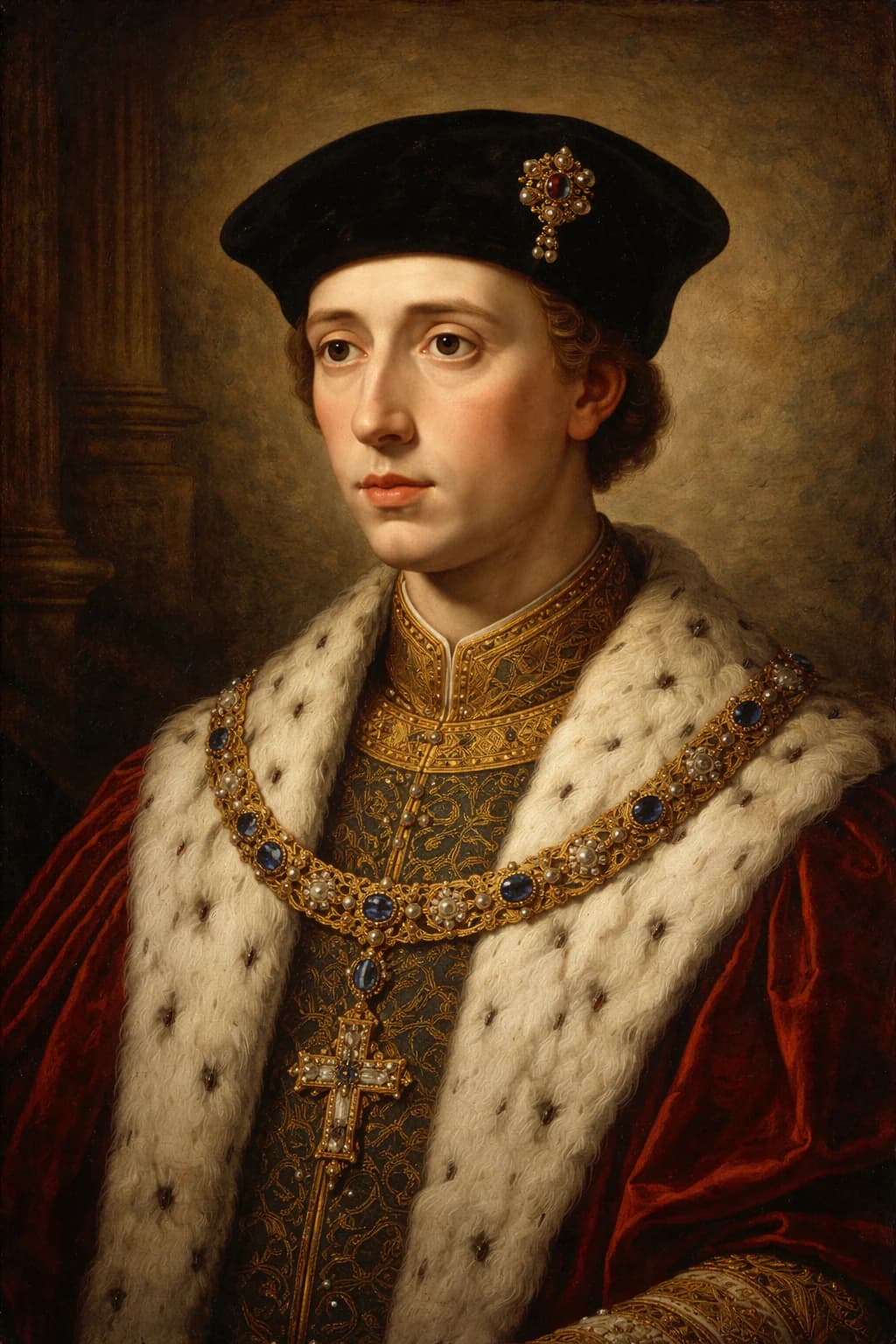
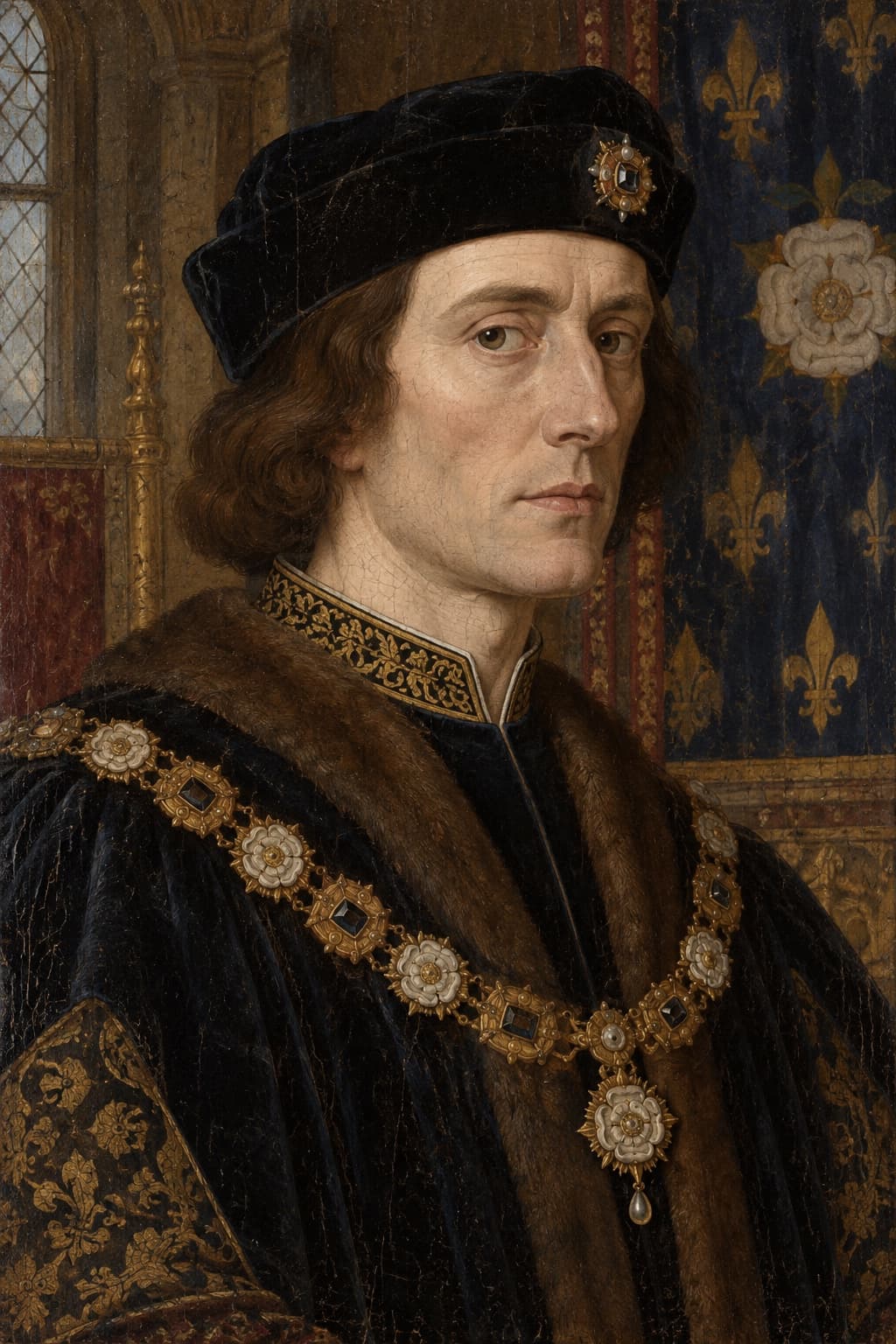
AI-generated late-medieval panel portrait of Richard, Duke of York
Life Journey

From royal governor to claimant

Follow Richard of York from royal service through political rivalry to the battle that changed the succession.

Complete chronology

1411–1430s

A royal inheritance

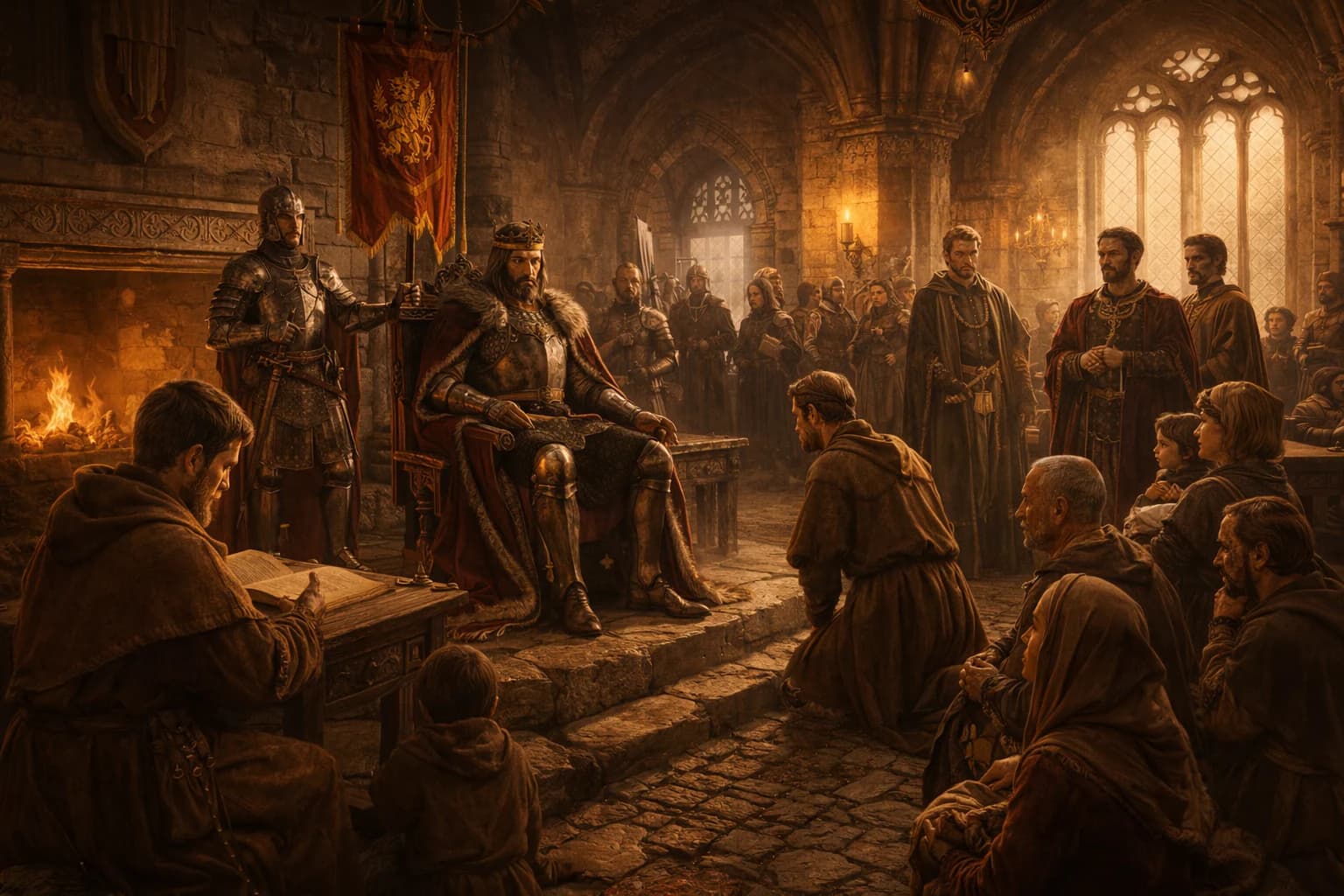
Richard was descended from Edward III through the York line and also had a claim through his mother, Anne Mortimer. He inherited the dukedom as a child. The crown was held by the Lancastrian Henry VI, and Richard initially served the monarchy rather than openly challenging it.
1430s–1445

Service in France

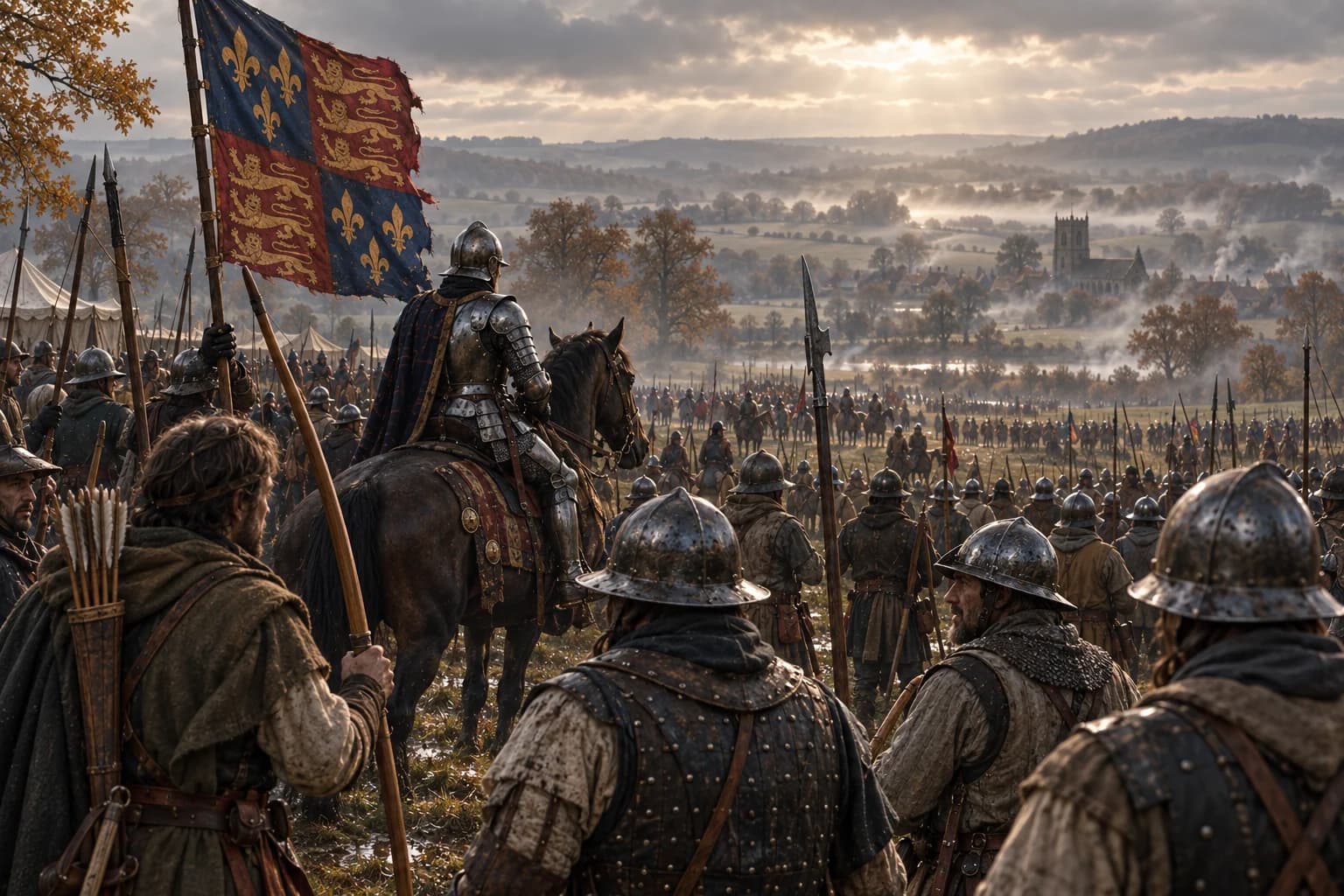
During the later phase of the Hundred Years' War, Richard served as lieutenant in France and later Ireland. These appointments gave him experience in administration and command, while exposing him to the financial and political strains of defending English possessions overseas.

1445–1453

A rival at court

York's rivalry with Somerset grew as Henry VI's government struggled with military reversals and factional competition. Richard was not yet making an open claim to the throne. His standing as a royal duke and his repeated exclusion from influence nevertheless made him a focus for opposition to the king's advisers.

1453–1455

Protector of the realm

Henry's incapacity in 1453 created an urgent problem of authority. Parliament appointed Richard protector in 1454. Henry's recovery the following year ended York's first protectorate and restored his rivals' influence, sharpening an already dangerous contest over who could govern.

1455–1460

Civil war begins

At St Albans, Yorkist forces defeated the king's party and captured Henry VI. Years of unstable truces and renewed fighting followed. After the Yorkist victory at Northampton in 1460, the Act of Accord named Richard heir to the throne, disinheriting Henry's son Edward. The settlement failed to bring peace.

1460

Death at Wakefield

Richard marched north late in 1460 and was killed when Lancastrian forces defeated his army near Wakefield. The circumstances of his final moments are reported differently in later accounts. His death did not end the Yorkist cause: his son Edward won the crown in 1461 as Edward IV.

Continue in context

Connected stories

Move from the profile into the wider events and settings this figure belongs to.

Tertiary paths

Content note

This profile is written for educational use and connects to related Stories of History pages. Visuals are reviewed for educational context and may include historical images, archival material, or interpretive reconstructions. Image policy

References

Sources & Further Reading

Reliable reference works, archives and reading paths connected to this profile.

Further reading

  1. Encyclopaedia Britannica, “Search results for Richard, Duke of York,” accessed June 2026.Open source
  2. WorldCat, “Books and library holdings for Richard, Duke of York,” accessed June 2026.Open source

Primary sources

  1. Library of Congress, “Search results for Richard, Duke of York,” accessed June 2026.Open source

Reviewed claim sources

Loading reviewed claim sources...

A monthly route through history

Find out first about the latest published stories, feature notes and occasional Premium offers in one monthly email.