People

Pope Clement VII

Pope Clement VII was pope from 1523 to 1534. His handling of Henry VIII's annulment from Catherine of Aragon, after the sack of Rome and under pressure from Charles V, helped precipitate the English Reformation.

Born
1478 CE
Died
1534 CE
Role
Pope

Pope (1478-1534)

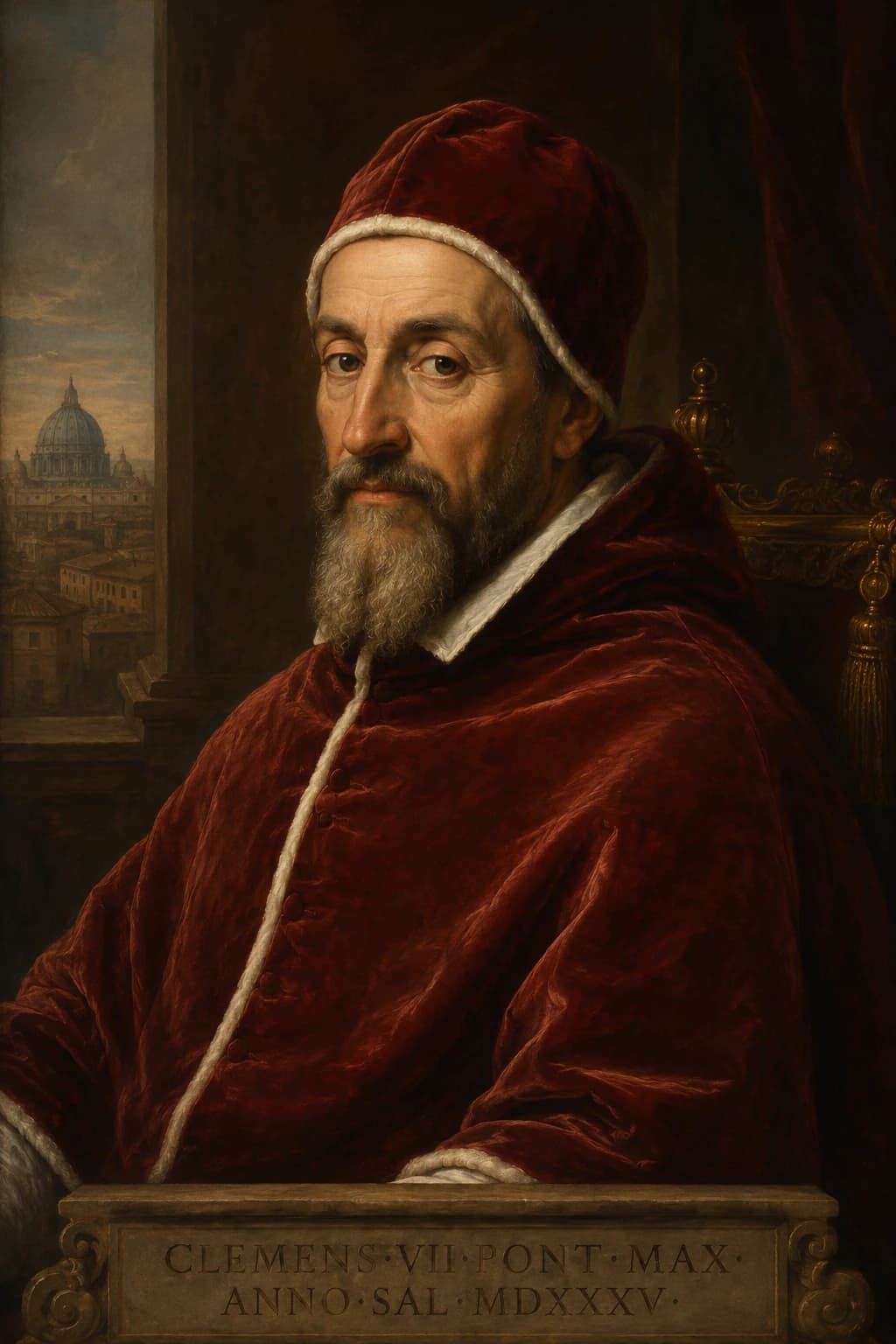
AI-generated portrait of Pope Clement VII in papal robes
AI-assisted historical reconstruction

An illustrative reconstruction based on historical context. It is not a photograph or documentary likeness. Image policy

Quick answer

Pope Clement VII was pope from 1523 to 1534. His handling of Henry VIII's annulment from Catherine of Aragon, after the sack of Rome and under pressure from Charles V, helped precipitate the English Reformation.

Born
1478 CE
Died
1534 CE
Role
Pope
Years
1478-1534 CE
Quick facts

Profile details

Additional identity and tagging details that are not already covered in the introduction.

Also known as
Clement VII, Giulio de' Medici
Facts

Pope Clement VII timeline facts

Selected specifics from this profile's life story.

1478-1523
Medici churchman

Giulio de' Medici rose through Renaissance church politics before becoming Pope Clement VII in 1523.

1527
Sack of Rome

The sack of Rome by imperial troops in 1527 left Clement humiliated and politically constrained.

1533-1534
Break with England

Henry bypassed papal authority, married Anne Boleyn, and moved England toward royal supremacy.

after 1534
Difficult legacy

Clement is remembered in English history as the pope whose handling of Henry's marriage crisis preceded the break with Rome.

Life Journey

The pope trapped by law, empire and a king's demand

Follow the story in a more continuous narrative, with a reading mode that matches how much depth you want.

Complete chronology

1478-1523

Medici churchman

Clement VII was born Giulio de' Medici, part of the powerful Florentine family whose fortunes were tied to Renaissance politics, patronage and papal influence. He was intelligent and politically experienced, but he inherited a Europe in turmoil. The papacy was not only a spiritual office; it was a territorial and diplomatic power surrounded by larger monarchies. Clement's Medici background gave him sophistication, but it could not protect him from the pressures unleashed by France, the Habsburgs and the Protestant Reformation.
1527

Sack of Rome

The sack of Rome was a catastrophe for Clement VII. Imperial troops, many unpaid and uncontrolled, stormed the city in 1527 and subjected it to violence and plunder. Clement took refuge in Castel Sant'Angelo and emerged from the crisis with papal prestige damaged and his political freedom sharply reduced. This mattered directly for England because Henry VIII's annulment case arrived in the same dangerous context. The pope who needed to judge the marriage was operating under the shadow of Charles V, Catherine of Aragon's nephew.

1527-1533

Henry's annulment

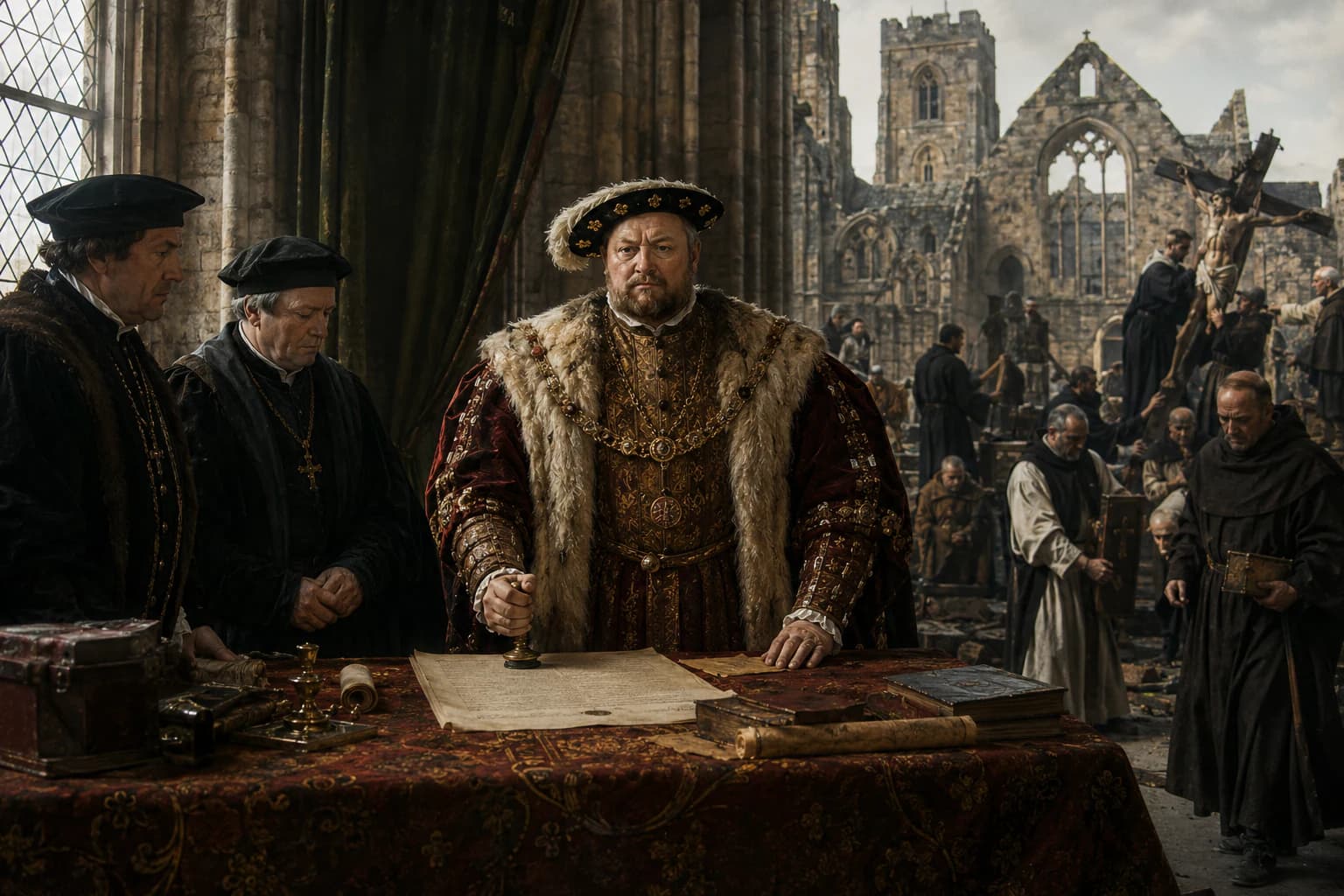
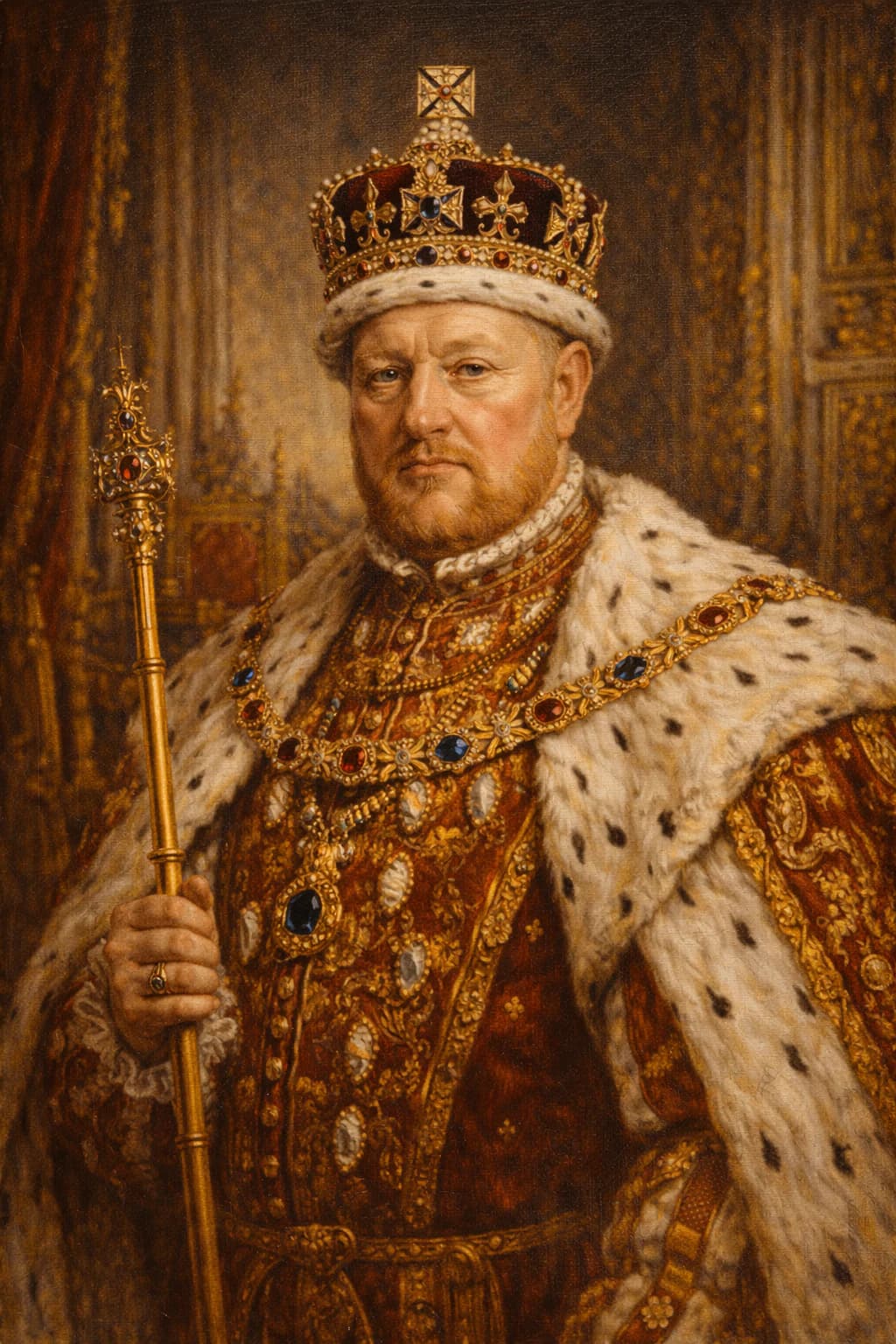
Henry VIII wanted Clement to declare that his marriage to Catherine of Aragon had never been valid. The case was complex because an earlier pope had granted the dispensation allowing Henry to marry his brother's widow. Catherine denied that her first marriage to Arthur had been consummated and appealed to Rome. Clement faced law, theology, Henry's pressure and Charles V's power at once. He delayed, manoeuvred and avoided granting the result Henry demanded. From Henry's perspective this looked like betrayal; from Clement's, it was a crisis with no safe answer.

1533-1534

Break with England

As Clement refused the annulment Henry wanted, Henry's government built a new legal route. Appeals to Rome were restricted, English ecclesiastical authority was redirected through the crown, and Thomas Cranmer declared Henry's marriage to Catherine invalid. Clement could condemn the action, but by then England was already moving out of papal jurisdiction. Clement died in 1534, the same year England's Act of Supremacy made the king Supreme Head of the Church of England. His papacy had not caused the English Reformation alone, but his trapped position helped make compromise impossible.

after 1534

Difficult legacy

Clement VII's reputation is often judged through disasters: the sack of Rome and the English schism. That can make him look simply weak, but his circumstances were genuinely severe. He faced a Europe in which the papacy was militarily vulnerable, Protestant reform was spreading, and great monarchs expected spiritual decisions to serve dynastic needs. His handling of Henry's annulment failed to preserve English obedience to Rome. Yet the failure belonged to a wider collapse of the old assumption that one church court could contain the ambitions of rulers, empires and reform movements.

Continue in context

Connected stories

Move from the profile into the wider events and settings this figure belongs to.

Tertiary paths

Content note

This profile is written for educational use and connects to related Stories of History pages. The main portrait is an AI-assisted historical reconstruction, included as an illustrative aid rather than documentary evidence. Image policy

References

Sources & Further Reading

Reliable reference works, archives and reading paths connected to this profile.

Further reading

  1. Encyclopaedia Britannica, Search results for Pope Clement VII,” accessed June 2026.Open source
  2. WorldCat, Books and library holdings for Pope Clement VII,” accessed June 2026.Open source

Primary sources

  1. Library of Congress, Search results for Pope Clement VII,” accessed June 2026.Open source

Reviewed claim sources

Loading reviewed claim sources...

A weekly route through history

Find out first about the latest published stories, feature notes and occasional Premium offers in one weekly email.