People

Charles V

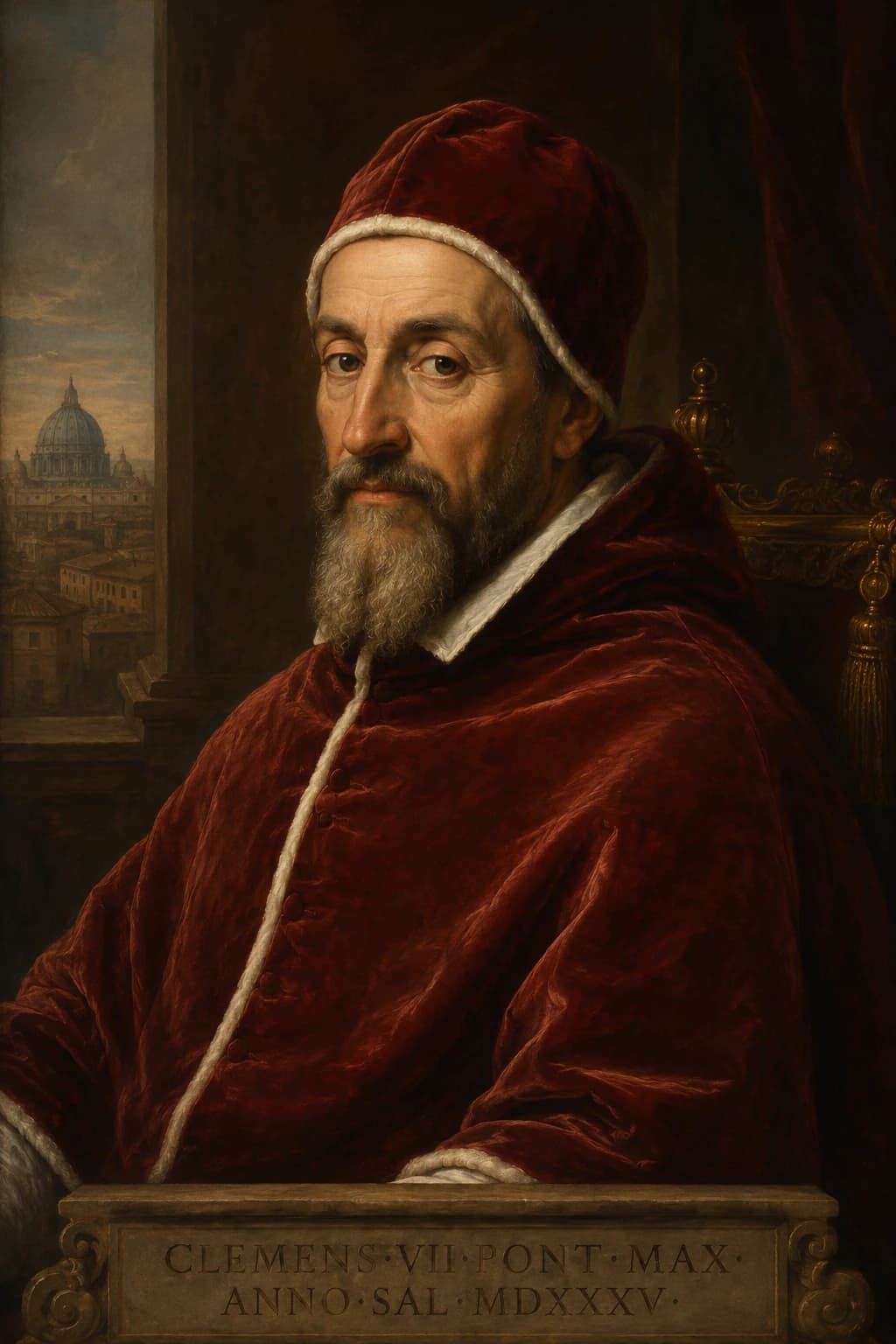
Charles V was Holy Roman Emperor from 1519 to 1556 and King of Spain as Charles I. His influence over Pope Clement VII after the sack of Rome helped block Henry VIII's annulment from Catherine of Aragon.

Born
1500 CE
Died
1558 CE
Role
Holy Roman Emperor

Holy Roman Emperor (1500-1558)

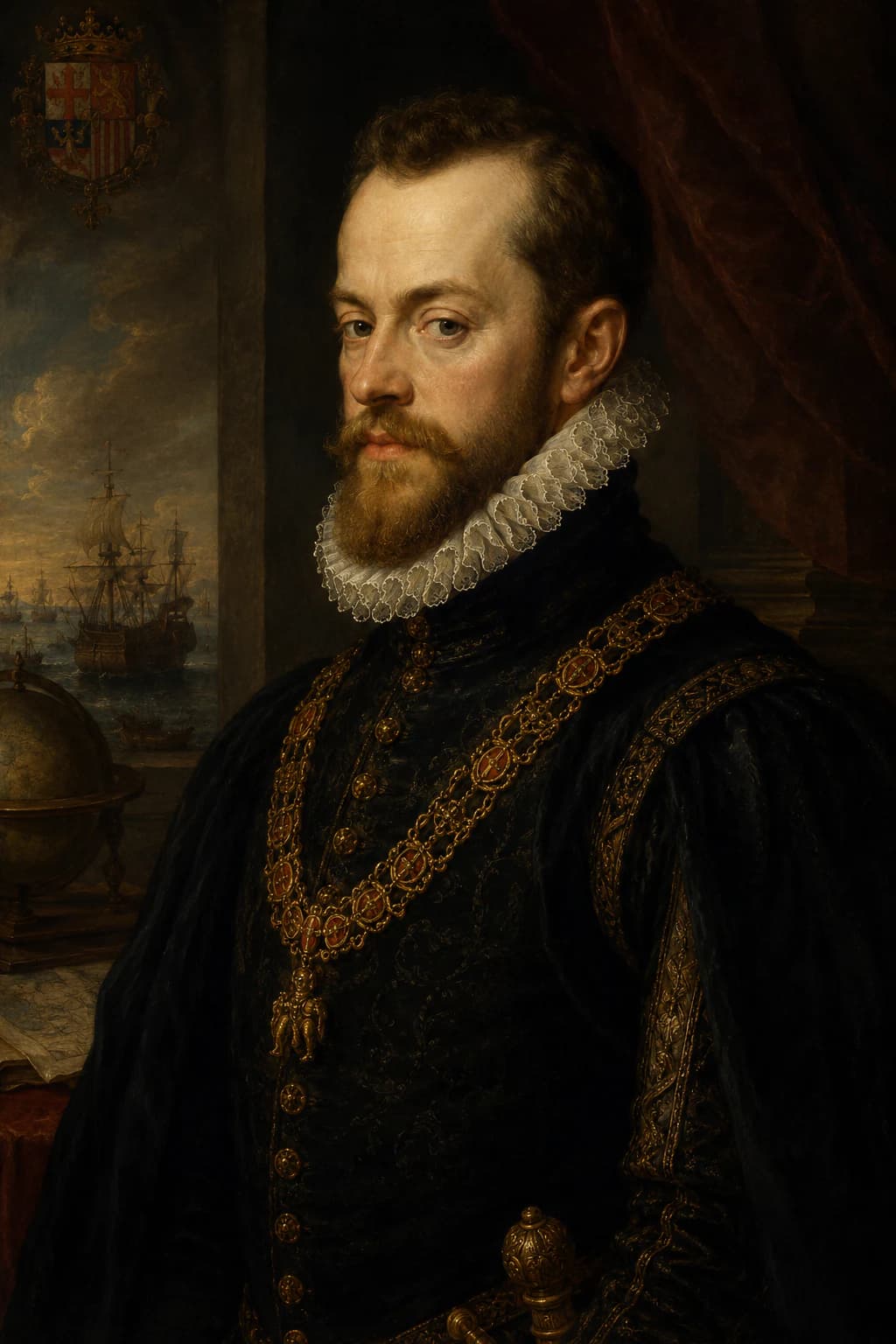
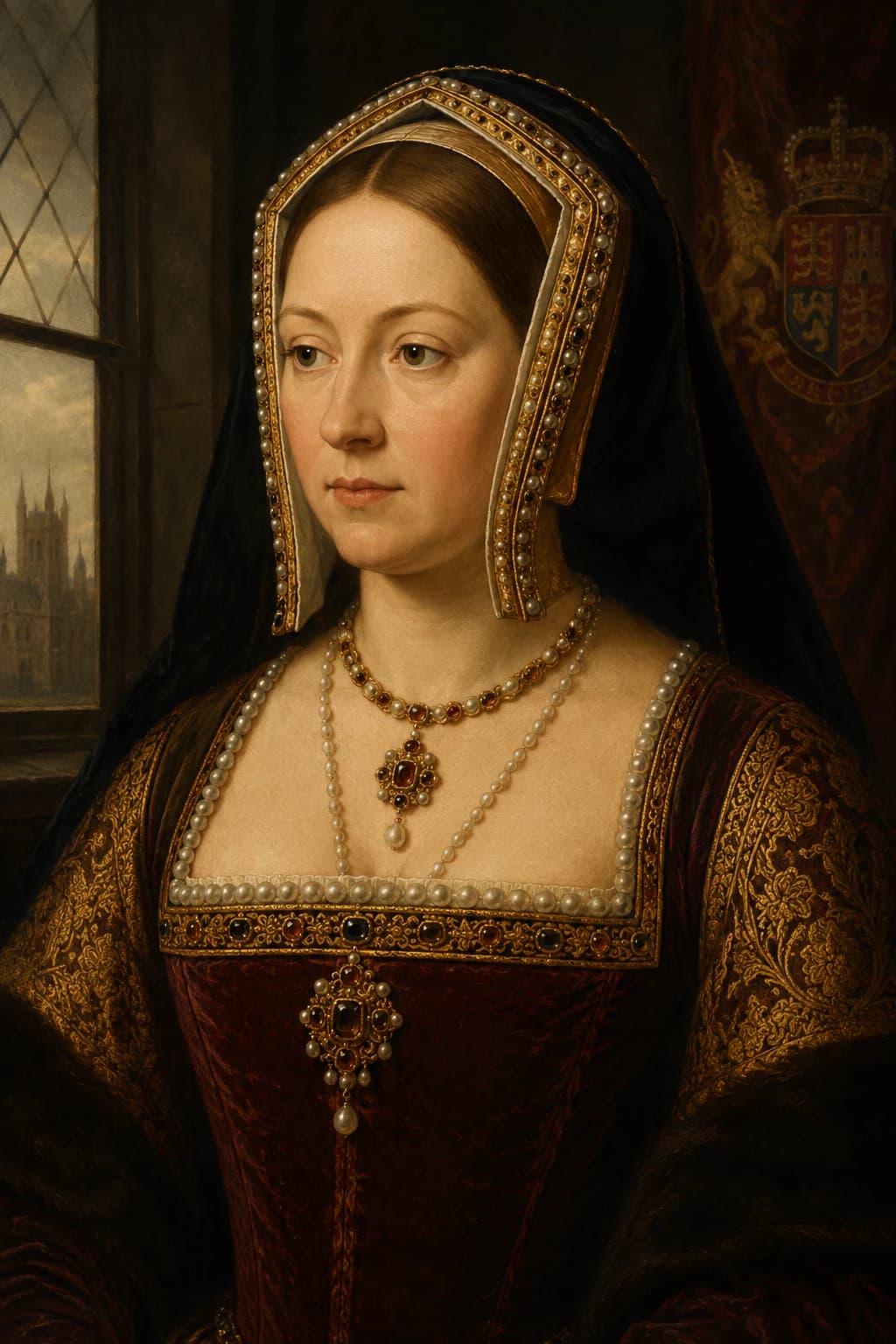
AI-generated portrait of Charles V in Habsburg court dress
AI-assisted historical reconstruction

An illustrative reconstruction based on historical context. It is not a photograph or documentary likeness. Image policy

Quick answer

Charles V was Holy Roman Emperor from 1519 to 1556 and King of Spain as Charles I. His influence over Pope Clement VII after the sack of Rome helped block Henry VIII's annulment from Catherine of Aragon.

Born
1500 CE
Died
1558 CE
Role
Holy Roman Emperor
Years
1500-1558 CE
Quick facts

Profile details

Additional identity and tagging details that are not already covered in the introduction.

Also known as
Charles I of Spain, Emperor Charles V
Facts

Charles V timeline facts

Selected specifics from this profile's life story.

1500-1519
Habsburg inheritance

Charles inherited Spain, the Low Countries, Habsburg lands and then the imperial title, making him the most powerful ruler in Europe.

1521
Luther's challenge

Charles confronted Martin Luther at the Diet of Worms, where the Protestant Reformation became an imperial crisis.

1527-1533
Defender of Catherine

Charles supported Catherine's position, making Henry's desired annulment harder for the papacy to grant.

1556-1558
Abdication and legacy

Charles abdicated in the 1550s, leaving a divided religious Europe and a Habsburg legacy continued by Philip II.

Life Journey

An emperor at the centre of Reformation Europe

Follow the story in a more continuous narrative, with a reading mode that matches how much depth you want.

Complete chronology

1500-1519

Habsburg inheritance

Charles V's power came through dynastic accumulation. He inherited the Burgundian Netherlands, Spain and its expanding overseas empire, Habsburg territories in central Europe, and in 1519 the title of Holy Roman Emperor. This made him extraordinarily powerful, but also permanently overextended. His lands were scattered, multilingual and politically distinct. He had to govern through councils, deputies, armies and family networks, while facing France, the Ottoman Empire and the religious crisis opened by Martin Luther.
1521

Luther's challenge

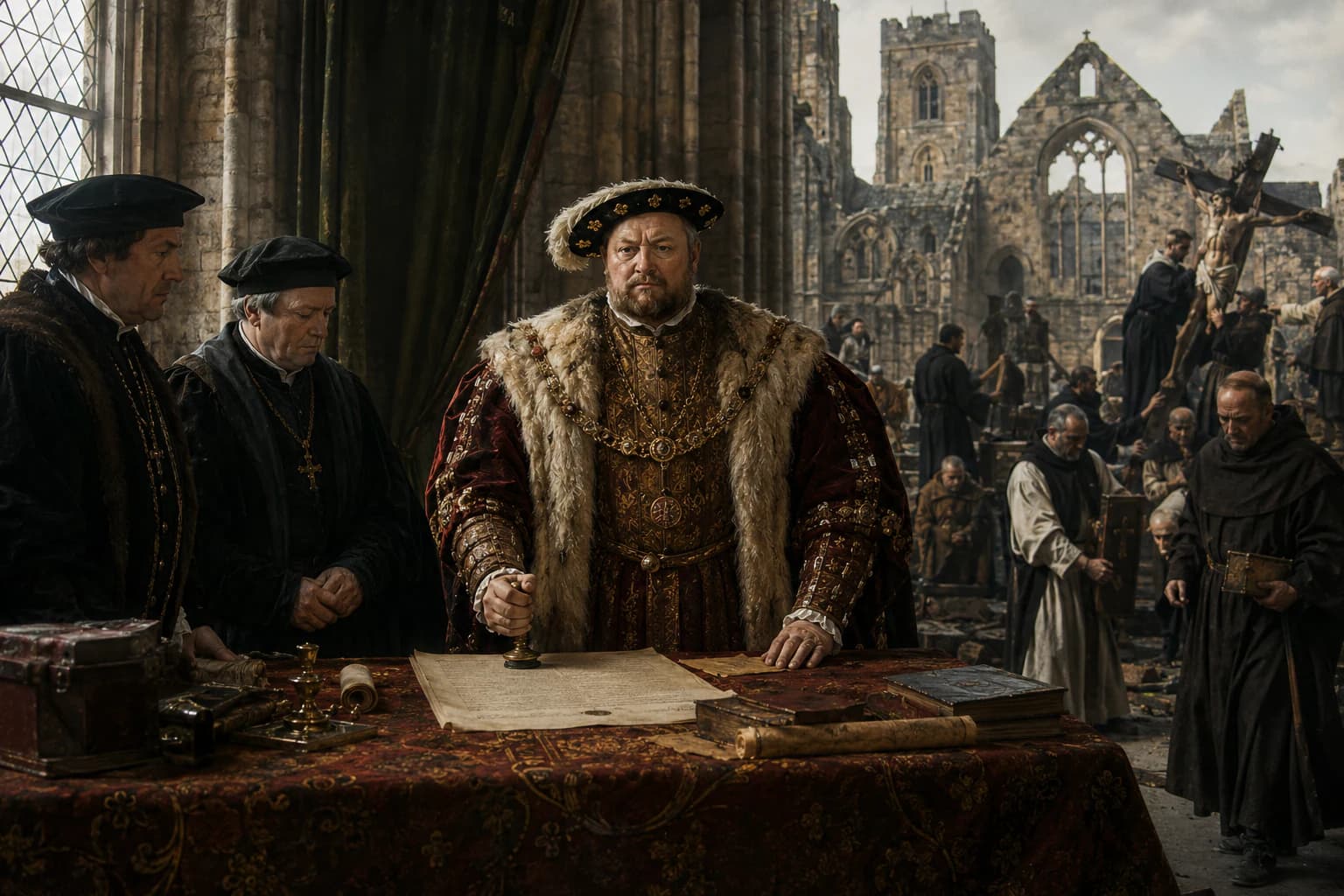
The Diet of Worms in 1521 placed Charles face to face with the religious upheaval that would dominate much of his reign. Luther's refusal to recant challenged not only church teaching but the emperor's vision of Christian unity. Charles opposed Protestantism, but military and political pressures repeatedly limited what he could do. The Reformation spread within the Holy Roman Empire because Charles had to balance theology against war, finance and the autonomy of German princes.

1527

Sack of Rome

The sack of Rome in 1527 was not a neat act of planned policy, but it transformed European politics. Imperial troops devastated the city and left Pope Clement VII humiliated and dependent on circumstances dominated by Charles's power. At almost the same moment, Henry VIII needed Clement to annul his marriage to Catherine of Aragon. Catherine was Charles's aunt. The pope therefore faced a request that was legally difficult, spiritually serious and politically dangerous. Charles did not have to control every papal decision directly for his weight to matter.

1527-1533

Defender of Catherine

Charles had dynastic, political and personal reasons to oppose the humiliation of Catherine of Aragon. An annulment would weaken his aunt's honour, threaten Mary's legitimacy and suggest that papal dispensations could be undone under royal pressure. Henry VIII saw delay as obstruction, while Clement VII tried to avoid a final decision. The result was stalemate. That stalemate mattered because it pushed Henry and his advisers toward a new answer: if Rome would not decide in his favour, England would deny Rome's authority to decide at all.

1556-1558

Abdication and legacy

By the mid-1550s, Charles was exhausted by war, religious division and the strain of governing a composite empire. He abdicated in stages, giving Spain and its wider empire to his son Philip II and imperial authority to his brother Ferdinand. He died in 1558. Charles failed to restore a united Catholic Christendom, but his reign defined the scale of the challenge. For English history, his importance lies partly in absence: his pressure on the papacy helped make Henry's break with Rome more likely.

Continue in context

Connected stories

Move from the profile into the wider events and settings this figure belongs to.

Tertiary paths

Content note

This profile is written for educational use and connects to related Stories of History pages. The main portrait is an AI-assisted historical reconstruction, included as an illustrative aid rather than documentary evidence. Image policy

References

Sources & Further Reading

Reliable reference works, archives and reading paths connected to this profile.

Further reading

  1. Encyclopaedia Britannica, Search results for Charles V,” accessed June 2026.Open source
  2. WorldCat, Books and library holdings for Charles V,” accessed June 2026.Open source

Primary sources

  1. Library of Congress, Search results for Charles V,” accessed June 2026.Open source

Reviewed claim sources

Loading reviewed claim sources...

A weekly route through history

Find out first about the latest published stories, feature notes and occasional Premium offers in one weekly email.