People

Catherine of Aragon

Catherine of Aragon was Queen of England from 1509 to 1533 as the first wife of Henry VIII. Her refusal to accept an annulment, and her connection to Charles V, helped turn the King's Great Matter into the English Reformation.

Born
1485 CE
Died
1536 CE
Role
Queen of England

Queen of England (1485-1536)

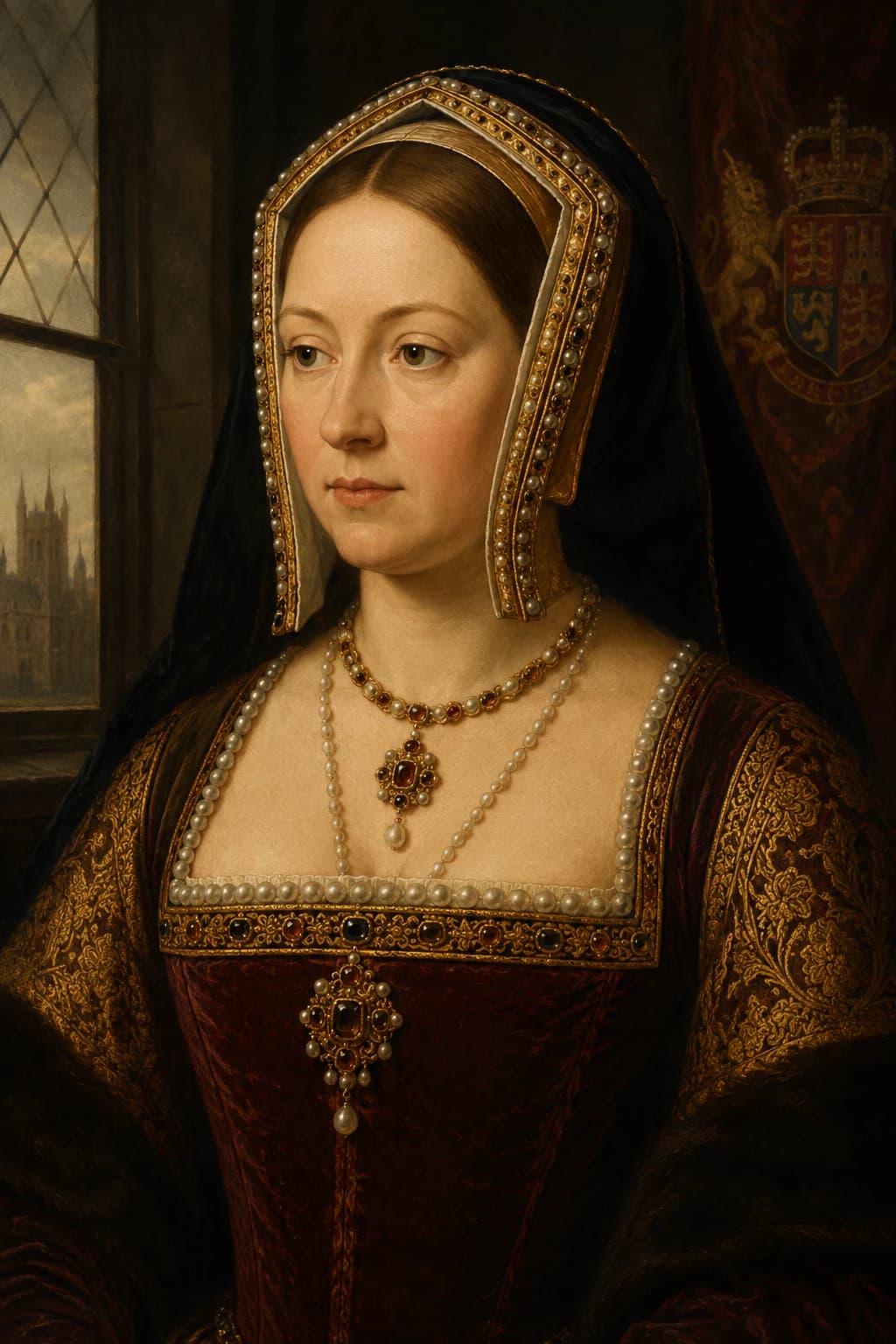
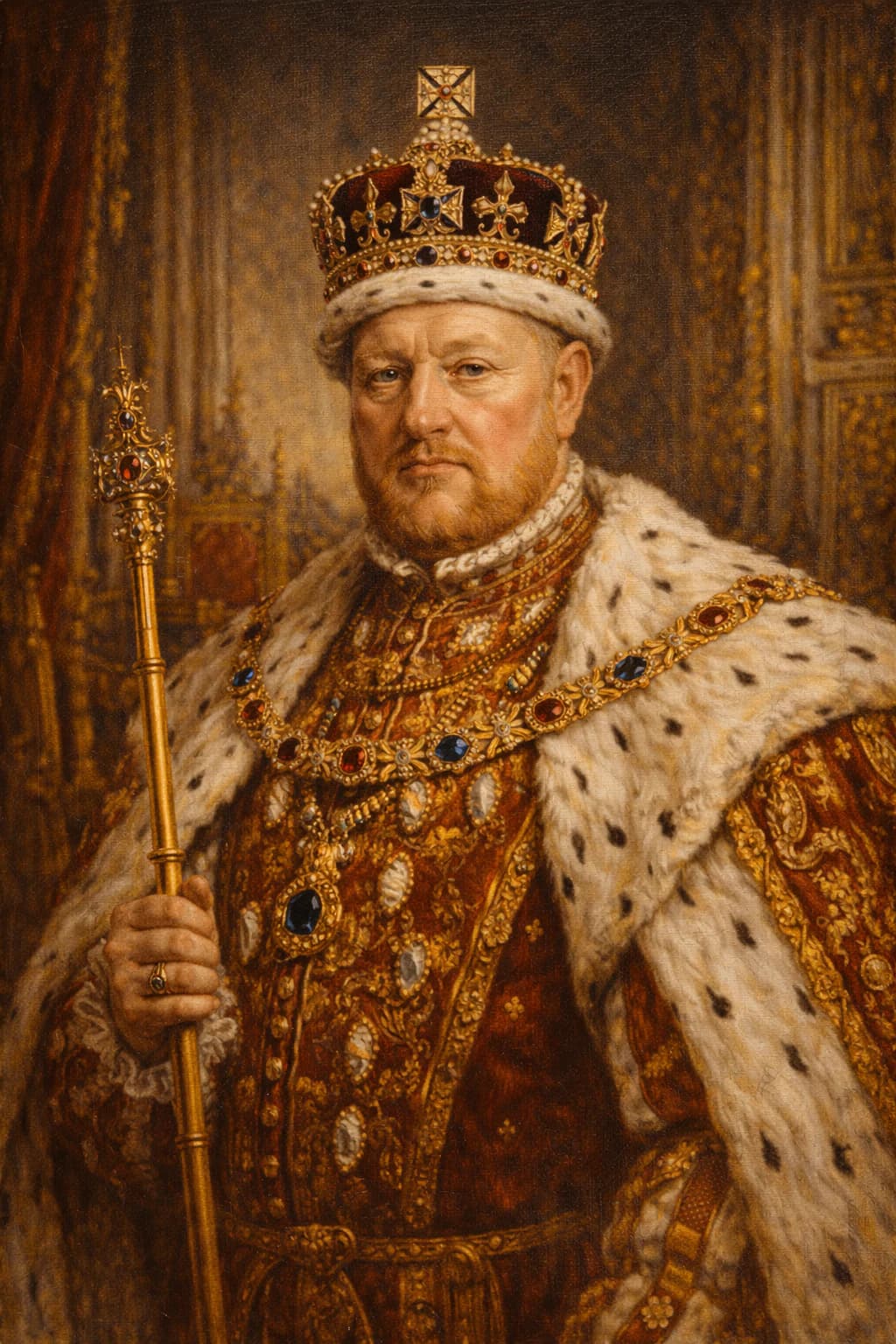
AI-generated portrait of Catherine of Aragon in Tudor court dress
AI-assisted historical reconstruction

An illustrative reconstruction based on historical context. It is not a photograph or documentary likeness. Image policy

Quick answer

Catherine of Aragon was Queen of England from 1509 to 1533 as the first wife of Henry VIII. Her refusal to accept an annulment, and her connection to Charles V, helped turn the King's Great Matter into the English Reformation.

Born
1485 CE
Died
1536 CE
Role
Queen of England
Years
1485-1536 CE
Quick facts

Profile details

Additional identity and tagging details that are not already covered in the introduction.

Also known as
Katherine of Aragon
Facts

Catherine of Aragon timeline facts

Selected specifics from this profile's life story.

1485
Spanish princess

Catherine was born in 1485 to Ferdinand of Aragon and Isabella of Castile, the rulers whose marriage helped unite Spain.

1501-1509
Tudor marriage

Catherine first married Arthur Tudor, then after his death married Arthur's younger brother Henry VIII in 1509.

1527-1533
Refusing annulment

When Henry sought an annulment, Catherine refused to accept that their marriage was invalid.

1536
Death in exile

Catherine died in 1536 separated from Henry, from court, and from her daughter Mary.

Life Journey

A queen whose marriage became a religious crisis

Follow the story in a more continuous narrative, with a reading mode that matches how much depth you want.

Complete chronology

1485

Spanish princess

Catherine of Aragon grew up in one of Europe's most ambitious dynastic households. As the daughter of Ferdinand and Isabella, she was raised in a world where marriage, faith, war and diplomacy were inseparable. Her education was unusually strong for a princess of her age, and her Catholic devotion was sincere. From childhood she was prepared to serve Spanish policy abroad. England became the destination chosen for her, not because of romance, but because Tudor England and Spain both wanted a useful alliance against France.
1501-1509

Tudor marriage

Catherine married Arthur, Prince of Wales, in 1501, but Arthur died only months later. Years of uncertainty followed before she married Henry VIII in 1509, shortly after he became king. The marriage depended on a papal dispensation because Catherine had been Arthur's widow. Catherine insisted that her first marriage had not been consummated, a claim that later became central to the annulment dispute. For many years, she and Henry appeared to share a successful royal partnership, and she even acted as regent during Henry's campaign in France.

1510s-1520s

The heir problem

Catherine endured repeated pregnancies, miscarriages and infant losses. Her only child to survive into adulthood was Mary. For Henry VIII, the lack of a male heir became a dynastic fear rooted in recent memory of civil war. For Catherine, Mary was legitimate and the marriage was valid before God and law. The difference between those positions widened as Henry became convinced that his marriage was cursed or unlawful. Catherine's personal tragedy became a constitutional problem because the Tudor dynasty still felt fragile.

1527-1533

Refusing annulment

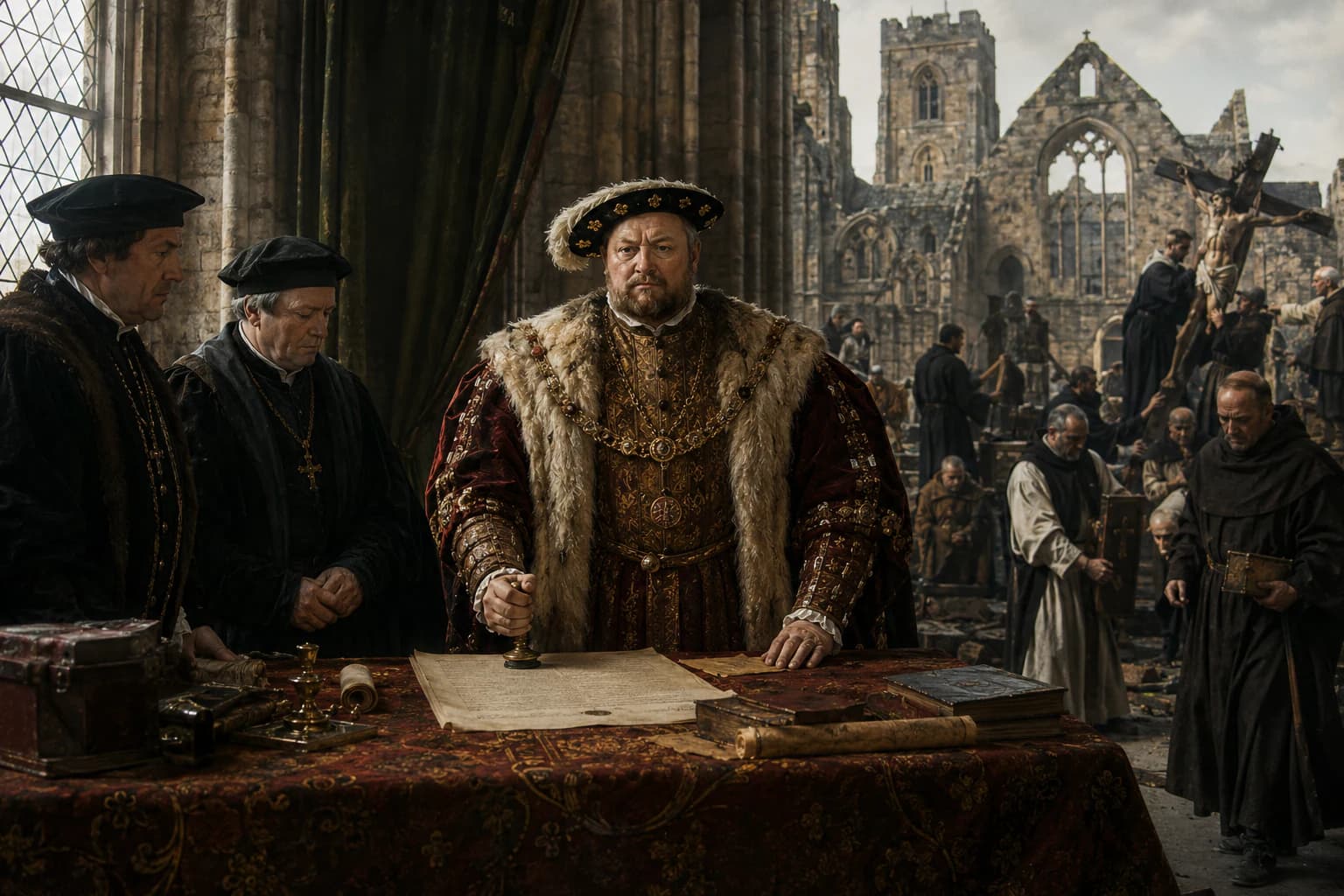
Catherine's refusal to yield made the King's Great Matter far harder to resolve. She appealed to Rome, defended the validity of her marriage, and would not quietly become a discarded queen. Her nephew Charles V dominated much of continental Europe and had recently placed Pope Clement VII under intense political pressure after the sack of Rome. That imperial connection did not make Catherine a passive pawn; it strengthened a case she already believed was morally right. Henry could not get the clean papal annulment he wanted, and the dispute pushed England toward rejecting papal jurisdiction.

1536

Death in exile

After Henry's break with Rome and marriage to Anne Boleyn, Catherine was stripped of the title queen and treated officially as Dowager Princess of Wales. She was kept away from Mary, a separation that caused both women deep distress. Catherine died at Kimbolton in January 1536 still maintaining that she had been Henry's lawful wife and queen. Her death did not end the consequences of the crisis. Mary's later reign was shaped by loyalty to her mother, Catholic restoration, and the memory of the humiliation Catherine had endured.

Continue in context

Connected stories

Move from the profile into the wider events and settings this figure belongs to.

Tertiary paths

Content note

This profile is written for educational use and connects to related Stories of History pages. The main portrait is an AI-assisted historical reconstruction, included as an illustrative aid rather than documentary evidence. Image policy

References

Sources & Further Reading

Reliable reference works, archives and reading paths connected to this profile.

Further reading

  1. Encyclopaedia Britannica, Search results for Catherine of Aragon,” accessed June 2026.Open source
  2. WorldCat, Books and library holdings for Catherine of Aragon,” accessed June 2026.Open source

Primary sources

  1. Library of Congress, Search results for Catherine of Aragon,” accessed June 2026.Open source

Reviewed claim sources

Loading reviewed claim sources...

A weekly route through history

Find out first about the latest published stories, feature notes and occasional Premium offers in one weekly email.