People

Philip II of France

Philip II of France, known as Philip Augustus, was a Capetian king who joined the Third Crusade, helped capture Acre, and strengthened royal power in France.

Born
1165 CE
Died
1223 CE
Role
King of France

King of France (1165-1223)

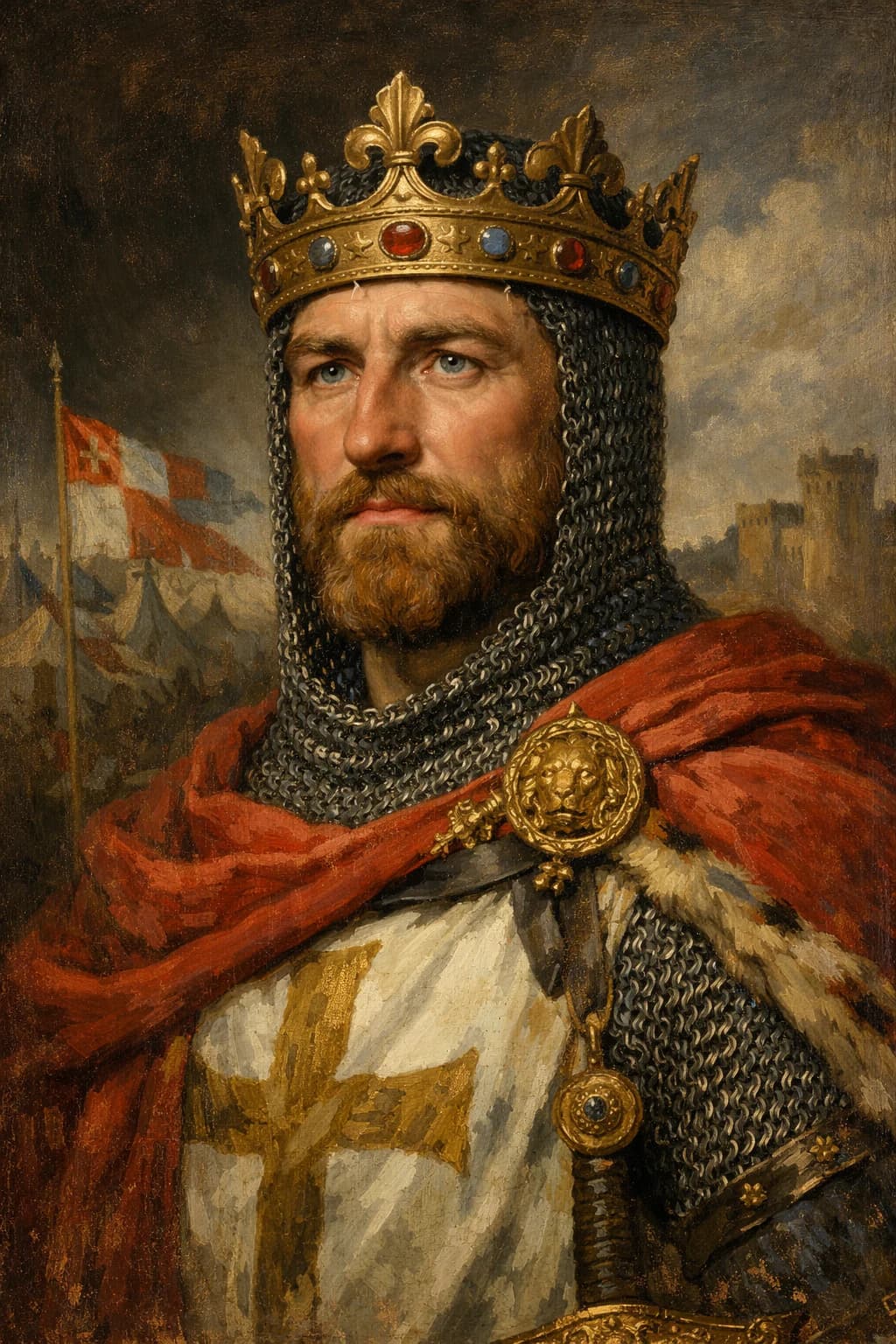
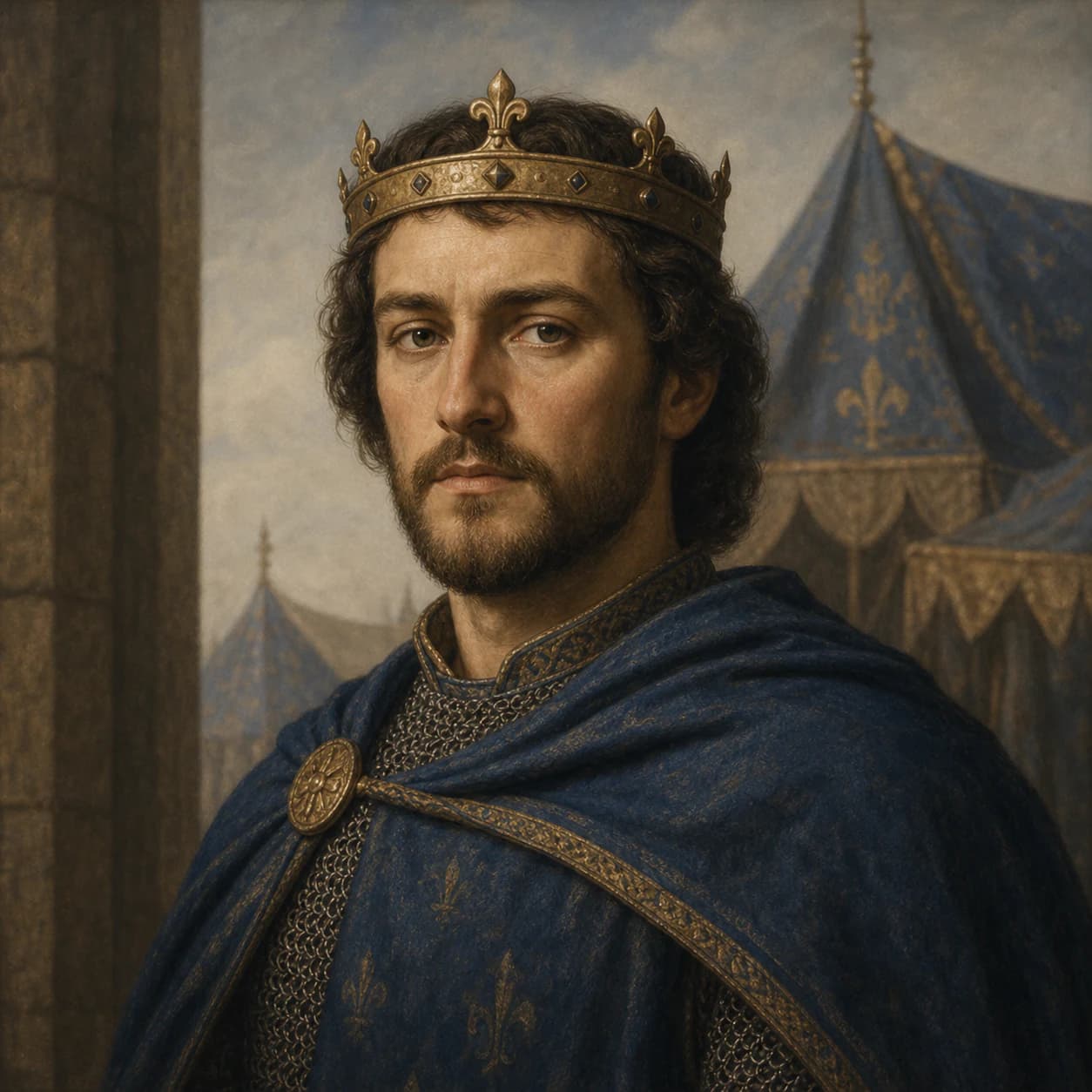
AI-generated portrait of Philip II of France in medieval royal clothing and a crown
AI-assisted historical reconstruction

An illustrative reconstruction based on historical context. It is not a photograph or documentary likeness. Image policy

Quick answer

Philip II of France, known as Philip Augustus, was a Capetian king who joined the Third Crusade, helped capture Acre, and strengthened royal power in France.

Born
1165 CE
Died
1223 CE
Role
King of France
Years
1165-1223 CE
Quick facts

Profile details

Additional identity and tagging details that are not already covered in the introduction.

Also known as
Philip II, Philip Augustus, Philippe Auguste
Facts

Philip II of France timeline facts

Selected specifics from this profile's life story.

1165
Capetian heir

Philip was born in 1165 as the long-awaited heir of King Louis VII of France.

1180s
Rival of the Angevins

Philip used the conflicts inside Henry II's family to strengthen his own position against the Angevin empire.

1191
Return to France

Philip left the crusade soon after Acre's fall, citing illness and returning to the political struggle in France.

After 1204
Capetian builder

Philip strengthened royal administration, expanded direct royal lands and helped make the French monarchy more powerful.

Life Journey

The calculating king who turned crusade into Capetian power

Follow the story in a more continuous narrative, with a reading mode that matches how much depth you want.

Complete chronology

1165

Capetian heir

Philip II was born in 1165 to King Louis VII and Adela of Champagne. His birth mattered because the Capetian dynasty needed a secure male heir. The French monarchy of his childhood was prestigious but still limited: great territorial princes often controlled more land, wealth and military force than the king could command directly. Philip inherited a crown with sacred authority, but not yet the territorial weight later associated with France. His career would be about changing that balance.
1180

Young king

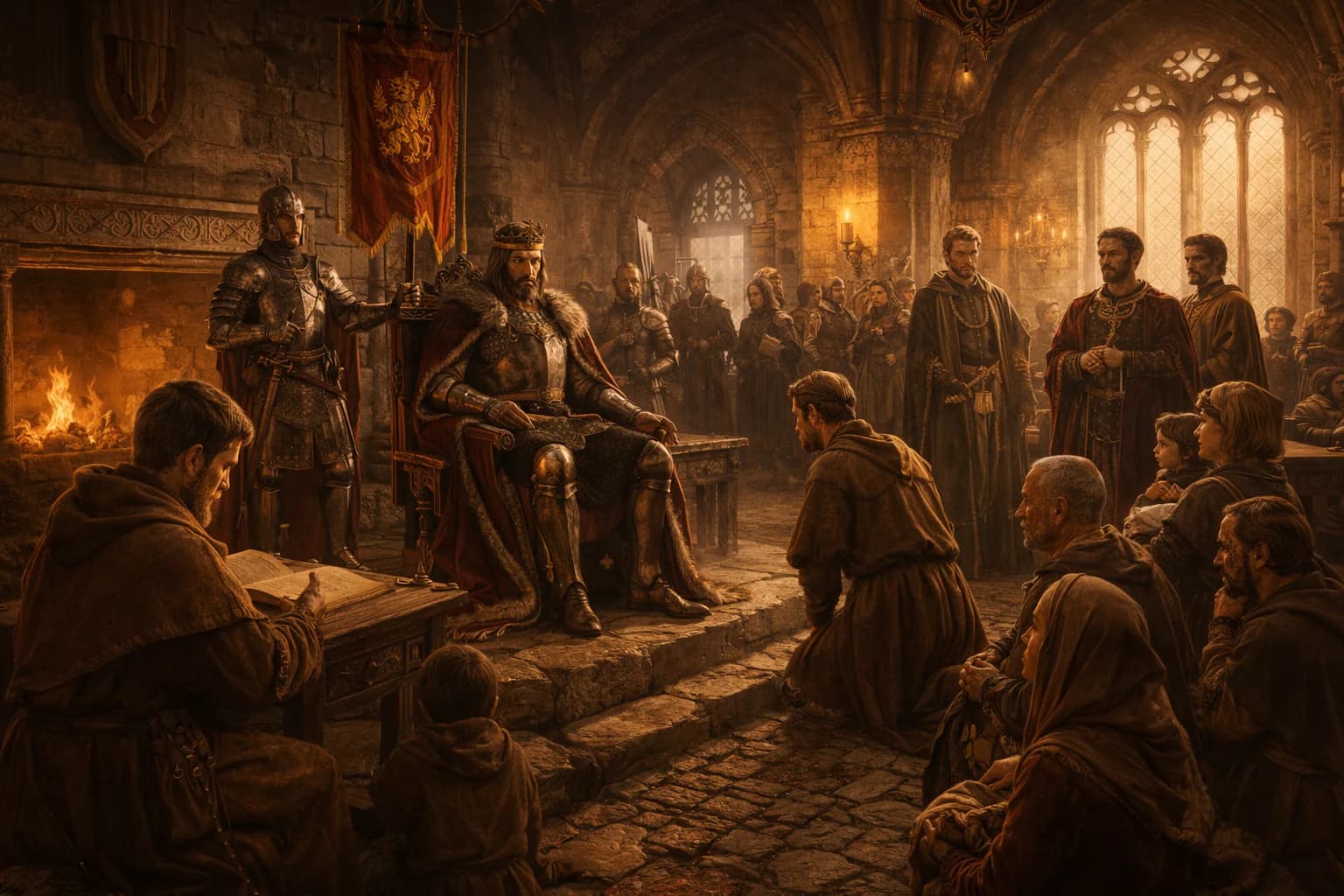
Philip became king in 1180, when he was about fifteen. He had to learn quickly how to survive among princes, bishops and rivals with long experience of power. His most dangerous neighbours were the Angevin rulers, especially Henry II of England and his sons, whose lands stretched across England and much of western France. Philip could not defeat such power by force alone. He used diplomacy, family rivalries, feudal claims and careful timing to turn Angevin strength against itself.

1180s

Rival of the Angevins

The Angevin empire was powerful but unstable because it depended on family cooperation that rarely existed. Henry II, Richard, John and their brothers fought over inheritance and authority. Philip encouraged these divisions when they served French interests. By backing Richard against Henry in the late 1180s, he weakened the old king and prepared the ground for a new rivalry with Richard himself. This was typical of Philip's method: he turned feudal politics into a weapon and made the French crown the patient beneficiary of Angevin conflict.

1188

Takes the cross

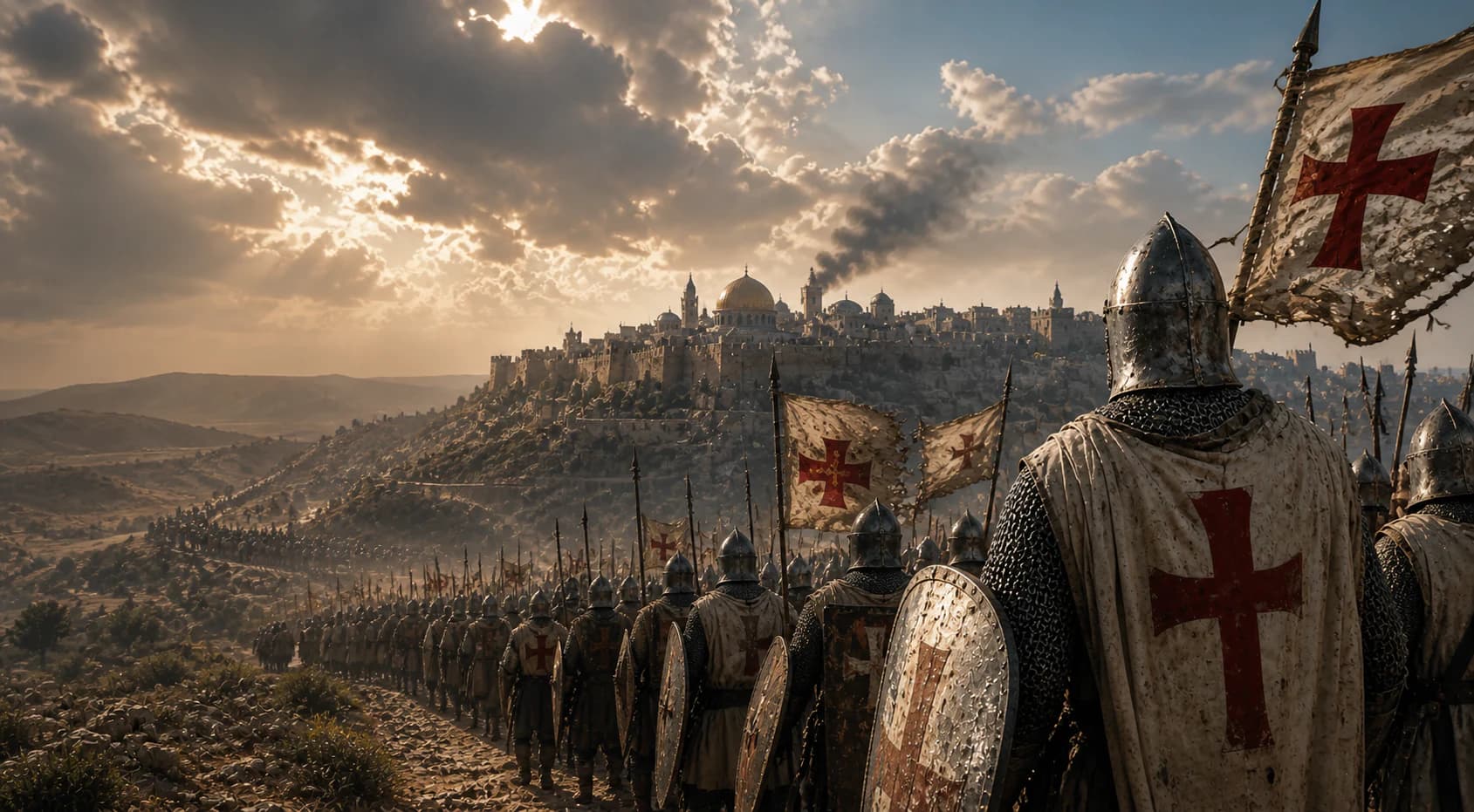
The fall of Jerusalem to Saladin in 1187 created shock across Latin Christendom. Philip took the cross in response, joining the great royal mobilisation that became the Third Crusade. His decision carried religious meaning, but it also unfolded inside European politics. To stay behind while Richard crusaded would have looked weak; to travel together meant managing a dangerous rival far from home. The crusade therefore placed Philip inside a double contest: the struggle for the Holy Land and the struggle for advantage in western Europe.

1191

Acre captured

Philip reached the eastern Mediterranean during the long siege of Acre. The city had become the hinge of the Third Crusade because control of its harbour would determine whether the crusaders could rebuild a foothold on the coast. Philip and Richard both contributed to the pressure that forced Acre's surrender in July 1191. Yet their cooperation was tense. Disputes over status, strategy and the politics of their European lands followed them into the crusading camp. The victory was real, but the alliance behind it remained brittle.

1191

Return to France

Soon after Acre fell, Philip departed for France. Illness was part of the explanation, but politics mattered too. Continuing the crusade risked leaving Richard with the glory while Philip's interests at home waited. His departure angered some contemporaries and later readers, especially because Richard remained to fight Saladin. But Philip's decision fit his kingship. He judged the balance between crusading obligation and Capetian advantage, then chose the arena where he could gain most: France.

1190s-1204

Angevin lands broken

Philip exploited Richard's captivity after the crusade and later John's political failures. The decisive moment came under John, whose alienated vassals and mishandled succession disputes gave Philip legal and military openings. In 1204, Philip conquered Normandy, a transformation in French and English history. Normandy had been tied to the English crown since 1066. Its loss broke the heart of the Angevin continental empire and made the French king far stronger in practice, not only in title.

After 1204

Capetian builder

Philip II's long reign helped turn the Capetian monarchy into a more formidable state. He expanded the royal domain, developed officials who could supervise local government, and made Paris a stronger royal centre. His victory at Bouvines in 1214 confirmed his power against a coalition of enemies and became a landmark in French royal memory. He is often less famous in popular crusading stories than Richard I, but his long-term importance was enormous. Richard won legend; Philip built capacity.

Continue in context

Connected stories

Move from the profile into the wider events and settings this figure belongs to.

Tertiary paths

Content note

This profile is written for educational use and connects to related Stories of History pages. The main portrait is an AI-assisted historical reconstruction, included as an illustrative aid rather than documentary evidence. Image policy

References

Sources & Further Reading

Reliable reference works, archives and reading paths connected to this profile.

Further reading

  1. Encyclopaedia Britannica, Search results for Philip II of France,” accessed June 2026.Open source
  2. WorldCat, Books and library holdings for Philip II of France,” accessed June 2026.Open source

Primary sources

  1. Library of Congress, Search results for Philip II of France,” accessed June 2026.Open source

Reviewed claim sources

Loading reviewed claim sources...

A weekly route through history

Find out first about the latest published stories, feature notes and occasional Premium offers in one weekly email.