People

Nebuchadnezzar II

Nebuchadnezzar II was king of the Neo-Babylonian Empire from 605 to 562 BC. He defeated Egyptian power in Syria, destroyed Jerusalem in 586 BC, deported Judean elites to Babylon, and rebuilt Babylon as one of the ancient world's most spectacular capitals.

Born
630 BCE
Died
562 BCE
Role
King of Babylon

King of Babylon (605-562 BC)

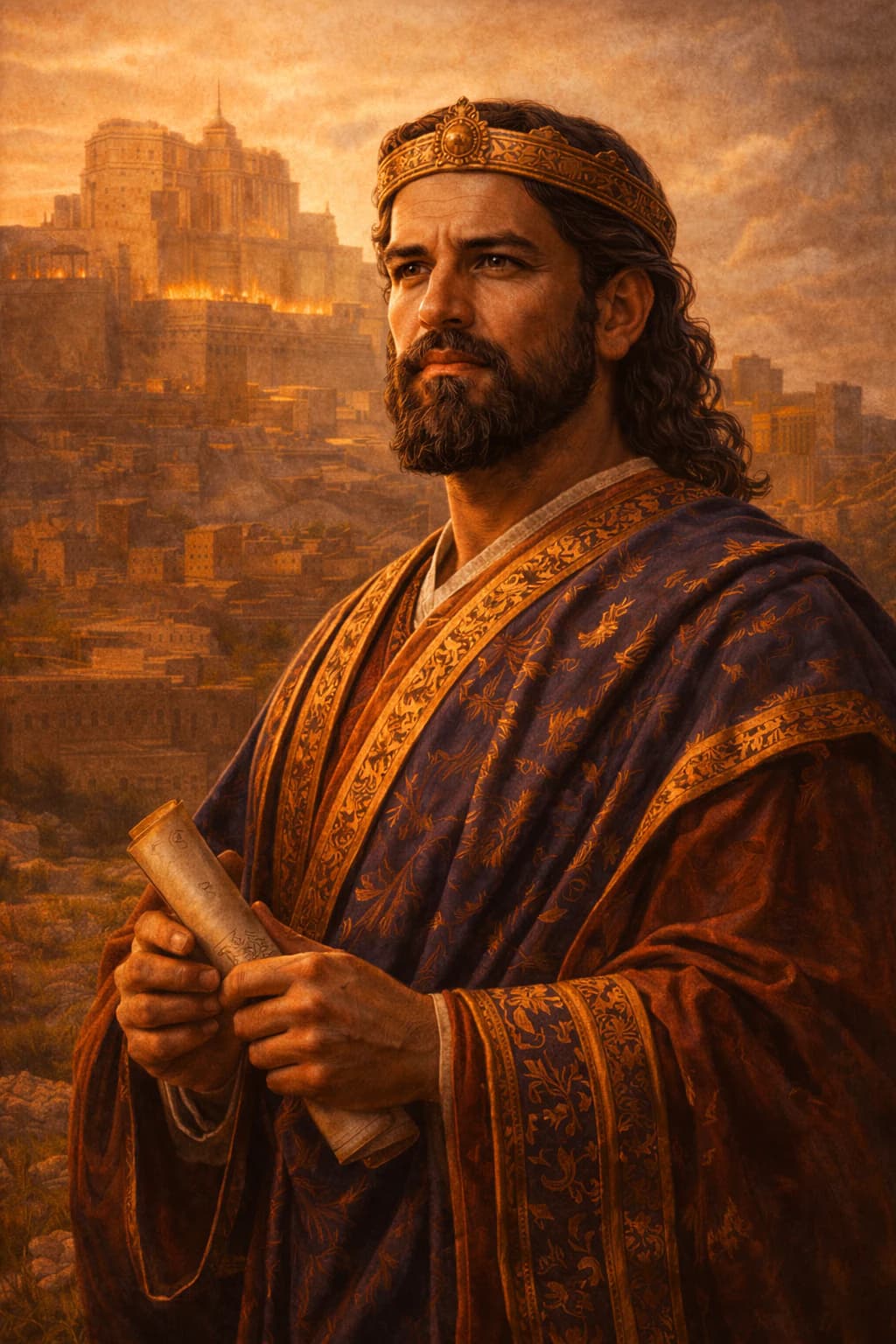
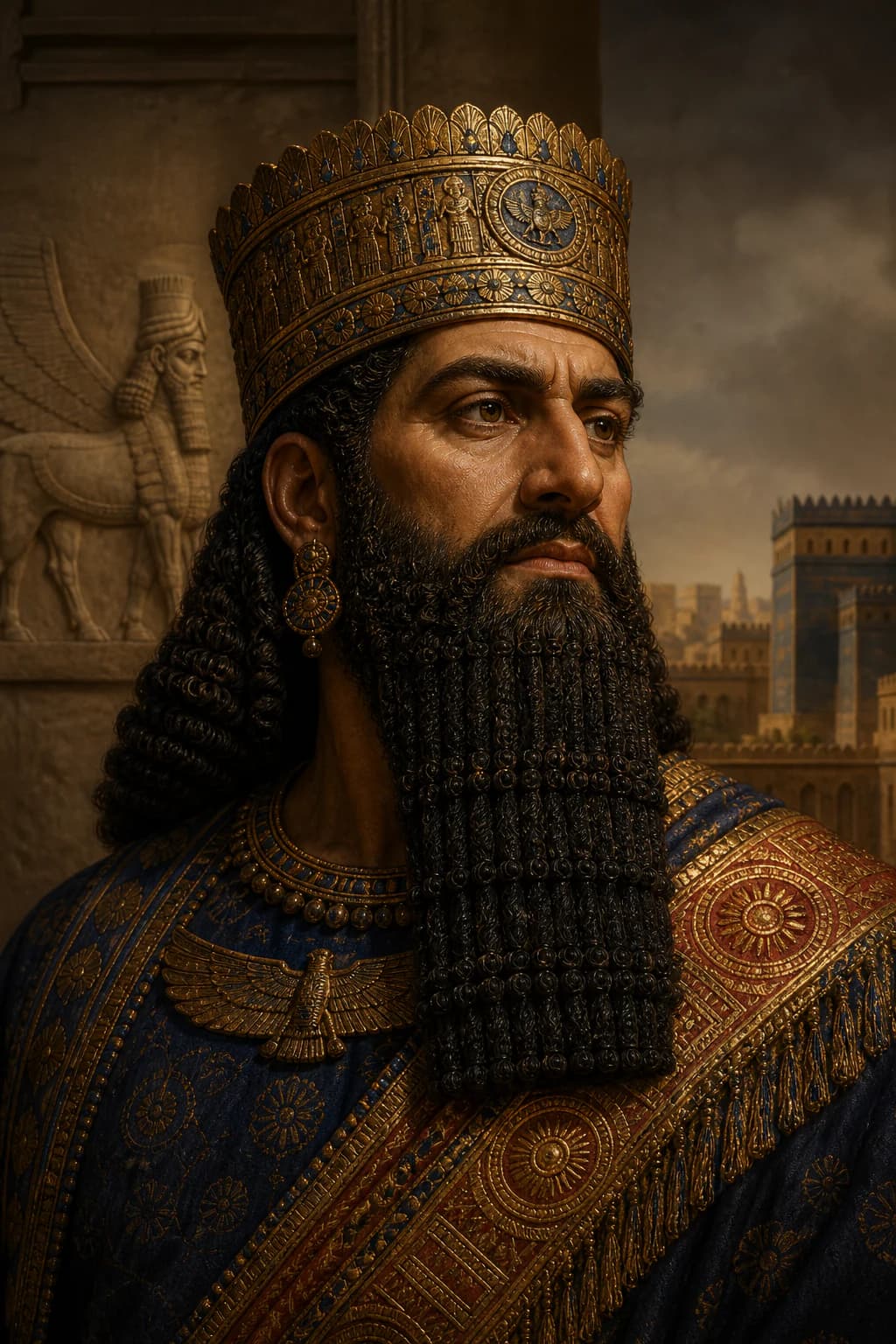
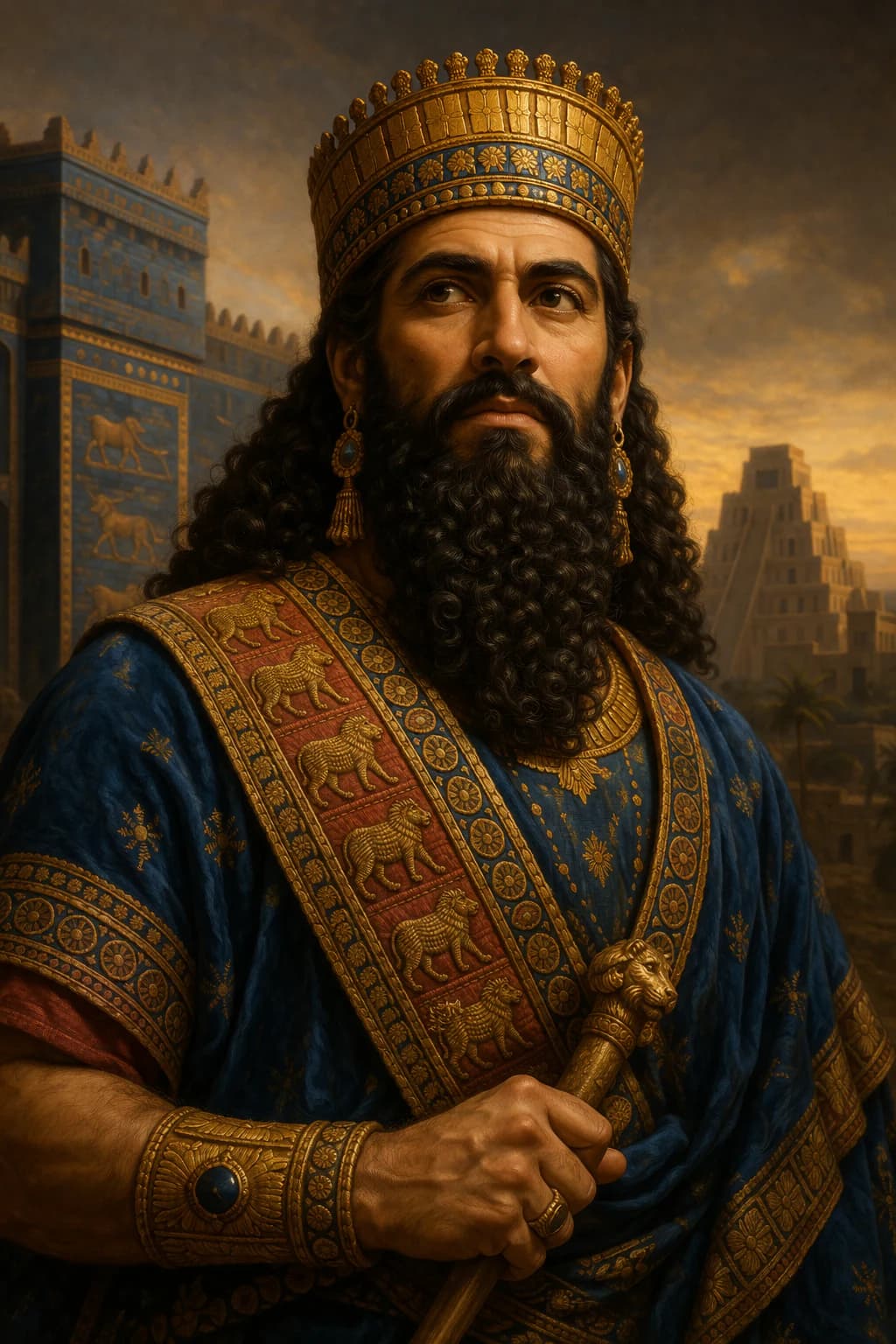
AI-generated portrait of Nebuchadnezzar II before the Ishtar Gate and Babylonian skyline
AI-assisted historical reconstruction

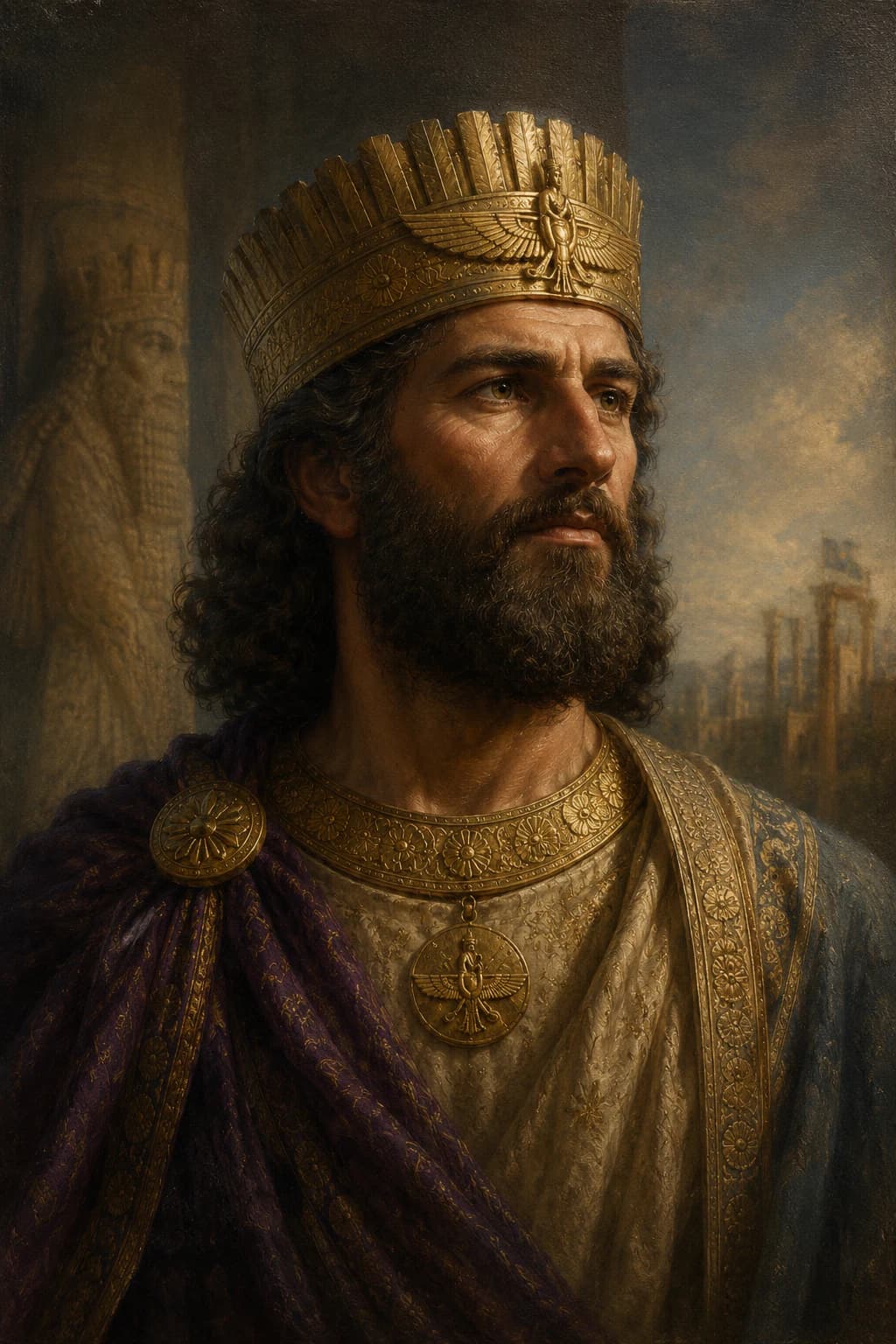
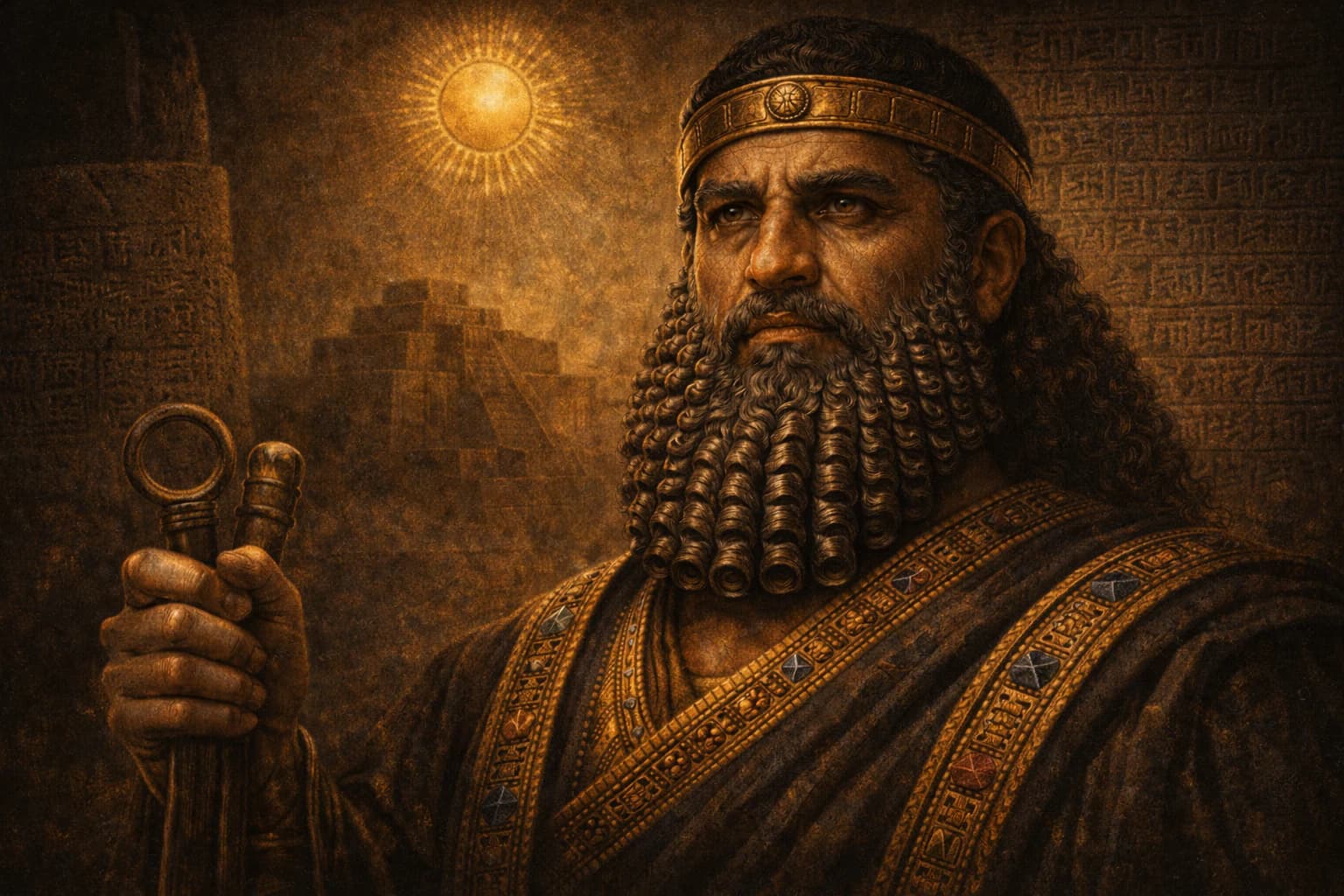
An illustrative reconstruction based on historical context. It is not a photograph or documentary likeness. Image policy

Quick answer

Nebuchadnezzar II was king of the Neo-Babylonian Empire from 605 to 562 BC. He defeated Egyptian power in Syria, destroyed Jerusalem in 586 BC, deported Judean elites to Babylon, and rebuilt Babylon as one of the ancient world's most spectacular capitals.

Born
630 BCE
Died
562 BCE
Role
King of Babylon
Years
630-562 BCE
Quick facts

Profile details

Additional identity and tagging details that are not already covered in the introduction.

Also known as
Nebuchadrezzar II, Nabu-kudurri-usur
Facts

Nebuchadnezzar II timeline facts

Selected specifics from this profile's life story.

c. 630 BC-605 BC
Chaldean prince

Nebuchadnezzar II was born into the Chaldean dynasty founded by Nabopolassar, the ruler who helped bring down the Assyrian Empire and restore Babylonian independence.

597 BC-586 BC
Jerusalem and exile

Nebuchadnezzar besieged Jerusalem twice, deporting elites in 597 BC and destroying the city and First Temple in 586 BC after renewed rebellion.

570s BC-562 BC
Last years

Nebuchadnezzar's long reign gave Babylon unusual stability, but after his death the dynasty weakened quickly and the empire proved fragile.

After 562 BC
Babylon remembered

Nebuchadnezzar II is remembered as conqueror, builder, biblical king, and the ruler who made Babylon a symbol of splendour and domination.

Life Journey

Conquest, exile, and the splendour of Babylon

Follow the story in a more continuous narrative, with a reading mode that matches how much depth you want.

Complete chronology

c. 630 BC-605 BC

Chaldean prince

Nebuchadnezzar II grew up at the moment Babylon returned from subordination to supremacy. His father, Nabopolassar, had broken with Assyria and helped dismantle the old Assyrian imperial order in alliance with the Medes. As crown prince, Nebuchadnezzar learned war in the hard school of late seventh-century Near Eastern politics, where Egypt, Assyria's remnants, the Medes, and the rising Babylonians struggled over Syria and the Euphrates corridor. His name, more accurately rendered Nebuchadrezzar from the Akkadian Nabu-kudurri-usur, invoked the god Nabu and the protection of royal destiny.
605 BC

Victory at Carchemish

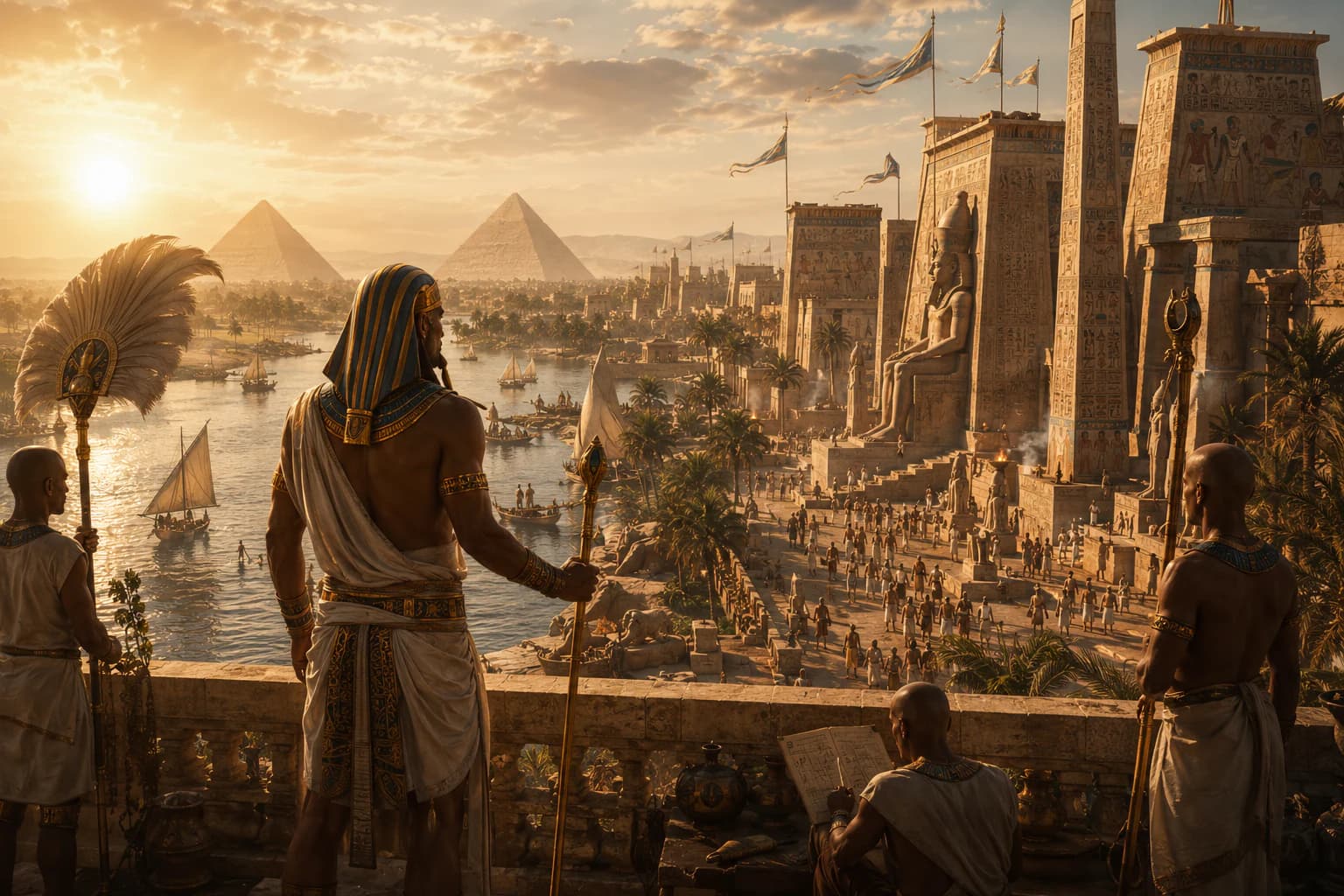
The Battle of Carchemish in 605 BC was the decisive military moment of Nebuchadnezzar's early career. Egyptian forces under Pharaoh Necho II had pushed north to preserve influence in Syria after Assyria's collapse. Nebuchadnezzar met them near Carchemish on the Euphrates and won a crushing victory. The battle shifted the balance of power across the Levant: client kingdoms that had looked to Egypt now had to reckon with Babylon. News of Nabopolassar's death reached Nebuchadnezzar soon afterward, and he returned rapidly to Babylon to claim the throne.

597 BC-586 BC

Jerusalem and exile

Babylonian rule in the west depended on tribute, intimidation, and repeated demonstrations of force. Judah under Jehoiakim initially submitted to Babylon, then rebelled. In 597 BC Nebuchadnezzar besieged Jerusalem, removed King Jehoiachin, installed Zedekiah, and deported members of the royal household, military elite, craftsmen, and administrators to Babylon. When Zedekiah later rebelled with hopes of Egyptian help, Babylon returned. In 586 BC Jerusalem fell, the First Temple was burned, and another wave of deportations followed. For Babylon, it was the suppression of a rebellious vassal; for Judah, it was a religious and political catastrophe that reshaped Jewish history.

6th century BC

Building Babylon

Nebuchadnezzar's Babylon was designed to make empire visible. Inscriptions present him as the restorer of temples, walls, canals, and sacred order. He enlarged the city's fortifications, developed the Processional Way, decorated gateways with glazed brick animals, and lavished attention on Esagila, the temple of Marduk, and the great ziggurat associated with Babylon's cosmic prestige. The famous Ishtar Gate belongs to this world of royal display. The Hanging Gardens were later associated with Nebuchadnezzar, though their existence in Babylon remains debated by scholars.

570s BC-562 BC

Last years

Nebuchadnezzar ruled for more than four decades, an unusually long reign for an ancient Near Eastern monarch. That longevity allowed him to consolidate conquests, manage tribute networks, and stamp his personality onto Babylonian kingship. Yet the system depended heavily on royal authority and dynastic competence. After his death in 562 BC, Babylon passed through rapid succession struggles and weaker rulers. Within a generation, Cyrus the Great of Persia entered Babylon in 539 BC. Nebuchadnezzar's achievements were therefore immense but fragile.

After 562 BC

Babylon remembered

Nebuchadnezzar's legacy is unusually layered. Archaeology reveals a king of vast construction projects and administrative power. Babylonian inscriptions present a pious restorer chosen by Marduk. Biblical tradition remembers him as the destroyer of Jerusalem, the king of exile, and the monarch whose pride could become a moral lesson. Later imagination turned Babylon into a symbol of luxury, oppression, beauty, and divine judgement, with Nebuchadnezzar standing at its centre. Historically, his importance lies in the way he joined military success to cultural projection.

Continue in context

Connected stories

Move from the profile into the wider events and settings this figure belongs to.

Tertiary paths

Content note

This profile is written for educational use and connects to related Stories of History pages. The main portrait is an AI-assisted historical reconstruction, included as an illustrative aid rather than documentary evidence. Image policy

References

Sources & Further Reading

Reliable reference works, archives and reading paths connected to this profile.

Further reading

  1. Encyclopaedia Britannica, Search results for Nebuchadnezzar II,” accessed June 2026.Open source
  2. WorldCat, Books and library holdings for Nebuchadnezzar II,” accessed June 2026.Open source

Primary sources

  1. Library of Congress, Search results for Nebuchadnezzar II,” accessed June 2026.Open source

Reviewed claim sources

Loading reviewed claim sources...

A weekly route through history

Find out first about the latest published stories, feature notes and occasional Premium offers in one weekly email.