← People

Maximilian I

Maximilian I, Holy Roman Emperor (1459–1519) was holy roman emperor. Through marriages, wars and imperial reform, he widened Habsburg ambitions while discovering how firmly princes and cities could limit an emperor’s plans.

Born
1459 CE
Died
1519 CE
Role
Holy Roman Emperor
Full name
Maximilian I, Holy Roman Emperor
Also known as
Emperor Maximilian I

Holy Roman Emperor (1459–1519)

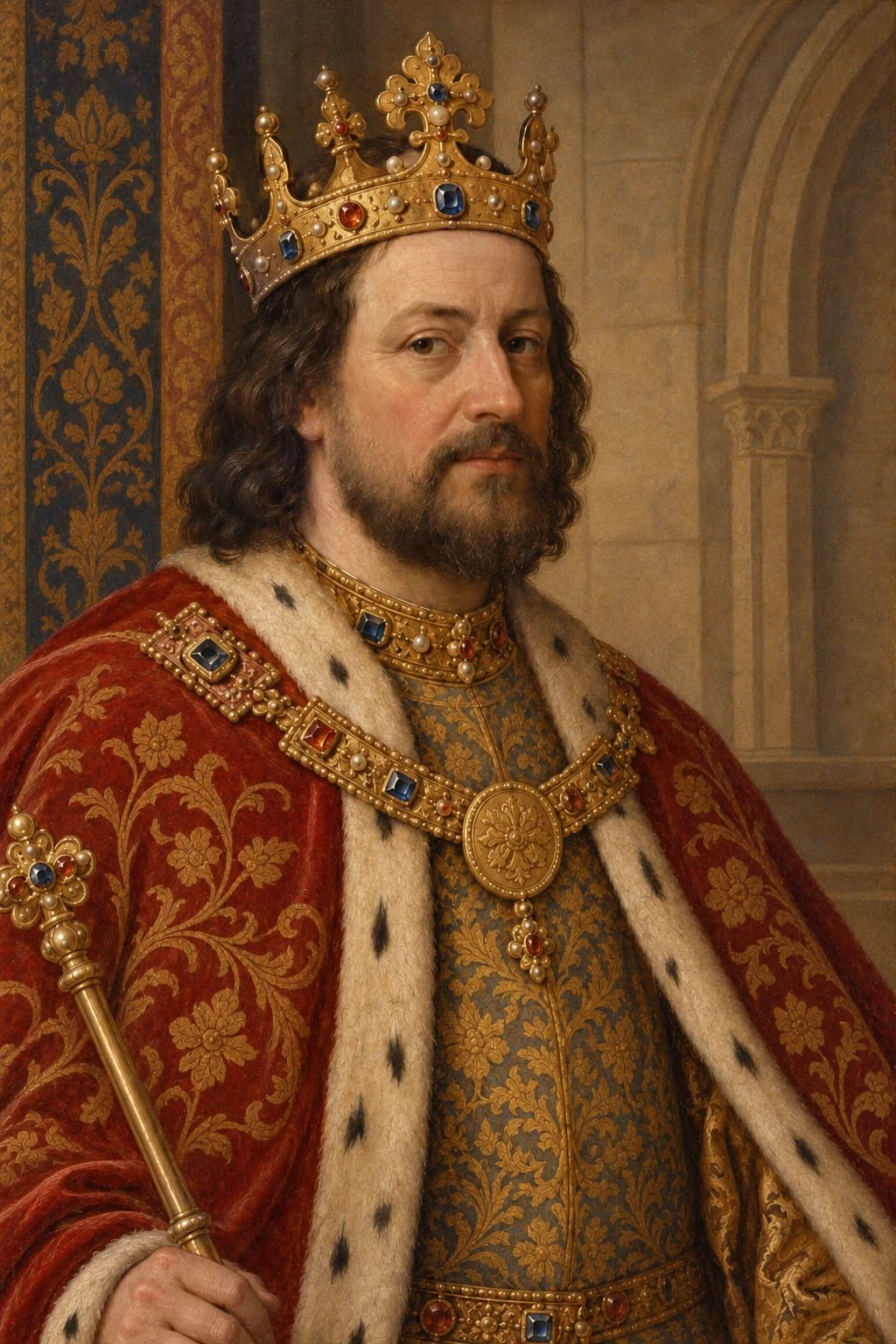
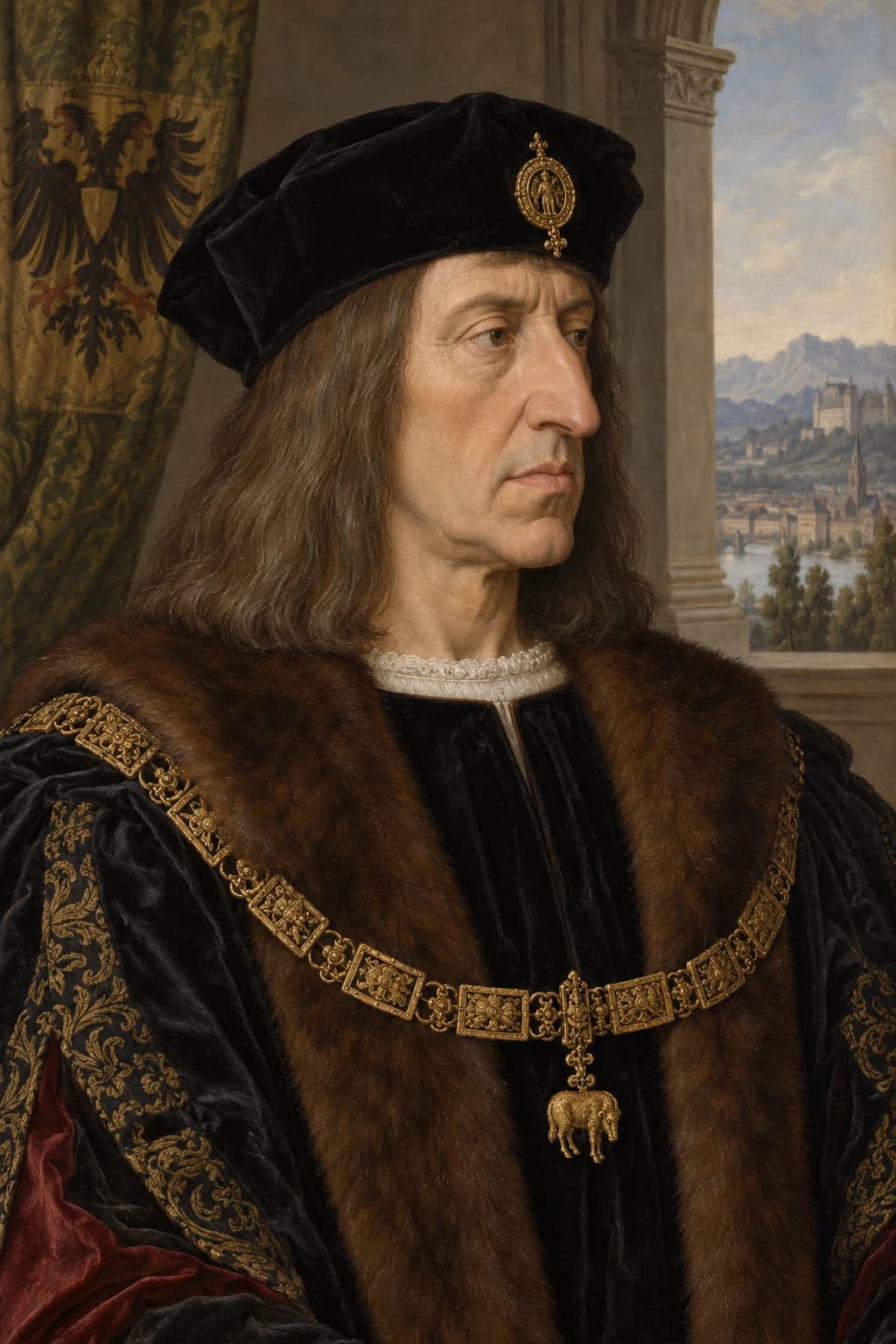
AI-generated portrait of Maximilian I in period clothing; an illustrative historical reconstruction, not a documentary likeness
AI-assisted historical reconstruction

An illustrative reconstruction based on historical context. It is not a photograph or documentary likeness. Image policy Attribution

Life Journey

The emperor who built a dynasty’s future

Follow Maximilian through Burgundy, imperial reform and the marriages that reshaped Habsburg power.

Complete chronology

1459–1476

An imperial childhood

Maximilian grew up within a dynasty whose imperial dignity exceeded its ability to command every territory. The Habsburg lands provided a base, while the empire required cooperation from other rulers. That difference shaped his later career. He pursued ambitious marriages, campaigns and reforms, repeatedly finding that prestige had to be converted into money and practical support.
1477

Marrying Mary of Burgundy

Mary’s father, Charles the Bold, had died in battle, leaving an inheritance coveted by neighbouring powers. The marriage connected Maximilian to prosperous cities and a sophisticated court culture. French claims made the new position insecure from the start. Burgundy was an opportunity that required military defence and negotiation with communities accustomed to protecting their own privileges.

1482–1493

Resistance in the Netherlands

Maximilian sought control over the inheritance of his children Philip and Margaret, but local estates contested his regency and demands. His detention in Bruges exposed the distance between dynastic claims and accepted government. War with France complicated the struggle further. The settlement at Senlis in 1493 preserved much of the inheritance while leaving some French claims recognised.

1486–1493

King of the Romans

Election strengthened Maximilian’s claim to future imperial authority, but did not make the territorial rulers his obedient officials. After Frederick III died, Maximilian managed the Habsburg inheritance alongside wider imperial business. His experiences in the Netherlands encouraged administrative ambitions. Those ambitions had to operate within a realm whose participants expected their rights and voices to remain significant.

1495

Reform at Worms

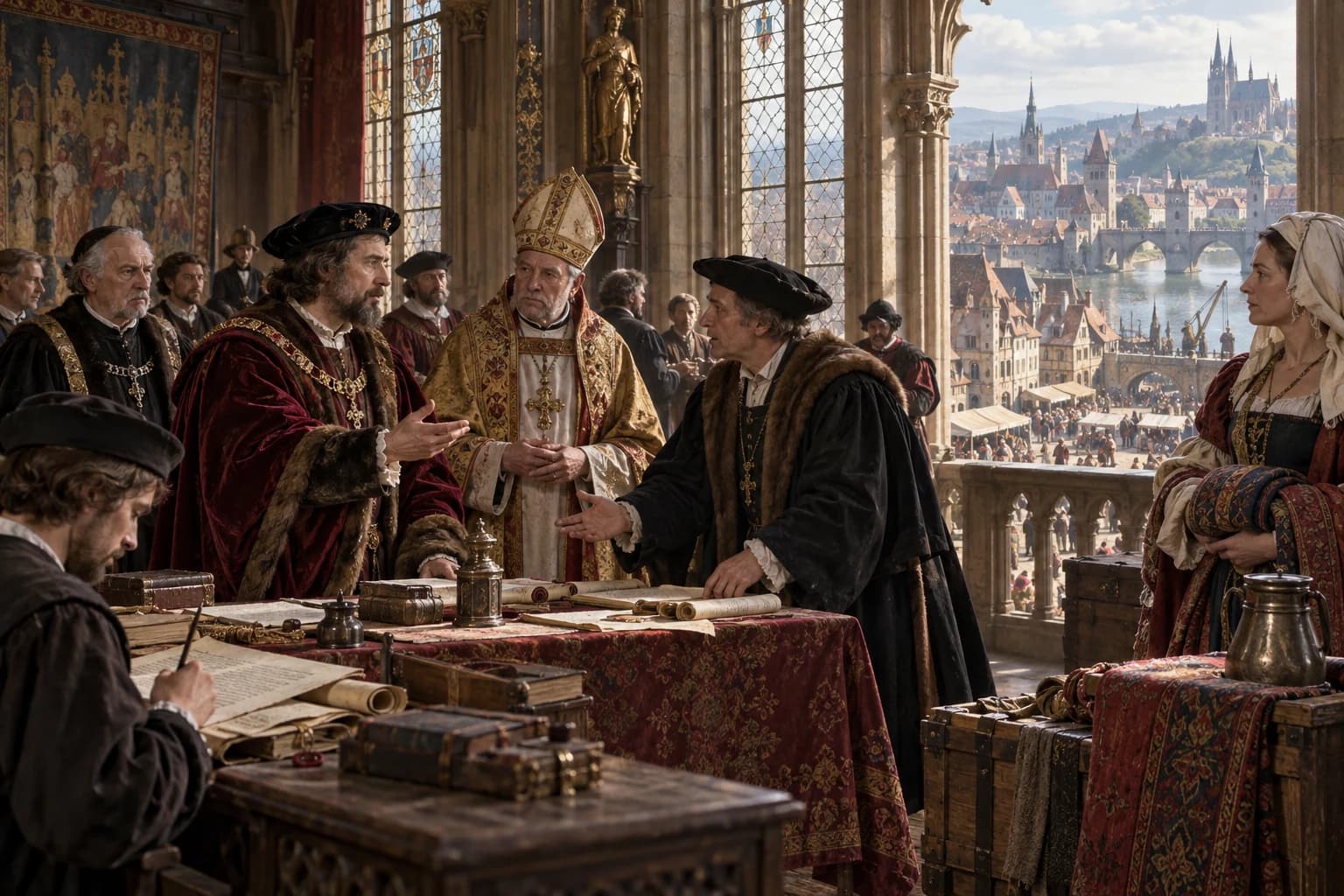
The Worms reforms sought to replace armed self-help with legal remedies and collective enforcement. Establishing the Imperial Chamber Court gave disputes a common setting, while the public peace challenged the practice of private warfare. These were negotiated changes, not simply imperial commands. The estates wanted institutions that could protect them as well as support the ruler.

1490s–1510s

The problem of paying for power

The Common Penny attempted to raise revenue across the empire, but proved difficult to sustain. Maximilian’s campaigns also depended on credit and bargaining for resources. Administrative reform in the Habsburg lands could go further than reform across the empire as a whole. His financial difficulties reveal why grand political projects often exceeded the means available to implement them.

1508

Emperor without a Roman coronation

The arrangement at Trent in 1508 changed how imperial dignity could be claimed. Maximilian did not receive a papal coronation in Rome, but obtained recognition for the elected imperial title. Military obstruction had prompted a constitutional adaptation. The episode shows that the empire’s traditions could change when preserving the ruler’s status required a workable alternative.

1490s–1515

A dynasty’s marriages and memories

The marriages of his children and grandchildren connected the dynasty to Spain and to claims in central Europe. Their eventual consequences depended on later deaths and successions, not a guaranteed plan. Meanwhile, portraits, illustrated books and monumental projects presented Maximilian as an exemplary ruler. Dynastic calculation and cultural patronage worked together to make his family’s authority appear enduring.

1519

An inheritance larger than the ruler

Maximilian left outstanding debts alongside strengthened Habsburg connections and imperial institutions. Charles’s election still required political support; the crown did not pass automatically through the family. The later scale of Habsburg power owed much to Maximilian’s efforts, but also to developments beyond his control. His career joins deliberate ambition with the unpredictability of inheritance.

Continue in context

Connected stories

Move from the profile into the wider events and settings this figure belongs to.

Tertiary paths

Content note

This profile is written for educational use and connects to related Stories of History pages. The main portrait is an AI-assisted historical reconstruction, included as an illustrative aid rather than documentary evidence. Image policy Image attribution

References

Sources & Further Reading

Reliable reference works, archives and reading paths connected to this profile.

Sources used

  1. Die Welt der Habsburger, “The last knight: Maximilian I,” accessed 2 October 2026.

    Life, royal election, imperial title and the limits of government.

    Open source
  2. Die Welt der Habsburger, “Maximilian and the Burgundian inheritance,” accessed 2 October 2026.

    Marriage, resistance in the Netherlands and the French conflict.

    Open source
  3. Die Welt der Habsburger, “Maximilian and the Habsburg matrimonial policy,” accessed 2 October 2026.

    Dynastic alliances and their longer consequences.

    Open source
  4. German Historical Institute / GHDI, “Imperial Reform (1495),” accessed 2 October 2026.

    Public peace, court and the limits of fiscal reform.

    Open source
  5. Die Welt der Habsburger, “Maximilian I: art in the service of politics,” accessed 2 October 2026.

    Artistic patronage and the construction of royal memory.

    Open source

Further reading

  1. Encyclopaedia Britannica, “Search results for Maximilian I,” accessed June 2026.Open source
  2. WorldCat, “Books and library holdings for Maximilian I,” accessed June 2026.Open source

Primary sources

  1. Library of Congress, “Search results for Maximilian I,” accessed June 2026.Open source

Reviewed claim sources

Loading reviewed claim sources...

A monthly route through history

Find out first about the latest published stories, feature notes and occasional Premium offers in one monthly email.