← People

Matilda of Tuscany

Matilda of Tuscany (c. 1046–1115) was countess and territorial ruler. A powerful Italian ruler whose castles, resources and alliances sustained the papal cause, she made Canossa the setting of a confrontation without surrendering her own political importance.

Born
c. 1046 CE
Died
1115 CE
Role
Countess and territorial ruler
Also known as
Matilda of Canossa, Matilde di Canossa

Countess and territorial ruler (c. 1046–1115)

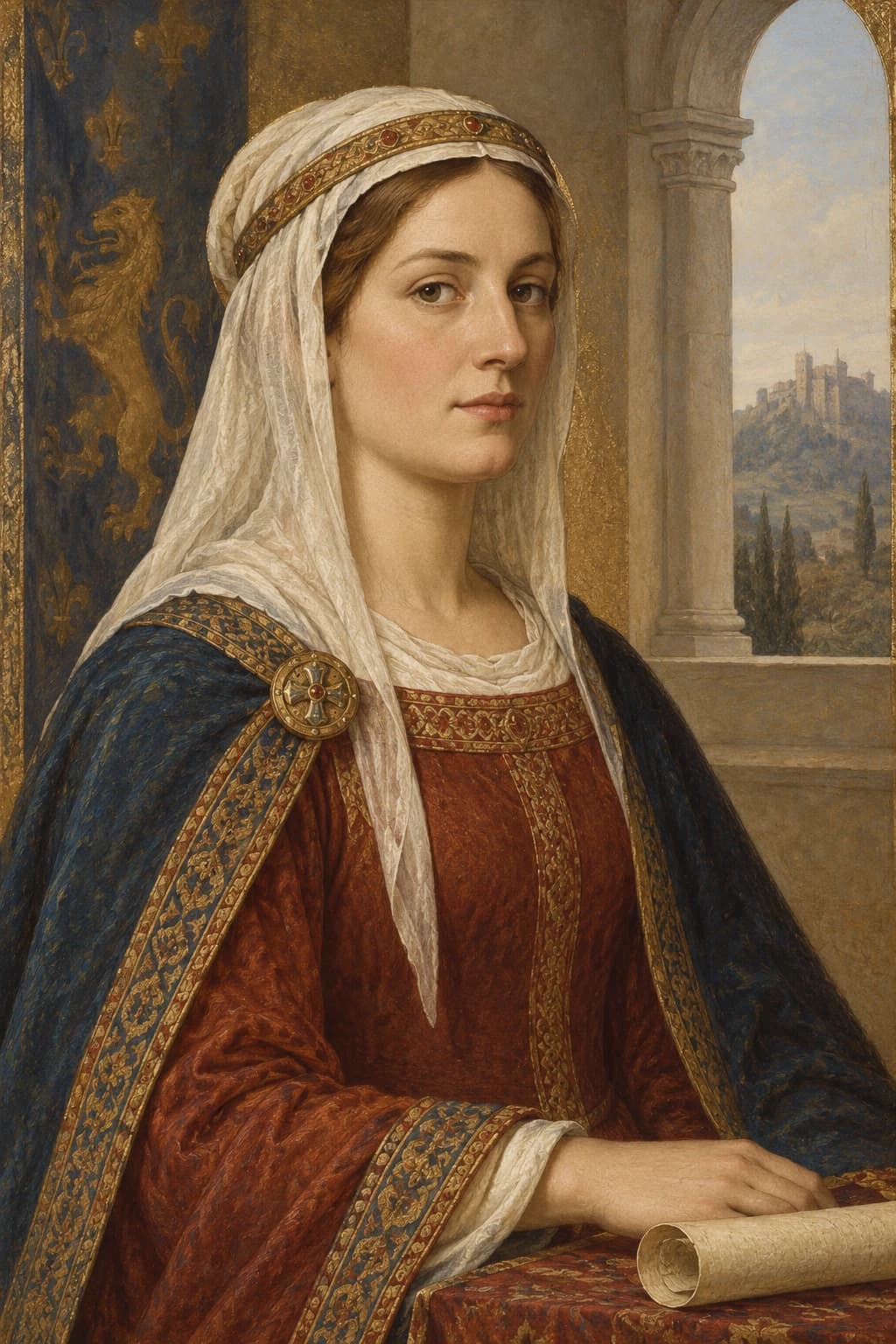
AI-generated portrait of Matilda of Tuscany in period clothing; an illustrative historical reconstruction, not a documentary likeness
AI-assisted historical reconstruction

An illustrative reconstruction based on historical context. It is not a photograph or documentary likeness. Image policy Attribution

Life Journey

The countess whose lands stood between pope and emperor

Follow Matilda through inheritance, contested authority and the long struggle over church power.

Complete chronology

c. 1046–1055

Born into a powerful house

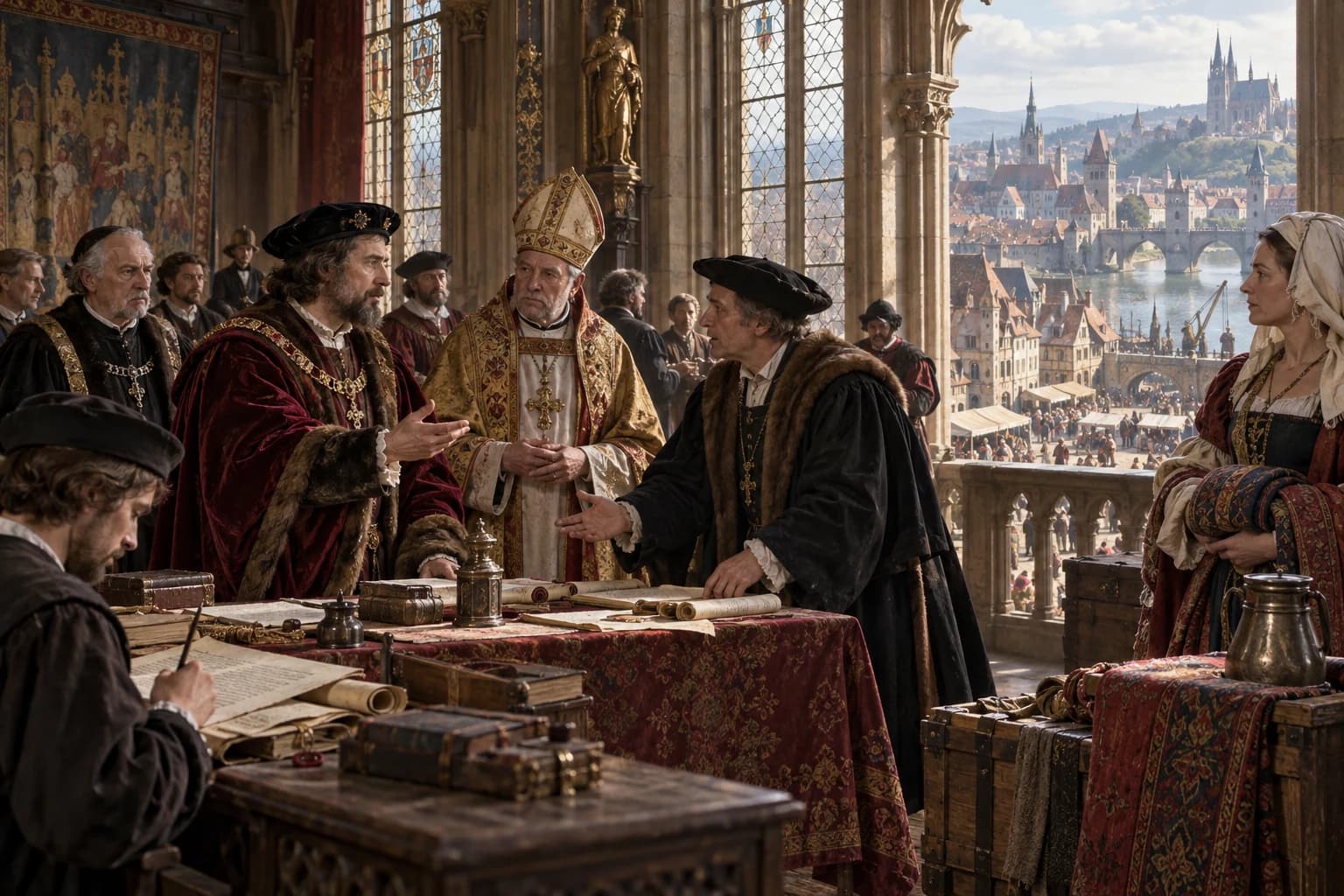
Matilda’s father Boniface held extensive lands and the Tuscan march, while her mother Beatrice brought links to the nobility of Lorraine. After the deaths of close family members, the survival of this inheritance centred increasingly on Matilda. Its strategic position made it valuable to rulers travelling between the German kingdom and Rome.
1050s–1060s

Learning under Beatrice

Beatrice’s remarriage to Godfrey of Lorraine was part of the effort to protect the family’s interests. Imperial suspicion made these arrangements politically dangerous. Matilda’s upbringing also connected her to religious learning and patronage. The resources she later supplied to the papacy grew from this experience of territorial government and the defence of inherited rights.

1069–1071

Marriage and competing interests

Godfrey belonged to the Lorraine family with which Beatrice had allied the Canossa inheritance. Marriage joined their claims, but Matilda’s interests remained centred on Italy while his responsibilities lay farther north. Their separation exposed the limits of a dynastic arrangement. Her position cannot be explained simply through her husbands; she retained her own lands, obligations and political choices.

1076

Taking responsibility for the lands

Matilda had already participated in the family’s government before 1076. The loss of Beatrice removed a close partner in managing its territories and religious connections. As the dispute between Gregory VII and Henry IV intensified, Matilda could offer the pope protection, money and access to strategically placed castles. Her support carried practical weight beyond personal devotion.

1077

The meeting at Canossa

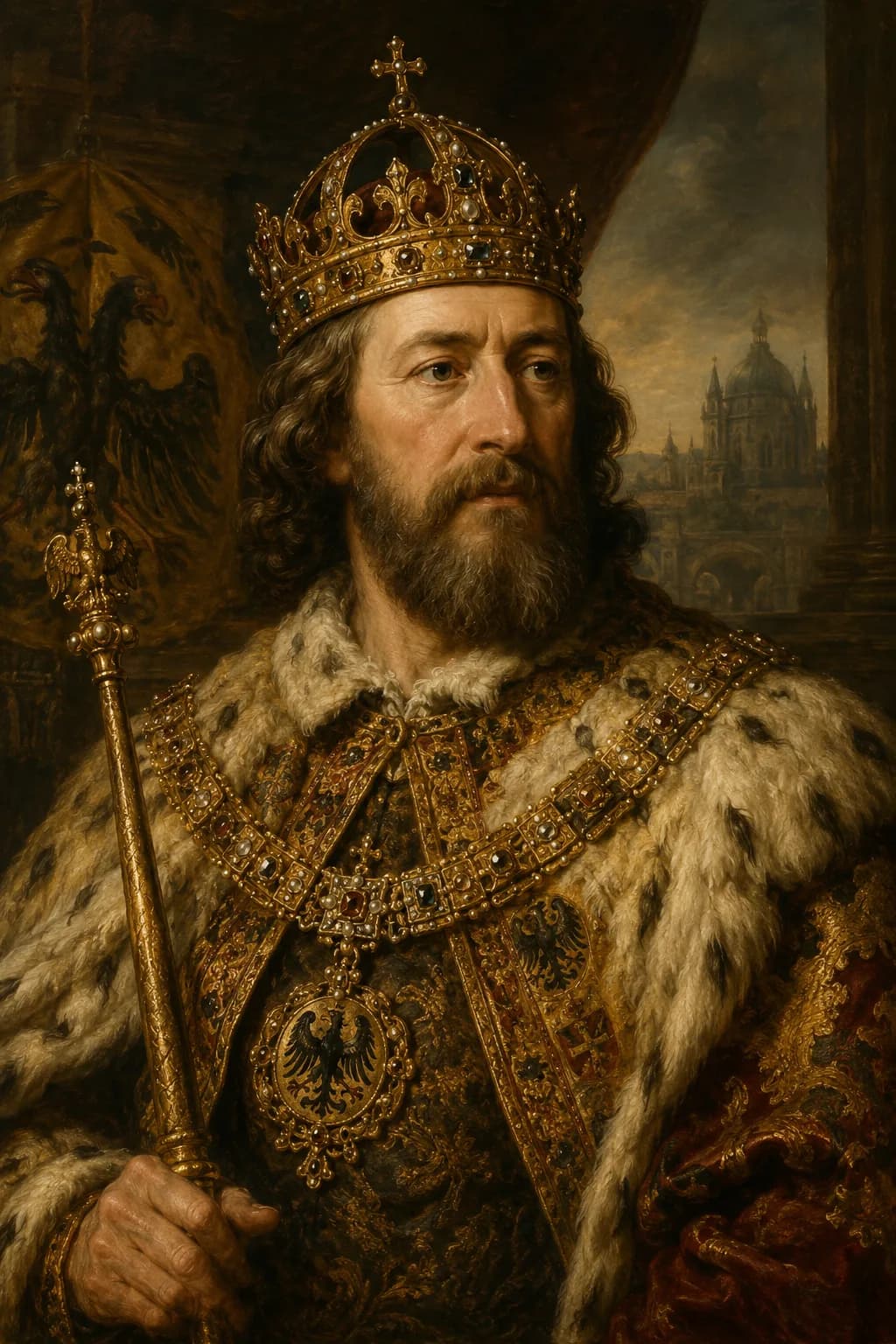
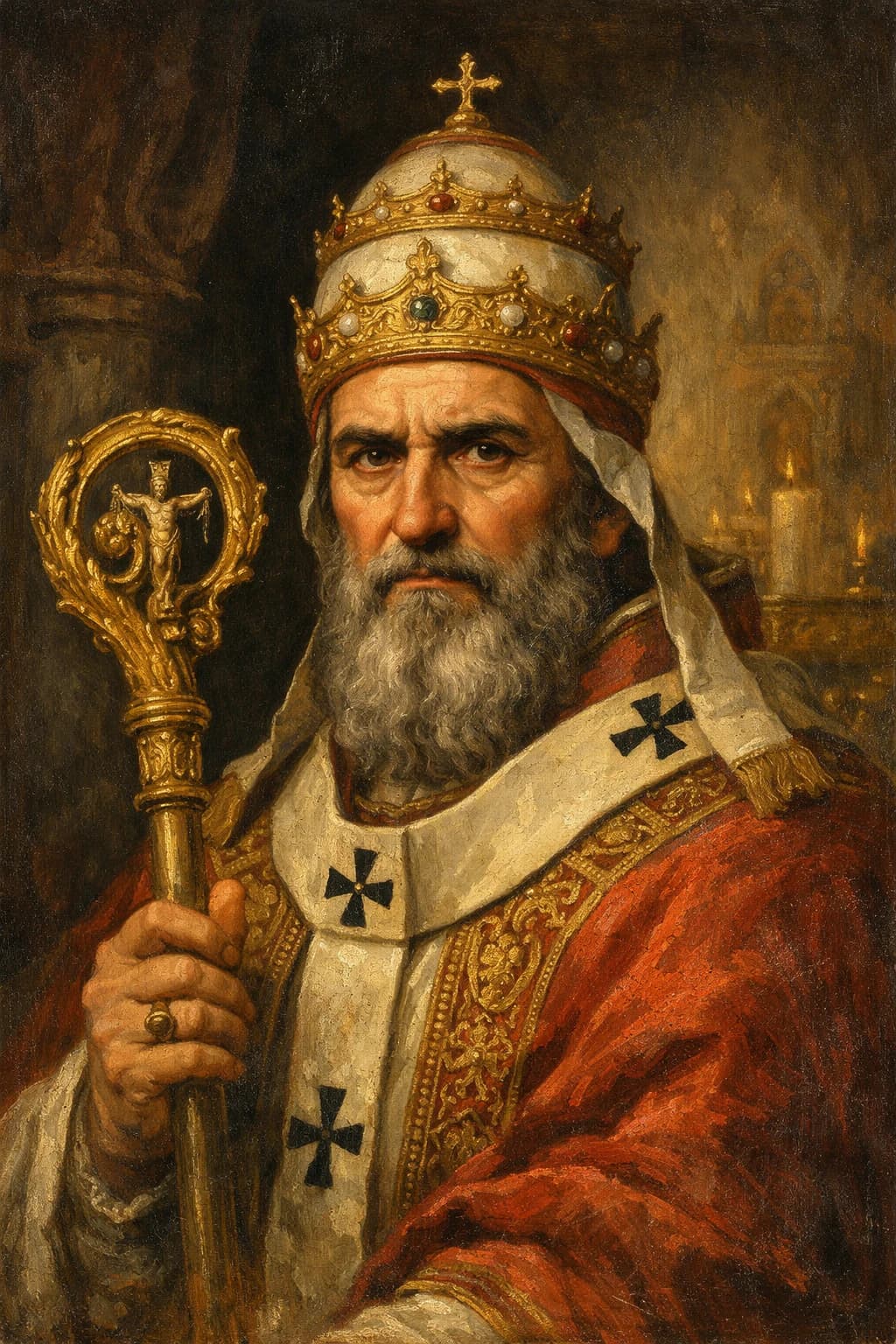
Canossa was a place of political protection as well as penance. Gregory’s presence depended on Matilda’s hospitality and position in northern Italy. She participated in efforts to bring Henry and the pope to an agreement, rather than merely providing the scenery for two famous men. The lifting of Henry’s excommunication settled the immediate spiritual issue without ending their conflict.

1080s

Defending the papal cause

Henry’s renewed confrontation with Gregory brought war into the Italian territories on which Matilda’s authority rested. She lost ground but maintained a network of supporters and strongholds. Describing her as a warrior must not turn uncertain accounts into a claim that she personally fought every battle. Her clear importance lay in organising and sustaining resistance.

1089–1095

An alliance that failed

The marriage linked Matilda’s Italian resources to a dynasty involved in imperial rivalry north of the Alps. It was an attempt to turn shared opposition into a stronger political position. Age, inheritance and differing expectations complicated the arrangement, and the couple separated. Matilda’s survival continued to depend on the management of her own territories and allies.

1111

Reconciliation with Henry V

The succession of Henry V changed the political setting in which Matilda operated. Their meeting in 1111 produced a reconciliation and recognition of her standing. It did not remove every dispute over church authority or clarify all future claims to her possessions. It showed that a territorial ruler could adjust her relationships while preserving the importance of her own position.

1115 and after

An inheritance argued over

Matilda’s patronage supported churches and monasteries as well as the papal cause. Her death in 1115 opened disputes over possessions subject to different rights, including imperial claims and gifts associated with the papacy. Later commemoration made her a celebrated defender of the Church. Her career also reveals the scope for female authority within medieval aristocratic politics.

Continue in context

Connected stories

Move from the profile into the wider events and settings this figure belongs to.

Tertiary paths

Content note

This profile is written for educational use and connects to related Stories of History pages. The main portrait is an AI-assisted historical reconstruction, included as an illustrative aid rather than documentary evidence. Image policy Image attribution

References

Sources & Further Reading

Reliable reference works, archives and reading paths connected to this profile.

Sources used

  1. Treccani, Dizionario Biografico degli Italiani, “Matilde di Canossa,” accessed 2 October 2026.

    Family, marriages, political and military chronology, and contested inheritance.

    Open source
  2. Encyclopedia.com / Women in World History, “Matilda of Tuscany (1046–1115),” accessed 2 October 2026.

    Education, patronage and political context; uncertain details omitted.

    Open source
  3. Encyclopedia.com / biographical and Catholic encyclopedias, “Matilda of Tuscany,” accessed 2 October 2026.

    Canossa, papal support and later reconciliation.

    Open source
  4. Reggio Emilia tourism, “Matilda of Canossa,” accessed 2 October 2026.

    Regional setting and the continuing importance of Canossa.

    Open source

Further reading

  1. Encyclopaedia Britannica, “Search results for Matilda of Tuscany,” accessed June 2026.Open source
  2. WorldCat, “Books and library holdings for Matilda of Tuscany,” accessed June 2026.Open source

Primary sources

  1. Library of Congress, “Search results for Matilda of Tuscany,” accessed June 2026.Open source

Reviewed claim sources

Loading reviewed claim sources...

A monthly route through history

Find out first about the latest published stories, feature notes and occasional Premium offers in one monthly email.