People

Henry IV

Henry IV, Holy Roman Emperor, ruled during the Investiture Controversy. His conflict with Pope Gregory VII over the appointment of bishops led to excommunication, penance at Canossa in 1077, civil war, and a lasting redefinition of church-state relations in medieval Europe.

Born
1050 CE
Died
1106 CE
Role
Holy Roman Emperor

Holy Roman Emperor (1050-1106)

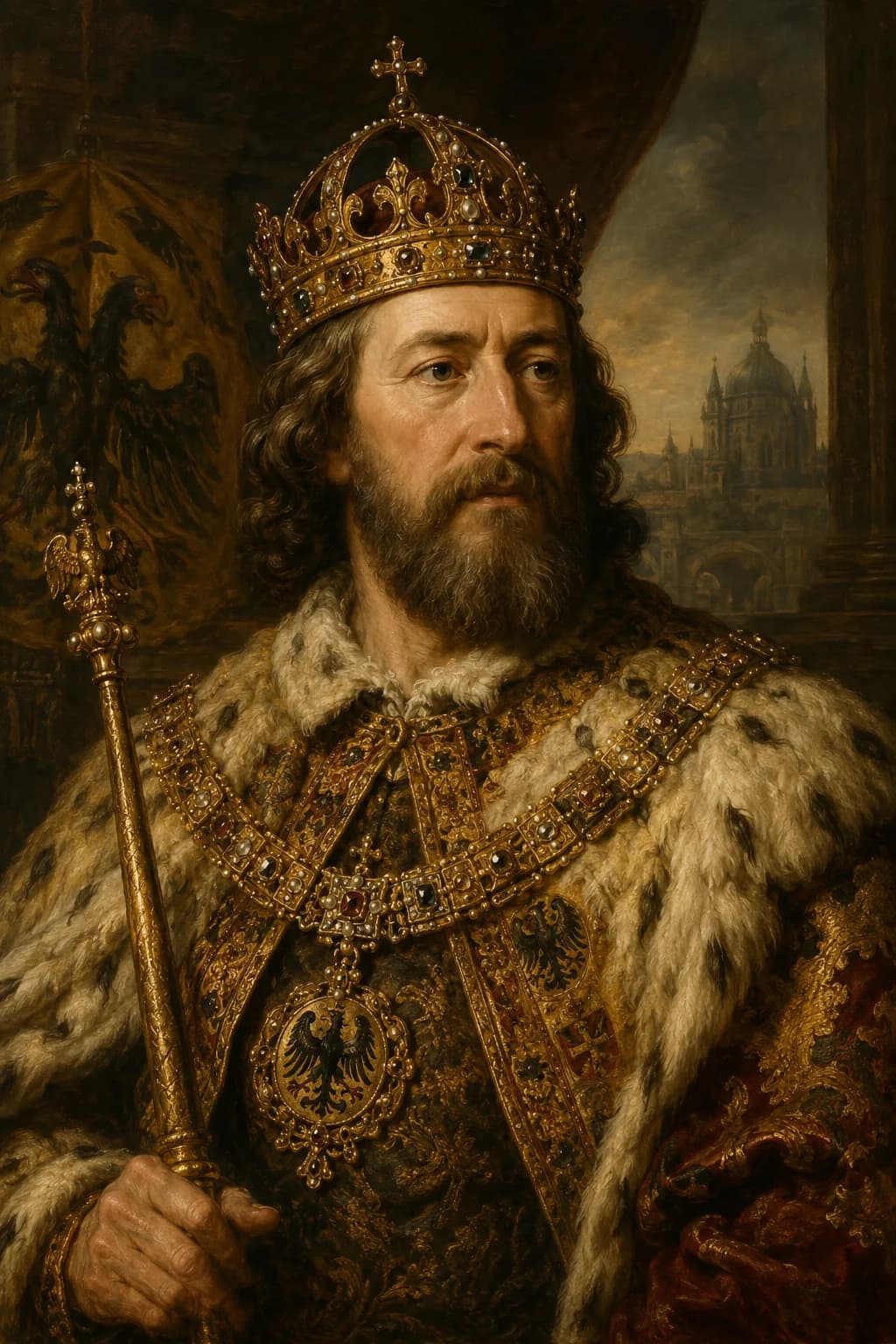
AI-generated portrait of Henry IV, Holy Roman Emperor, holding an imperial sceptre
AI-assisted historical reconstruction

An illustrative reconstruction based on historical context. It is not a photograph or documentary likeness. Image policy

Quick answer

Henry IV, Holy Roman Emperor, ruled during the Investiture Controversy. His conflict with Pope Gregory VII over the appointment of bishops led to excommunication, penance at Canossa in 1077, civil war, and a lasting redefinition of church-state relations in medieval Europe.

Born
1050 CE
Died
1106 CE
Role
Holy Roman Emperor
Years
1050-1106 CE
Quick facts

Profile details

Additional identity and tagging details that are not already covered in the introduction.

Full name
Henry IV, Holy Roman Emperor
Also known as
Heinrich IV, Henry IV of Germany
Facts

Henry IV timeline facts

Selected specifics from this profile's life story.

1050-1065
Child king

Henry IV became king of the Germans as a child, inheriting a realm where princes, bishops, and royal advisers competed for influence.

1075-1076
Investiture crisis

Henry rejected Gregory VII's attack on lay investiture and backed German bishops who declared the pope deposed.

1077
Canossa

Henry crossed the Alps and performed public penance before Gregory VII at Canossa, forcing the pope to lift his excommunication.

1080-1106
Imperial revenge

Henry recovered, installed an antipope, was crowned emperor, and continued to struggle against princes and reformers until late in his reign.

Life Journey

The emperor at Canossa

Follow Henry IV from child king to the crisis that made papal and imperial power collide.

Complete chronology

1050-1065

Child king

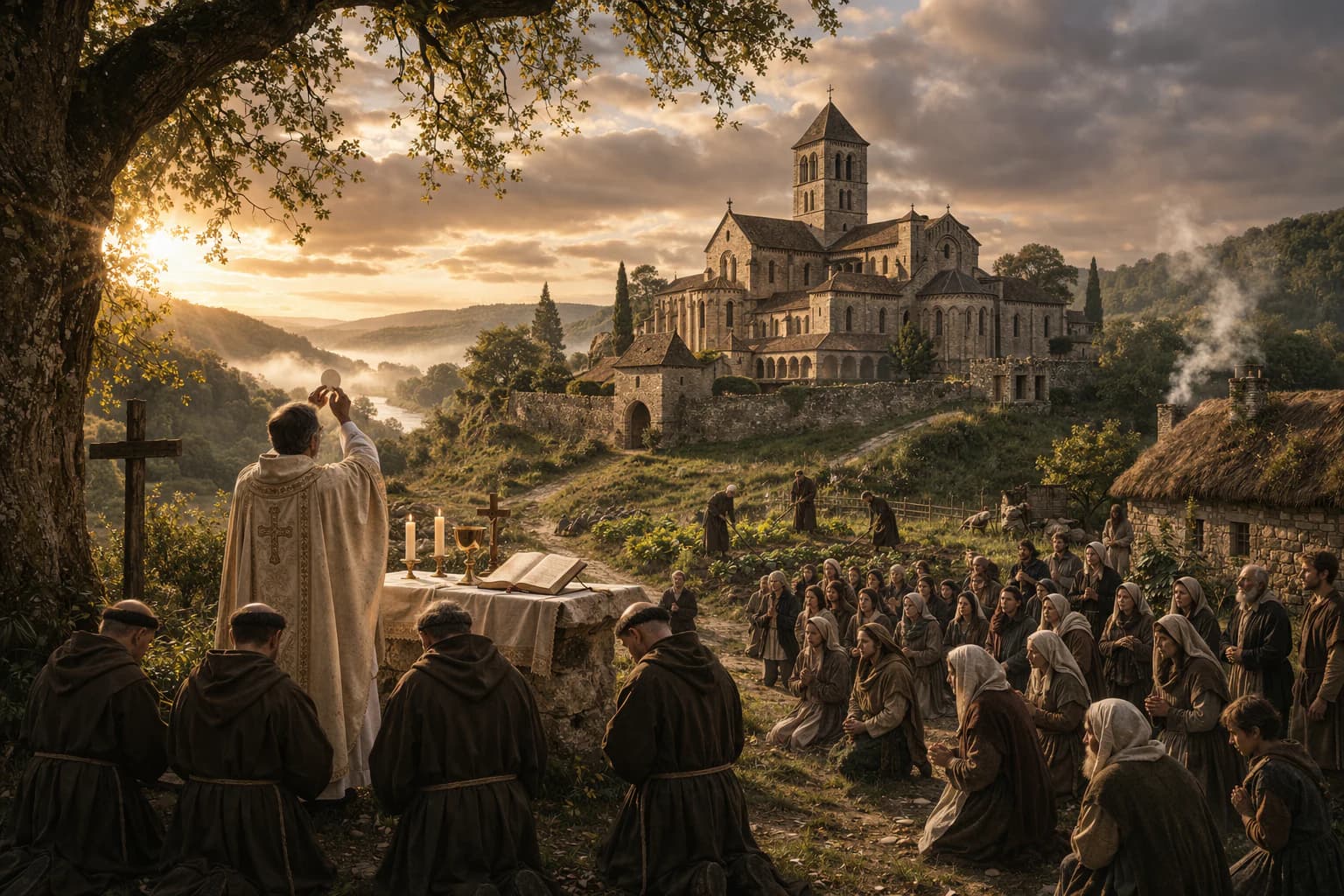
Henry IV was born in 1050 into the Salian dynasty and became king while still a child after the death of his father, Henry III. Minority rule made his kingship vulnerable from the beginning. Great nobles and churchmen competed to control royal policy, while the German monarchy depended heavily on bishops as administrators, landholders, and political partners. That dependence explains why the later dispute over appointing bishops was not a technical church quarrel. It touched the machinery by which the German kingdom was governed.
1075-1076

Investiture crisis

When Gregory VII pressed reform claims against lay investiture, Henry treated the challenge as a direct assault on royal government. Bishops in Germany were not only pastors; they held lands, courts, and military obligations. Henry convened a synod at Worms in 1076 that declared Gregory deposed. Gregory responded by excommunicating Henry and releasing his subjects from loyalty to him. The theological penalty became a political emergency because German princes already had reasons to resist royal power.

1077

Canossa

Henry's journey to Canossa in January 1077 became one of medieval Europe's most memorable political images. Facing rebellion in Germany, he crossed the Alps in winter and appeared as a penitent before Gregory VII, who was staying at the castle of Canossa. Gregory could not refuse absolution to a ruler performing penance without undermining his own spiritual authority. Henry regained access to the sacraments and weakened the immediate case against him, though the larger conflict continued.

1080-1106

Imperial revenge

Canossa did not end Henry's conflict with Gregory. Henry eventually defeated rival claimants in Germany, marched on Rome, backed the antipope Clement III, and received the imperial crown from him in 1084. Gregory died in exile the following year. Henry's later reign remained troubled by noble rebellion and conflict with his own son, but the dispute he embodied outlived him. The Investiture Controversy was formally settled only in 1122 by the Concordat of Worms, long after both Henry and Gregory were dead.

Continue in context

Connected stories

Move from the profile into the wider events and settings this figure belongs to.

Tertiary paths

Content note

This profile is written for educational use and connects to related Stories of History pages. The main portrait is an AI-assisted historical reconstruction, included as an illustrative aid rather than documentary evidence. Image policy

References

Sources & Further Reading

Reliable reference works, archives and reading paths connected to this profile.

Further reading

  1. Encyclopaedia Britannica, Search results for Henry IV,” accessed June 2026.Open source
  2. WorldCat, Books and library holdings for Henry IV,” accessed June 2026.Open source

Primary sources

  1. Library of Congress, Search results for Henry IV,” accessed June 2026.Open source

Reviewed claim sources

Loading reviewed claim sources...

A weekly route through history

Find out first about the latest published stories, feature notes and occasional Premium offers in one weekly email.