People

Alexander I

King Alexander I of Yugoslavia ruled the interwar kingdom, imposed a royal dictatorship in 1929, renamed the state Yugoslavia, and was assassinated in Marseille in 1934.

Born
1888 CE
Died
1934 CE
Role
King of Yugoslavia

King of Yugoslavia (1888-1934)

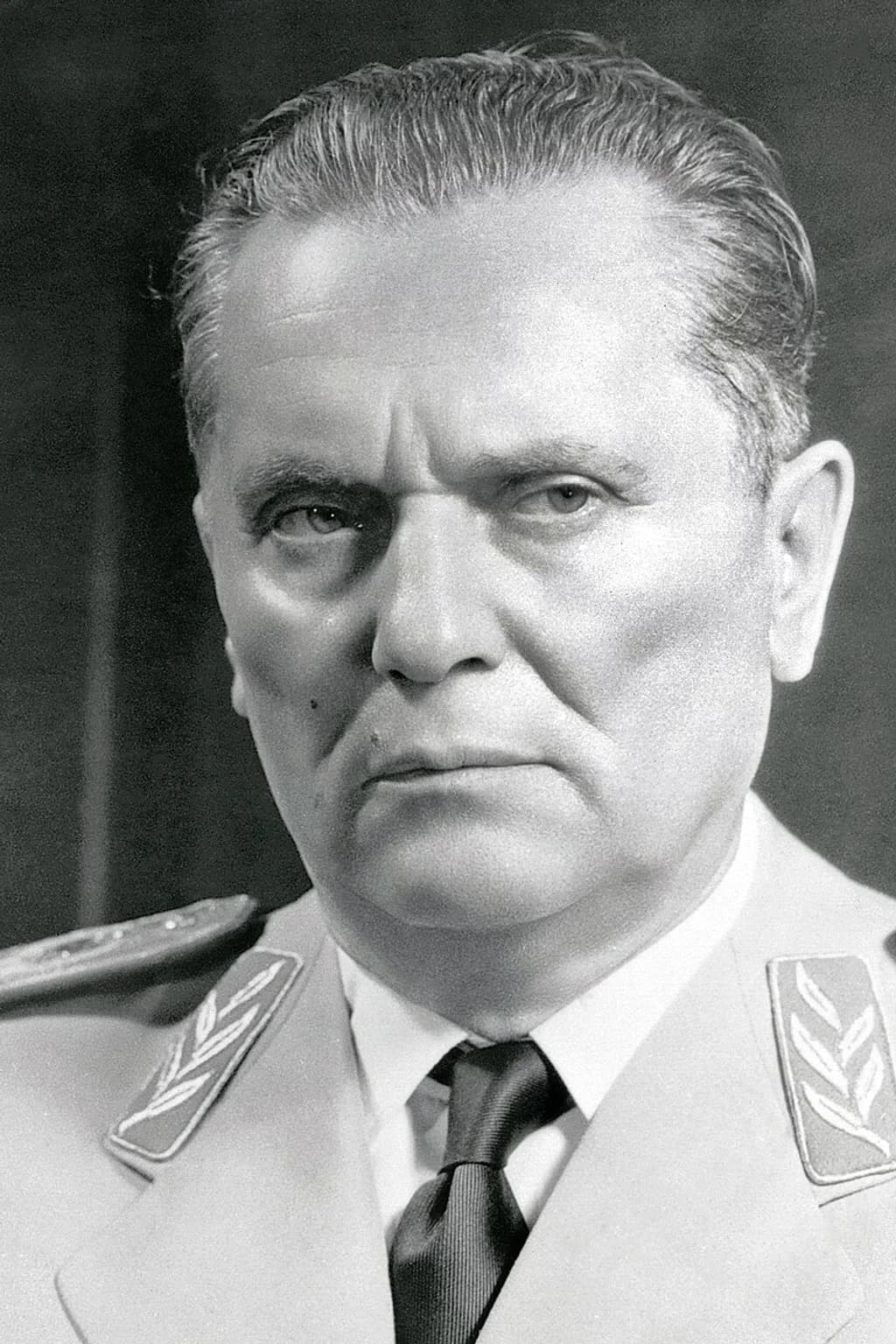
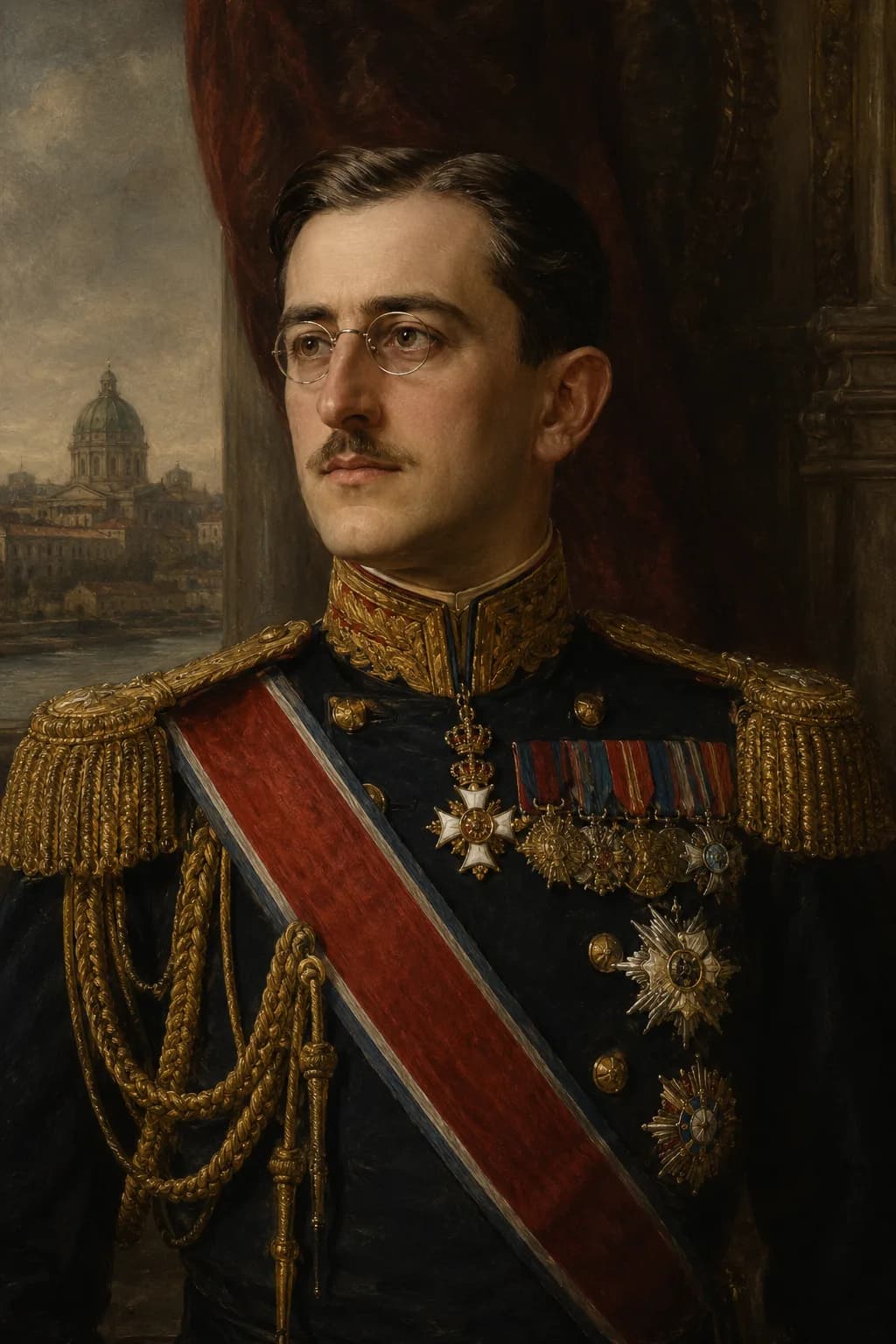
AI-generated portrait of King Alexander I of Yugoslavia in decorated military uniform
AI-assisted historical reconstruction

An illustrative reconstruction based on historical context. It is not a photograph or documentary likeness. Image policy

Quick answer

King Alexander I of Yugoslavia ruled the interwar kingdom, imposed a royal dictatorship in 1929, renamed the state Yugoslavia, and was assassinated in Marseille in 1934.

Born
1888 CE
Died
1934 CE
Role
King of Yugoslavia
Years
1888-1934 CE
Quick facts

Profile details

Additional identity and tagging details that are not already covered in the introduction.

Full name
Alexander I Karadjordjevic
Also known as
King Alexander I of Yugoslavia, Alexander Karadjordjevic, King Alexander
Facts

Alexander I timeline facts

Selected specifics from this profile's life story.

1888
Serbian prince

Alexander was born into the Karadjordjevic dynasty before Serbia became the core of a larger South Slav state.

1914-1918
War and union

During the First World War, Alexander became central to Serbia's survival and the creation of the South Slav kingdom.

1929
Royal dictatorship

In 1929, he abolished parliament, imposed personal rule, and renamed the country Yugoslavia.

1934
Assassination

Alexander was assassinated in Marseille by a Macedonian nationalist linked to anti-Yugoslav networks.

Life Journey

Why King Alexander I matters

Follow the story in a more continuous narrative, with a reading mode that matches how much depth you want.

Complete chronology

1888

Serbian prince

Alexander Karadjordjevic was born in 1888 into a Serbian royal family shaped by exile, dynastic rivalry, and the politics of the Balkans. Serbia was still a relatively small kingdom, but its national ambitions reached beyond its borders toward Serbs and other South Slavs living under Habsburg and Ottoman rule. Alexander's early life placed him inside a world where monarchy, army, nationalism, and great-power pressure were tightly connected.
1914-1918

War and union

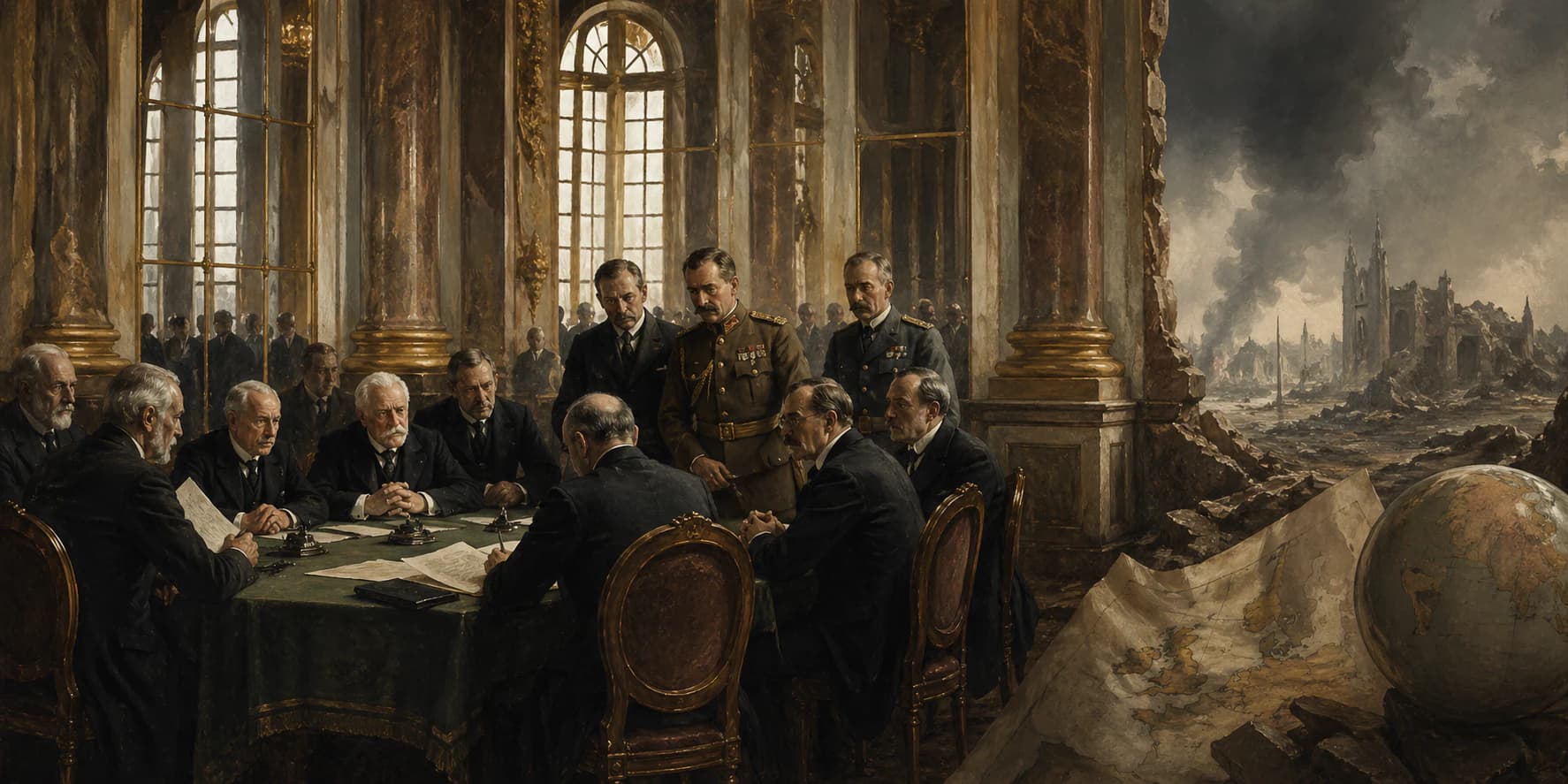
Alexander served as regent of Serbia during the First World War, a conflict that devastated the Serbian state while also making it one of the victorious Allied powers. When Austria-Hungary collapsed in 1918, South Slav politicians and the Serbian monarchy moved toward union. The new Kingdom of Serbs, Croats, and Slovenes joined peoples with related languages but different political histories, religions, economies, and expectations. Alexander stood at the centre of this new experiment.

1921-1928

Kingdom crisis

Alexander became king in 1921, inheriting a state that had never reached agreement about its own structure. Many Serbian leaders favoured a centralized monarchy, while many Croats and Slovenes wanted federal autonomy. Parliamentary politics became hostile and unstable. The shooting of Croatian Peasant Party leader Stjepan Radic in parliament in 1928 exposed how little shared trust had been built. Alexander increasingly saw party politics not as a way to manage diversity, but as a threat to the state itself.

1929

Royal dictatorship

On 6 January 1929, Alexander suspended the constitution, dissolved parliament, and imposed royal dictatorship. Later that year he renamed the country Yugoslavia, making the state's desired identity explicit: a single land of South Slavs rather than a negotiated partnership among constituent nations. He reorganized internal borders, suppressed parties, censored opposition, and tried to create unity from above. The policy aimed to prevent breakdown, but it treated political pluralism and national autonomy as problems to be crushed rather than conflicts to be resolved.

1934

Assassination

In October 1934, Alexander was assassinated during a state visit to France. The killing in Marseille was carried out by a Macedonian nationalist connected to networks hostile to Yugoslavia, including Croatian Ustasha circles supported by foreign enemies of the Yugoslav state. His death did not solve the kingdom's internal crisis. A regency followed for his young son Peter II, while the same unresolved questions of Serbian dominance, Croatian autonomy, and multinational consent remained. Alexander matters because his failure revealed the limits of monarchy as a substitute for political agreement.

Continue in context

Connected stories

Move from the profile into the wider events and settings this figure belongs to.

Tertiary paths

Content note

This profile is written for educational use and connects to related Stories of History pages. The main portrait is an AI-assisted historical reconstruction, included as an illustrative aid rather than documentary evidence. Image policy

References

Sources & Further Reading

Reliable reference works, archives and reading paths connected to this profile.

Further reading

  1. Encyclopaedia Britannica, Search results for Alexander I,” accessed June 2026.Open source
  2. WorldCat, Books and library holdings for Alexander I,” accessed June 2026.Open source

Primary sources

  1. Library of Congress, Search results for Alexander I,” accessed June 2026.Open source

Reviewed claim sources

Loading reviewed claim sources...

A weekly route through history

Find out first about the latest published stories, feature notes and occasional Premium offers in one weekly email.