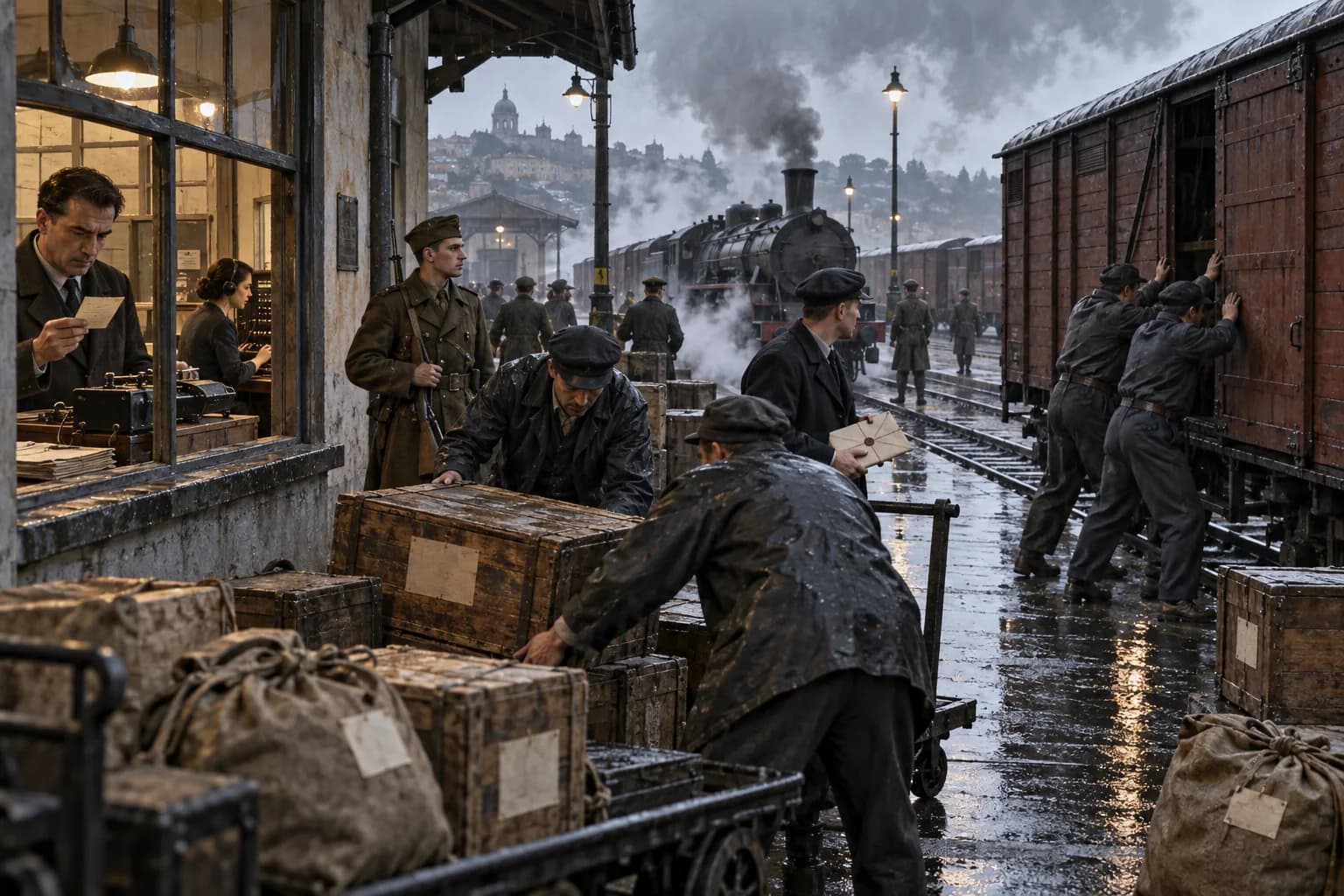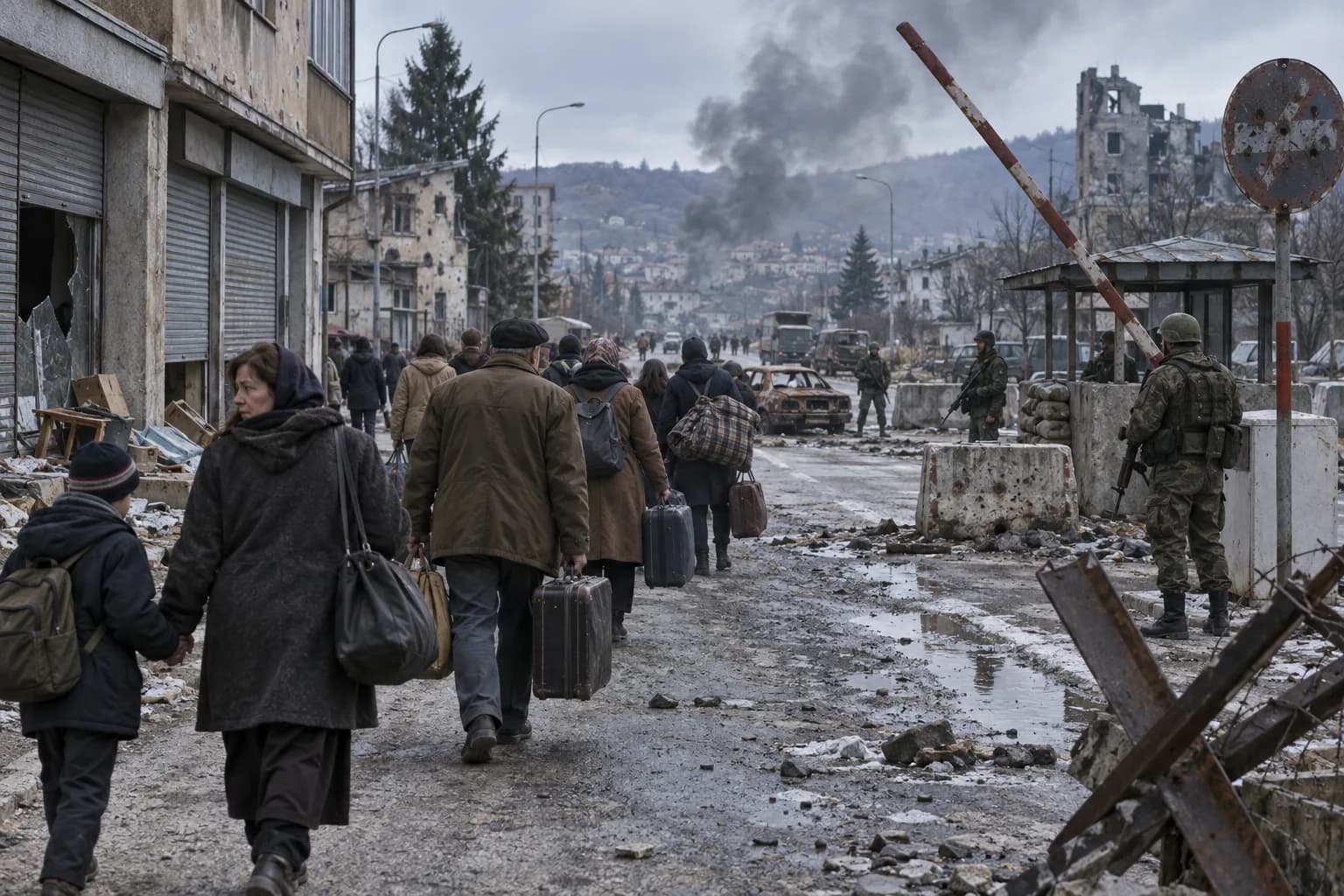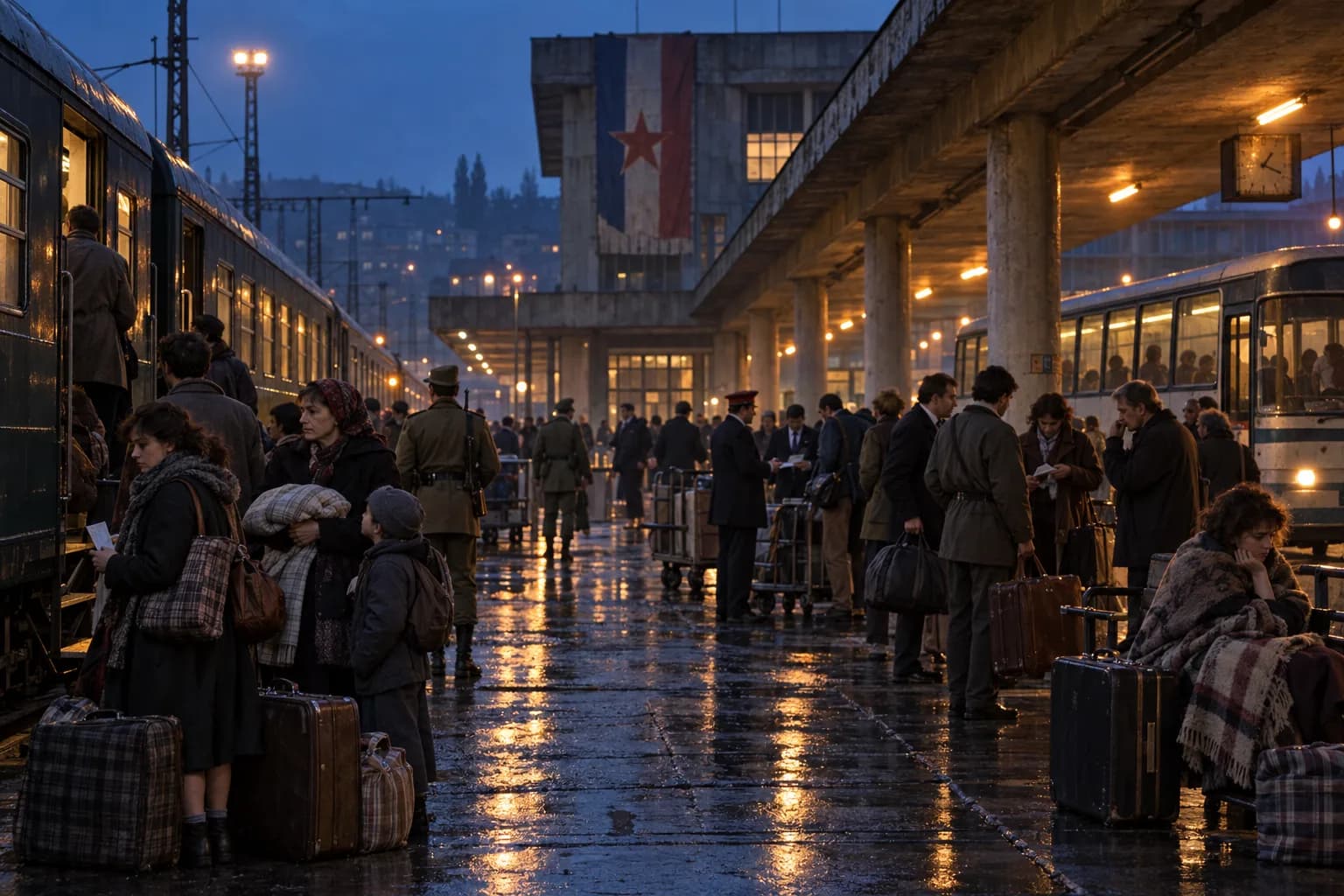
Passengers with suitcases wait under station lights at an early-1990s Yugoslav rail and bus terminal as the shared country begins to fracture.
Premium Story

The Rise and Fall of Yugoslavia

Trace Yugoslavia from royal union and Tito’s socialism to nationalism, war, and violent collapse.

11 chapters

Next

Content note

This story discusses war, persecution, genocide, violence, and mass death in an educational historical context. Some readers may find parts distressing.

Context

Introduction

What you'll learn: You will follow how a state built to unite South Slavs survived monarchy, occupation, socialism, and Cold War pressure before collapsing into nationalist war.

Key forces

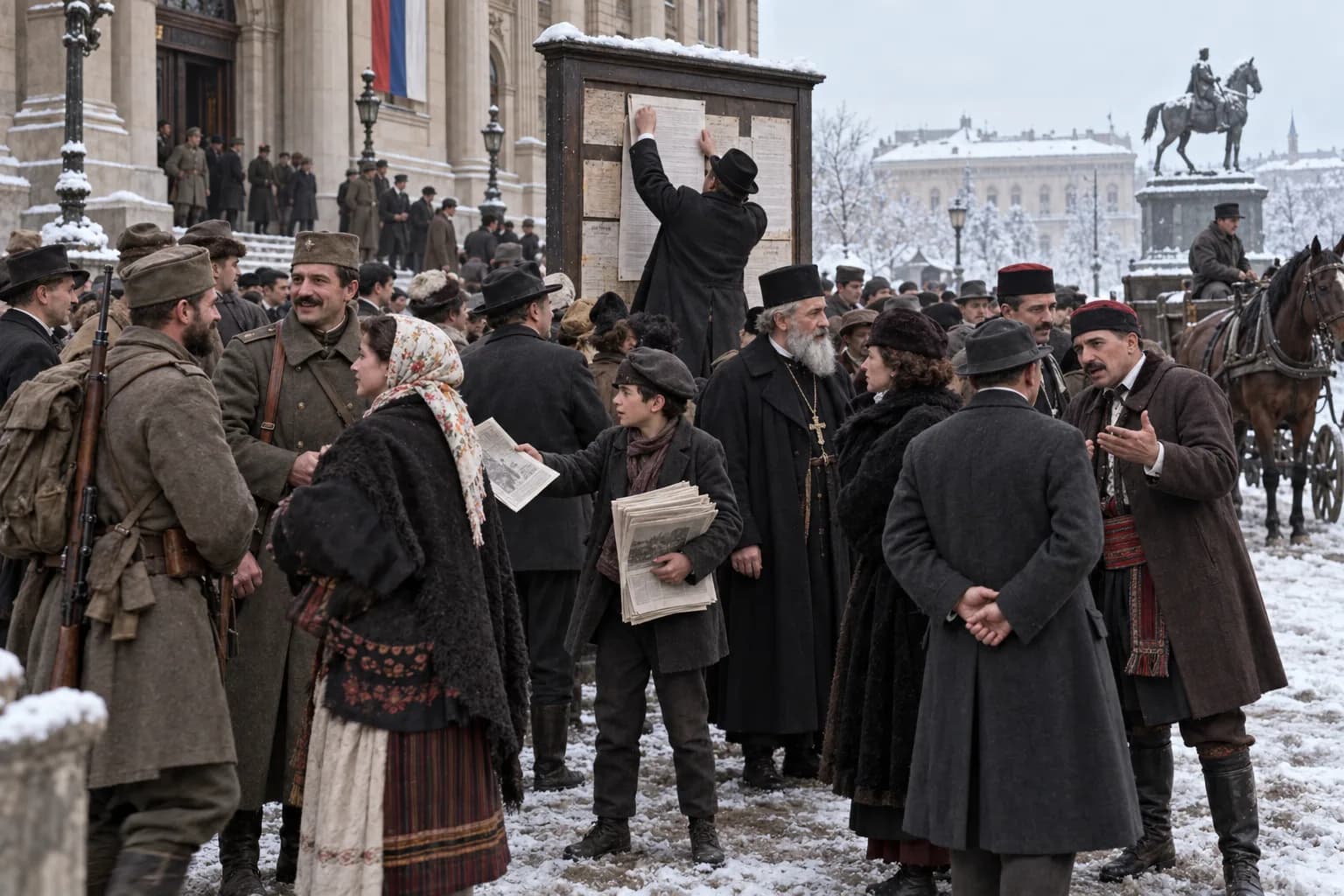
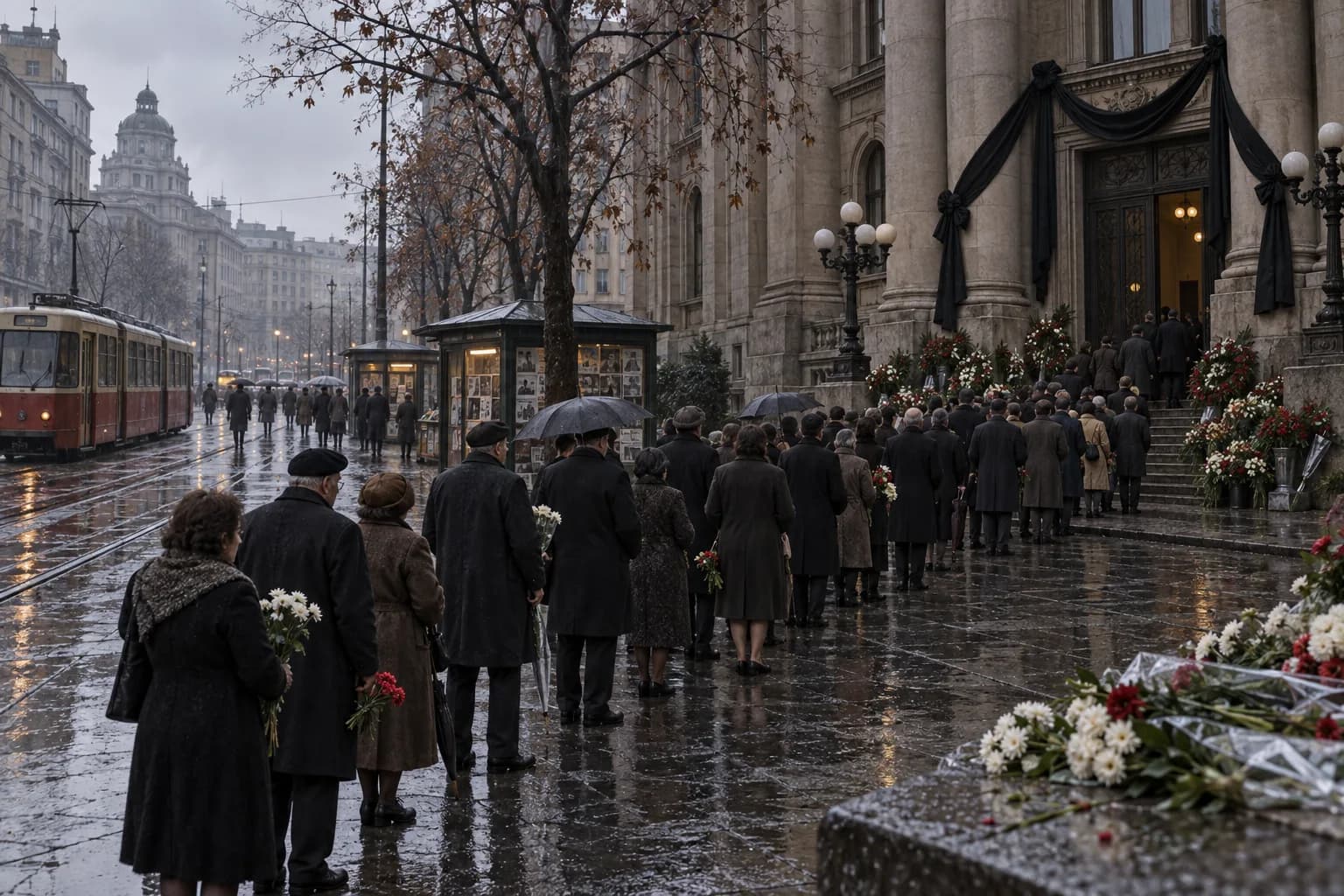
A winter crowd in Belgrade gathers around a posted proclamation and newspaper seller as the new South Slav kingdom is announced in 1918.
1918 CE
Step 1 of 101918 CEAccessible mode

The Kingdom Is Born

In 1918, as empires collapsed at the end of the First World War, a new South Slav kingdom appeared on the map of Europe. It promised unity, but it joined peoples whose recent histories had pulled them in very different directions.

The Kingdom of Serbs, Croats, and Slovenes brought together Serbia with former Austro-Hungarian South Slav lands. People who spoke related languages and imagined some form of common future now had to share one government.

The hope was real, but so was the imbalance. Serbia had fought on the winning side and expected to lead. Croats and Slovenes had lived under Vienna and Budapest and wanted protection from being absorbed into a Serbian-led state.

Unity was declared, but agreement was never reached.

The first arguments were about the shape of the country itself. Many Croats wanted autonomy. Many Serbs wanted a strong centre. Slovenes wanted room to protect their language and culture.

Instead of settling these questions early, the kingdom carried them forward. Every constitutional fight became a fight over whether Yugoslavia was a partnership or a state run from .

Those unresolved choices became part of Yugoslavia's foundation. The state began with the language of unity, but its first political struggle was over who would define what unity meant.

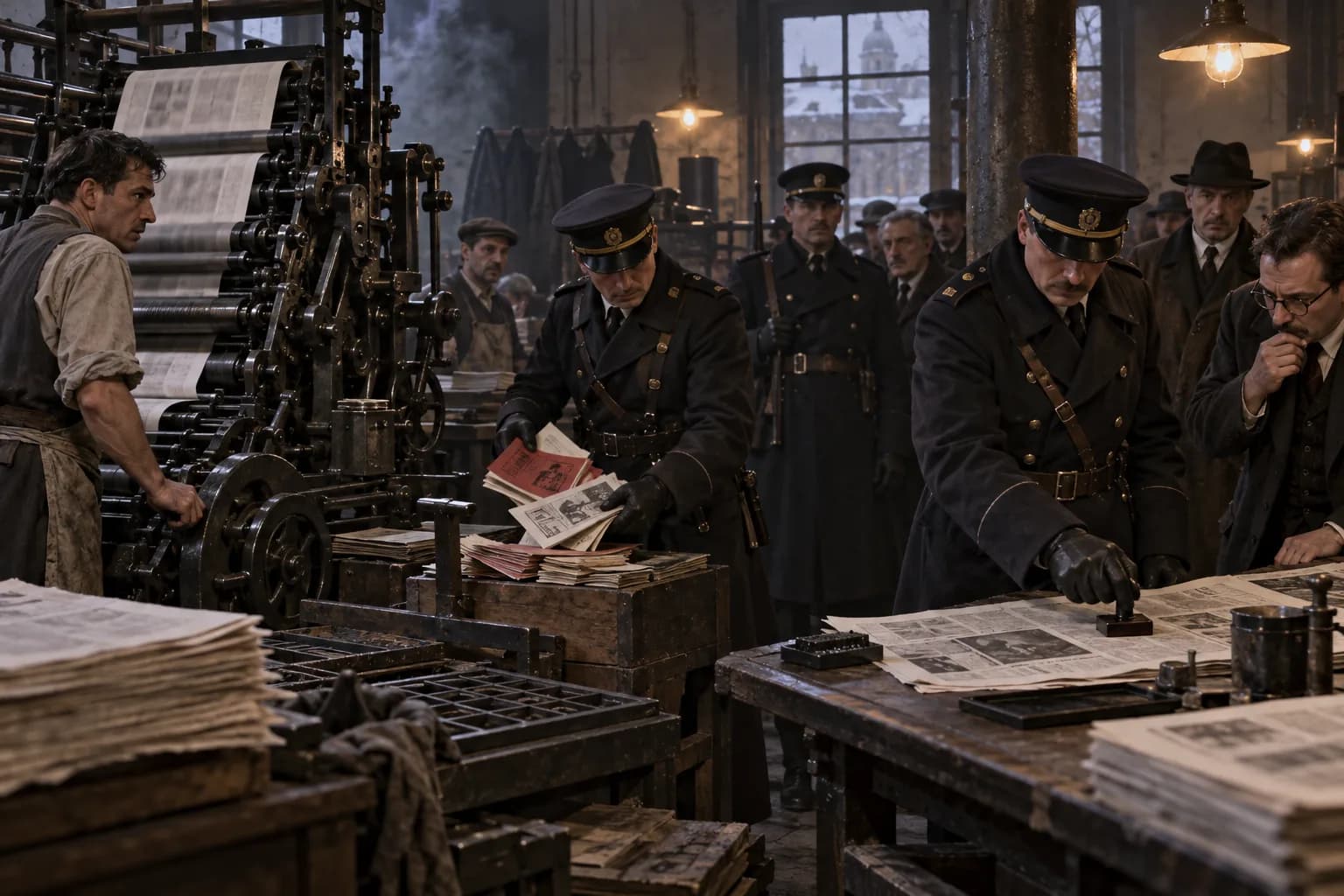
Police halt a Belgrade newspaper press run in 1929 as editors and printers watch censorship take hold under royal dictatorship.
1929 CE
Step 2 of 101929 CEAccessible mode

Royal Dictatorship

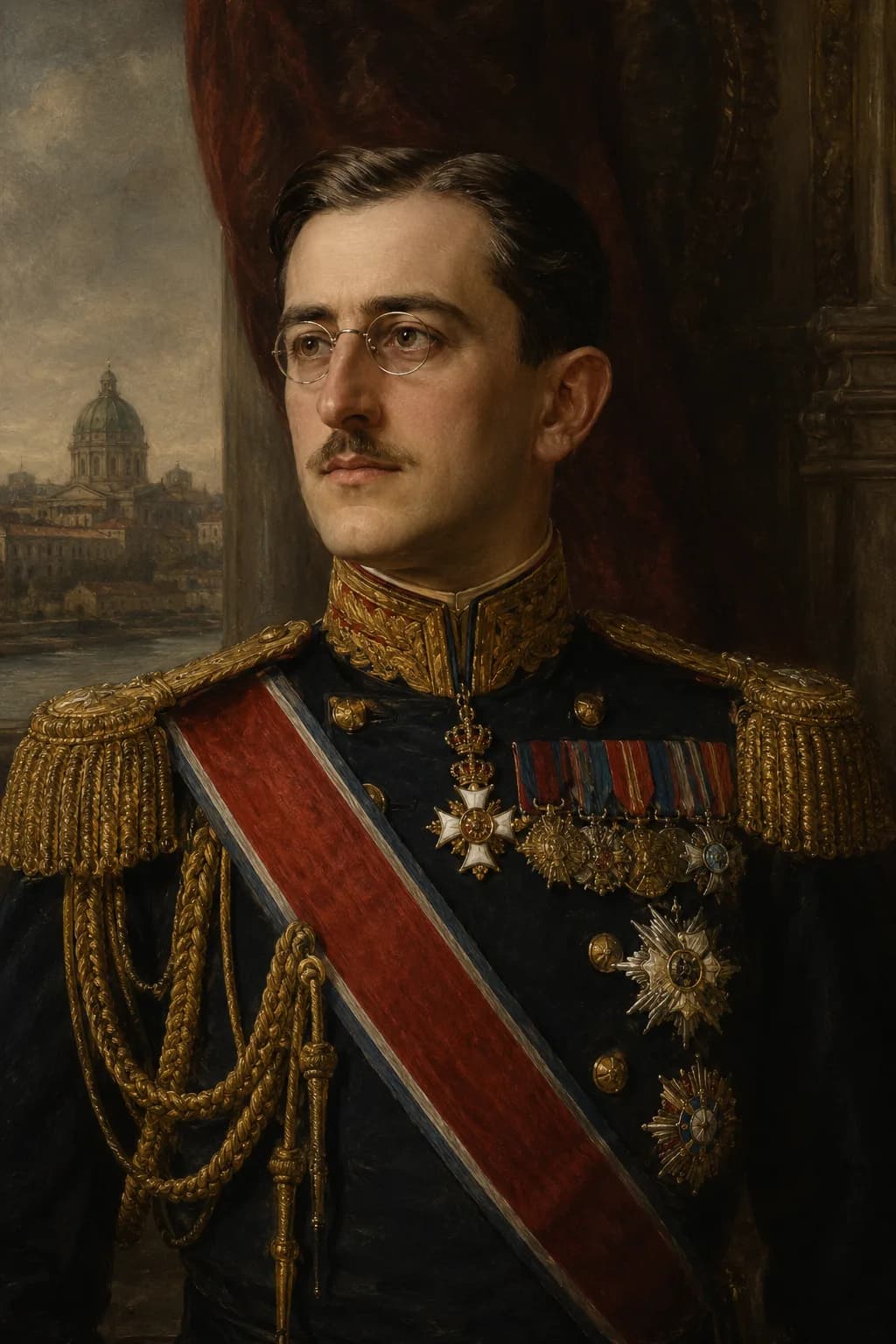
By 1929, the kingdom's politics had nearly broken down. King Alexander responded by abolishing parliament, imposing personal rule, and renaming the country Yugoslavia, the land of the South Slavs.

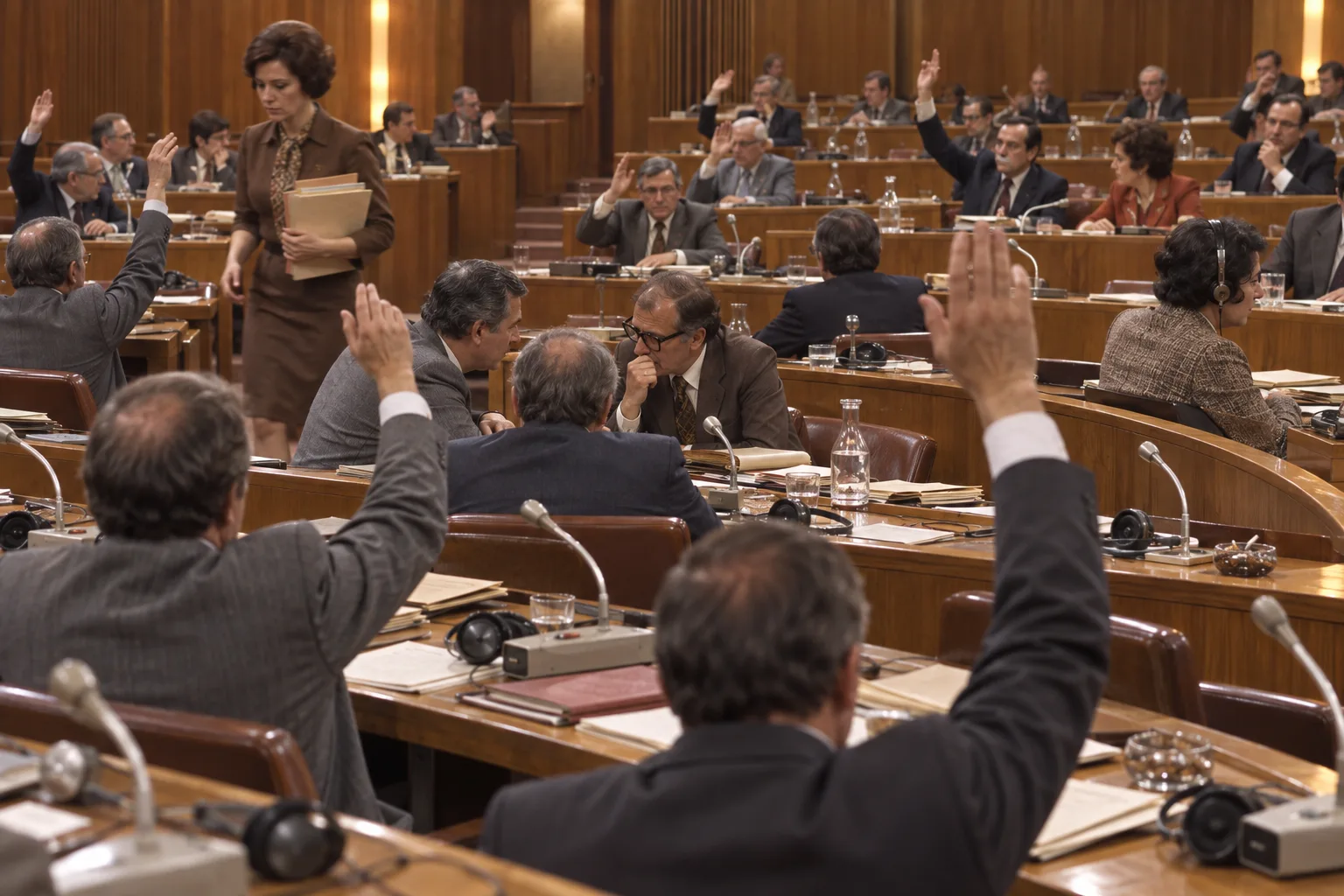
Parliament had become a place of deadlock and bitter national rivalry. After violence inside the assembly, Alexander convinced himself that parties and ethnic politics were destroying the state.

His answer was control. He banned political parties, censored the press, redrew internal regions across older ethnic boundaries, and treated opposition as a threat to national survival.

Forcing unity through control did not create it.

For many Croats, Slovenes, and others, the dictatorship made Yugoslavia feel less like a shared country and more like rule from . Nationalist movements went underground, where they became angrier and more radical.

Alexander was assassinated in 1934 by a Macedonian nationalist linked to anti-Yugoslav networks, including Croatian extremists. His death exposed the failure of forced unity: the state still had no agreed way to share power.

The dictatorship left Yugoslavia more orderly on the surface and more brittle underneath. The argument over power had not ended; it had simply been driven into exile, prisons, and underground movements.

Occupation and Civil War
1941 CE
Step 3 of 101941 CEAccessible mode

Occupation and Civil War

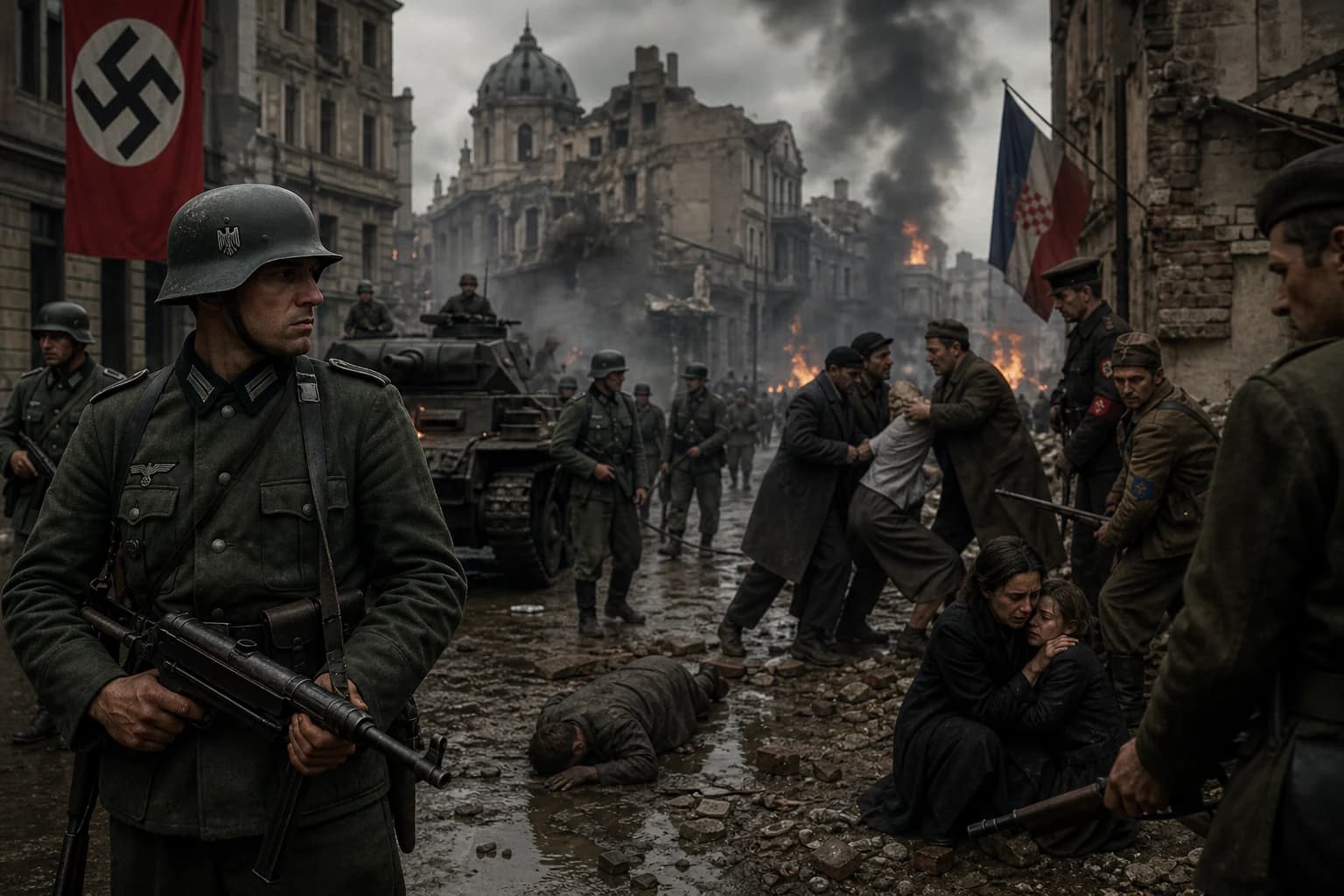
In April 1941, Germany and its allies invaded Yugoslavia and destroyed the kingdom in less than two weeks. The collapse opened more than an occupation; it opened several wars at once.

The Axis powers divided the country between occupiers and clients. The most brutal new regime was the fascist Independent State of Croatia under the Ustasha, which began mass violence against Serbs, Jews, and Roma.

Resistance also split. Royalist Chetniks and communist Partisans fought the occupiers, but they also fought one another over what Yugoslavia should become after the war.

Yugoslavia was fighting its occupiers and itself at the same time.

Civilian communities paid the price. Villages were burned, people were killed because of ethnicity or religion, and local fear became part of the machinery of war.

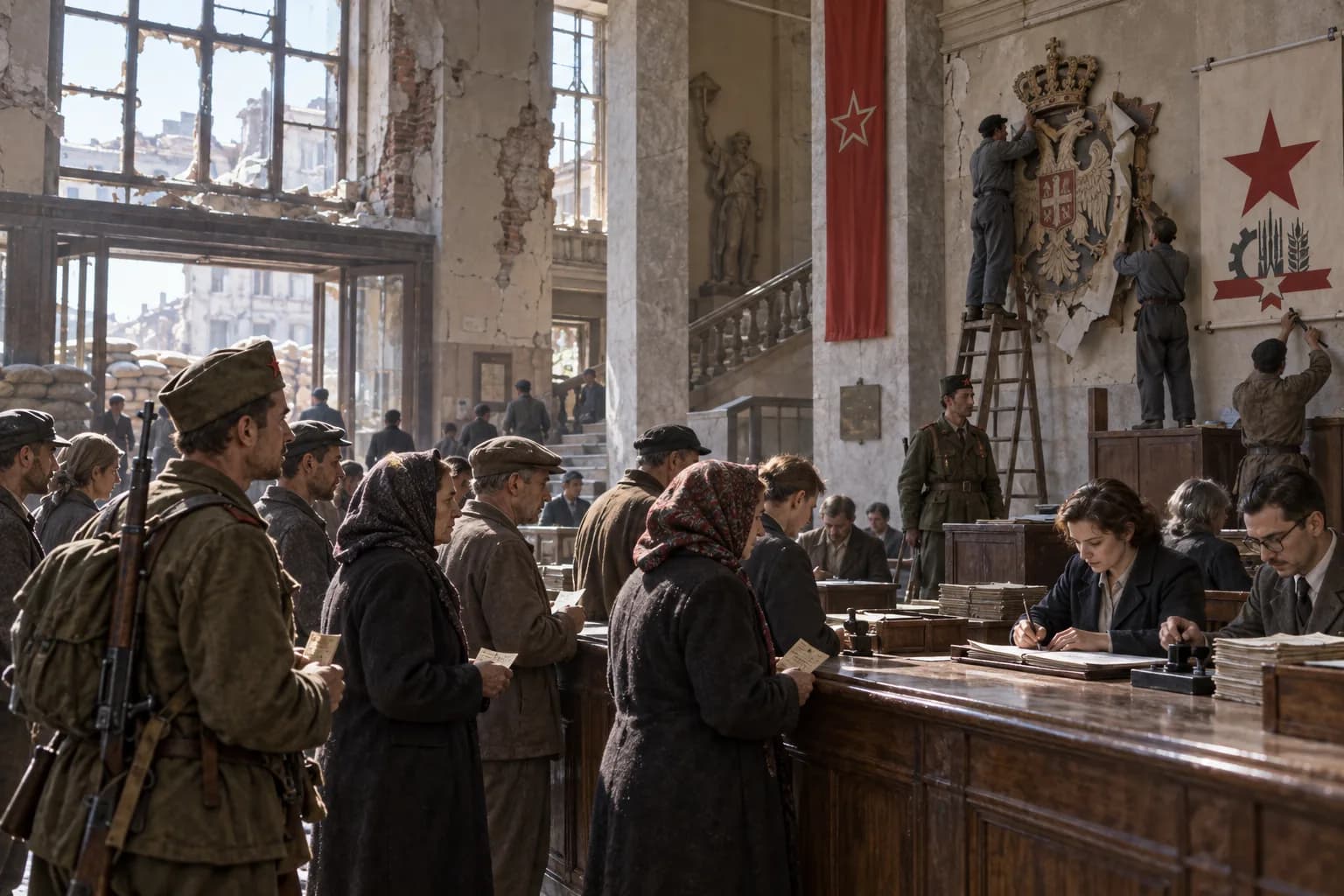
Tito's Partisans eventually won wider support and Allied backing because they looked like the strongest anti-Axis force. Their victory gave them legitimacy, but it did not heal what occupation and civil war had done.

After 1945, the new state would try to bury these memories beneath a story of shared resistance. But the wounds of occupation and civil war remained close enough to be reopened.

Premium

You've reached the turning point

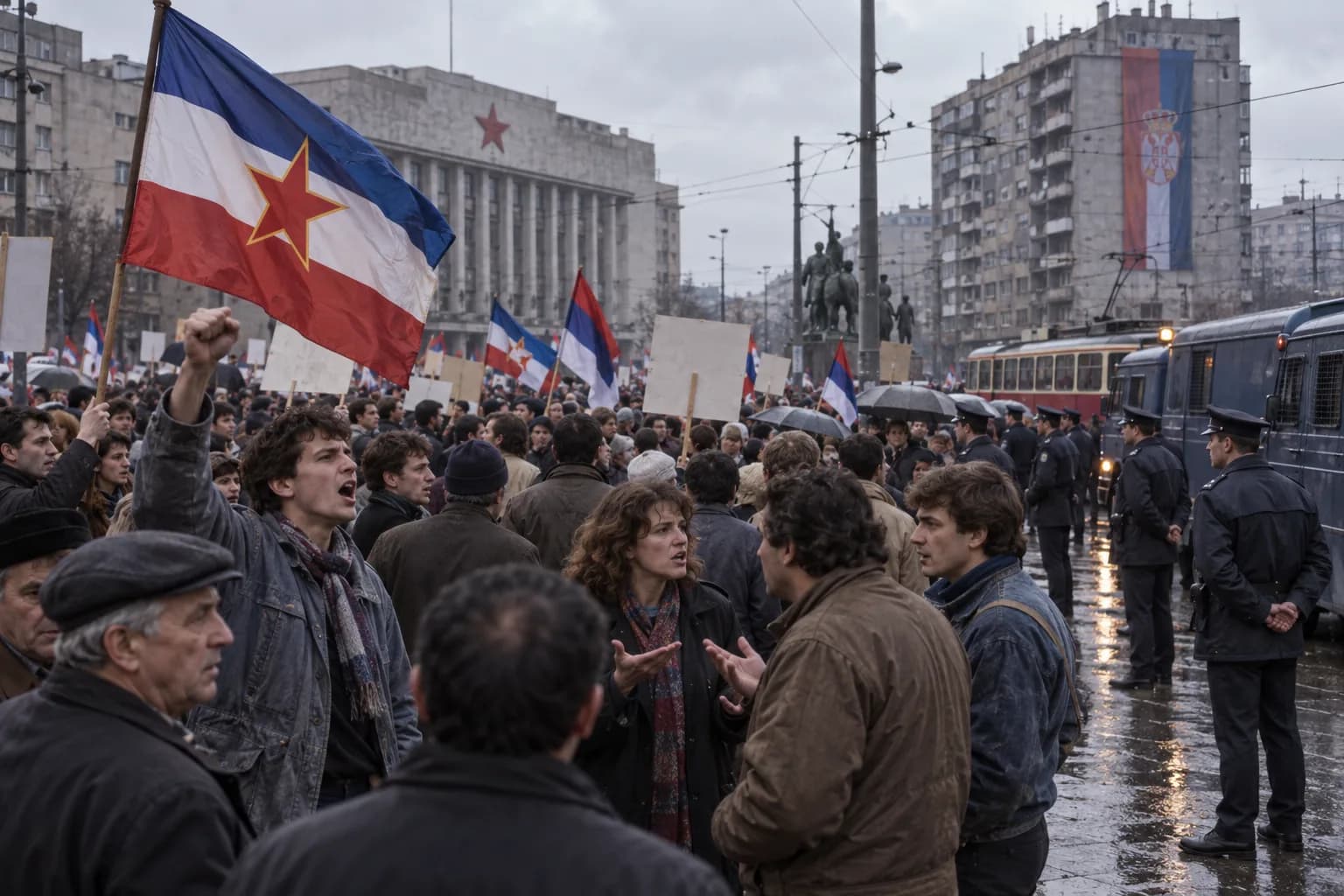
The opening chapters show Yugoslavia being imagined as a state that could hold different peoples together. Premium follows the fragile bargain after Tito: unity gives way to competing nationalisms, secession and war, and a shared country comes apart violently.

Continue into the reversals, crises and human stakes that make the story matter.

Unlock full story

What Premium unlocks next

  1. 4Tito Takes Power
  2. 5Break with Stalin
  3. 6The Federal Balance
  4. 7Tito Dies
  5. 8Nationalism Returns
  6. 9Secession and War
  7. 10Bosnia and the End of Yugoslavia

Browse stories

Browse stories for free

Explore the people connected to this turning point or enjoy one of our free stories.

Unlock full storyBrowse stories

References

Sources & Further Reading

Reliable sources, primary-source collections and reading paths connected to this page.

Sources used

  1. International Criminal Tribunal for the former Yugoslavia, The former Yugoslavia,” Open source
  2. Wilson Center Digital Archive, Yugoslavia,” Open source

Further reading

  1. Sabrina P. Ramet, Balkan Babel, Westview Press.

Primary sources

  1. International Criminal Tribunal for the former Yugoslavia, Cases,” Open source

Reviewed claim sources

Loading reviewed claim sources...

A weekly route through history

Find out first about the latest published stories, feature notes and occasional Premium offers in one weekly email.