People

Harun al-Rashid

Harun al-Rashid was the fifth Abbasid caliph, ruling from 786 to 809. His reign became associated with Baghdad's wealth, diplomacy, court culture and later literary legend.

Born
c. 766 CE
Died
809 CE
Role
Abbasid caliph

Abbasid caliph (c. 766-809)

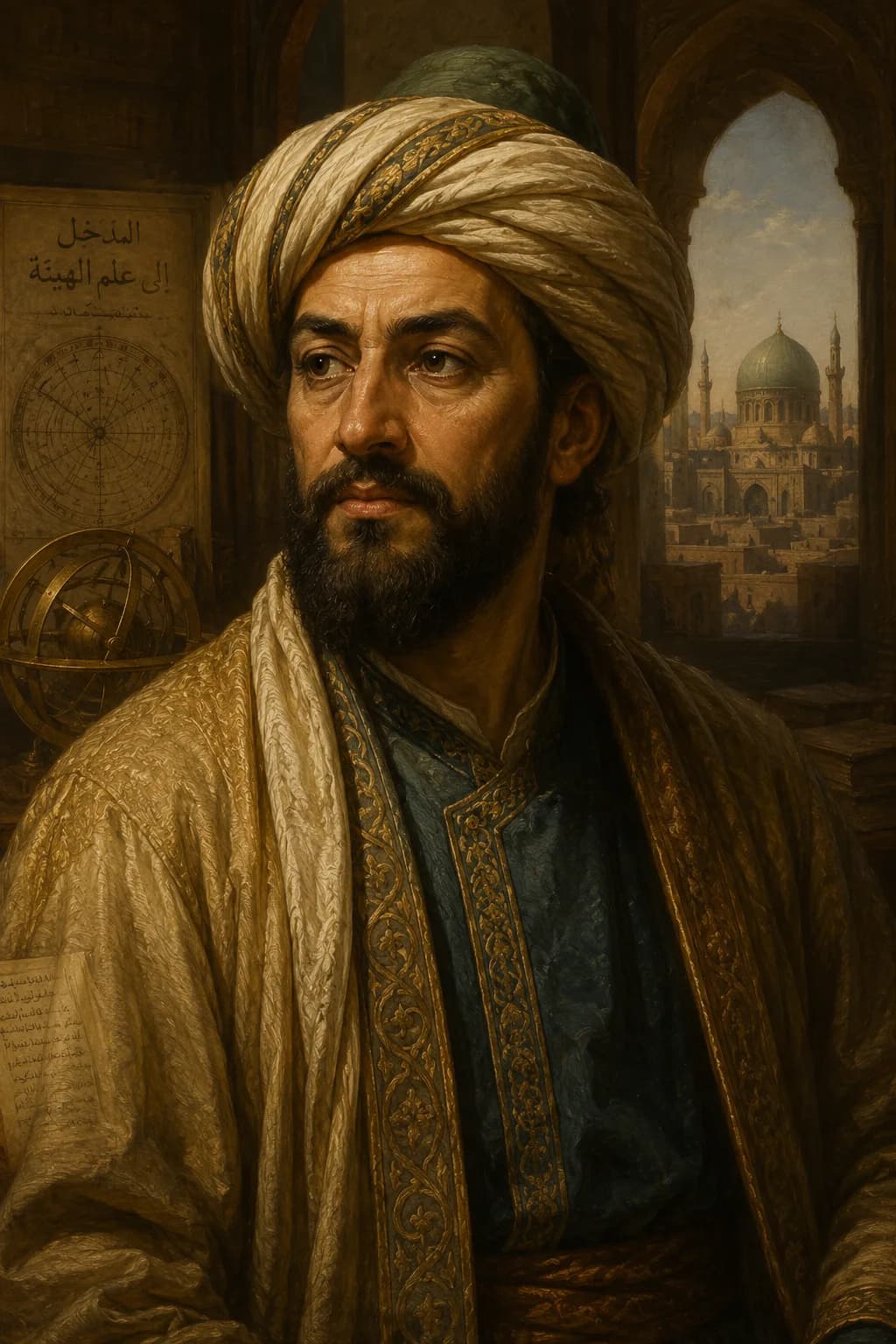
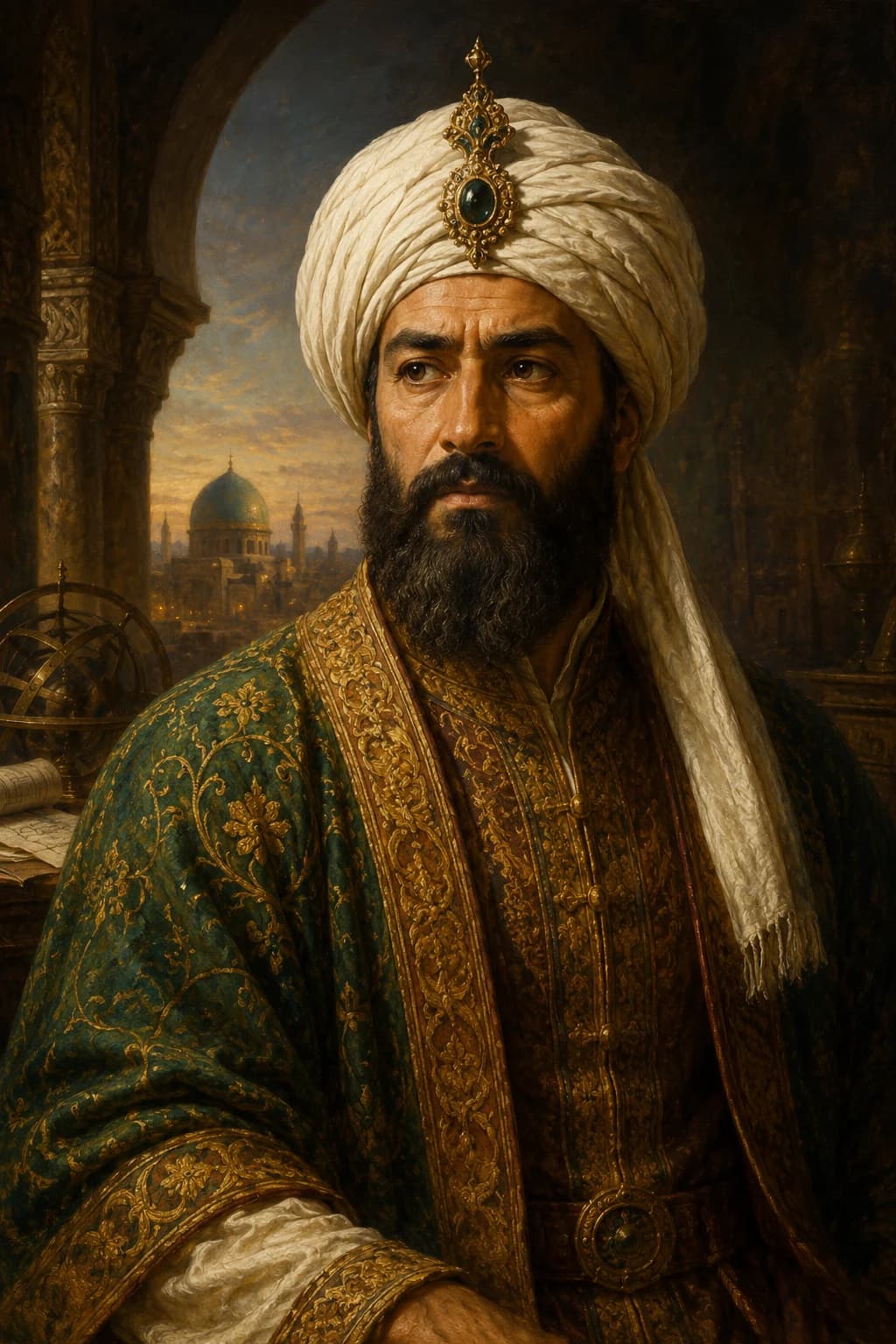
AI-generated portrait of Harun al-Rashid in Abbasid court robes with Baghdad beyond an arch
AI-assisted historical reconstruction

An illustrative reconstruction based on historical context. It is not a photograph or documentary likeness. Image policy

Quick answer

Harun al-Rashid was the fifth Abbasid caliph, ruling from 786 to 809. His reign became associated with Baghdad's wealth, diplomacy, court culture and later literary legend.

Born
c. 766 CE
Died
809 CE
Role
Abbasid caliph
Years
c. 766-809 CE
Quick facts

Profile details

Additional identity and tagging details that are not already covered in the introduction.

Full name
Harun ibn Muhammad al-Mahdi al-Rashid
Also known as
Harun ar-Rashid, Harun al Rashid, Harun ar Rashid
Region
Iraq, Iran, Islamic world, Abbasid Caliphate
Facts

Harun al-Rashid timeline facts

Selected specifics from this profile's life story.

c. 766
Abbasid prince

Harun was born into the Abbasid ruling family while the dynasty was still consolidating the empire it had won from the Umayyads.

786
Caliph of Baghdad

Harun became caliph in 786 after the brief reign of his brother al-Hadi, entering power at the height of Abbasid confidence.

802
Succession design

Harun tried to arrange succession among his sons, but the plan later helped produce civil war between al-Amin and al-Ma'mun.

809
Death and afterlife

Harun died in 809 while in the east, leaving a famous reign and a fragile inheritance to his sons.

Life Journey

A caliph between splendour and succession

Follow Harun al-Rashid from Abbasid prince to legendary caliph, imperial patron and architect of a fragile inheritance.

Complete chronology

c. 766

Abbasid prince

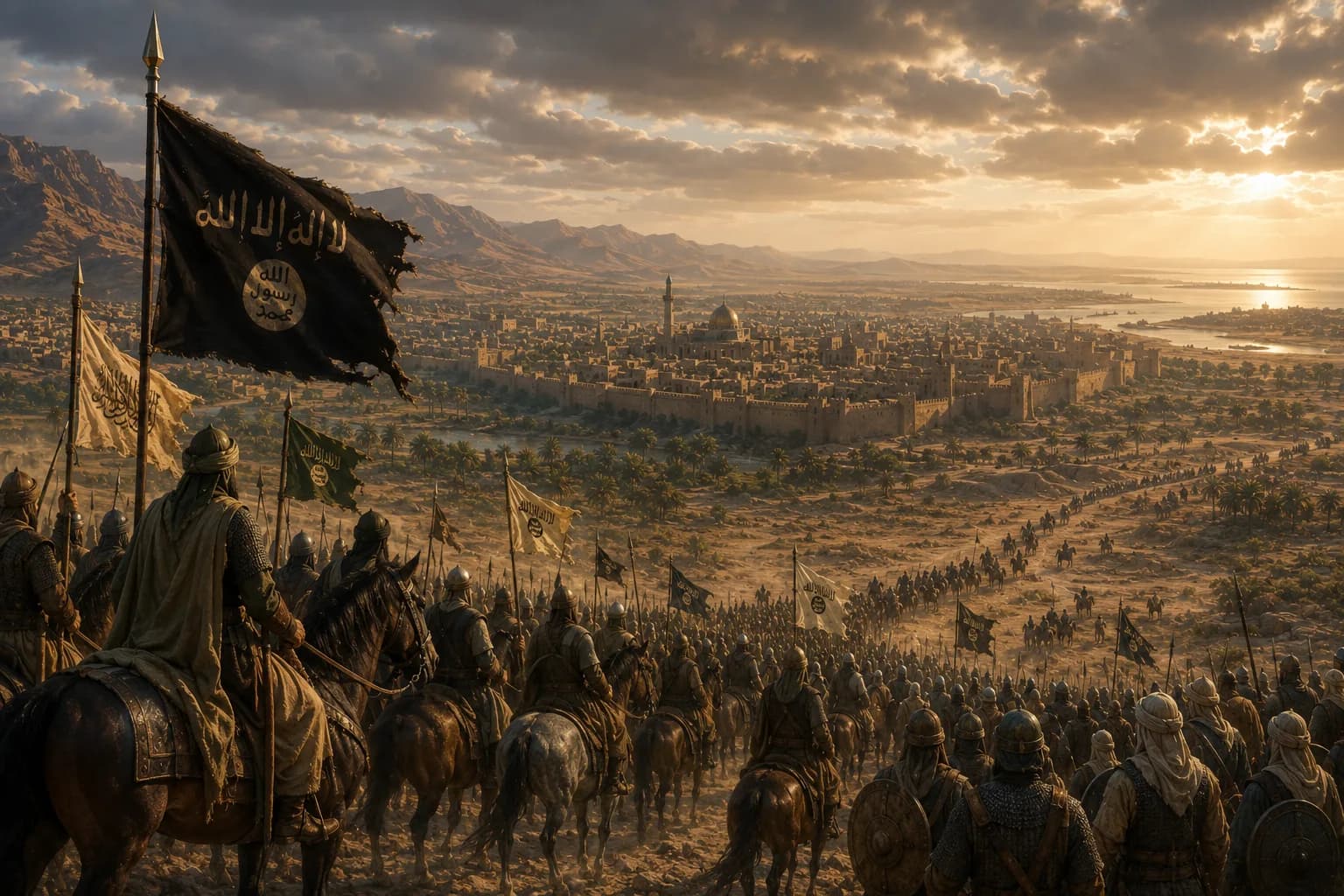
Harun ibn Muhammad was born in the generation after the Abbasid Revolution, probably in 766, though some traditions place his birth a few years earlier. His father, al-Mahdi, ruled an empire centred on Iraq, while his mother al-Khayzuran became one of the most influential women at court. Harun's early world was not a quiet inheritance. The Abbasids were still turning victory into administration, controlling provinces, managing commanders and making Baghdad the working centre of a vast Islamic empire.

780s

Frontier reputation

As a young prince, Harun was associated with military campaigns against the Byzantine Empire and with governorships across important western and northern provinces. These roles helped build his public reputation, though senior advisers and administrators did much of the practical work. Frontier campaigning mattered in Abbasid politics because it joined piety, prestige and military legitimacy. A prince who could be presented as defender of the frontier looked more credible as a future ruler.

786

Caliph of Baghdad

Harun became caliph in 786, after his brother al-Hadi died. His reign benefited from the administrative strength built by earlier Abbasid rulers and from the support of powerful court figures, especially the Barmakid family. Baghdad had become a city of government, trade, money, books, poetry and argument. Harun's court was therefore not simply luxurious. It was the visible centre of a political system that drew taxes, talent, goods and ambitions from across the empire.

790s-800s

Court, culture and diplomacy

Harun's Baghdad became one of the great images of medieval rulership. Later literature, especially the stories associated with the Arabian Nights, turned him into a figure of courtly wonder. Behind the legend were real conditions: a rich capital, learned circles, luxury production, officials, musicians, poets, jurists, merchants and diplomats. Envoys and gifts connected Baghdad with other courts, including Charlemagne's western empire. Harun did not personally create every achievement attached to his name, but his reign gave later memory a powerful symbol of Abbasid splendour.

802

Succession design

Harun's most consequential political decision was his succession arrangement. He designated al-Amin as heir in Baghdad and al-Ma'mun as the next successor with authority in the east. The plan attempted to balance family claims, court interests and regional power. It also exposed the danger of dividing authority inside one empire. After Harun's death, rivalry between the brothers became a devastating civil war. The glittering court had not solved the central problem of monarchy: how to pass power without tearing the state apart.

809

Death and afterlife

Harun died in 809 at Tus while responding to unrest in the eastern provinces. His death began the test his succession design could not survive. Yet his reputation grew larger than the political fragility he left behind. To later generations, Harun al-Rashid became one of the most recognisable Abbasid caliphs: a ruler of Baghdad at its remembered height, a patron surrounded by poets and scholars, and a figure whose name carried the romance and danger of imperial splendour.

Continue in context

Connected stories

Move from the profile into the wider events and settings this figure belongs to.

Tertiary paths

Content note

This profile is written for educational use and connects to related Stories of History pages. The main portrait is an AI-assisted historical reconstruction, included as an illustrative aid rather than documentary evidence. Image policy

References

Sources & Further Reading

Reliable reference works, archives and reading paths connected to this profile.

Further reading

  1. Encyclopaedia Britannica, Search results for Harun al-Rashid,” accessed June 2026.Open source
  2. WorldCat, Books and library holdings for Harun al-Rashid,” accessed June 2026.Open source

Primary sources

  1. Library of Congress, Search results for Harun al-Rashid,” accessed June 2026.Open source

Reviewed claim sources

Loading reviewed claim sources...

A weekly route through history

Find out first about the latest published stories, feature notes and occasional Premium offers in one weekly email.