People

Al-Musta'sim

Al-Musta'sim was the last Abbasid caliph in Baghdad. He ruled from 1242 to 1258, when Hulagu's Mongol forces captured Baghdad and ended Abbasid rule in the city.

Born
c. 1210 CE
Died
1258 CE
Role
Abbasid caliph

Abbasid caliph (c. 1210-1258)

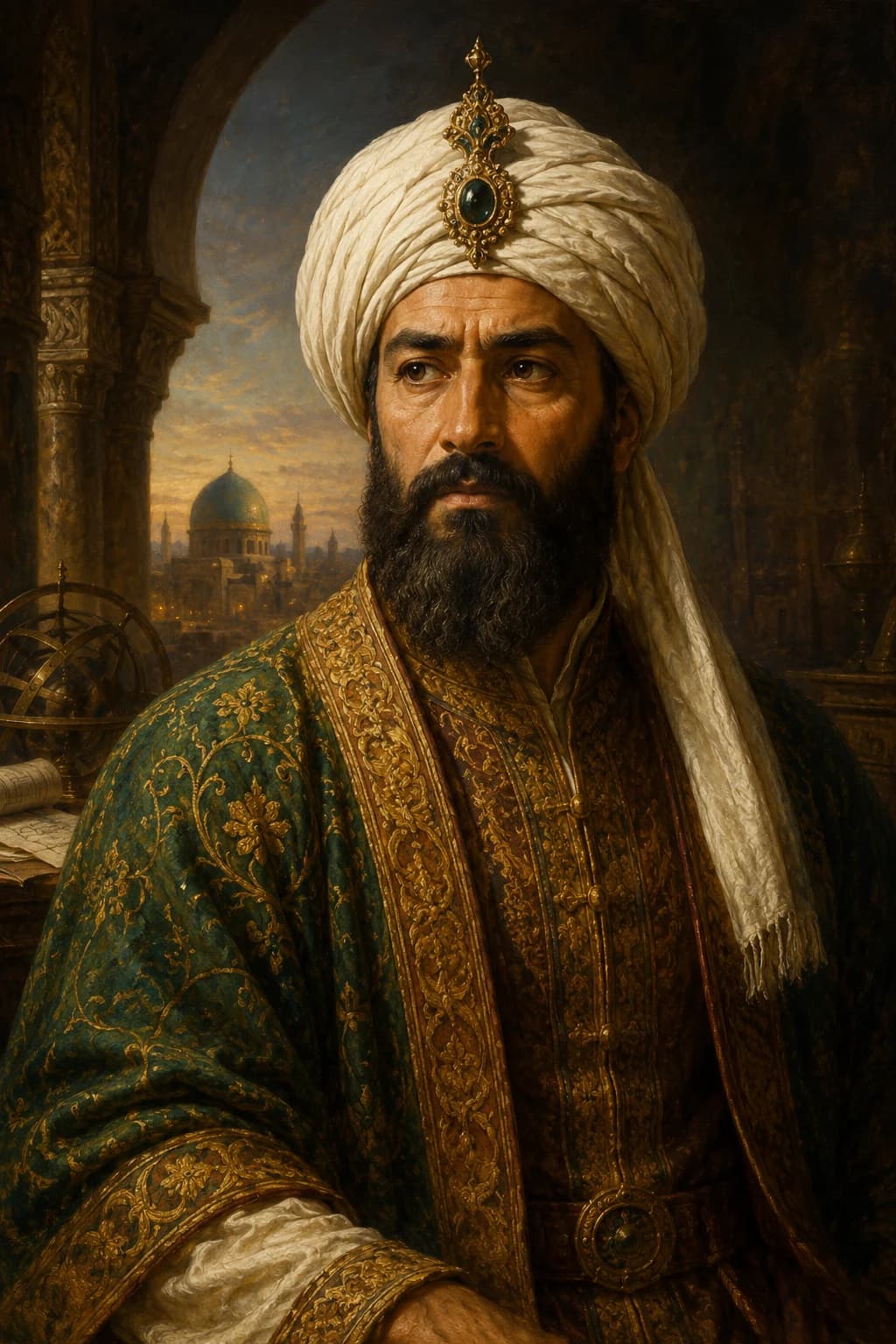
AI-generated portrait of al-Musta'sim in Abbasid robes with Baghdad seen through an arch
AI-assisted historical reconstruction

An illustrative reconstruction based on historical context. It is not a photograph or documentary likeness. Image policy

Quick answer

Al-Musta'sim was the last Abbasid caliph in Baghdad. He ruled from 1242 to 1258, when Hulagu's Mongol forces captured Baghdad and ended Abbasid rule in the city.

Born
c. 1210 CE
Died
1258 CE
Role
Abbasid caliph
Years
c. 1210-1258 CE
Quick facts

Profile details

Additional identity and tagging details that are not already covered in the introduction.

Full name
Abu Ahmad Abdallah ibn al-Mustansir al-Musta'sim Billah
Also known as
al-Musta'sim, Al-Mustasim, al-Mustasim
Region
Iraq, Baghdad, Islamic world, Abbasid Caliphate
Facts

Al-Musta'sim timeline facts

Selected specifics from this profile's life story.

c. 1210
Born into late Abbasid rule

Al-Musta'sim was born into an Abbasid house whose symbolic prestige remained high even as its direct power had narrowed.

1250s
Mongol demands

Hulagu's Mongol campaign pressed westward, demanding submission from powers across Persia, Iraq and the wider region.

1258
Execution and destruction

After Baghdad fell, al-Musta'sim was executed and the city suffered a devastating sack.

After 1258
A symbolic ending

Al-Musta'sim's death became a symbol of the end of Abbasid Baghdad, even though Islamic scholarship and later Abbasid symbolism continued elsewhere.

Life Journey

The caliph at the fall of Baghdad

Follow al-Musta'sim through late Abbasid weakness, Mongol pressure and the violent end of caliphal Baghdad.

Complete chronology

c. 1210

Born into late Abbasid rule

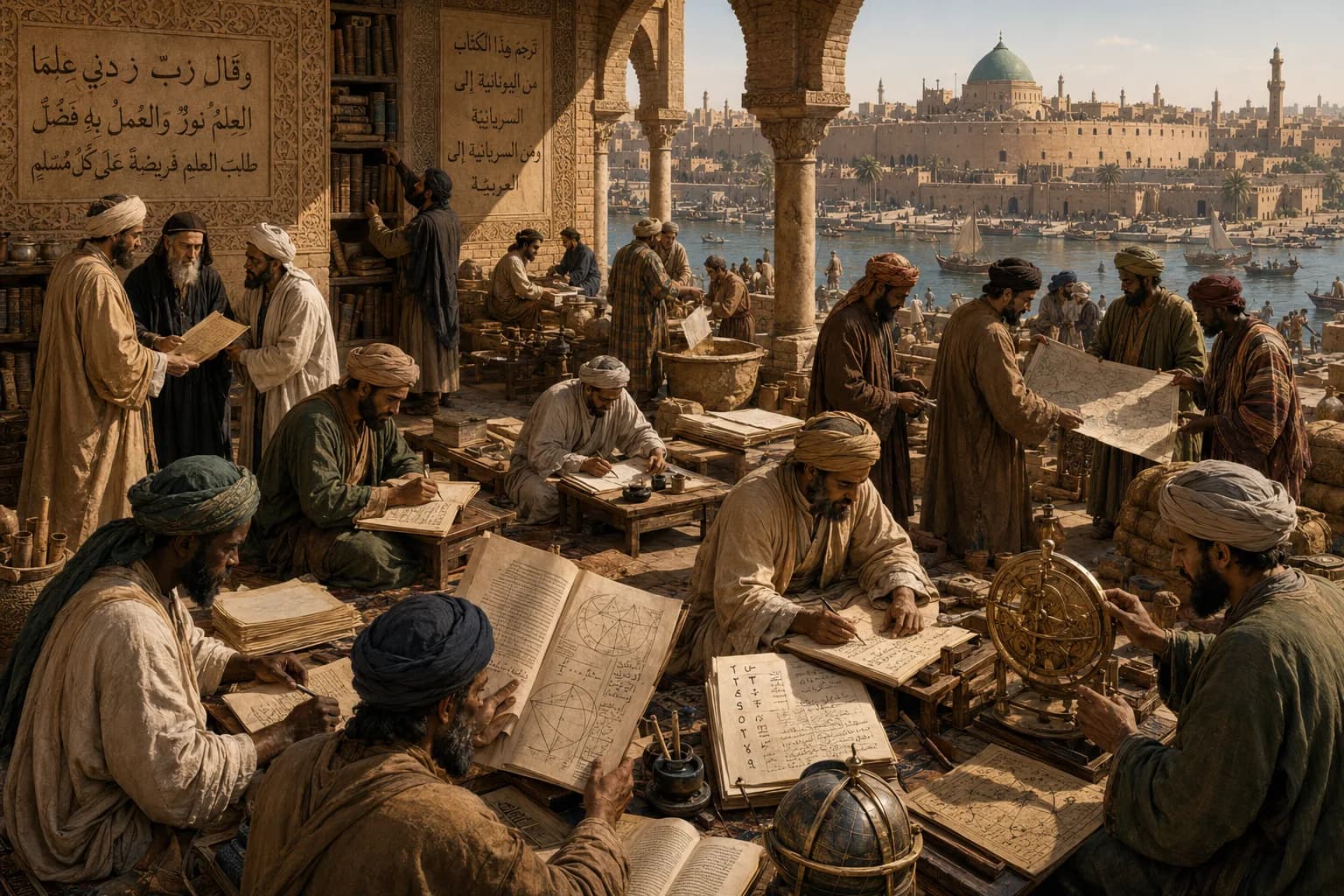
Al-Musta'sim was born in Baghdad in the early thirteenth century, probably around 1210. By then the Abbasid caliphate no longer commanded the vast empire of its early centuries. Its religious and symbolic authority still mattered across the Sunni Muslim world, but practical power had fragmented among regional dynasties, military rulers and local elites. Baghdad remained famous, wealthy and learned, yet its political foundations were much weaker than its memory suggested.

1242

Caliph in Baghdad

Al-Musta'sim succeeded his father in 1242. His caliphate began in a dangerous century. Mongol armies had already transformed the politics of Central Asia, Iran and the steppe world, while states around Baghdad measured their choices against a new scale of military threat. Al-Musta'sim inherited not only Abbasid ceremonial authority but also a difficult strategic problem: how could a reduced caliphate survive an empire that expected submission from every ruler in its path?

1250s

Mongol demands

Hulagu, a grandson of Genghis Khan, led the Mongol campaign into western Asia. Mongol diplomacy was blunt: rulers were expected to submit, provide support and accept Mongol supremacy. Resistance could be treated as rebellion against the universal order claimed by the khans. Al-Musta'sim's court faced letters, warnings and demands at a moment when Baghdad's defences and political unity were not equal to the city's symbolic importance. The caliph's religious status did not deter Mongol strategy.

1258

Siege of Baghdad

The siege of Baghdad in early 1258 was brief and catastrophic. Hulagu's forces surrounded the city, broke its defences and compelled surrender. Baghdad had been the Abbasid capital for nearly five centuries, a city associated with scholarship, markets, mosques, palaces and books. Its fall therefore carried meaning far beyond the loss of one urban centre. It announced that the old heart of Abbasid authority could be physically conquered and politically erased.

1258

Execution and destruction

After the surrender, al-Musta'sim was executed. The sack of Baghdad brought mass death, destruction of institutions, damage to libraries and trauma that later writers remembered in almost apocalyptic terms. Some details in later accounts were magnified by legend, but the basic rupture was real. The Abbasid caliphate as a ruling power in Baghdad was finished. The city survived, but the old political order centred there did not.

After 1258

A symbolic ending

The fall of Baghdad did not end Islam, Arabic learning or the many intellectual traditions shaped in the Abbasid world. Scholars, texts and practices continued in other centres. Later Abbasid caliphs were installed in Cairo under Mamluk protection, but they did not restore the old Baghdad caliphate. Al-Musta'sim therefore matters as a figure of historical transition: not the cause of every Abbasid weakness, but the ruler whose death marked the violent close of one of medieval history's most famous capitals.

Continue in context

Connected stories

Move from the profile into the wider events and settings this figure belongs to.

Tertiary paths

Content note

This profile is written for educational use and connects to related Stories of History pages. The main portrait is an AI-assisted historical reconstruction, included as an illustrative aid rather than documentary evidence. Image policy

References

Sources & Further Reading

Reliable reference works, archives and reading paths connected to this profile.

Further reading

  1. Encyclopaedia Britannica, Search results for Al-Musta'sim,” accessed June 2026.Open source
  2. WorldCat, Books and library holdings for Al-Musta'sim,” accessed June 2026.Open source

Primary sources

  1. Library of Congress, Search results for Al-Musta'sim,” accessed June 2026.Open source

Reviewed claim sources

Loading reviewed claim sources...

A weekly route through history

Find out first about the latest published stories, feature notes and occasional Premium offers in one weekly email.