People

Lord Macartney

George Macartney, 1st Earl Macartney, was the British diplomat who led the 1793 Macartney Embassy to Qing China. The mission sought expanded trade and diplomatic access but failed to change the Canton System.

Born
1737 CE
Died
1806 CE
Role
Diplomat

British diplomat (1737-1806)

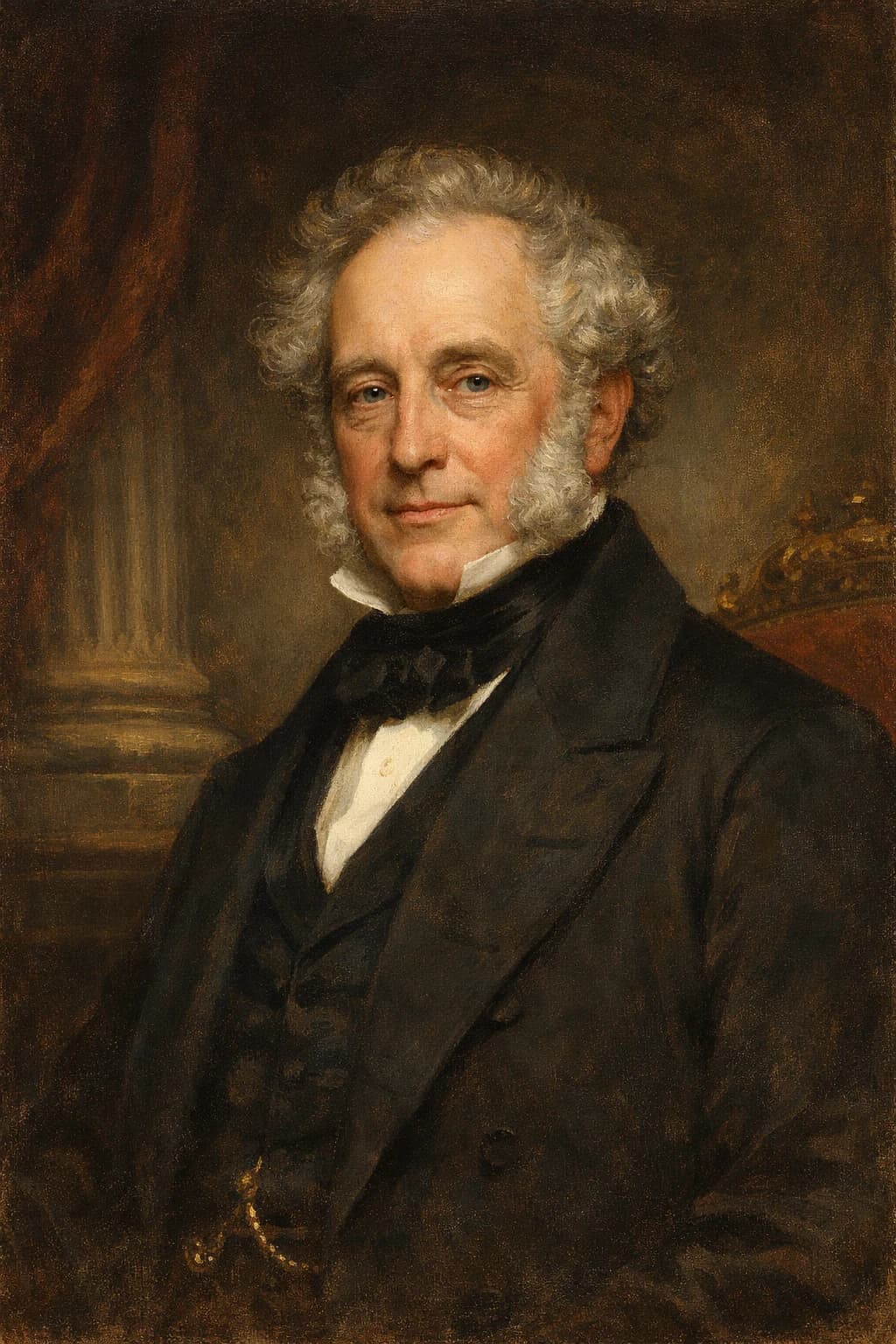
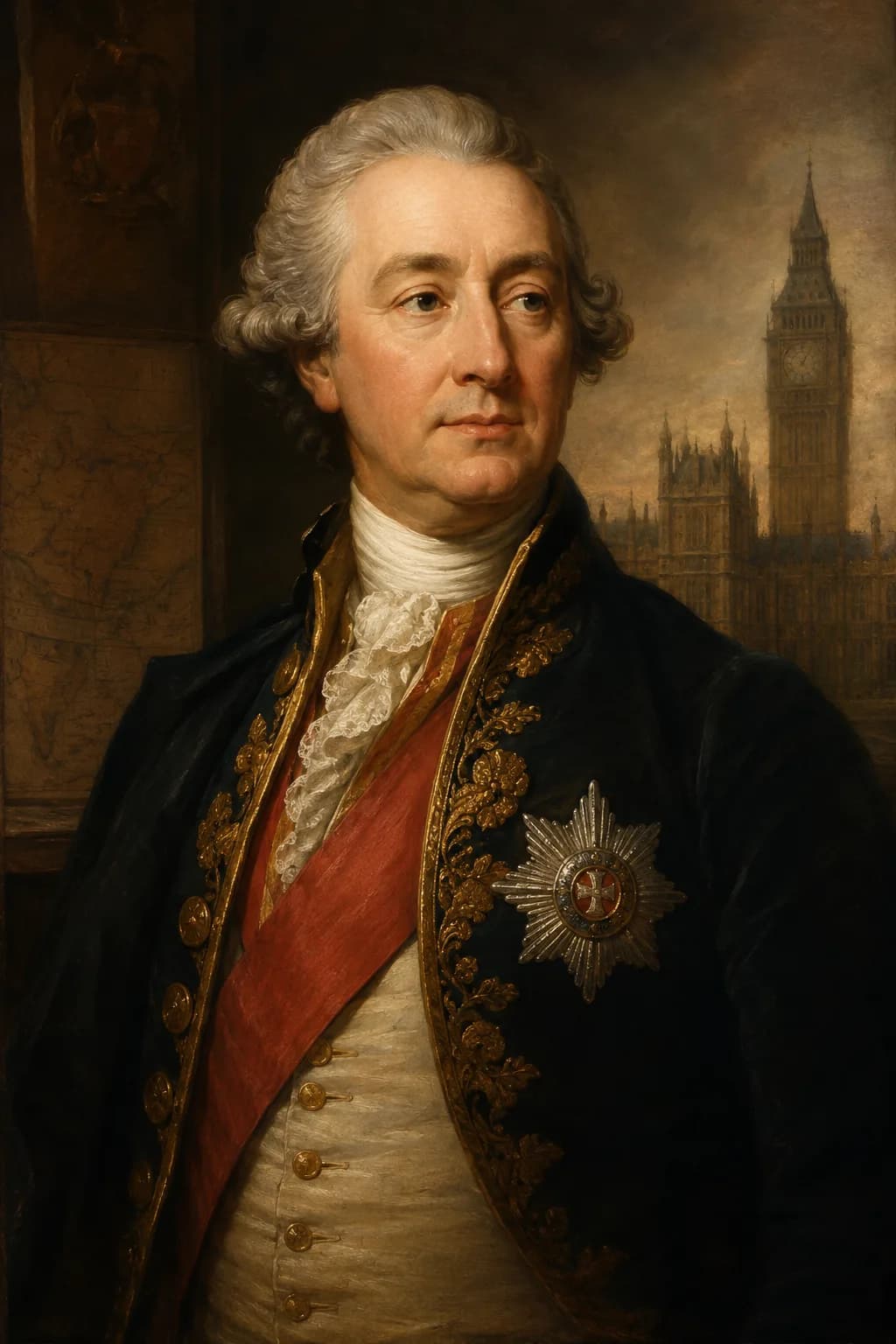
AI-generated portrait of Lord Macartney in formal diplomatic dress
AI-assisted historical reconstruction

An illustrative reconstruction based on historical context. It is not a photograph or documentary likeness. Image policy

Quick answer

George Macartney, 1st Earl Macartney, was the British diplomat who led the 1793 Macartney Embassy to Qing China. The mission sought expanded trade and diplomatic access but failed to change the Canton System.

Born
1737 CE
Died
1806 CE
Role
Diplomat
Years
1737-1806 CE
Quick facts

Profile details

Additional identity and tagging details that are not already covered in the introduction.

Full name
George Macartney, 1st Earl Macartney
Also known as
George Macartney, 1st Earl Macartney
Region
Britain, Qing China, East Asia, Britain and Qing China
Facts

Lord Macartney timeline facts

Selected specifics from this profile's life story.

1737
Irish-born imperial servant

George Macartney was born in Ireland in 1737 and entered British imperial service as a diplomat and administrator.

1793
Mission to China

Macartney led a British embassy to Qing China in 1793 seeking expanded trade and diplomatic privileges.

1793
Failure of access

The mission failed to open new ports or secure a permanent British envoy in Beijing.

1806 onward
Warning before the wars

Macartney died in 1806, but his embassy remained a key warning of the clash that later produced the Opium Wars.

Life Journey

The envoy at the edge of two world orders

Follow Macartney from imperial service to the embassy that exposed Britain's clash with Qing diplomacy.

Complete chronology

1737

Irish-born imperial servant

George Macartney was born in County Antrim in 1737 and rose through the world of eighteenth-century British diplomacy and empire. His career took him through European diplomacy, colonial administration and high-level negotiation, giving him the experience later required for one of Britain's most ambitious missions to Asia.
1760s-1780s

Diplomatic career

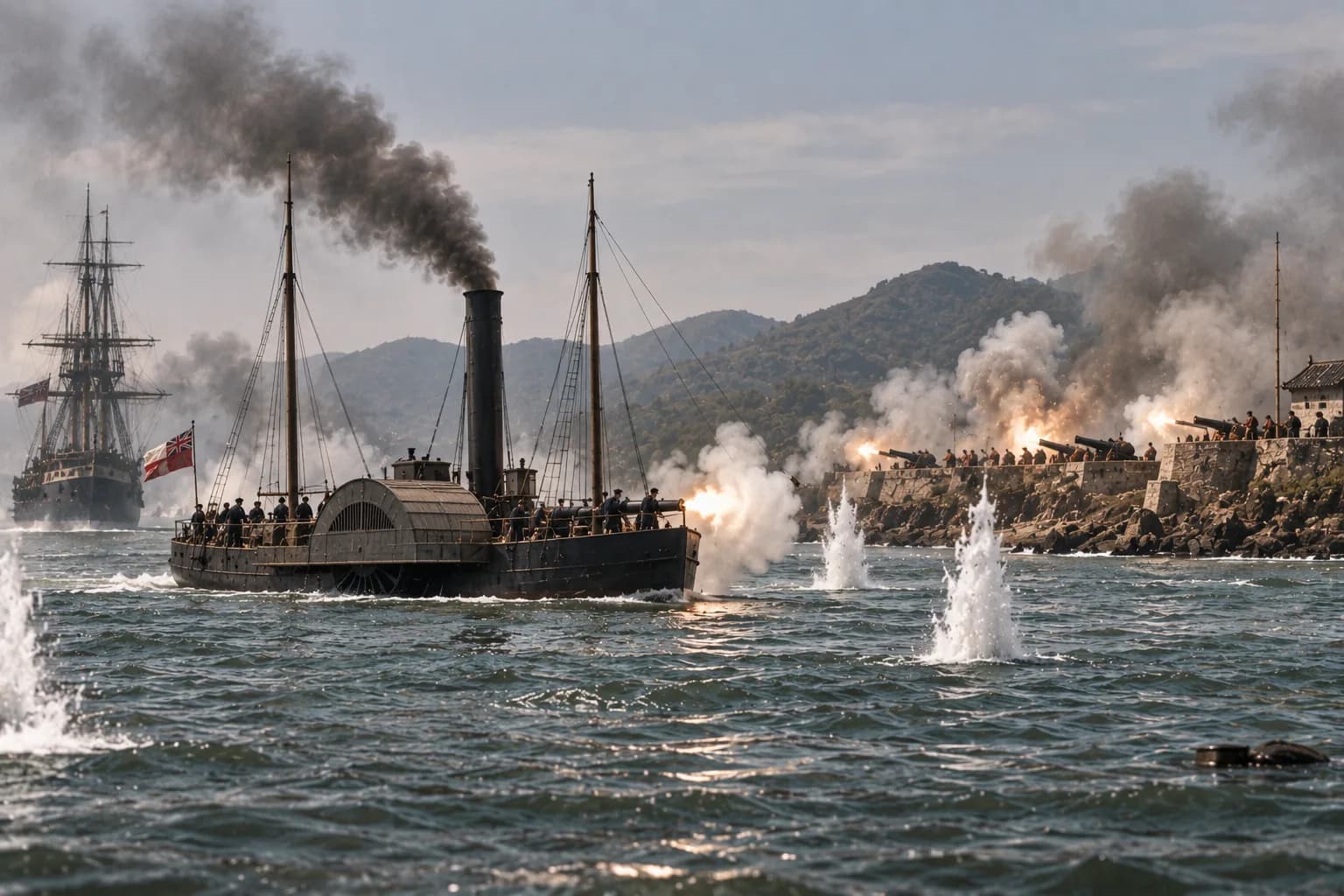
Macartney's earlier career included service as envoy to Russia, governor of Grenada and governor of Madras. These roles placed him inside a British imperial system increasingly confident that diplomacy, commerce and military power could be coordinated across long distances.

1793

Mission to China

The Macartney Embassy carried British hopes for additional ports, a permanent diplomatic presence and improved terms for merchants. It also carried scientific instruments, luxury goods and manufactured objects intended to display British skill. The mission presented Britain as a major power seeking negotiated access, not merely as traders at Canton.

1793

Meeting Qianlong

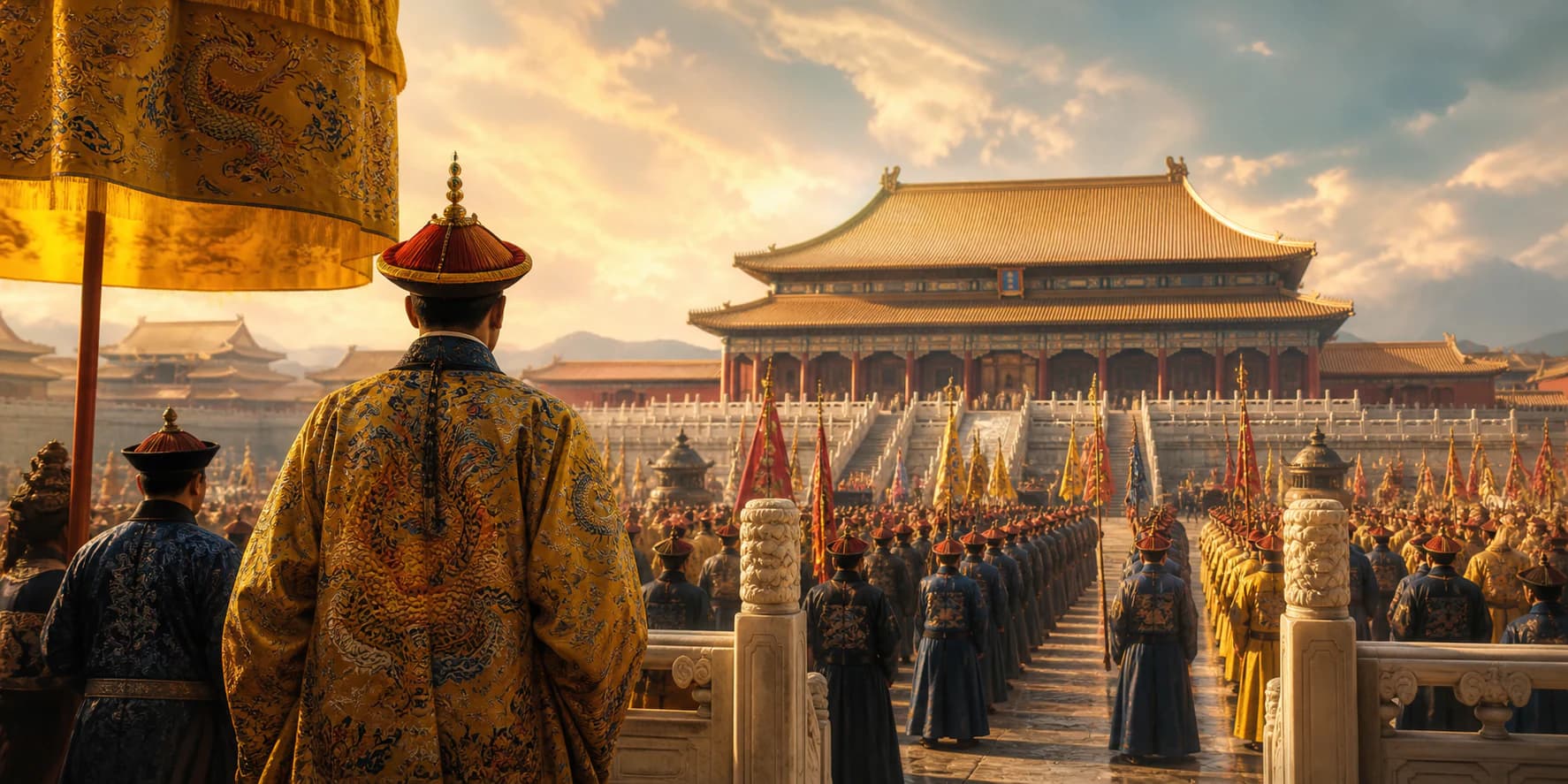
The embassy's court ritual became famous because it symbolised deeper disagreement. Qing officials expected foreign envoys to fit imperial ceremony. British officials resisted any gesture that appeared to subordinate their king. Behind the etiquette stood incompatible assumptions about diplomacy, sovereignty and trade.

1793

Failure of access

Qianlong's court saw little reason to restructure Qing rules around British commercial pressure. Macartney returned without the concessions Britain wanted. For Qing officials this preserved order. For British merchants and politicians it confirmed that the Canton System blocked what they considered legitimate commerce.

1806 onward

Warning before the wars

Macartney did not cause the Opium Wars, and the 1793 mission should not be treated as a simple meeting between modernity and stagnation. Its importance lies in what it revealed: Britain wanted wider access and diplomatic equality, while the Qing court believed foreign trade could still be contained inside imperial hierarchy. The gap widened after his death.

Continue in context

Connected stories

Move from the profile into the wider events and settings this figure belongs to.

Tertiary paths

Content note

This profile is written for educational use and connects to related Stories of History pages. The main portrait is an AI-assisted historical reconstruction, included as an illustrative aid rather than documentary evidence. Image policy

References

Sources & Further Reading

Reliable reference works, archives and reading paths connected to this profile.

Further reading

  1. Encyclopaedia Britannica, Search results for Lord Macartney,” accessed June 2026.Open source
  2. WorldCat, Books and library holdings for Lord Macartney,” accessed June 2026.Open source

Primary sources

  1. Library of Congress, Search results for Lord Macartney,” accessed June 2026.Open source

Reviewed claim sources

Loading reviewed claim sources...

A weekly route through history

Find out first about the latest published stories, feature notes and occasional Premium offers in one weekly email.