People

Galen

Galen of Pergamon was a Greek physician in the Roman Empire whose writings on anatomy, physiology, diagnosis, and treatment shaped medicine for more than a millennium.

Born
129 CE
Died
c. 216 CE
Role
Physician and medical writer

Greek physician (AD 129-c. AD 216)

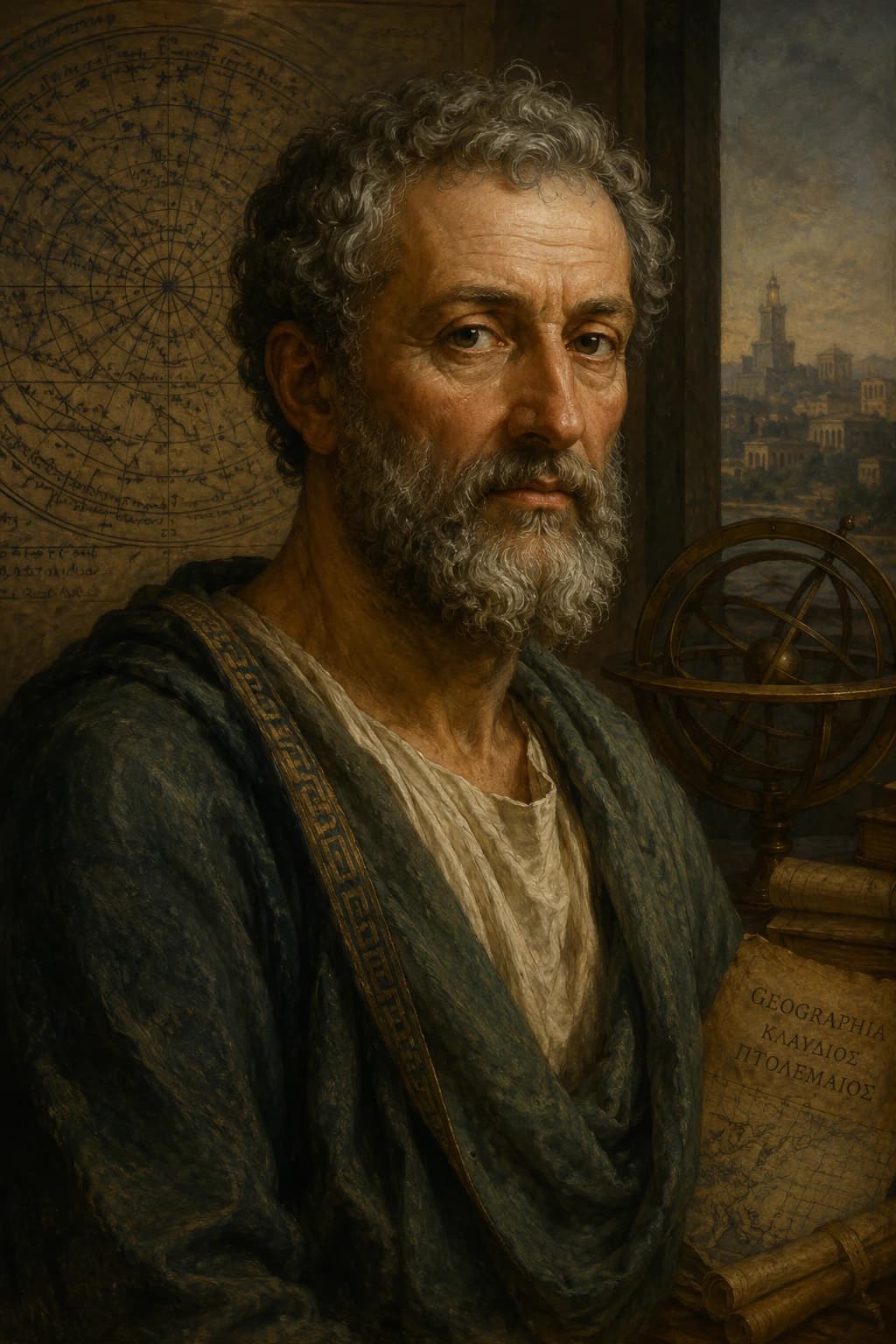
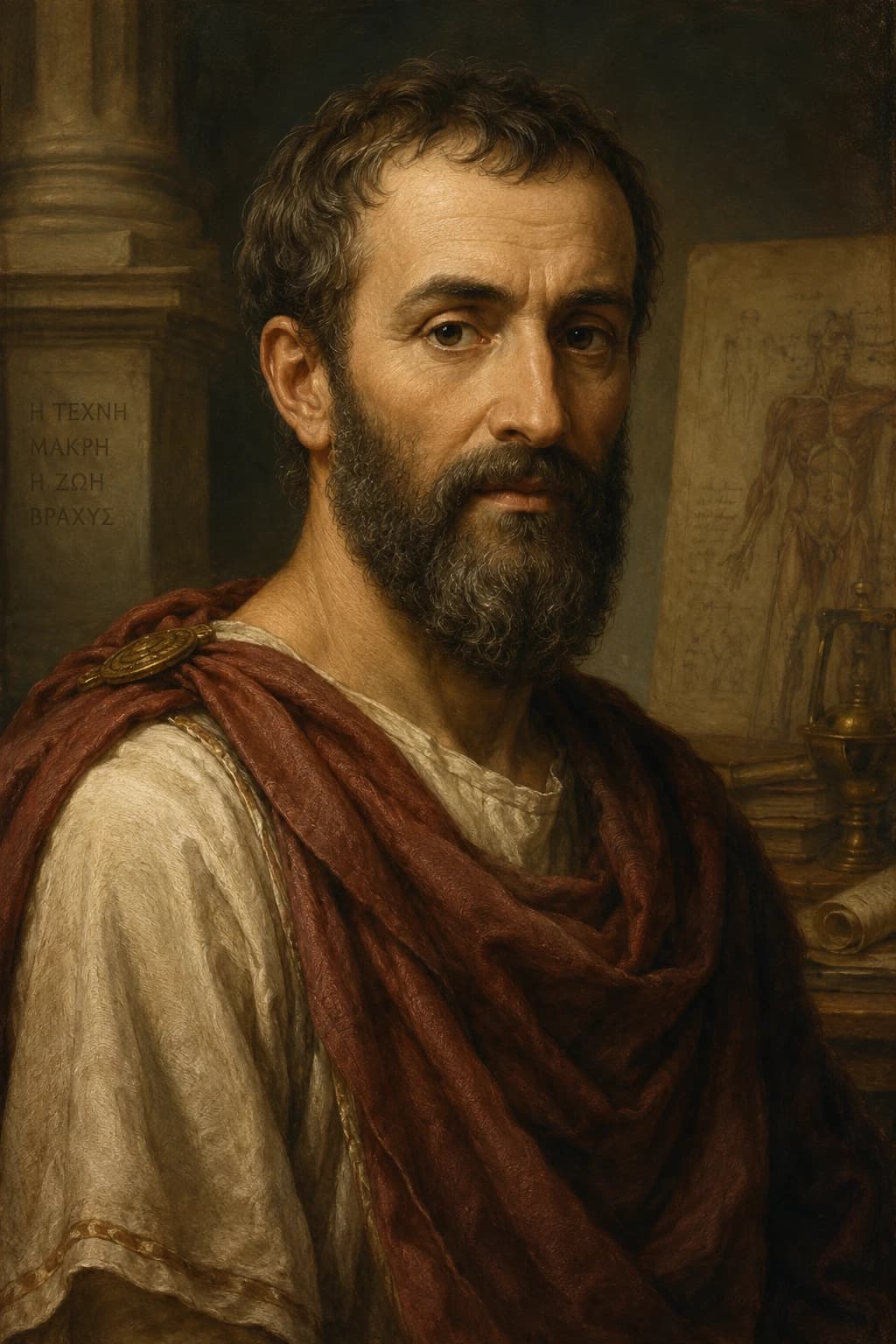
AI-generated portrait of Galen with anatomical drawings and medical instruments
AI-assisted historical reconstruction

An illustrative reconstruction based on historical context. It is not a photograph or documentary likeness. Image policy

Quick answer

Galen of Pergamon was a Greek physician in the Roman Empire whose writings on anatomy, physiology, diagnosis, and treatment shaped medicine for more than a millennium.

Born
129 CE
Died
c. 216 CE
Role
Physician and medical writer
Years
129-c. 216 CE
Quick facts

Profile details

Additional identity and tagging details that are not already covered in the introduction.

Full name
Galen of Pergamon
Also known as
Aelius Galenus
Region
Anatolia, Roman Empire, Greek world, Pergamon and Rome
Facts

Galen timeline facts

Selected specifics from this profile's life story.

129
Born in Pergamon

Galen was born in Pergamon, a Greek city in Roman Asia Minor with strong traditions of learning and healing.

150s
Physician to gladiators

As physician to gladiators in Pergamon, Galen gained practical experience treating wounds and studying the body under pressure.

second century AD
A medical system

Galen's writings organized anatomy and physiology into a system that later doctors treated as foundational.

1543 and after
Challenged by anatomy

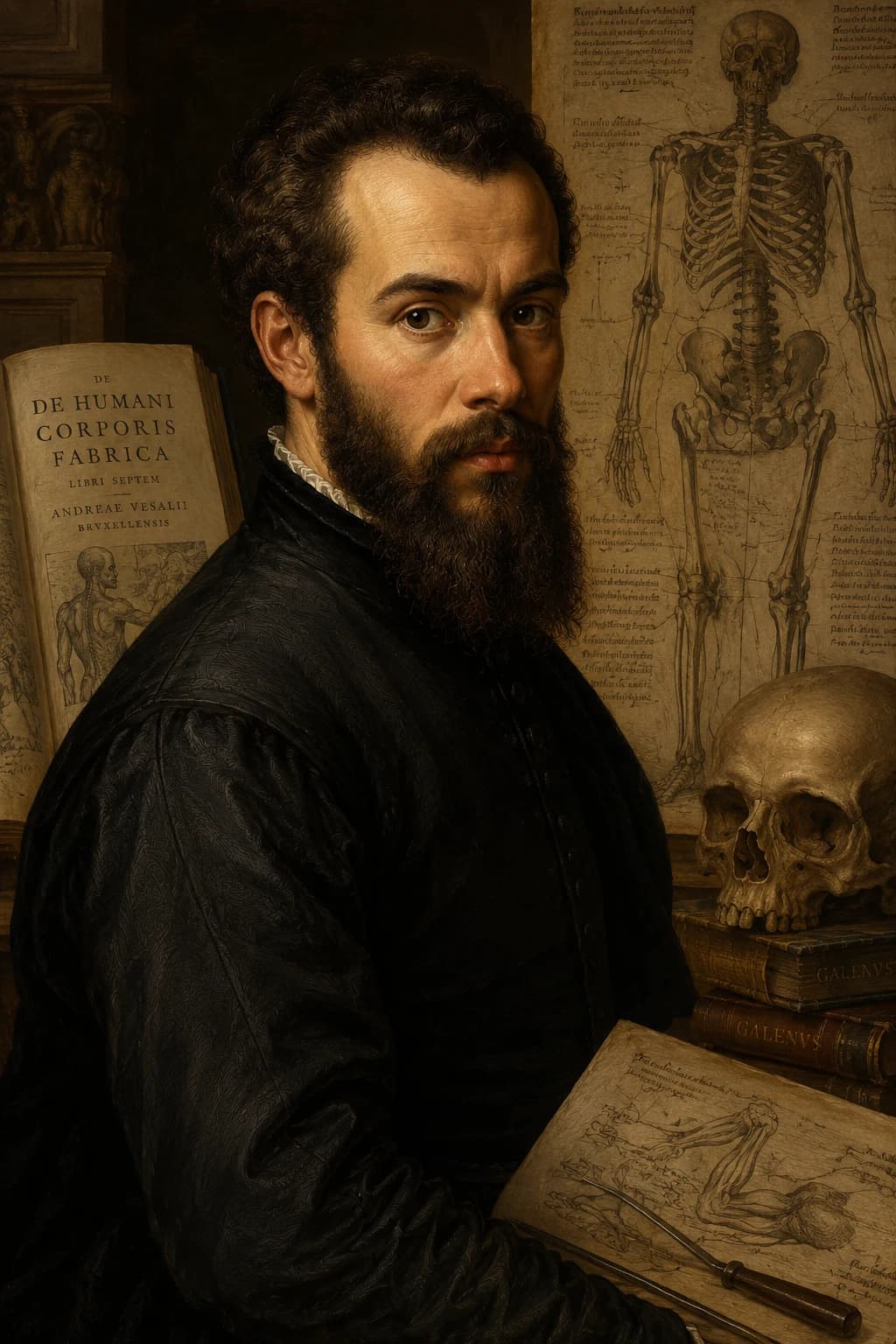
Renaissance anatomists, especially Vesalius, found that some Galenic descriptions did not match the human body.

Life Journey

Medicine built into an enduring system

Follow Galen from Pergamon to Rome and into the medical tradition that Renaissance anatomy had to confront.

Complete chronology

129

Born in Pergamon

Galen was born in Pergamon in AD 129, in a wealthy Greek-speaking city under Roman rule. Pergamon had temples, libraries, and medical traditions connected to the healing god Asclepius. Galen's family background gave him access to education in philosophy, logic, and medicine. That breadth shaped his later work. He did not treat medicine as a narrow craft. He saw it as a learned discipline that required anatomy, reasoning, observation, and argument.


second century AD

Medical education

Galen studied in several centers of medical learning, including Smyrna, Corinth, and Alexandria. He encountered competing medical schools and became sharply argumentative about method. He valued reasoned theory, but also insisted that physicians needed practical experience and anatomical knowledge. This combination made him formidable. Galen could criticize rivals on philosophical grounds, cite clinical experience, and appeal to dissection. His later authority came partly from that confidence: he made medicine sound systematic, learned, and defensible.

150s

Physician to gladiators

Galen's work with gladiators gave him unusually direct experience of trauma, wounds, muscles, bones, and recovery. In a world where human dissection was limited, injury could reveal what ordinary teaching concealed. This practical exposure strengthened his reputation and gave his writings a clinical authority that purely textual medicine lacked. It also helps explain why later readers trusted him so deeply. Galen seemed to join book learning to the body itself.

160s-190s

Career in Rome

In Rome, Galen entered the most competitive medical marketplace in the empire. He built fame through public demonstrations, elite patients, sharp criticism of rivals, and service connected to the imperial court. His association with emperors including Marcus Aurelius gave him prestige, but his authority did not rest on status alone. Galen wrote at enormous scale, producing works on anatomy, pulse, diagnosis, prognosis, drugs, diet, and the purposes of bodily organs. He made medicine into a vast intellectual architecture.

second century AD

A medical system

Galen's system explained the body through organs, humors, spirits, heat, purpose, and balance. Some claims were grounded in strong observation. Others were limited by the fact that he often dissected animals rather than human bodies. Over time, later medical education preserved his writings with enormous respect. Greek, Arabic, and Latin traditions transmitted and commented on Galen until his name became almost inseparable from learned medicine. That authority was productive, but dangerous when readers treated his texts as final.

1543 and after

Challenged by anatomy

Galen's long afterlife made him central to the Scientific Revolution in medicine. Vesalius did not simply dismiss him. He read him closely, learned from him, and then showed that some of his anatomical descriptions came from animal bodies rather than human ones. That discovery changed the hierarchy of evidence. If Galen and a dissected human body disagreed, the body had to win. Galen's importance therefore lies in both achievement and correction. He built the medical authority that Renaissance anatomy had to test.

Continue in context

Connected stories

Move from the profile into the wider events and settings this figure belongs to.

Tertiary paths

Content note

This profile is written for educational use and connects to related Stories of History pages. The main portrait is an AI-assisted historical reconstruction, included as an illustrative aid rather than documentary evidence. Image policy

References

Sources & Further Reading

Reliable reference works, archives and reading paths connected to this profile.

Further reading

  1. Encyclopaedia Britannica, Search results for Galen,” accessed June 2026.Open source
  2. WorldCat, Books and library holdings for Galen,” accessed June 2026.Open source

Primary sources

  1. Library of Congress, Search results for Galen,” accessed June 2026.Open source

Reviewed claim sources

Loading reviewed claim sources...

A weekly route through history

Find out first about the latest published stories, feature notes and occasional Premium offers in one weekly email.