People

Di Xin

Di Xin, later vilified as King Zhou of Shang, was the last ruler of the Shang dynasty. He was defeated by King Wu of Zhou at the Battle of Muye around 1046 BC, after which Zhou writers made him the classic example of a ruler who lost Heaven's mandate.

Died
1046 BCE
Role
Last king of the Shang dynasty

Last king of the Shang dynasty (died c. 1046 BC)

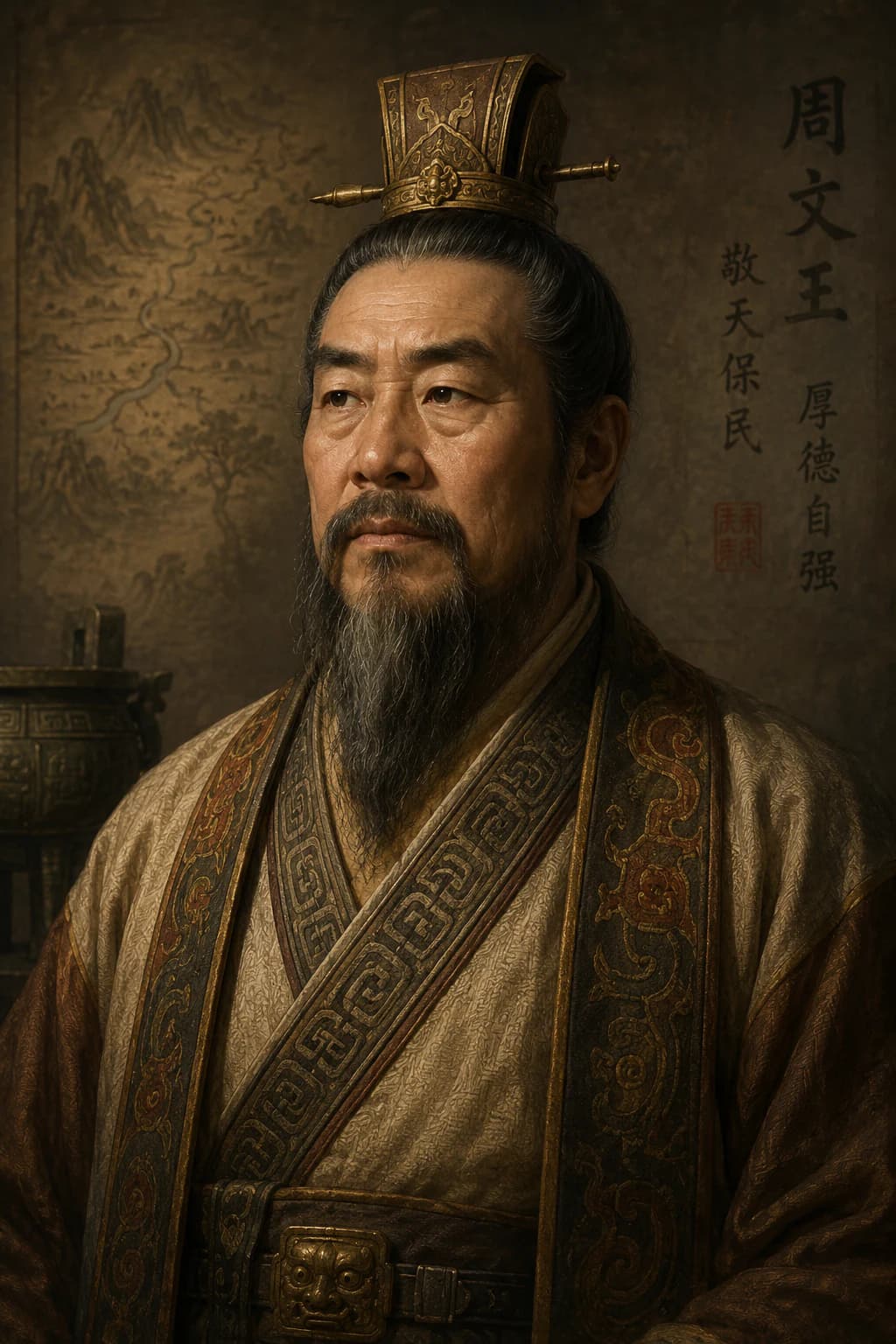
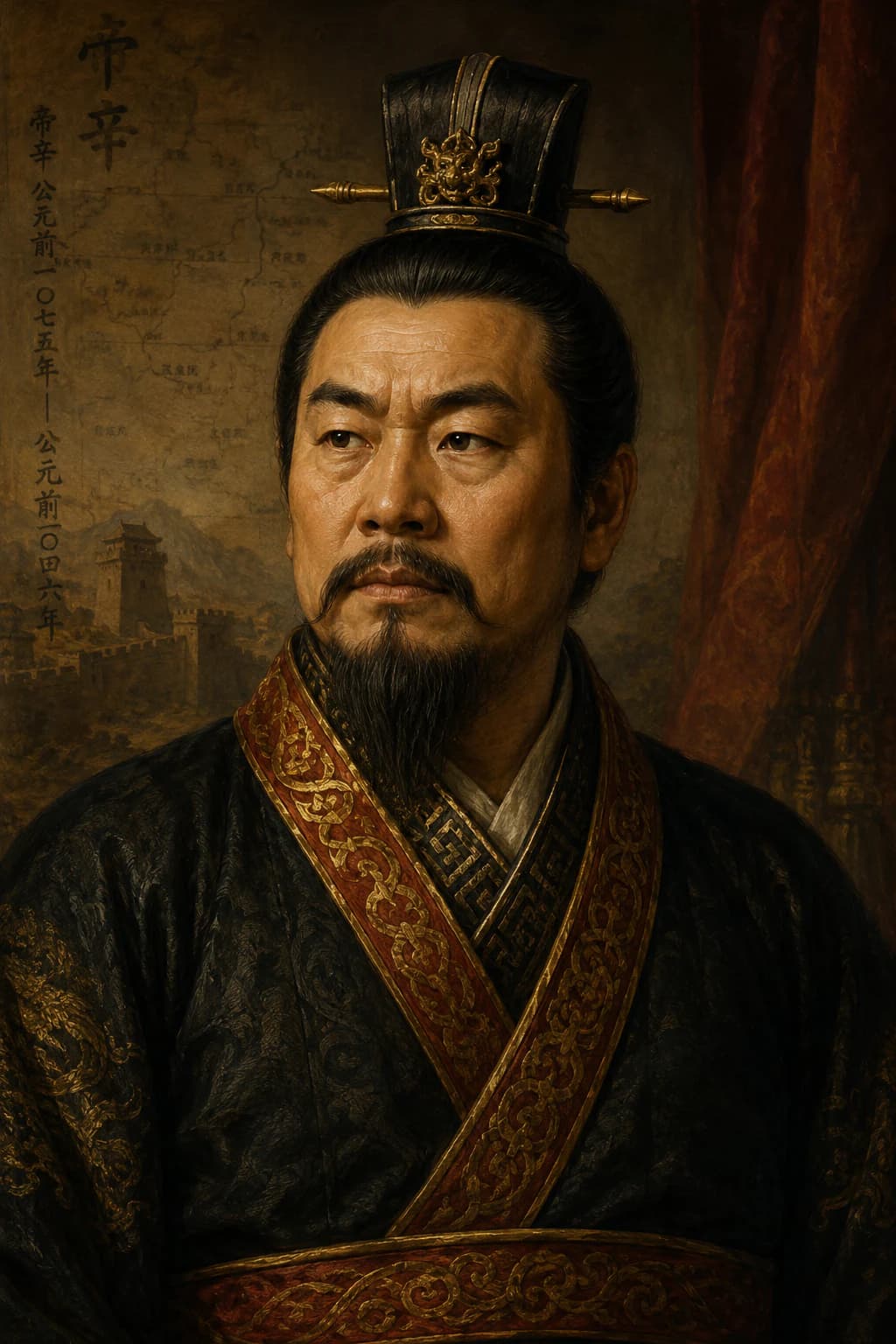
AI-generated portrait of Di Xin, last king of the Shang dynasty
AI-assisted historical reconstruction

An illustrative reconstruction based on historical context. It is not a photograph or documentary likeness. Image policy

Quick answer

Di Xin, later vilified as King Zhou of Shang, was the last ruler of the Shang dynasty. He was defeated by King Wu of Zhou at the Battle of Muye around 1046 BC, after which Zhou writers made him the classic example of a ruler who lost Heaven's mandate.

Died
1046 BCE
Role
Last king of the Shang dynasty
Years
Died 1046 BCE
Quick facts

Profile details

Additional identity and tagging details that are not already covered in the introduction.

Also known as
King Zhou of Shang, Zhou Xin, Shou
Facts

Di Xin timeline facts

Selected specifics from this profile's life story.

c. 11th century BC
Heir to Shang power

Di Xin inherited the Shang dynasty at Anyang, a Bronze Age royal state built on warfare, divination, ancestor ritual and elite lineages.

Later tradition
The problem of sources

Most stories about Di Xin's cruelty come from Zhou and later texts written after his defeat, so historians treat them with caution.

After 1046 BC
The tyrant image

Later Chinese tradition turned Di Xin into one of history's classic bad kings, a ruler used to explain why dynasties fall.

After 1046 BC
Historical significance

Di Xin remains important because his fall helped define the Chinese idea that rulers could lose legitimacy through misrule.

Life Journey

The fallen king behind the legend of tyranny

Follow the story in a more continuous narrative, with a reading mode that matches how much depth you want.

Complete chronology

c. 11th century BC

Heir to Shang power

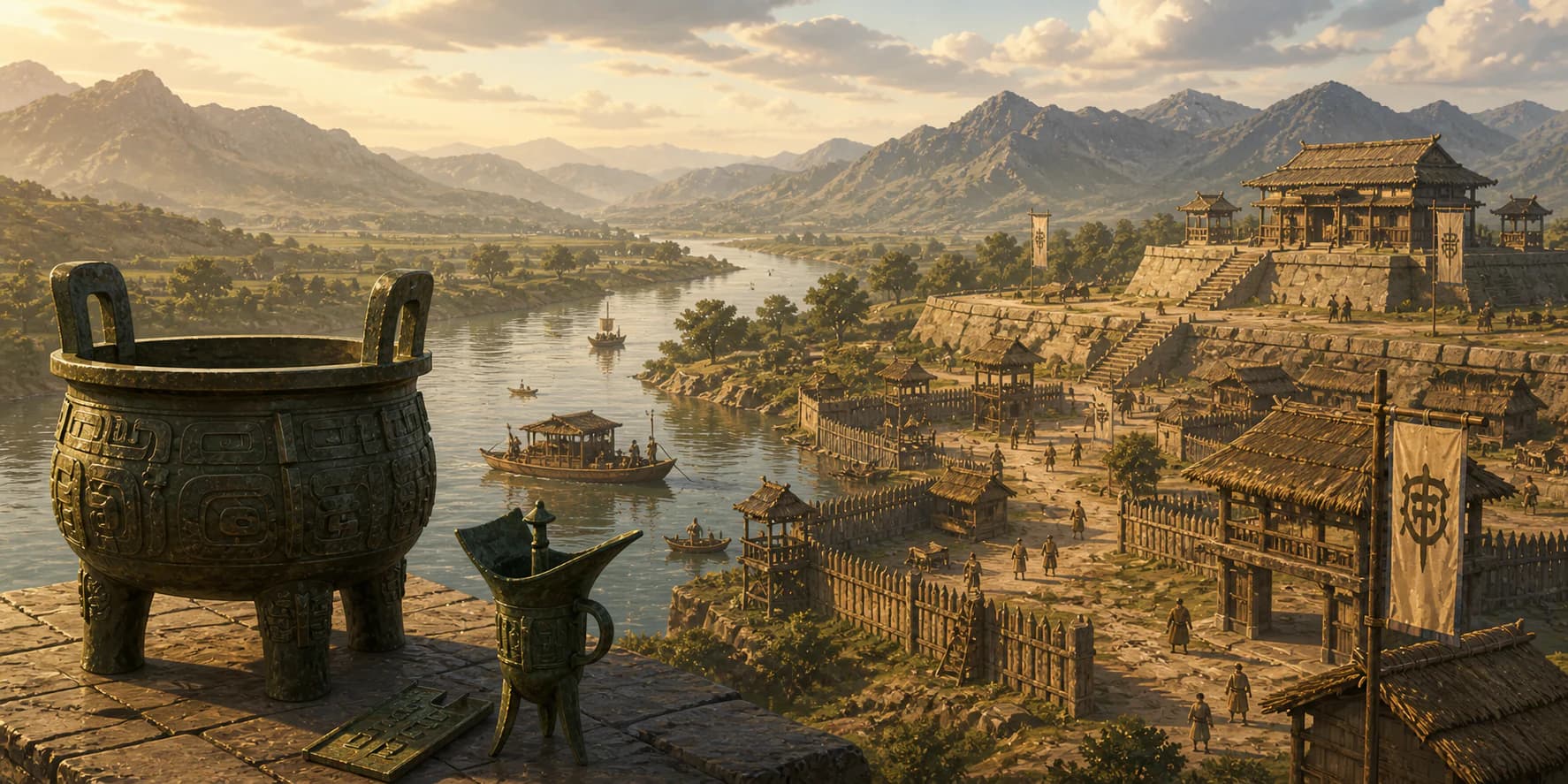
Di Xin ruled at the end of the Shang dynasty, when the royal centre at Yin near modern Anyang had already produced centuries of bronze ritual, oracle bone divination and military kingship. The Shang king was not merely an administrator. He was the central ritual figure who communicated with royal ancestors, led or authorised campaigns and distributed status among powerful lineages. Di Xin inherited this formidable system, but also its pressures. The late Shang world faced enemies, ambitious border powers and the difficulty of holding together a ritual-political order across distance. Later Zhou sources would portray him as doomed by personal depravity. A more careful reading begins with the structure he inherited: a powerful dynasty whose authority was real, but not unbreakable.
Later tradition

The problem of sources

Di Xin is one of the clearest examples of how victors can shape historical reputation. Later texts accuse him of extravagance, cruelty, sexual excess and contempt for moral counsel. Stories about Daji, the wine pool, the meat forest and sadistic punishments became famous in Chinese historical memory and literature. Some may preserve echoes of real criticism at the late Shang court, but many were sharpened by Zhou political needs. The Zhou had to explain why overthrowing the Shang was legitimate. Casting Di Xin as a monstrous tyrant made conquest look like moral necessity rather than ambition. This does not mean Di Xin was innocent or admired by all contemporaries. It means his biography must be read through layers of hostile memory.

c. 1046 BC

Battle of Muye

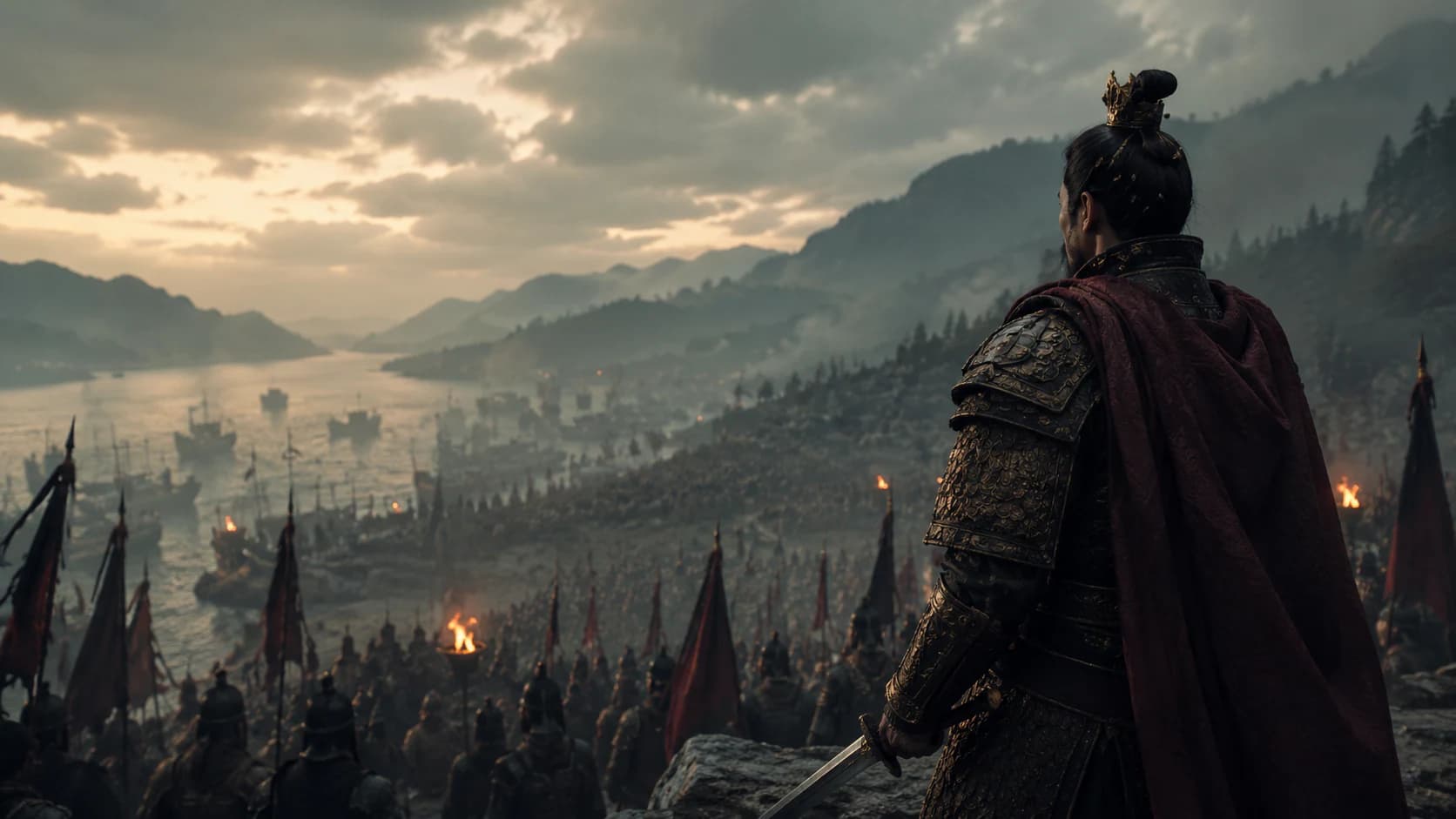
The Battle of Muye, traditionally dated to 1046 BC, ended Di Xin's reign and the Shang dynasty. Later accounts describe Shang troops losing confidence or turning against him, while Zhou forces advanced under King Wu. The dramatic details are difficult to verify, but the outcome is secure: Zhou victory broke Shang royal power. Di Xin died in the aftermath, traditionally by suicide as his capital fell. The battle's significance was magnified by later interpretation. It became not just a defeat but a judgement. Zhou writers used Muye to demonstrate that Heaven abandons a ruler who governs badly. Di Xin became the negative example against which legitimate kingship could be defined.

After 1046 BC

The tyrant image

Di Xin's posthumous identity became more powerful than the man himself. Later writers used him as a teaching example: the ruler who ignored remonstrance, indulged favourites, exhausted the people and lost Heaven's support. He was paired in memory with other notorious last rulers, such as Jie of Xia, to create a pattern of dynastic decline. That pattern influenced political argument for centuries. Ministers could warn emperors by invoking Di Xin. Rebels could justify revolt by claiming a ruler had become another tyrant. Moral historians could turn complex state failure into a readable lesson. The danger is simplification. Di Xin's real reign belonged to a Bronze Age political world, not only to the moral drama later built from it.

After 1046 BC

Historical significance

Di Xin matters because losing can be historically creative. His defeat allowed the Zhou to articulate the Mandate of Heaven, one of the most durable ideas in Chinese political thought. In that framework, Heaven grants rule conditionally and can transfer support when a dynasty becomes morally unworthy. Whether Di Xin personally deserved every accusation made against him is less important than the use made of his memory. He became the necessary villain in a story that gave later China a way to explain revolution without rejecting monarchy itself. Modern history should treat him with more caution than Zhou moralism did, but it cannot ignore the force of that moralism. Di Xin's fall shaped how Chinese civilisation understood the relationship between power, virtue and historical judgement.

Continue in context

Connected stories

Move from the profile into the wider events and settings this figure belongs to.

Tertiary paths

Content note

This profile is written for educational use and connects to related Stories of History pages. The main portrait is an AI-assisted historical reconstruction, included as an illustrative aid rather than documentary evidence. Image policy

References

Sources & Further Reading

Reliable reference works, archives and reading paths connected to this profile.

Further reading

  1. Encyclopaedia Britannica, Search results for Di Xin,” accessed June 2026.Open source
  2. WorldCat, Books and library holdings for Di Xin,” accessed June 2026.Open source

Primary sources

  1. Library of Congress, Search results for Di Xin,” accessed June 2026.Open source

Reviewed claim sources

Loading reviewed claim sources...

A weekly route through history

Find out first about the latest published stories, feature notes and occasional Premium offers in one weekly email.