People

Pan Geng

Pan Geng was a Shang dynasty king traditionally credited with moving the Shang capital to Yin near modern Anyang. The relocation helped define the late Shang period, the world of oracle bones, royal bronzes and the archaeological site known as Yinxu.

Role
Shang king

Shang king (c. 14th-13th century BC)

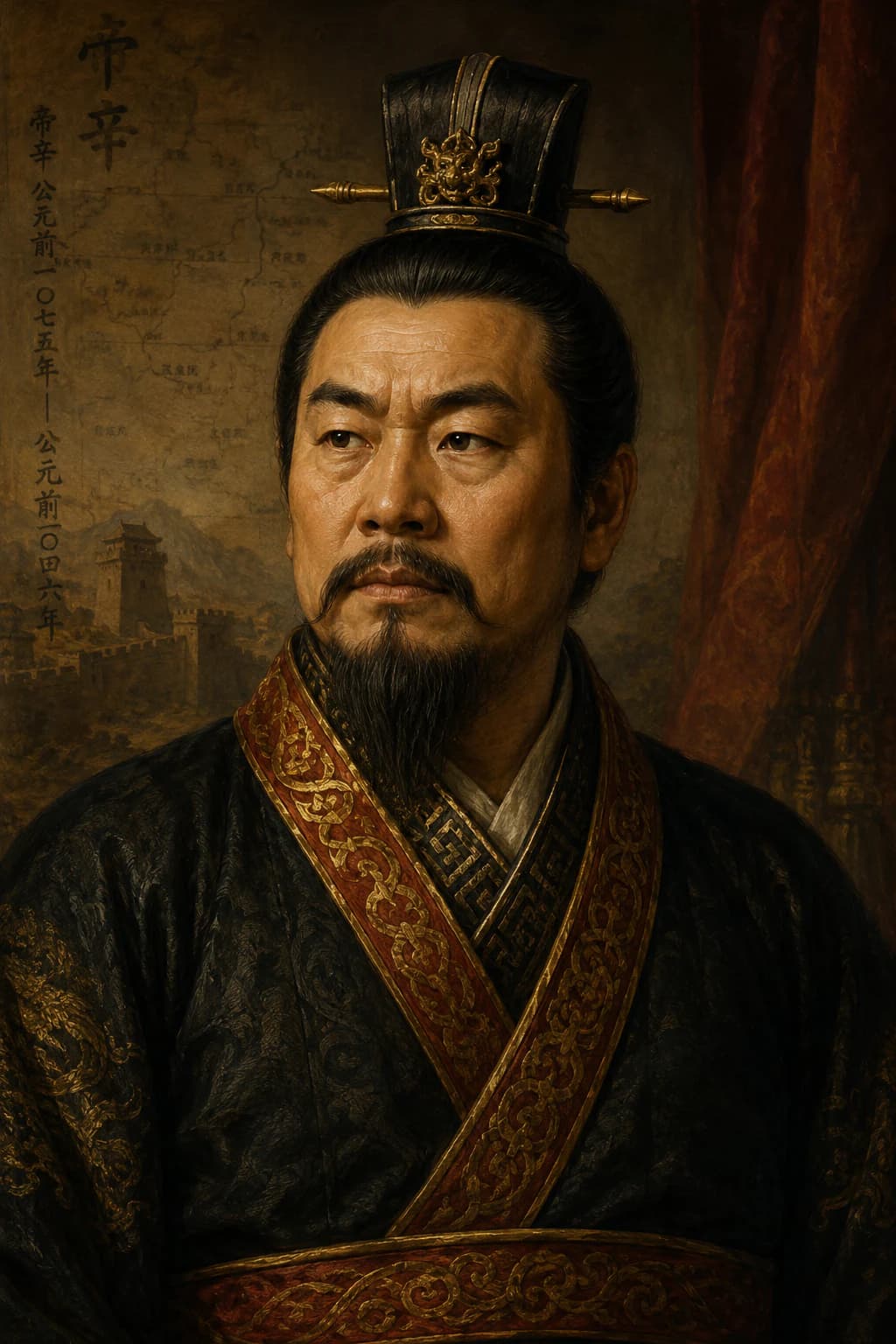
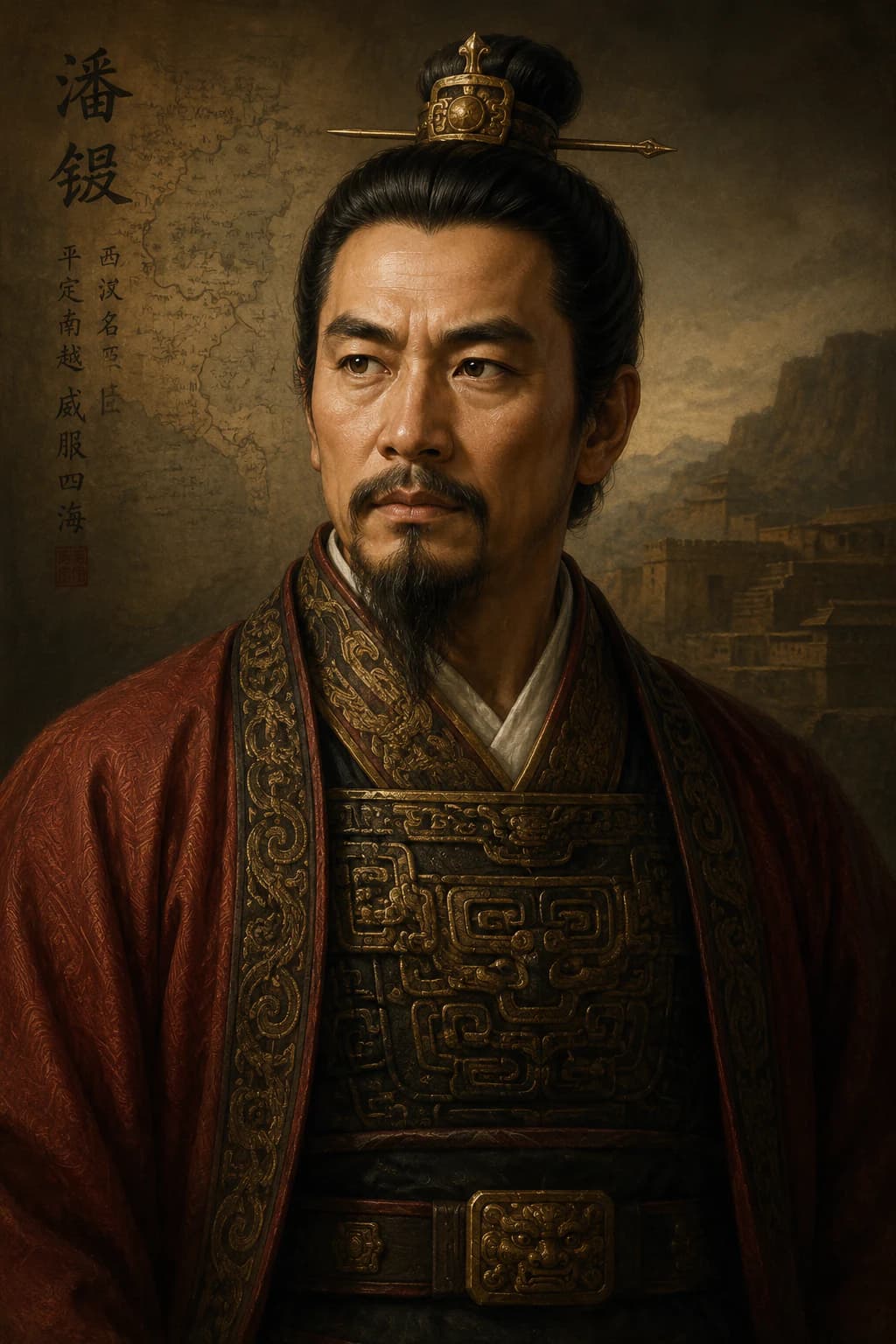
AI-generated portrait of Pan Geng in Shang royal dress
AI-assisted historical reconstruction

An illustrative reconstruction based on historical context. It is not a photograph or documentary likeness. Image policy

Quick answer

Pan Geng was a Shang dynasty king traditionally credited with moving the Shang capital to Yin near modern Anyang. The relocation helped define the late Shang period, the world of oracle bones, royal bronzes and the archaeological site known as Yinxu.

Role
Shang king
Years
c. 14th-13th century BCE
Quick facts

Profile details

Additional identity and tagging details that are not already covered in the introduction.

Also known as
Pangeng
Facts

Pan Geng timeline facts

Selected specifics from this profile's life story.

c. 14th-13th century BC
A king in a moving dynasty

Pan Geng ruled the Shang dynasty during a period remembered for repeated capital moves and the search for stable royal authority.

c. 1300 BC
Decision to move

Pan Geng is traditionally credited with moving the Shang capital to Yin, the site later known through the ruins of Yinxu.

Modern study
Text and archaeology

Pan Geng is known from later transmitted texts, while archaeology confirms the importance of Yin as the late Shang capital.

After the Shang
Historical significance

Pan Geng's legacy rests on anchoring the Shang dynasty at the place where early Chinese writing and royal archaeology became visible.

Life Journey

The king who anchored the Shang at Yin

Follow the story in a more continuous narrative, with a reading mode that matches how much depth you want.

Complete chronology

c. 14th-13th century BC

A king in a moving dynasty

Pan Geng belongs to the middle-to-late Shang sequence, a period where history is partly preserved through later texts and partly illuminated by archaeology. The Shang dynasty before Anyang was not fixed permanently in one capital. Royal centres shifted, perhaps because of political pressure, environmental conditions, factional conflict, ritual needs or the changing geography of power. Later tradition remembered these moves as signs of instability, but mobile royal centres could also be instruments of control. A king who moved his capital moved the court, ritual focus, labour demands, elite households and administrative attention. Pan Geng's importance lies in the move that later memory attached to him: the relocation to Yin, near modern Anyang, which became the most archaeologically visible Shang capital.
c. 1300 BC

Decision to move

The relocation to Yin is Pan Geng's defining act. Later sources describe resistance to the move, suggesting that relocation disrupted elites and common people alike. A capital was not only a palace. It was a concentration of tombs, workshops, fields, dependants, ritual spaces, stored goods and inherited status. Moving it could threaten established interests. The speeches attributed to Pan Geng in the Book of Documents cannot be read as verbatim records from his reign, but they preserve a memory of royal persuasion and coercion around the move. The king had to argue that relocation served ancestral will and dynastic necessity. Whether the causes were political, environmental or strategic, the decision reshaped Shang history.

c. 1300 BC

Yin near Anyang

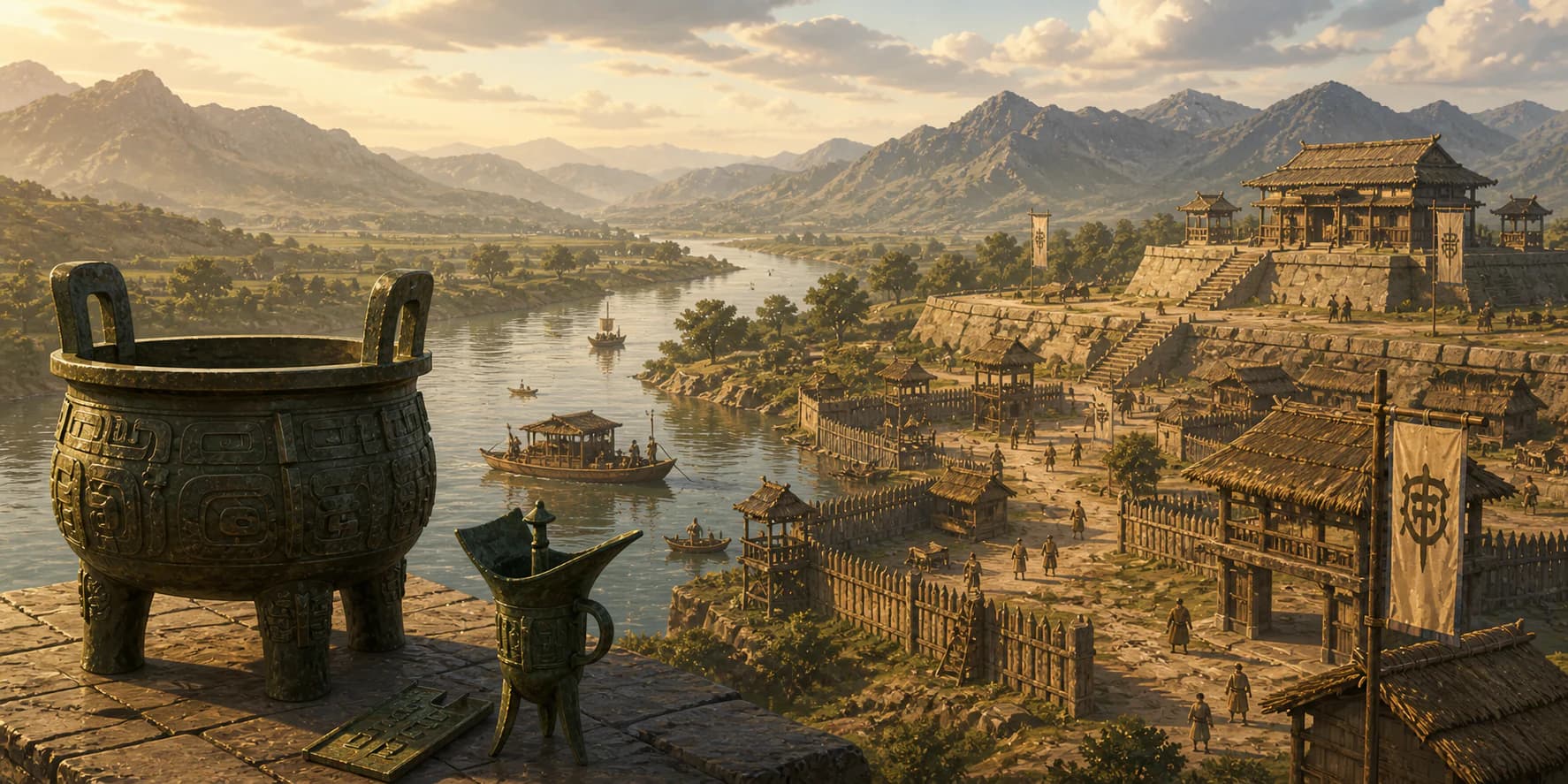
Yin's significance is difficult to overstate. The site later called Yinxu, the Ruins of Yin, preserves the clearest archaeological window into Shang civilisation. There, excavations revealed palace and temple foundations, royal tombs, bronze workshops, bone workshops, sacrificial pits and vast numbers of oracle bone inscriptions. The most famous evidence comes from later Shang reigns, especially the period of Wu Ding and his successors, but the capital's establishment is traditionally traced back to Pan Geng. By anchoring the dynasty at Yin, the Shang created a stable ritual and political centre whose material remains would survive to transform modern knowledge of early China.

Modern study

Text and archaeology

Pan Geng's biography must be handled carefully because the evidence is uneven. Later Chinese texts preserve his name and speeches connected with the move, but those writings passed through long processes of transmission and interpretation. Archaeology, meanwhile, confirms the extraordinary importance of Yinxu near Anyang as the late Shang capital, even if it cannot turn every transmitted detail into proven fact. The strongest historical position joins these sources cautiously. Pan Geng is best understood as the Shang king traditionally associated with a real and consequential relocation to Yin. The exact motives, chronology and speeches remain debated, but the capital's importance is beyond doubt.

After the Shang

Historical significance

Pan Geng is not as famous as Fu Hao, Wu Ding, Di Xin or King Wu of Zhou, yet his importance is structural. By tradition, he moved the Shang to the capital whose ruins later revealed the earliest large body of Chinese writing. Without Yin, modern understanding of the Shang would be far thinner, more dependent on later texts and less grounded in contemporary evidence. The move also shaped Shang identity itself. The dynasty after Pan Geng was so closely associated with Yin that later writers often used Yin as another name for Shang. His legacy therefore lies in anchoring a royal world: the place of oracle bones, bronze vessels, royal tombs, diviners, ancestors and the final centuries before Zhou conquest.

Continue in context

Connected stories

Move from the profile into the wider events and settings this figure belongs to.

Tertiary paths

Content note

This profile is written for educational use and connects to related Stories of History pages. The main portrait is an AI-assisted historical reconstruction, included as an illustrative aid rather than documentary evidence. Image policy

References

Sources & Further Reading

Reliable reference works, archives and reading paths connected to this profile.

Further reading

  1. Encyclopaedia Britannica, Search results for Pan Geng,” accessed June 2026.Open source
  2. WorldCat, Books and library holdings for Pan Geng,” accessed June 2026.Open source

Primary sources

  1. Library of Congress, Search results for Pan Geng,” accessed June 2026.Open source

Reviewed claim sources

Loading reviewed claim sources...

A weekly route through history

Find out first about the latest published stories, feature notes and occasional Premium offers in one weekly email.