People

Andrei Bogolyubsky

Andrei Bogolyubsky was a twelfth-century prince of Vladimir-Suzdal, Grand Prince of Vladimir, and the ruler whose forces sacked Kiev in 1169.

Born
c. 1111 CE
Died
1174 CE
Role
Prince of Vladimir-Suzdal

Prince of Vladimir-Suzdal (c. 1111-1174)

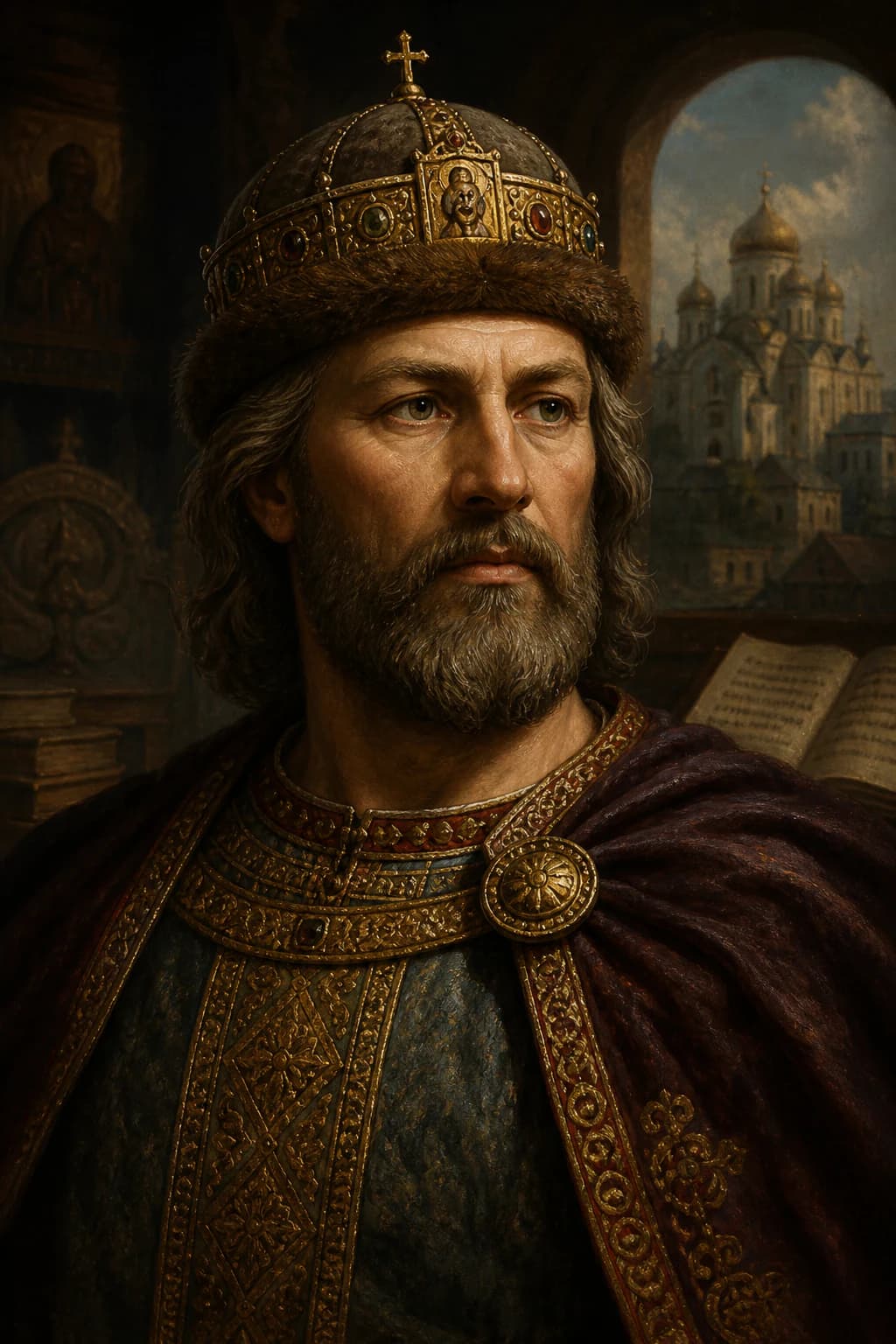
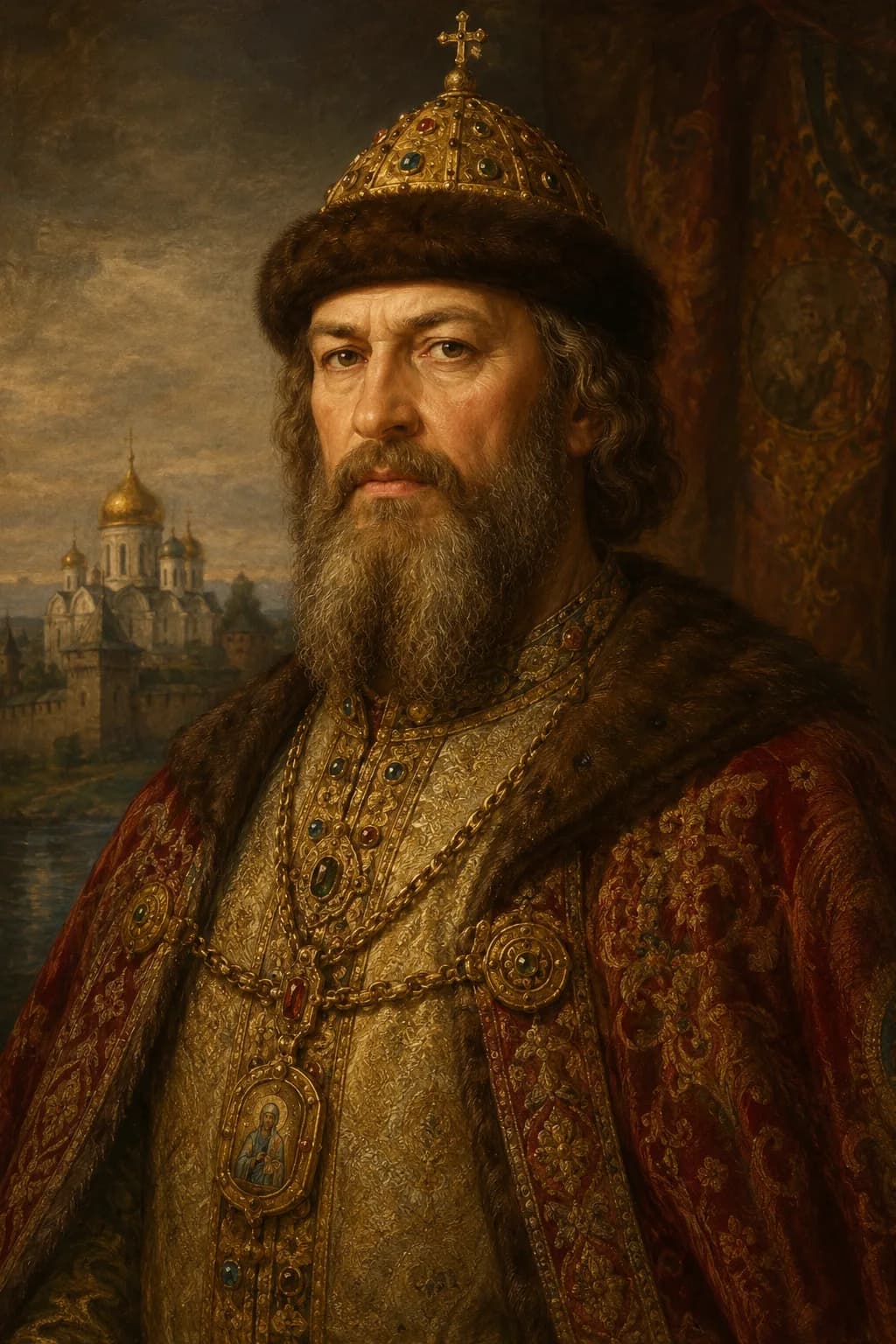
AI-generated portrait of Andrei Bogolyubsky in princely robes with a church behind him
AI-assisted historical reconstruction

An illustrative reconstruction based on historical context. It is not a photograph or documentary likeness. Image policy

Quick answer

Andrei Bogolyubsky was a twelfth-century prince of Vladimir-Suzdal, Grand Prince of Vladimir, and the ruler whose forces sacked Kiev in 1169.

Born
c. 1111 CE
Died
1174 CE
Role
Prince of Vladimir-Suzdal
Years
c. 1111-1174 CE
Quick facts

Profile details

Additional identity and tagging details that are not already covered in the introduction.

Full name
Andrei Yuryevich Bogolyubsky
Also known as
Andrey Bogolyubsky, Andrei Yuryevich
Facts

Andrei Bogolyubsky timeline facts

Selected specifics from this profile's life story.

c. 1111
Rurikid Northeast

Andrei Bogolyubsky was born into the Rurikid dynasty, but his career belonged to the rising northeastern world of Vladimir-Suzdal.

1150s-1160s
Sacred Authority

Andrei used church patronage and sacred imagery to strengthen Vladimir's status as a princely centre.

after 1169
New Political Map

After 1169, Kiev still mattered symbolically, but Andrei's career showed that the strongest Rus princes could rule from elsewhere.

1174
Assassination and Legacy

Andrei was assassinated in 1174, but his political legacy endured in the growing importance of the northeastern Rus lands.

Life Journey

Why Andrei Bogolyubsky matters

Follow the story in a more continuous narrative, with a reading mode that matches how much depth you want.

Complete chronology

c. 1111

Rurikid Northeast

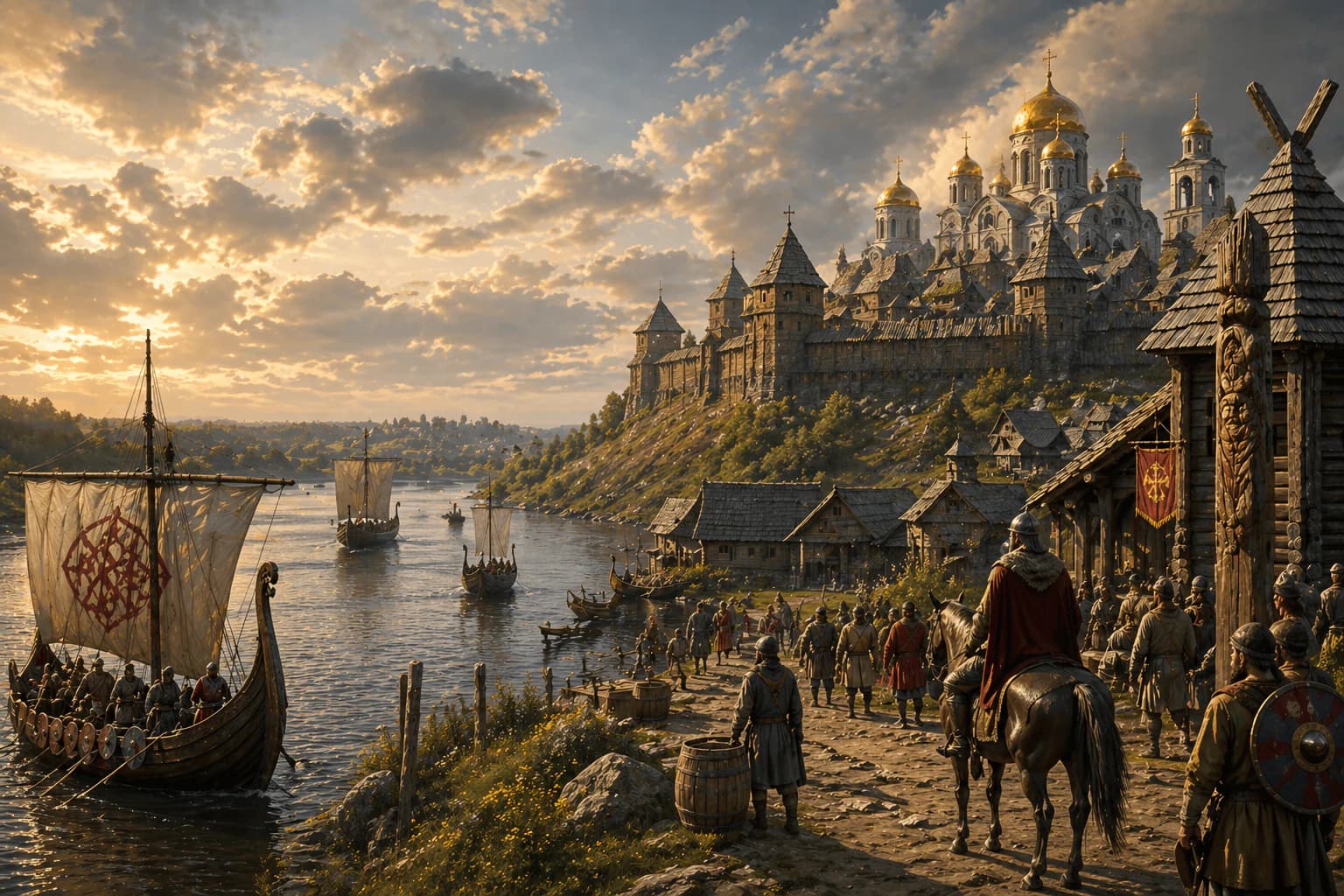
Andrei Yuryevich Bogolyubsky was a Rurikid prince born into a dynasty whose older centre of gravity had been Kiev. By the twelfth century, however, power was spreading into regional principalities with their own elites, towns, and ambitions. Andrei's father, Yuri Dolgorukiy, was a major figure in the northeastern lands, and Andrei inherited a political environment increasingly confident that authority did not have to flow through Kiev alone. His career shows how the Rus world changed from a Kievan-centred network into a set of competing regional powers.
1150s

Vladimir-Suzdal Base

Andrei's political imagination was rooted in Vladimir-Suzdal. Rather than treating Kiev as the inevitable destination of ambition, he cultivated the northeast as a centre of princely power in its own right. This meant strengthening towns, patronizing churches, managing local elites, and presenting Vladimir as a sacred and political centre worthy of loyalty. The shift was subtle but profound. Earlier princes had fought for Kiev because it represented seniority. Andrei showed that a prince could claim status while keeping his real power elsewhere.

1150s-1160s

Sacred Authority

Like many medieval rulers, Andrei understood that authority needed sacred display. He supported church building and associated Vladimir-Suzdal with powerful religious symbols, including devotion to the Mother of God. Architecture and icon veneration were not separate from politics. They helped make the northeastern principality look chosen, protected, and culturally serious. In a world where Christian legitimacy mattered deeply, building sacred prestige was a form of statecraft. Andrei was not simply moving troops; he was moving the emotional and spiritual centre of princely loyalty.

1169

Sack of Kiev

The sack of Kiev in 1169 was the defining act of Andrei's career. When disputes over the Kievan throne gave him an opening, he assembled a coalition and attacked the city. The violence shocked later memory because Kiev was not merely another fortress. It was the symbolic mother of Rus cities, the place associated with Oleg, Vladimir, Yaroslav, Christian conversion, law, and dynastic prestige. Andrei did not make Kiev his permanent capital after the victory. That was the point. The old centre could be conquered, stripped, and subordinated while power remained in the northeast.

after 1169

New Political Map

Andrei's victory did not erase Kiev, but it changed what Kiev meant. The city remained sacred, prestigious, and historically central, yet it was no longer the uncontested seat of effective power. Vladimir-Suzdal, Galicia-Volhynia, Novgorod, and other centres increasingly followed their own trajectories. Andrei's achievement was to make that change visible. He embodied a Rus world in which regional princes could build authority around local resources, sacred patronage, and military coalitions rather than the old hierarchy of Kievan possession.

1174

Assassination and Legacy

Andrei's rule was strong, ambitious, and often severe enough to create enemies close to home. He was assassinated in 1174, a reminder that consolidating princely authority could provoke elite resistance as well as obedience. His death did not undo the larger shift he represented. The northeastern Rus lands continued to grow in importance, and Vladimir-Suzdal became one of the crucial successors to the old Kievan order. Andrei Bogolyubsky matters because his life marks a turning point: the moment when the map of Rus power could no longer be understood by looking first to Kiev.

Continue in context

Connected stories

Move from the profile into the wider events and settings this figure belongs to.

Tertiary paths

Content note

This profile is written for educational use and connects to related Stories of History pages. The main portrait is an AI-assisted historical reconstruction, included as an illustrative aid rather than documentary evidence. Image policy

References

Sources & Further Reading

Reliable reference works, archives and reading paths connected to this profile.

Further reading

  1. Encyclopaedia Britannica, Search results for Andrei Bogolyubsky,” accessed June 2026.Open source
  2. WorldCat, Books and library holdings for Andrei Bogolyubsky,” accessed June 2026.Open source

Primary sources

  1. Library of Congress, Search results for Andrei Bogolyubsky,” accessed June 2026.Open source

Reviewed claim sources

Loading reviewed claim sources...

A weekly route through history

Find out first about the latest published stories, feature notes and occasional Premium offers in one weekly email.