People

Acamapichtli

Acamapichtli was the first tlatoani of Tenochtitlan, ruling in the late fourteenth century while the Mexica were still subordinate to Azcapotzalco. Later traditions remembered him as the founder of the Mexica royal house and as father of later rulers including Huitzilihuitl and Itzcoatl.

Born
c. 1340 CE
Died
c. 1391 CE
Role
Tlatoani of Tenochtitlan

Tlatoani of Tenochtitlan (c. 1372-1391)

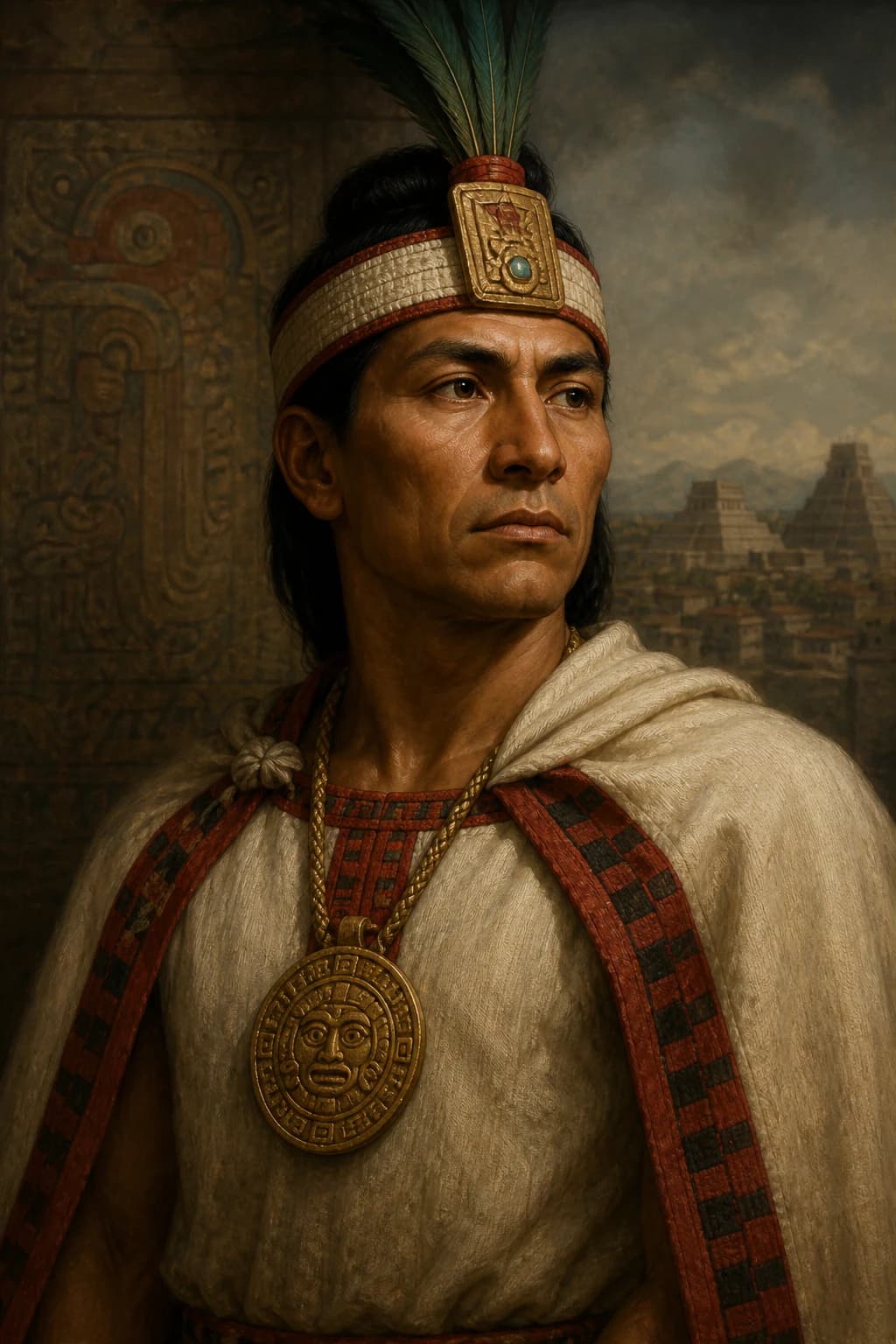
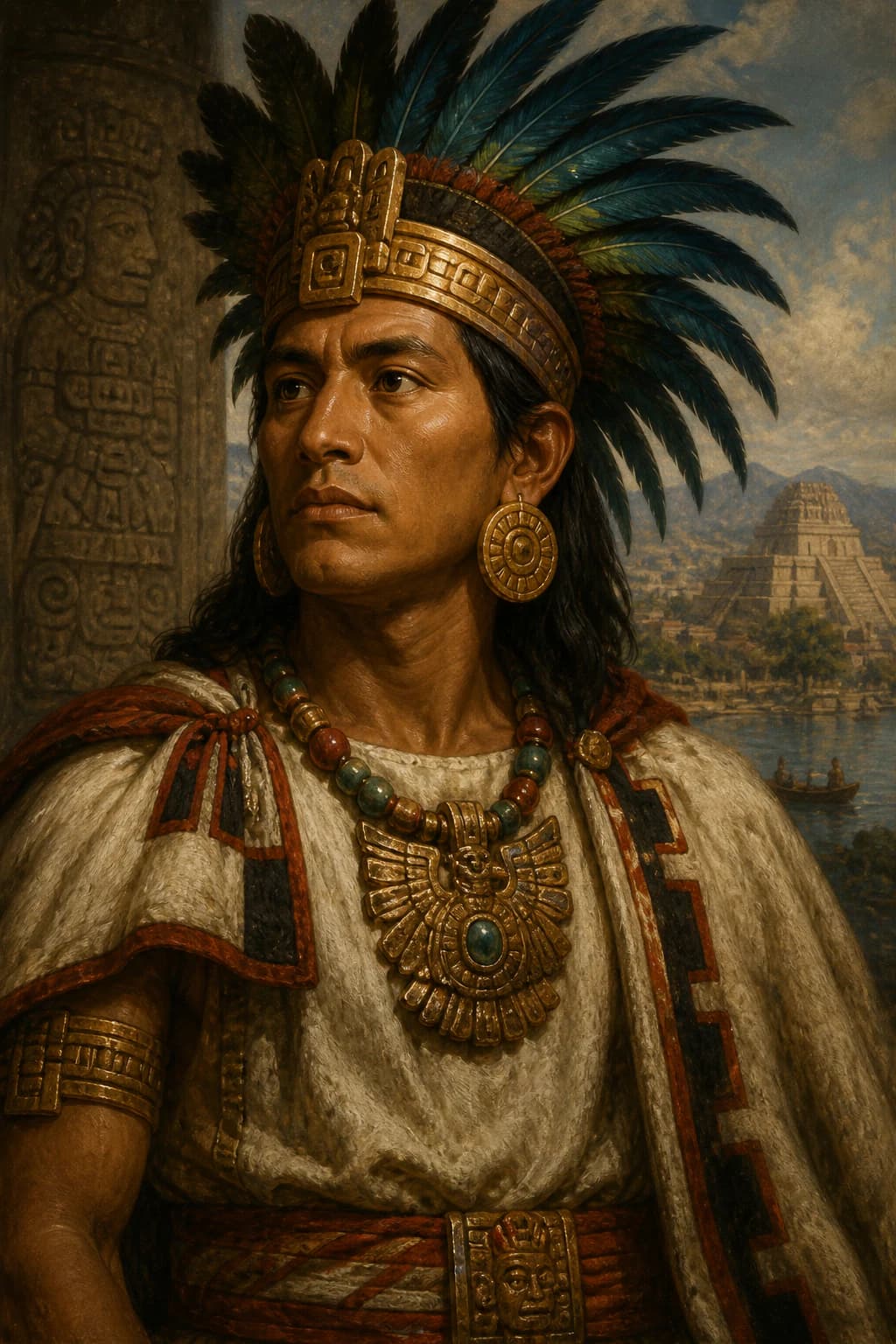
AI-generated portrait of Acamapichtli in Mexica royal attire with feathered headdress
AI-assisted historical reconstruction

An illustrative reconstruction based on historical context. It is not a photograph or documentary likeness. Image policy

Quick answer

Acamapichtli was the first tlatoani of Tenochtitlan, ruling in the late fourteenth century while the Mexica were still subordinate to Azcapotzalco. Later traditions remembered him as the founder of the Mexica royal house and as father of later rulers including Huitzilihuitl and Itzcoatl.

Born
c. 1340 CE
Died
c. 1391 CE
Role
Tlatoani of Tenochtitlan
Years
c. 1340-c. 1391 CE
Quick facts

Profile details

Additional identity and tagging details that are not already covered in the introduction.

Also known as
Acamapich, Acamapichtzin
Facts

Acamapichtli timeline facts

Selected specifics from this profile's life story.

14th century
A city still proving itself

Acamapichtli entered Mexica history when Tenochtitlan was still a young island settlement surrounded by stronger city-states.

c. 1372
Royal legitimacy

Tradition remembers Acamapichtli as the first tlatoani of Tenochtitlan, chosen for noble connections that strengthened Mexica status.

late 14th century
Dynastic foundation

Acamapichtli became remembered as the founder of the Mexica royal house and father of later rulers, including Huitzilihuitl and Itzcoatl.

after 1391
Legacy

After Acamapichtli, Tenochtitlan's rulers expanded status, alliances, and military experience until the city could challenge its former masters.

Life Journey

The ruler who gave Tenochtitlan a dynasty

Follow the story in a more continuous narrative, with a reading mode that matches how much depth you want.

Complete chronology

14th century

A city still proving itself

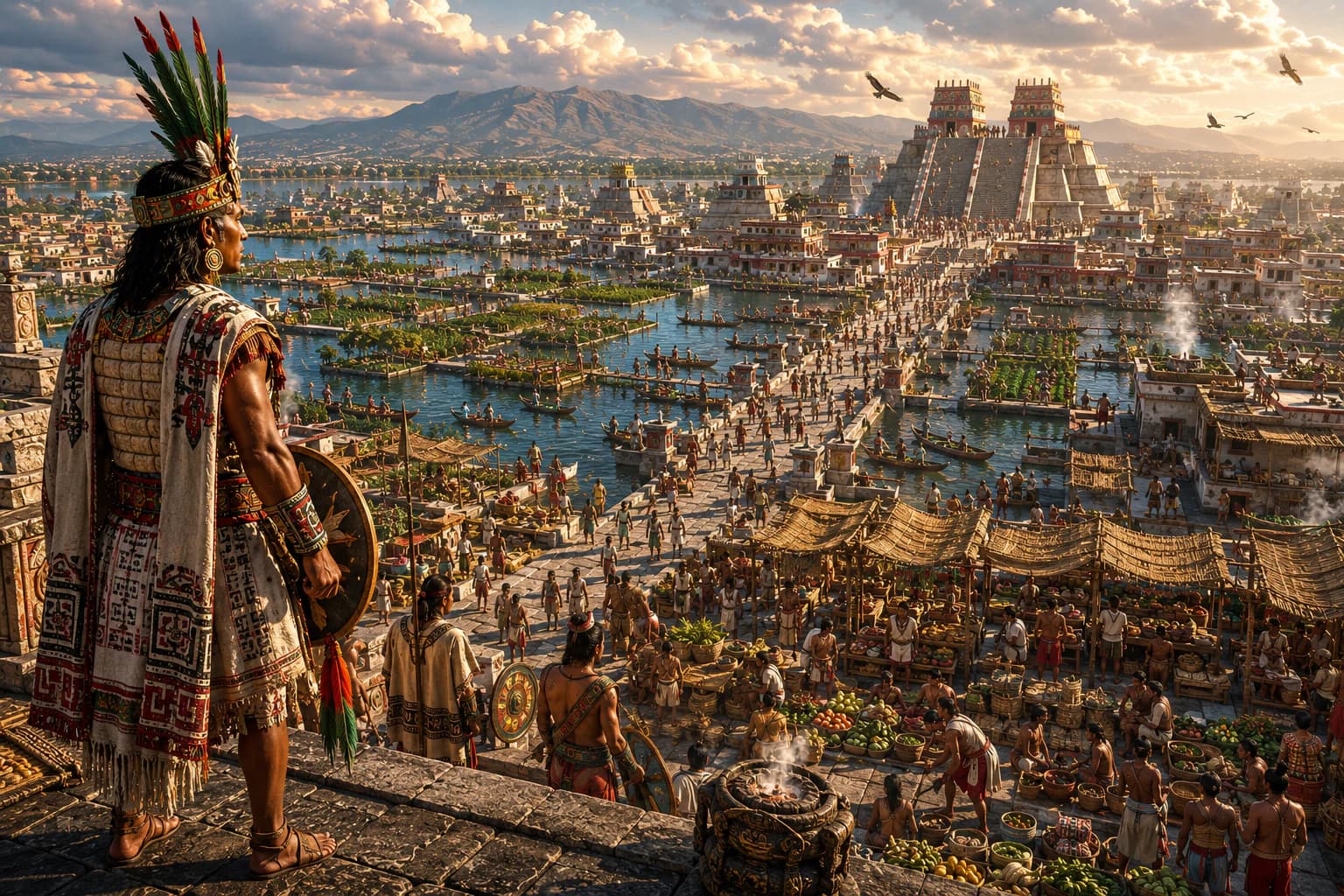
Tenochtitlan was not born as an imperial capital. In Acamapichtli's lifetime, the Mexica were still latecomers in the crowded political world of the Valley of Mexico, trying to turn a difficult island settlement into a recognised altepetl, or city-state. They needed more than military courage. They needed legitimacy in a world where ancestry, noble marriage, ritual authority, and recognition by other rulers mattered. Acamapichtli became important because he stood at that crossing point between survival and political respectability.
c. 1372

Royal legitimacy

Later sources describe Acamapichtli's origins in different ways. Tenochca traditions often link him to Culhuacan and older Culhua-Toltec prestige, while other accounts connect him with Azcapotzalco and Tepanec politics. The disagreement matters because it shows what his memory was being asked to do: explain how a once-marginal people entered the world of recognised rulership. By accepting Acamapichtli as tlatoani, the Mexica placed kingship, noble descent, and external recognition at the centre of Tenochtitlan's political identity.

late 14th century

Under Tepanec power

Acamapichtli did not rule an independent empire. Tenochtitlan was still subordinate to the Tepanec power centred on Azcapotzalco, supplying service and operating within a regional order it did not control. That subordinate position was limiting, but it was also formative. The Mexica learned the military, tribute, marriage, and alliance politics of the Valley while building their own institutions. Acamapichtli's reign belongs to this preparatory age: the empire was not yet visible, but the habits and claims that would support it were taking shape.

late 14th century

Dynastic foundation

Acamapichtli's greatest historical importance lies in dynasty. Later records remember him as father of Huitzilihuitl, the second ruler of Tenochtitlan, and of Itzcoatl, the ruler who would help overthrow Azcapotzalco and build the Triple Alliance. The details of early genealogy are filtered through post-conquest sources and political memory, but the broad point is clear: Acamapichtli gave Tenochtitlan a royal line through which later rulers could claim continuity. The Mexica did not simply become powerful; they learned to tell a story in which their power had roots.

after 1391

Legacy

Acamapichtli did not see the Aztec Empire. His importance is quieter and earlier: he helped make Tenochtitlan governable, legible, and dynastic before it was dominant. His successors inherited an island city with recognised rulership and improving connections to neighbouring elites. Within a few generations, that foundation supported revolt against Azcapotzalco, alliance with Texcoco and Tlacopan, and the rise of the empire later remembered as Aztec. His life is therefore best understood as the root system beneath later spectacle.

Continue in context

Connected stories

Move from the profile into the wider events and settings this figure belongs to.

Tertiary paths

Content note

This profile is written for educational use and connects to related Stories of History pages. The main portrait is an AI-assisted historical reconstruction, included as an illustrative aid rather than documentary evidence. Image policy

References

Sources & Further Reading

Reliable reference works, archives and reading paths connected to this profile.

Further reading

  1. Encyclopaedia Britannica, Search results for Acamapichtli,” accessed June 2026.Open source
  2. WorldCat, Books and library holdings for Acamapichtli,” accessed June 2026.Open source

Primary sources

  1. Library of Congress, Search results for Acamapichtli,” accessed June 2026.Open source

Reviewed claim sources

Loading reviewed claim sources...

A weekly route through history

Find out first about the latest published stories, feature notes and occasional Premium offers in one weekly email.