Context
Introduction
Overview
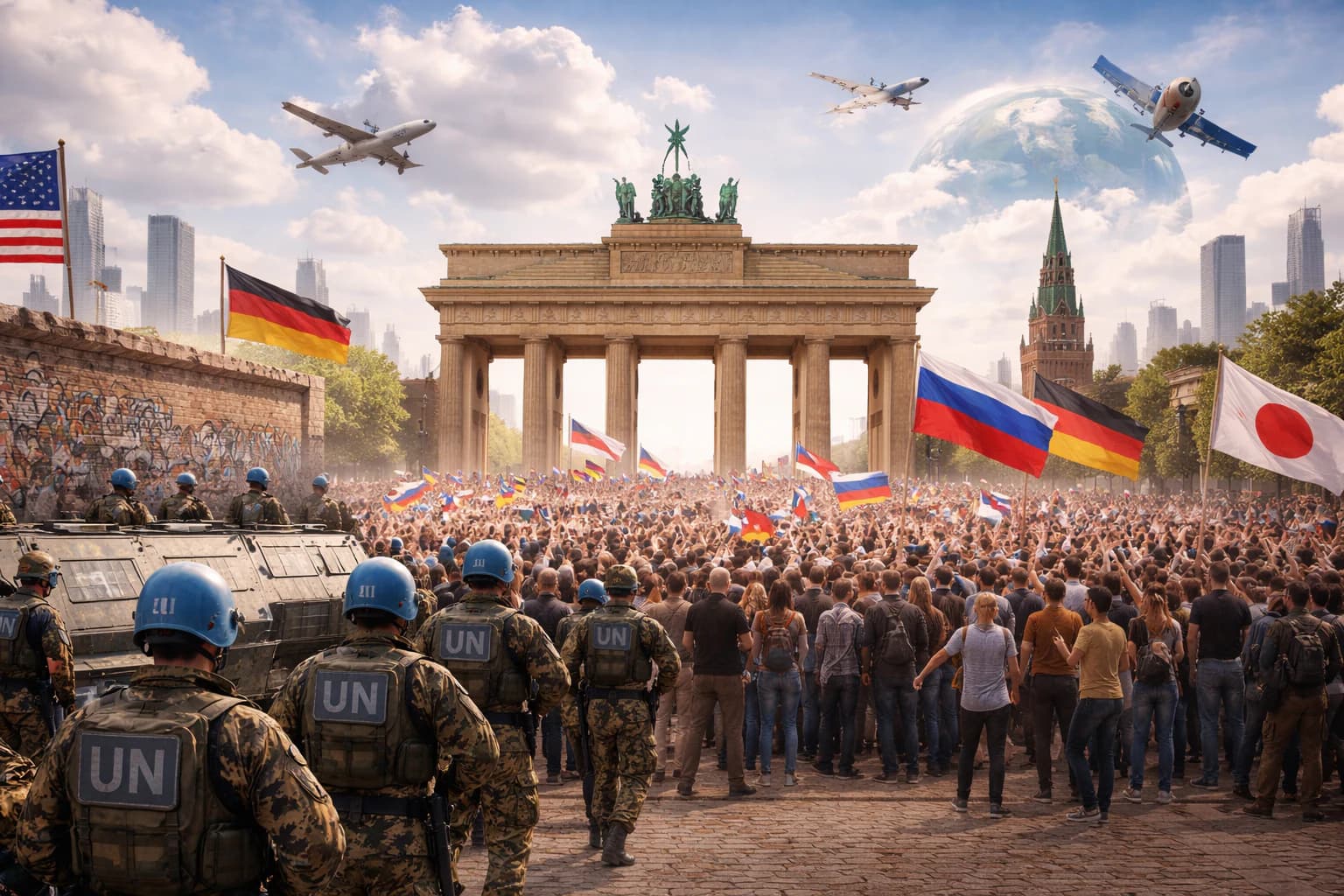
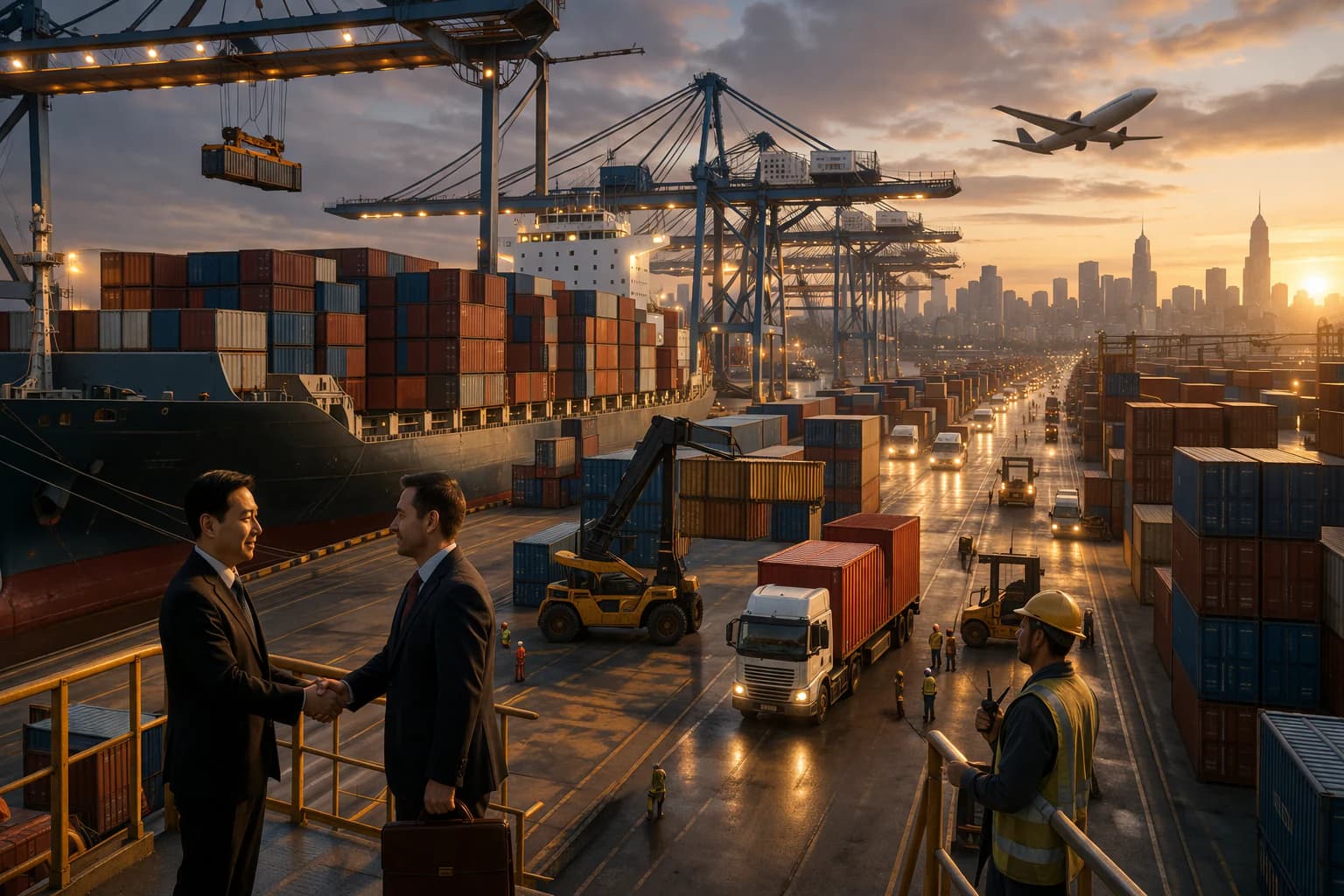
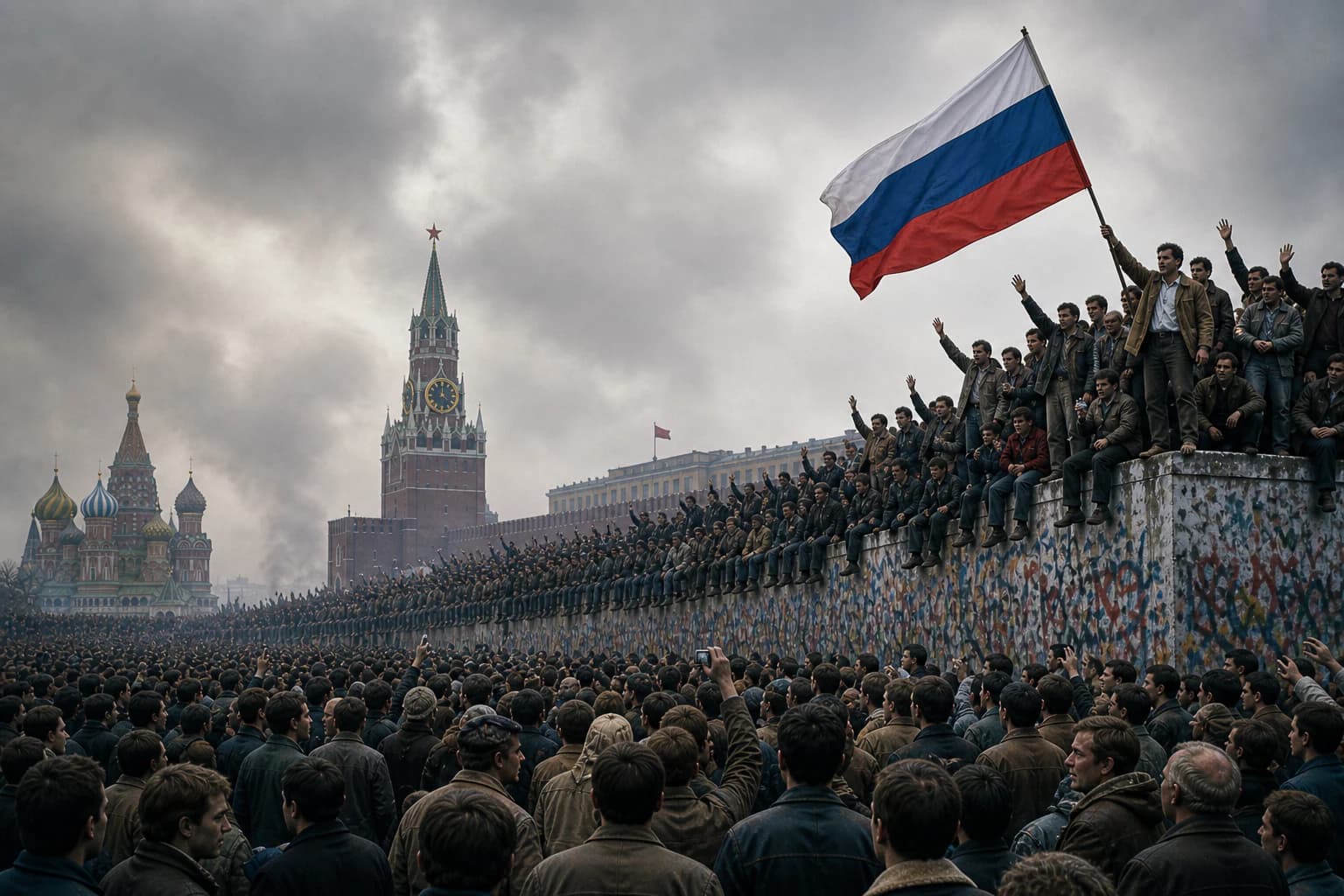
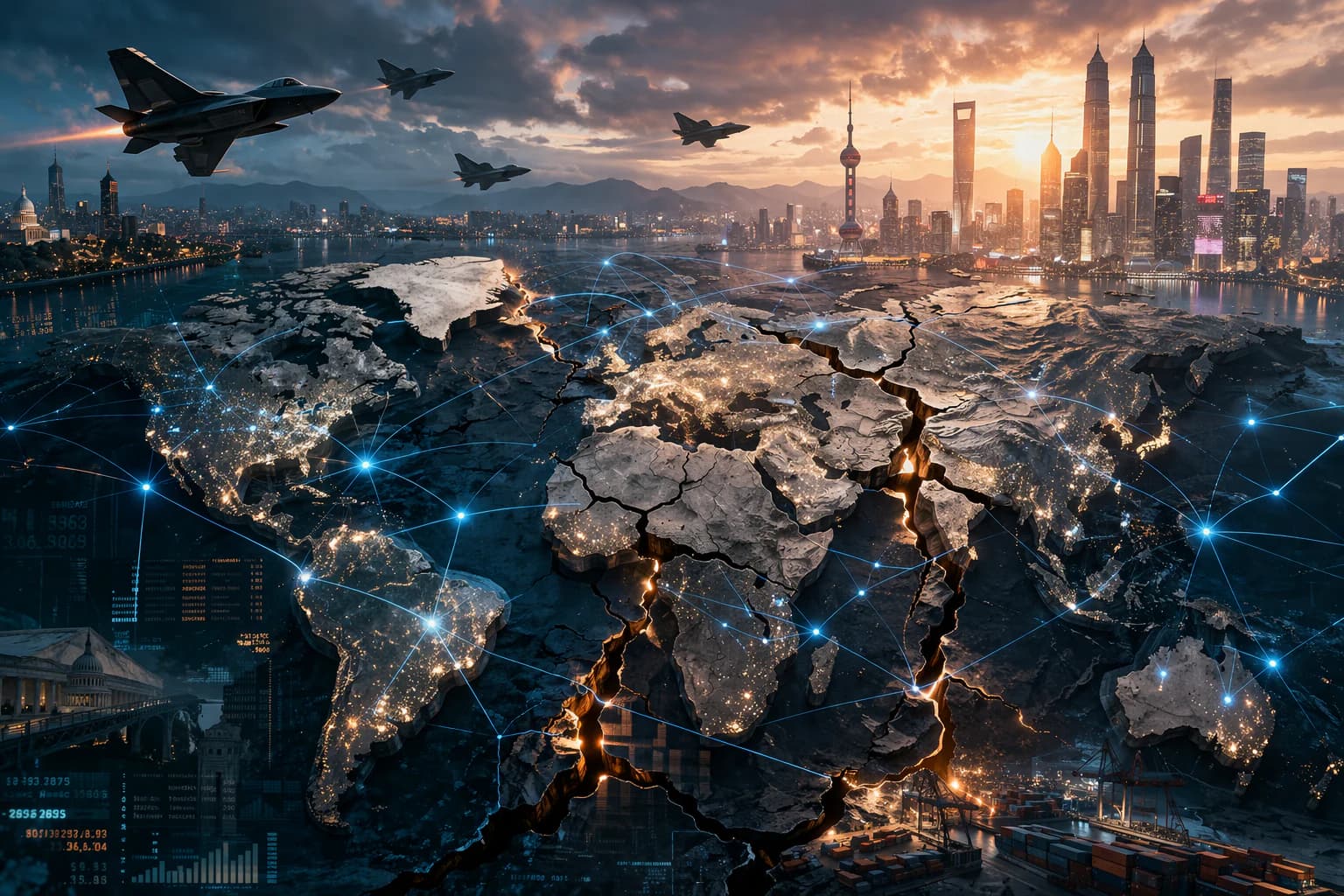
When the Cold War ended in 1991, the world entered a new era shaped by American power, globalisation, terrorism, financial crisis, China’s rise and renewed great-power rivalry. The end of the Cold War did not create a settled peace; it removed one global rivalry and exposed new tensions. From the 1990s to the twenty-first century, states and societies faced a changing order in which old ideological divisions faded but new conflicts emerged.
Key forces
- The post-Cold War 'unipolar moment' saw American military and economic supremacy unchallenged — but this dominance proved difficult to translate into stable outcomes.
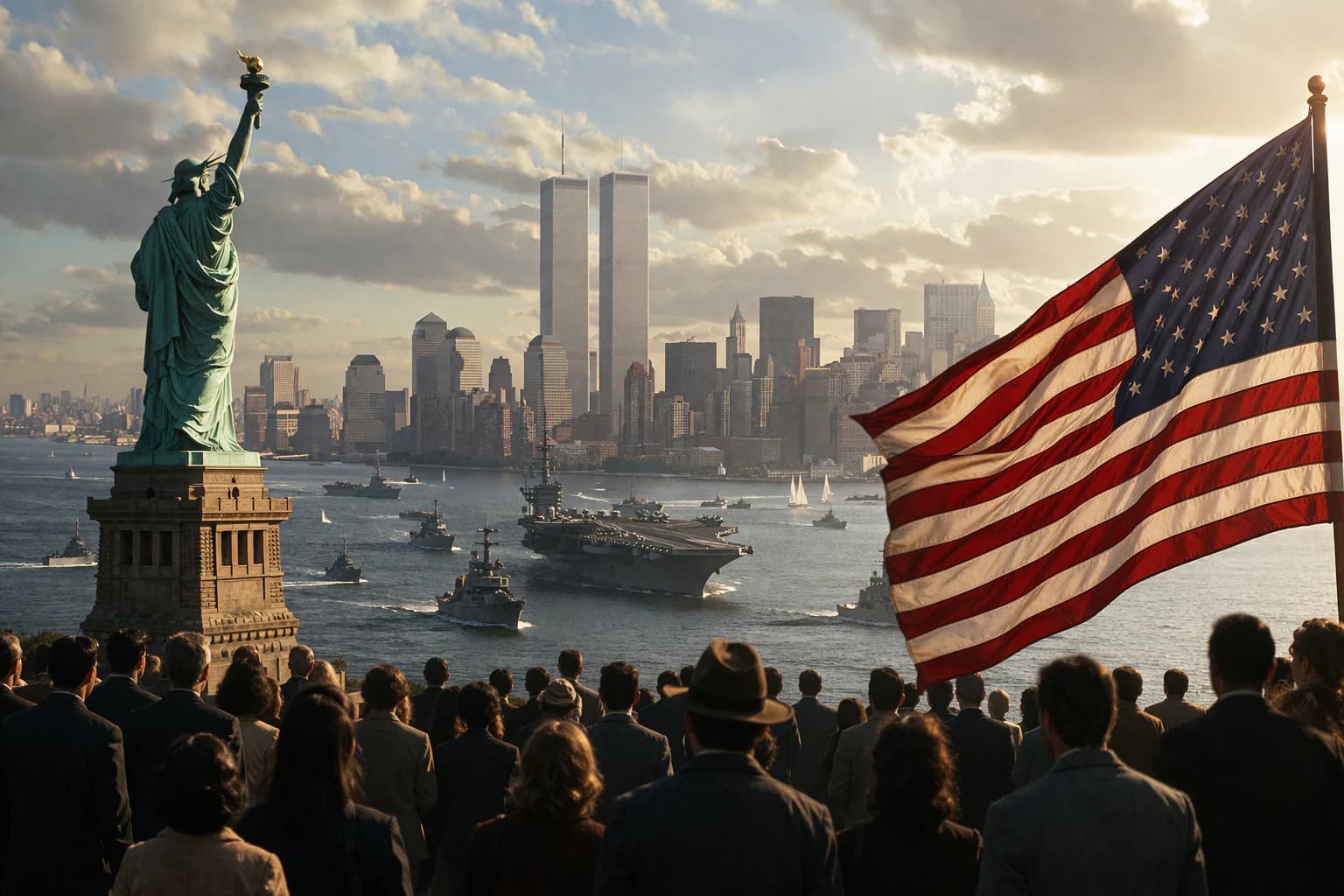
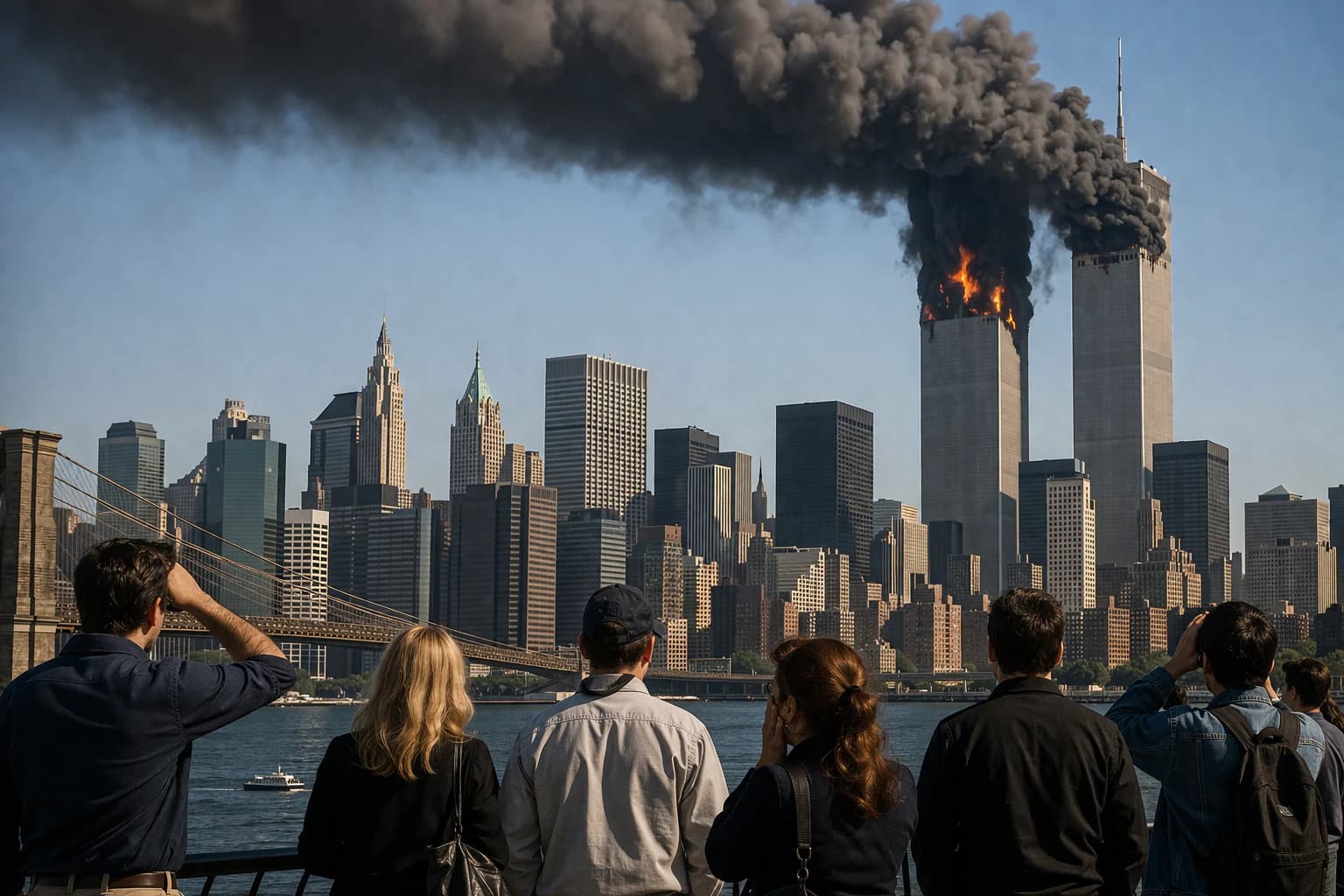
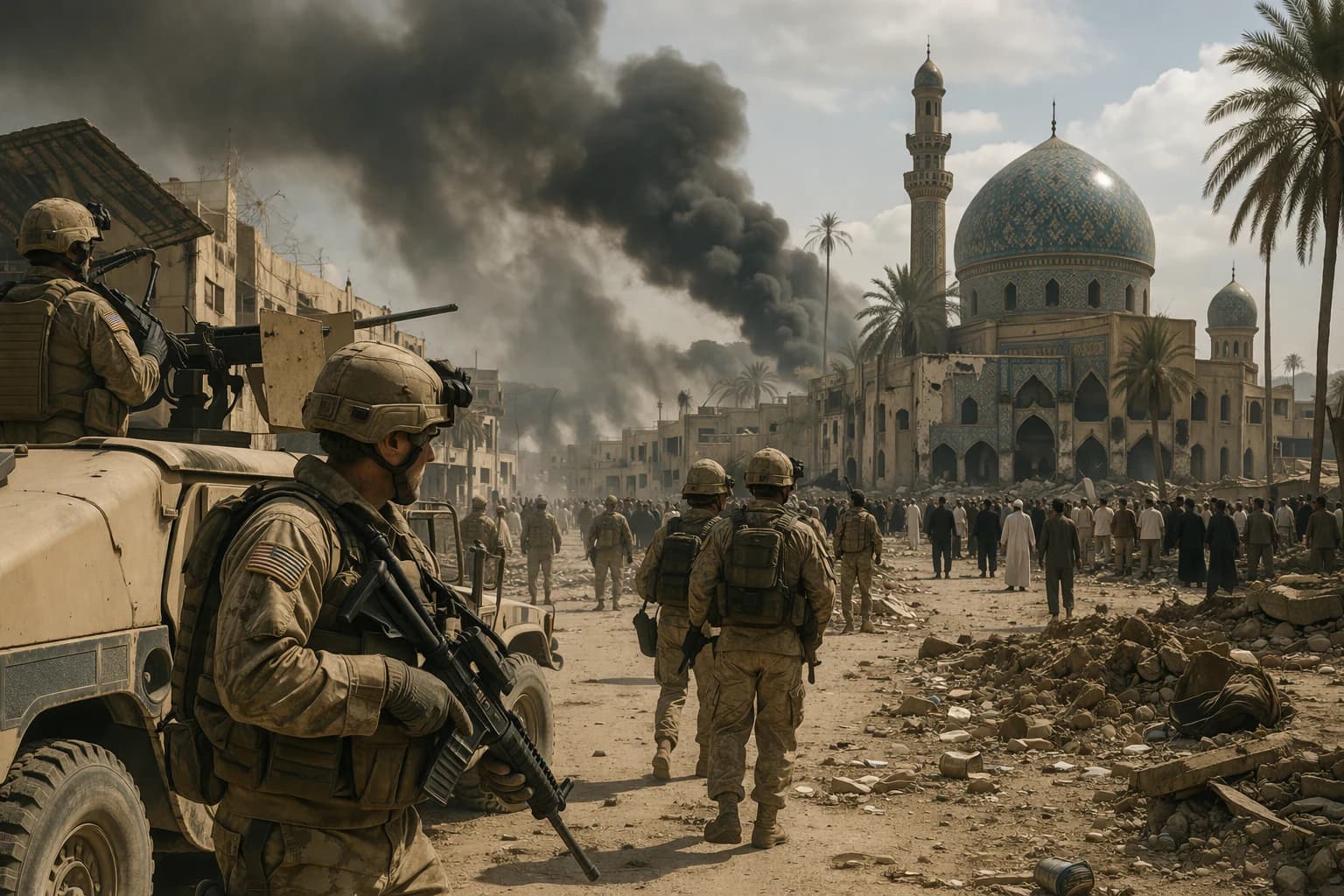
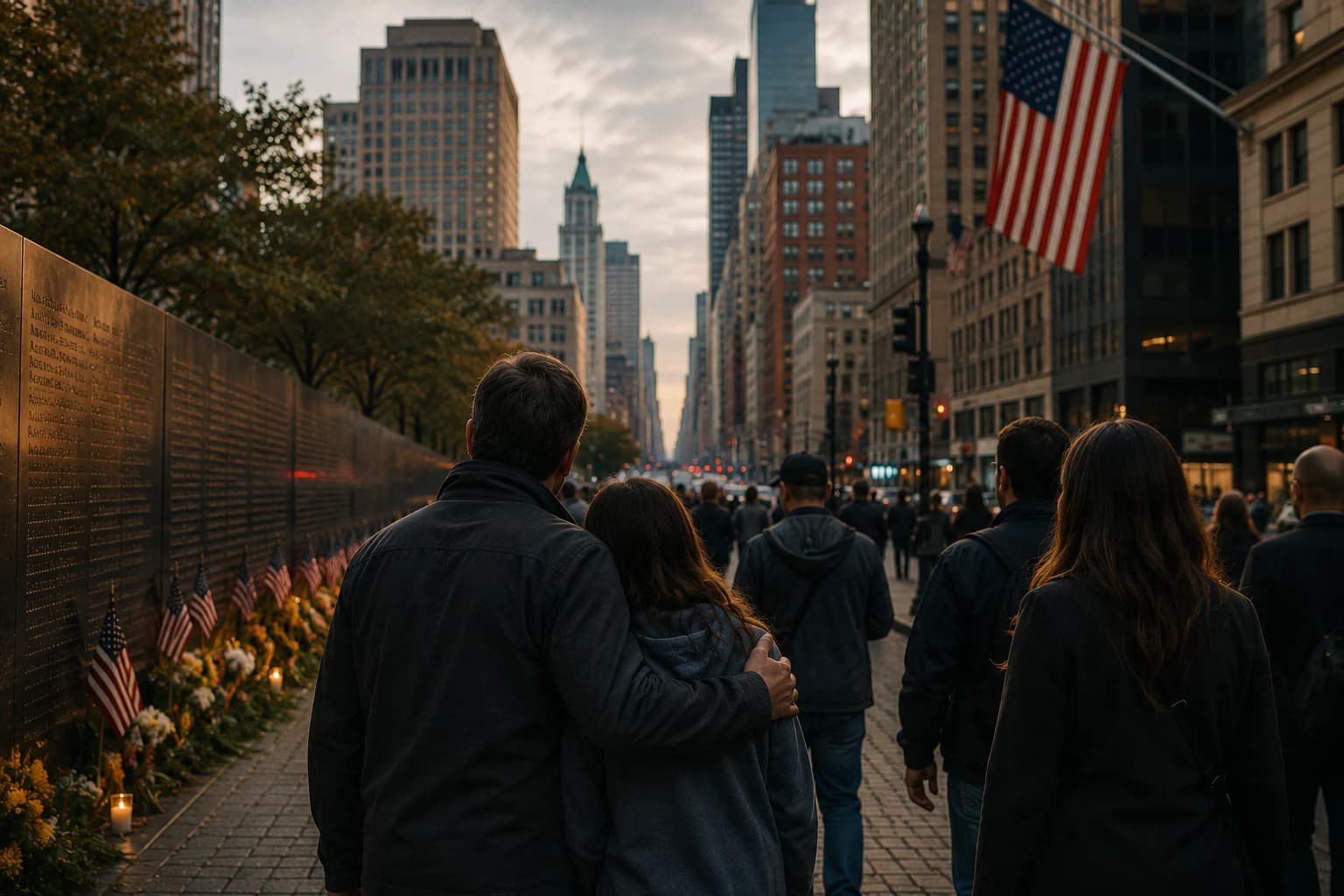
- The September 11 attacks transformed American foreign policy, leading to prolonged military interventions in and that strained American power and global standing.
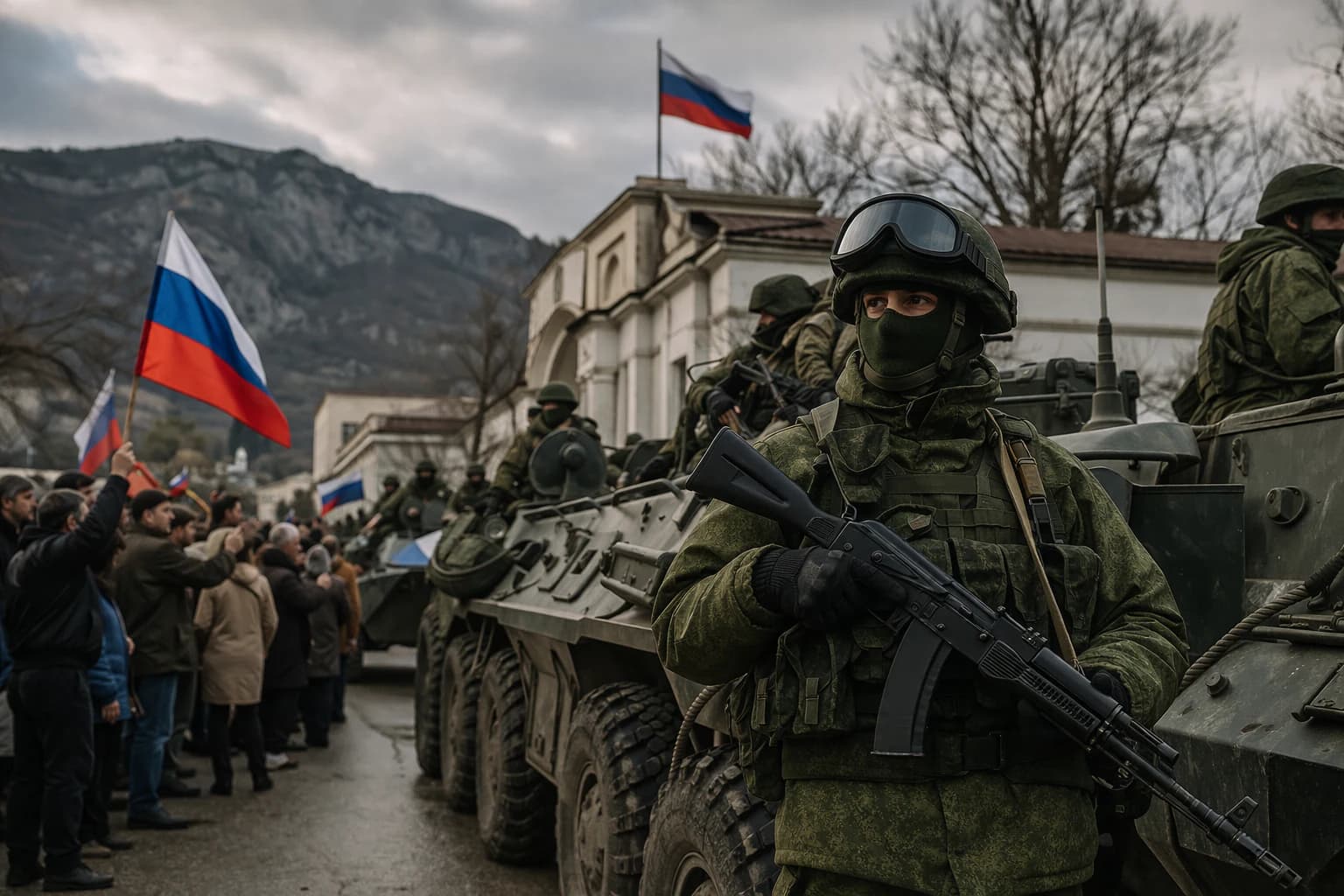
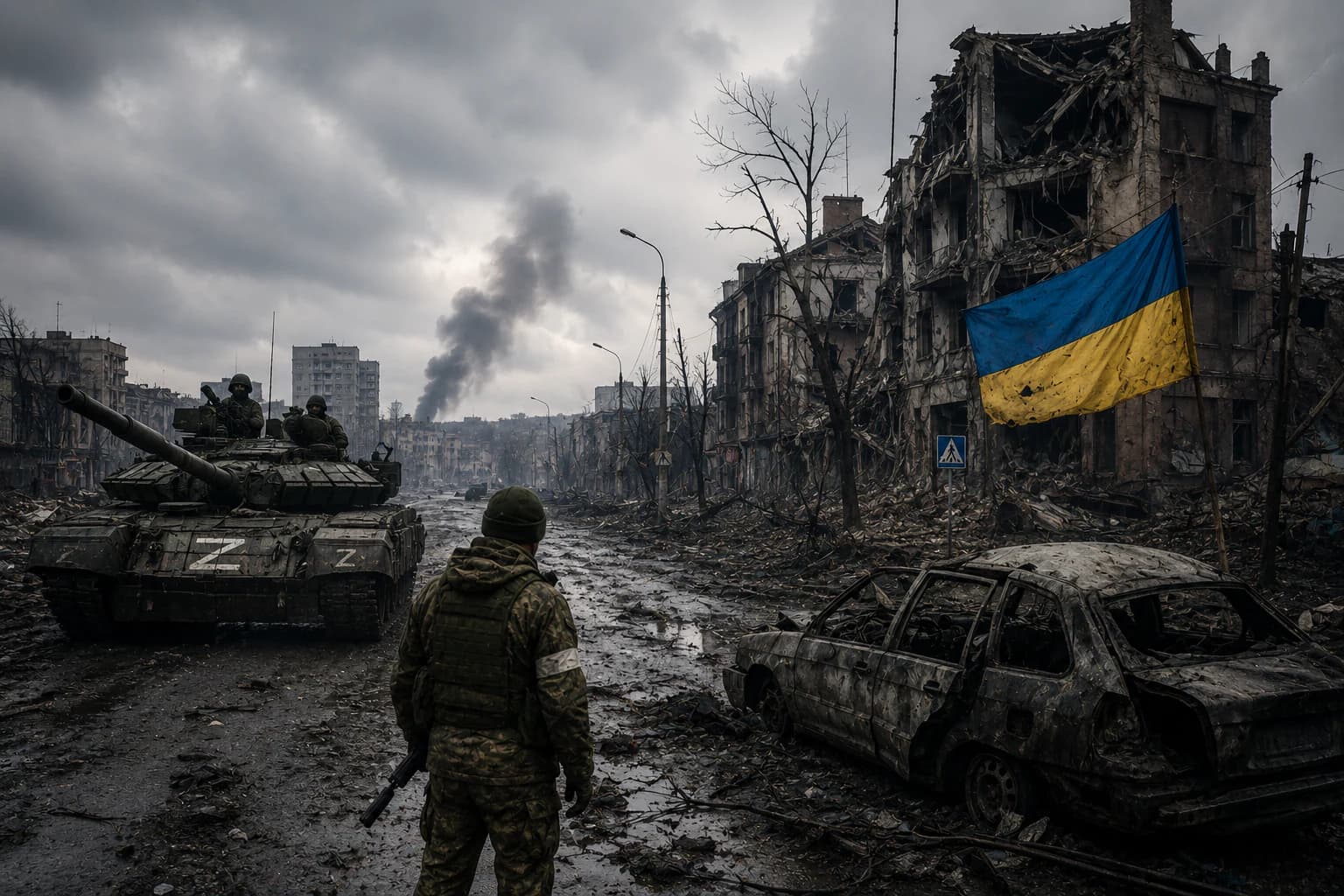
- China's rapid economic rise and Russia's authoritarian turn challenged the assumption that economic integration would produce political liberalisation and cooperation.
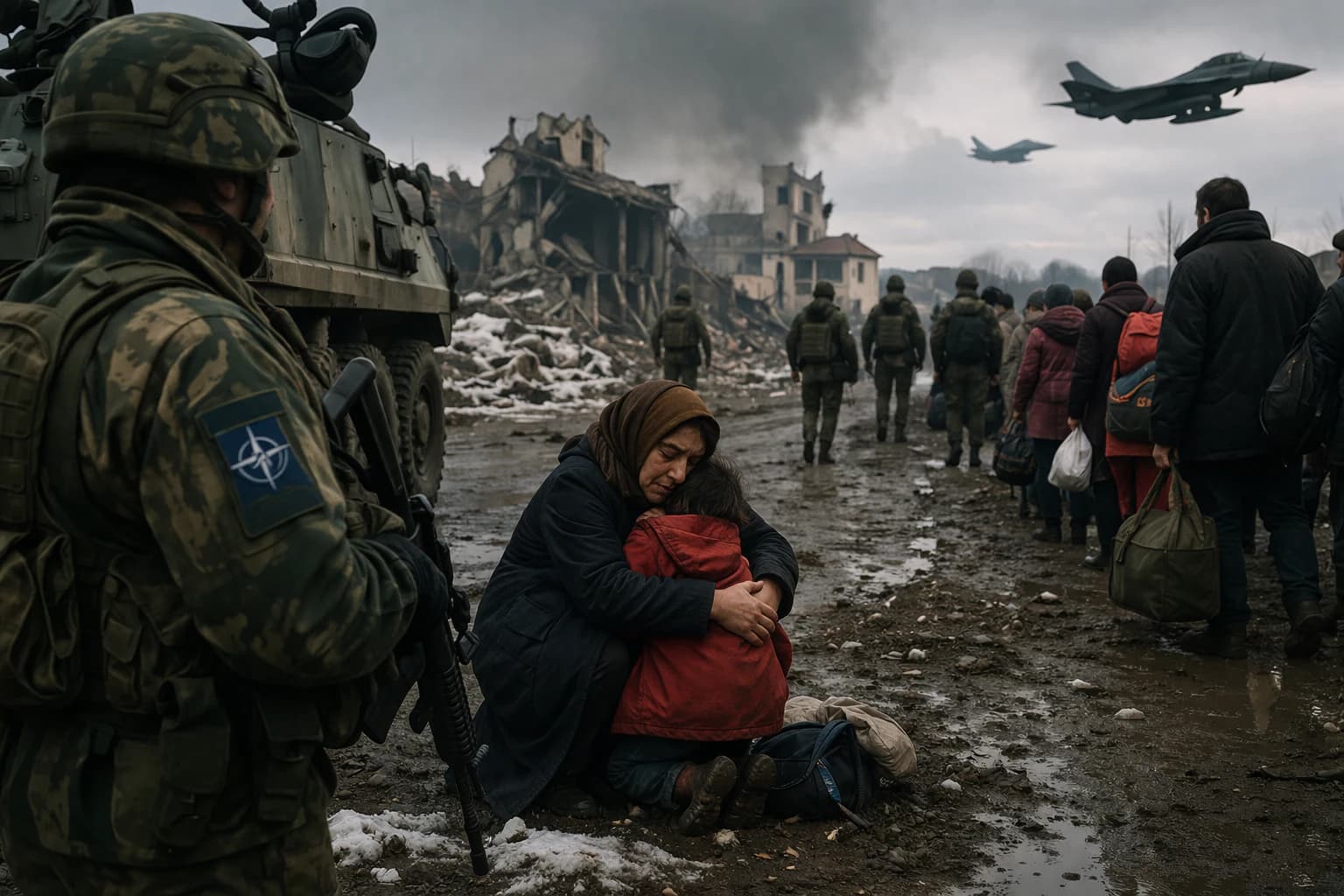
- By the 2020s, great power competition between the United States, China, and Russia had returned as the defining feature of international relations.