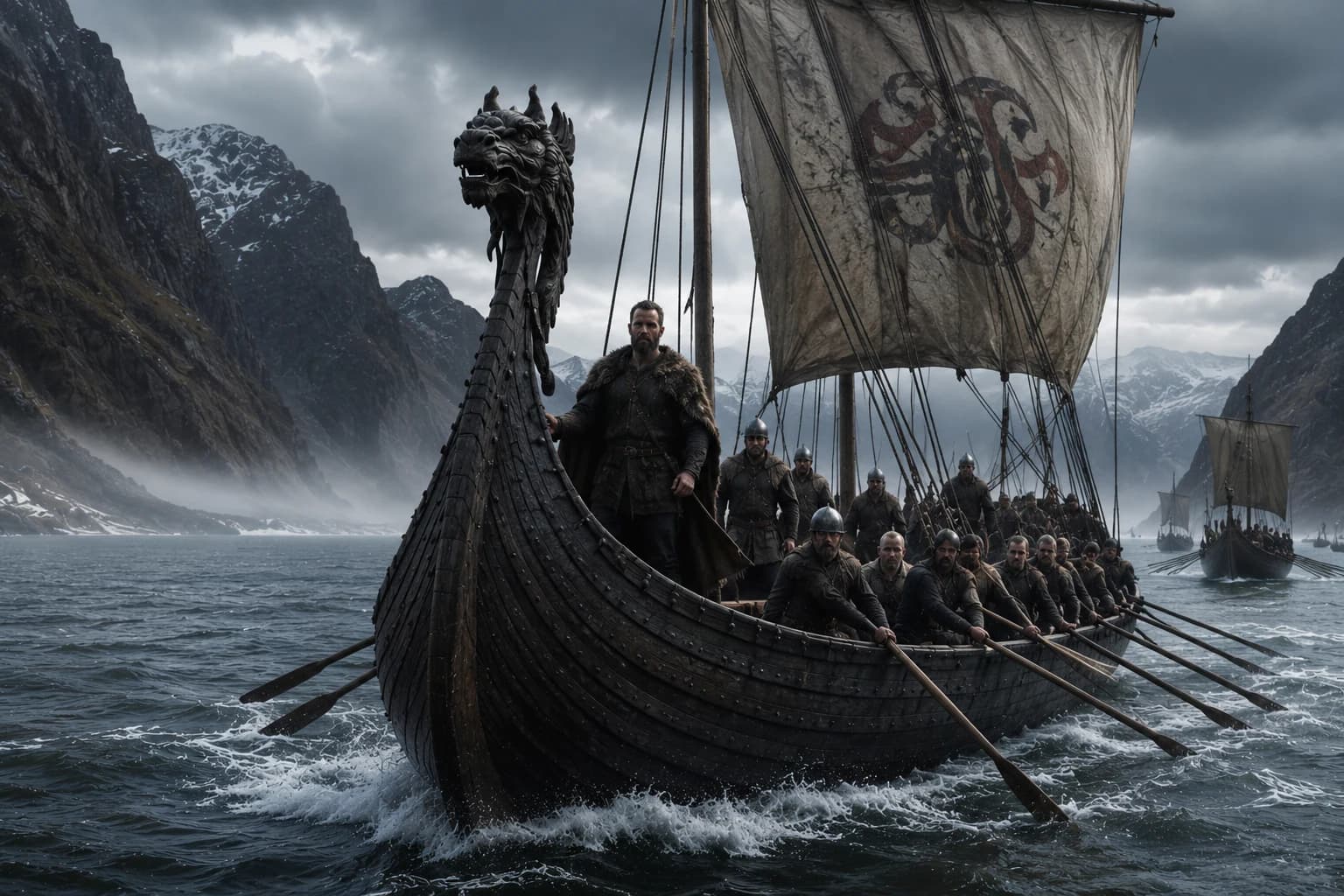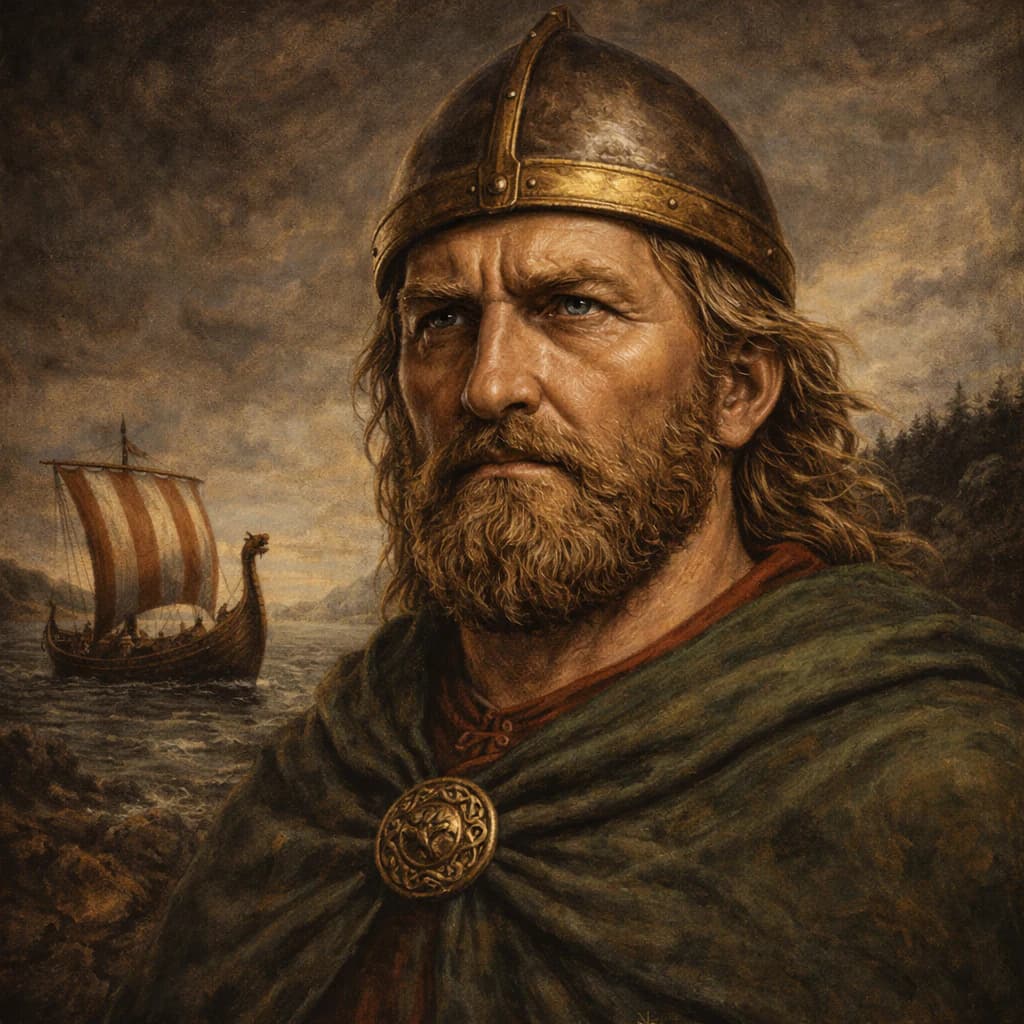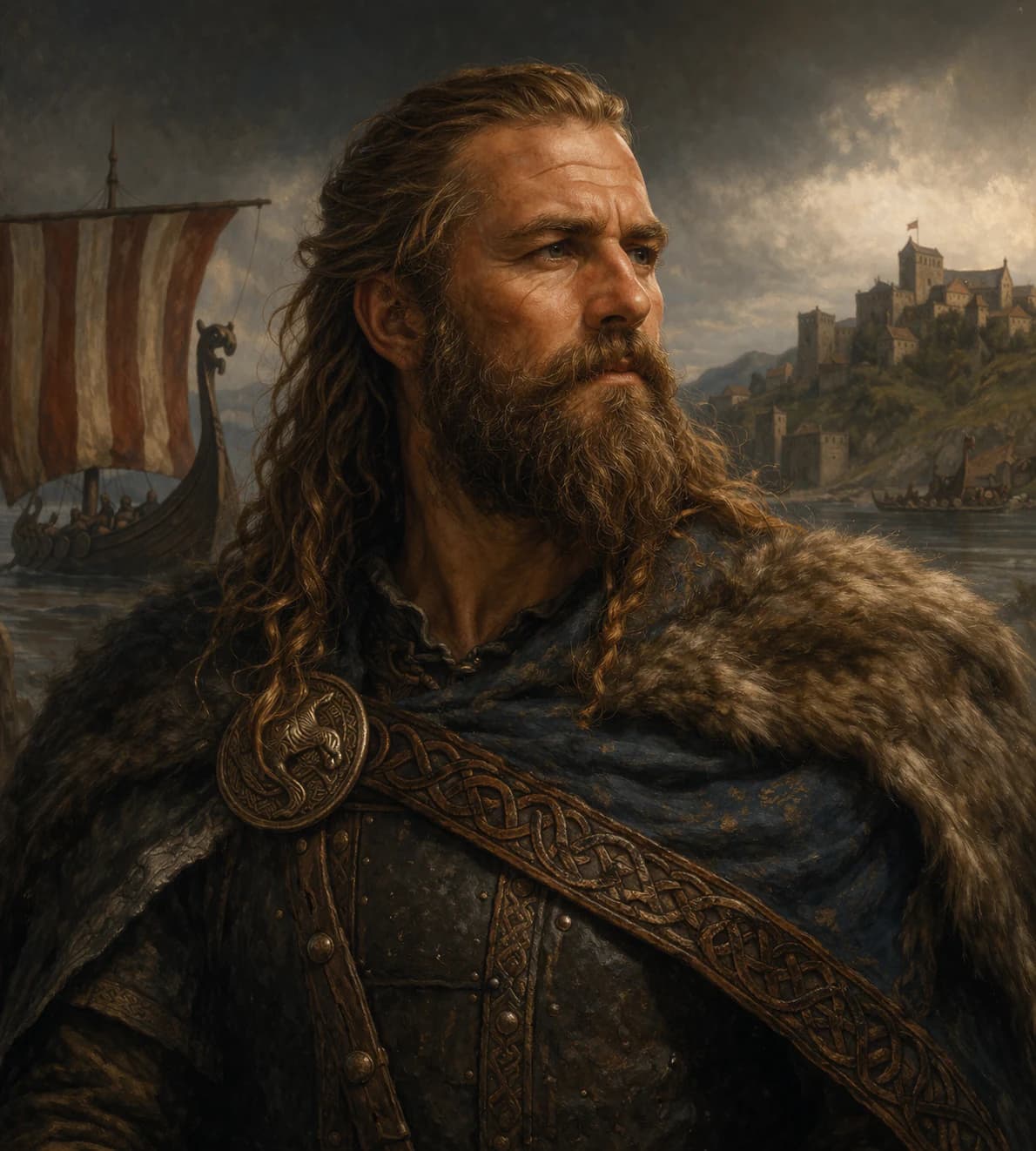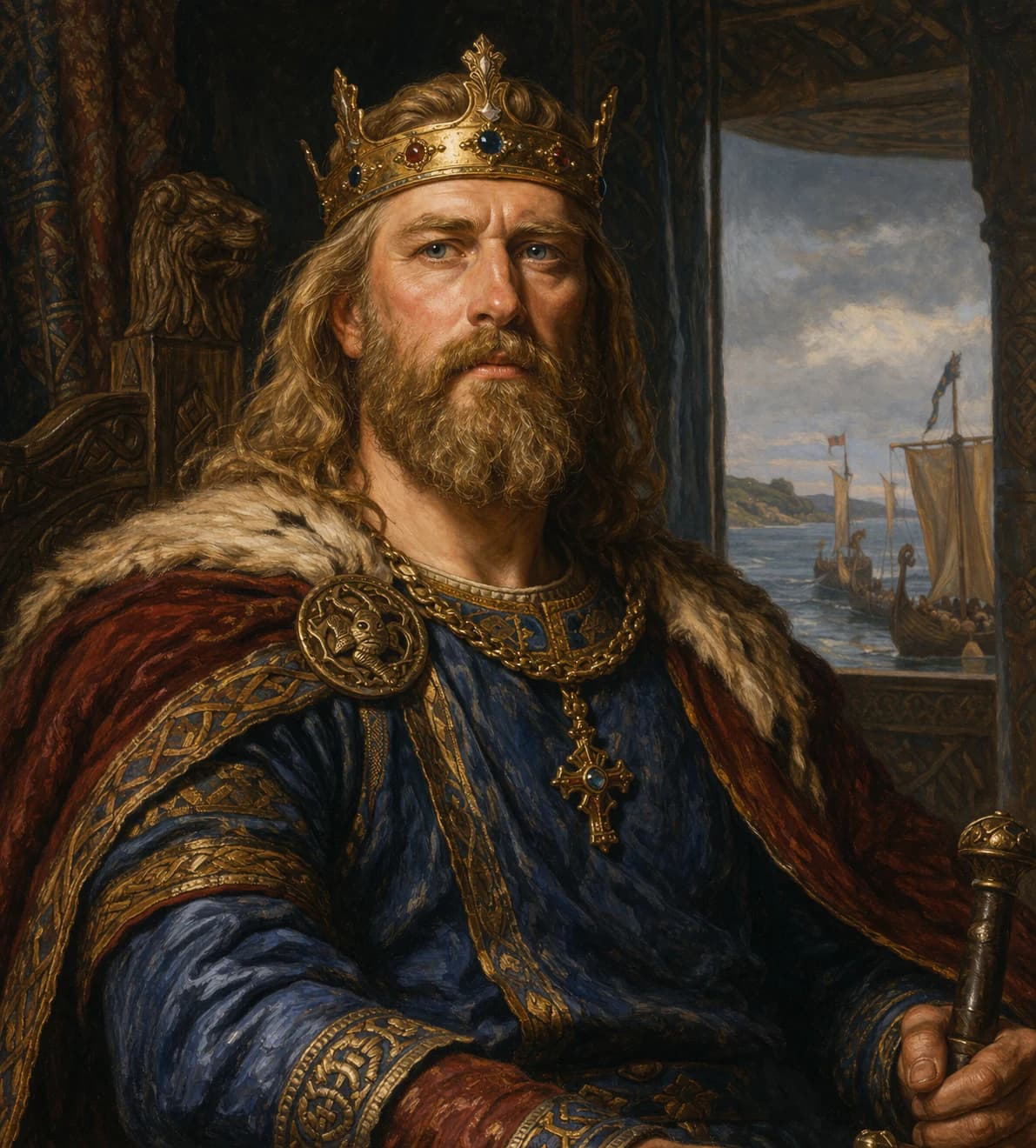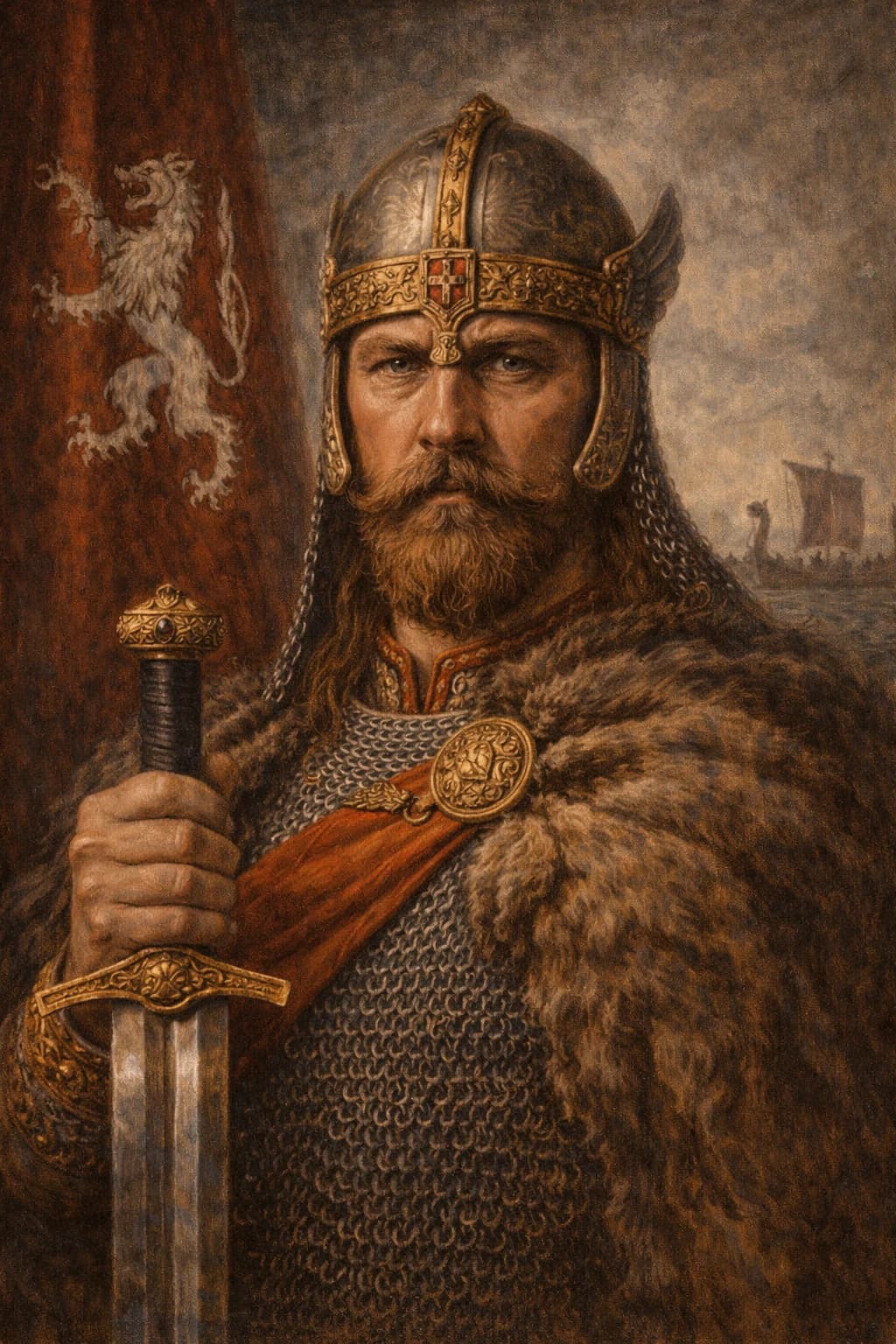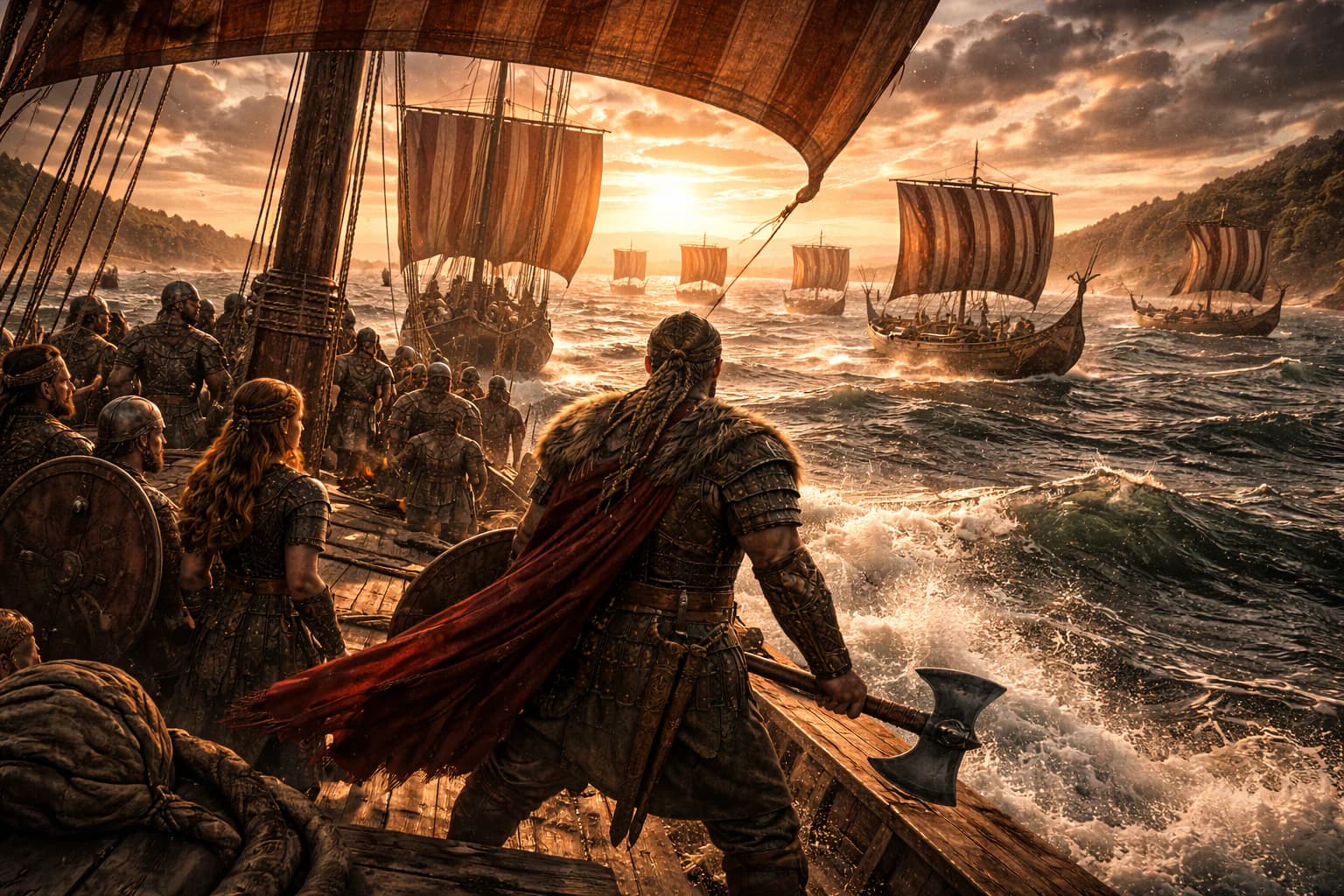
Viking longships crossing rough northern seas toward coastal settlements and trade routes.
Free Story

The Viking Age

Sail the Viking Age from sudden raids to settlement, trade, exploration, and a transformed northern world.

10 chapters

Next
Context

Introduction

Overview

The Viking Age was a period of Scandinavian expansion from the late eighth century to the eleventh century, when Norse raiders, traders, settlers, and explorers travelled across Europe and beyond. Vikings attacked monasteries and towns, founded settlements, served as mercenaries, opened trade routes, and reached places from Russia and Byzantium to Iceland, Greenland, and North America. Their world combined violence, commerce, seafaring skill, and cultural exchange.

What you’ll learn: This story explains how Viking expansion began, how Scandinavian raiders became traders and settlers, and how their actions reshaped Europe from Britain to the North Atlantic and beyond.

Key forces

Scandinavian Foundations
750 CE
Step 1 of 10750 CEAccessible mode

Scandinavian Foundations

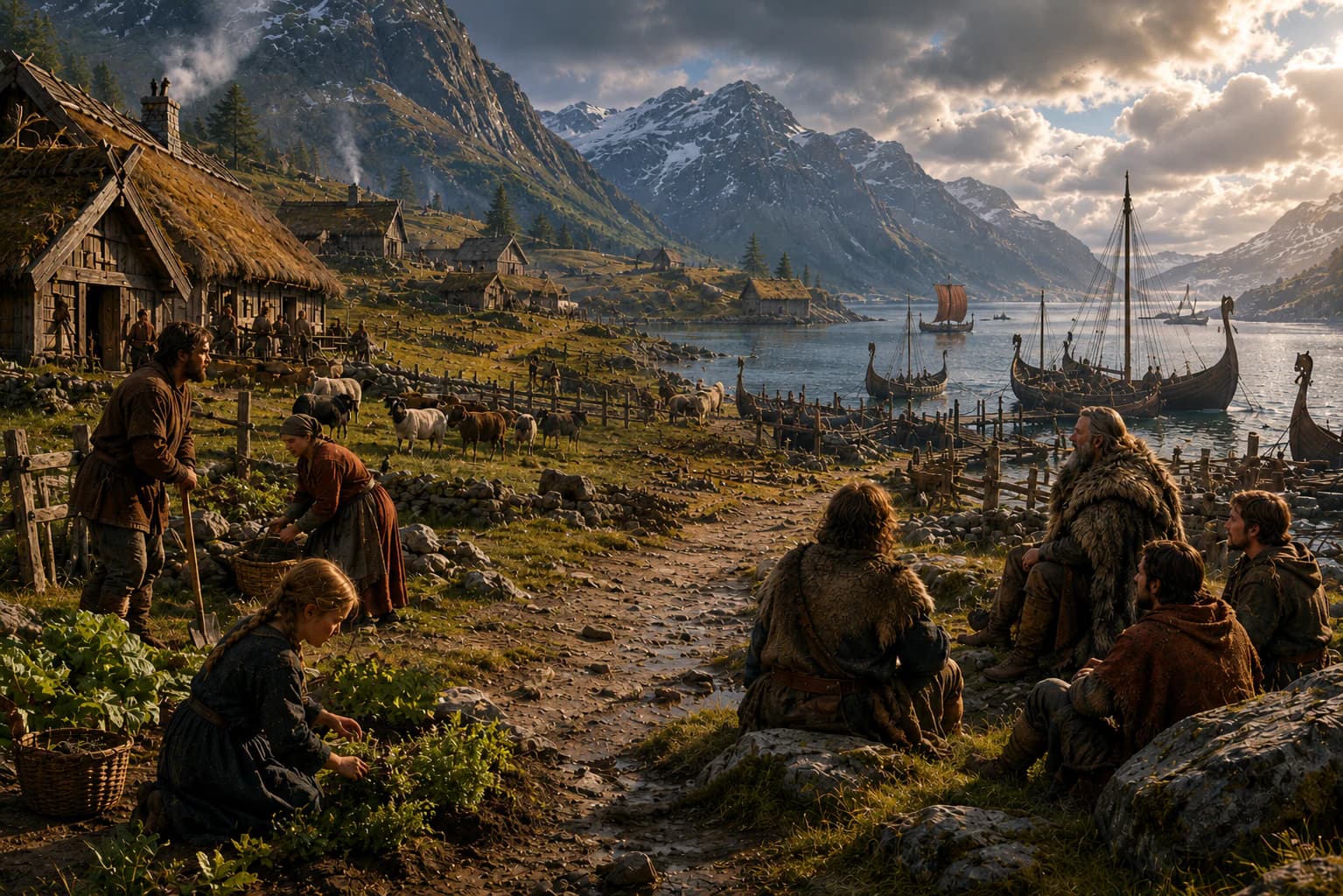
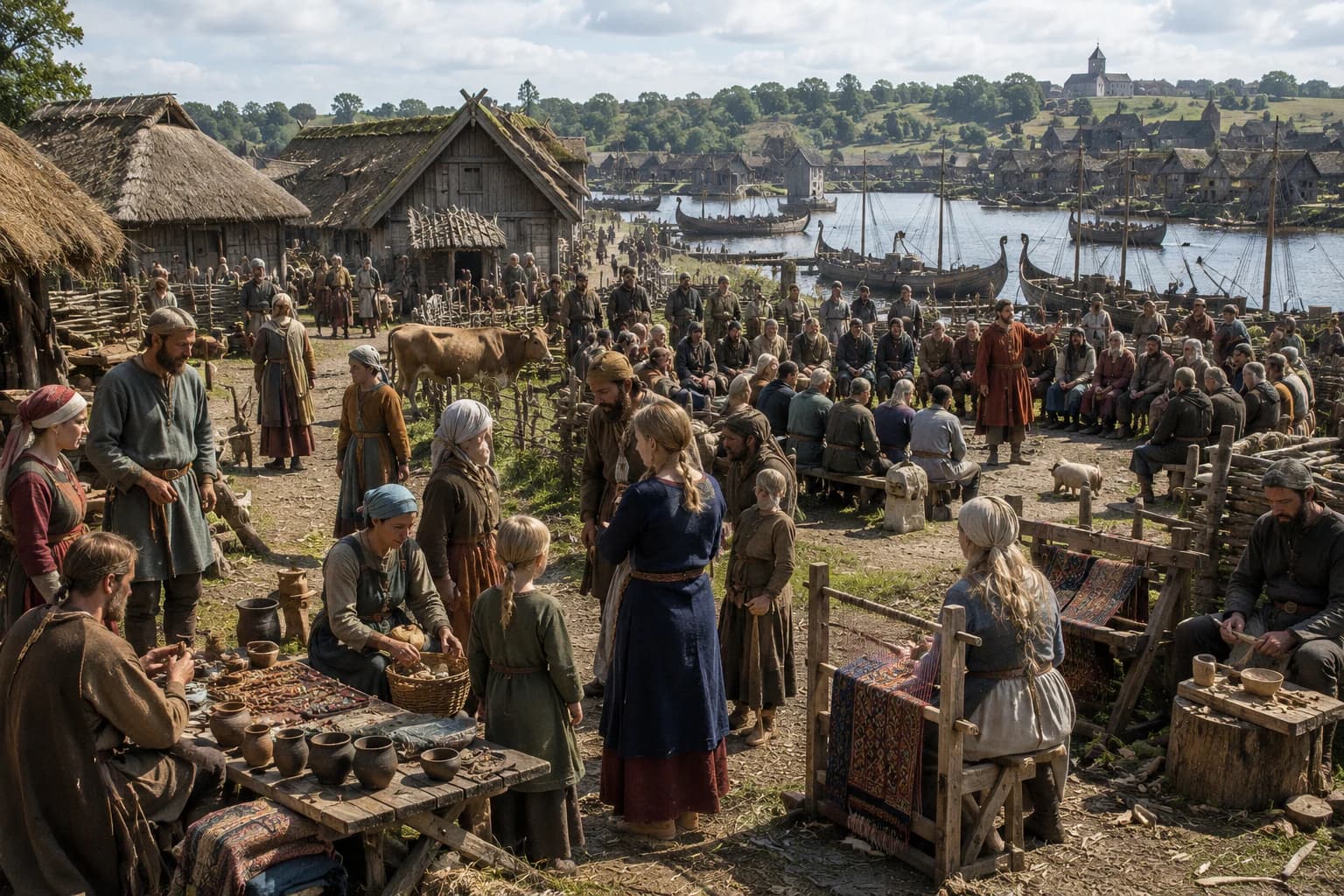
Before the raids began, Viking society was already changing in ways that pushed people outward.

Life in Scandinavia was tough. Land was limited, winters were long, and farming was difficult. Communities were small and often isolated.

As populations slowly grew, pressure increased. Younger sons often had little land to inherit, which created tension and the need to find opportunities elsewhere.

When there is no room to grow at home, people look beyond the horizon.

At the same time, leaders competed for power and wealth. Success depended on gaining followers, which often meant offering rewards from trade or raids.

This created a culture where risk-taking and exploration were valued. Travel became a way to gain status and security.

These pressures helped set the stage for the Viking Age. It began not just with raids, but with a society ready to expand.

The Raid on Lindisfarne
793 CE
Step 2 of 10793 CEAccessible mode

The Raid on Lindisfarne

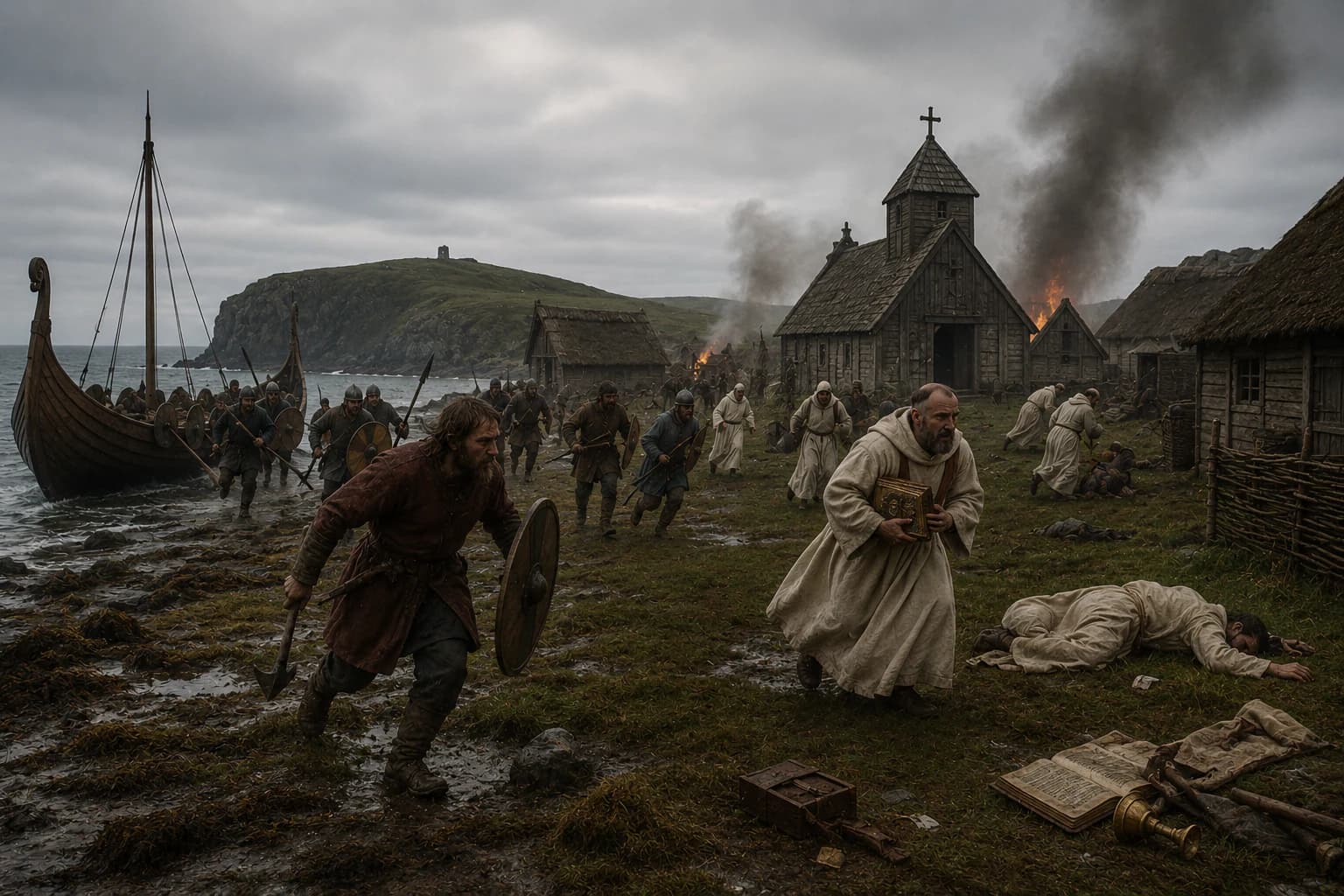
In 793, a sudden attack on a quiet island shocked Europe and marked the beginning of the Viking Age.

was a peaceful monastery on the northeast coast of England. It was a place of prayer, learning, and little defence.

One day, ships appeared from the sea. Warriors landed quickly and attacked without warning. The monks had no way to resist.

What felt like the edge of the world suddenly became the front line.

The raiders took valuables, destroyed buildings, and killed or captured people. They then left as quickly as they arrived.

This attack spread fear across Christian Europe. Coastal communities realised they were vulnerable in ways they had never expected.

The raid on is often seen as the start of the Viking Age. It showed how fast and unpredictable these attacks could be.

Viking Expansion Across Europe
800 CE
Step 3 of 10800 CEAccessible mode

Viking Expansion Across Europe

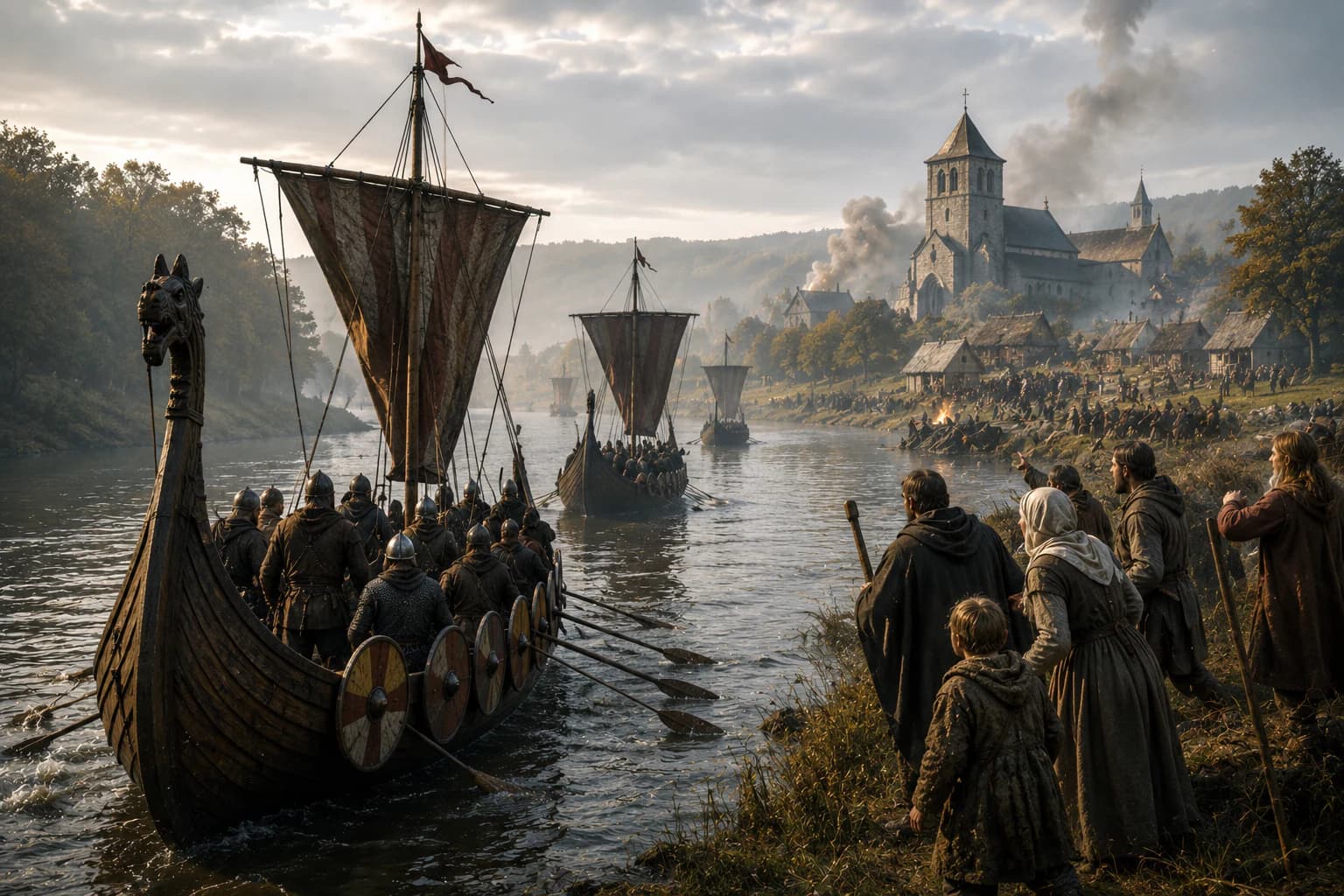
After , raids did not stop. They spread quickly across coasts and rivers.

Viking expansion was not only about raiding. It also involved settlement, trade, tribute, exploration, and political control.

Viking groups began targeting many parts of Europe. Britain, Ireland, and parts of France were hit again and again.

They used fast ships to move along rivers as well as coastlines. This allowed them to reach inland towns that thought they were safe.

The rivers of Europe became highways for sudden attack.

Raiding became more organised. Groups planned their journeys and returned to the same places if they were successful.

Some leaders grew powerful by leading these raids. They gained wealth and followers, which made future raids even larger.

What started as isolated attacks became a pattern. Large parts of Europe had to adapt to a new and constant threat.

The Great Heathen Army
865 CE
Step 4 of 10865 CEAccessible mode

The Great Heathen Army

Raids turned into something bigger when Viking forces began staying instead of leaving.

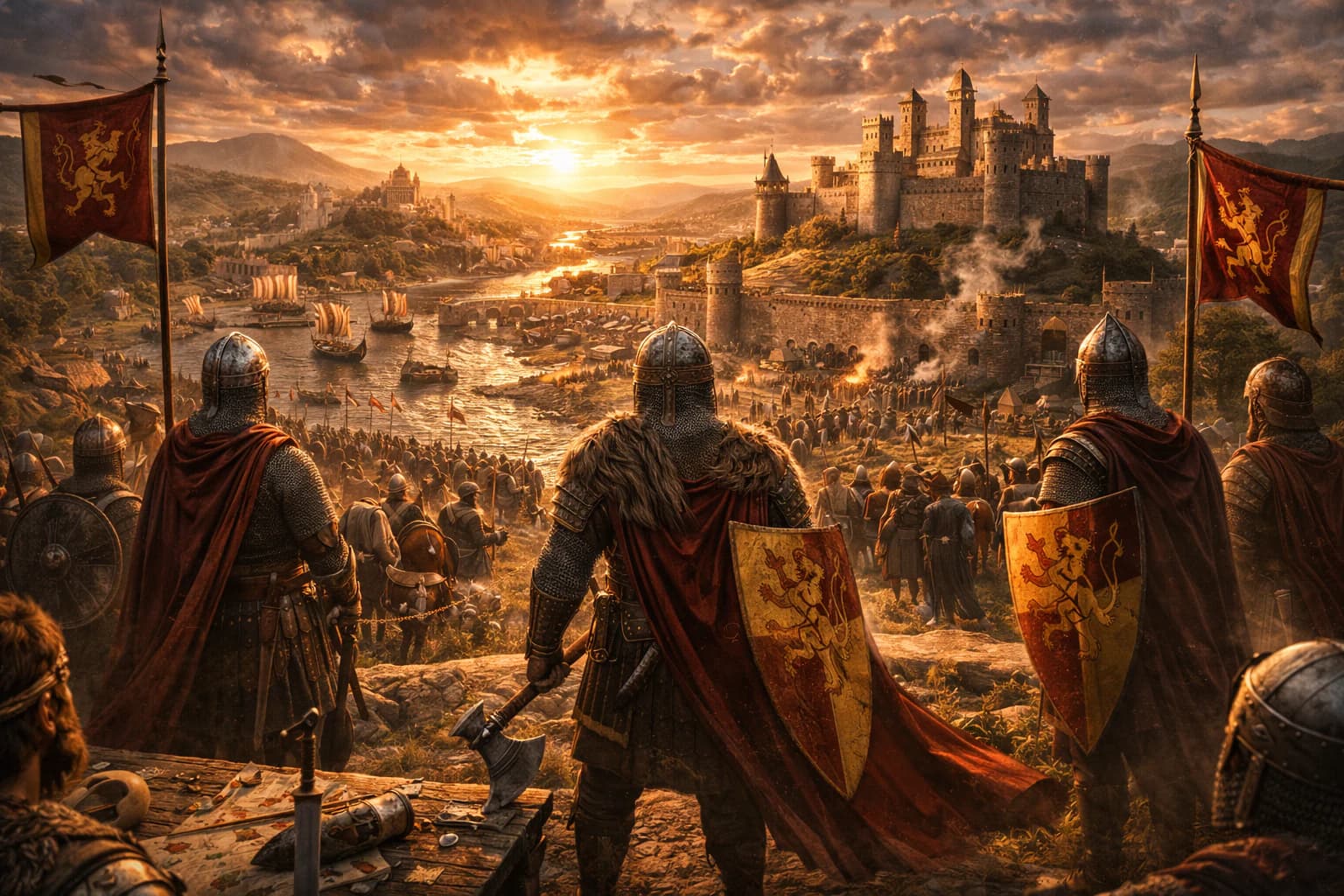
In 865, a large Viking force arrived in England. It became known as the Great Heathen Army. Unlike earlier raiders, they did not just attack and leave.

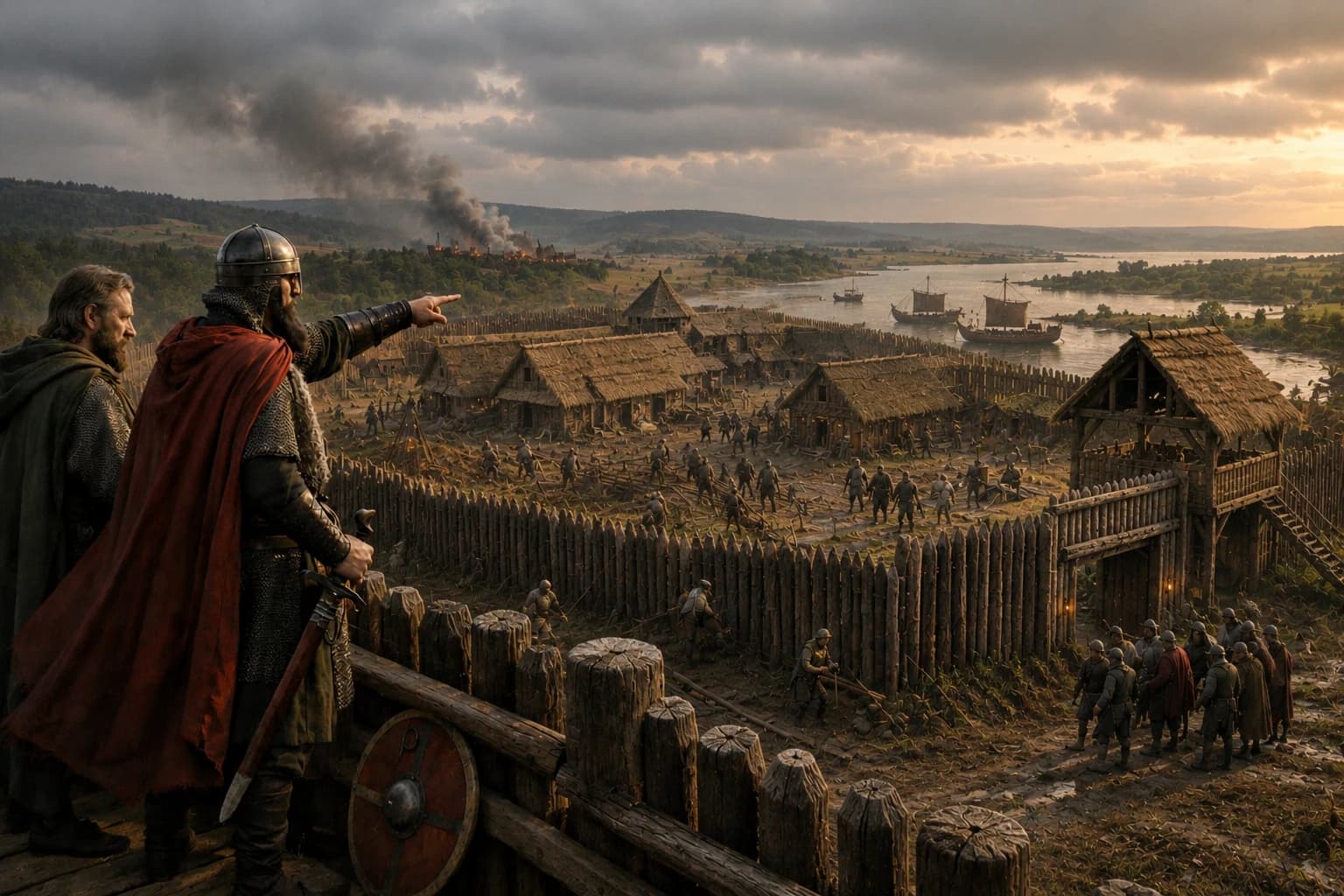
They moved from kingdom to kingdom, fighting battles and taking control of land. English kingdoms struggled to resist such a large and organised force.

This was no longer a hit-and-run attack. It was a campaign to take control.

Some areas were conquered, while others made deals to avoid destruction. Viking leaders began ruling parts of England directly.

This changed how people saw the Vikings. They were no longer just raiders. They were settlers and rulers.

The Great Heathen Army marked a turning point. Viking activity became about control, not just quick rewards.

Viking Settlements and the Danelaw
880 CE
Step 5 of 10880 CEAccessible mode

Viking Settlements and the Danelaw

As Vikings settled, parts of England began to follow new laws and ways of life.

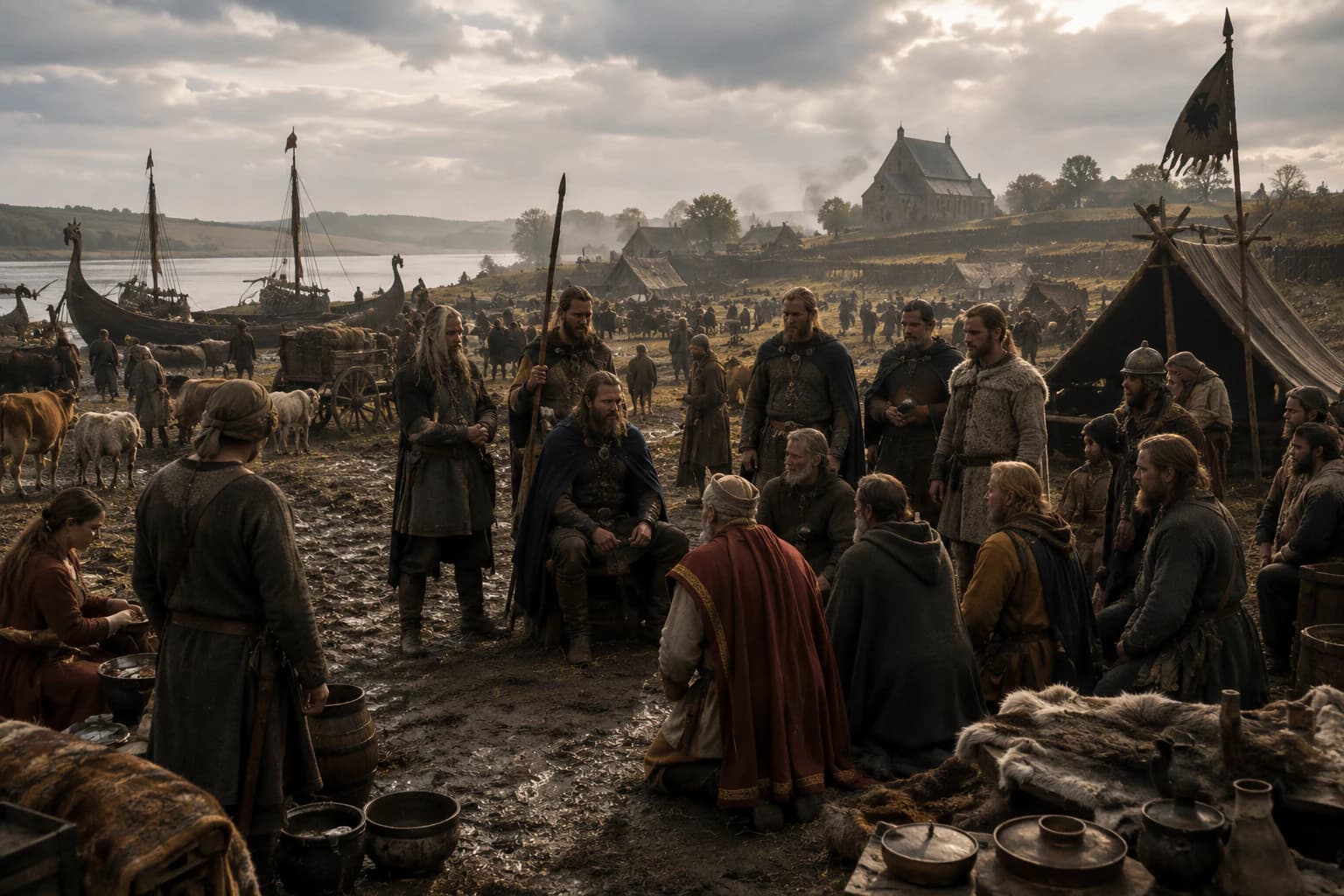
After years of fighting, large areas of England came under Viking control. This region became known as the Danelaw.

Instead of constant battles, many Vikings settled down. They farmed the land, built towns, and raised families.

Viking settlements took root in places such as , East Anglia, , and Normandy, where raiding forces became town builders, rulers, and neighbours.

The Vikings stopped passing through and started putting down roots.

Local people and Viking settlers began to live side by side. Over time, their cultures mixed.

New words, customs, and laws appeared. Even today, many English place names come from this period.

The Danelaw shows how Viking influence became part of everyday life, not just a series of attacks.

Alfred and the Fight for Wessex
878 CE
Step 6 of 10878 CEAccessible mode

Alfred and the Fight for Wessex

Viking expansion in England did not go unchallenged. In , resistance hardened under Alfred the Great.

By the late 800s, several English kingdoms had been defeated or weakened by Viking armies. was one of the last major kingdoms still standing.

Alfred became king at a time of crisis. He faced repeated attacks and at one point had to retreat and rebuild before striking back.

The struggle against the Vikings became a fight to stop England from breaking apart completely.

Alfred reorganised defence. He built fortified towns, improved military readiness, and created a stronger system for responding to raids and invasions.

He eventually defeated the Viking leader Guthrum and forced an agreement that gave breathing space. This did not end Viking power, but it stopped total collapse.

Alfred’s resistance helped shape the future of England. Without that survival, later English unification may have looked very different.

Viking Trade Routes and the Wider World
900 CE
Step 7 of 10900 CEAccessible mode

Viking Trade Routes and the Wider World

The Vikings were not only fighters. They were also traders who linked faraway places together.

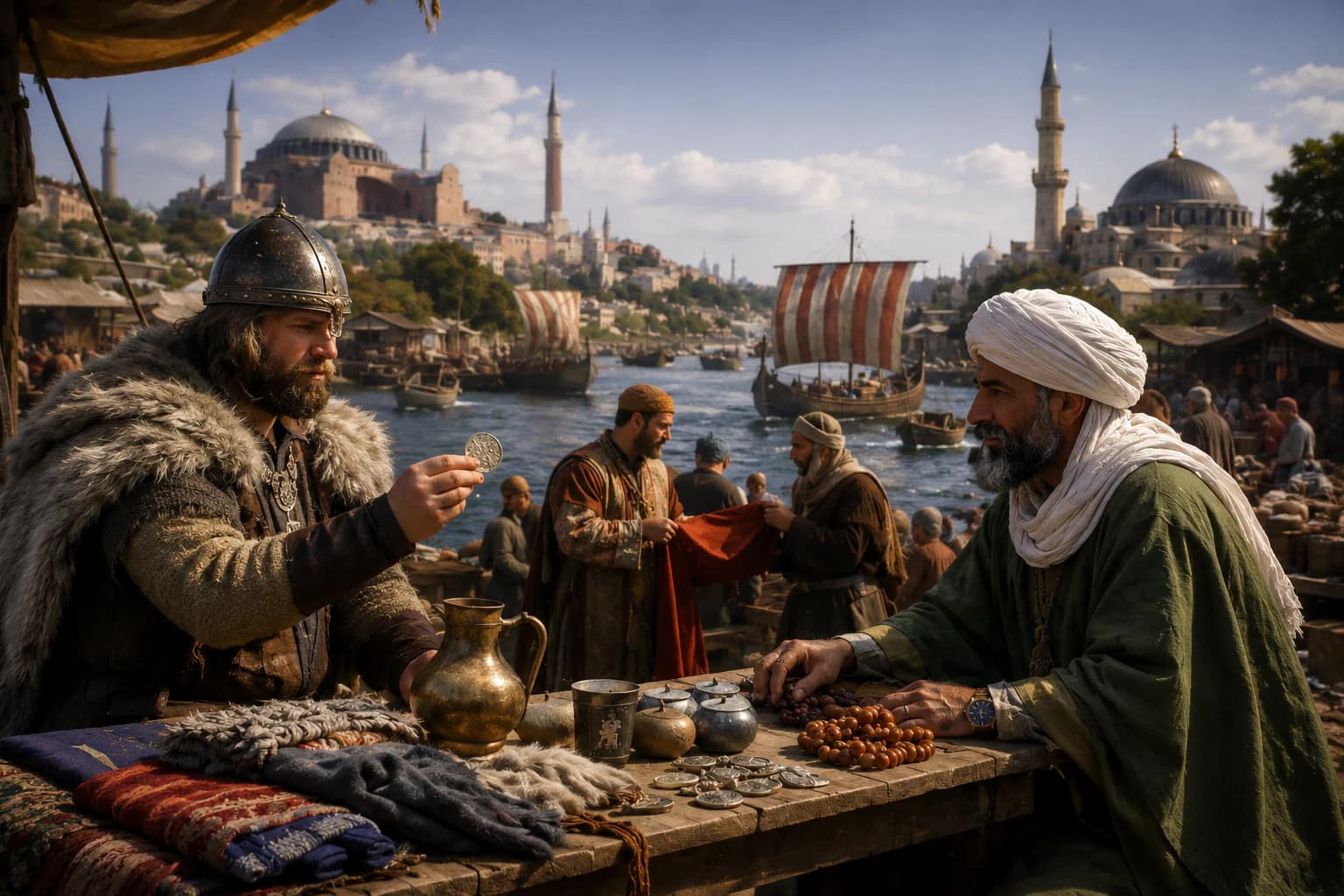
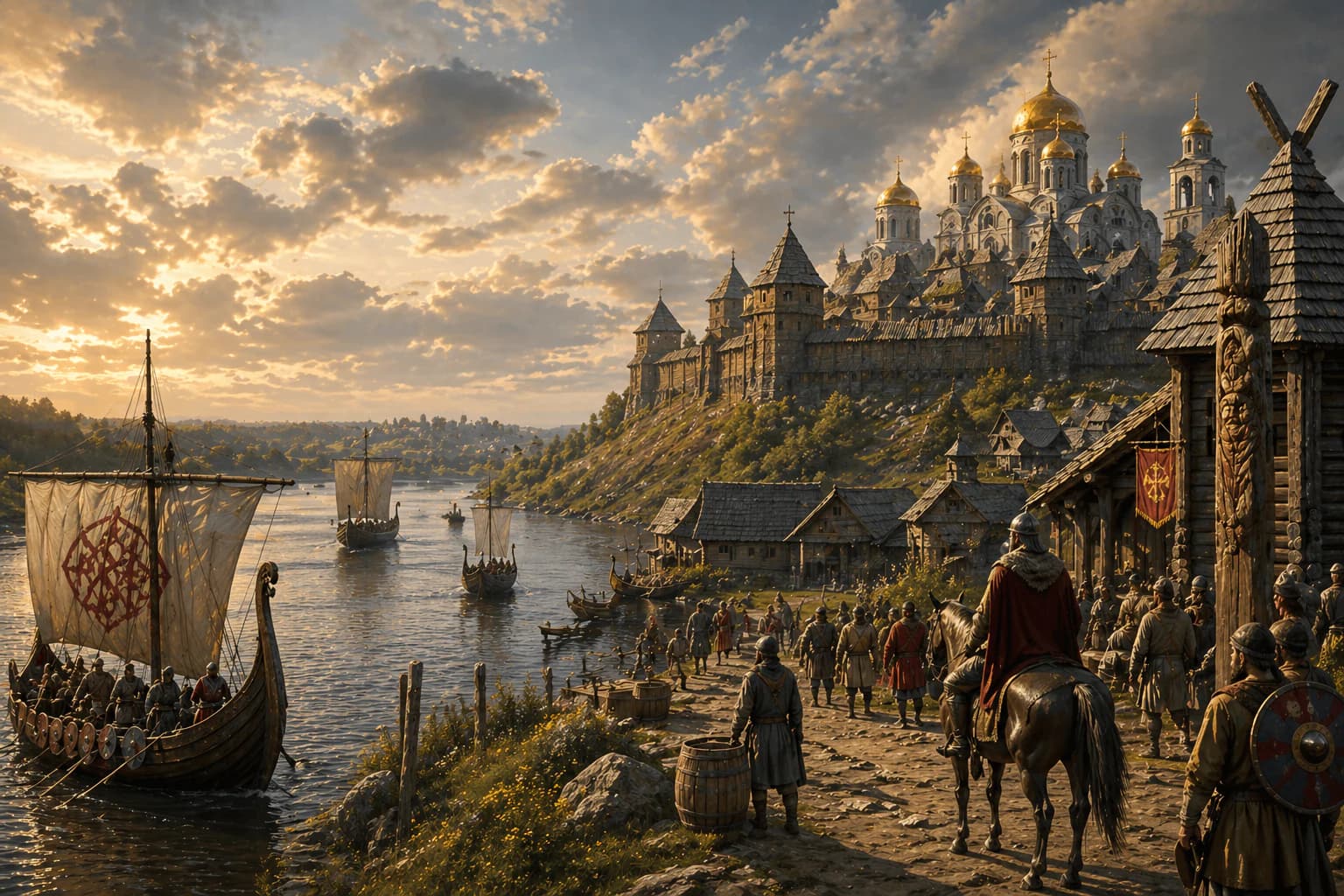
Viking ships travelled across , into the rivers of Russia, and down towards the Byzantine Empire and the Islamic world.

They traded goods such as furs, silver, amber, weapons, and enslaved people. These routes brought wealth back to Scandinavia.

The Viking world stretched far beyond Britain. It was part of a much bigger network.

Trading towns grew in importance. Places like and became busy centres where people, goods, and ideas met.

This contact changed Scandinavian society. Foreign goods, coins, and new influences became part of everyday life for elites and merchants.

The Viking Age was therefore not just about raiding. It also helped connect northern Europe to a wider international world.

Exploration of the North Atlantic
985 CE
Step 8 of 10985 CEAccessible mode

Exploration of the North Atlantic

Vikings did not just move across Europe. They pushed far into the Atlantic, reaching places few others had seen.

Sailors from Scandinavia began exploring westward. They settled in Iceland and later reached Greenland, building small communities.

Some even travelled as far as North America, landing in what is now Canada. These journeys were difficult and risky.

The Vikings were among the first Europeans to cross the Atlantic centuries before Columbus.

These voyages were not random. They followed a pattern of moving step by step, from one island to the next.

Life in these new lands was harsh. Settlements survived only in certain places where conditions allowed farming and trade.

This exploration shows how far Viking ambition reached. They were not limited to Europe, but part of a much wider story of discovery.

Conversion to Christianity
995 CE
Step 9 of 10995 CEAccessible mode

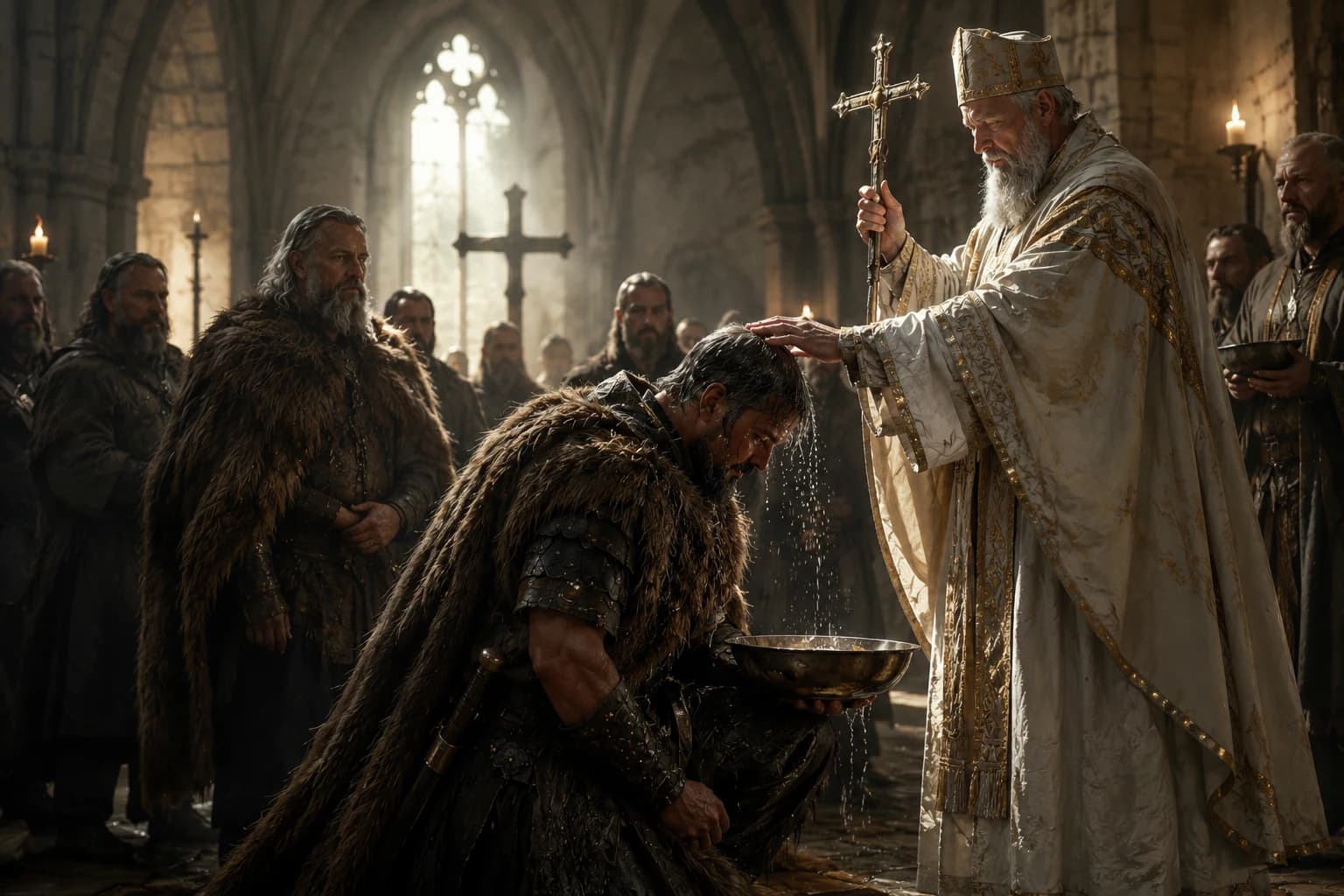
Conversion to Christianity

Over time, Viking society began to change from within, especially through religion.

The Vikings originally followed their own beliefs, with gods like Odin and Thor. These traditions were deeply part of their culture.

As Vikings traded, settled, and ruled in Christian lands, they came into contact with new ideas and beliefs.

As Vikings became part of Europe, they also began to adopt its religion.

Some leaders chose to convert to Christianity. This helped them build alliances and strengthen their authority.

Gradually, Christianity spread across Scandinavia. Old beliefs did not disappear overnight, but they slowly faded.

This change marked a shift in identity. Viking society became more closely connected to the rest of medieval Europe.

The End of the Viking Age
1066 CE
Step 10 of 101066 CEAccessible mode

The End of the Viking Age

By the 11th century, the Viking Age came to an end as Europe and Scandinavia changed.

Viking raids became less common over time. Stronger kingdoms in England and Europe were better prepared to defend themselves.

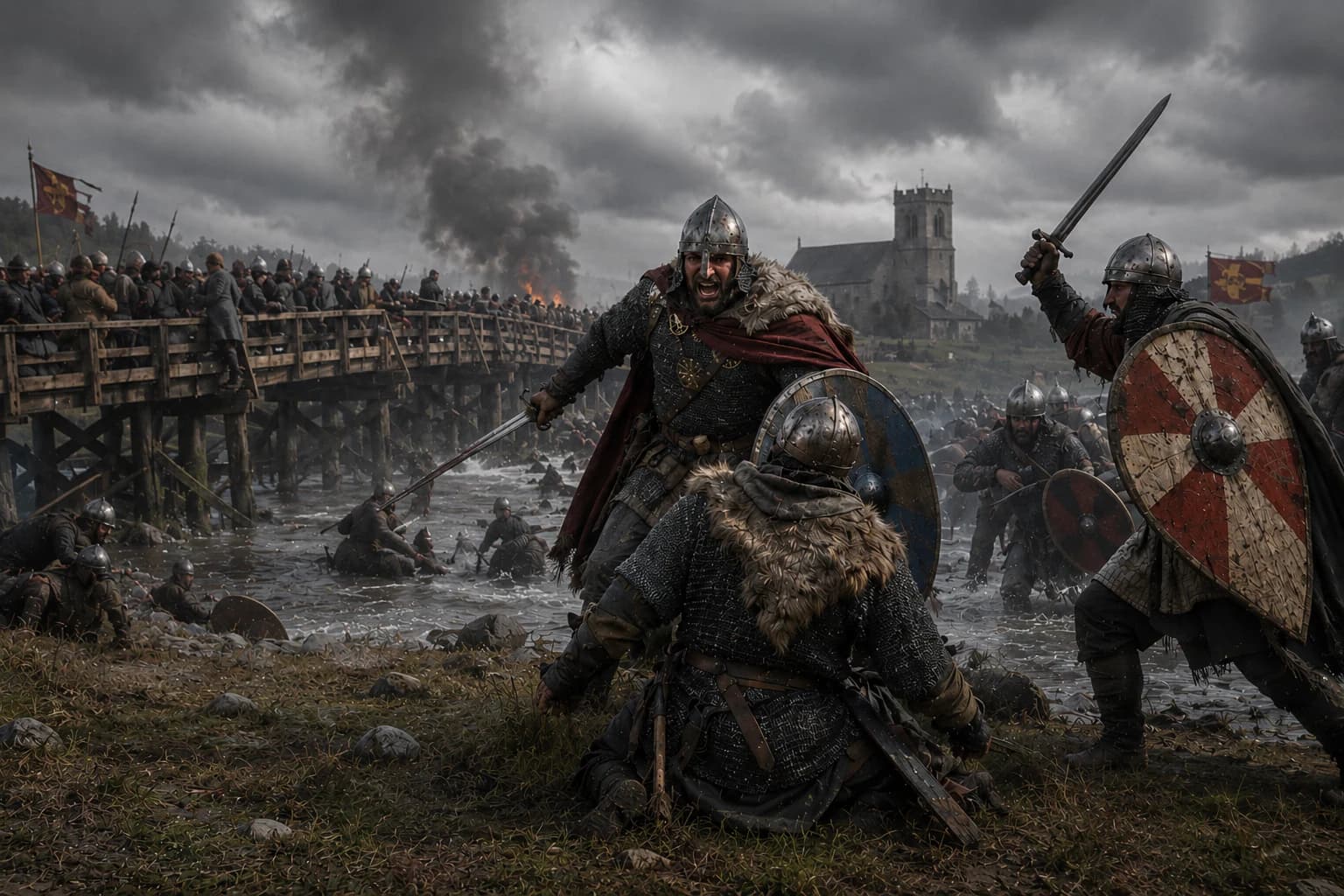
In 1066, a final major invasion led by Harald Hardrada ended in defeat at the .

The age of Viking raids ended not suddenly, but as Europe became harder to attack.

At the same time, Scandinavian societies had changed. They were now more settled, more organised, and part of the wider Christian world.

Kings replaced local war leaders, and long-distance raiding was no longer the main way to gain power or wealth.

The Viking Age ended, but its impact remained in language, culture, and the shape of Europe itself.

Continue reading

Finished The Viking Age?

Choose the next story, explore the people behind this one, or trace the line of power that shaped this world.

Browse stories

References

Sources & Further Reading

Reliable sources, primary-source collections and reading paths connected to this page.

Sources used

  1. The British Museum, Vikings: Life and Legend,” Open source
  2. The National Museum of Denmark, The Viking Age,” Open source

Further reading

  1. Neil Price, The Children of Ash and Elm, Basic Books.

Primary sources

  1. Fordham University, Internet Medieval Sourcebook,” Open source

A weekly route through history

Find out first about the latest published stories, feature notes and occasional Premium offers in one weekly email.