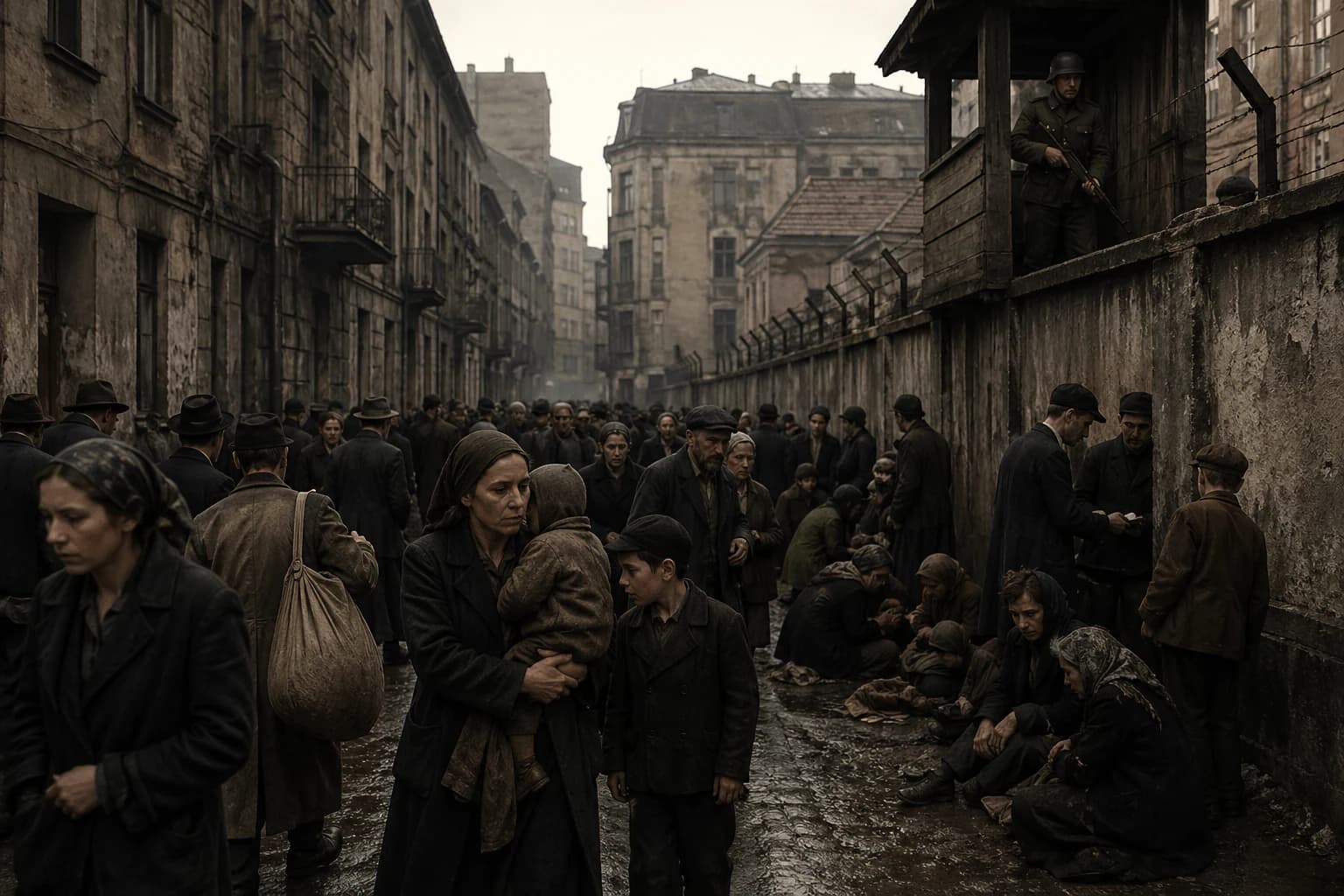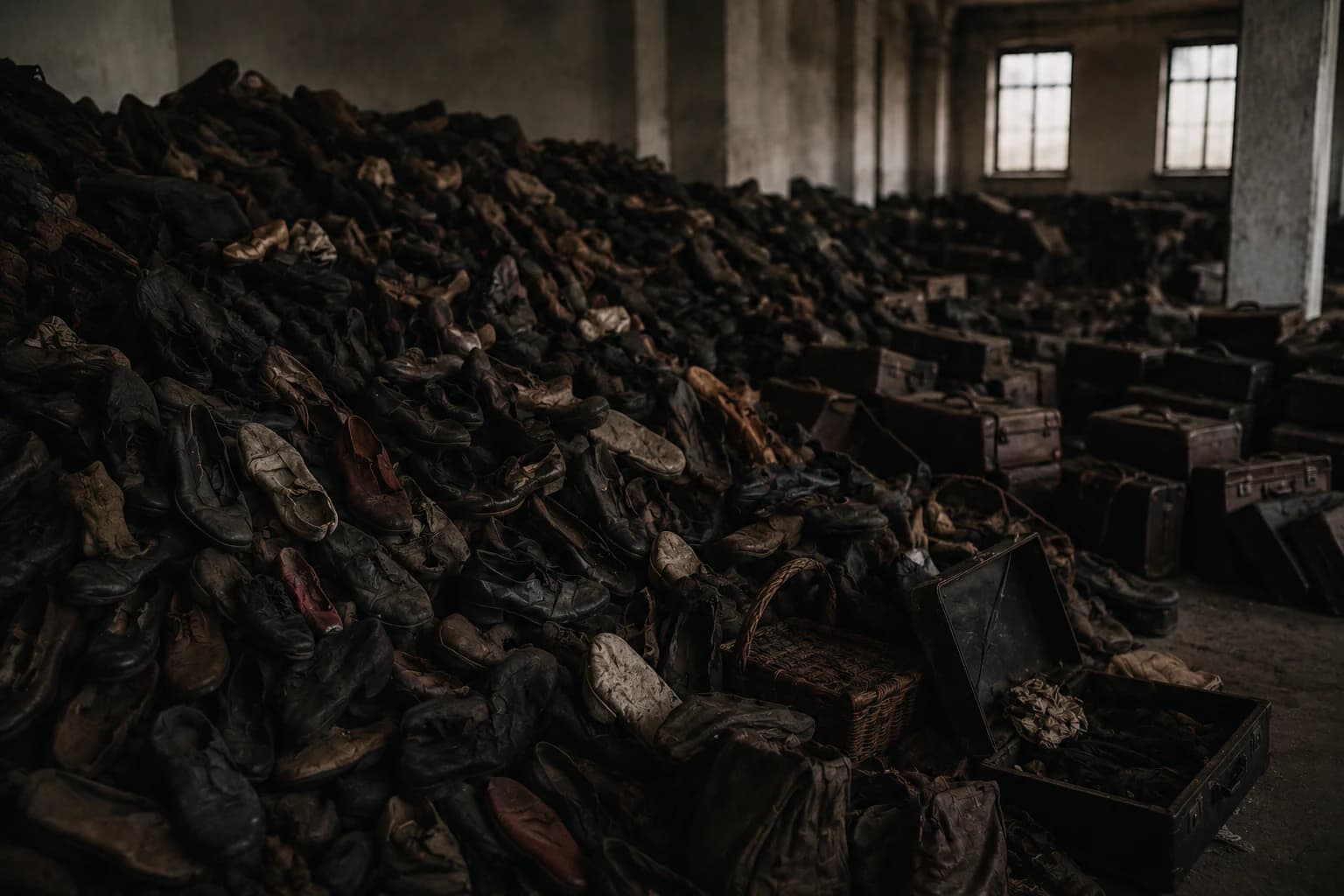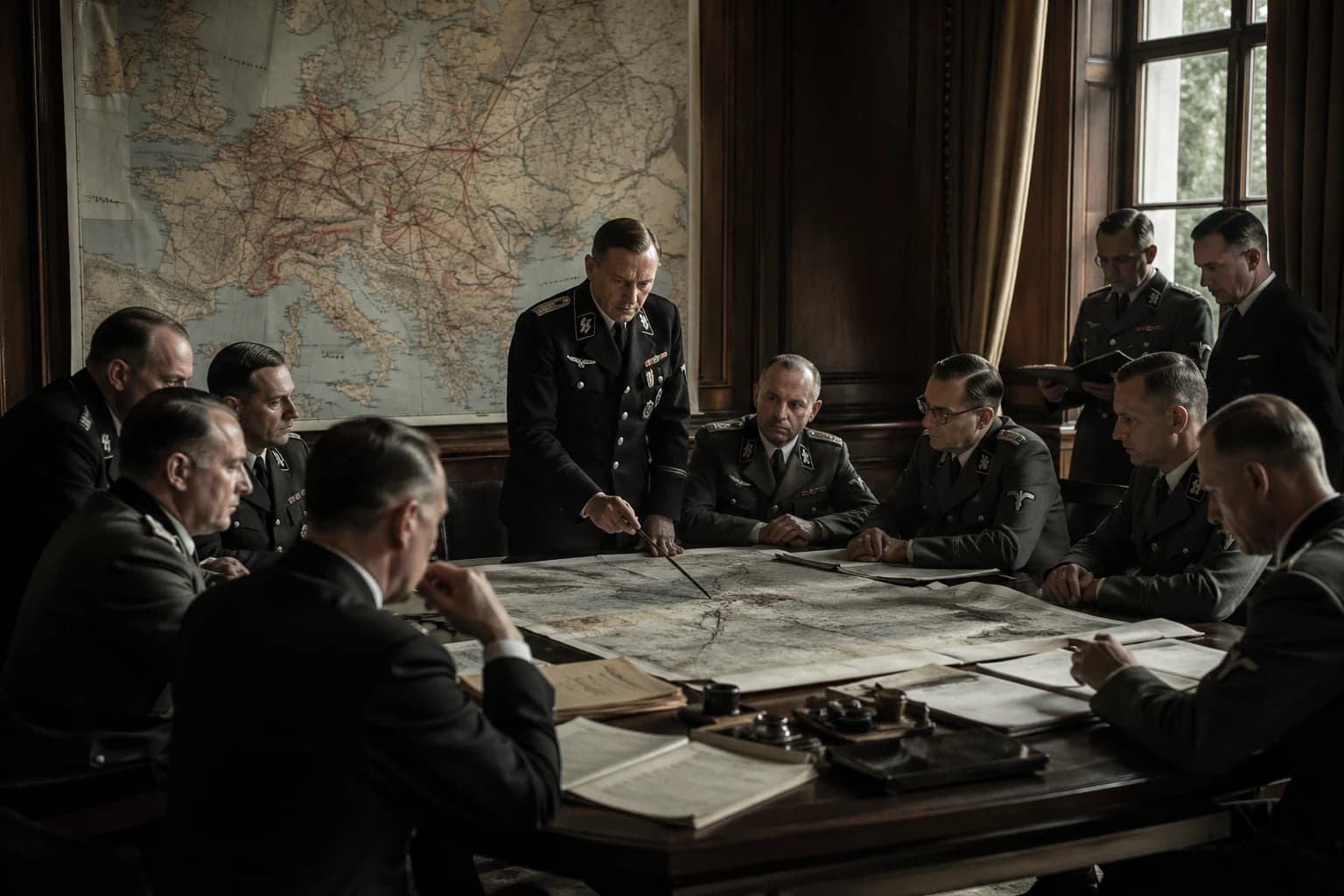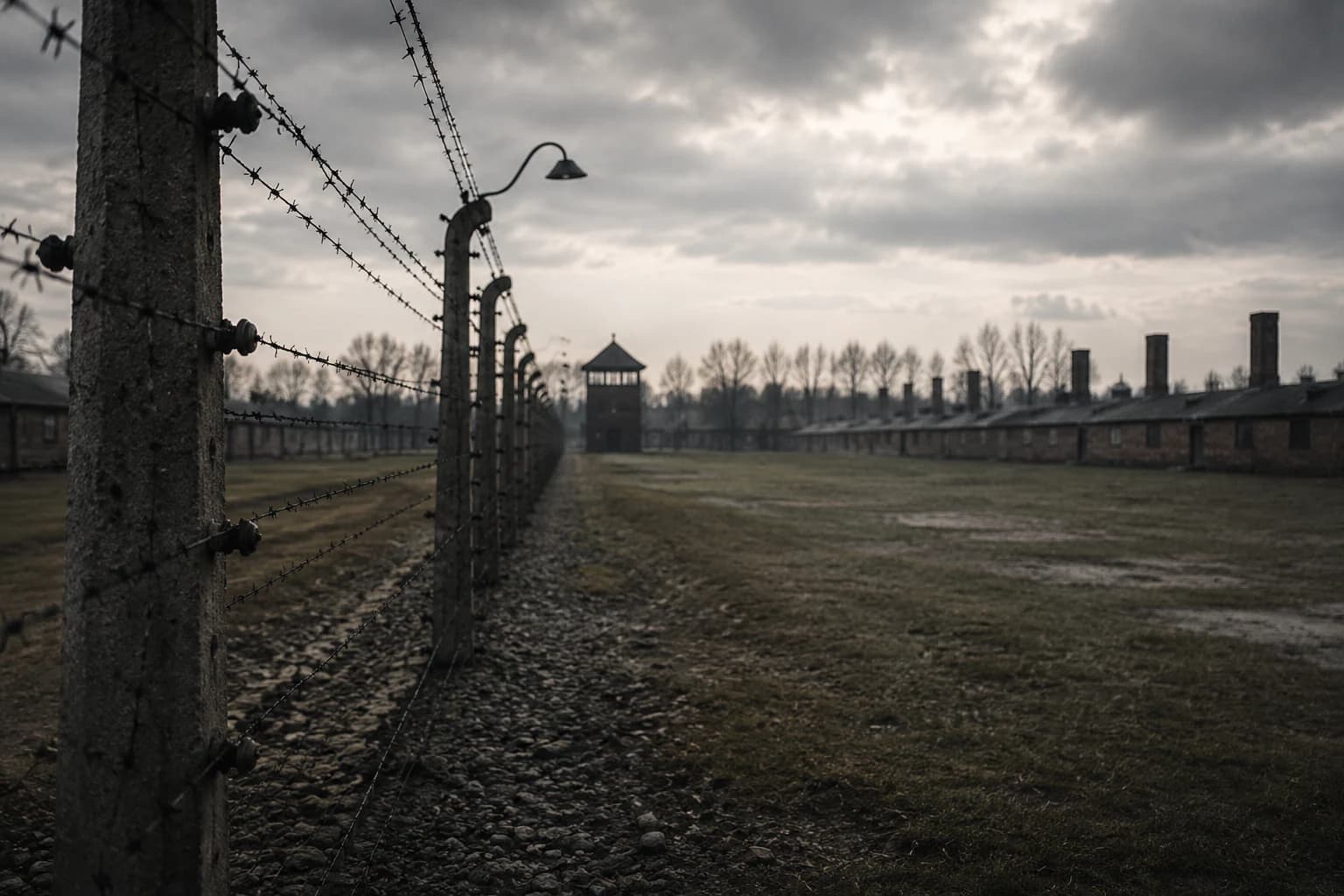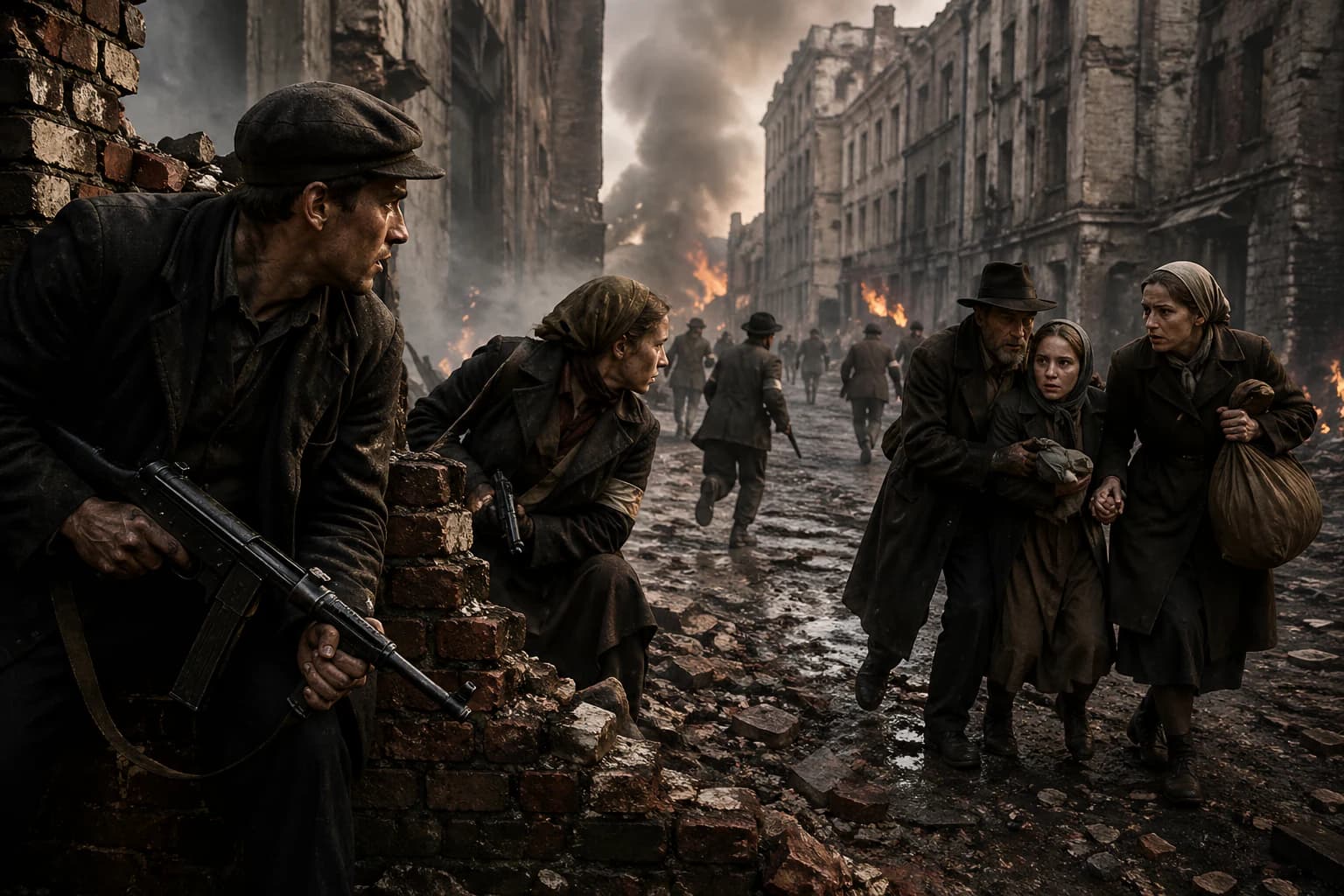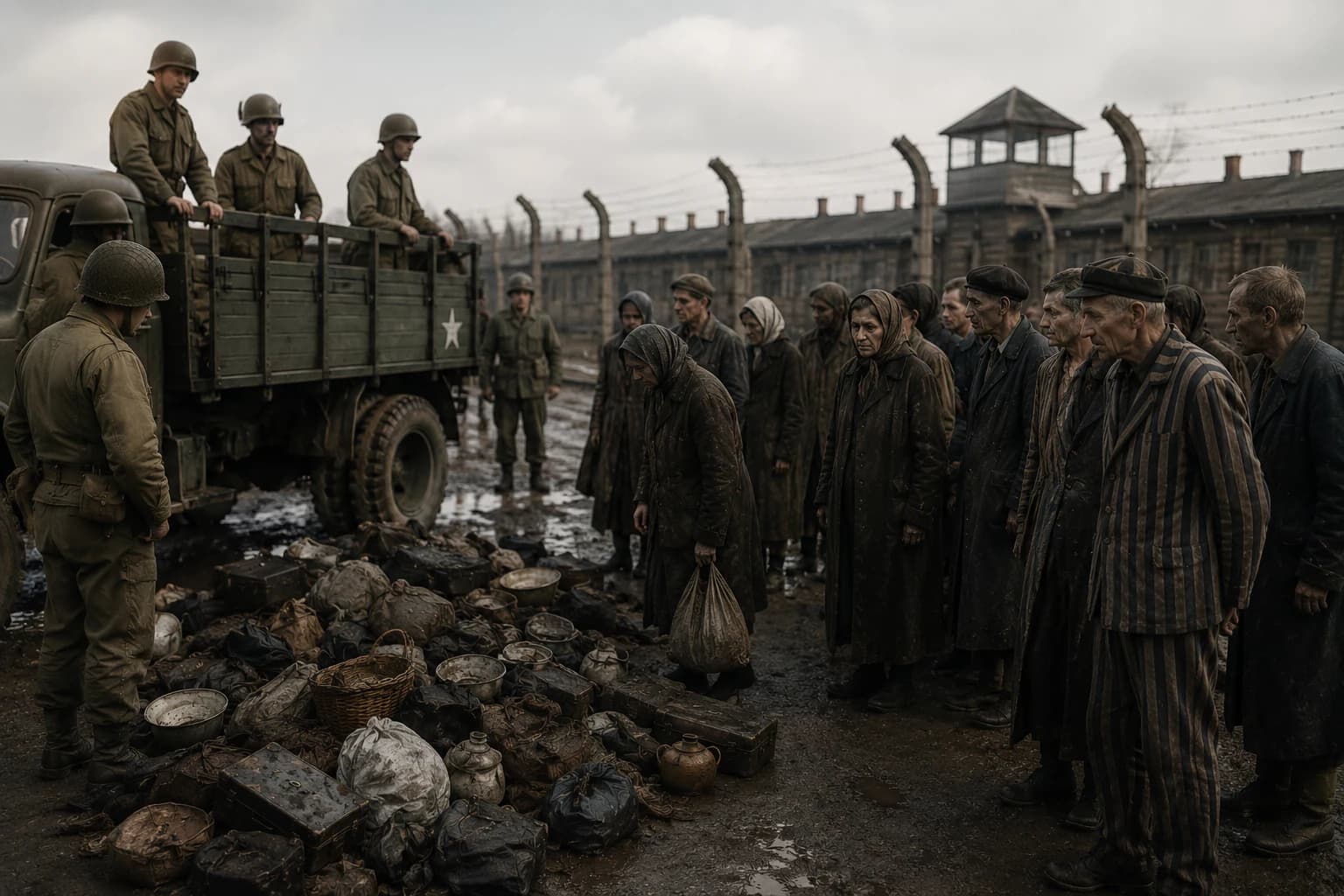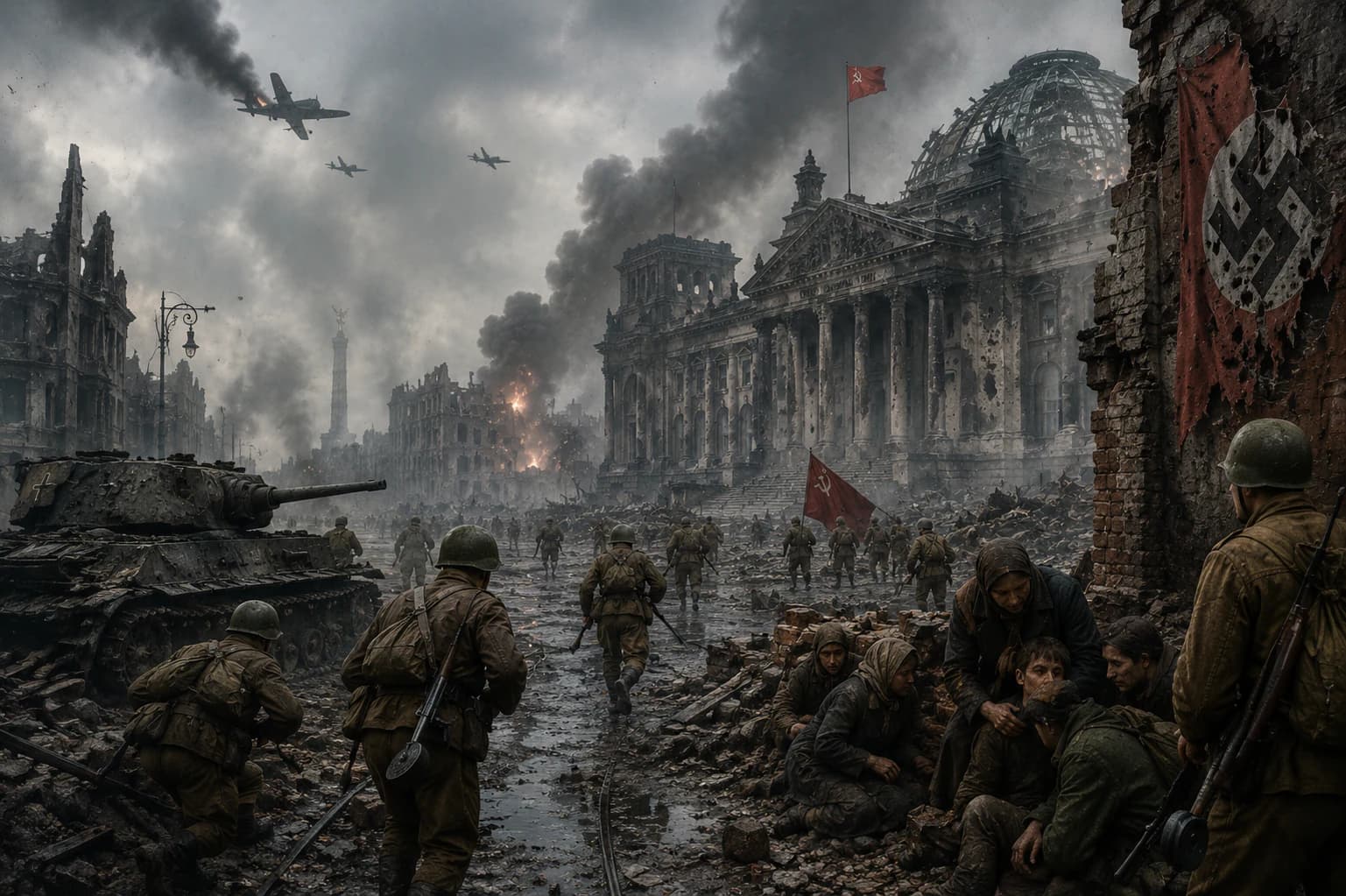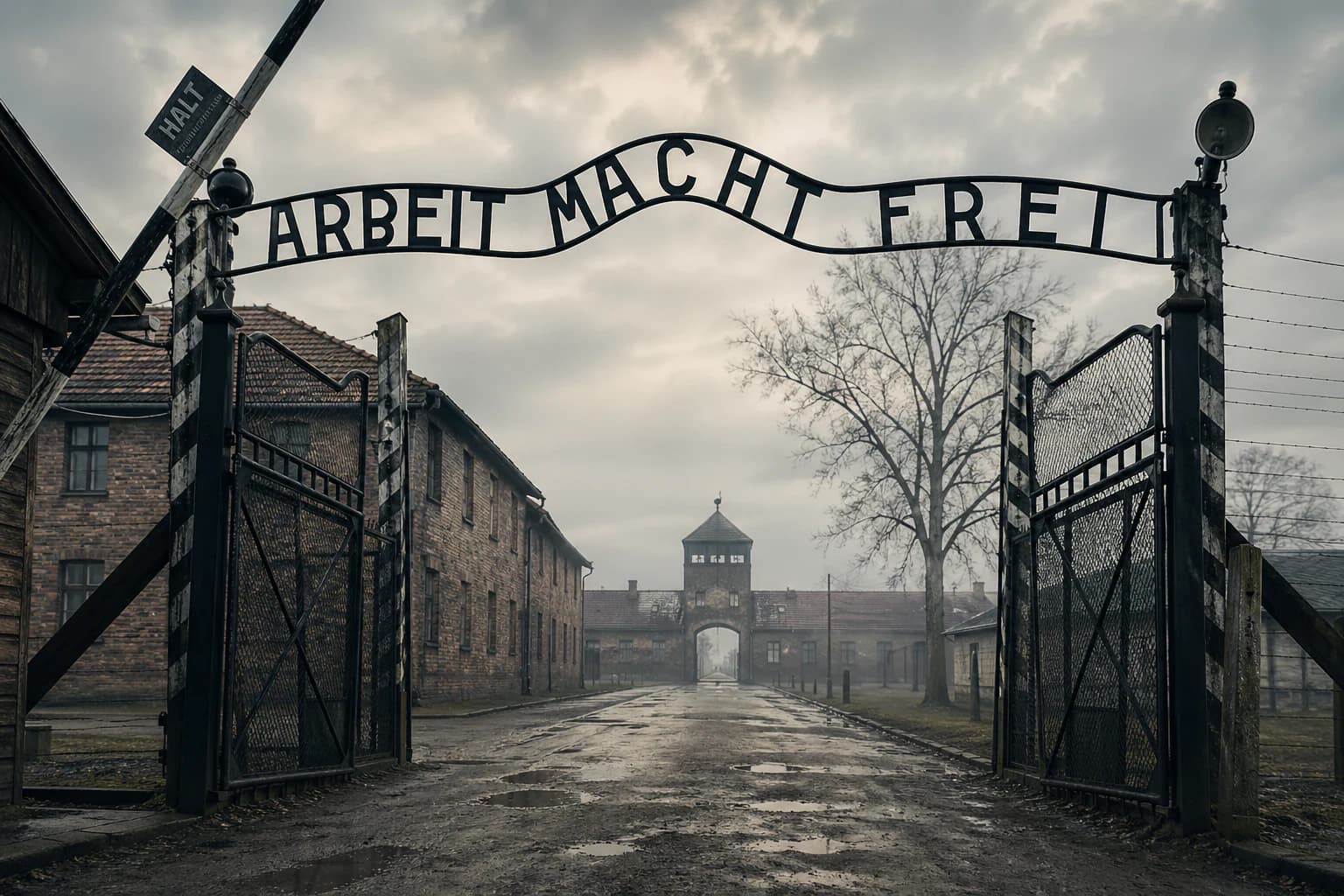
The gatehouse of Auschwitz-Birkenau, the largest Nazi killing centre, photographed after liberation in 1945
Premium Story

The Holocaust

Confront the Holocaust through Nazi persecution, ghettos, killing centres, resistance, and liberation.

11 chapters

Next

Content note

This story discusses genocide, persecution, mass killing, and crimes against humanity in an educational historical context.

Context

Introduction

Overview

The Holocaust was the systematic persecution and murder of six million Jews by Nazi Germany and its collaborators between 1933 and 1945. Millions of other people, including Roma, disabled people, Soviet prisoners of war, Polish civilians, and political opponents, were also targeted and killed. The Holocaust was built through law, propaganda, bureaucracy, ghettos, deportations, killing centres, and war, making it one of history's central warnings about state violence and dehumanisation.

What you'll learn: You'll understand how the Holocaust was built step by step — from antisemitic ideology to racial law, from mass violence to systematic extermination. You'll see who was involved, who resisted, who collaborated, and why the Holocaust's lessons remain essential to questions of prejudice, power, and human dignity today.

Key forces

Nazi Antisemitism Takes Power
1933 CE
Step 1 of 101933 CEAccessible mode

Nazi Antisemitism Takes Power

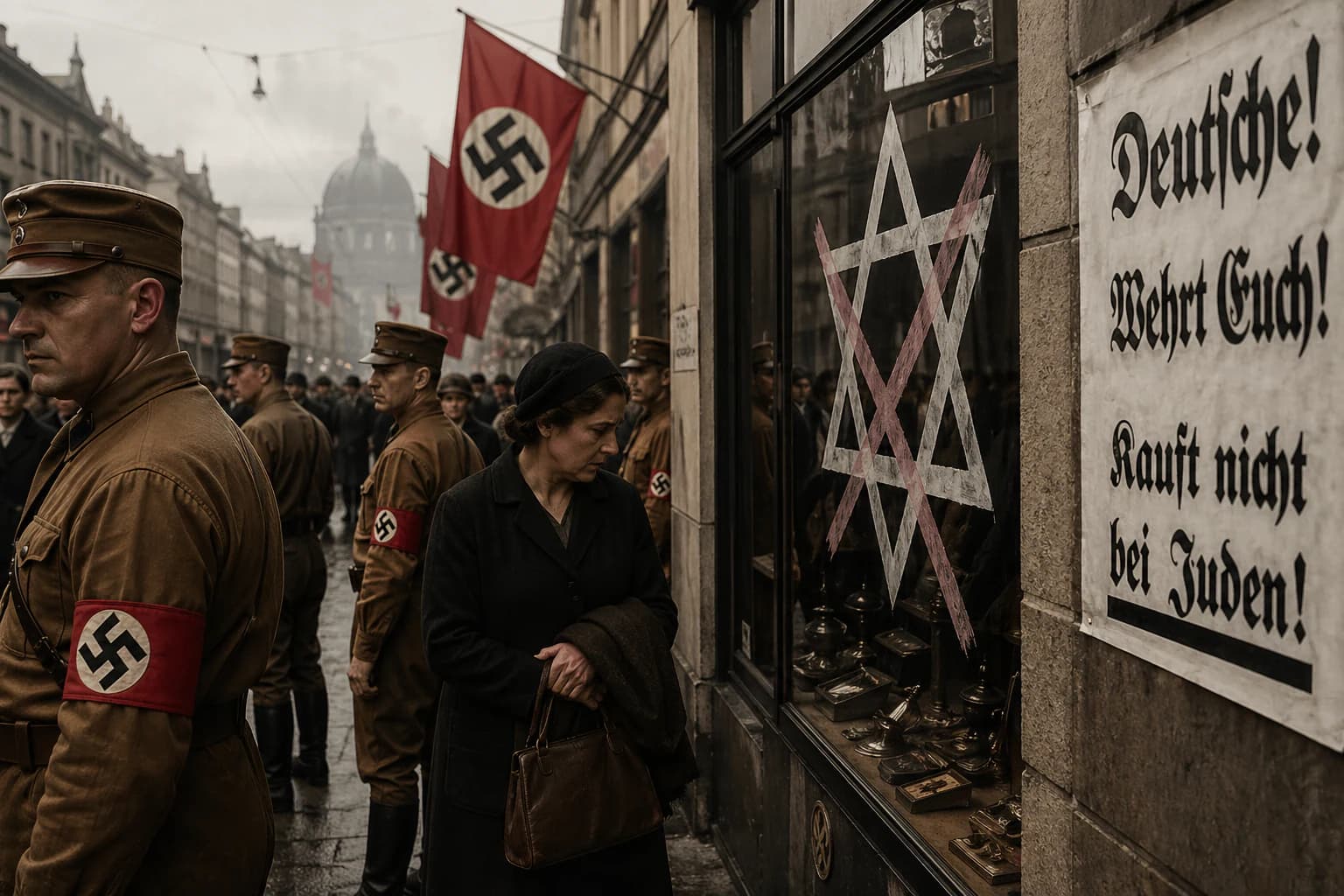
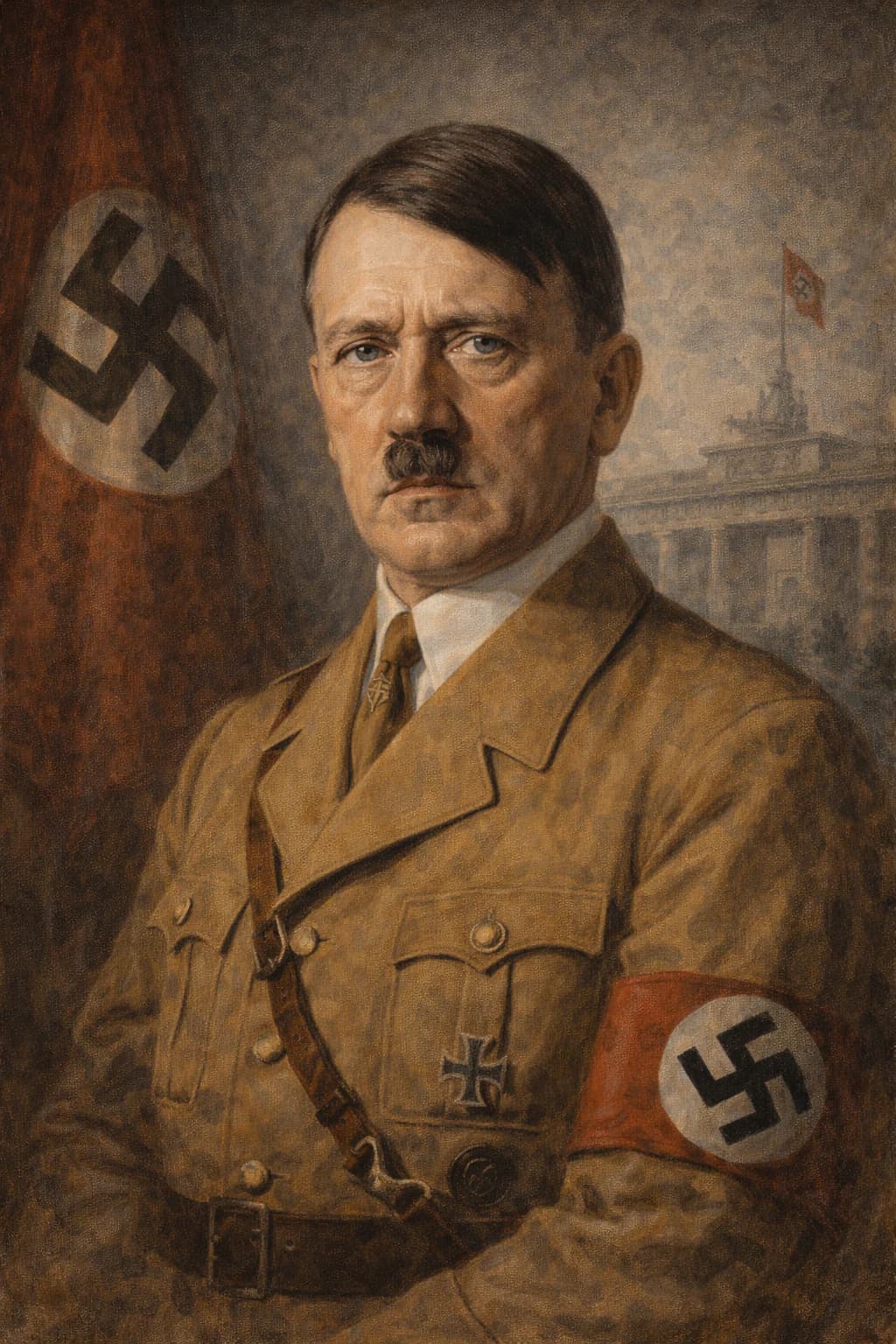
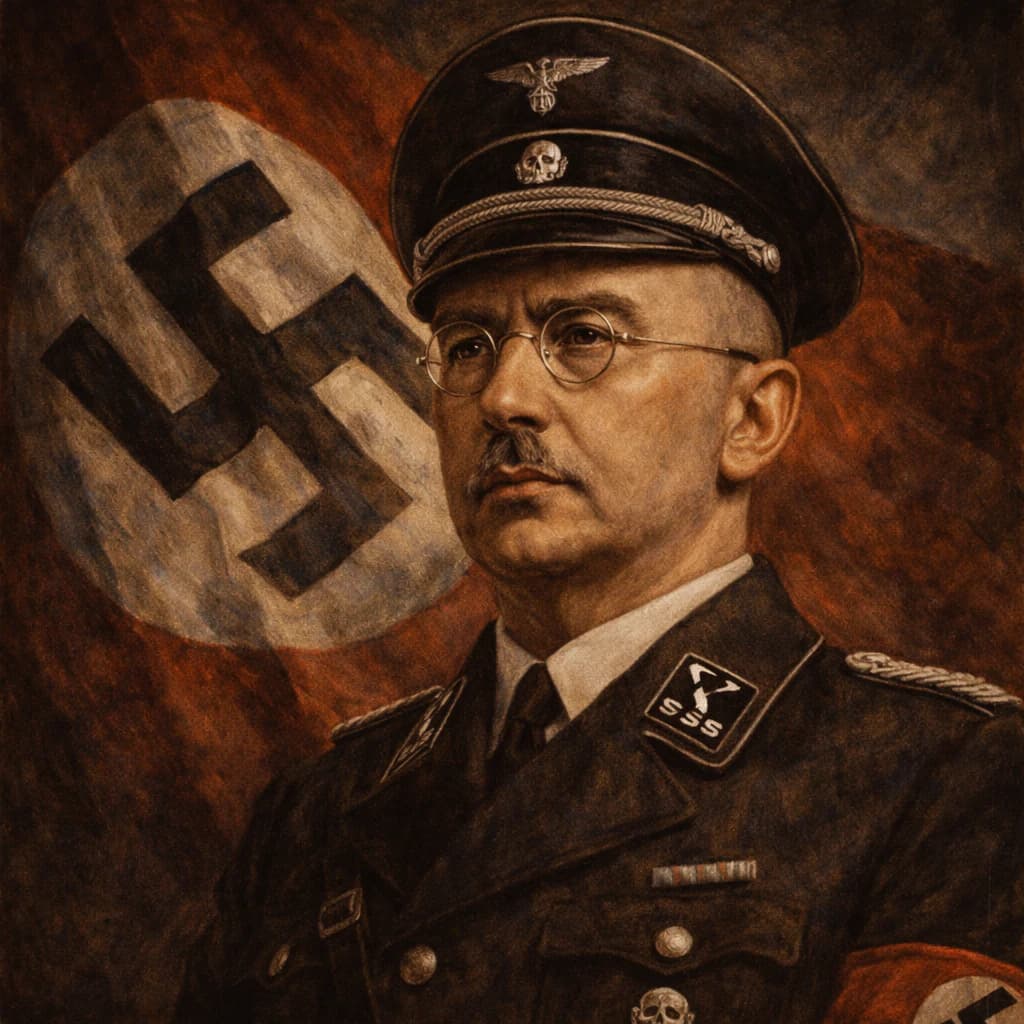
Adolf Hitler became Germany's chancellor in January 1933. For Jewish people in Germany, that moment began twelve years of persecution that would end in genocide.

Germany had long had antisemitism — prejudice against Jewish people — but the Nazis turned it into government policy. Within weeks, Jewish businesses faced organised boycotts. Jewish professionals lost their jobs. The state was acting against its own citizens.

The Nazis believed Jews were enemies of Germany — responsible for military defeat, economic collapse, and national humiliation. With power in hand, they could act on those beliefs. Jews were publicly cast as threats to the German nation.

Antisemitism was not a fringe idea within the Nazi movement. It was the movement's central purpose.

In 1933, concentration camps opened for political prisoners — communists, trade unionists, journalists. The instruments of terror were taking shape. Jews were already in danger. But the worst was still to come.

The Nuremberg Laws
1935 CE
Step 2 of 101935 CEAccessible mode

The Nuremberg Laws

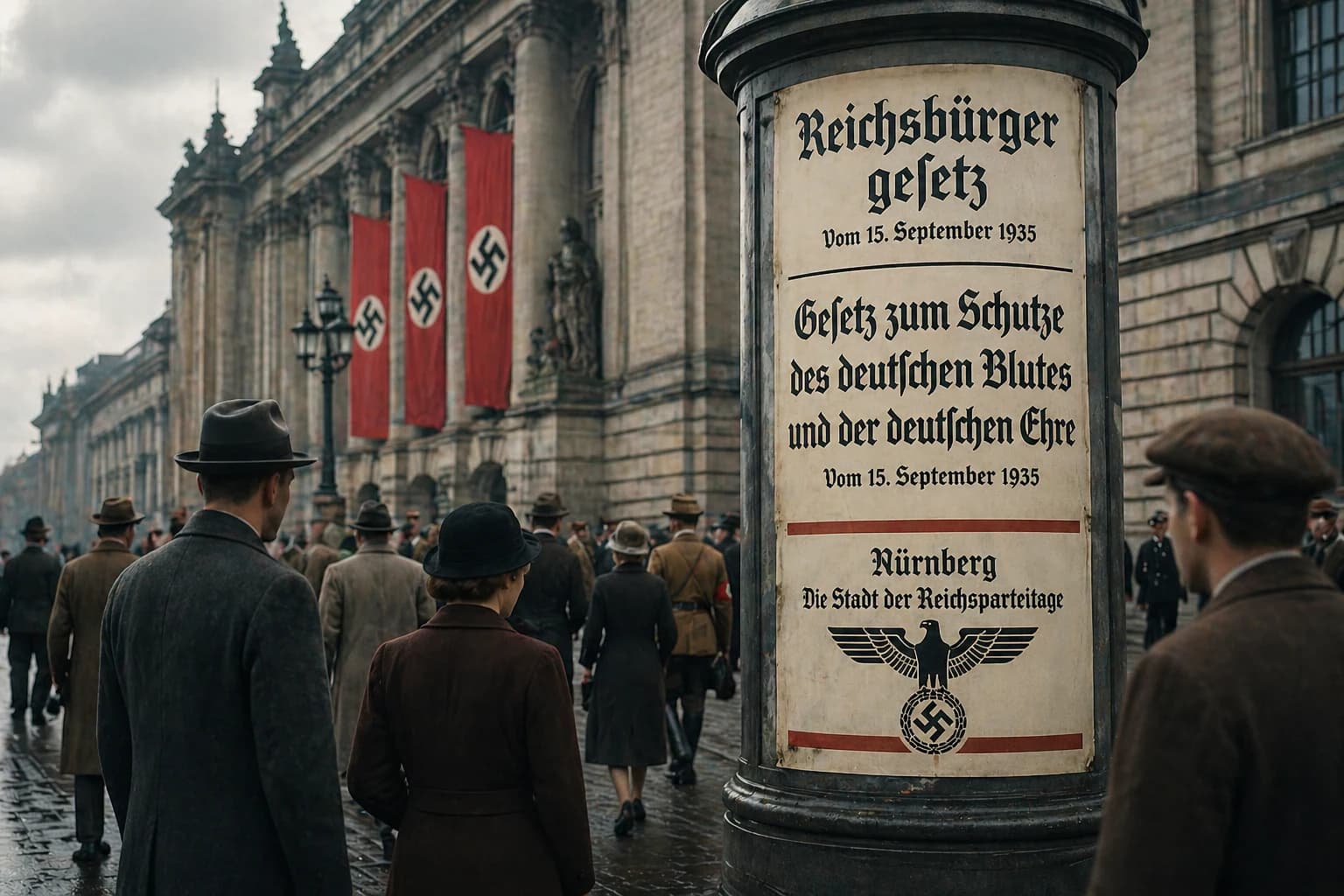
In September 1935, Nazi Germany turned antisemitism into formal law. Jewish people lost their citizenship. Discrimination was now bureaucratic, official, and permanent.

The Reich Citizenship Law declared that only those of German blood could be citizens. Jews became mere subjects — residents of Germany with no political rights whatsoever.

A second law banned marriage between Jews and non-Jews, and made sexual relations between them a criminal offence. Racial identity was determined through official classification based on the religion of a person's grandparents.

Persecution did not need violence to destroy lives. A stroke of a pen was enough.

The Laws showed that a modern state could institutionalise racial categories through bureaucracy alone. Hundreds of thousands of people suddenly found themselves legally classified as less than full human beings in the country where they were born.

Kristallnacht
1938 CE
Step 3 of 101938 CEAccessible mode

Kristallnacht

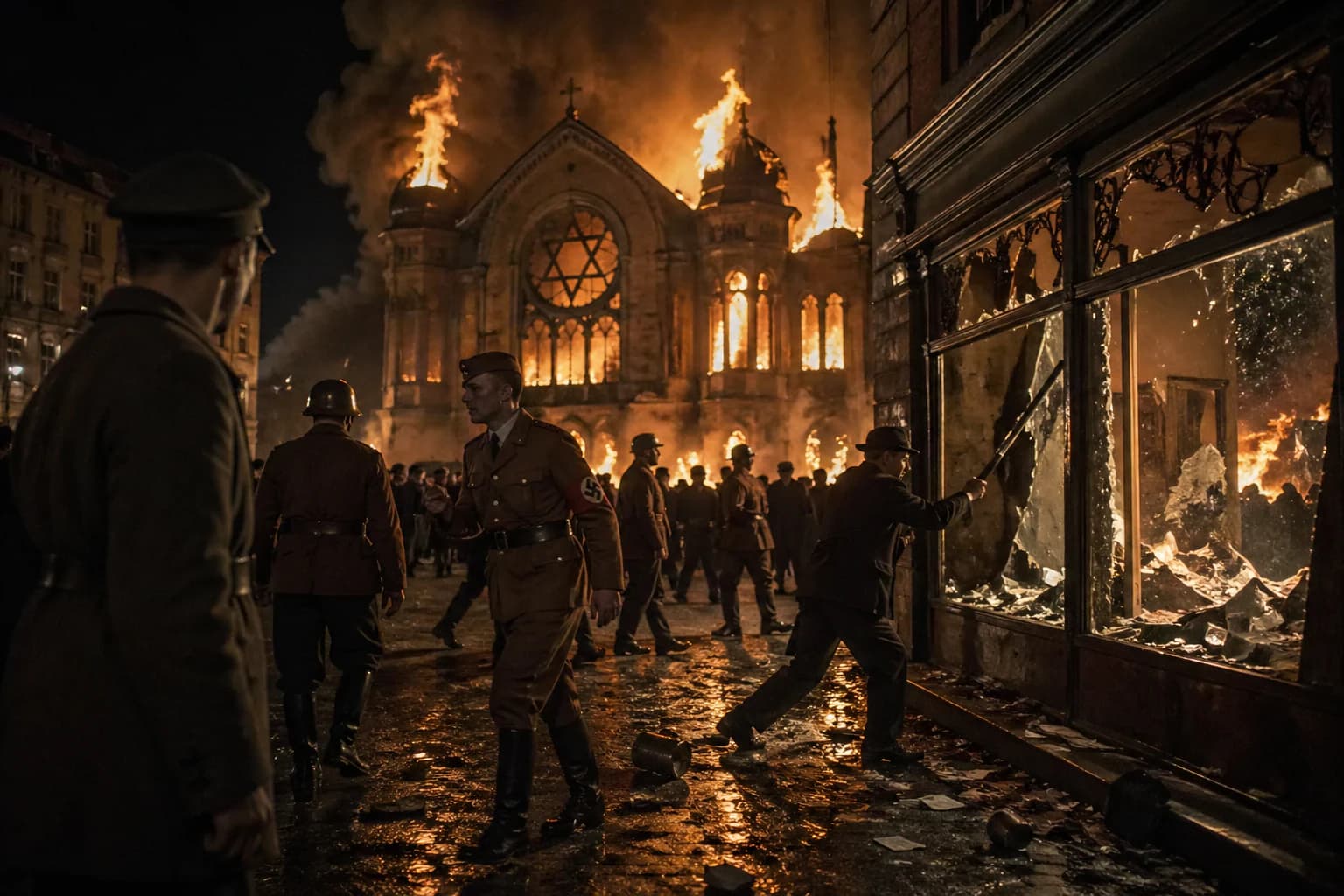
On 9–10 November 1938, mobs across Germany burned synagogues, smashed Jewish businesses, and dragged Jews into the streets. The Nazis called it a spontaneous uprising. It was organised by the state.

The trigger was the assassination of a German diplomat in Paris by a young Jewish man whose family had been expelled from Germany. The Nazis used it as justification for a nationwide pogrom — an act of coordinated mass violence.

Over 1,400 synagogues were destroyed. Around 7,500 Jewish businesses were smashed. At least 91 people were killed. Thirty thousand Jewish men were arrested and sent to concentration camps.

Kristallnacht made one thing clear: Germany's Jews had no protection under the law.

Afterwards, the German government fined the Jewish community one billion Reichsmarks for the damage — not the perpetrators, but the victims. The message was unmistakable. There would be no accountability, no recourse, and no safety.

Premium

You've reached the turning point

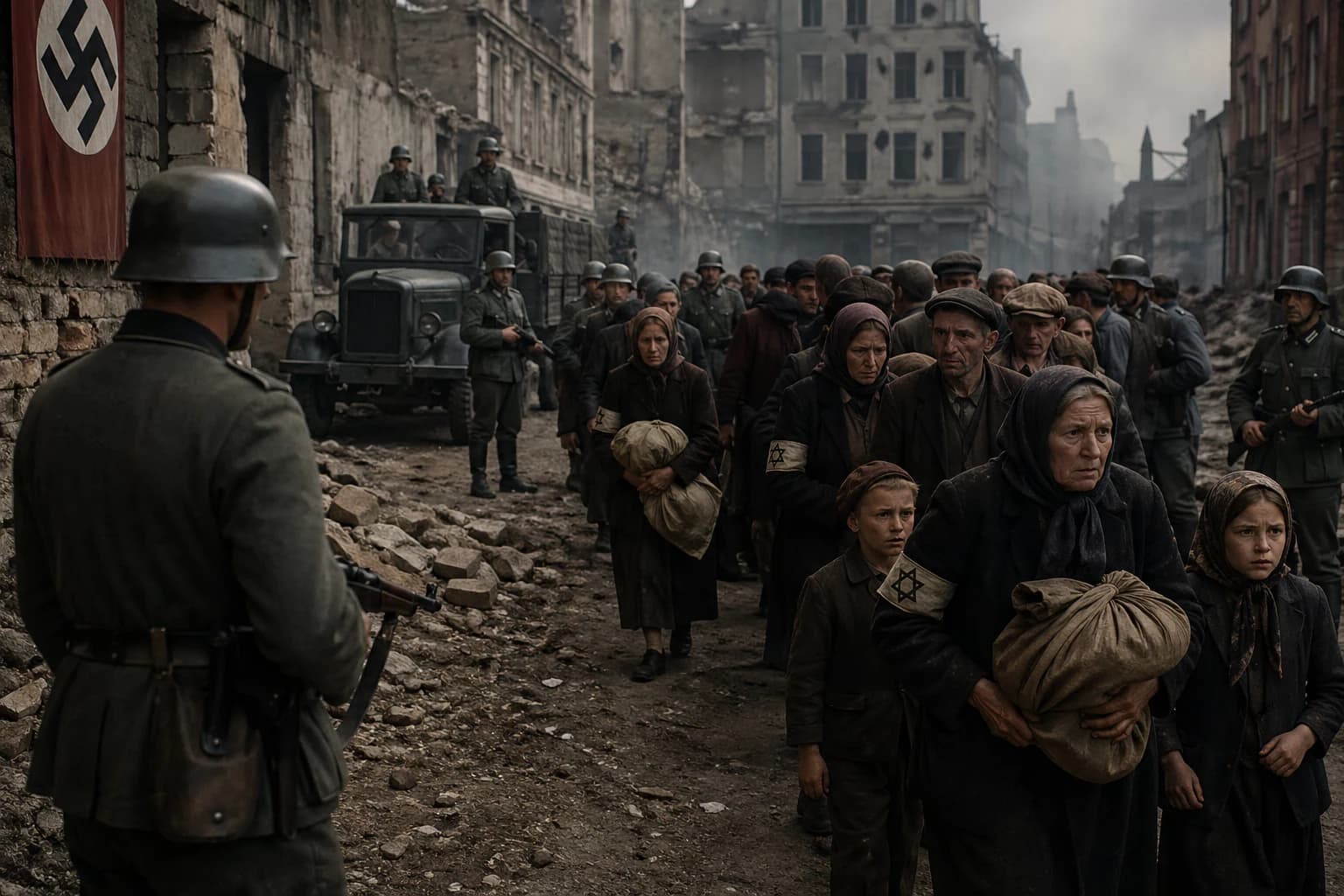
The opening chapters show persecution being turned into law, exclusion and state power. Premium follows the terrible turn from discrimination to mass murder: ghettos become traps, killing moves east, and the machinery of genocide closes around millions while resistance and survival become acts of human defiance.

Continue into the reversals, crises and human stakes that make the story matter.

Unlock full story

What Premium unlocks next

  1. 4War Opens the East
  2. 5Ghettos Become Traps
  3. 6Mass Shooting Begins
  4. 7The Final Solution
  5. 8The Death Camps
  6. 9Resistance and Survival
  7. 10Liberation and Memory

Browse stories

Browse stories for free

Explore the people connected to this turning point or enjoy one of our free stories.

Unlock full storyBrowse stories

References

Sources & Further Reading

Reliable sources, primary-source collections and reading paths connected to this page.

Sources used

  1. United States Holocaust Memorial Museum, Introduction to the Holocaust,” Open source
  2. Yad Vashem, The Holocaust,” Open source

Further reading

  1. Saul Friedlander, Nazi Germany and the Jews, HarperCollins, 1997-2007.

Primary sources

  1. United States Holocaust Memorial Museum, Collections Search,” Open source

Image references

  1. United States Holocaust Memorial Museum, Photo Archives,” Open source

A weekly route through history

Find out first about the latest published stories, feature notes and occasional Premium offers in one weekly email.