Complete chronology
Full overview and deeper context for every journey step.
1929
Born in Germany
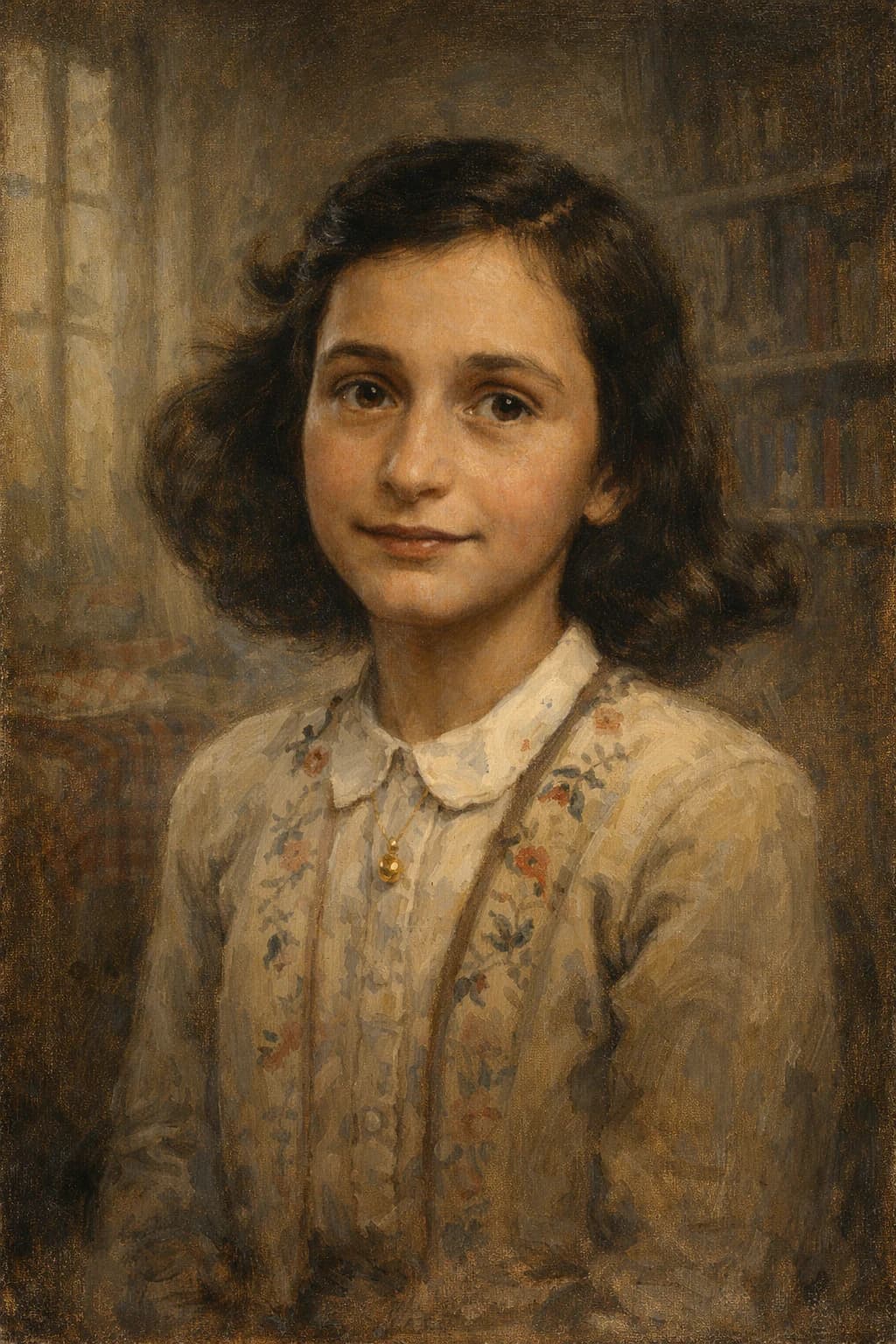
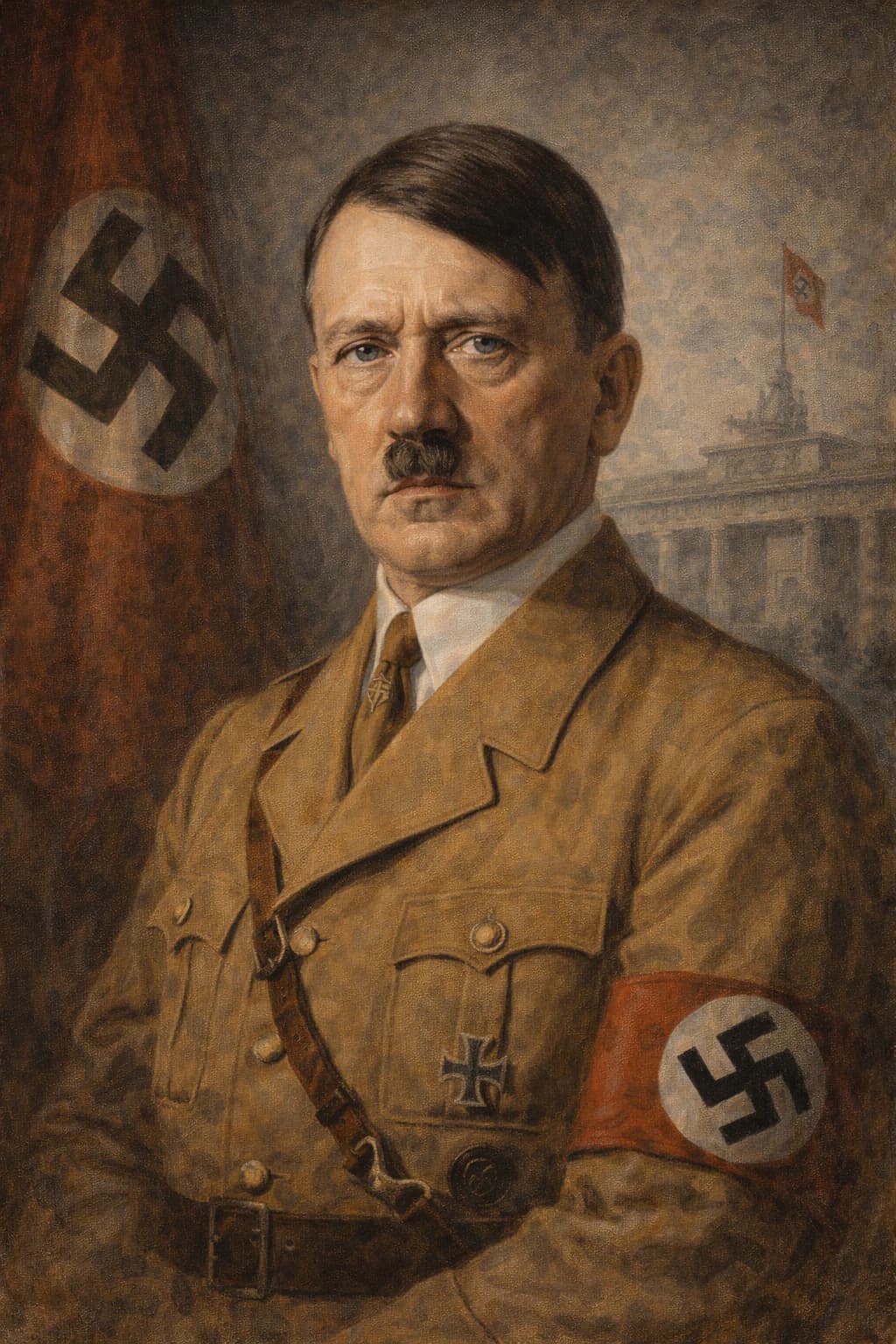
Anne Frank was born in Frankfurt am Main on 12 June 1929, into a German-Jewish family that had every reason to imagine an ordinary future. Her parents, Otto and Edith Frank, belonged to an educated, middle-class world of business, books, family visits, and civic life. That world changed after Adolf Hitler and the Nazis came to power in 1933. Antisemitism, already present in German society, became state policy, turning Jewish neighbors into targets through law, propaganda, intimidation, and exclusion. Anne was a small child, but her parents understood that danger was no longer theoretical. Her earliest biography is therefore not only a child's beginning but the beginning of displacement. The Frank family's decision to leave Germany was an act of foresight, not panic: they were trying to preserve normal life before normal life became impossible.
Her story begins not in hiding, but in a normal childhood disrupted by forces beyond her control.
1933
Move to Amsterdam
Amsterdam gave the Franks a second beginning. Otto built a business connected to pectin and spices, Edith managed the household, Margot excelled at school, and Anne learned Dutch, made friends, and grew into a lively, observant child. The Netherlands seemed safer than Germany, and for several years that hope was not foolish. Yet the family's security depended on borders, governments, and time. As Nazi power expanded and Europe moved toward war, Jewish refugees found that escape did not always mean arrival. Anne's prewar life in Amsterdam matters because it restores scale to the story. Before the secret annex, before the diary became famous, she was a girl with classmates, jokes, quarrels, ambitions, and impatience. The tragedy is not that an emblem was lost; it is that an ordinary young person was forced into history's machinery.
Migration provided a brief shelter, but it could not fully shield them from a spreading threat.
1940
Nazi occupation
Germany invaded the Netherlands in May 1940, and occupation gradually narrowed Jewish life by regulation after regulation. Jewish residents were registered, businesses were restricted or transferred, children were pushed into separate schools, public spaces were closed, bicycles and radios were taken, and the yellow star made persecution visible on the body. The point of these measures was not only administration. It was humiliation, isolation, and preparation for deportation. Anne's world shrank from city streets to permitted routes, from mixed classrooms to Jewish-only spaces, from childhood freedom to watched movement. The Franks tried to keep routines intact, but each new rule made the future smaller. When Margot Frank received a call-up notice for forced labor in 1942, the family could no longer wait. Hiding became the only remaining alternative to surrender.
Oppression often advances step by step, tightening gradually until escape becomes urgent.
1942
Going into hiding
The secret annex above and behind Otto Frank's business premises at Prinsengracht 263 was prepared with help from trusted colleagues, including Miep Gies, Jan Gies, Johannes Kleiman, Victor Kugler, Bep Voskuijl, and others who risked punishment to shelter them. In July 1942, Otto, Edith, Margot, and Anne went into hiding; they were later joined by Hermann, Auguste, and Peter van Pels, and then Fritz Pfeffer. Their refuge was not a romantic hiding place but a pressure chamber. During working hours they had to move quietly, avoid running water, and live with the fear that a cough, dropped object, or suspicious sound could expose everyone. Food, news, books, and emotional contact came through helpers. Anne entered the annex as a thirteen-year-old, still full of wit and appetite for life, and had to grow up under conditions designed to crush spontaneity.
Survival demanded not only physical concealment but emotional endurance within close quarters.
1942–1944
Writing her diary
Anne received her diary for her thirteenth birthday, weeks before the family disappeared from public life. In hiding, it became confidante, workshop, witness, and rehearsal room for the writer she hoped to become. She wrote about quarrels over food and manners, fear of discovery, longing for friends, irritation with adults, affection for Peter van Pels, love of nature glimpsed through windows, and her own changing body and mind. After hearing a radio appeal in 1944 for Dutch people to preserve wartime documents, she began revising her entries with publication in mind. That detail matters. The diary is not merely raw testimony accidentally found; it is also the work of a young writer shaping experience into narrative. Its power comes from precision: Anne makes the Holocaust legible not by explaining all of it, but by showing how a vast system entered breakfast, silence, shame, hope, and sleep.
Writing allowed her to assert individuality even when her physical freedom was taken away.
1944
Discovery and arrest
On 4 August 1944, after more than two years in hiding, the annex was raided by German and Dutch authorities. The exact cause of discovery remains debated; betrayal has long been suspected, but historians have also considered other possibilities, including investigations connected to illegal work or ration coupons. What is certain is the result. The eight people in hiding were arrested, their refuge searched, and the fragile world maintained by helpers collapsed in a single morning. Anne's papers were left behind and later preserved by Miep Gies and Bep Voskuijl. The prisoners were taken first through detention and then to Westerbork transit camp. The arrest marks the brutal turn in Anne Frank's biography from concealed danger to the deportation system itself, where individual names were processed through a machinery built for destruction.
Even the most carefully maintained refuge can collapse suddenly under external force.
1944–1945
Life in camps
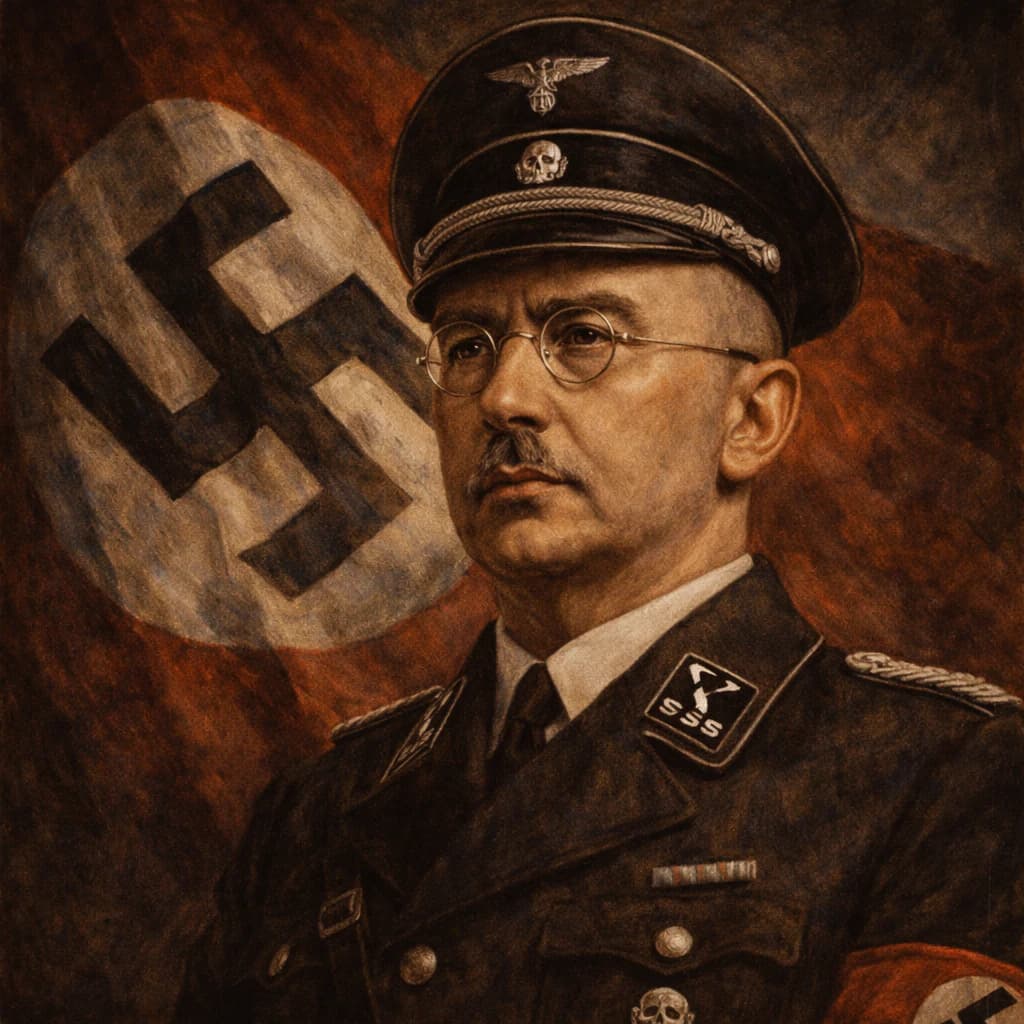
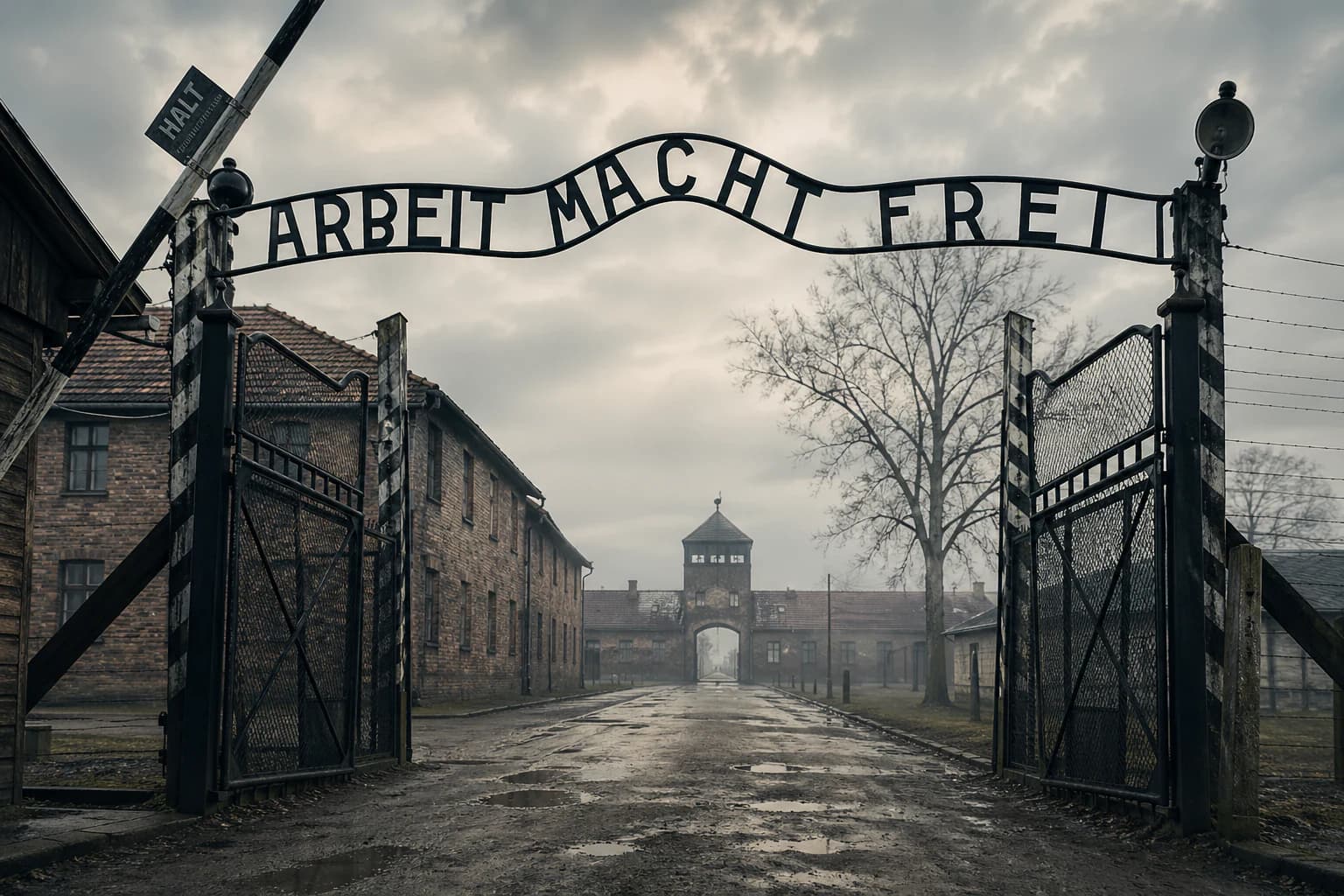
From Westerbork, Anne and the others were deported on the last transport from the camp to Auschwitz in September 1944. Arrival meant selection, forced labor, hunger, disease, terror, and separation. Otto Frank was separated from his family; Anne, Margot, and Edith remained together for a time in the women's camp. Later Anne and Margot were transported to Bergen-Belsen, where conditions deteriorated catastrophically as the collapsing Nazi system moved prisoners through overcrowded camps with little food, sanitation, or medical care. Testimonies from survivors suggest that Anne was weakened, frightened, and still recognizably herself, but we should be careful with sentimental claims. The camps were not stages for uplifting endurance. They were places deliberately structured to degrade, exploit, and kill. Anne's survival there depended less on personal spirit than on a brutal lottery of health, transport, disease, and timing.
The camps represented the most severe expression of a system built on dehumanization.
1945
Final days
Anne and Margot Frank died at Bergen-Belsen in early 1945, probably in February or March, shortly before British forces liberated the camp on 15 April. Typhus, starvation, exposure, and the general collapse of camp conditions killed prisoners in enormous numbers. Edith Frank had already died at Auschwitz in January 1945. Otto Frank survived and returned to Amsterdam, eventually learning that he was the only survivor of his immediate family. The nearness of liberation gives Anne's death a terrible sharpness, but it should not turn the story into fate. She did not die because rescue was late in some abstract sense. She died because Nazi Germany and its collaborators built a system of persecution, deportation, forced labor, and mass murder that made children disposable. Her final months remind us that the Holocaust was lived not only in killing centers but also in exhaustion, disease, separation, and the destruction of ordinary bonds.
Her death highlights how close survival and loss could be in the final phase of the conflict.
Post-1945
Enduring legacy
After the war, Otto Frank received Anne's preserved papers and recognized both his daughter's voice and the wider importance of what she had made. The diary was first published in Dutch in 1947 and later translated across the world. Its reach has been extraordinary: classrooms, theaters, museums, memorial work, and private reading have all turned Anne into one of the most recognizable names of the Holocaust. That fame brings responsibility. Anne Frank should not be remembered as a comforting symbol detached from Jewish persecution, Nazi policy, Dutch occupation, and the murder of millions. Nor should her diary be asked to stand for every victim's experience. Its significance lies in its particularity. Anne was witty, vain, angry, tender, ambitious, frightened, and intellectually alive. Her legacy endures because she did what genocide tries to prevent: she left a self on the page, vivid enough that later generations must meet her as a person rather than a number.
A single preserved voice can transform historical tragedy into a deeply human narrative that endures.