Context
Introduction
Overview
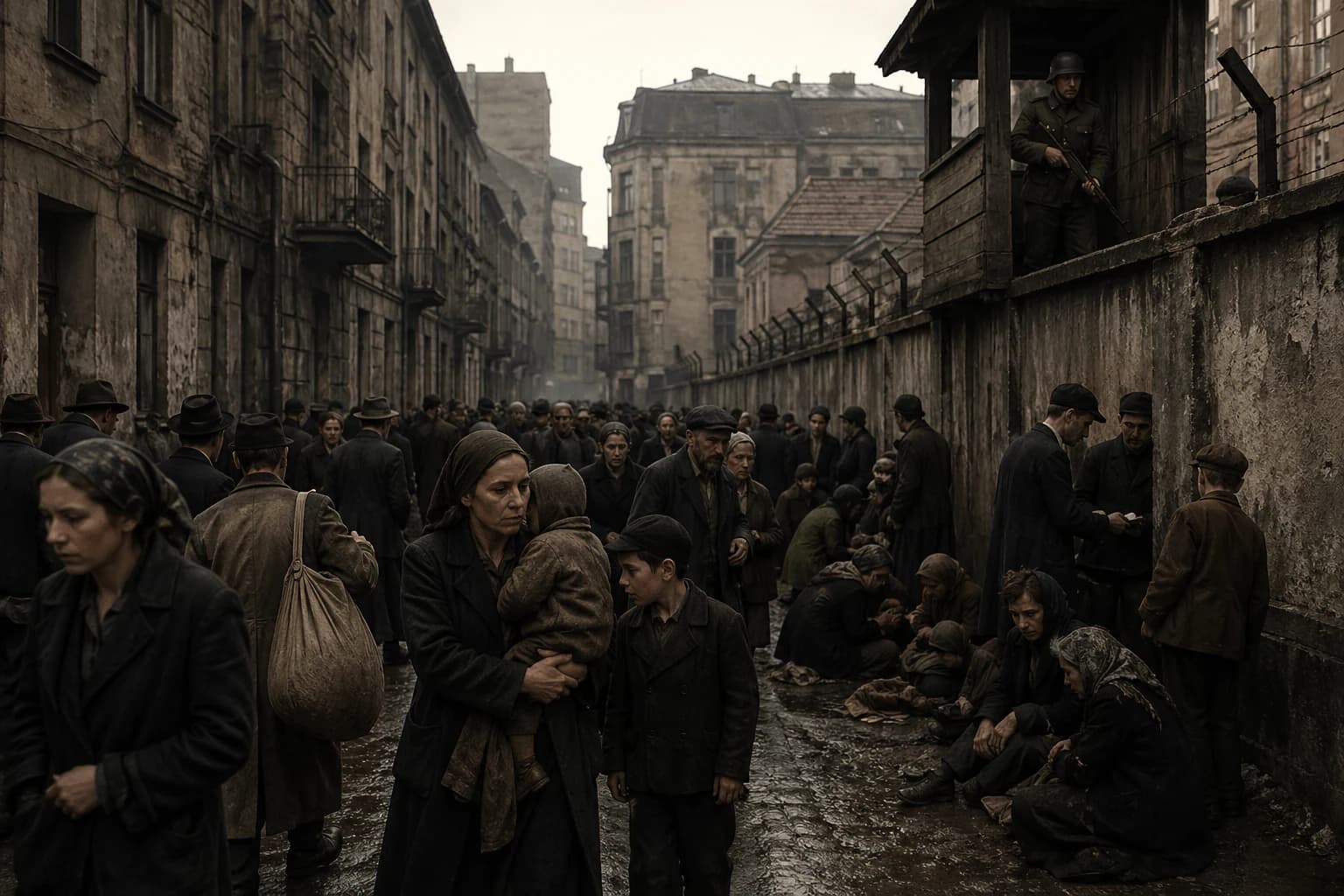
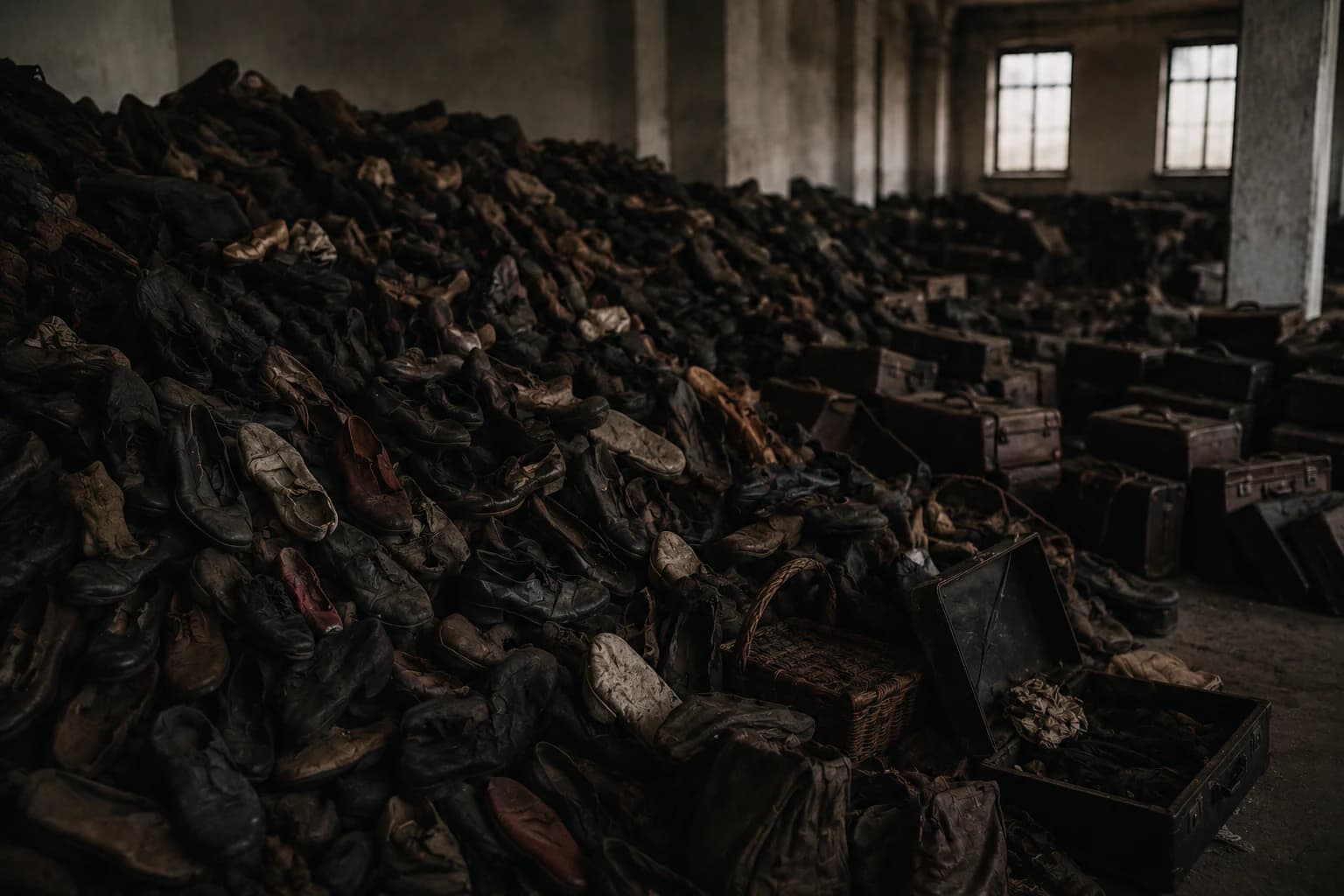
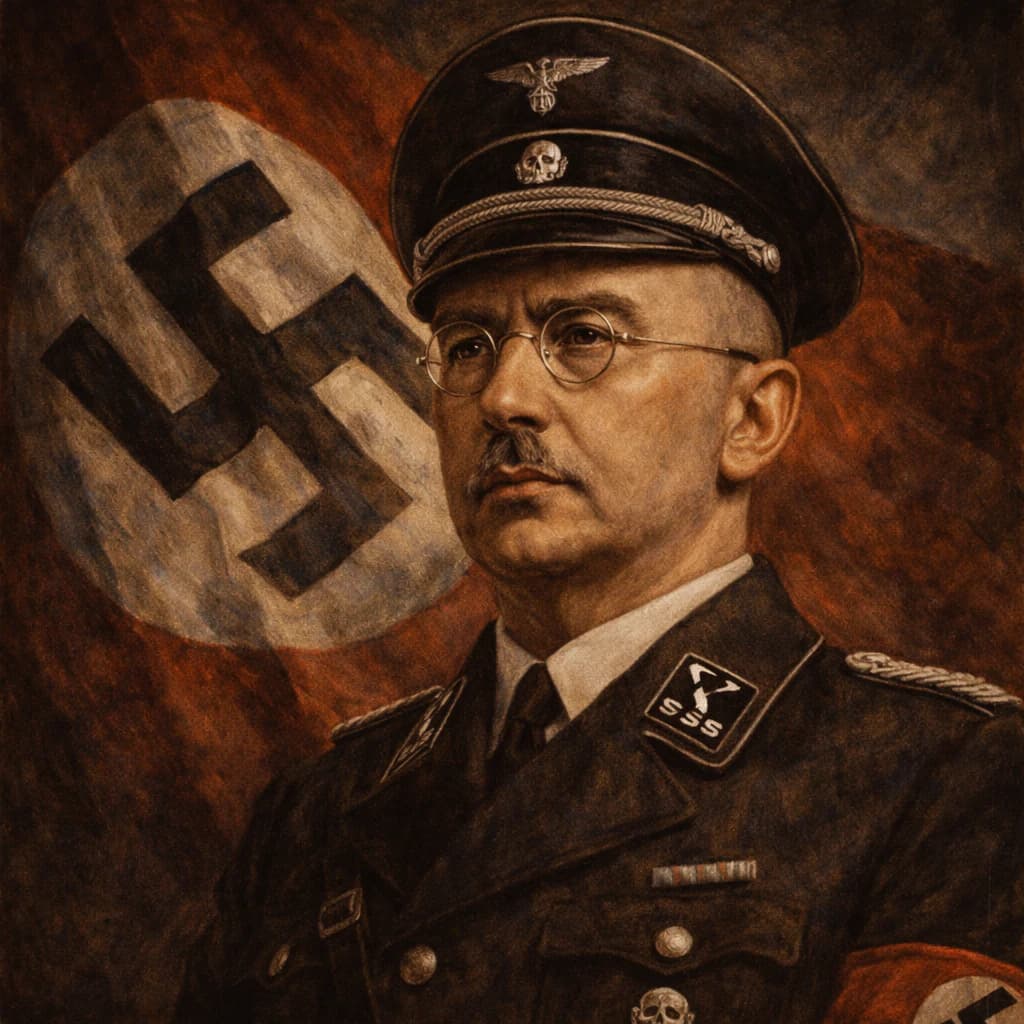
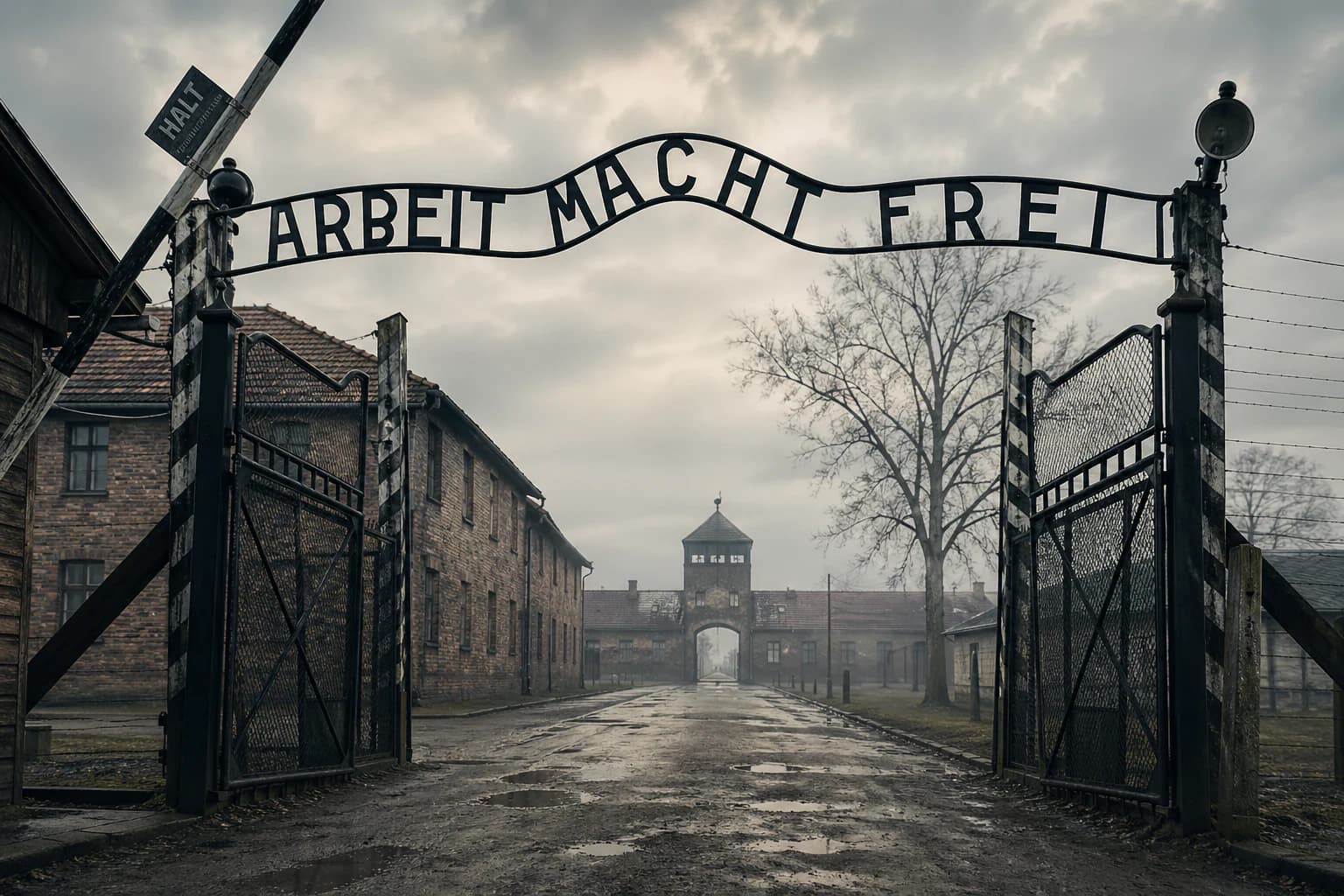
The Holocaust was the systematic persecution and murder of six million Jews by Nazi Germany and its collaborators between 1933 and 1945. Millions of other people, including Roma, disabled people, Soviet prisoners of war, Polish civilians, and political opponents, were also targeted and killed. The Holocaust was built through law, propaganda, bureaucracy, ghettos, deportations, killing centres, and war, making it one of history's central warnings about state violence and dehumanisation.
What you'll learn: You'll understand how the Holocaust was built step by step — from antisemitic ideology to racial law, from mass violence to systematic extermination. You'll see who was involved, who resisted, who collaborated, and why the Holocaust's lessons remain essential to questions of prejudice, power, and human dignity today.
Key forces
- The Holocaust was the deliberate, state-organised murder of approximately six million Jews — around two thirds of Europe's pre-war Jewish population — along with millions of others including Roma, disabled people, Soviet prisoners, and Polish civilians.
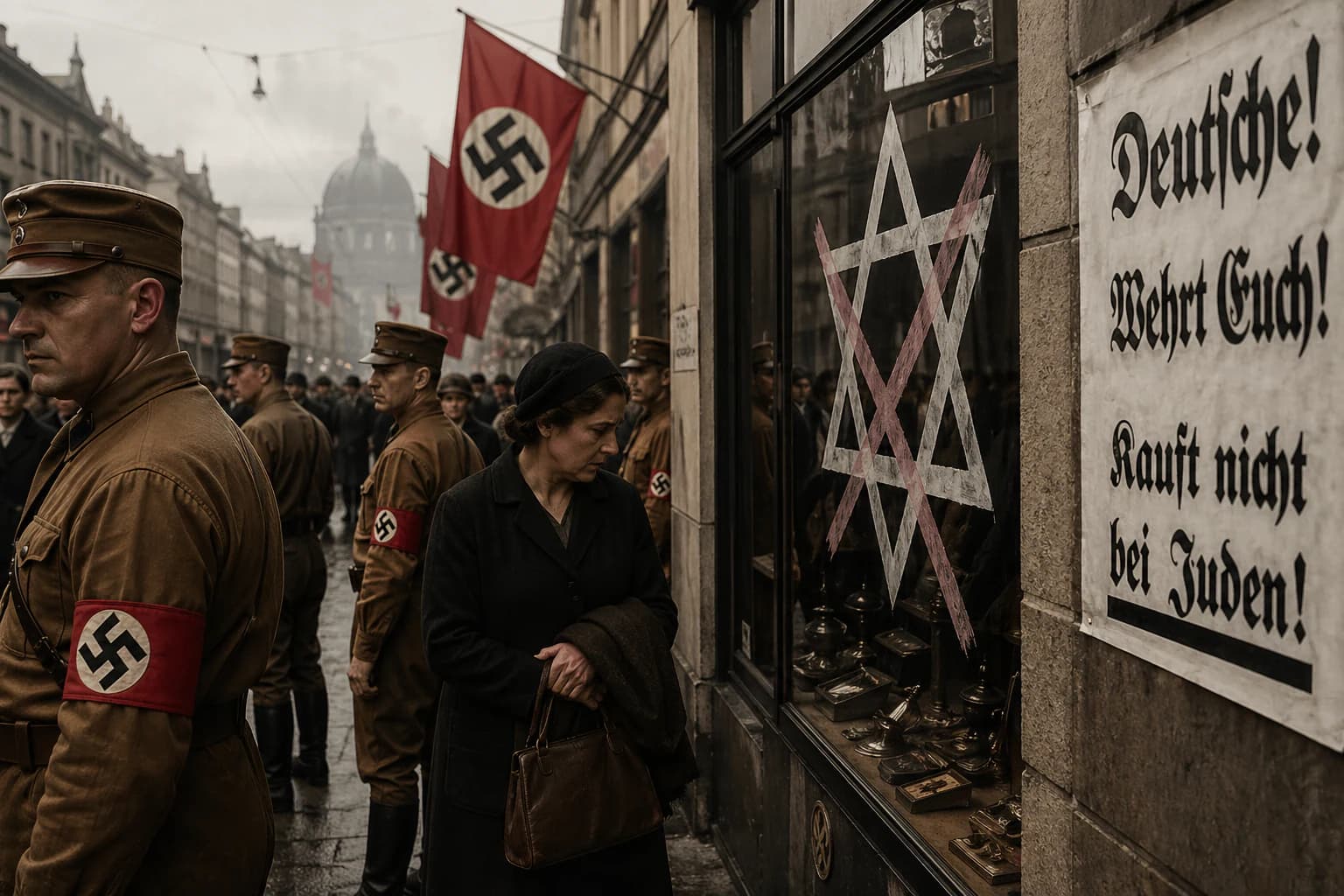
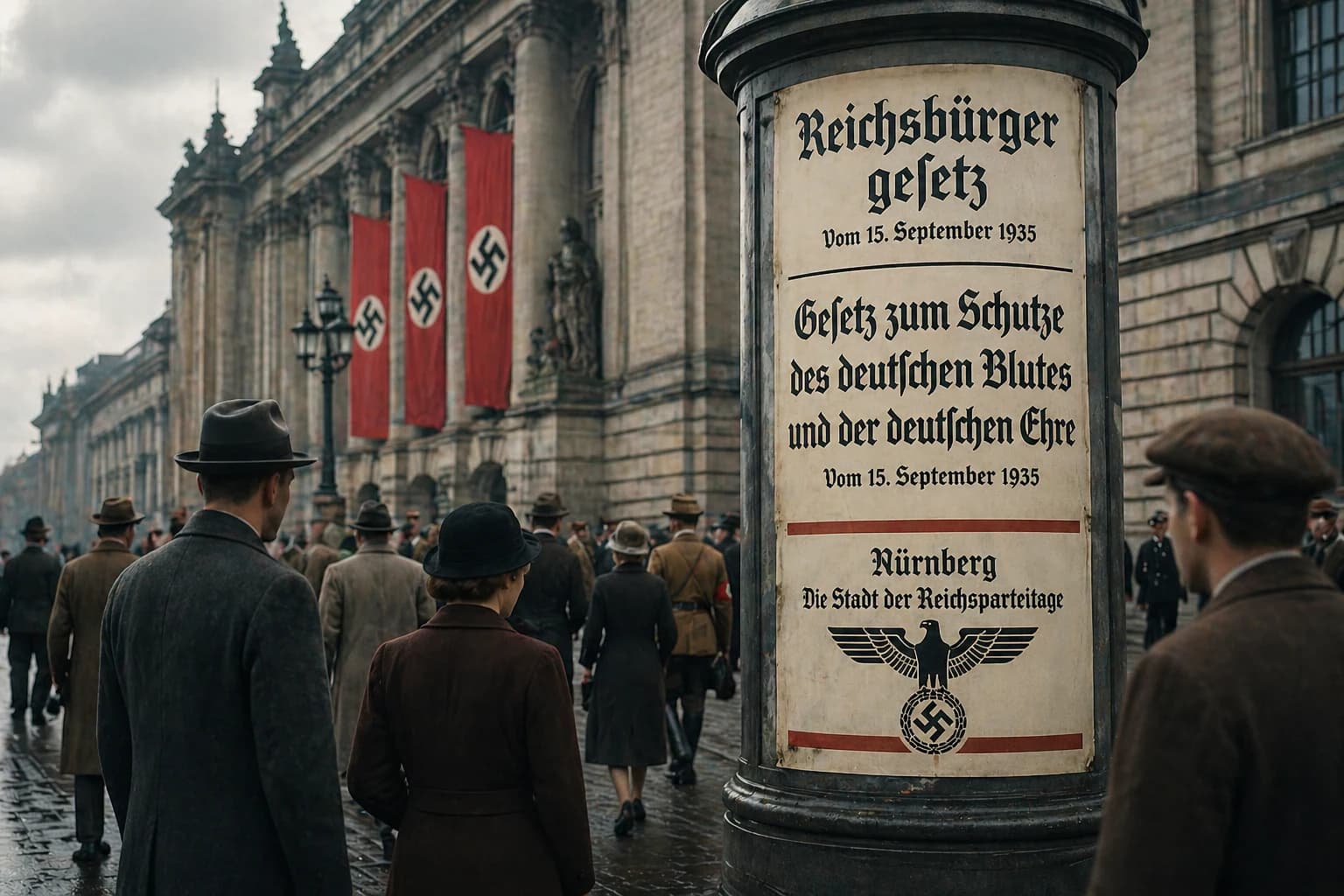
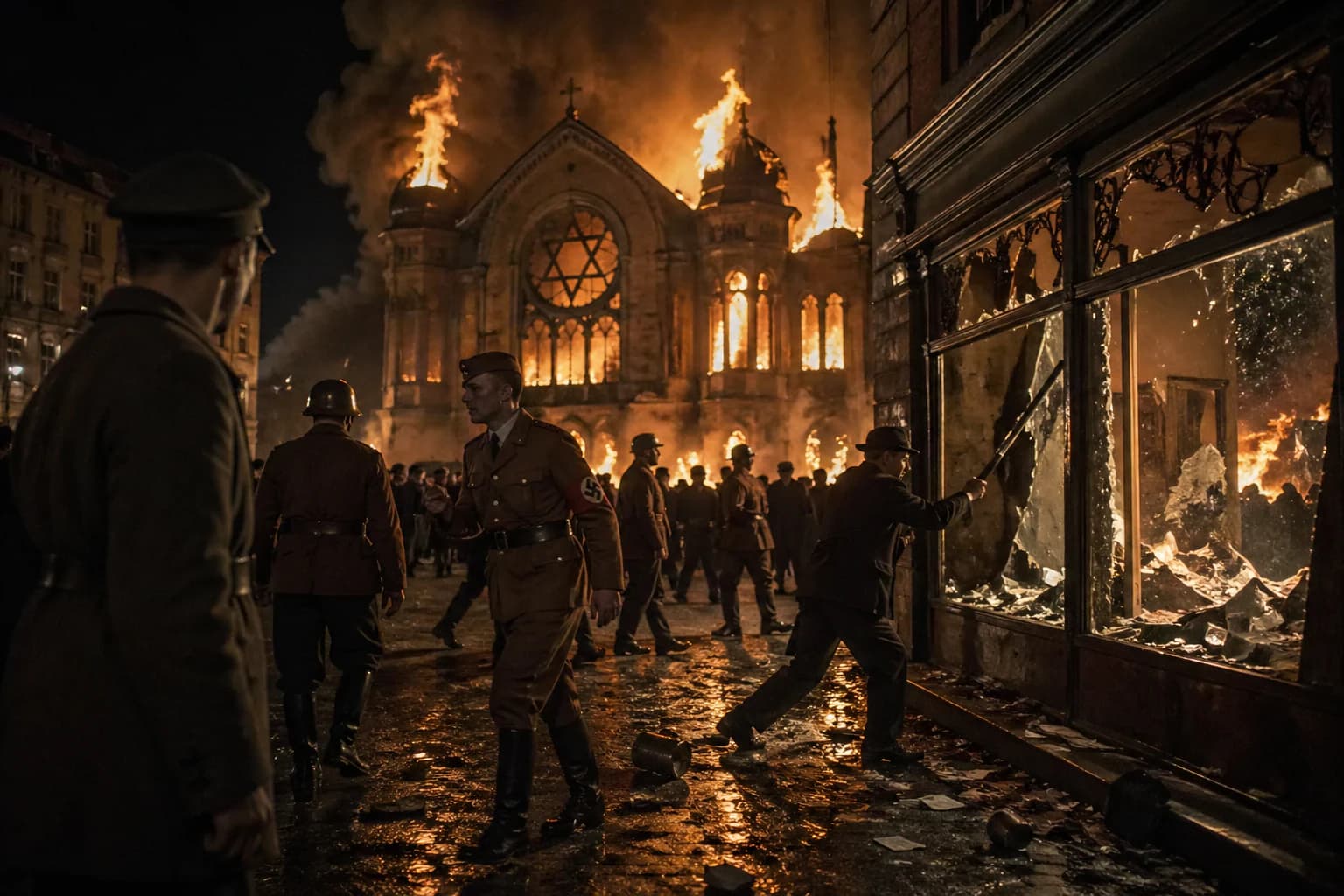
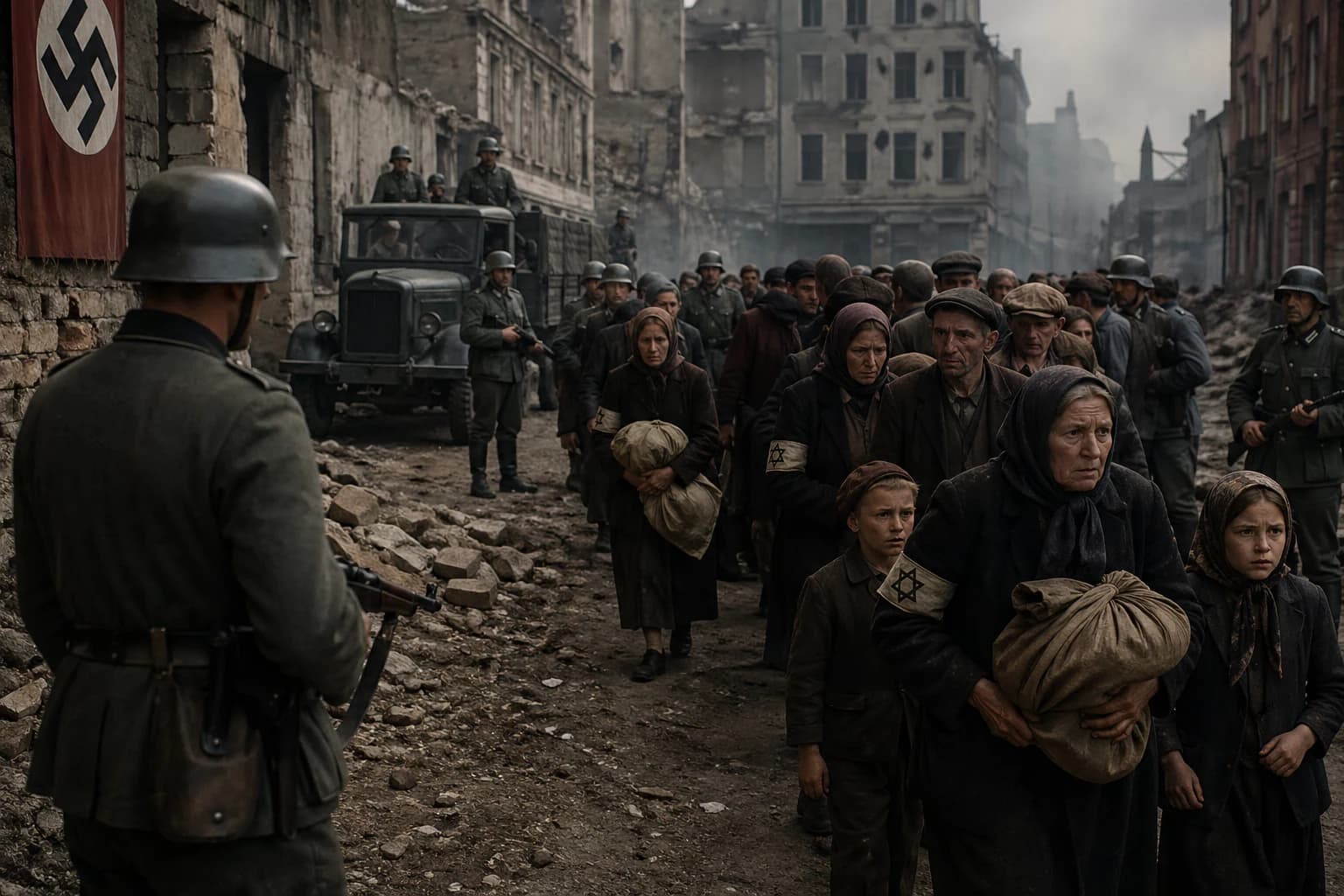
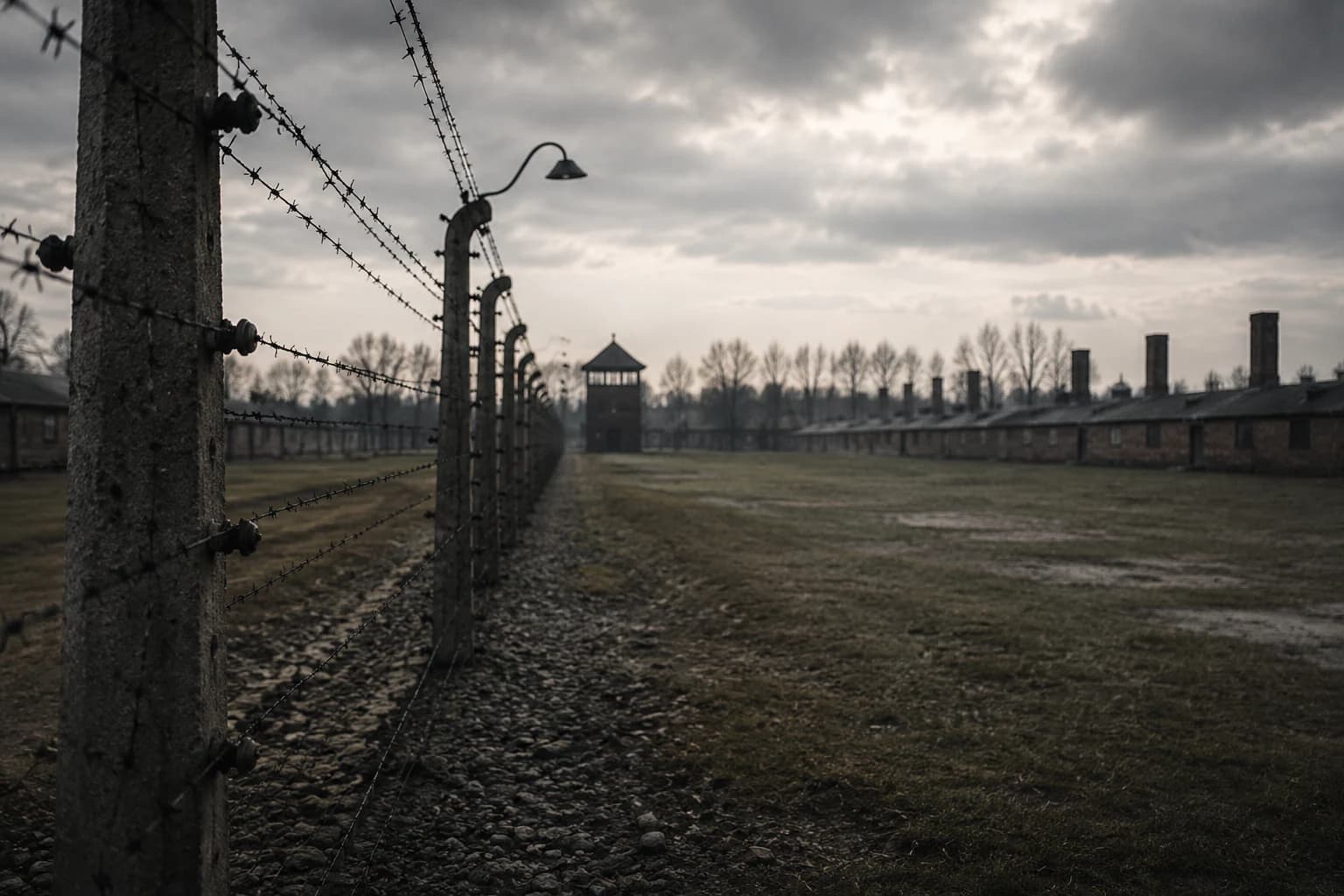
- Persecution escalated through distinct phases: legal discrimination from 1933, mass violence from 1938, mass shooting from 1941, and systematic extermination in purpose-built killing centres from 1942.
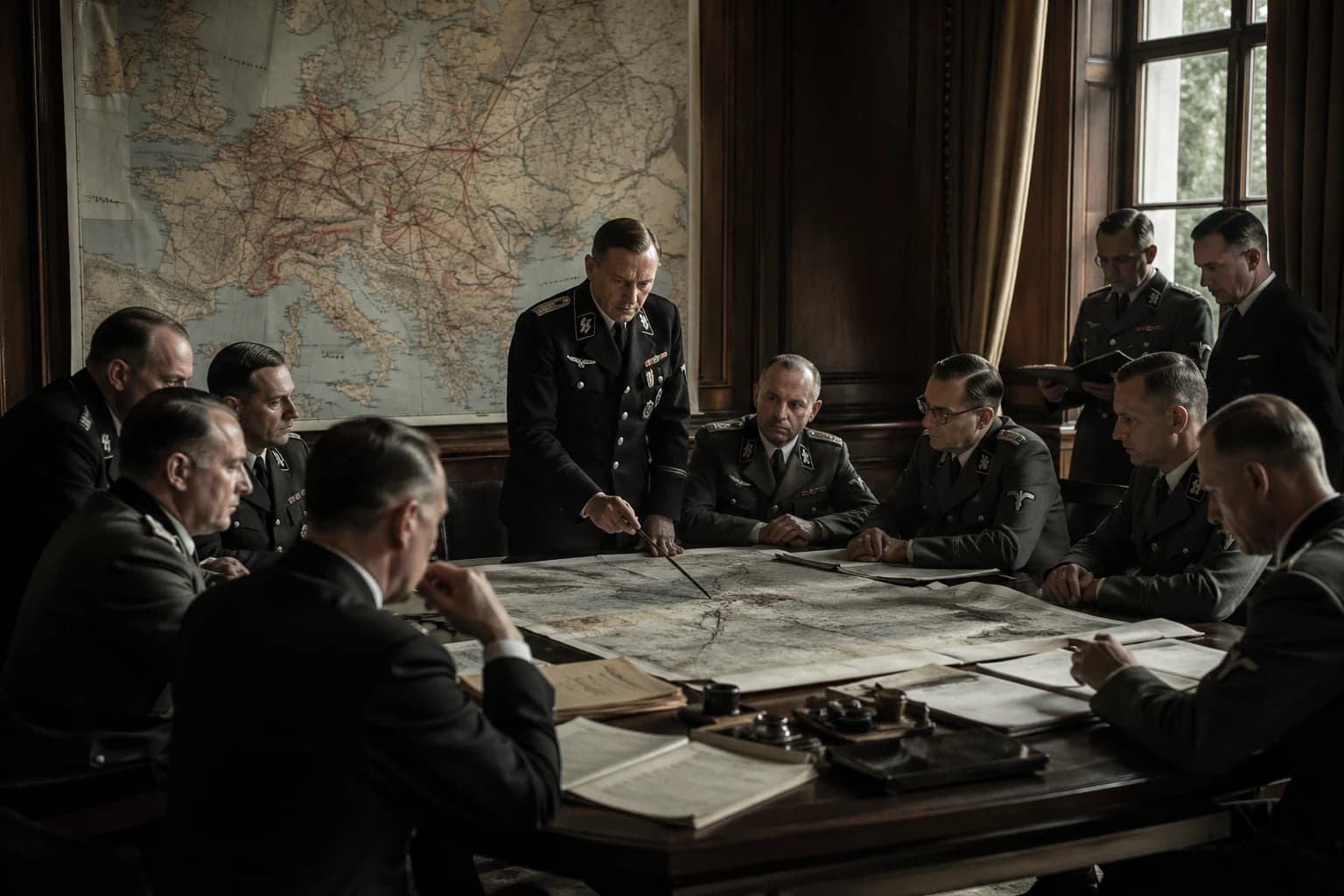
- The Nazi regime used modern bureaucratic, industrial, and transportation systems to organise genocide on a continental scale, requiring the active participation and passive complicity of thousands across multiple countries.
- The Holocaust continues to shape international law, human rights frameworks, collective memory, and the understanding of how genocide becomes possible — and how it might be prevented.