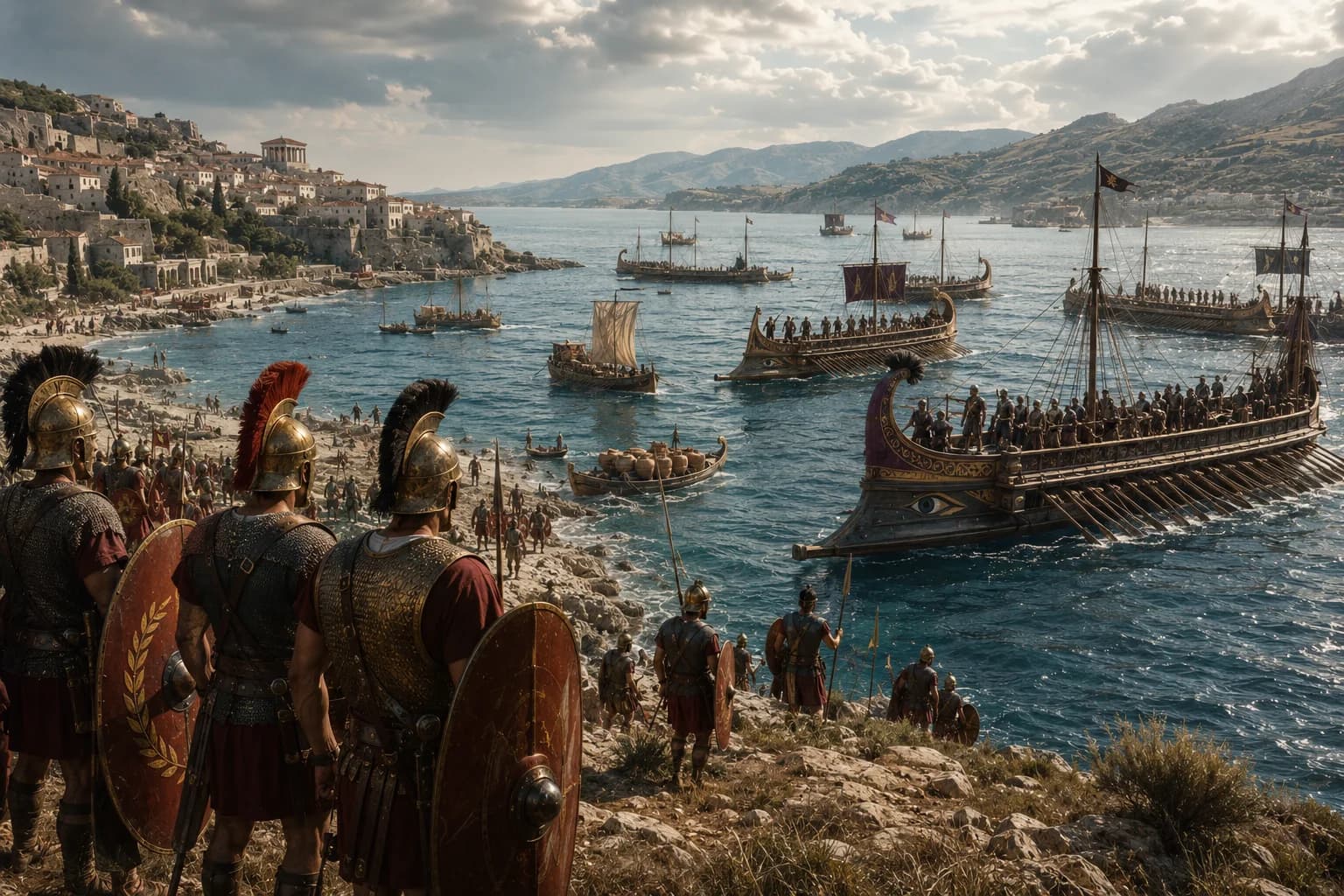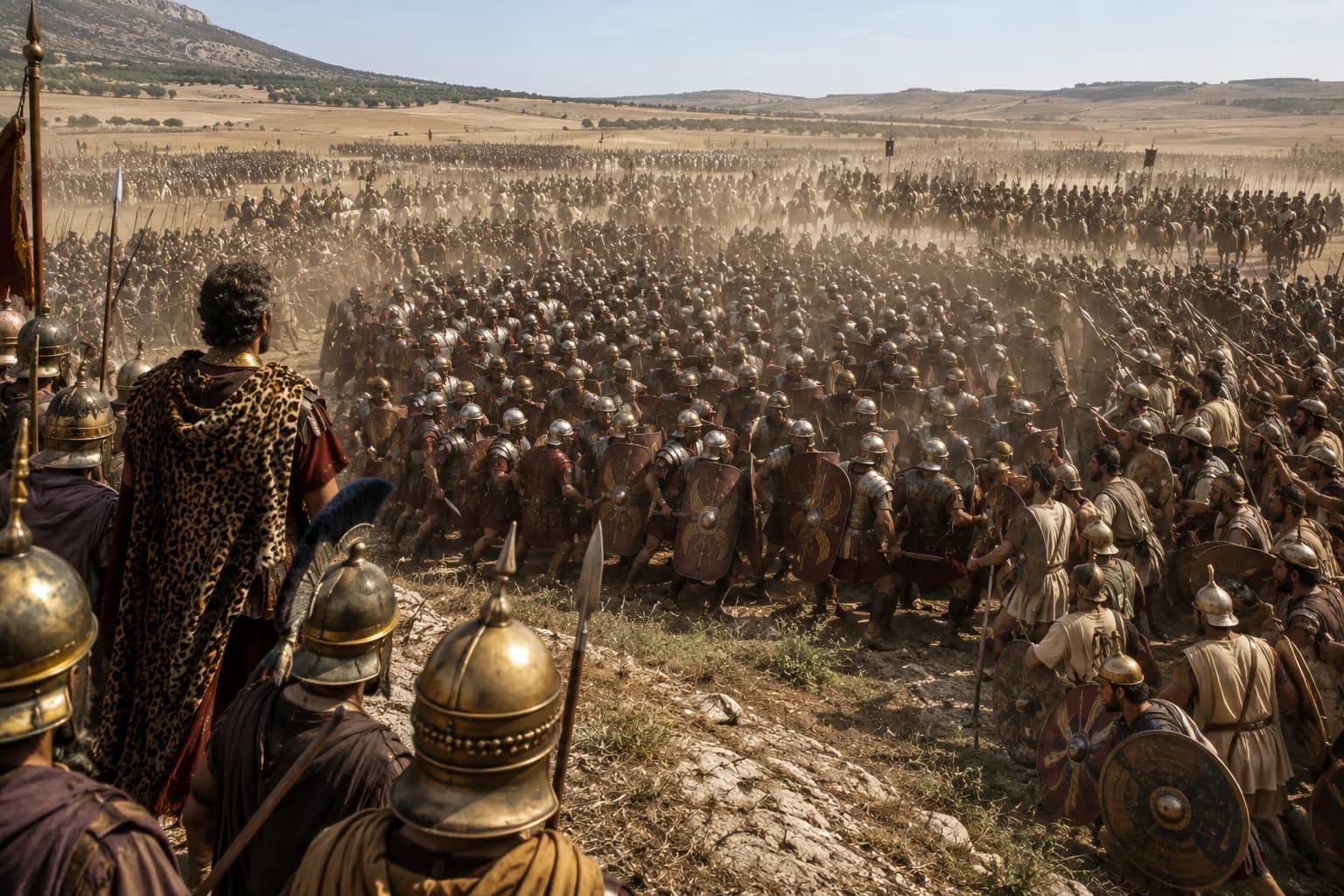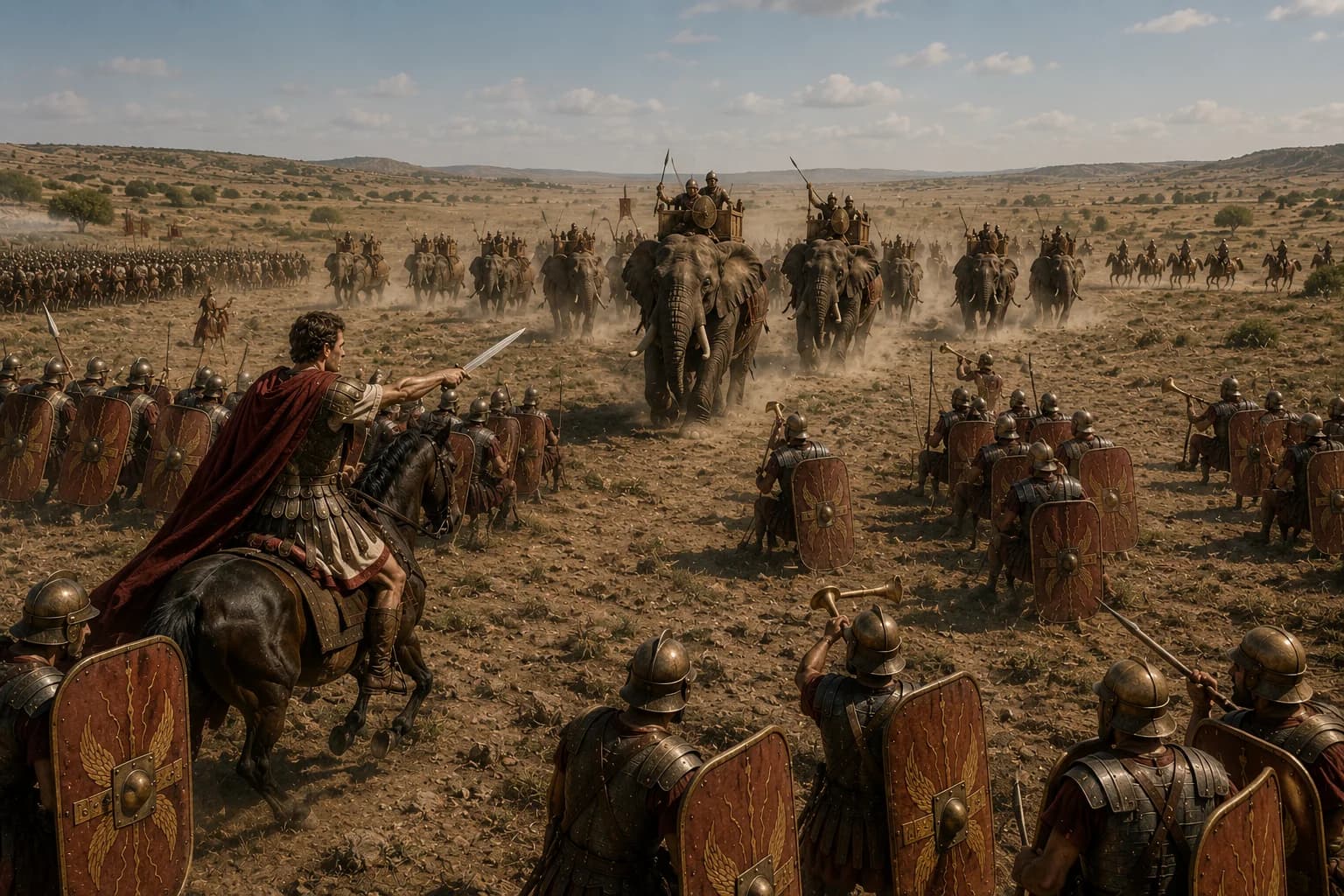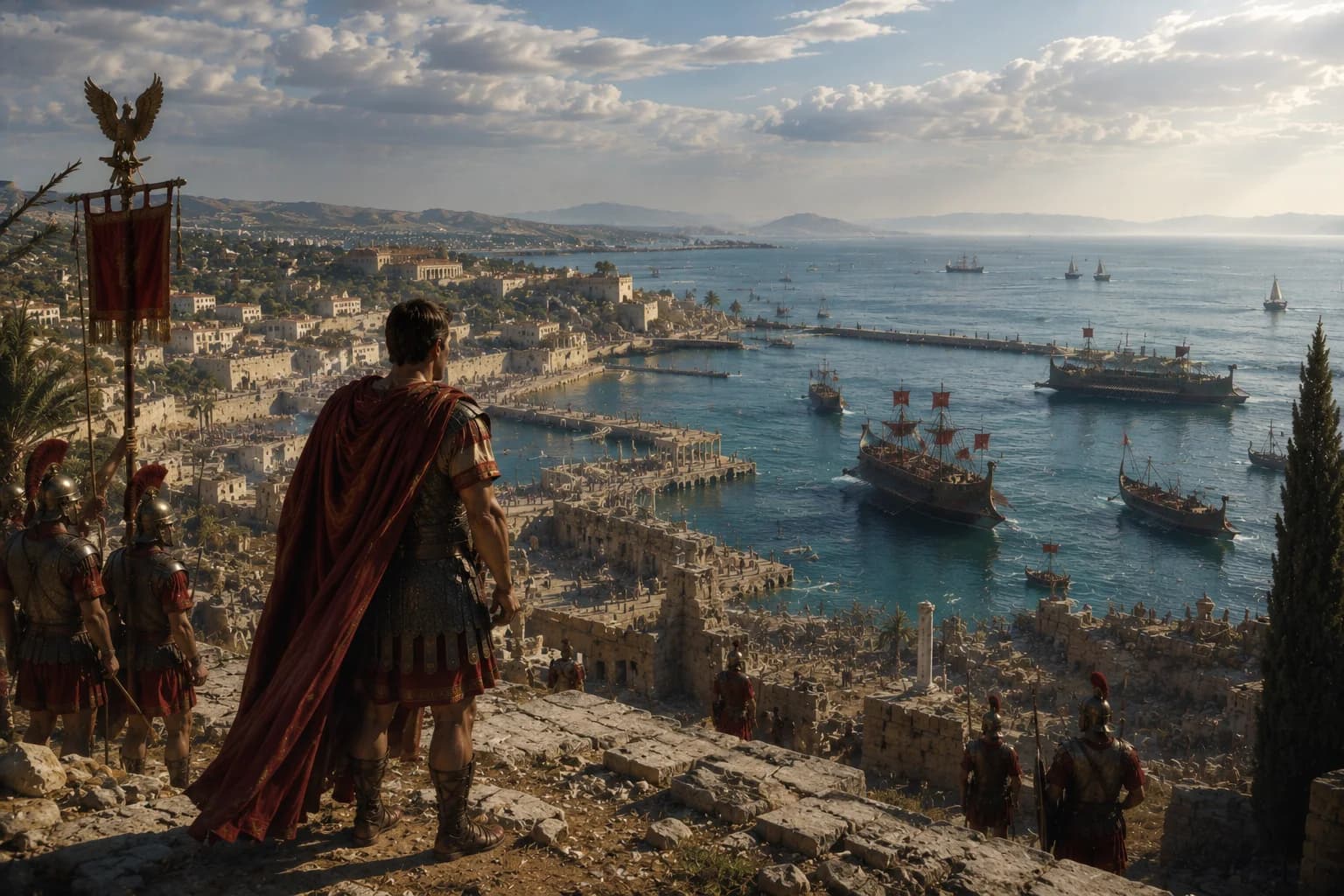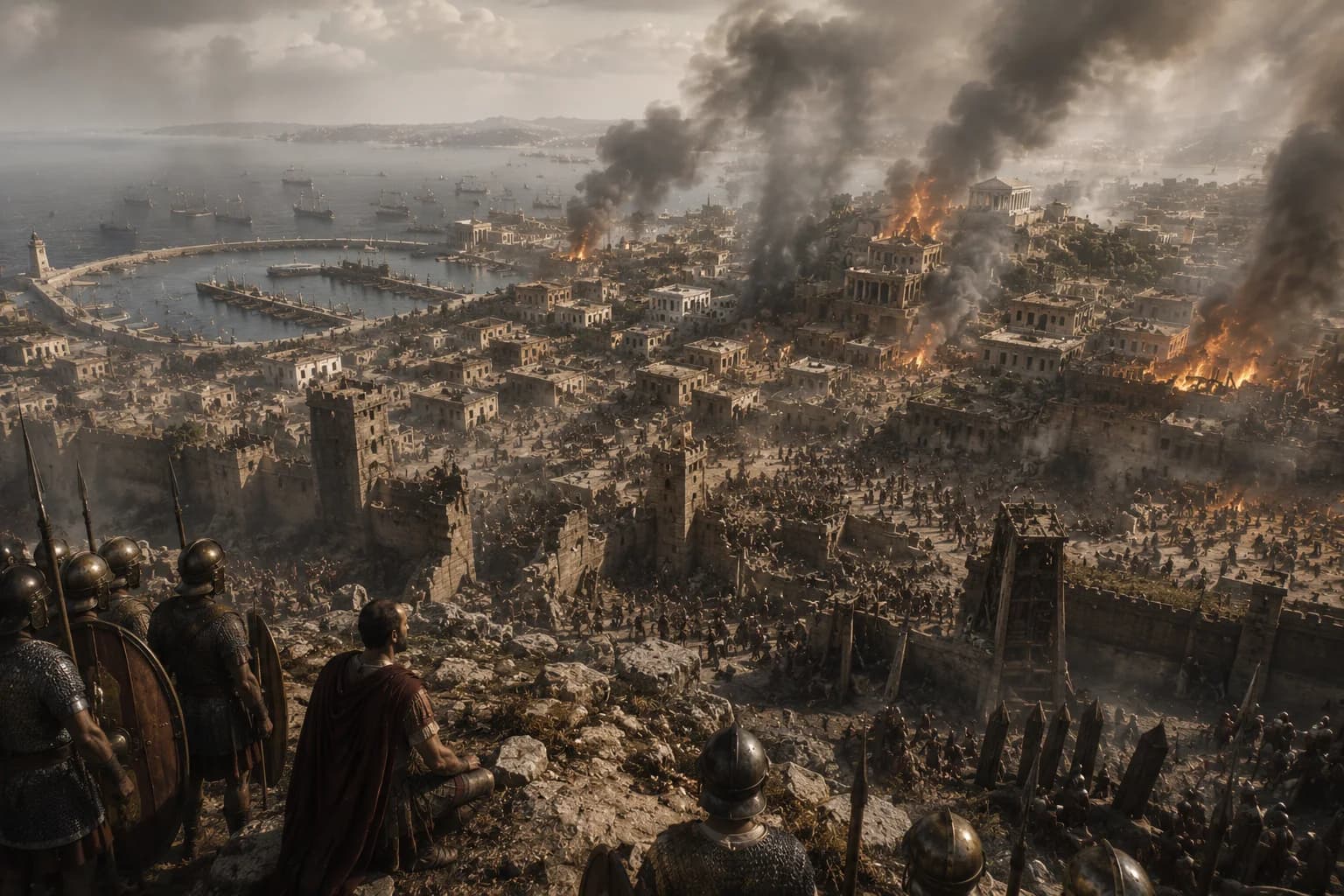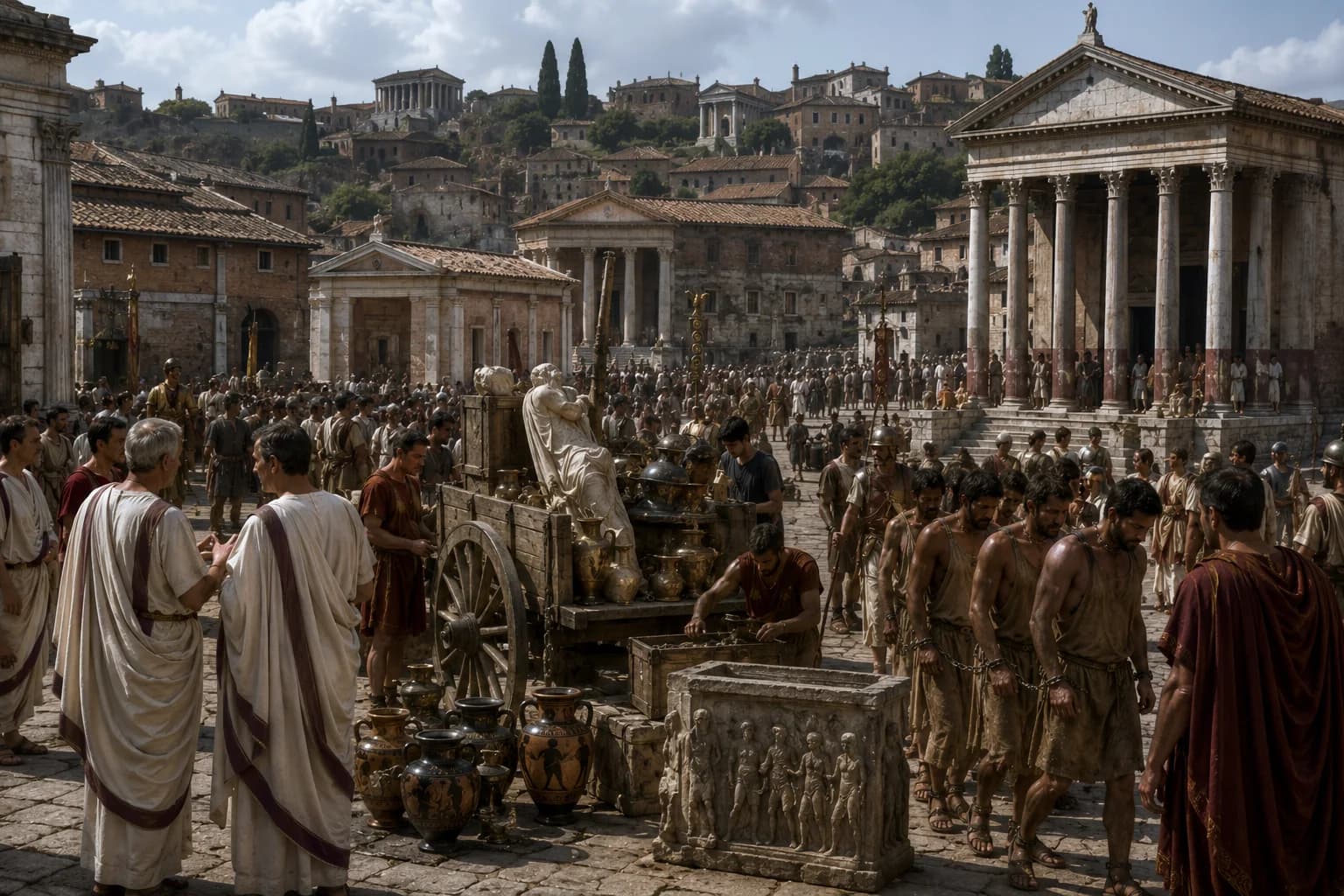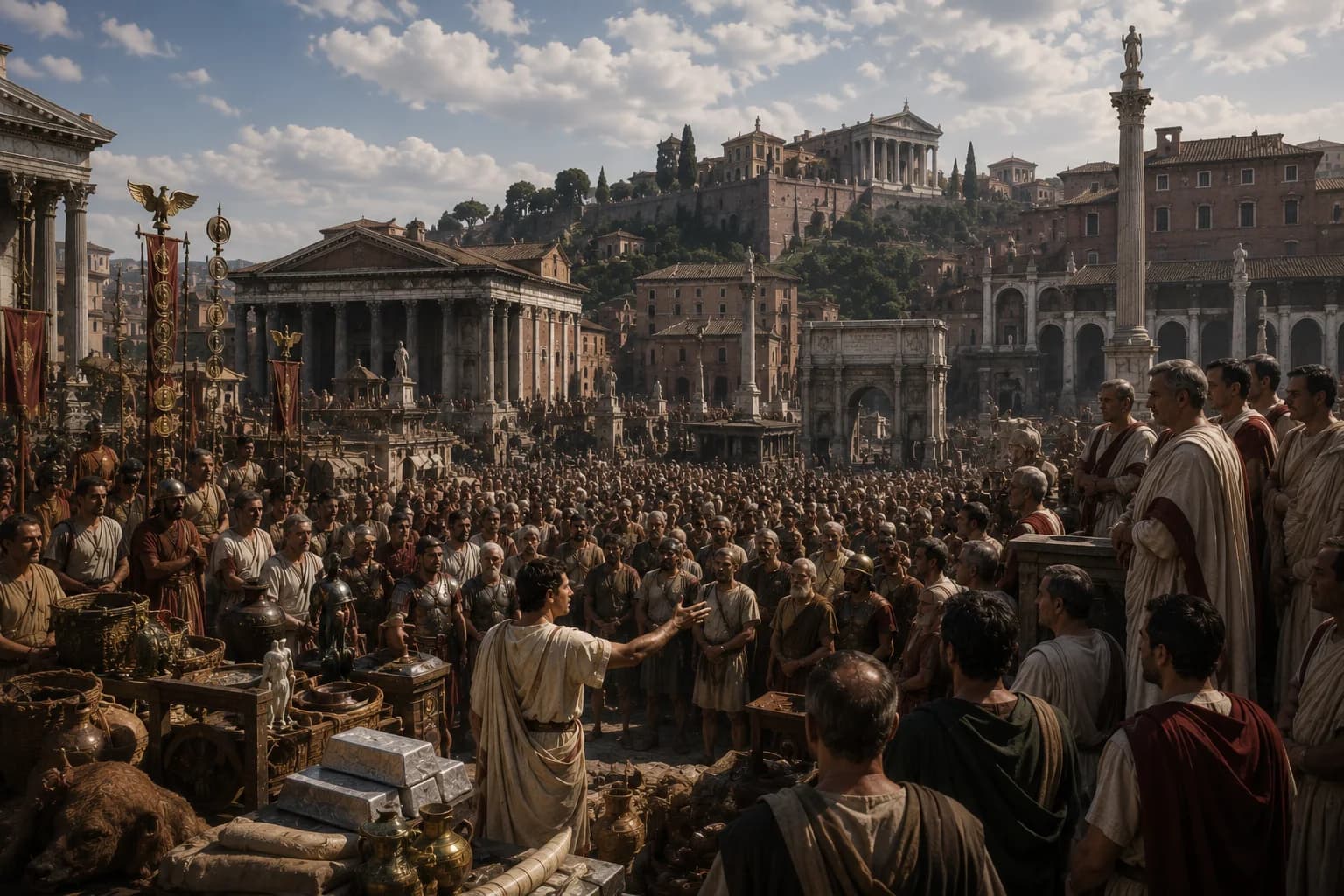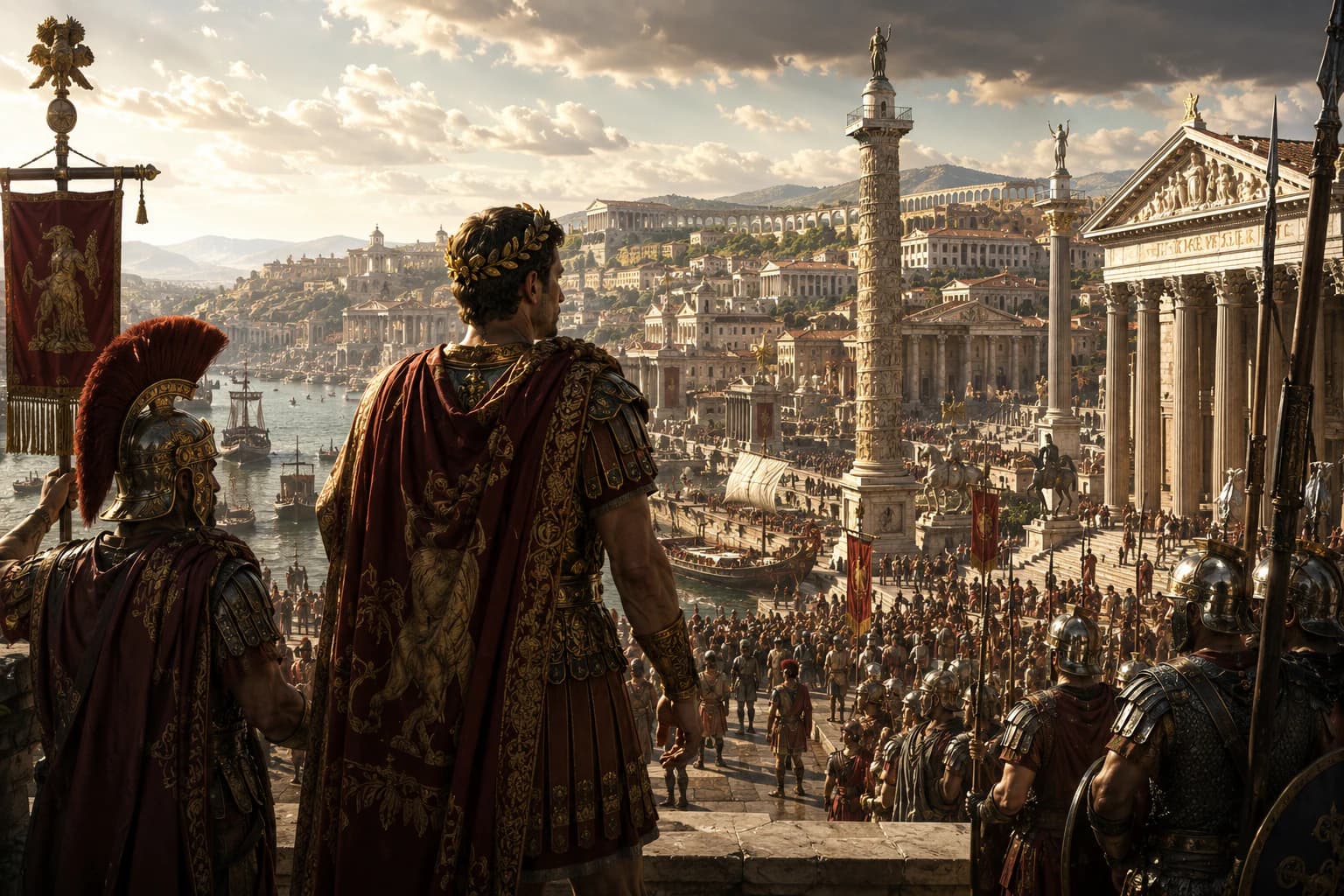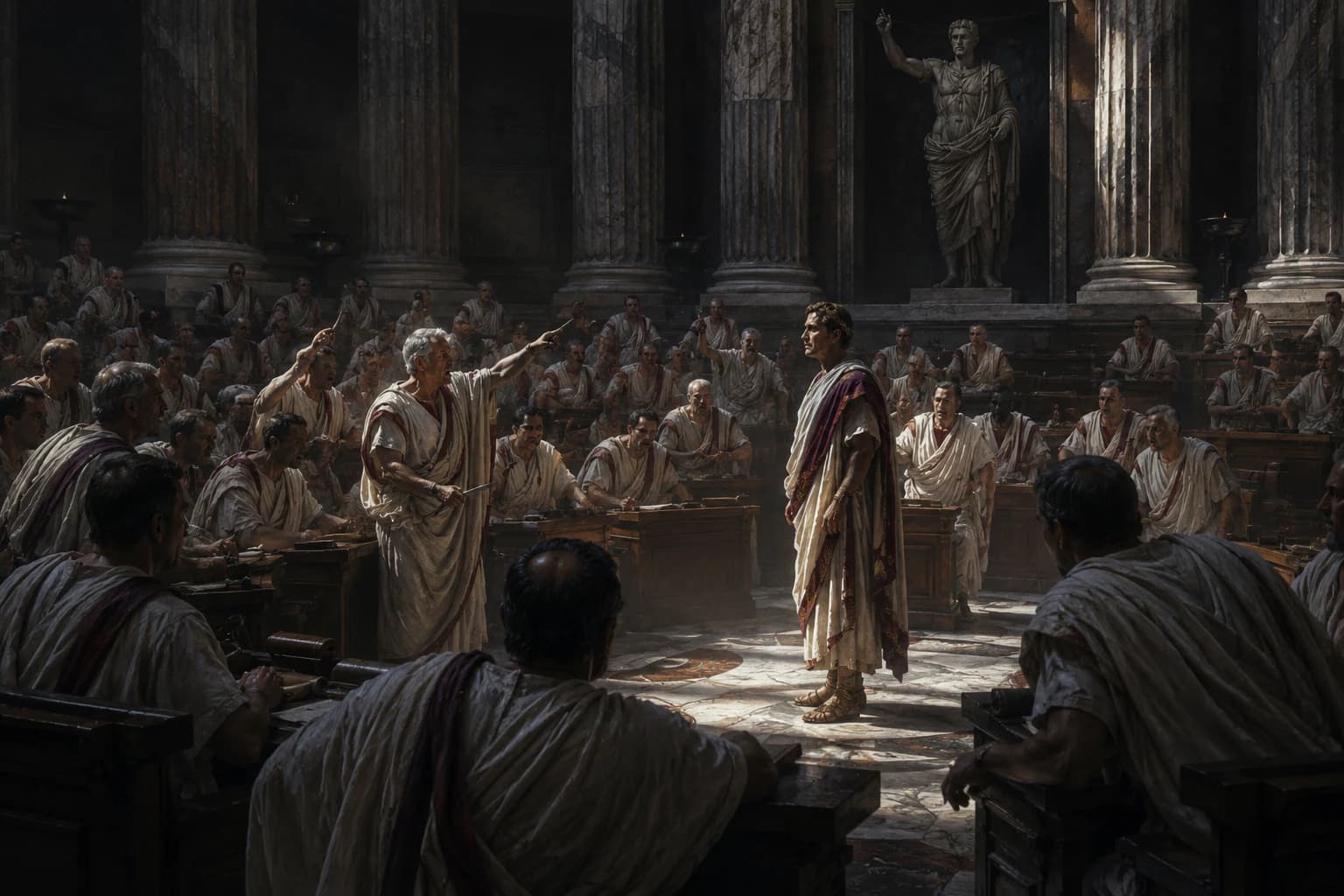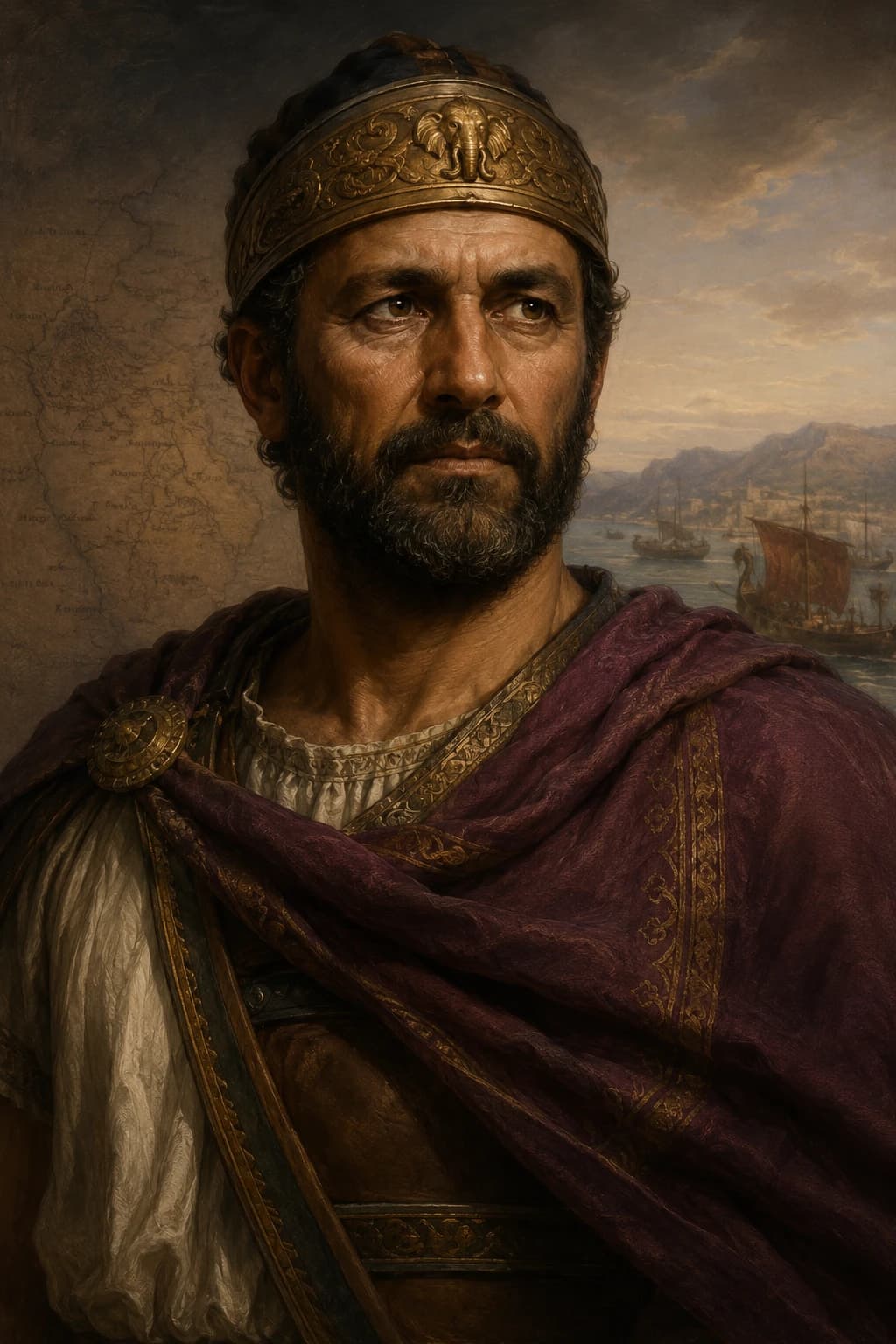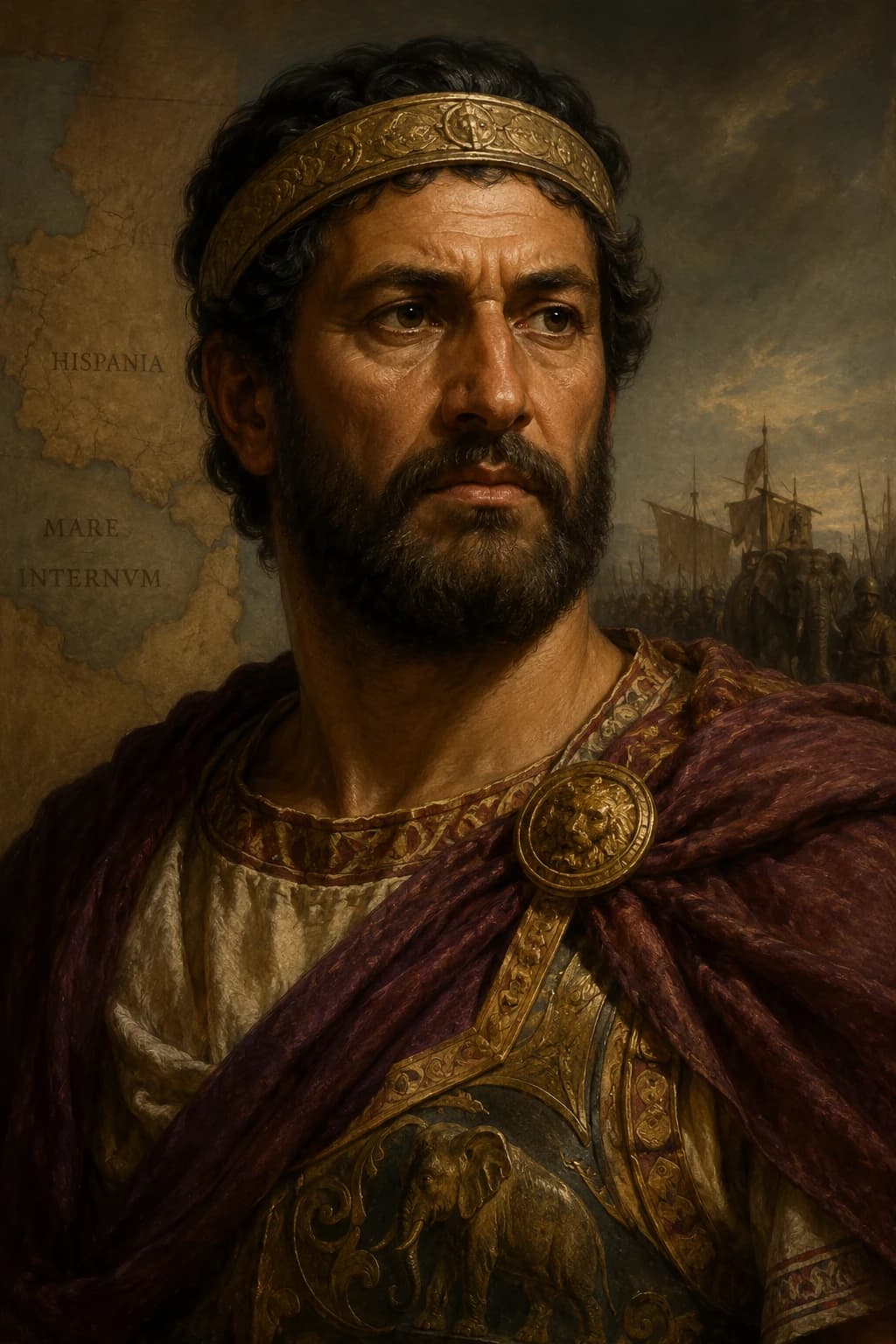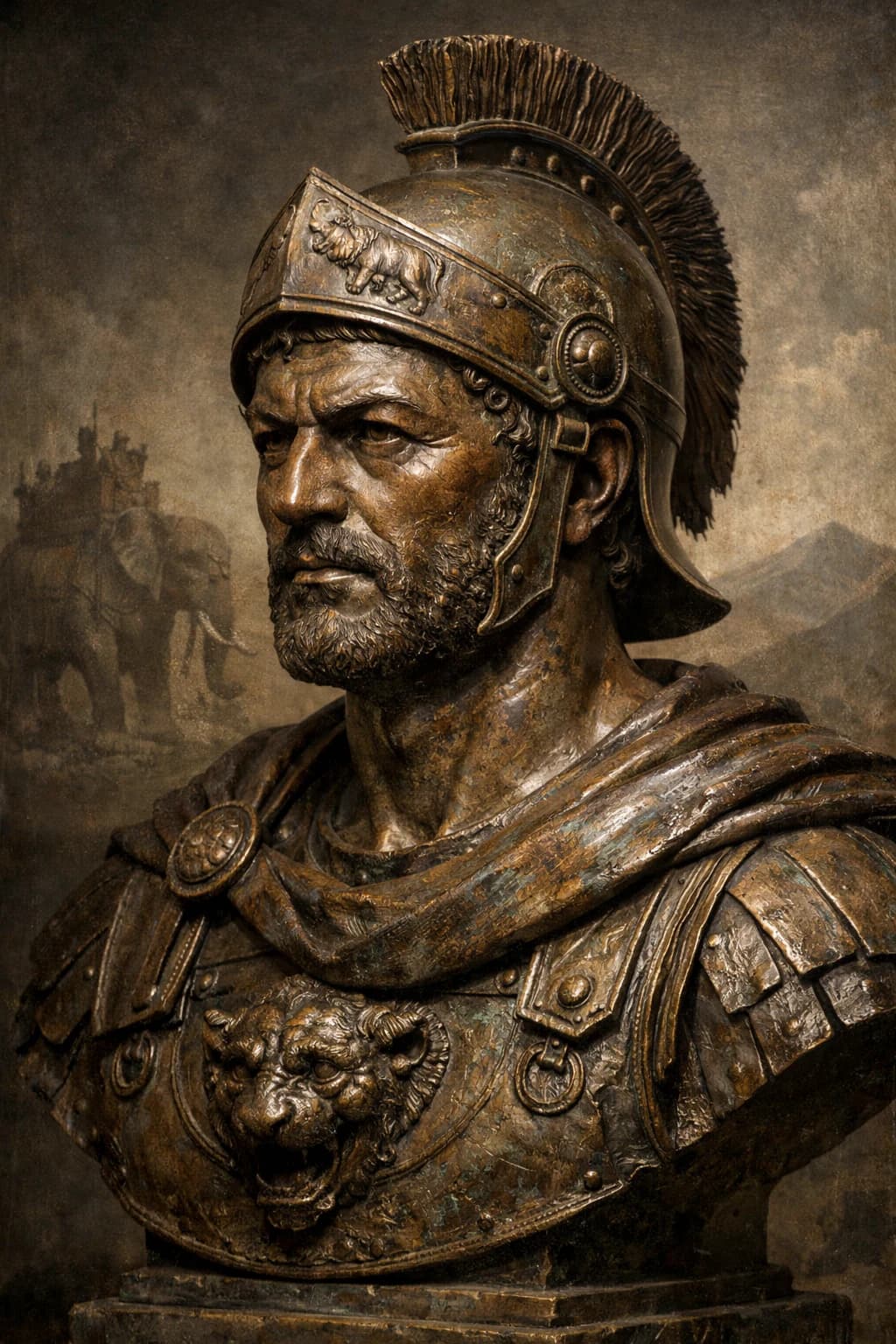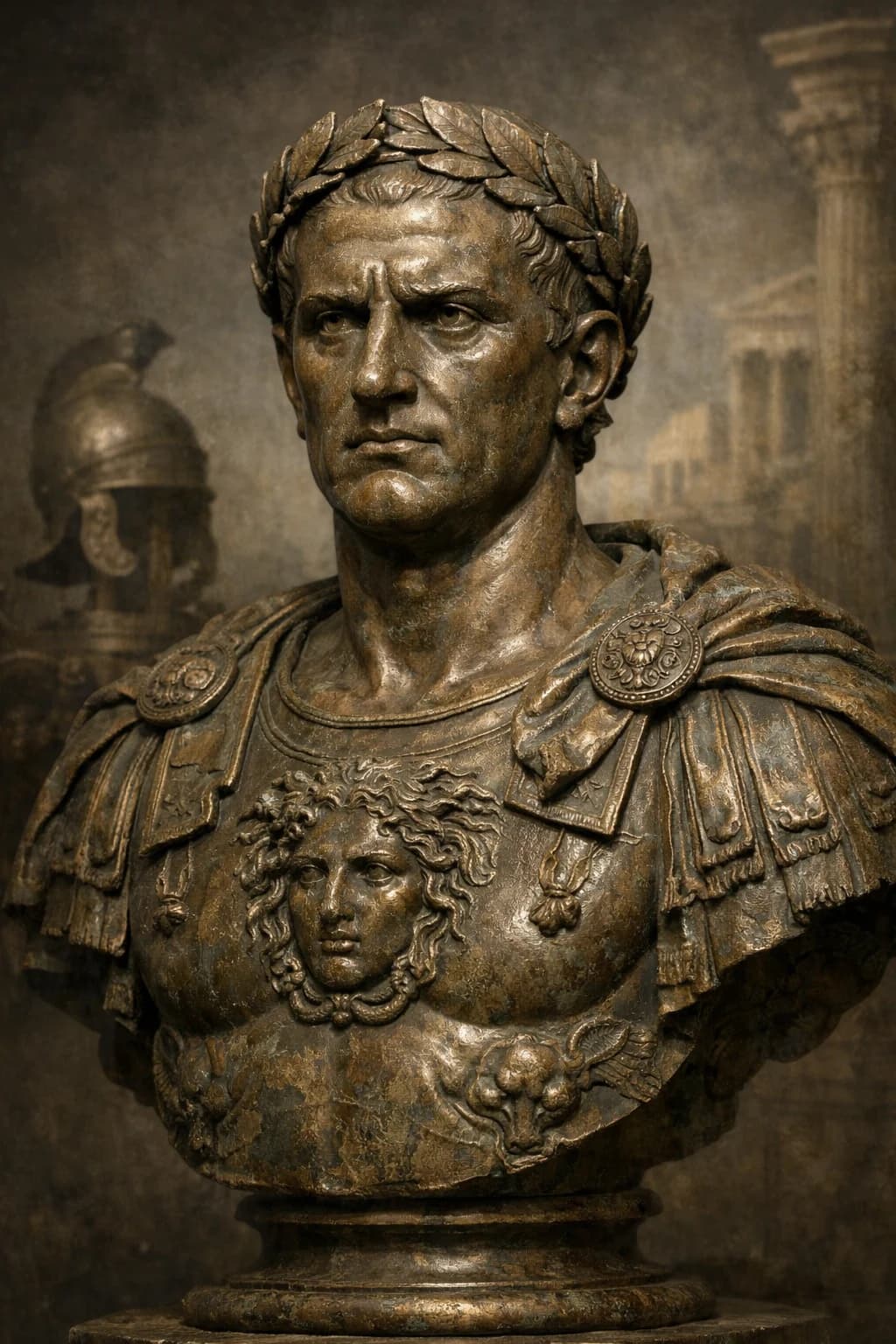
Roman and Carthaginian forces facing one another across the Mediterranean during the Punic Wars.
Free Story

The Punic Wars: The Story of Rome, Carthage and Hannibal

Trace the century-long struggle between Rome and Carthage as Sicily, sea power, Hannibal, Zama, and empire transform the Mediterranean world.

10 chapters

Next
Context

Introduction

Overview

The Punic Wars were the three great conflicts fought between and from 264 to 146 BCE. What began as a dispute over became a century-long struggle for command of the western Mediterranean. learned naval warfare, survived Hannibal's invasion of Italy, destroyed , and emerged as the dominant power across the Mediterranean. Victory brought empire, wealth, slavery, and political strain, helping transform the Roman Republic itself.

What you'll learn: You'll see how a regional rivalry became a struggle for Mediterranean dominance, why Hannibal nearly broke , and how victory over helped create the empire that later overwhelmed the Republic.

Key forces

Rival Powers Emerge
264 BCE
Step 1 of 10264 BCEAccessible mode

Rival Powers Emerge

and did not begin as natural enemies. They became rivals because both were growing into the same sea.

By the third century BCE, had conquered or allied with most of Italy. Its strength came from land armies, citizen soldiers, and a network of Italian allies that could supply huge manpower.

was different. It was a rich trading city on the North African coast, founded by Phoenicians and connected to ports, colonies, and markets across the western Mediterranean. Its power rested on ships, commerce, money, and naval experience.

lay between them. The island was wealthy, fertile, and strategically placed between Italy and North Africa. Whoever controlled could threaten trade routes, watch enemy movements, and project power across the central Mediterranean.

turned two expanding powers into direct competitors.

A local dispute at drew both powers in. feared that might gain too strong a position so close to southern Italy. feared that might push beyond Italy and threaten its maritime world.

Once both sides intervened, compromise became difficult. The conflict was no longer only about one city in . It was about whether or would shape the future of the western Mediterranean.

Rome Masters the Sea
260 BCE
Step 2 of 10260 BCEAccessible mode

Rome Masters the Sea

was powerful on land, but ruled the sea. To win the First Punic War, had to learn a new kind of fighting.

At first, the challenge looked almost impossible. had generations of naval experience. Roman soldiers were used to roads, camps, and battle lines, not fleets and storms.

responded with speed and stubbornness. It built a large fleet and trained crews for war at sea. Instead of trying to beat only through better seamanship, looked for a way to use what it already did best: infantry combat.

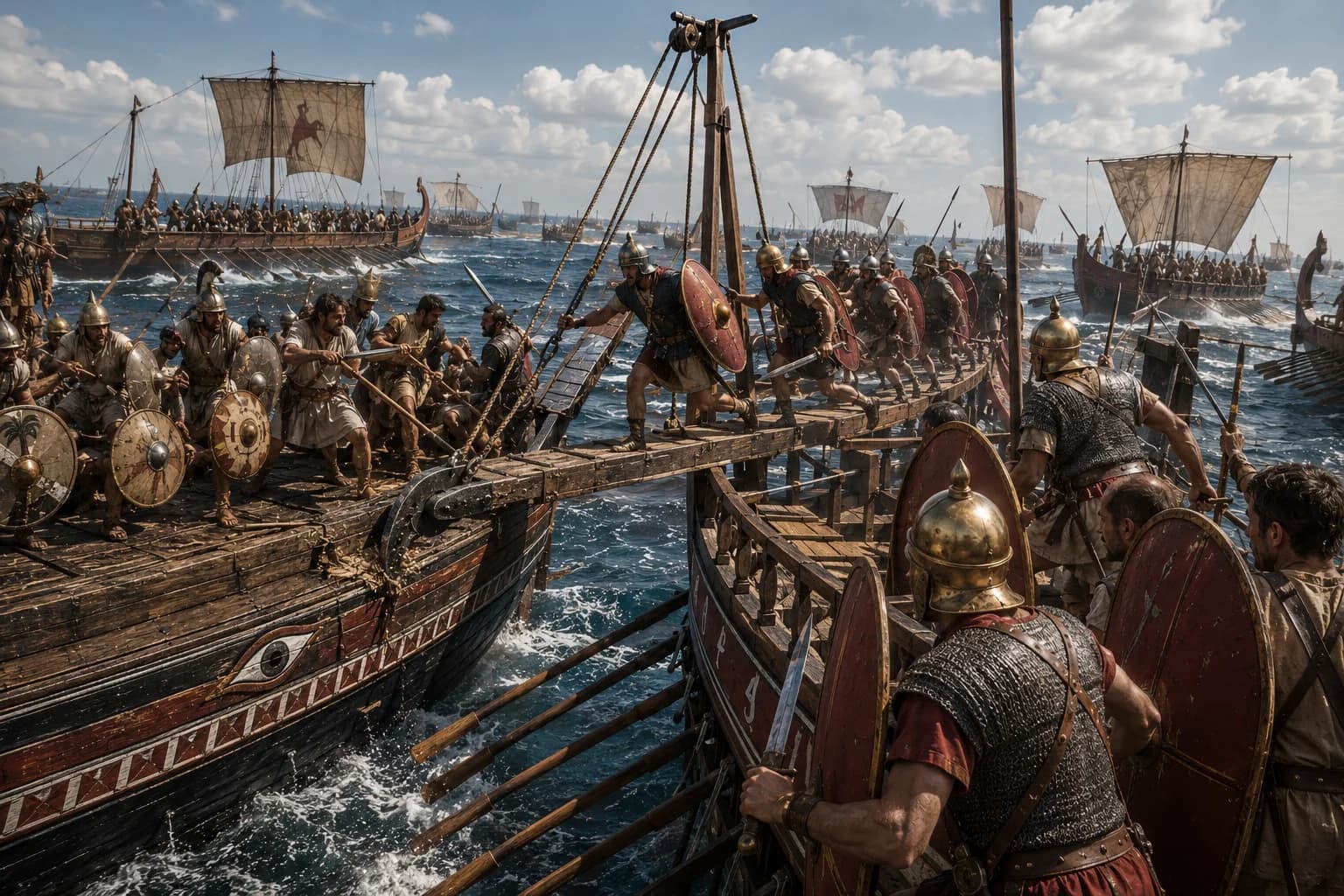
The result was the corvus, a boarding bridge with a spike that could crash down onto an enemy deck. Once attached, Roman soldiers could board the Carthaginian ship and fight hand to hand.

turned a sea battle into a land battle on floating wood.

At in 260 BCE, won a major naval victory. Further victories showed that 's maritime dominance could be challenged. was still learning, and storms would destroy fleets more than once, but the lesson was clear.

The First Punic War forced to become more than an Italian land power. It learned to build, adapt, replace losses, and fight across the sea.

Carthage Seeks Revenge
237 BCE
Step 3 of 10237 BCEAccessible mode

Carthage Seeks Revenge

lost the First Punic War, but it did not disappear. Defeat pushed it to rebuild somewhere new.

After the war, gave up and paid a heavy indemnity to . It also suffered a dangerous revolt by unpaid mercenaries and subject peoples. The city had survived, but its old position was badly damaged.

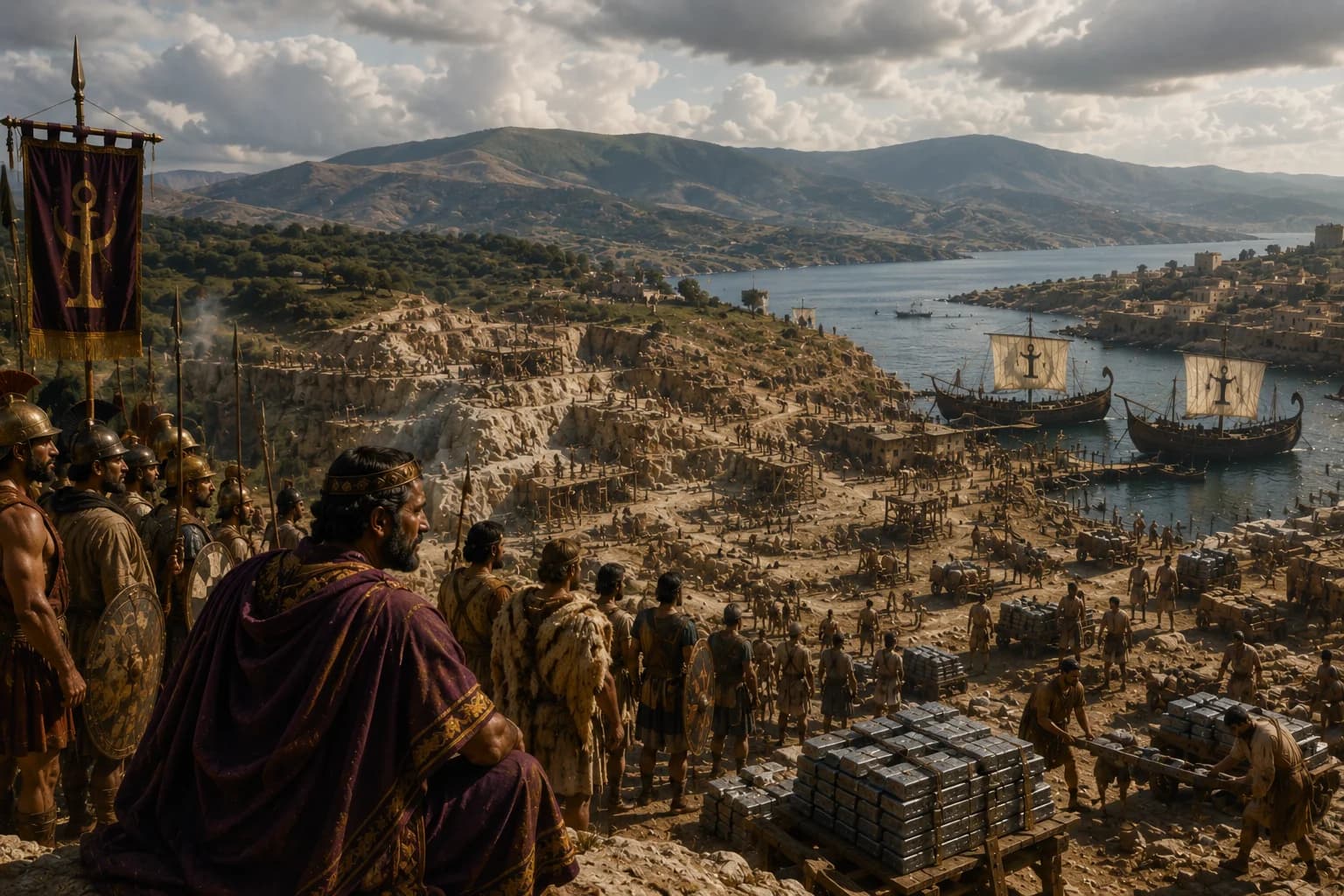
Hamilcar Barca, one of 's strongest commanders, looked west to . The region offered silver mines, soldiers, trade, and room to rebuild power away from 's immediate reach.

Under Hamilcar and later Hasdrubal, Carthaginian influence in grew. New alliances were made. Armies were trained. Wealth returned. The Barcid family built a power base that gave a second chance.

became 's answer to defeat.

This recovery also created new tension with . Roman leaders watched rebuild and worried that a beaten rival might become dangerous again. The line between recovery and revenge became harder to see.

By the time Hannibal Barca inherited command in , had the money, troops, and ambition to challenge again. The First Punic War had ended, but the rivalry had not.

Hannibal Crosses the Alps
218 BCE
Step 4 of 10218 BCEAccessible mode

Hannibal Crosses the Alps

When war returned, Hannibal did not wait for to attack . He brought the war to Italy by the most shocking route possible.

The crisis began in after Hannibal attacked , a city connected to . demanded punishment. refused to surrender its commander. The Second Punic War began.

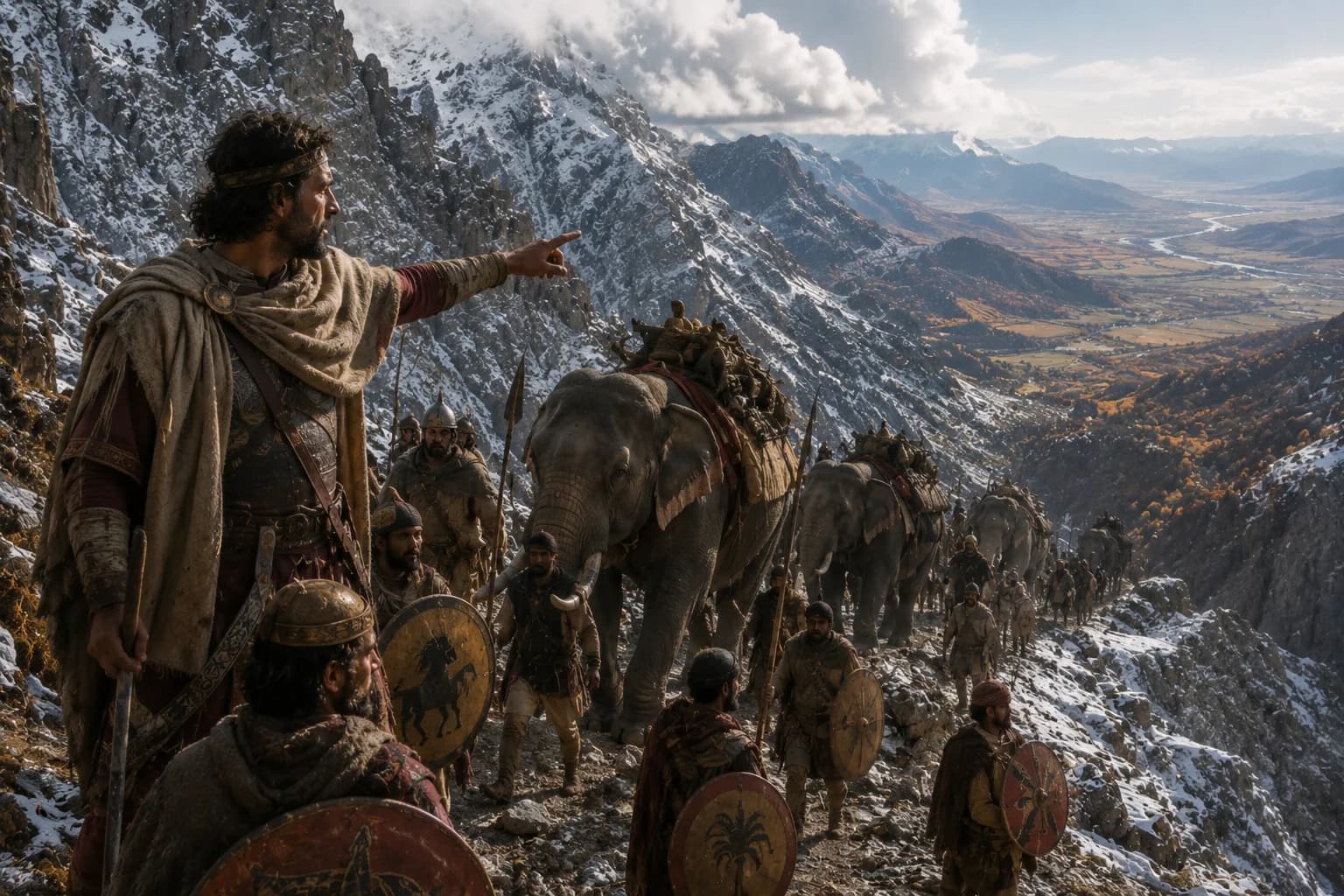
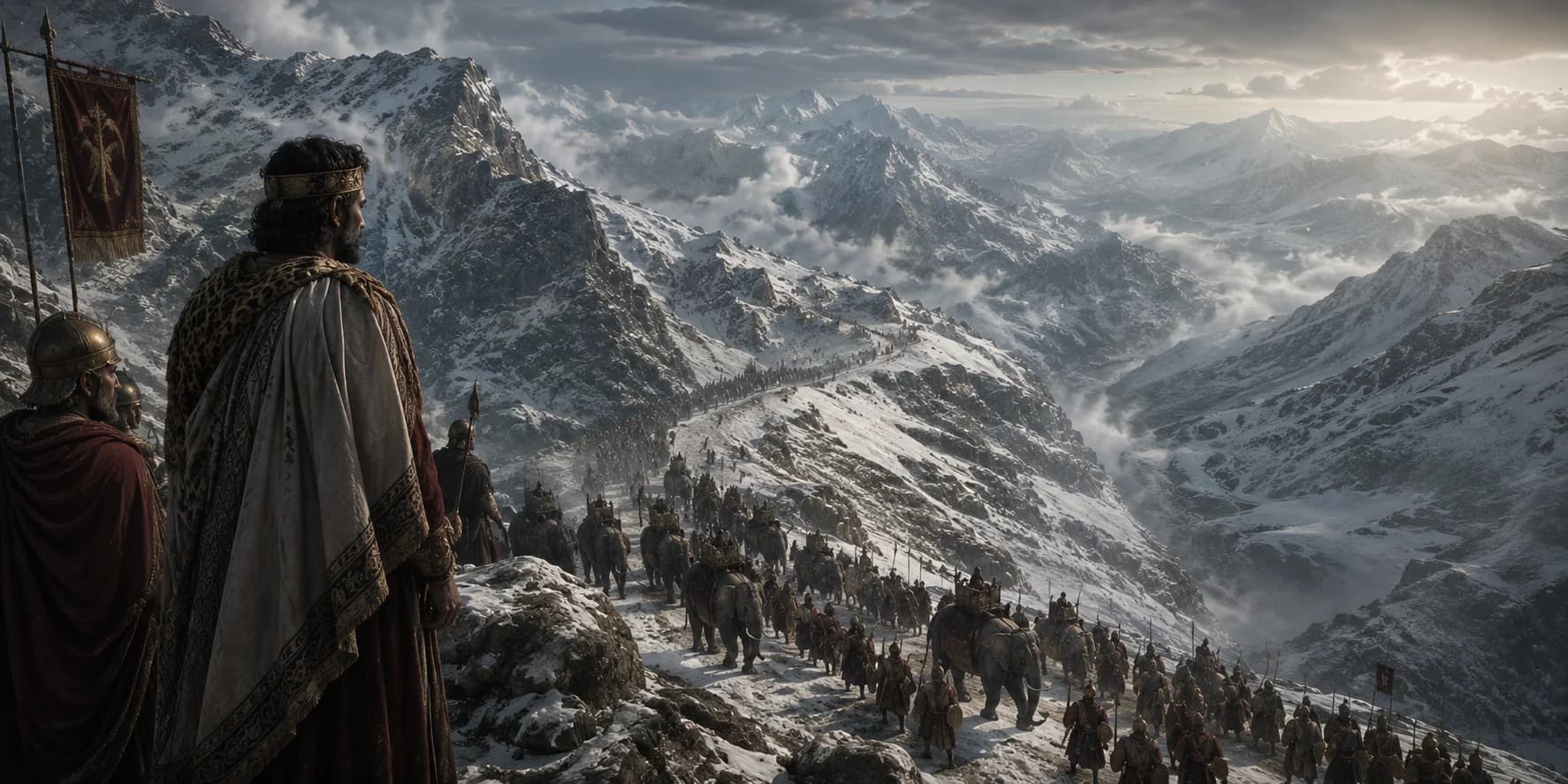
expected to fight in or North Africa. Hannibal chose a different plan. He marched from across , over the Alps, and into northern Italy with soldiers, cavalry, and war elephants.

The crossing was brutal. Mountain passes, weather, hunger, and local resistance cost him many men and animals. But the survivors arrived in Italy with enormous psychological force.

The Alps were not just a barrier. Hannibal turned them into a weapon of surprise.

His goal was not simply to win battles. He wanted to break 's alliance system. If Roman allies in Italy believed could protect them, they might abandon .

The march changed the war immediately. was no longer fighting at the edge of its world. It was fighting for control of Italy itself.

The Disaster at Cannae
216 BCE
Step 5 of 10216 BCEAccessible mode

The Disaster at Cannae

At , Hannibal gave one of the worst defeats in its history. The question was whether the Republic would collapse afterward.

Before , Hannibal had already defeated Roman forces at and . raised another huge army, hoping sheer strength would crush him.

Hannibal used Roman confidence against itself. He placed a weaker-looking centre in front, stronger troops on the sides, and cavalry ready to control the flanks. As the Romans pushed forward, his line bent without breaking.

Then the trap closed. Carthaginian infantry struck from the sides while cavalry attacked from behind. The Roman army was surrounded. Tens of thousands were killed in a single day.

proved that could lose almost everything on a battlefield and still refuse to surrender.

Some Roman allies changed sides after the defeat, including the important city of Capua. Many states would have asked for peace. did not. The Senate refused to negotiate and raised more armies.

was Hannibal's masterpiece, but it did not end the war. survived because its alliance system, manpower, political discipline, and will to continue were stronger than Hannibal expected.

Scipio Turns the Tide
202 BCE
Step 6 of 10202 BCEAccessible mode

Scipio Turns the Tide

eventually stopped trying only to survive Hannibal in Italy. Scipio changed the direction of the war.

Publius Cornelius Scipio, later known as Scipio Africanus, first made his name in , where he attacked the base that supplied Carthaginian power. By weakening there, he cut off resources that Hannibal needed.

Scipio then argued for a bold move: invade North Africa. Some Romans feared this was reckless while Hannibal remained in Italy. But the strategy worked. had to defend its own homeland.

recalled Hannibal. In 202 BCE, he faced Scipio at . This time had strong cavalry support from Numidian allies, and Scipio had studied how Hannibal fought.

Scipio beat Hannibal by making fight for Africa instead of making bleed in Italy.

At , Scipio handled the war elephants, kept his infantry controlled, and used cavalry to break the Carthaginian line. Hannibal was defeated.

The peace was harsh. lost its fleet, paid a huge indemnity, and could not wage war without Roman permission. It survived, but no longer as a great independent power.

Rome Dominates the Mediterranean
200 BCE
Step 7 of 10200 BCEAccessible mode

Rome Dominates the Mediterranean

After defeating , was no longer just the strongest power in Italy. It was becoming the strongest power around the Mediterranean.

The Punic Wars gave , , , and eventually Spain. These territories were different from Italian allies. They became provinces, governed by Roman officials and exploited for taxes, grain, silver, and soldiers.

Victory over also changed how other states saw . Kings, cities, and leagues across the Mediterranean had to take Roman power seriously. could send armies overseas, build fleets, punish enemies, and decide disputes.

Soon was drawn into wars in the Greek east. Conflicts with and later other Hellenistic kingdoms showed that Roman influence was spreading far beyond the western Mediterranean.

Defeating gave the confidence and reach to act like a Mediterranean referee.

This did not mean had a complete empire overnight. But it had crossed a line. Its decisions now shaped regions far from .

The Republic had become a leading regional power. Every victory created new responsibilities, temptations, and enemies.

The Fall of Carthage
146 BCE
Step 8 of 10146 BCEAccessible mode

The Fall of Carthage

was weakened after , but it recovered enough to frighten again. Roman fear became Roman destruction.

For decades, obeyed the peace terms and paid its indemnity. It could not fight wars without Roman permission. But the city remained commercially successful, and that success made some Romans suspicious.

Conflict with , a Roman ally, gave its opening. When defended itself without Roman approval, Roman leaders treated it as a breach of the settlement.

The Third Punic War began in 149 BCE. demanded impossible submission. resisted. The city was besieged for years, and its people fought desperately from streets, workshops, walls, and homes.

The final war was less a contest between equals than a decision that must no longer exist.

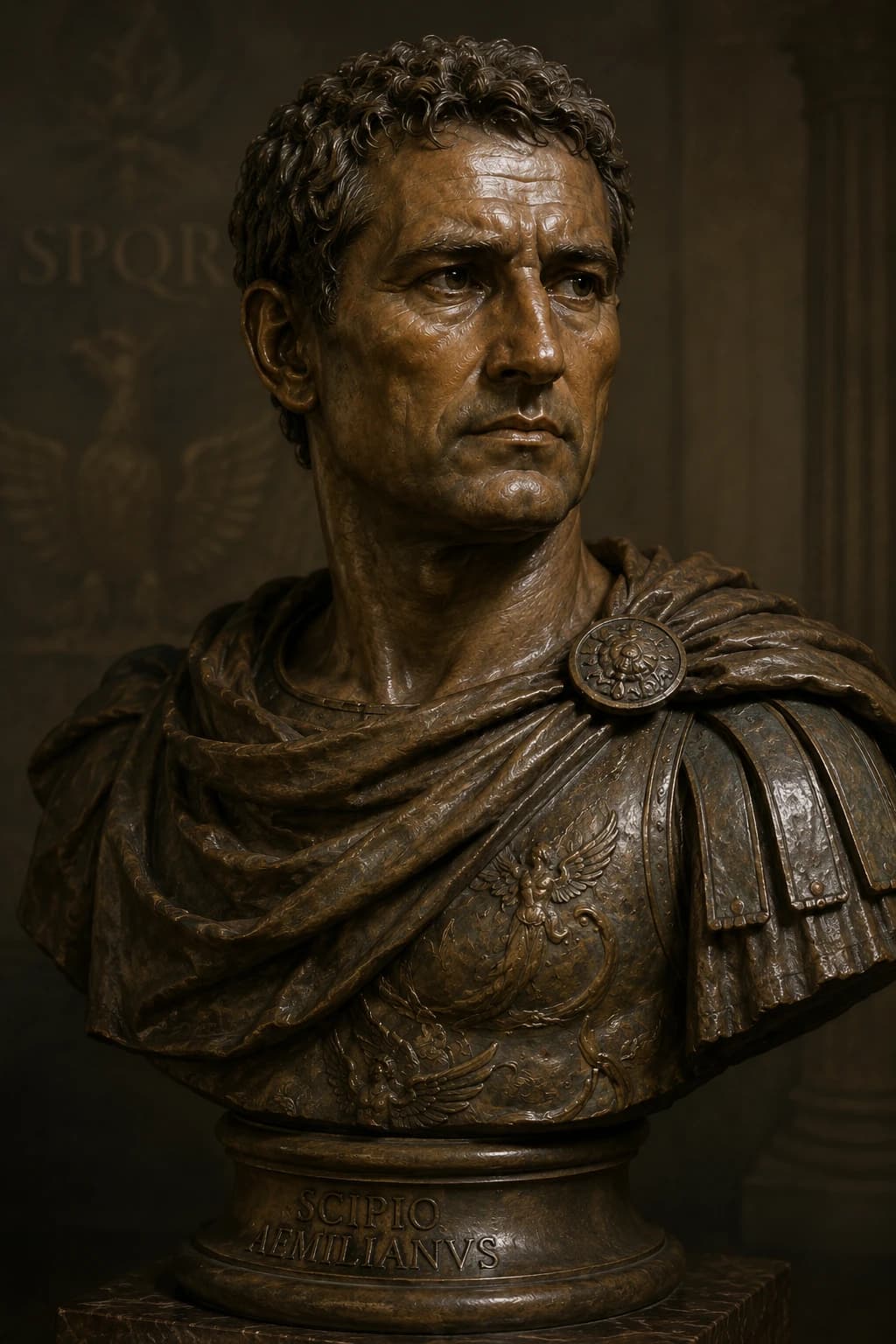
In 146 BCE, Roman forces under Scipio Aemilianus took the city. was burned and destroyed. Survivors were enslaved, and the territory became the Roman province of Africa.

The destruction was symbolic as well as military. 's greatest rival had been erased from the political map.

A Republic Transformed
146 BCE
Step 9 of 10146 BCEAccessible mode

A Republic Transformed

won the Punic Wars, but victory changed the Republic in ways Romans struggled to control.

Before the wars, was powerful mainly in Italy. After them, it ruled overseas provinces. Governors, tax collectors, merchants, and soldiers now operated across , Spain, North Africa, and beyond.

Conquest brought wealth into . Generals gained glory. Elite families bought land. Traders profited from new markets. But the rewards were not shared equally.

War and conquest also increased slavery. Enslaved people were brought into Italy in large numbers, working in homes, mines, fields, and estates. Large landowners could use enslaved labour to expand their estates.

's victories abroad created tensions at home.

Many small farmers struggled. Long military service kept citizens away from their land. Wealthy landowners gained more influence. Politics became more competitive as commanders and senators fought over spoils, provinces, and prestige.

The Punic Wars did not destroy the Republic immediately. But they helped create the social and political pressures that later reformers, generals, and factions would fight over.

The Legacy of the Punic Wars
133 BCE
Step 10 of 10133 BCEAccessible mode

The Legacy of the Punic Wars

The Punic Wars ended with victorious. Their legacy was the Mediterranean world that victory created.

By 133 BCE, was the dominant power of the Mediterranean. was gone. and Greece had been brought under Roman control. Spain was still difficult, but was deeply committed there. New territories kept drawing Roman power outward.

The wars had taught how to fight long conflicts, rule provinces, command fleets, and project force far from Italy. These skills helped lay the foundations of the Roman Empire.

But success also created crisis. Wealth from conquest benefited elites. Slavery expanded. Land ownership concentrated. Military command became a path to extraordinary personal fame.

defeated , then had to live with what victory made possible.

In 133 BCE, Tiberius Gracchus tried to reform landholding and help poorer citizens. His murder marked a frightening turn in Roman politics, showing how disputes over the rewards of empire could become violent.

The Punic Wars did not create the Roman Empire by themselves. But they changed 's scale, habits, wealth, and ambitions. They made the Republic powerful enough to dominate the Mediterranean, and unstable enough to begin moving toward a new political order.

Continue reading

Finished The Punic Wars: The Story of Rome, Carthage and Hannibal?

Choose the next story, explore the people behind this one, or trace the line of power that shaped this world.

Browse stories

References

Sources & Further Reading

Reliable sources, primary-source collections and reading paths connected to this page.

A weekly route through history

Find out first about the latest published stories, feature notes and occasional Premium offers in one weekly email.