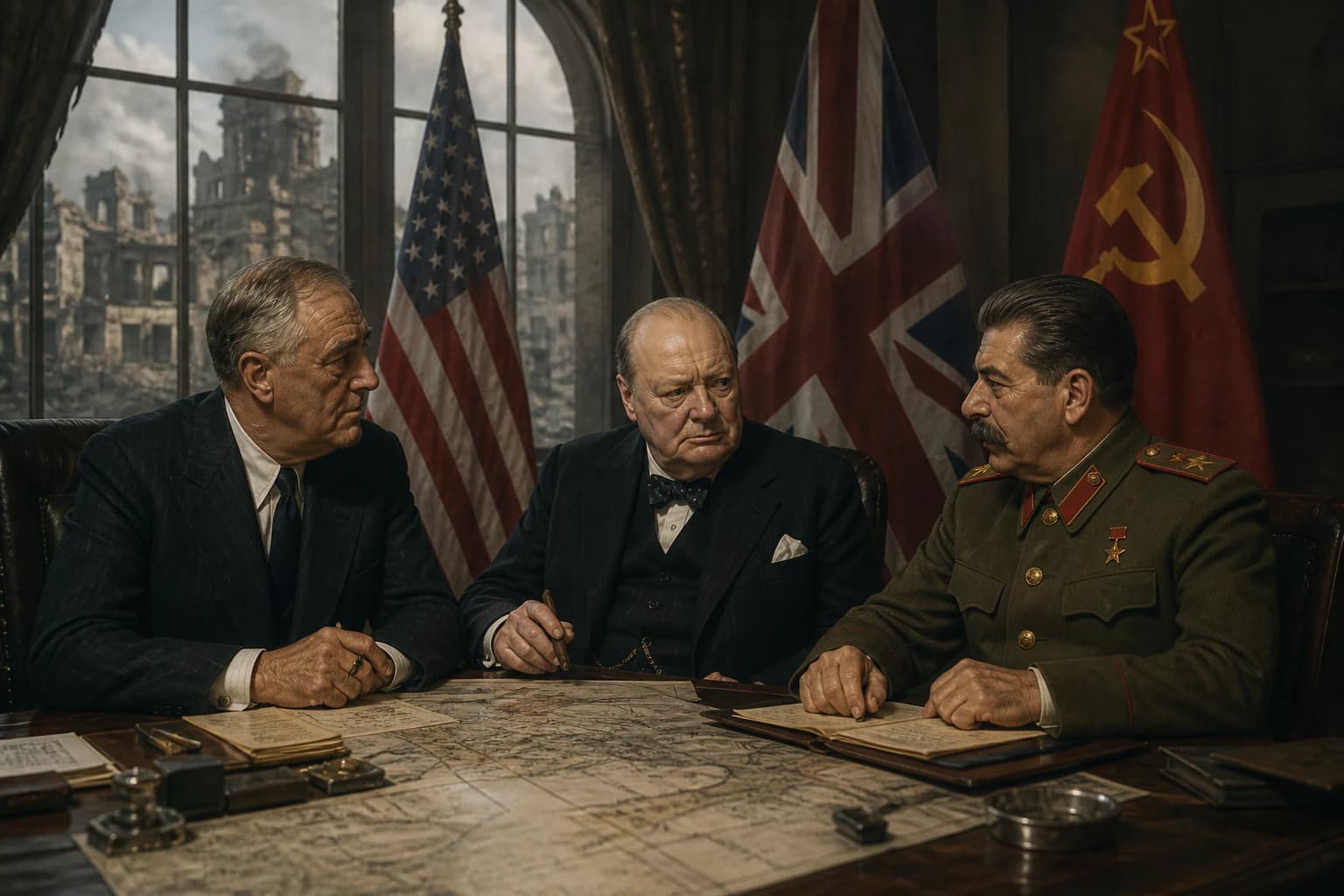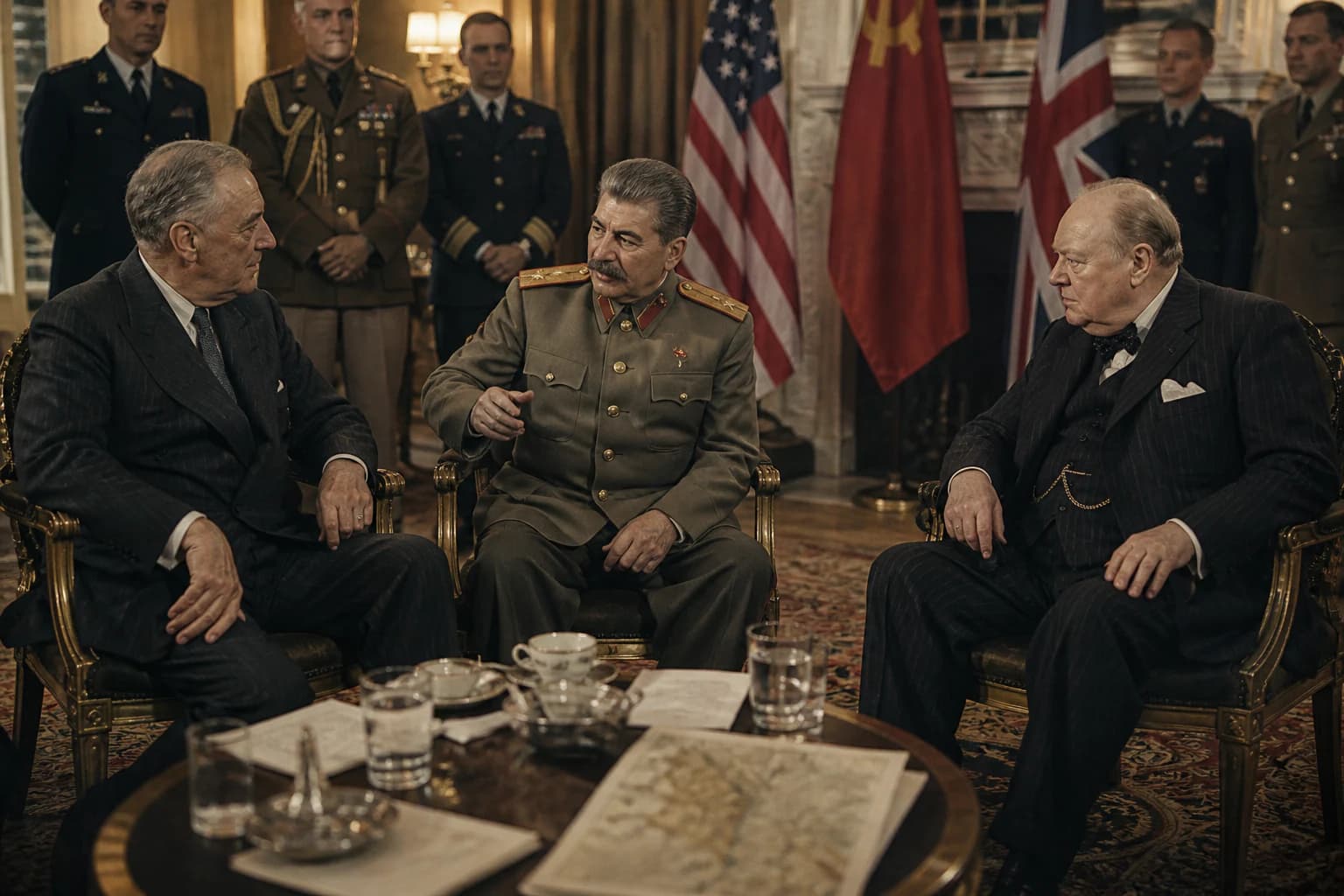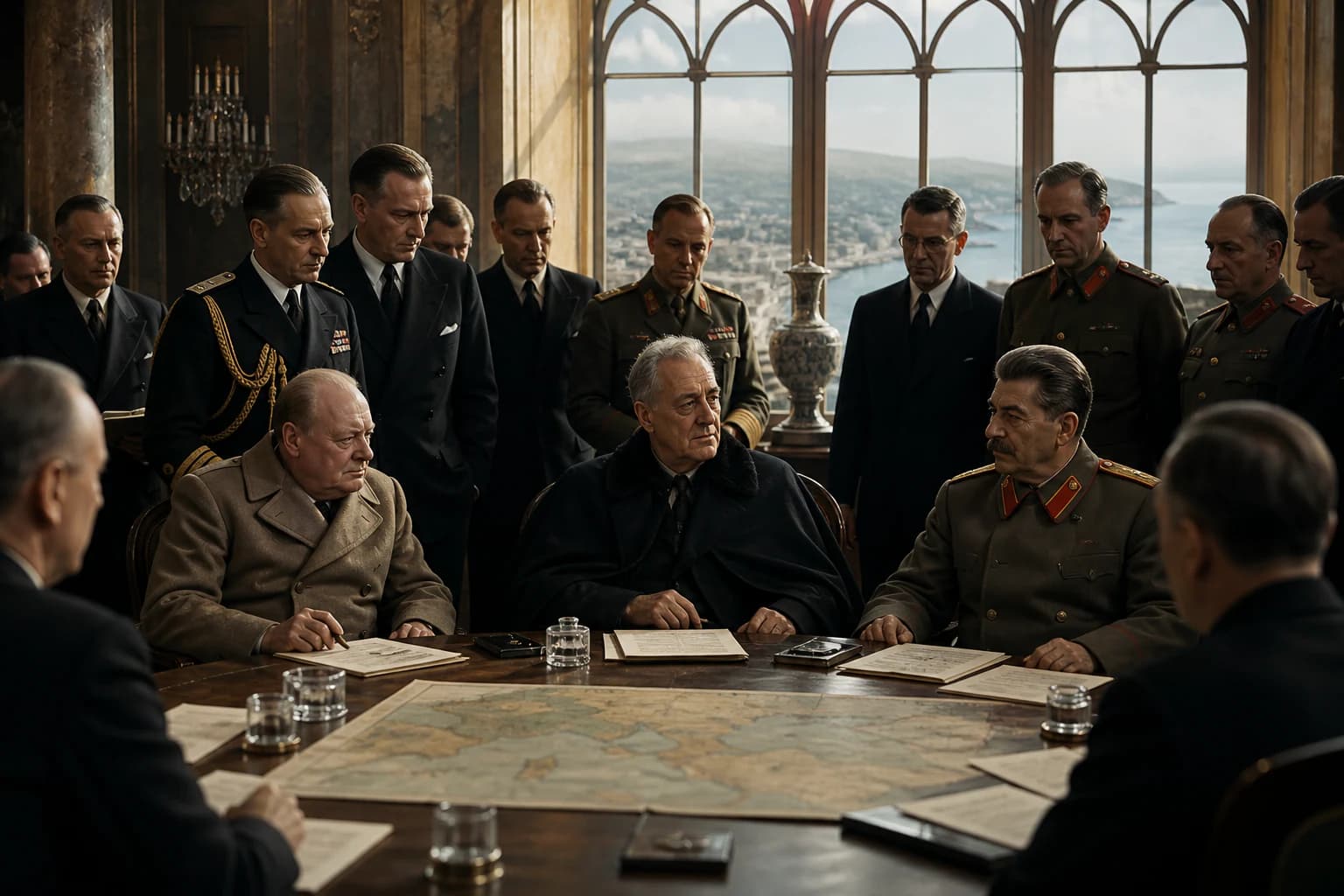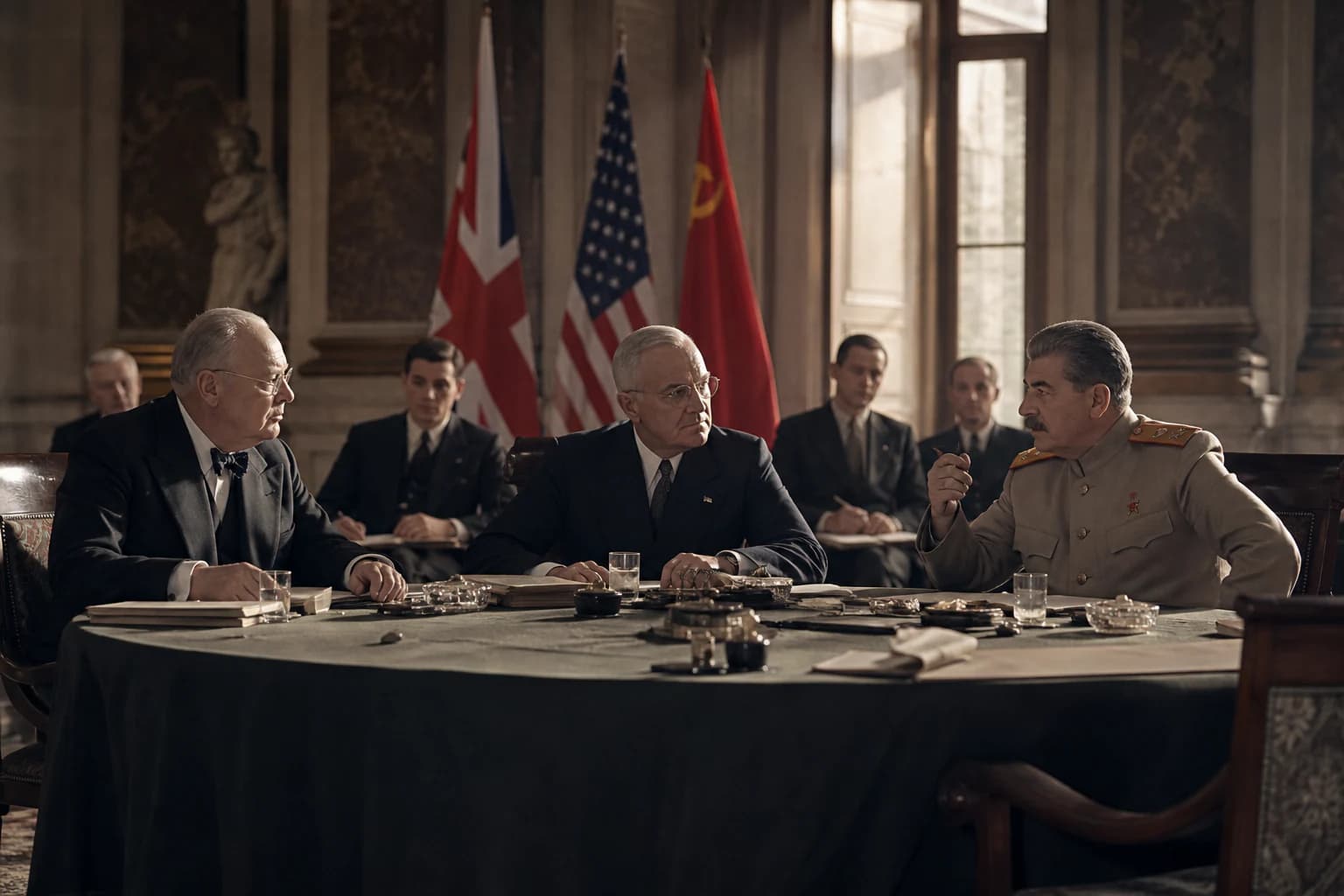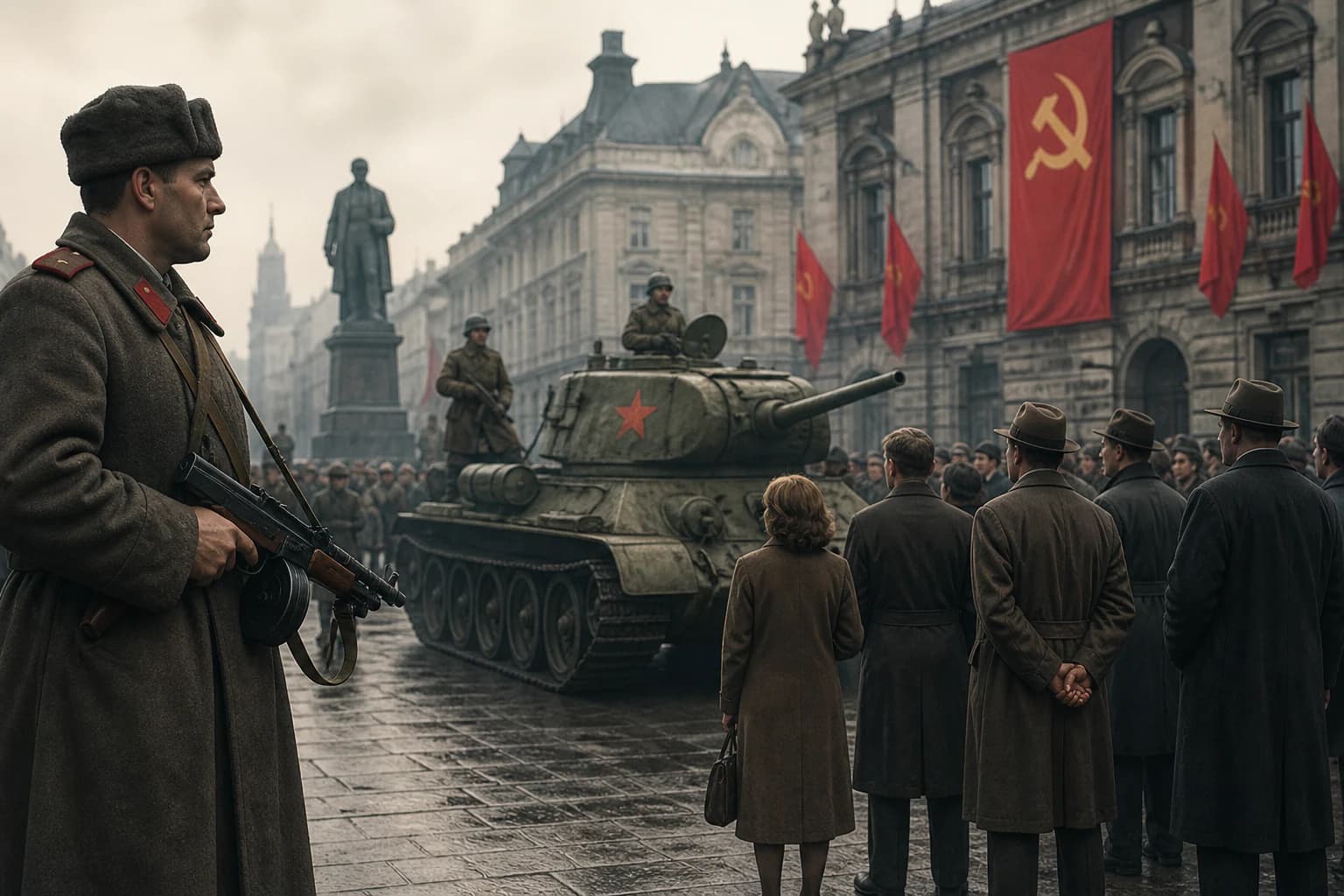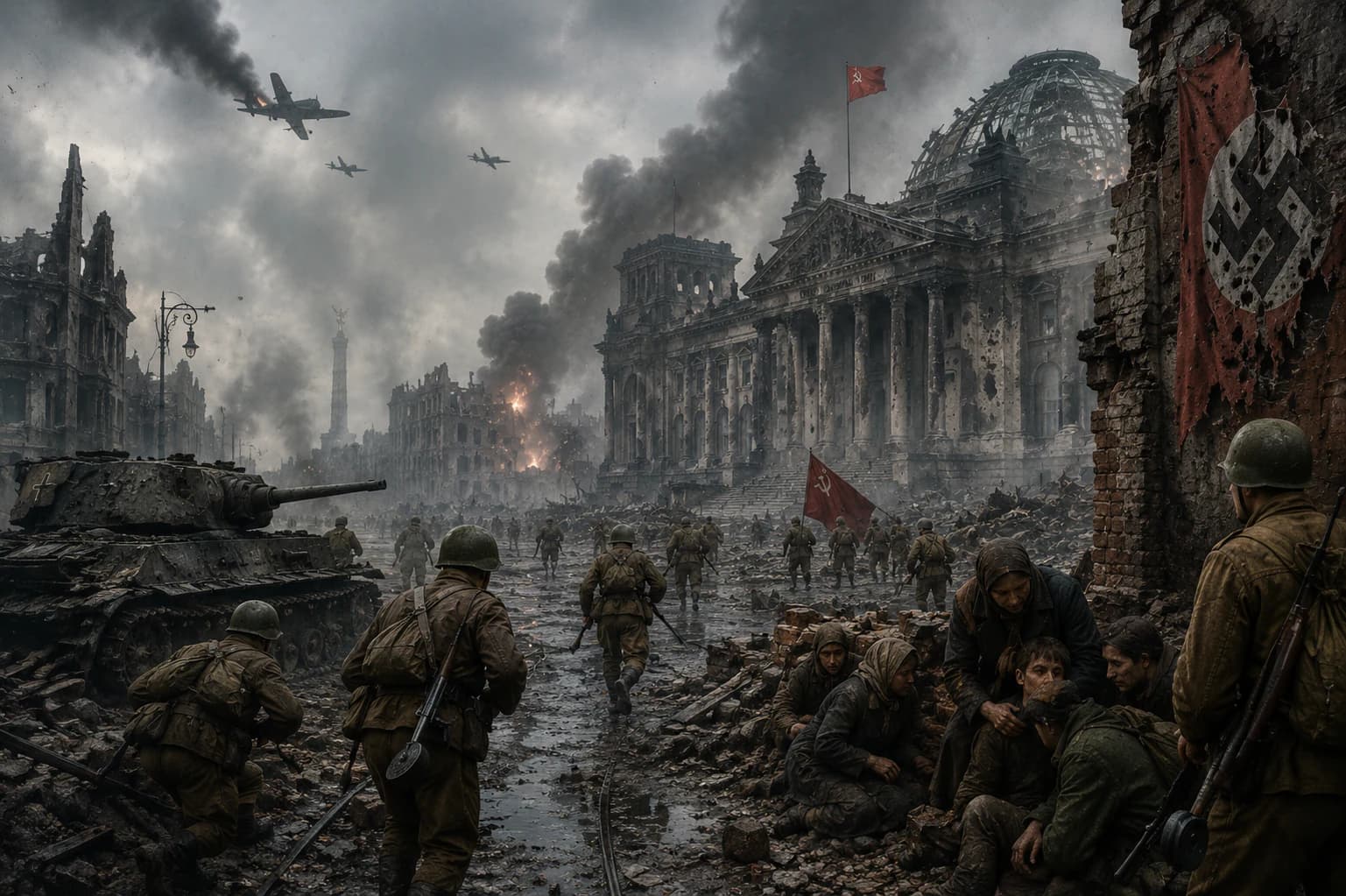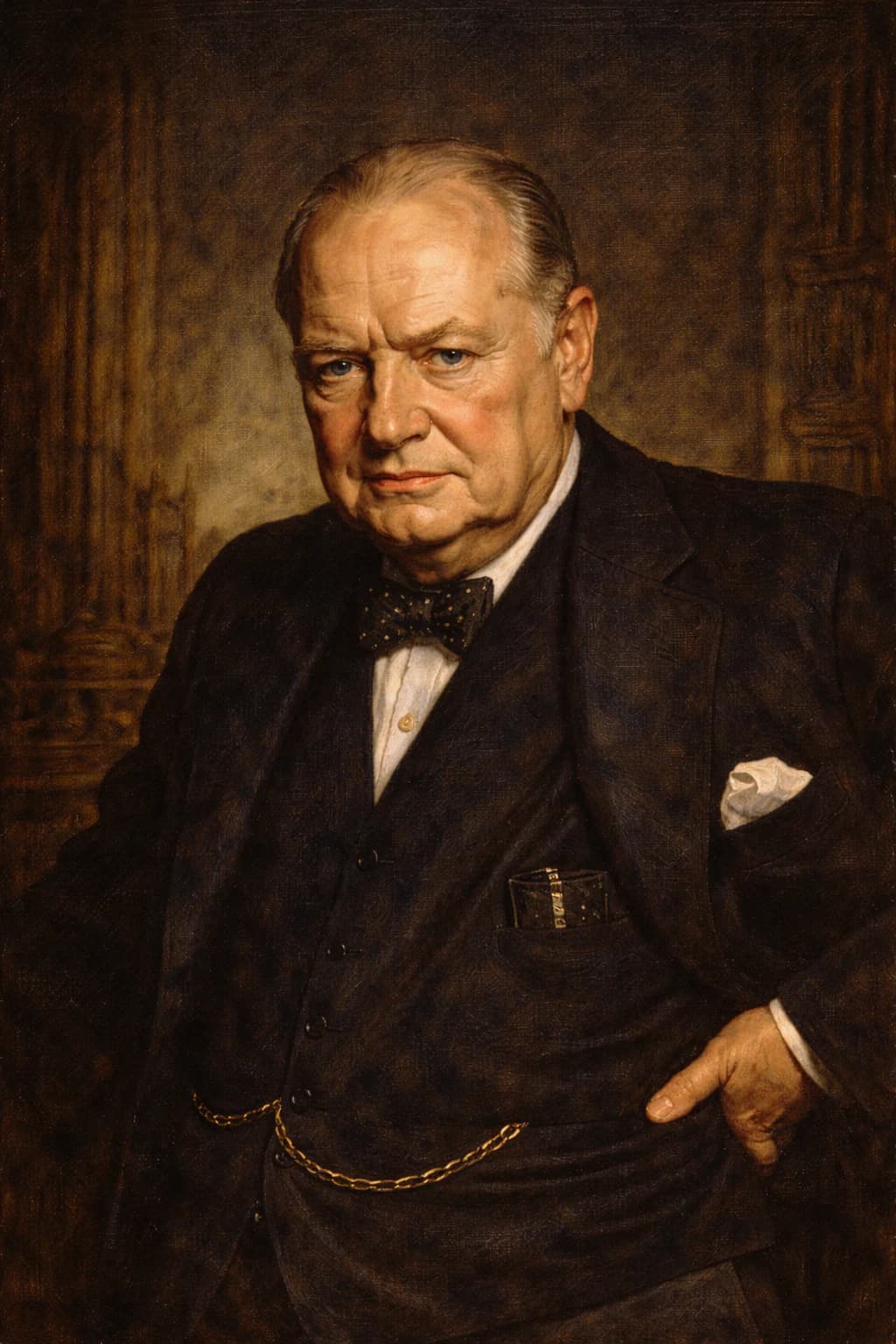
Churchill, Roosevelt, and Stalin seated together at Yalta in 1945 — the last photograph of the Grand Alliance before the Cold War began to divide the world they had won
Premium Story

Origins of the Cold War

Watch wartime allies become Cold War rivals as Europe divides and the nuclear age begins.

11 chapters

Next
Context

Introduction

What you'll learn: You'll understand why the wartime alliance fell apart so quickly, what each side wanted from the post-war world, how Europe was divided, and how the Cold War became the defining structure of the second half of the twentieth century.

Key forces

The Uneasy Wartime Alliance
1941 CE
Step 1 of 101941 CEAccessible mode

The Uneasy Wartime Alliance

When Nazi Germany invaded the Soviet Union in 1941, three powers that deeply distrusted each other were forced into alliance. It was necessity, not friendship.

The United States and Britain believed in democracy and free markets. The Soviet Union was a communist state that had partnered with Hitler just two years before. These were not natural allies. But they now faced the same enemy, and that was enough.

American supplies kept the Soviet war effort alive. British and American forces eventually opened a second front against Germany. The alliance worked. But beneath the surface, deep disagreements about Eastern Europe and the post-war world were already forming.

The alliance held together because of one shared enemy. Remove that enemy, and the contradictions would quickly surface.

The fundamental question was already clear before the war ended: who would control the countries of Eastern Europe after Germany's defeat? The answer to that question would tear the alliance apart.

The Tehran Bargain
1943 CE
Step 2 of 101943 CEAccessible mode

The Tehran Bargain

In November 1943, Roosevelt, Churchill, and Stalin met face to face for the first time. The Conference was a landmark of wartime cooperation — and a preview of the conflicts to come.

The most pressing issue was the Second Front. Stalin wanted an Allied invasion of France to relieve pressure on Soviet forces. Churchill preferred operations in the Mediterranean. Roosevelt sided with Stalin, and D-Day was confirmed for the following spring.

But raised other questions too. Stalin made clear he expected to have influence over Eastern Europe after Germany's defeat. His country had sacrificed more than any other. He was not going to accept a settlement that left his western borders vulnerable.

fixed the military plan. But the harder argument — about who would control post-war Europe — was only just beginning.

Yalta and the Shape of Peace
1945 CE
Step 3 of 101945 CEAccessible mode

Yalta and the Shape of Peace

In February 1945, with Germany almost defeated, the Allied leaders met at to decide how peace would be shaped. The promises made there were soon broken.

Germany would be occupied and divided between the Allies. A new international organisation — the United Nations — would be established. Poland's borders would move westward to compensate for Soviet territorial gains in the east.

The most difficult question was Eastern Europe. Free elections were promised for every liberated country. But Stalin's armies already occupied most of the region. The agreements were ambiguous, and Stalin had no intention of holding genuinely free elections.

At , the allies agreed on paper. The reality taking shape on the ground was already very different.

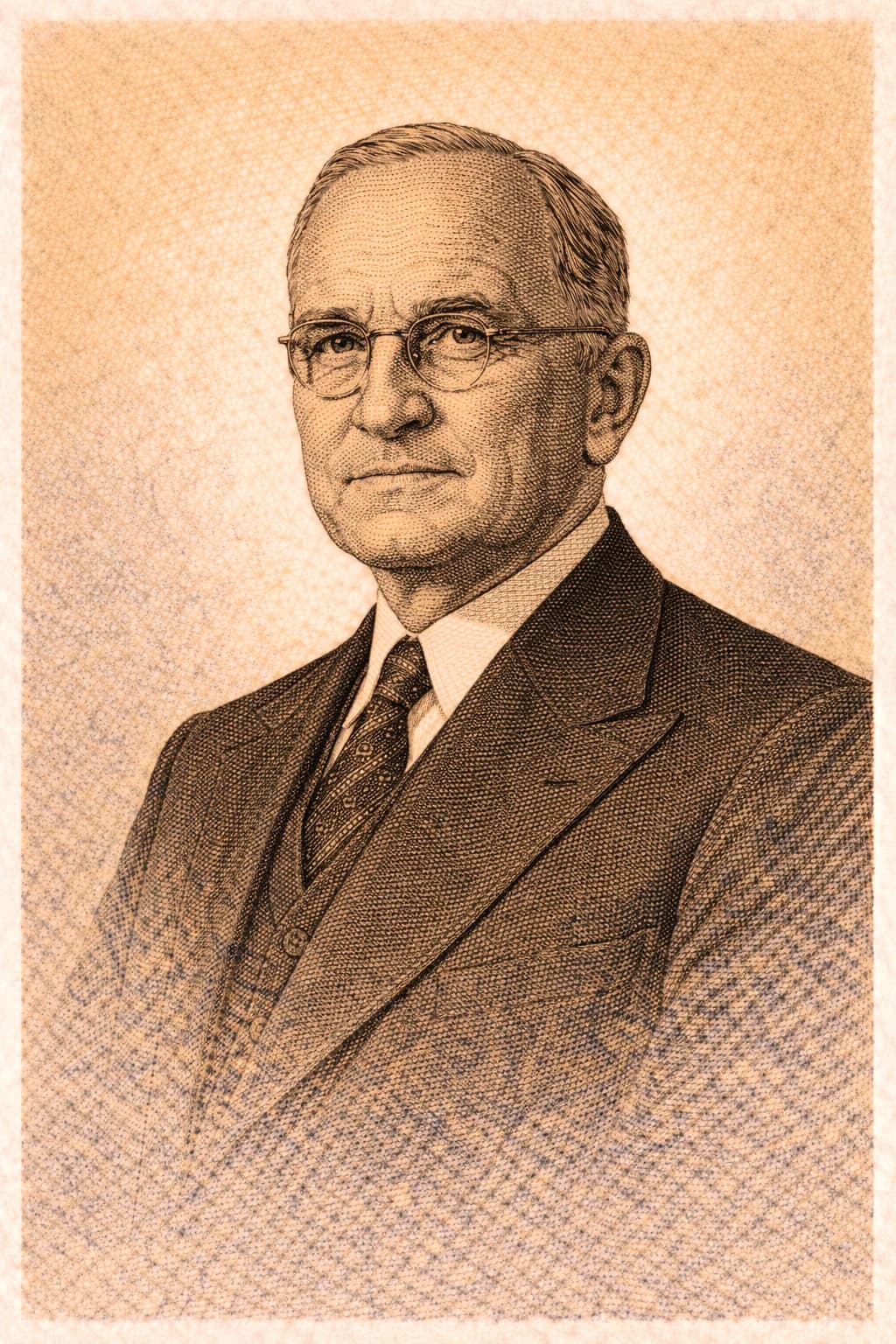
Roosevelt died just two months after . The promises he had negotiated were already being broken. His successor, Harry Truman, inherited a rapidly deteriorating alliance and a growing sense that the post-war world would not be what the Western powers had hoped.

Premium

You've reached the turning point

The opening chapters show wartime allies already mistrusting the peace they are about to inherit. Premium follows the break: atomic power, Eastern Europe, speeches, doctrines and blockade turn suspicion into a global confrontation.

Continue into the reversals, crises and human stakes that make the story matter.

Unlock full story

What Premium unlocks next

  1. 4The Atomic Shock
  2. 5Potsdam and the Broken Trust
  3. 6Soviet Control in Eastern Europe
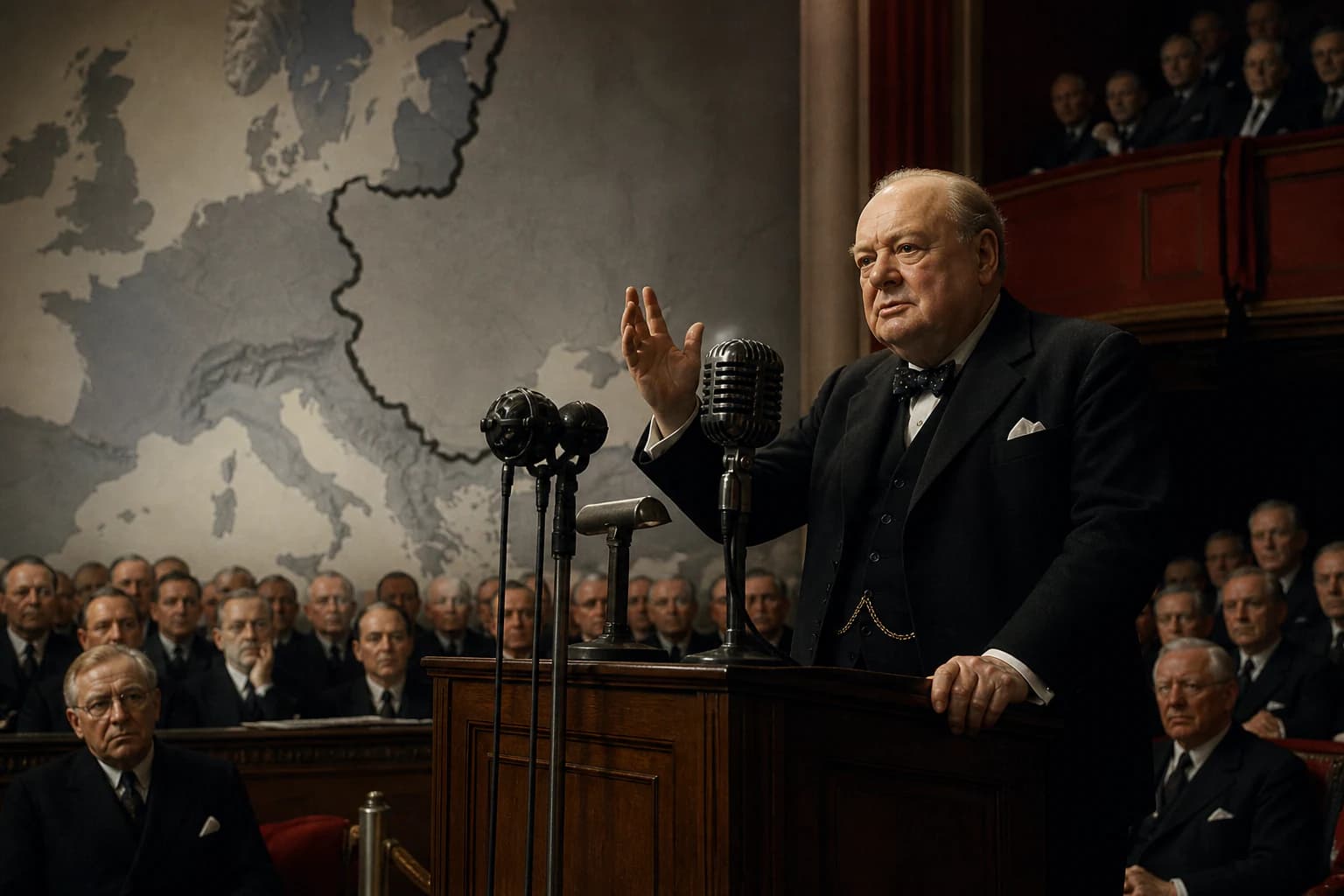
  4. 7The Iron Curtain Speech
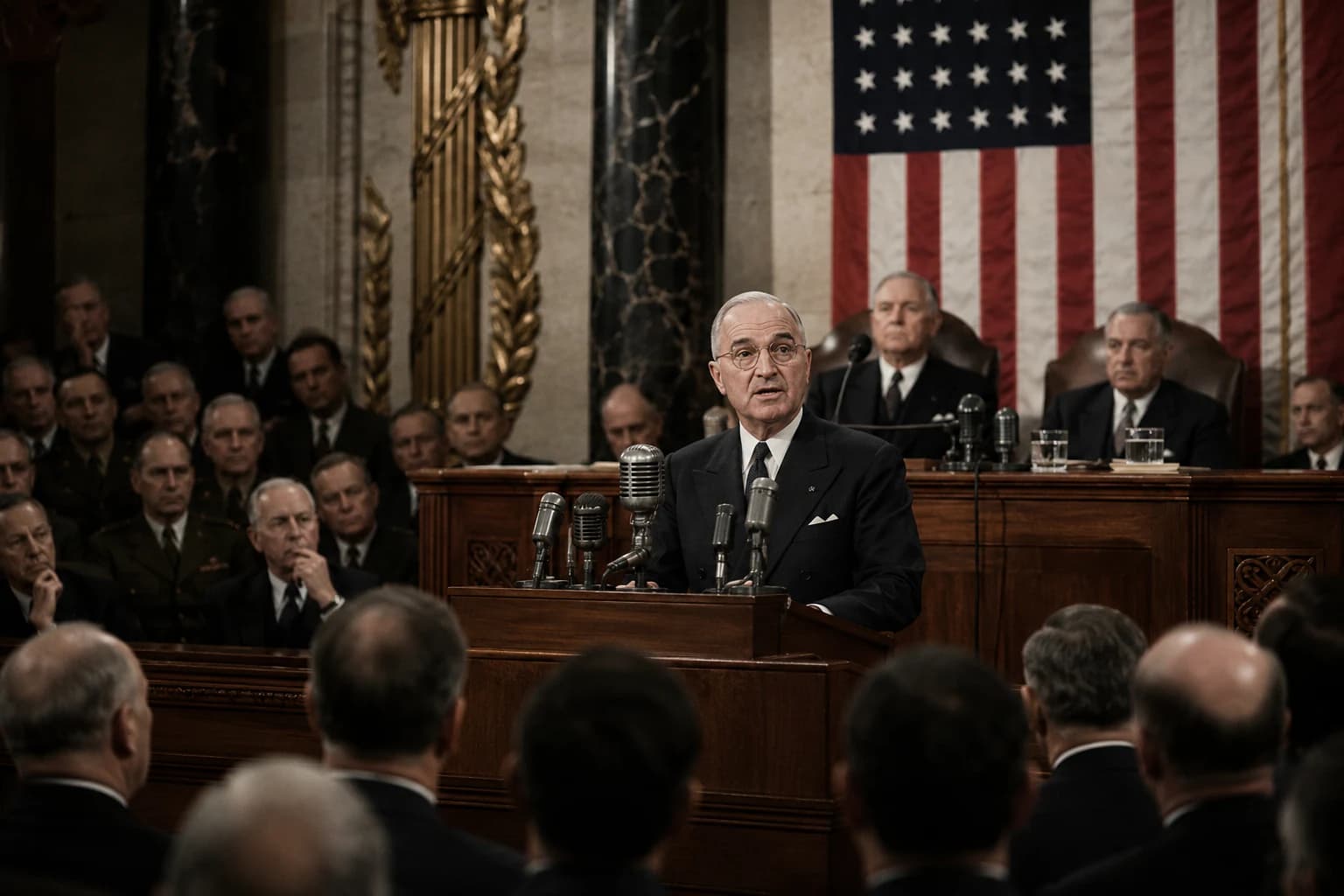
  5. 8The Truman Doctrine
  6. 9The Marshall Plan
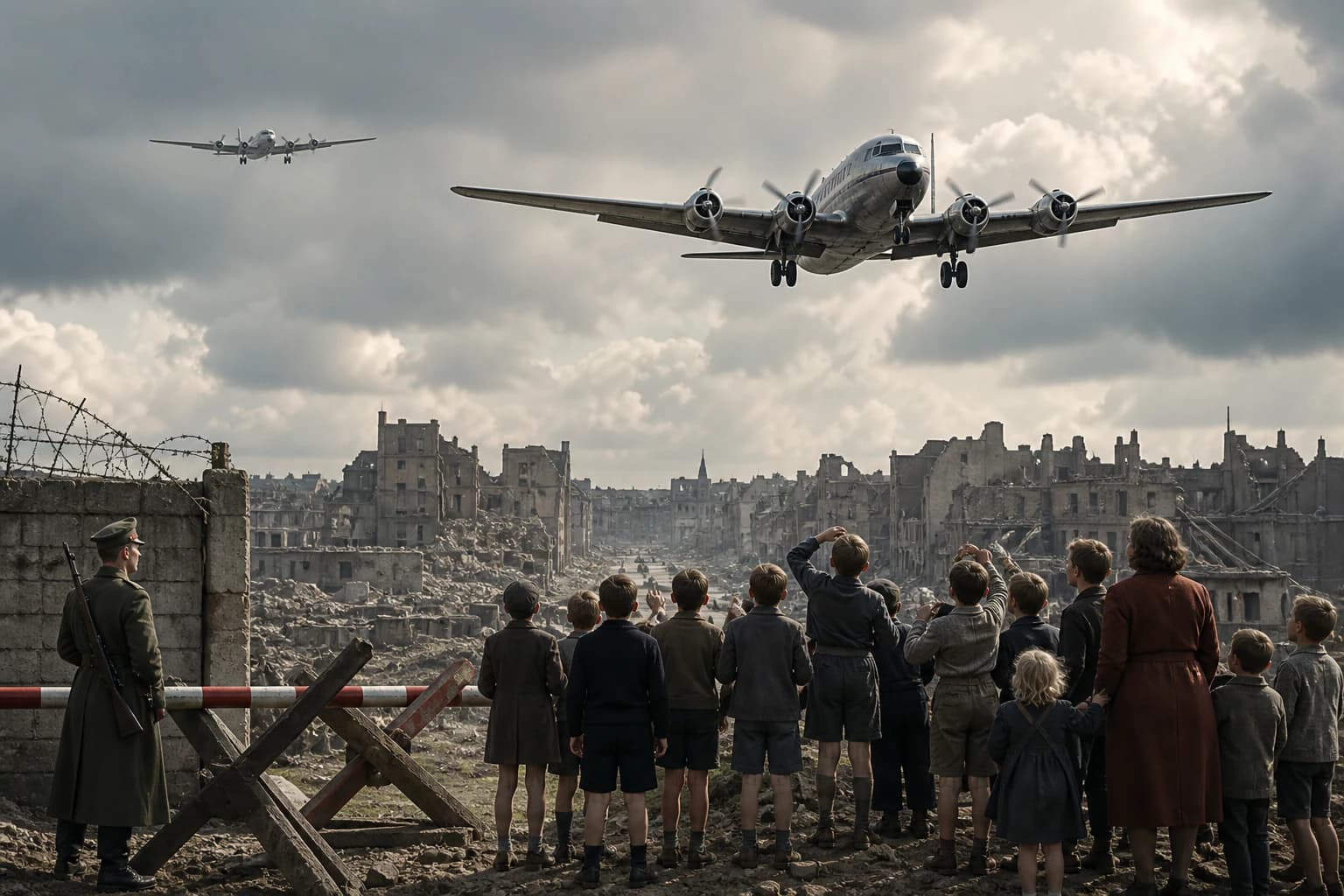
  7. 10The Berlin Blockade

Browse stories

Browse stories for free

Explore the people connected to this turning point or enjoy one of our free stories.

Unlock full storyBrowse stories

References

Sources & Further Reading

Reliable sources, primary-source collections and reading paths connected to this page.

Sources used

  1. Office of the Historian, U.S. Department of State, The Truman Doctrine, 1947,” Open source
  2. Wilson Center Digital Archive, Cold War International History Project,” Open source

Further reading

  1. John Lewis Gaddis, The Cold War: A New History, Penguin.

Primary sources

  1. Yale Law School, Avalon Project: 20th Century Documents,” Open source

A weekly route through history

Find out first about the latest published stories, feature notes and occasional Premium offers in one weekly email.