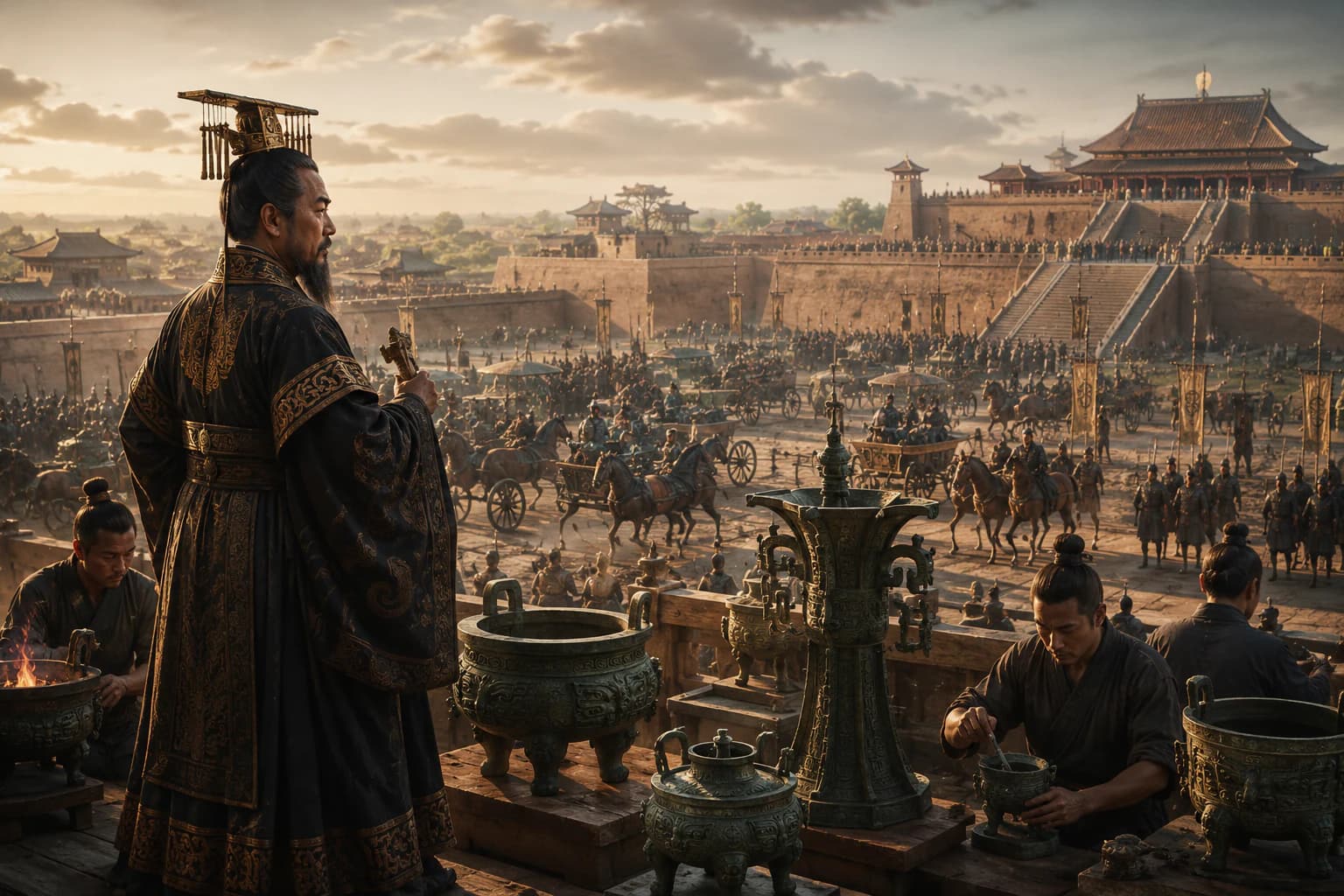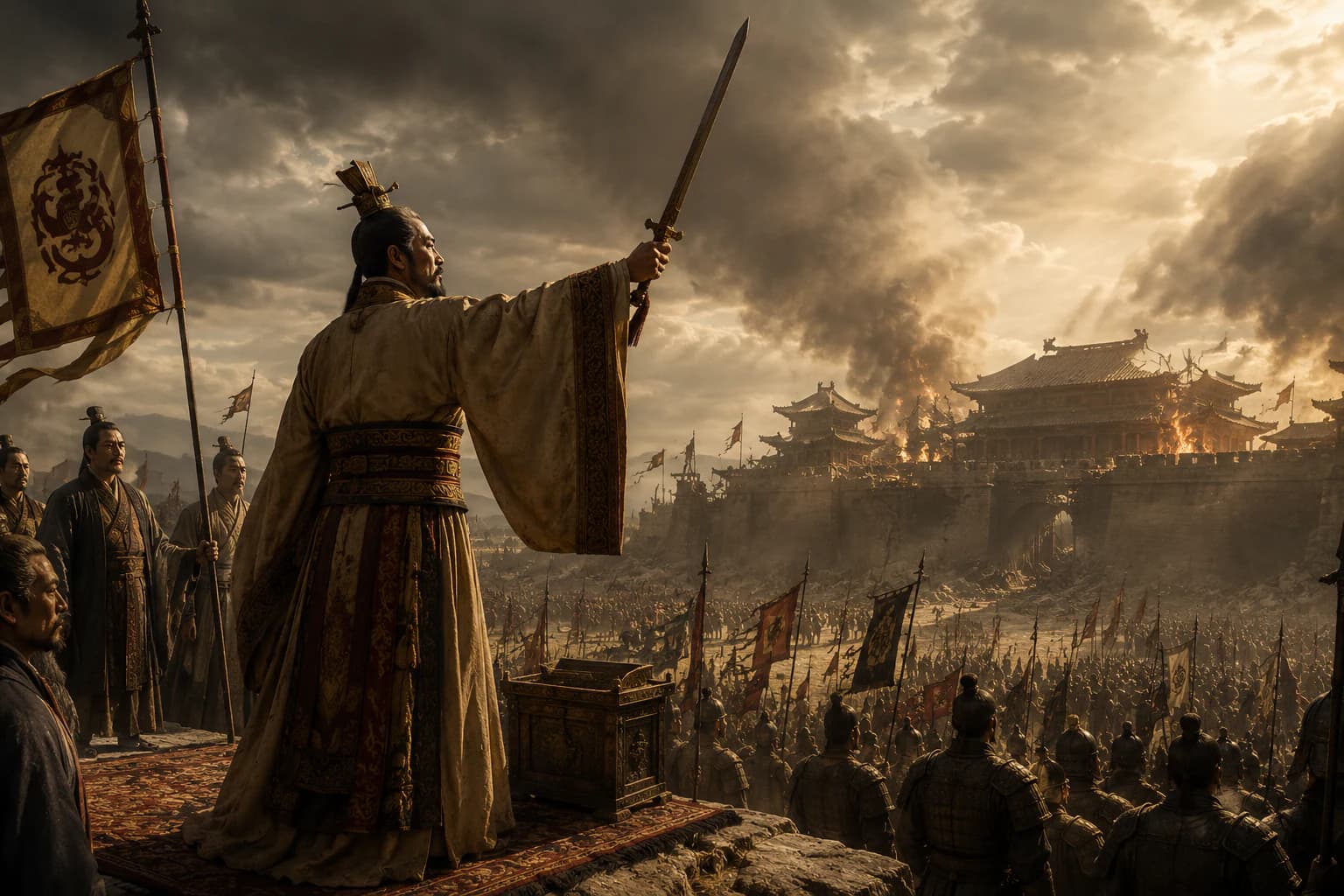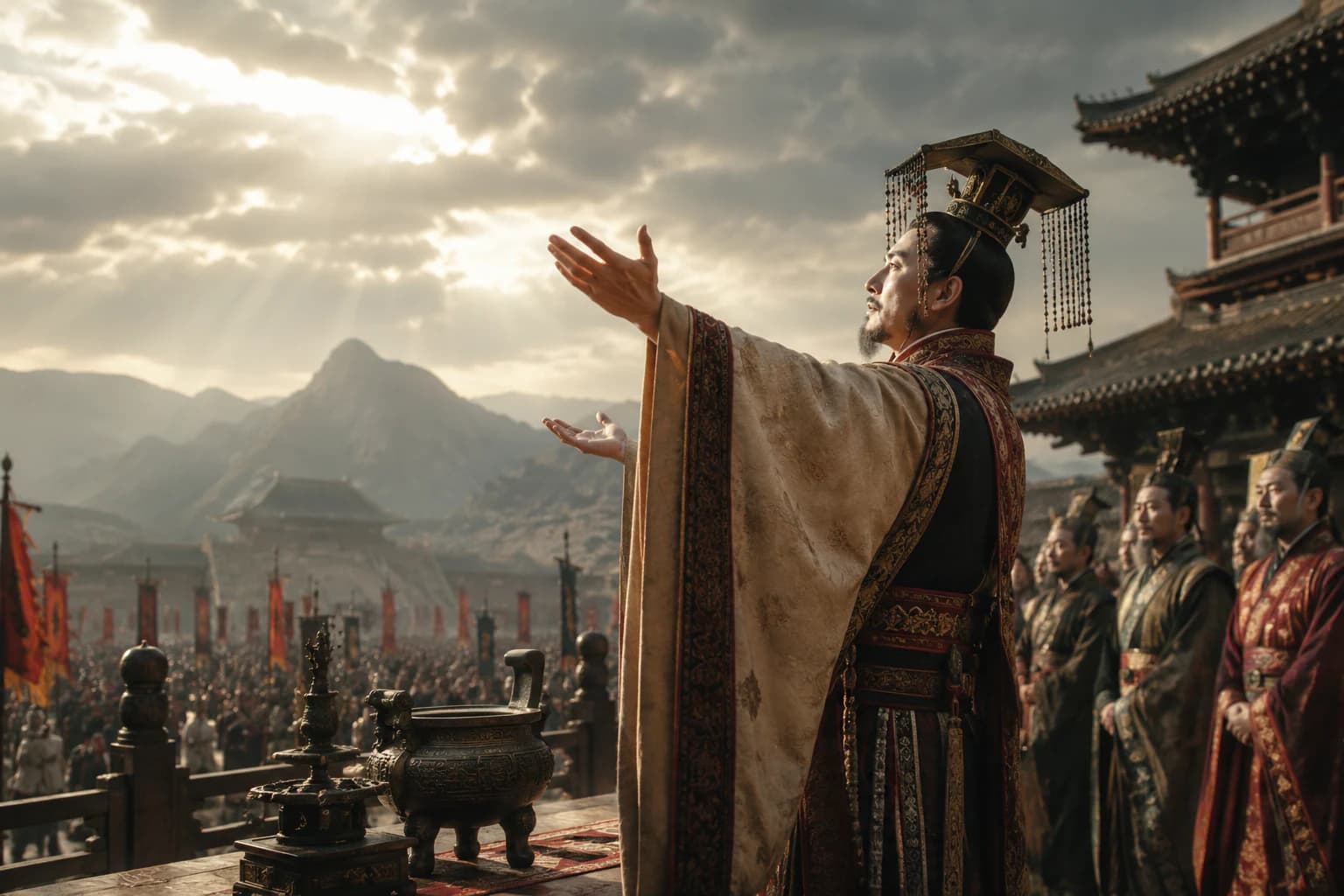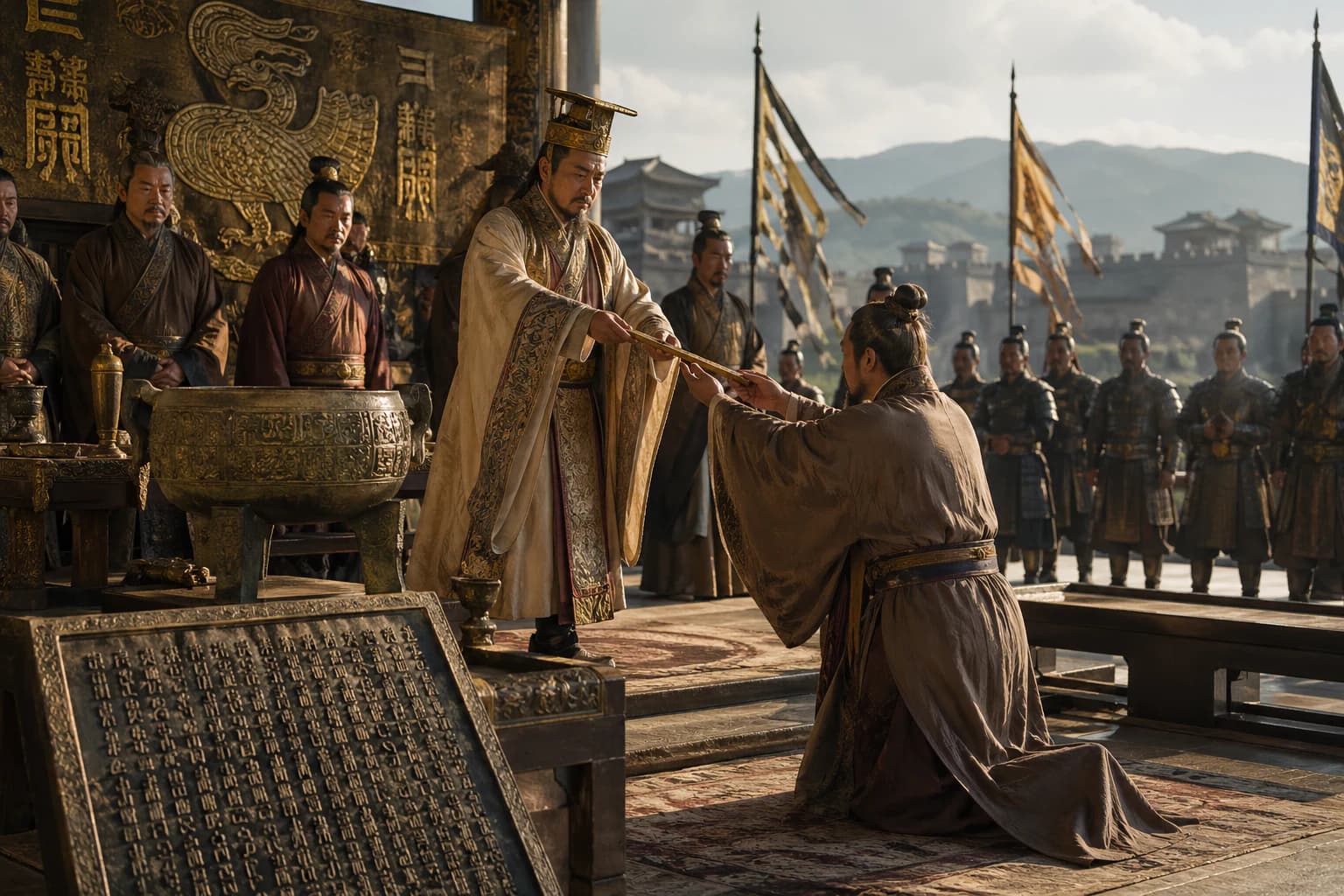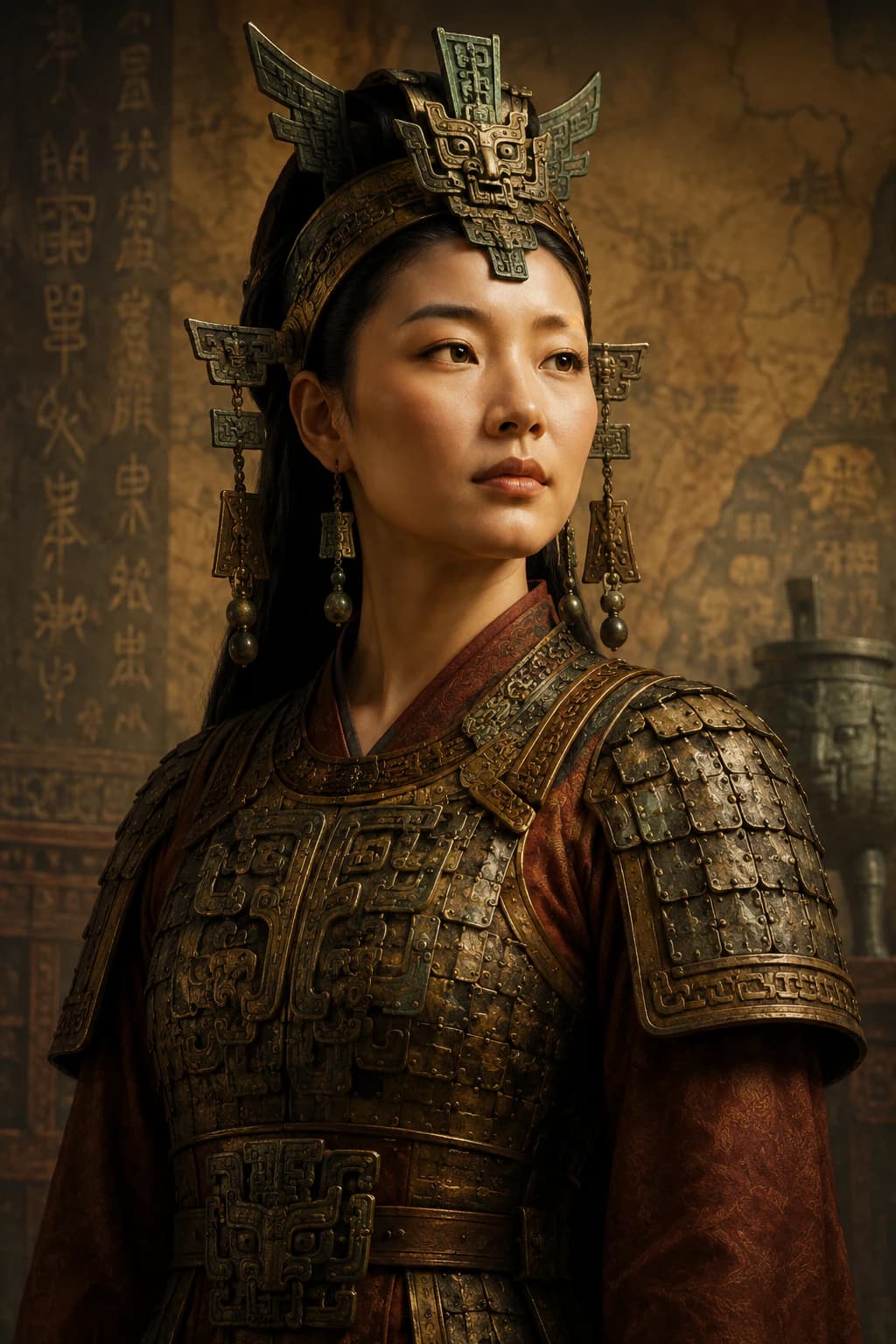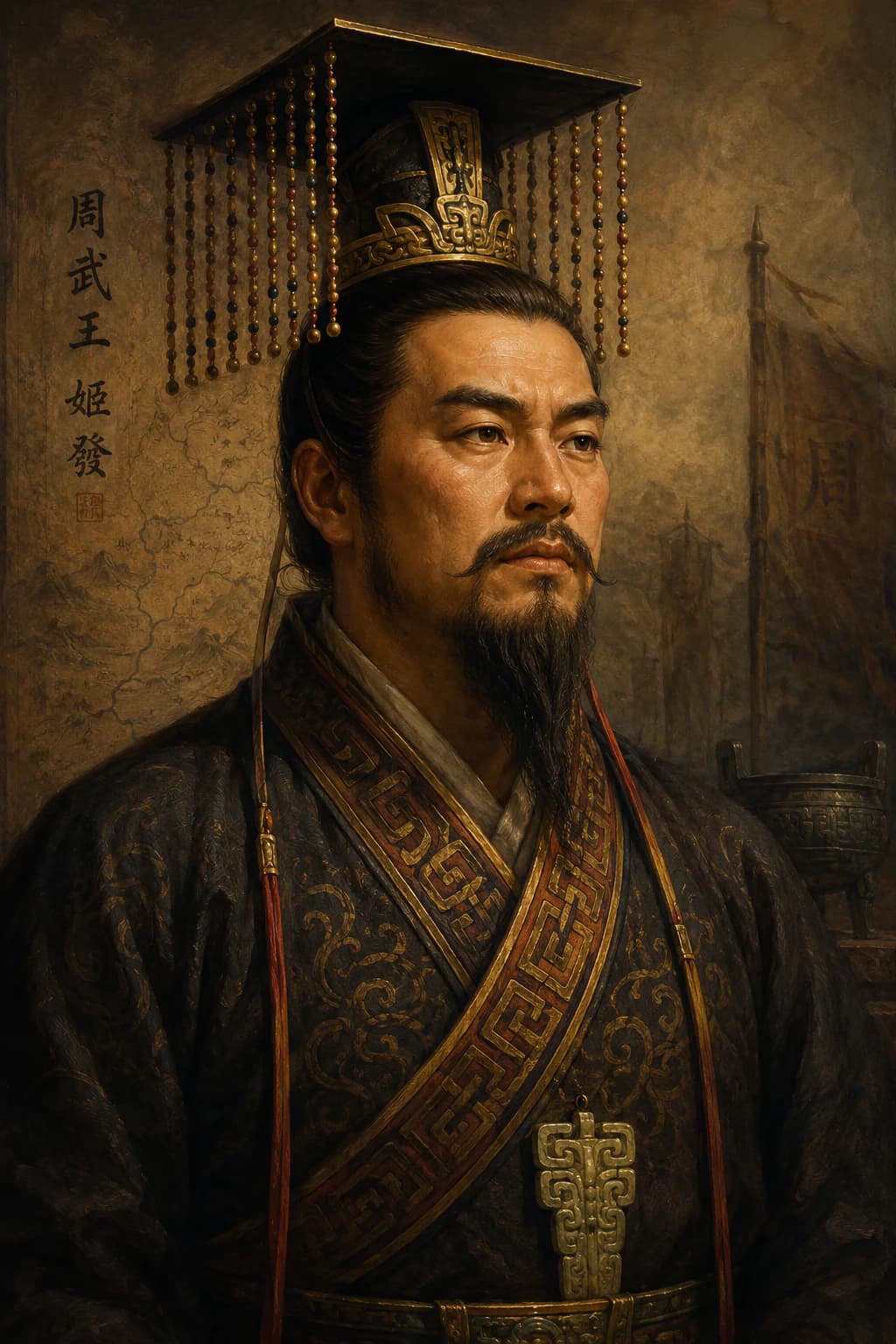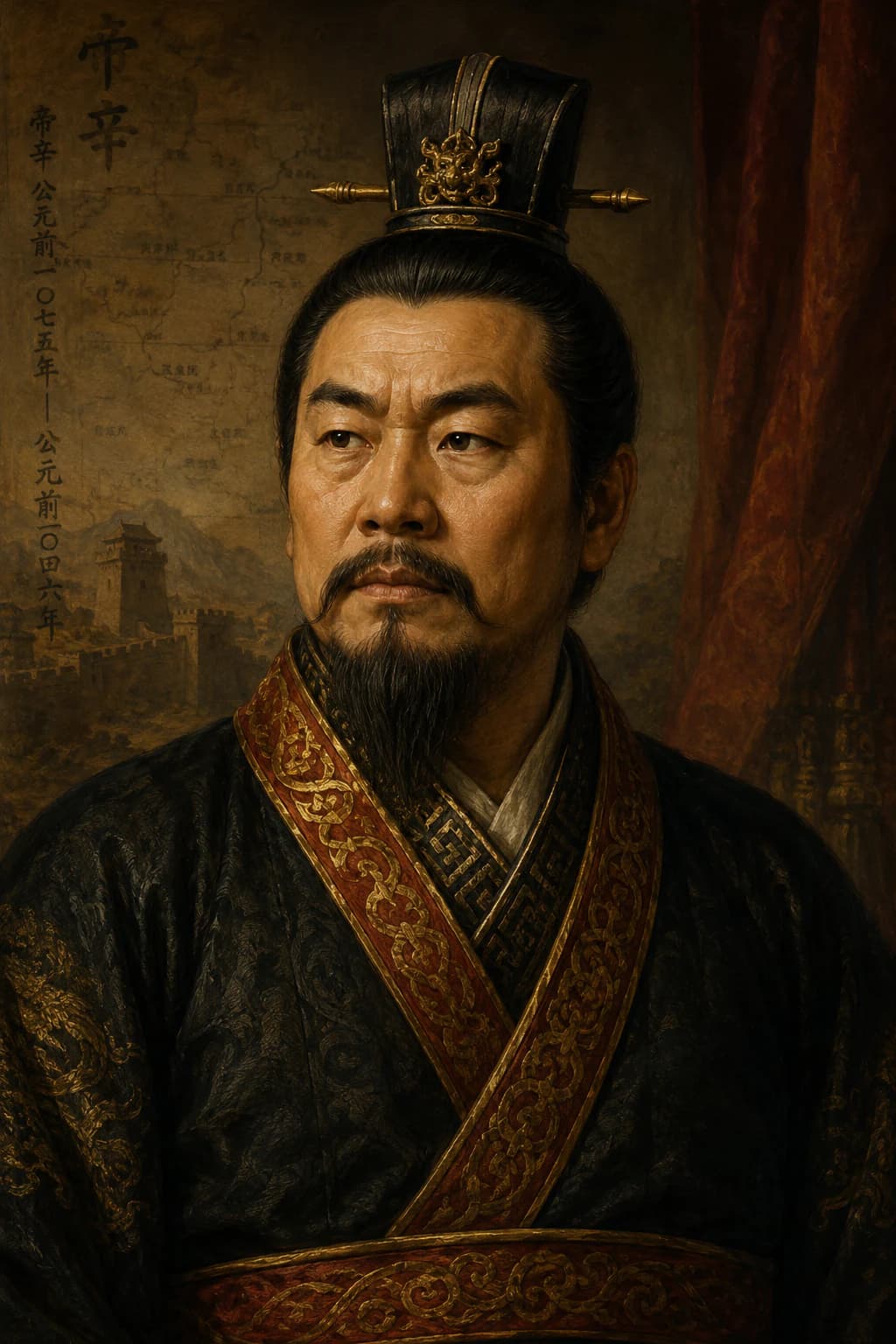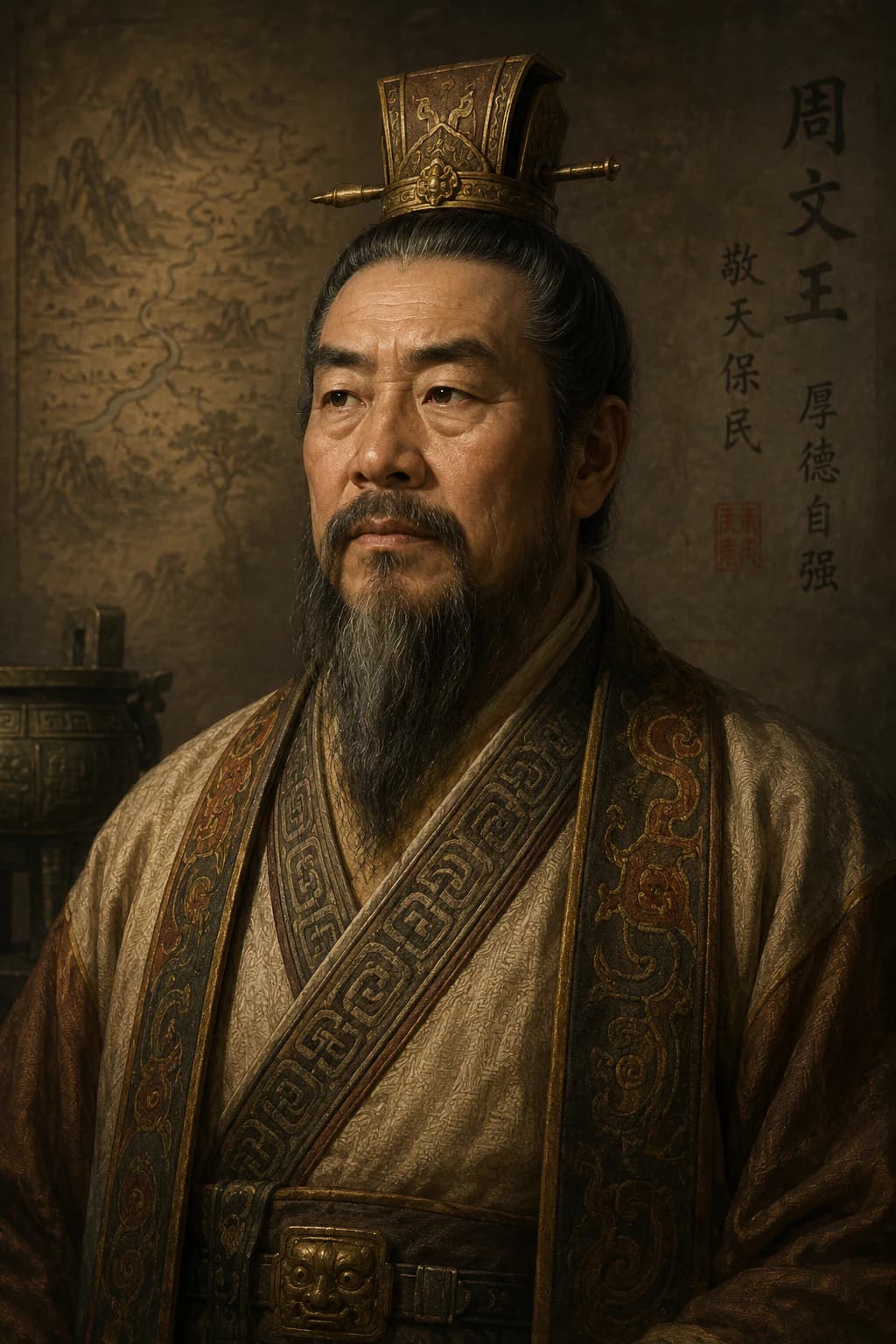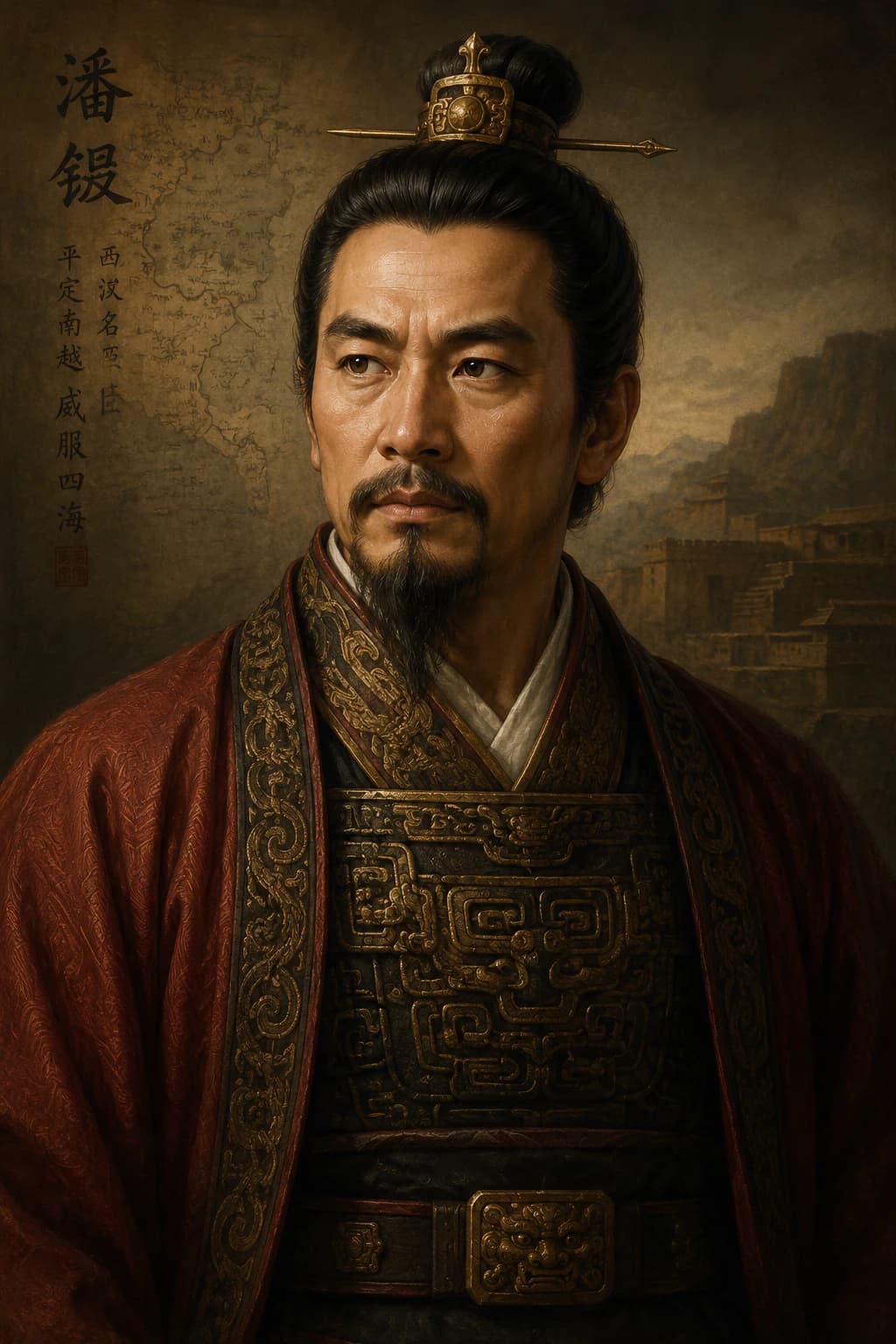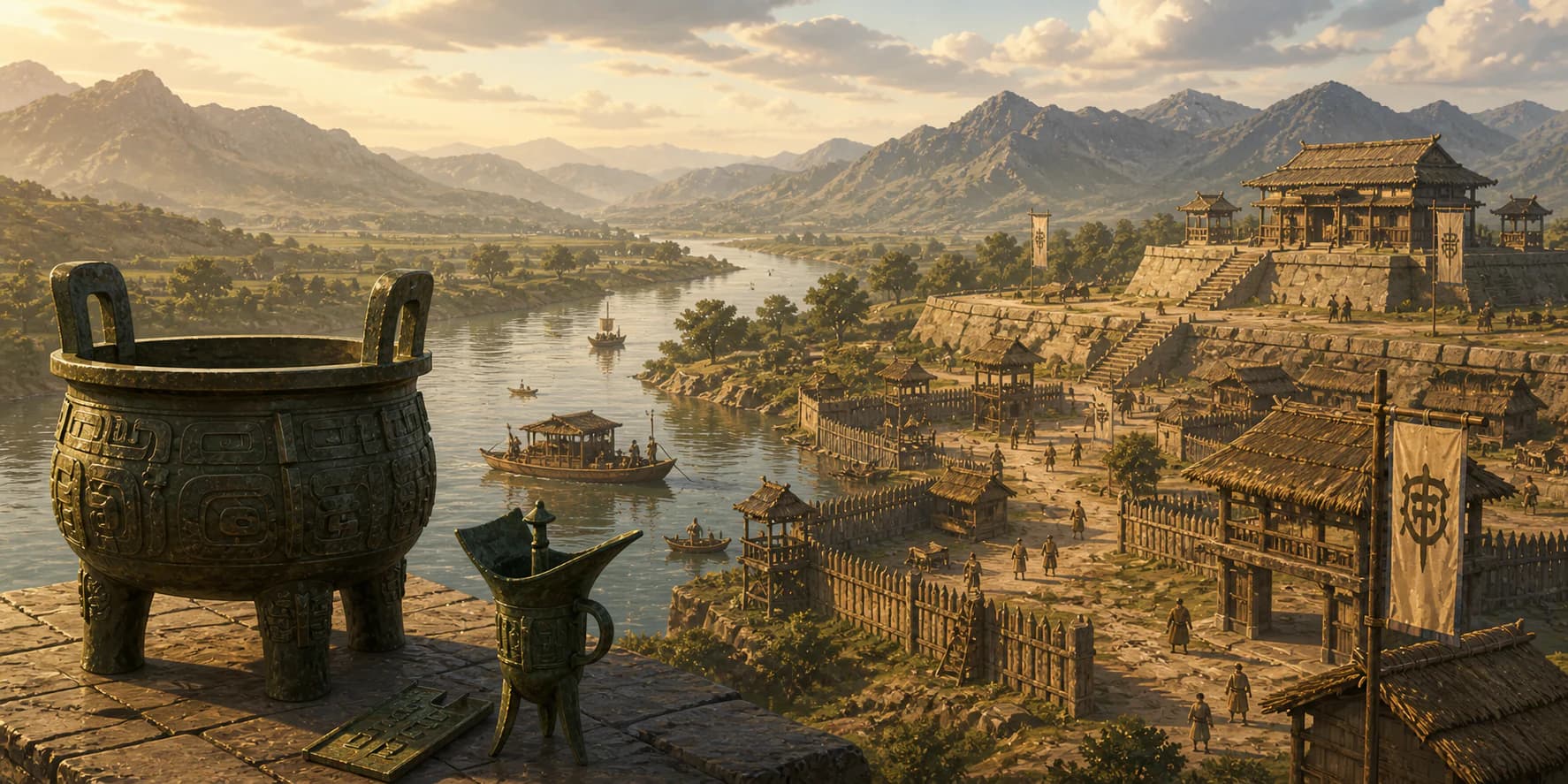
Bronze ritual vessels, oracle bones, and royal temples from the Yellow River civilisations of ancient China.
Free Story

Early China

Follow an ancient China timeline from Yellow River villages to the Shang dynasty, oracle bones, bronze culture, and the Zhou order.

10 chapters

Next
Context

Introduction

Overview

This ancient China timeline traces early China from Yellow River farming communities into powerful dynasties whose writing, bronze culture, ritual traditions, and political ideas shaped Chinese civilisation for millennia. From Neolithic villages to the Shang and Zhou dynasties, early Chinese society developed kingship, ancestor worship, oracle bone writing, and the Mandate of Heaven. These foundations gave later China a durable framework for state power, cultural identity, and historical memory.

What you'll learn: You will follow how Yellow River farming villages became China's first states, how bronze and writing expressed royal power, and how the political doctrines created in this period shaped Chinese civilisation for thousands of years.

Key forces

The Yellow River Foundations
5000 BCE
Step 1 of 105000 BCEAccessible mode

The Yellow River Foundations

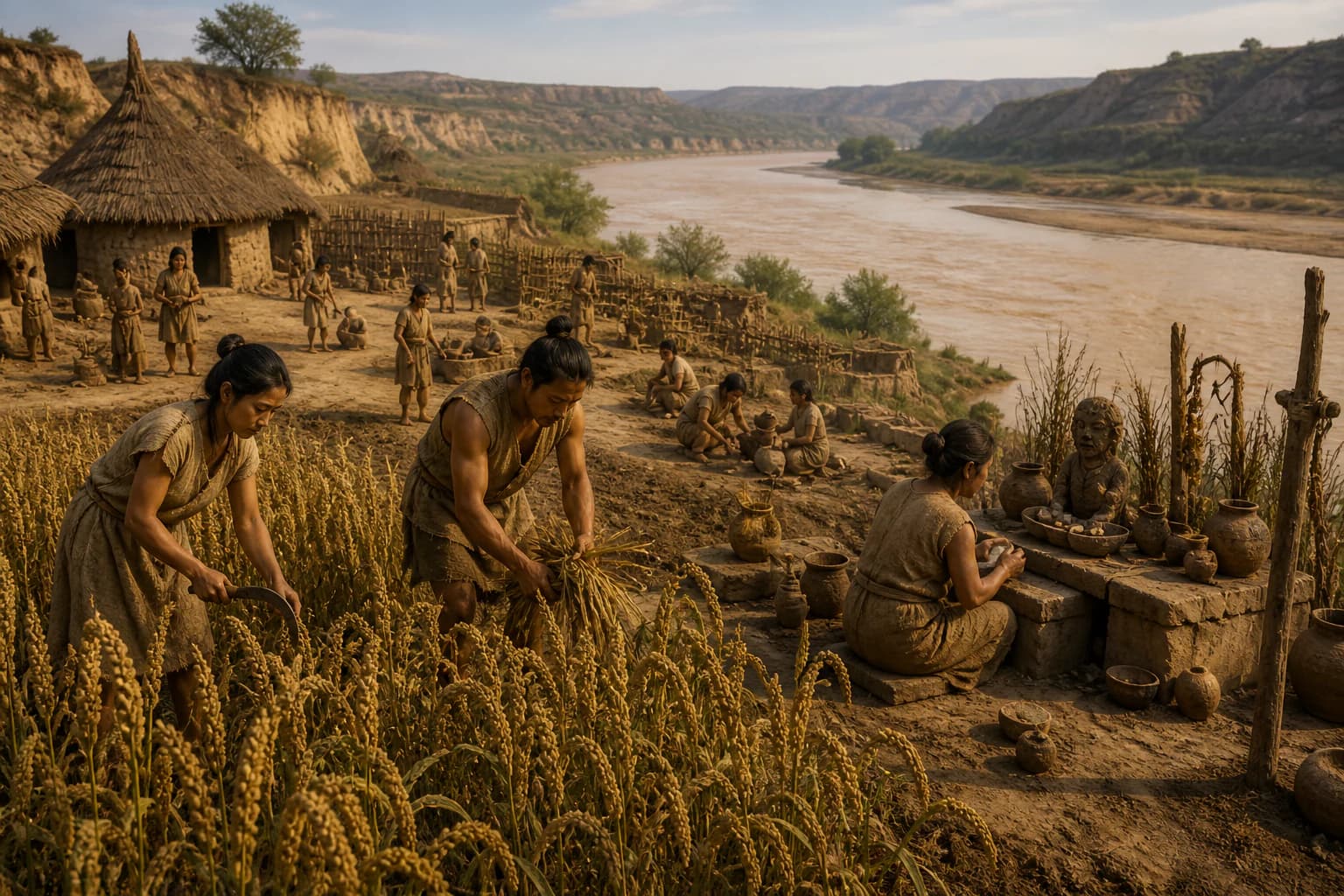
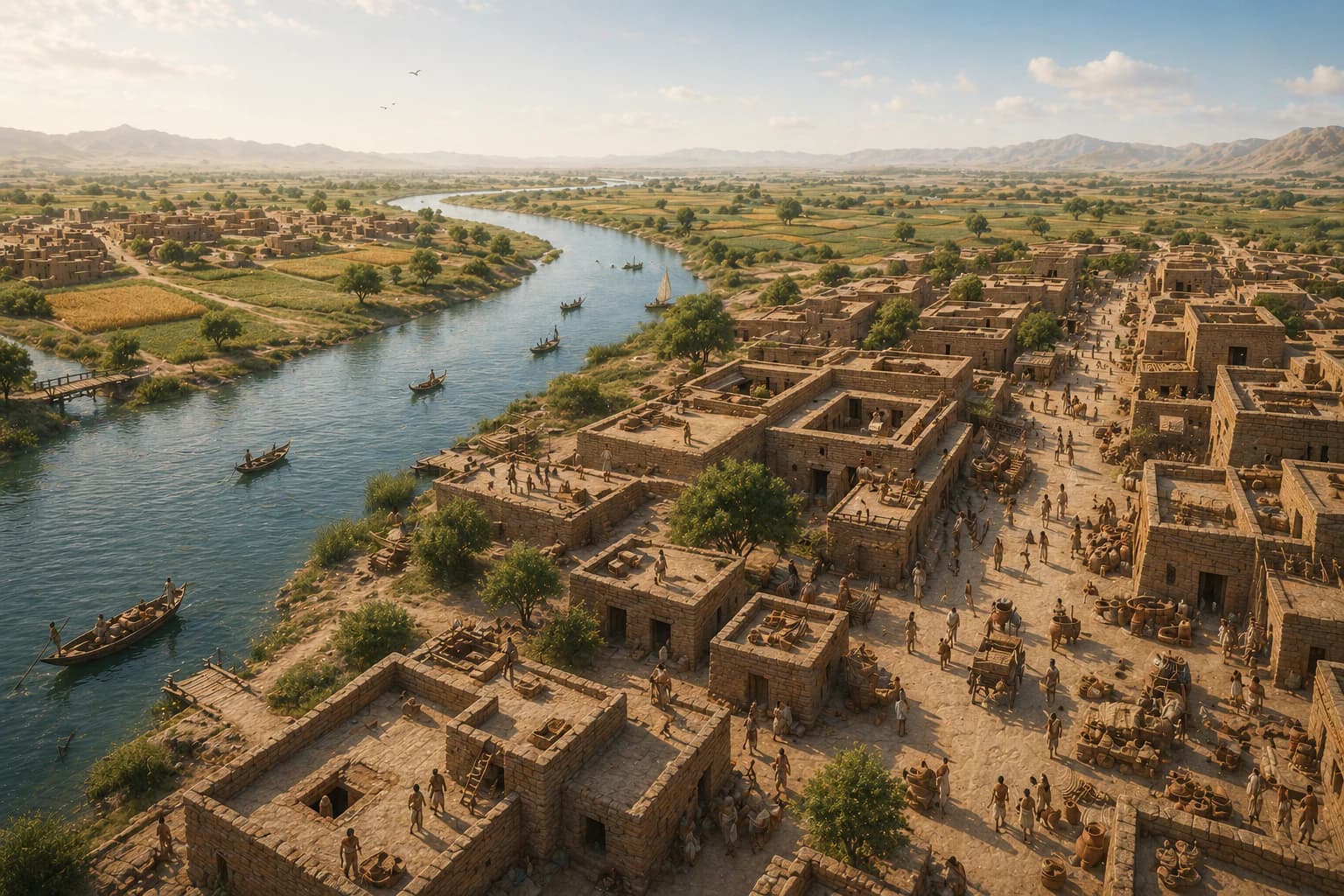
Around 5000 BCE, settled farming communities along the Yellow River laid the earliest foundations of what would become Chinese civilisation.

The river flooded seasonally and left rich silt on its banks. This allowed communities to grow millet, one of the world's earliest cultivated crops, in a challenging but rewarding landscape.

Villages were not large or complex. But they were permanent, and permanence mattered. People invested in their land, their houses, and the graves of those who came before them.

Ancestor practices appeared early. The dead were buried with care, and later rituals suggested that communities believed ancestors could influence harvests and fortune. This idea would shape Chinese religion for thousands of years.

Farming along a concentrated river valley also created conditions for leadership. Managing shared water, storing grain, and resolving disputes all rewarded organised authority.

These quiet Neolithic villages are where China begins. Their patterns of farming, ancestor reverence, and collective organisation fed directly into the first complex states.

The Rise of Longshan Culture
2600 BCE
Step 2 of 102600 BCEAccessible mode

The Rise of Longshan Culture

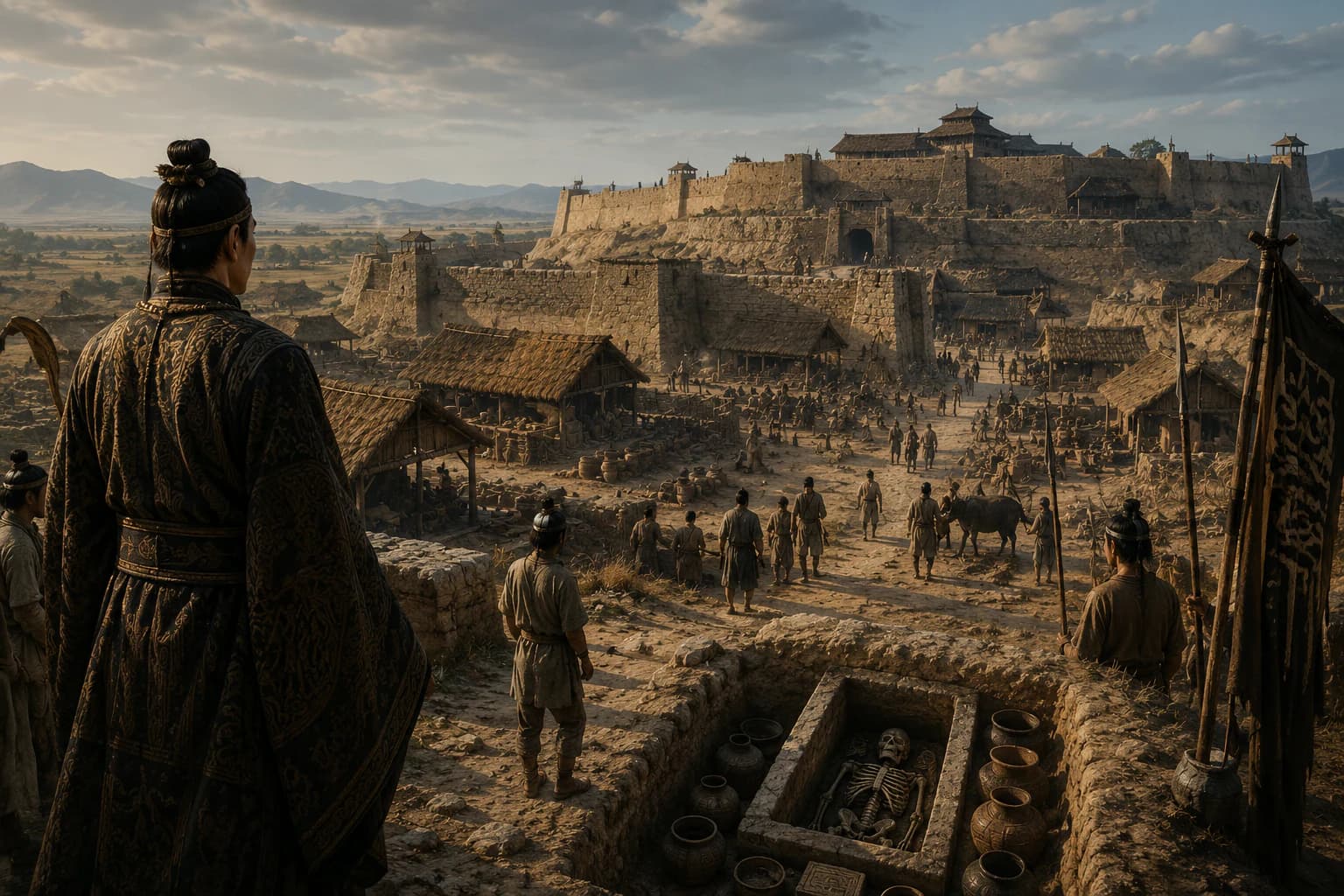
By around 2600 BCE, Chinese Neolithic societies were becoming more complex. Settlements grew larger, some communities built walls, and differences in wealth and status became more visible.

This phase is called Longshan culture. It spread across much of northern China, connecting communities that shared pottery styles, ritual practices, and patterns of social organisation.

Walled settlements appeared for the first time. Building walls required organised labour and planning, and their presence meant that some communities now had enough to defend.

Elite burials contained jade objects, weapons, and fine ceramics. These graves show that some individuals held more power and resources than others. Inequality was becoming embedded in society.

Craft specialisation grew. Some people produced pottery, jade tools, or specialist goods. Others grew food. This division of labour is a marker of more complex social life.

Longshan culture shows China moving toward state formation. The conditions for kings, armies, and dynasties were steadily taking shape.

Erlitou and the First State
1900 BCE
Step 3 of 101900 BCEAccessible mode

Erlitou and the First State

Around 1900 BCE, a major centre emerged at a place now called in the Yellow River lowlands. It was the first genuinely urban and political centre in Chinese history.

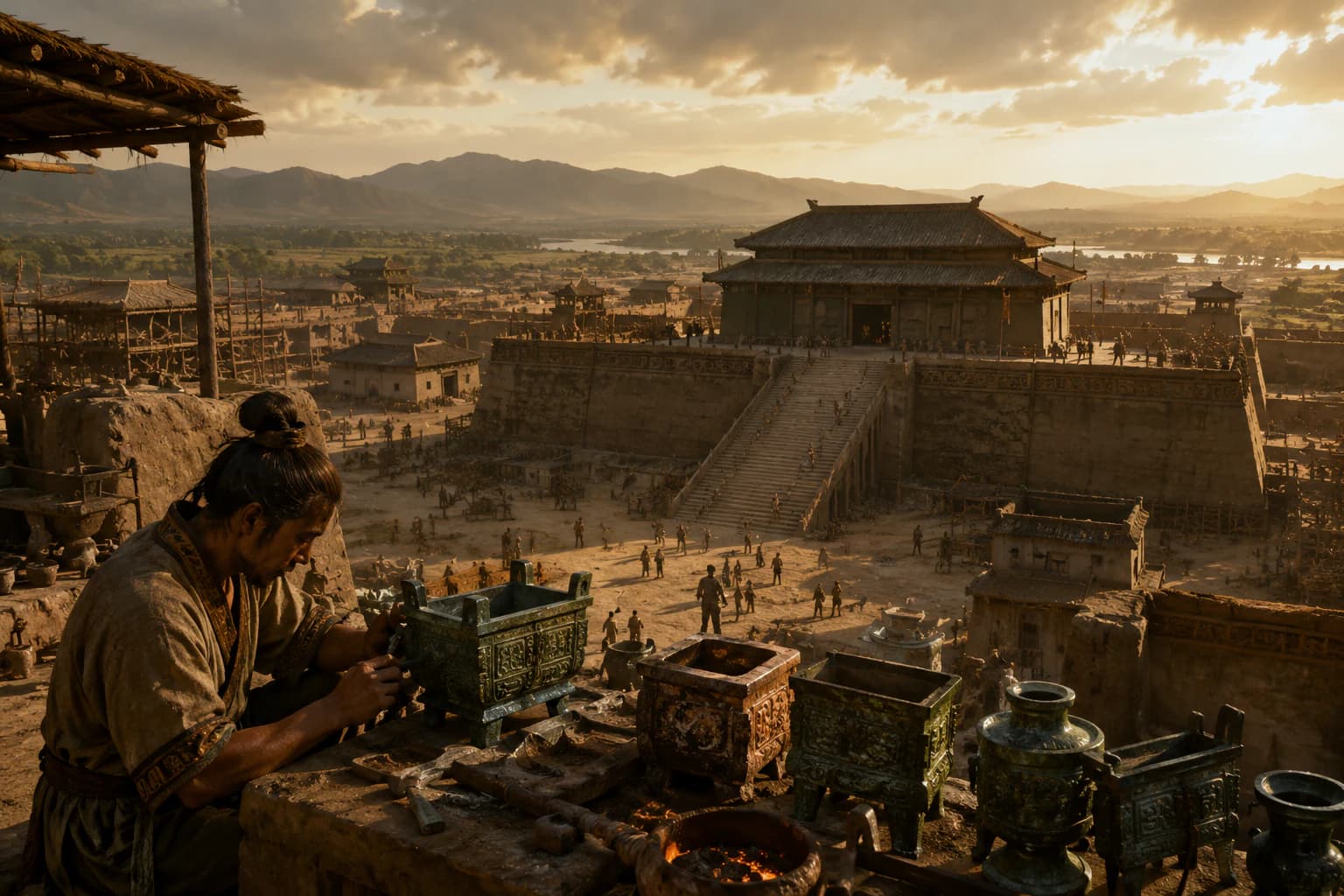
had palatial buildings with large courtyards and raised platforms. These were not just houses. They were expressions of power and ceremony, built to make authority visible.

Bronze production began here. Casting bronze required controlling mines, skilled craftsmen, and organised workshops. Whoever held that control had both military and ritual advantages over rivals.

extended its influence over a wide region, controlling trade routes and extracting resources from surrounding areas. This is what distinguishes a state from a village: organised, territorial authority.

Chinese historians later remembered the Xia dynasty as the first ruling house before the Shang. Many scholars associate with this memory, though direct written proof remains debated.

shows that China's path to statehood was not borrowed from elsewhere. It grew from its own Neolithic foundations into something new, shaped by local conditions and local ambition.

The Shang Conquest
1600 BCE
Step 4 of 101600 BCEAccessible mode

The Shang Conquest

Around 1600 BCE, a ruling power called the Shang rose to dominance across the central plains. They established the first clearly documented dynasty in Chinese history.

The Shang were not outsiders. They emerged from within the same cultural world as their predecessors. What changed was the concentration of military and political power in their hands.

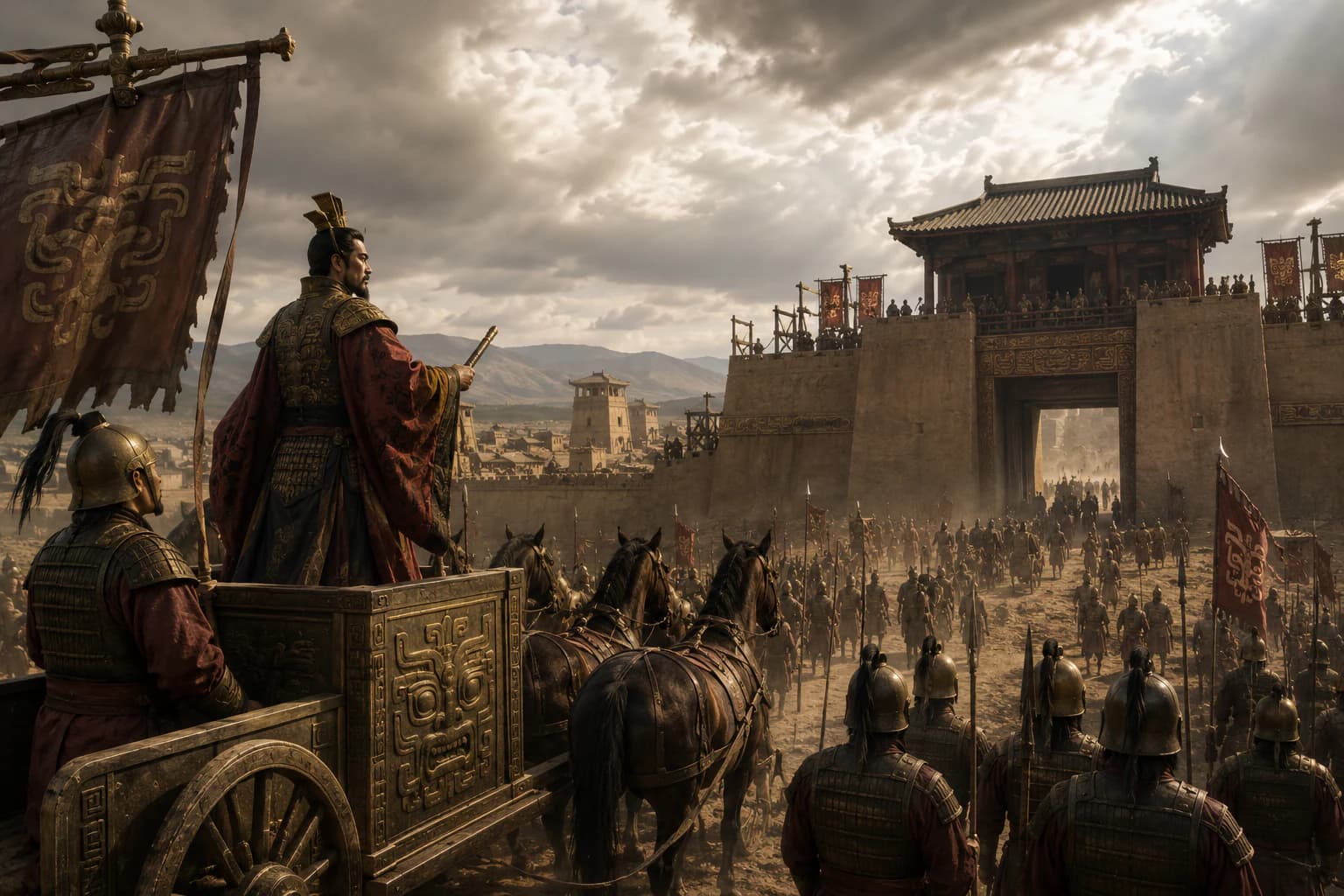
Shang kings ruled by controlling bronze weapons, commanding armies, and directing ritual ceremonies that tied religion to royal authority. Those who could not be coerced were drawn in through gifts and shared ceremonies.

The Shang extended their control across a large area of the central plains and beyond. They extracted tribute from subordinate communities and fought regular wars against neighbours on their frontiers.

This was dynasty-based state power: not just a strong leader, but a ruling family that expected authority to pass from one generation to the next.

The Shang created one of the world's first clearly recorded state systems. Their methods of control, royal ceremony, and resource extraction set patterns that influenced Chinese governance for centuries.

Bronze Power at Anyang
1300 BCE
Step 5 of 101300 BCEAccessible mode

Bronze Power at Anyang

By around 1300 BCE, the Shang had established their great capital at . It was the most powerful city in the Chinese world and a centre of bronze craft, royal ceremony, and military strength.

was not just a city. It was a statement. The king's palace, royal tombs, and bronze workshops were concentrated there, making it the political and ritual heart of the Shang state.

Bronze vessels produced at were objects of tremendous power. They were used in ceremonies honouring ancestors and gods. Owning them signalled status; making them required the king's control.

Royal tombs at were enormous. They contained bronze vessels, jade, weapons, and chariots — and the bodies of sacrificed humans and animals. The scale of royal burial showed the power kings held over life itself.

Chariots appeared in China at this time, likely through contacts with Inner Asian cultures. They gave the Shang military a decisive advantage in open warfare.

shows a mature state at its height: organised, ritually sophisticated, and militarily capable. Everything there pointed toward the king as the centre of both the human and spirit worlds.

Oracle Bones and Royal Divination
1250 BCE
Step 6 of 101250 BCEAccessible mode

Oracle Bones and Royal Divination

Around 1250 BCE, Shang kings were using animal bones and turtle shells to communicate with their ancestors. The questions and answers were written down. This is the earliest surviving Chinese writing.

The process was called divination. Heat was applied to a bone or shell until it cracked. The king or a specialist priest would interpret the crack as an answer from the ancestor world.

Questions covered everything: Would the harvest be good? Should the king go to war? Was an ancestor causing illness? The answers shaped royal decisions.

After divination, scribes carved the question and sometimes the outcome into the bone. These inscriptions are the earliest known examples of Chinese writing, and the script used is recognisably related to modern Chinese characters.

Oracle bone records reveal the structure of Shang government and belief. They show a king deeply involved in ritual, making decisions through supernatural consultation, and governing a court of specialists, soldiers, and officials.

Writing changed what government could do. Records could be kept, decisions documented, and information shared between officials. China's written tradition begins here, in royal religious ceremony.

The Zhou Overthrow the Shang
1046 BCE
Step 7 of 101046 BCEAccessible mode

The Zhou Overthrow the Shang

In 1046 BCE, a western state called Zhou defeated the Shang at the Battle of Muye. The Shang dynasty fell, and a new ruling power took control of the central plains.

The Zhou had grown strong on the western frontier. Their leader, King Wu, built alliances with groups who resented Shang power and tribute demands.

The last Shang king, Di Xin, was later remembered as a tyrant who neglected ritual duties and oppressed his people. This reputation was shaped partly by Zhou propaganda designed to justify the conquest.

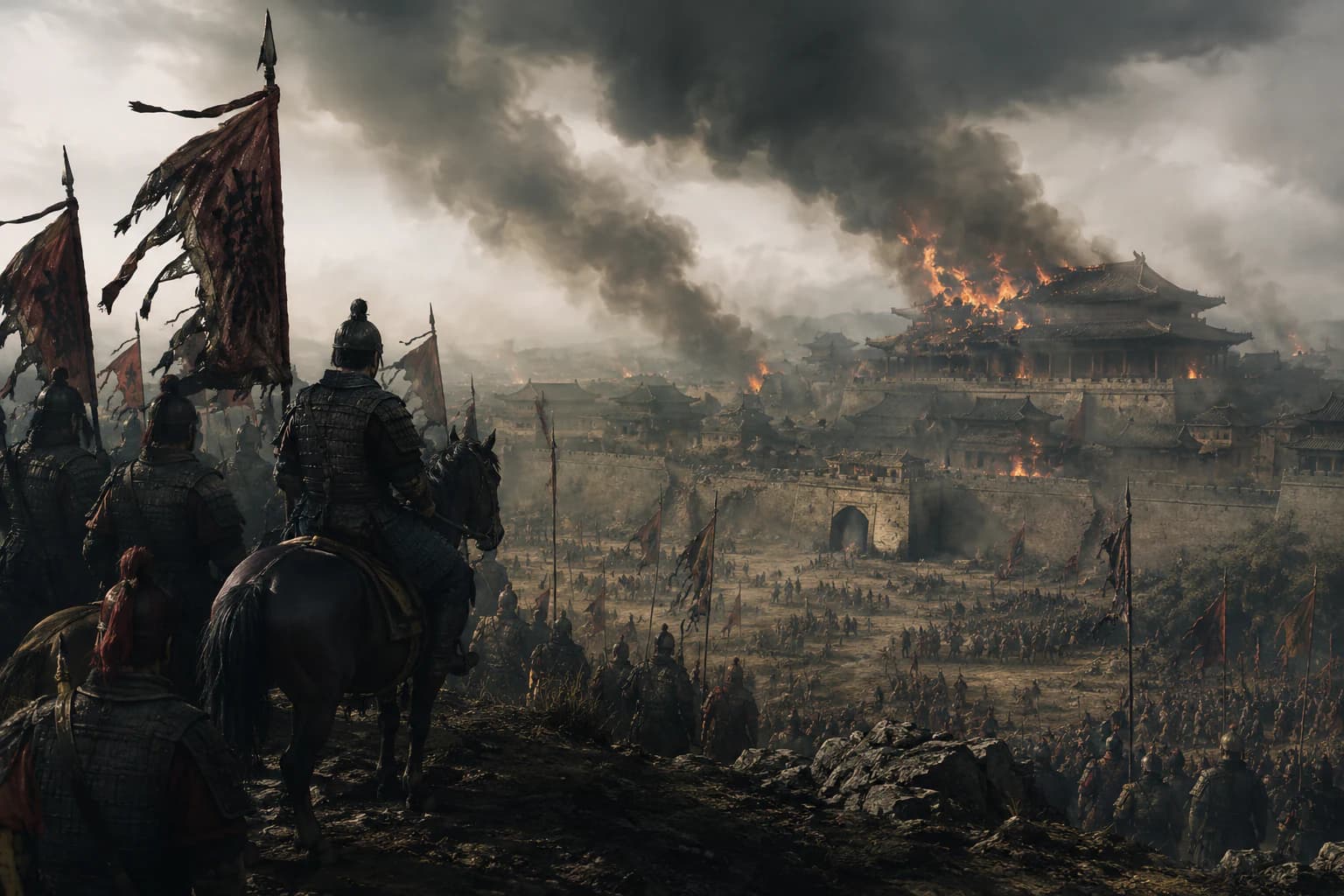
At Muye, the Shang forces broke. Di Xin reportedly set fire to his palace and died within it. The Shang capital fell to the Zhou.

The Zhou did not reject Shang culture. They took it over. They kept bronze ceremonialism, ancestor rites, and royal administration. What changed was who held the top position.

The Zhou conquest introduced a new idea for why rulers deserved power. Heaven, they claimed, had chosen them. This was more than propaganda. It became a lasting principle of Chinese politics.

The Mandate of Heaven
1045 BCE
Step 8 of 101045 BCEAccessible mode

The Mandate of Heaven

After the conquest, the Zhou needed to explain why they deserved to rule. Their answer became one of the most important ideas in Chinese political history: the Mandate of Heaven.

Heaven, they said, chose rulers. But it chose moral ones. A king who ruled wisely, performed the right rituals, and cared for the people held Heaven's backing.

If a king became cruel, corrupt, or negligent, Heaven would withdraw its support. Signs of withdrawal included floods, famines, and military defeat. Then a more deserving ruler would rise.

This idea worked in two directions. It explained why the Zhou had overthrown the Shang: Heaven had judged the Shang unworthy. It also held the Zhou themselves accountable to a standard of good rule.

The Mandate was not fixed on one family. Any ruler could hold it if they governed well. Any ruler could lose it if they did not.

This framework lasted as a core principle of Chinese political thought for more than two thousand years. It gave rebellions a moral vocabulary and gave dynasties a script for justifying their rise.

The Western Zhou Order
1000 BCE
Step 9 of 101000 BCEAccessible mode

The Western Zhou Order

After the conquest, the Zhou could not personally govern all the territory they had won. They solved this by granting land and authority to relatives and allies. This system shaped Chinese politics for centuries.

Zhou kings gave territories to trusted relatives, loyal followers, and former Shang lords who had submitted. These grantees were expected to defend their land, perform the right rituals, and send tribute to the king.

This was not feudalism in the European sense, but it shared a similar logic: central power delegated to regional lords who acknowledged royal authority through ceremony and material tribute.

Bronze inscriptions recorded these grants in detail. Vessels made to commemorate a royal award became proof of legitimacy. In early China, bronze was both political and documentary at the same time.

The system worked as long as lords remained loyal and the royal house stayed strong. But delegated authority tends to grow more independent over time.

The Western Zhou order created the building blocks of Chinese political culture: ritual hierarchy, kinship-based authority, and the idea that rule required both military force and ceremonial legitimacy.

The Fracturing of Royal Power
771 BCE
Step 10 of 10771 BCEAccessible mode

The Fracturing of Royal Power

In 771 BCE, nomadic invaders attacked the Western Zhou capital. The king died. The dynasty did not end, but royal power was never the same again.

The Zhou court fled east to a new capital near modern . Historians call everything after this the Eastern Zhou period. The Western Zhou was over.

The Zhou kings kept their ritual role. They still performed the ceremonies that legitimated Chinese kingship. But they no longer commanded the military or economic power they once had.

Regional lords, who had been growing in strength for generations, now filled the power gap. They raised their own armies, collected their own taxes, and made their own alliances.

This fragmentation was not immediate collapse. Chinese culture, writing, ritual, and the idea of a shared political order all continued. But the centre could no longer hold.

The fall of Western Zhou shows how the system that built China's first great order also created the conditions for its fracture.

What followed produced China's greatest philosophical traditions, as thinkers sought to understand what had gone wrong and how proper order could be restored.

Continue reading

Finished Early China?

Choose the next story, explore the people behind this one, or trace the line of power that shaped this world.

Browse stories

References

Sources & Further Reading

Reliable sources, primary-source collections and reading paths connected to this page.

Sources used

  1. The Metropolitan Museum of Art, Shang and Zhou Dynasties,” Open source
  2. National Museum of Asian Art, Chinese Art,” Open source

Further reading

  1. Li Feng, Early China: A Social and Cultural History, Cambridge University Press.

Primary sources

  1. Chinese Text Project, Pre-Qin and Han texts,” Open source

A weekly route through history

Find out first about the latest published stories, feature notes and occasional Premium offers in one weekly email.