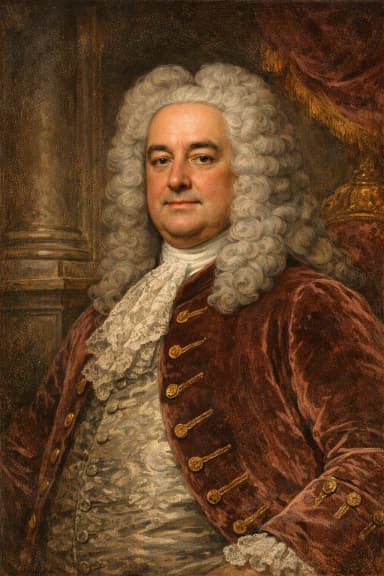
PRIME MINISTER 1
Sir Robert Walpole
1721–1742 · Whig
Generally regarded as Britain’s first prime minister, Walpole dominated early Georgian politics and brought long-lasting stability after financial crisis.
View full profileLineage
Explore all British prime ministers in chronological order, from Sir Robert Walpole in 1721 to the present day.
This timeline shows every premiership, including repeat terms, with party affiliation, key dates, and concise summaries. Switch between a visual timeline and a structured party view to understand how leadership in Britain has evolved over time.
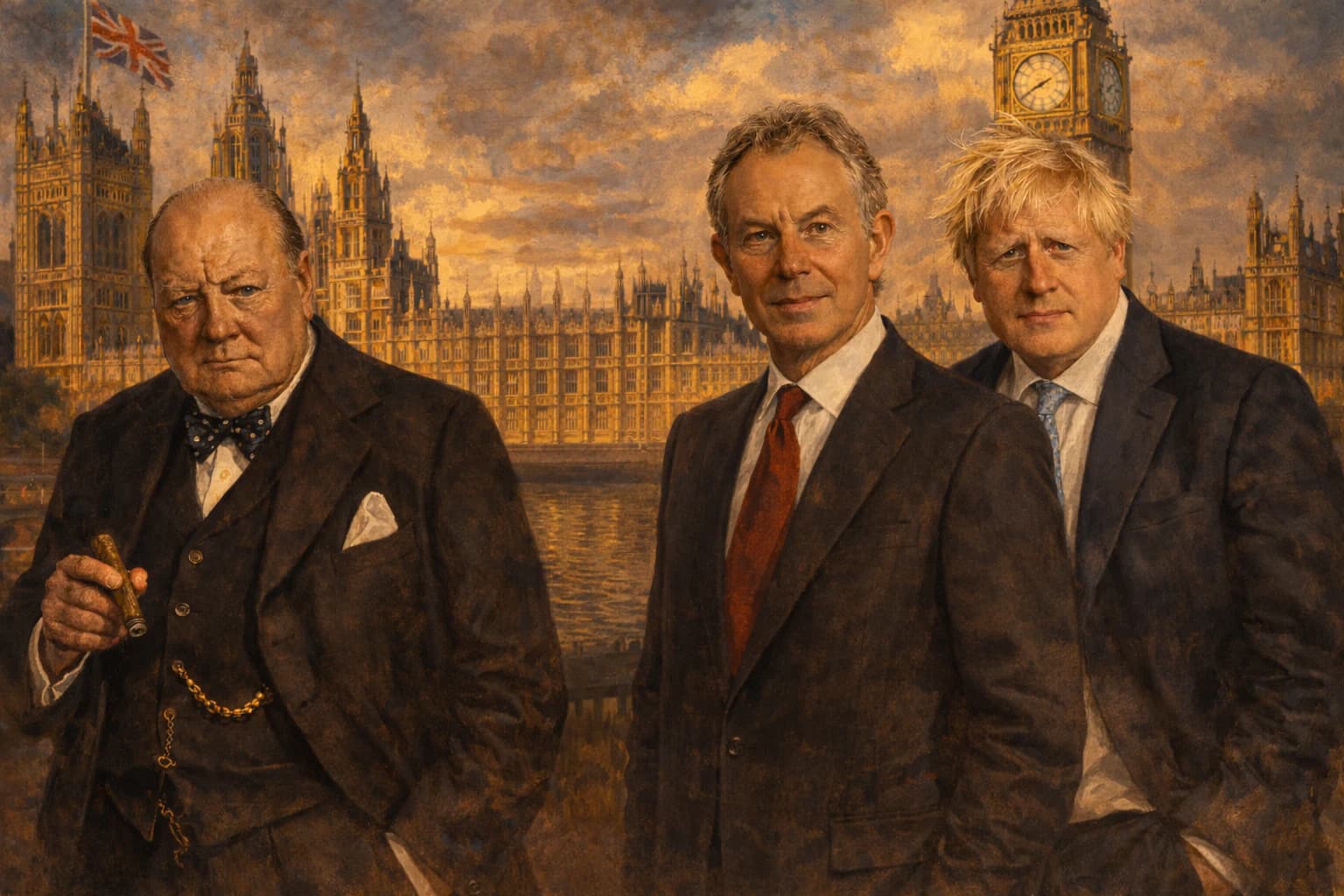
The role of prime minister was not formally defined at first. Sir Robert Walpole is generally considered the first holder of the office, though the position evolved gradually from senior ministers advising the monarch.
Over time, power shifted from the Crown to Parliament, and the prime minister became the central figure in British government. The rise of organised political parties, electoral reform in the nineteenth century, and the expansion of democracy all reshaped the office into its modern form.
This page lists every premiership in order, including multiple terms served by the same individual, to give a complete picture of political leadership in Britain.
PRIME MINISTER 1
1721–1742 · Whig
Generally regarded as Britain’s first prime minister, Walpole dominated early Georgian politics and brought long-lasting stability after financial crisis.
View full profile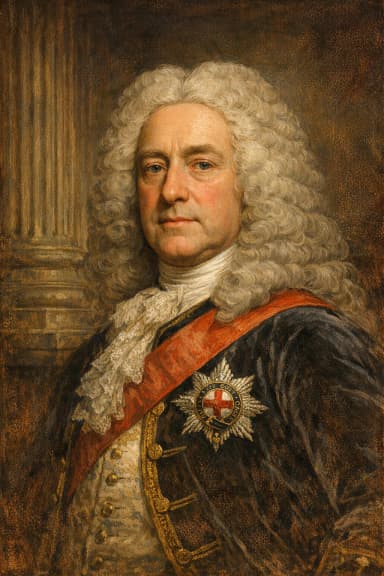
PRIME MINISTER 2
1742–1743 · Whig
The Earl of Wilmington succeeded Walpole, but his short premiership was limited by ill health and stronger figures around him.
View full profile
PRIME MINISTER 3
1743–1754 · Whig
Pelham presided over a relatively stable period, managing war finance and preserving a broad governing coalition.
View full profile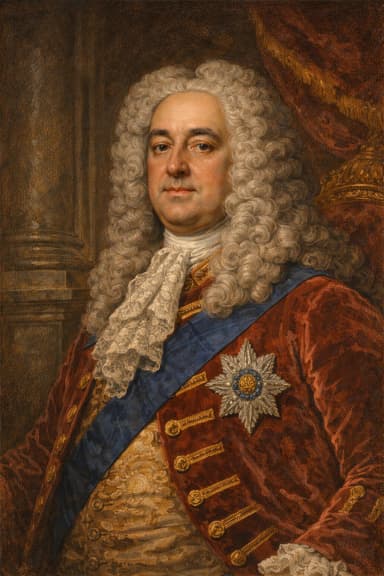
PRIME MINISTER 4
1754–1756 · Whig
Newcastle inherited office in a period of mounting imperial rivalry, but his first ministry struggled as global war loomed.
View full profile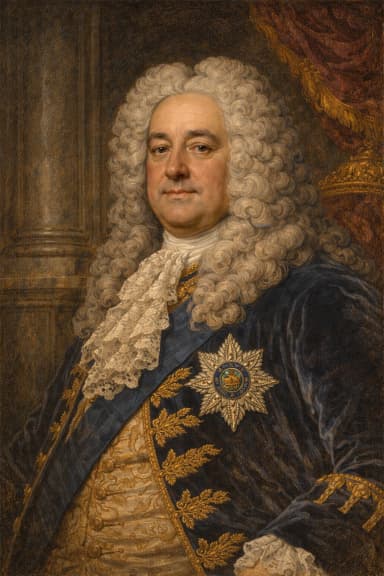
PRIME MINISTER 5
1756–1757 · Whig
Devonshire headed a brief wartime ministry that depended heavily on the energy and popularity of William Pitt the Elder.
View full profilePRIME MINISTER 6
1757–1762 · Whig
In his second spell, Newcastle governed alongside Pitt during the Seven Years’ War, when Britain expanded its global position.
View full profile
PRIME MINISTER 7
1762–1763 · Tory
Bute was closely associated with George III and made peace with France, but his ministry quickly became unpopular.
View full profile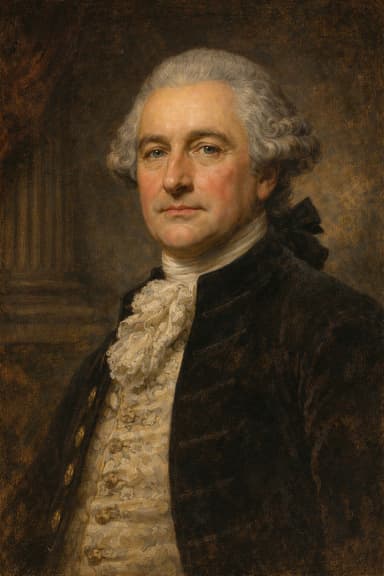
PRIME MINISTER 8
1763–1765 · Whig
Grenville tightened imperial administration after war, including new taxation in America that sharpened colonial anger.
View full profile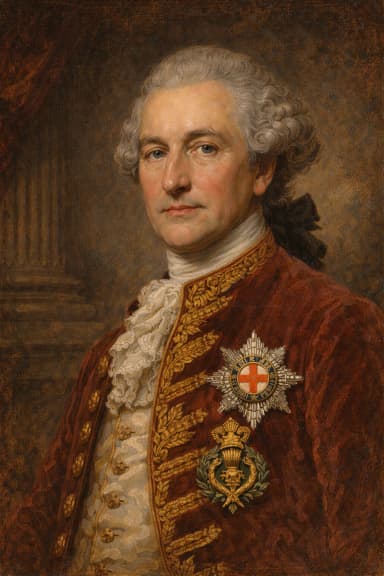
PRIME MINISTER 9
1765–1766 · Whig
Rockingham repealed the Stamp Act but struggled to build a durable ministry in a fragmented political system.
View full profile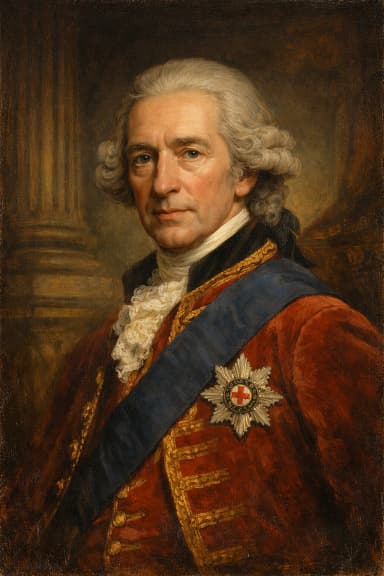
PRIME MINISTER 10
1766–1768 · Whig
William Pitt the Elder entered office with immense prestige, but illness and division weakened his ministry.
View full profile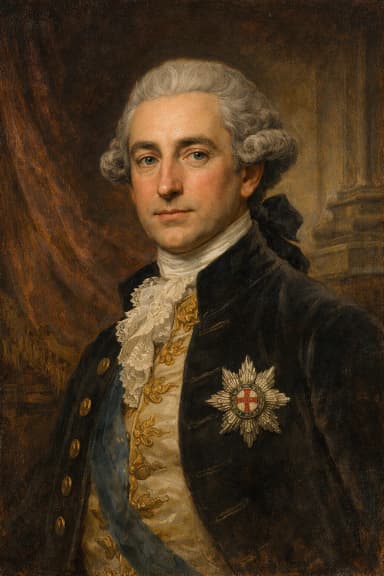
PRIME MINISTER 11
1768–1770 · Whig
Grafton presided over growing unrest in Britain’s American colonies and persistent instability in parliament.
View full profile
PRIME MINISTER 12
1770–1782 · Tory
North led Britain through most of the American War of Independence and fell after defeat reshaped imperial politics.
View full profilePRIME MINISTER 13
1782 · Whig
Rockingham returned during crisis after Yorktown, but his second ministry ended quickly with his death in office.
View full profile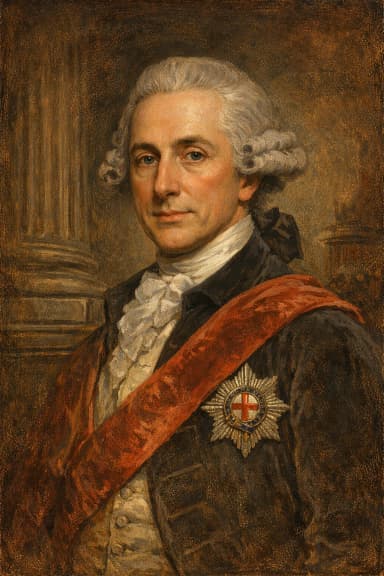
PRIME MINISTER 14
1782–1783 · Whig
Shelburne negotiated the peace that recognised American independence, though his government lacked broad support.
View full profile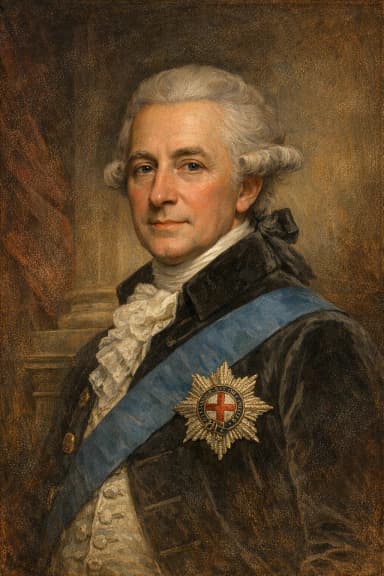
PRIME MINISTER 15
1783 · Whig Coalition
Portland’s first ministry was a coalition of convenience and was swiftly dismissed by George III.
View full profile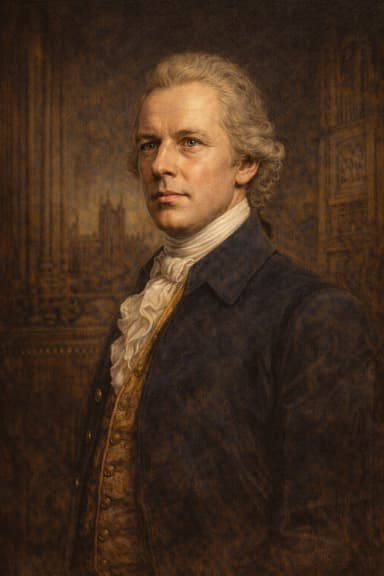
PRIME MINISTER 16
1783–1801 · Tory
Pitt reshaped finance and executive government, and led Britain into the upheavals of the French Revolutionary era.
View full profile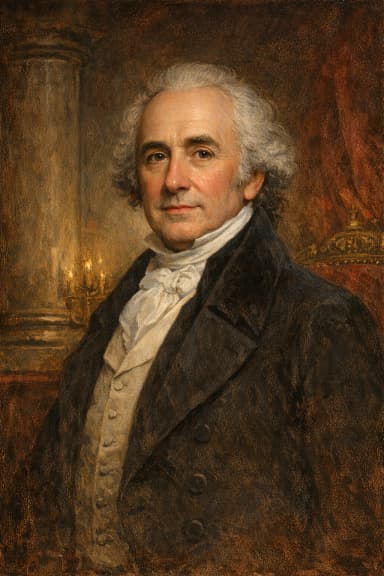
PRIME MINISTER 17
1801–1804 · Tory
Addington governed during a brief peace in the Napoleonic era, but his ministry was overshadowed by renewed war.
View full profilePRIME MINISTER 18
1804–1806 · Tory
Pitt returned as war with France resumed, but died before Britain reached the turning point of the conflict.
View full profile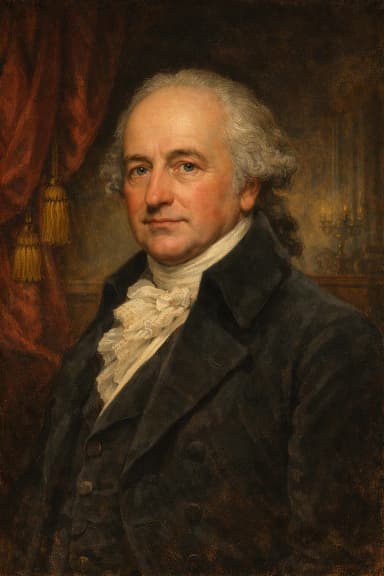
PRIME MINISTER 19
1806–1807 · Whig
Grenville led the Ministry of All the Talents, remembered especially for abolishing the British slave trade.
View full profilePRIME MINISTER 20
1807–1809 · Tory
Portland’s second ministry was marked by wartime strain and internal conflict between leading ministers.
View full profile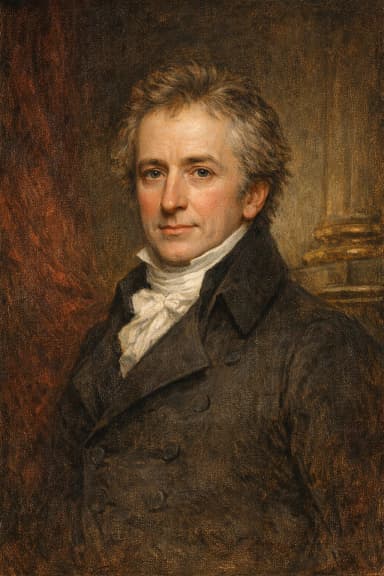
PRIME MINISTER 21
1809–1812 · Tory
Perceval led Britain through the Napoleonic Wars until he was assassinated in the House of Commons lobby.
View full profile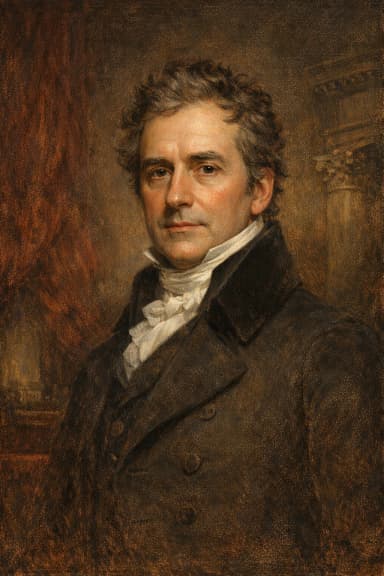
PRIME MINISTER 22
1812–1827 · Tory
Liverpool oversaw victory over Napoleon and then the difficult politics of postwar unrest, reform pressure, and recovery.
View full profile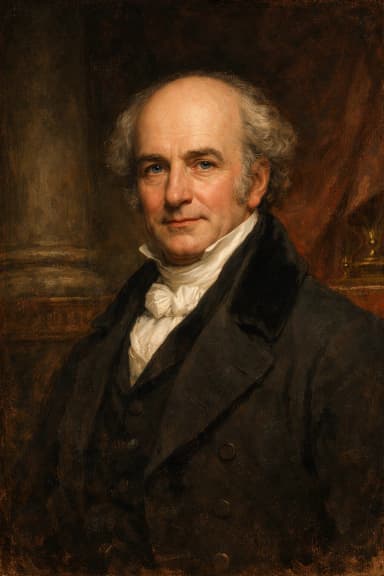
PRIME MINISTER 23
1827 · Tory
Canning’s short premiership revealed the fragmentation of old Tory unity, but his death cut short any broader realignment.
View full profile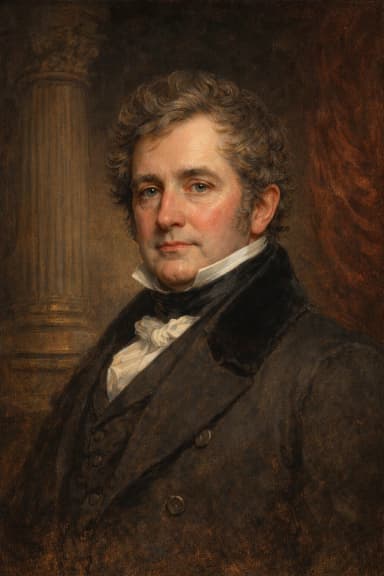
PRIME MINISTER 24
1827–1828 · Tory
Goderich proved unable to hold together a coherent ministry and resigned after only a few months.
View full profile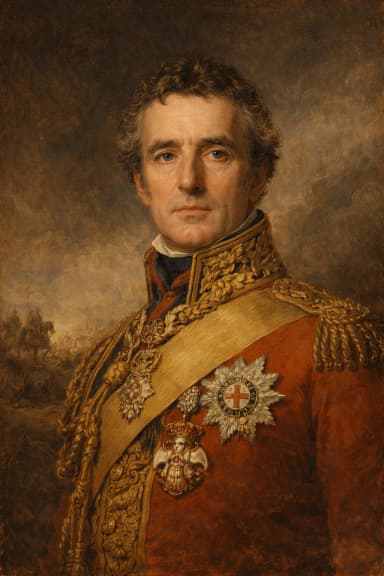
PRIME MINISTER 25
1828–1830 · Tory
The hero of Waterloo passed Catholic Emancipation but struggled with rising pressure for political reform.
View full profile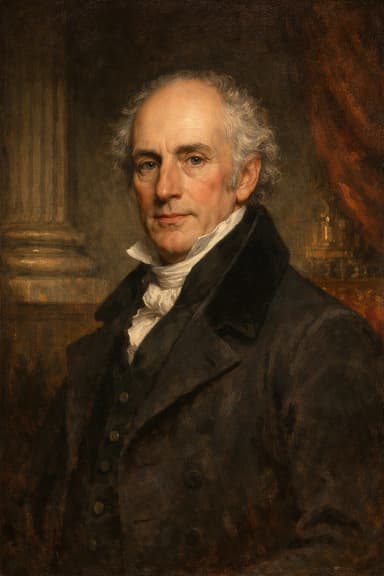
PRIME MINISTER 26
1830–1834 · Whig
Grey’s government passed the Great Reform Act of 1832, a major turning point in British political history.
View full profile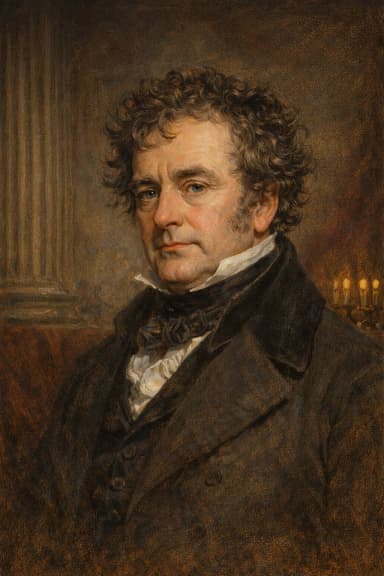
PRIME MINISTER 27
1834 · Whig
Melbourne’s first ministry was brief, though he soon returned as a major political influence in the early Victorian age.
View full profilePRIME MINISTER 28
1834 · Tory
Wellington briefly led a caretaker government before Robert Peel returned to take office.
View full profile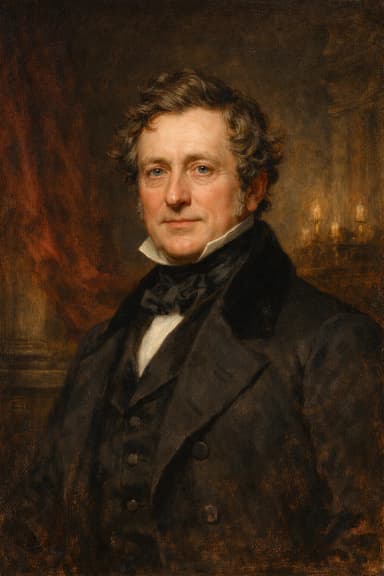
PRIME MINISTER 29
1834–1835 · Conservative
Peel’s first ministry was short, but it helped define the modern Conservative Party and its political outlook.
View full profilePRIME MINISTER 30
1835–1841 · Whig
Melbourne governed through reform-era politics and became closely associated with the early reign of Queen Victoria.
View full profilePRIME MINISTER 31
1841–1846 · Conservative
Peel modernised administration and repealed the Corn Laws, splitting his party but changing Britain’s economic direction.
View full profile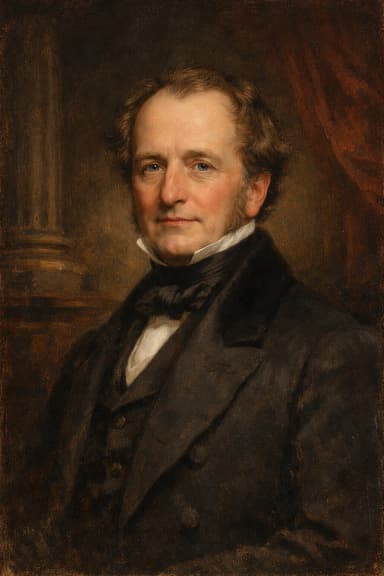
PRIME MINISTER 32
1846–1852 · Whig
Russell’s ministry confronted the Irish Famine, European revolution, and the growing pressures of reform politics.
View full profile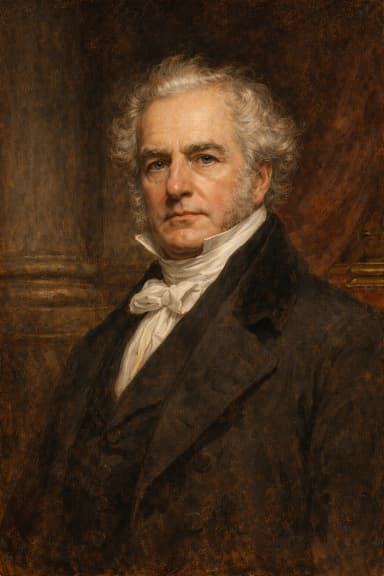
PRIME MINISTER 33
1852 · Conservative
Derby’s first government was brief, but he remained central to Conservative politics across a turbulent generation.
View full profile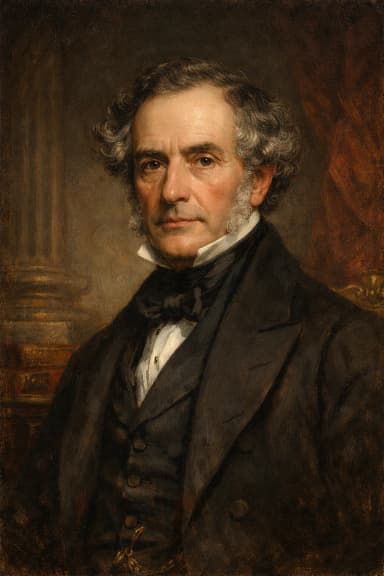
PRIME MINISTER 34
1852–1855 · Peelite Coalition
Aberdeen led a broad coalition, but the Crimean War fatally weakened confidence in his government.
View full profile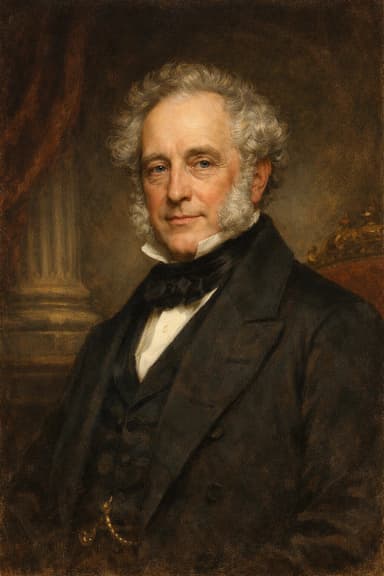
PRIME MINISTER 35
1855–1858 · Liberal
Palmerston embodied energetic national confidence, combining liberal politics with a forceful foreign policy image.
View full profilePRIME MINISTER 36
1858–1859 · Conservative
Derby returned, but his minority government struggled to manage parliament and widening reform pressure.
View full profilePRIME MINISTER 37
1859–1865 · Liberal
Palmerston’s second ministry dominated the late 1850s and early 1860s with stability and imperial confidence.
View full profilePRIME MINISTER 38
1865–1866 · Liberal
Russell’s second premiership fell over reform, showing how rapidly the old political order was changing.
View full profilePRIME MINISTER 39
1866–1868 · Conservative
Derby’s third government passed the 1867 Reform Act, extending the franchise and reshaping electoral politics.
View full profile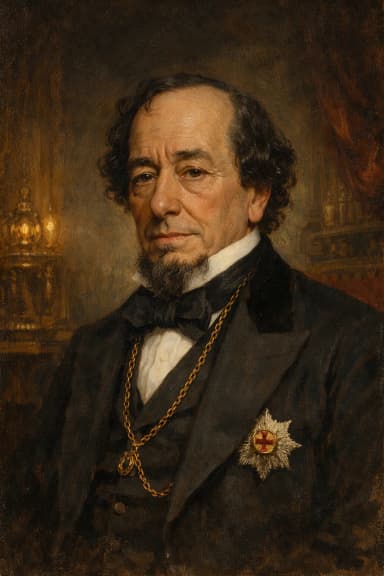
PRIME MINISTER 40
1868 · Conservative
Disraeli’s first spell was brief, but he soon emerged as one of the defining Conservative leaders of the century.
View full profile
PRIME MINISTER 41
1868–1874 · Liberal
Gladstone’s first ministry pursued major reform in Ireland, education, the army, and the civil service.
View full profilePRIME MINISTER 42
1874–1880 · Conservative
Disraeli’s second ministry linked conservatism with empire, social reform, and a more theatrical national politics.
View full profilePRIME MINISTER 43
1880–1885 · Liberal
Gladstone returned as questions of Ireland, empire, and democracy moved closer to the centre of politics.
View full profile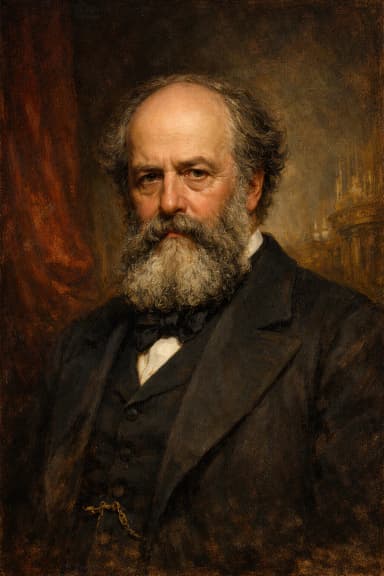
PRIME MINISTER 44
1885–1886 · Conservative
Salisbury’s first government began a long Conservative ascendancy in late Victorian politics.
View full profilePRIME MINISTER 45
1886 · Liberal
Gladstone’s third ministry was consumed by Irish Home Rule, a cause that split the Liberal Party.
View full profilePRIME MINISTER 46
1886–1892 · Conservative
Salisbury’s second ministry benefited from Liberal division and reinforced Conservative strength across the union.
View full profilePRIME MINISTER 47
1892–1894 · Liberal
In his final premiership, Gladstone returned once more to Home Rule before retiring from front-rank politics.
View full profile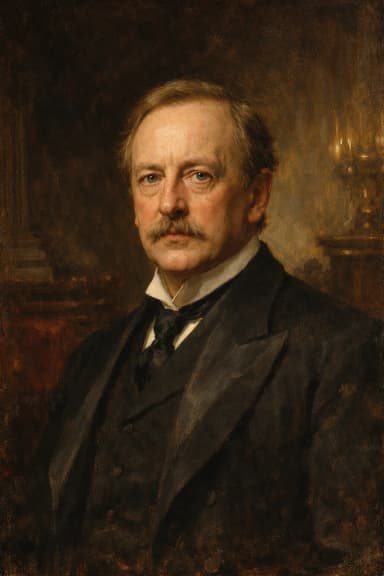
PRIME MINISTER 48
1894–1895 · Liberal
Rosebery struggled to unite Liberal priorities and lacked Gladstone’s authority inside party and parliament.
View full profilePRIME MINISTER 49
1895–1902 · Conservative
Salisbury’s third ministry spanned imperial conflict, including the Boer War, and the height of late Victorian power politics.
View full profile
PRIME MINISTER 50
1902–1905 · Conservative
Balfour inherited office from Salisbury but saw his party weakened by education, tariff, and imperial controversies.
View full profile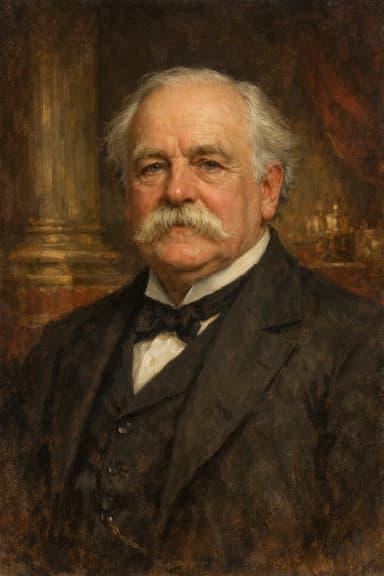
PRIME MINISTER 51
1905–1908 · Liberal
Campbell-Bannerman led the Liberals to a landslide and opened a reforming Edwardian era in British politics.
View full profile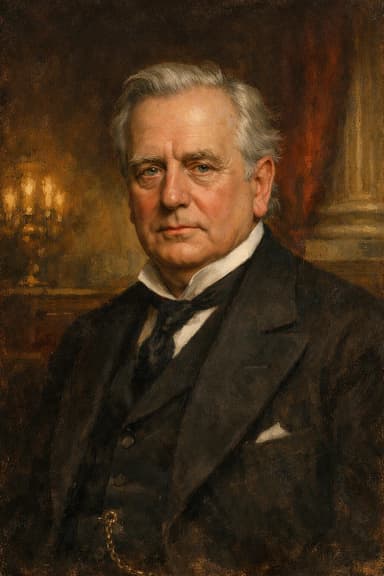
PRIME MINISTER 52
1908–1916 · Liberal
Asquith governed through constitutional conflict, social reform, and the first traumatic years of the First World War.
View full profile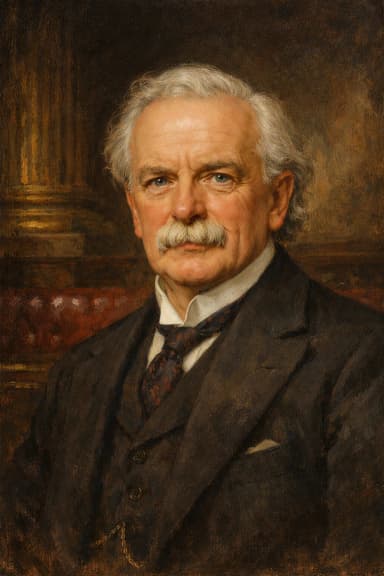
PRIME MINISTER 53
1916–1922 · Liberal Coalition
Lloyd George led Britain to victory in the First World War and then into an unstable and difficult peace.
View full profile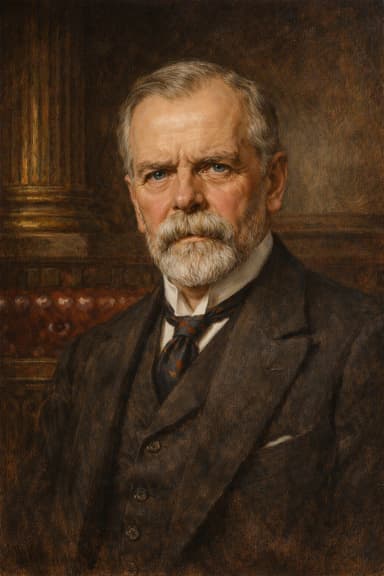
PRIME MINISTER 54
1922–1923 · Conservative
Bonar Law ended the wartime coalition era, but ill health meant his premiership lasted only a short time.
View full profile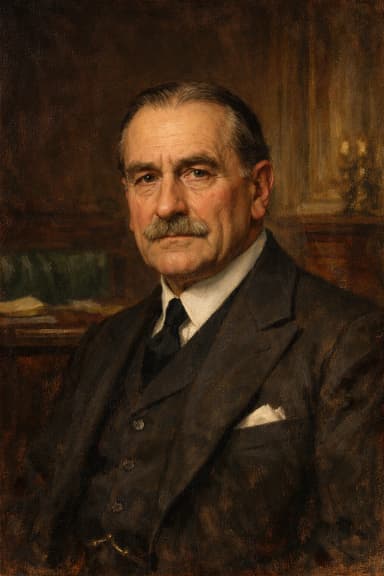
PRIME MINISTER 55
1923–1924 · Conservative
Baldwin’s first ministry fell after seeking a tariff mandate, opening the way for Labour’s first government.
View full profile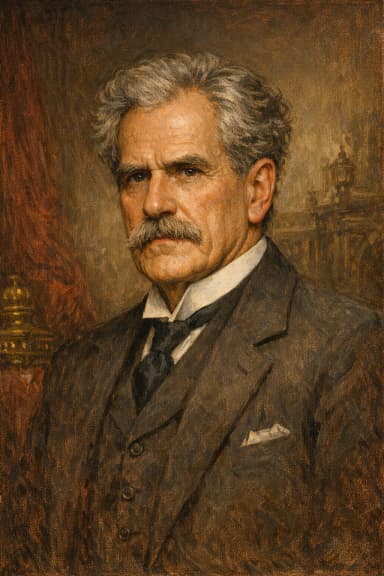
PRIME MINISTER 56
1924 · Labour
MacDonald became Britain’s first Labour prime minister, marking a profound shift in party politics.
View full profilePRIME MINISTER 57
1924–1929 · Conservative
Baldwin returned with a stronger mandate and presided over a calmer, though still uneasy, interwar politics.
View full profilePRIME MINISTER 58
1929–1931 · Labour
MacDonald’s second government began under Labour but was overwhelmed by the crisis of the Great Depression.
View full profilePRIME MINISTER 59
1931–1935 · National Labour
MacDonald stayed in office at the head of a National Government, a move that split Labour and reshaped politics.
View full profilePRIME MINISTER 60
1935–1937 · Conservative
Baldwin returned again and managed the abdication crisis of Edward VIII before retiring from politics.
View full profile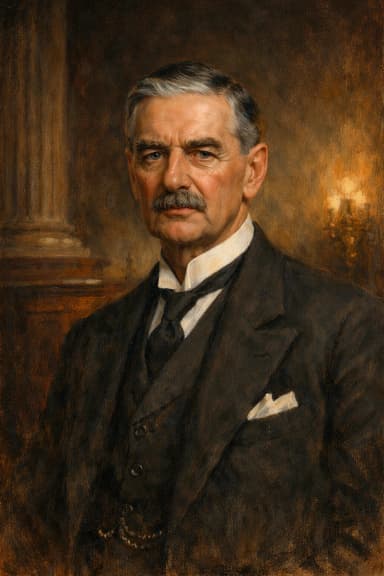
PRIME MINISTER 61
1937–1940 · Conservative
Chamberlain is inseparable from appeasement, though his fall came in the first desperate phase of the Second World War.
View full profile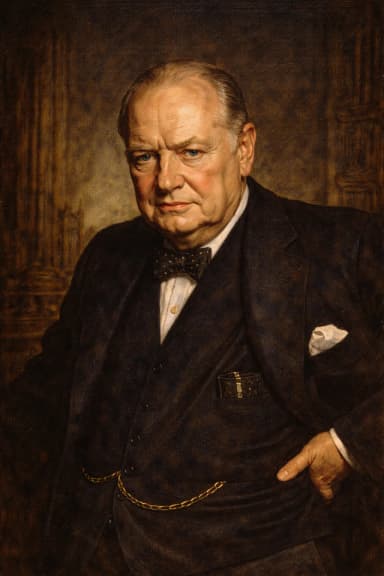
PRIME MINISTER 62
1940–1945 · Conservative Coalition
Churchill’s wartime leadership made him one of the central political figures in British and global history.
View full profile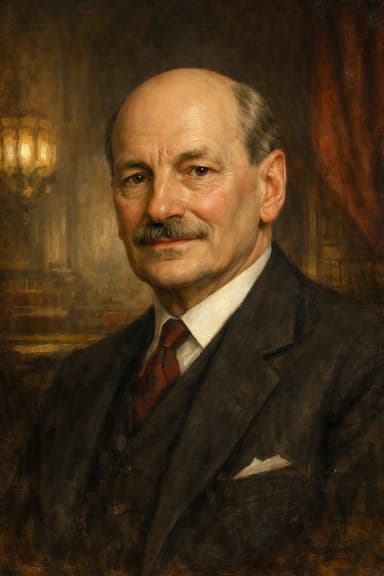
PRIME MINISTER 63
1945–1951 · Labour
Attlee’s government built the postwar welfare state, founded the NHS, and oversaw reconstruction and decolonisation.
View full profilePRIME MINISTER 64
1951–1955 · Conservative
Churchill returned in old age, symbolising continuity and prestige in the early Cold War era.
View full profile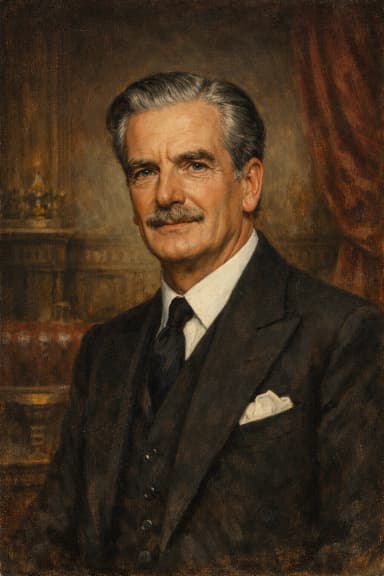
PRIME MINISTER 65
1955–1957 · Conservative
Eden’s reputation was badly damaged by the Suez Crisis, which exposed the limits of Britain’s postwar power.
View full profile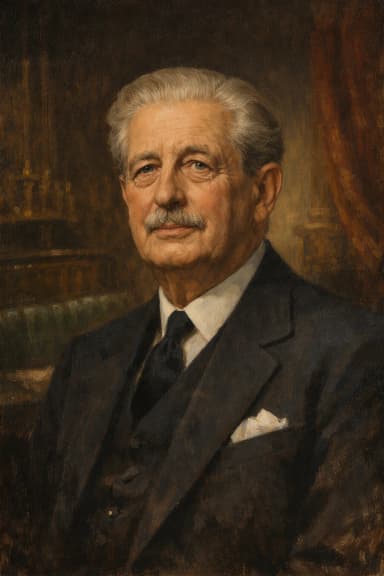
PRIME MINISTER 66
1957–1963 · Conservative
Macmillan projected calm prosperity at home while steering Britain through decolonisation and strategic change abroad.
View full profile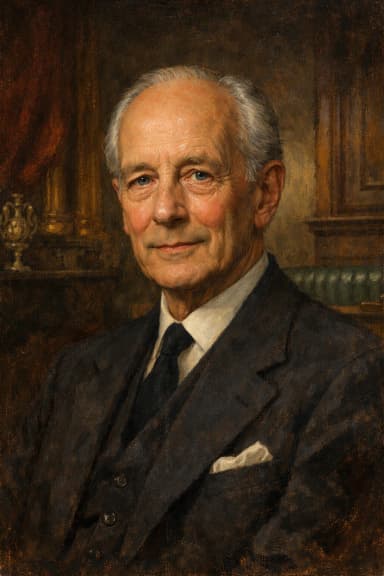
PRIME MINISTER 67
1963–1964 · Conservative
Douglas-Home renounced his peerage to sit in the Commons, but could not stop Conservative decline.
View full profile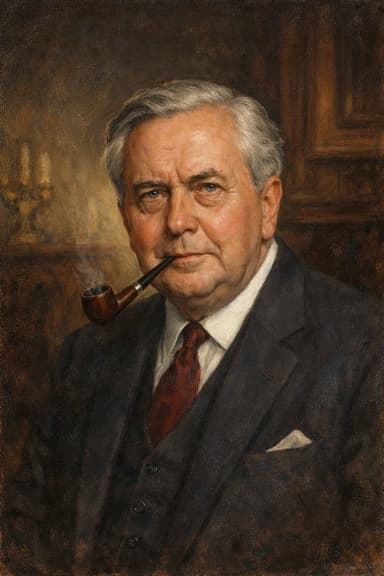
PRIME MINISTER 68
1964–1970 · Labour
Wilson presented Labour as the party of modernisation, technology, and social change in the 1960s.
View full profile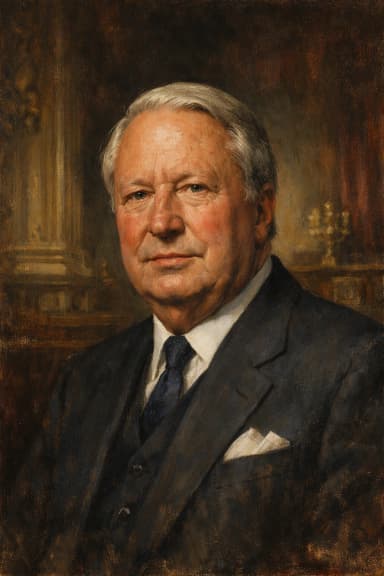
PRIME MINISTER 69
1970–1974 · Conservative
Heath took Britain into the European Economic Community but was weakened by industrial conflict and economic crisis.
View full profilePRIME MINISTER 70
1974–1976 · Labour
Wilson returned in a divided decade, governing amid inflation, union pressure, and economic strain.
View full profile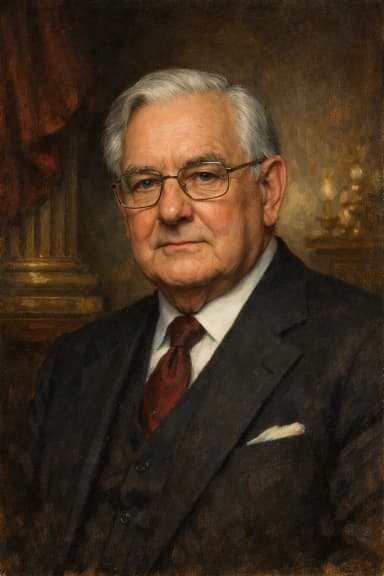
PRIME MINISTER 71
1976–1979 · Labour
Callaghan struggled through austerity and unrest, ending with the Winter of Discontent and Labour’s defeat.
View full profile
PRIME MINISTER 72
1979–1990 · Conservative
Thatcher transformed the economy, the state, and the tone of British politics more radically than any postwar prime minister.
View full profile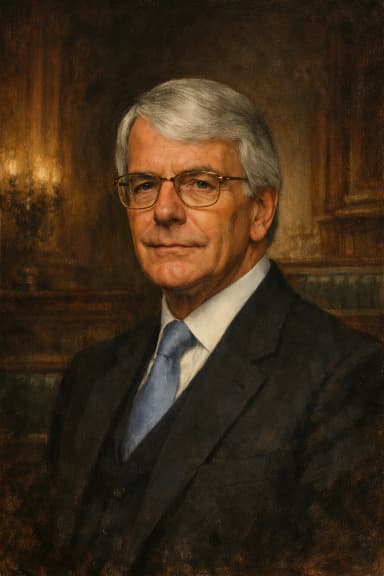
PRIME MINISTER 73
1990–1997 · Conservative
Major combined unexpected electoral success with deep party division over Europe and the strains of a long Conservative era.
View full profile
PRIME MINISTER 74
1997–2007 · Labour
Blair led New Labour to three election victories, pairing domestic reform with the divisive Iraq War.
View full profile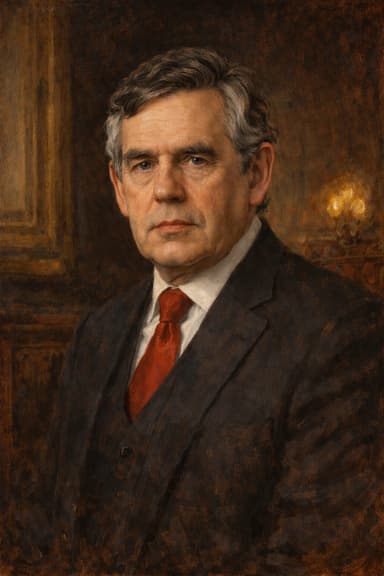
PRIME MINISTER 75
2007–2010 · Labour
Brown’s premiership was dominated by the global financial crisis and the politics of recession and recovery.
View full profile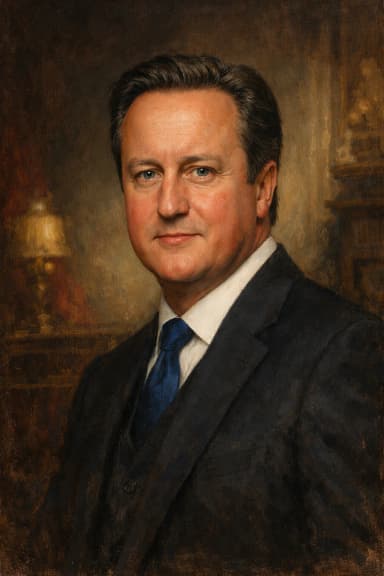
PRIME MINISTER 76
2010–2016 · Conservative
Cameron governed first in coalition and then alone, but his legacy was transformed by the Brexit referendum.
View full profile
PRIME MINISTER 77
2016–2019 · Conservative
May tried to deliver Brexit while managing a divided parliament, but could not secure support for her withdrawal deal.
View full profile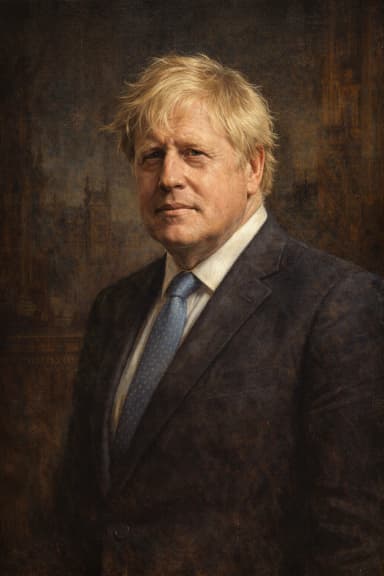
PRIME MINISTER 78
2019–2022 · Conservative
Johnson won a large majority, completed Brexit, and led through the pandemic before scandal drove him from office.
View full profile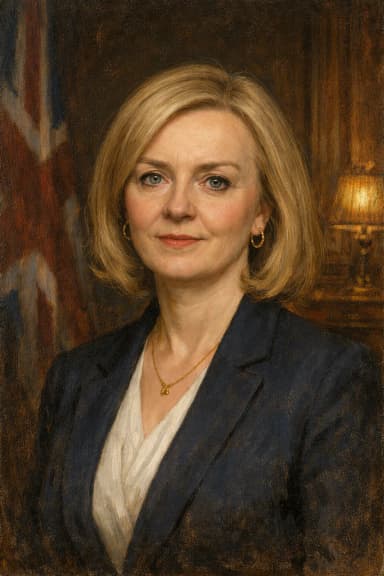
PRIME MINISTER 79
2022 · Conservative
Truss’s premiership collapsed with extraordinary speed after market turmoil followed her government’s mini-budget.
View full profile
PRIME MINISTER 80
2022–2024 · Conservative
Sunak sought to restore stability after Truss, but the Conservatives suffered a heavy defeat at the 2024 general election.
View full profile
PRIME MINISTER 81
2024–present · Labour
Starmer entered Downing Street after Labour’s 2024 victory, promising stability, reform, and a reset in government.
View full profileRobert Walpole is generally treated as the first British prime minister. He took office in 1721 and set the pattern for the role as it developed in the eighteenth century.
Sir Keir Starmer became prime minister in 2024 following a Labour general election victory.
Several prime ministers returned to office after losing power, resigning, or heading a new ministry later on. This page lists each separate premiership in chronological order.
Historically, Whig, Tory, Conservative, and Liberal traditions have dominated, with Labour emerging in the twentieth century as a major governing party.
Sir Robert Walpole is usually counted as the longest-serving British prime minister, with a tenure of more than twenty years.
Find out first about the latest published stories, feature notes and occasional Premium offers in one weekly email.