People

Anthony Eden

Sir Anthony Eden was Conservative Prime Minister of the United Kingdom from 1955 to 1957. A long-serving Foreign Secretary, his reputation was destroyed by the Suez Crisis of 1956.

Born
1897 CE
Died
1977 CE
Role
Conservative Prime Minister

Conservative Prime Minister (1897–1977)

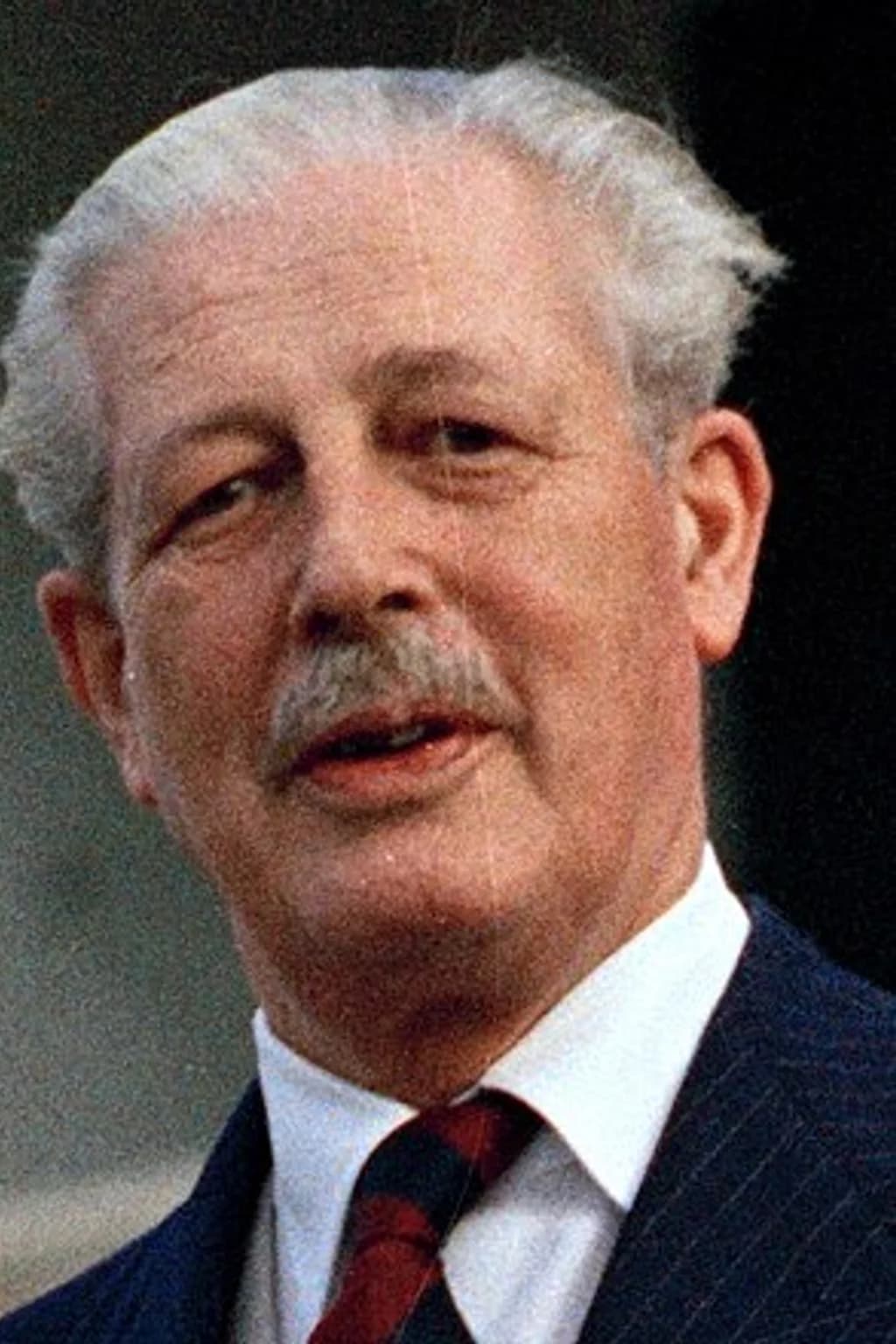
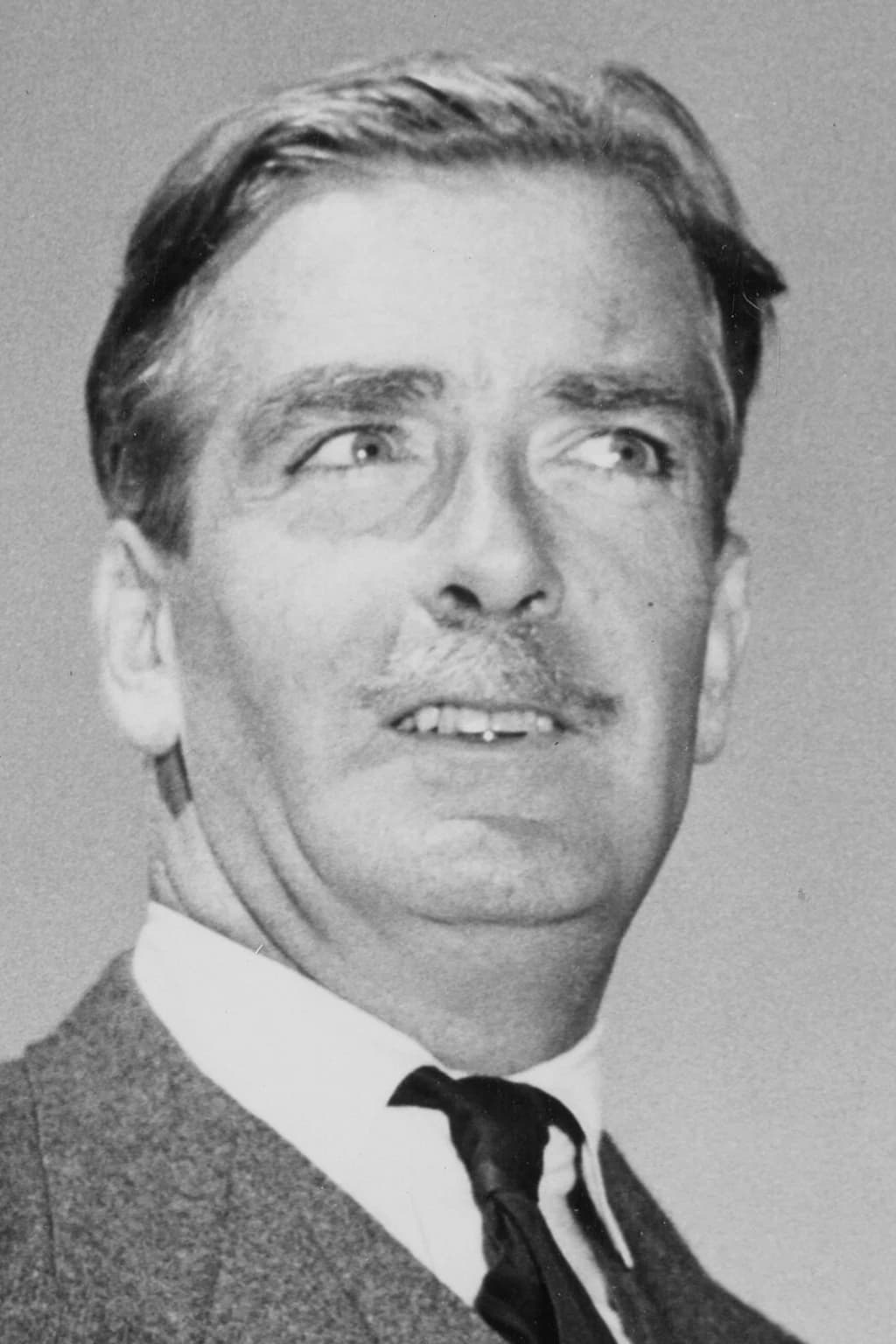
Portrait photograph of Sir Anthony Eden
Historical photograph

A real historical or editorial image is used here. Source, licence and transformation details are publicly recorded. Image policy Attribution

Quick answer

Sir Anthony Eden was Conservative Prime Minister of the United Kingdom from 1955 to 1957. A long-serving Foreign Secretary, his reputation was destroyed by the Suez Crisis of 1956.

Born
1897 CE
Died
1977 CE
Role
Conservative Prime Minister
Years
1897-1977 CE
Quick facts

Profile details

Additional identity and tagging details that are not already covered in the introduction.

Full name
Robert Anthony Eden
Also known as
Sir Anthony Eden, Earl of Avon
Facts

Anthony Eden timeline facts

Selected specifics from this profile's life story.

1897
Aristocratic upbringing

Anthony Eden was born in 1897 into a landed County Durham family, entering the world of Edwardian privilege just before war shattered its confidence.

1930s
Foreign policy focus

In the 1930s, Eden became associated with resistance to fascist aggression and resigned as Foreign Secretary in 1938 after clashing with Neville Chamberlain.

1955
Becoming Prime Minister

Eden became prime minister in April 1955 and soon won a general election, but his authority depended heavily on foreign-policy competence.

1957–1977
Resignation and legacy

Eden resigned in January 1957, his health and authority broken, leaving a legacy in which decades of diplomatic service are overshadowed by Suez.

Life Journey

From war veteran to a leader undone by crisis

Follow the story in a more continuous narrative, with a reading mode that matches how much depth you want.

Complete chronology

1897

Aristocratic upbringing

Anthony Eden's early life belonged to the old governing Britain: country houses, elite schooling, classical education, and an assumption that public service was a natural duty. Yet he was not merely a decorative aristocrat. He was serious, disciplined, and unusually drawn to languages and foreign affairs. The First World War intervened before that world could continue unchanged. Eden's generation carried the burden of seeing inherited confidence tested by industrial slaughter. That experience gave him a lifelong belief that diplomacy mattered because failed diplomacy killed. It also created a moral seriousness that later made his Suez decisions feel, to him, like resistance to aggression rather than imperial nostalgia.

1915–1918

First World War service

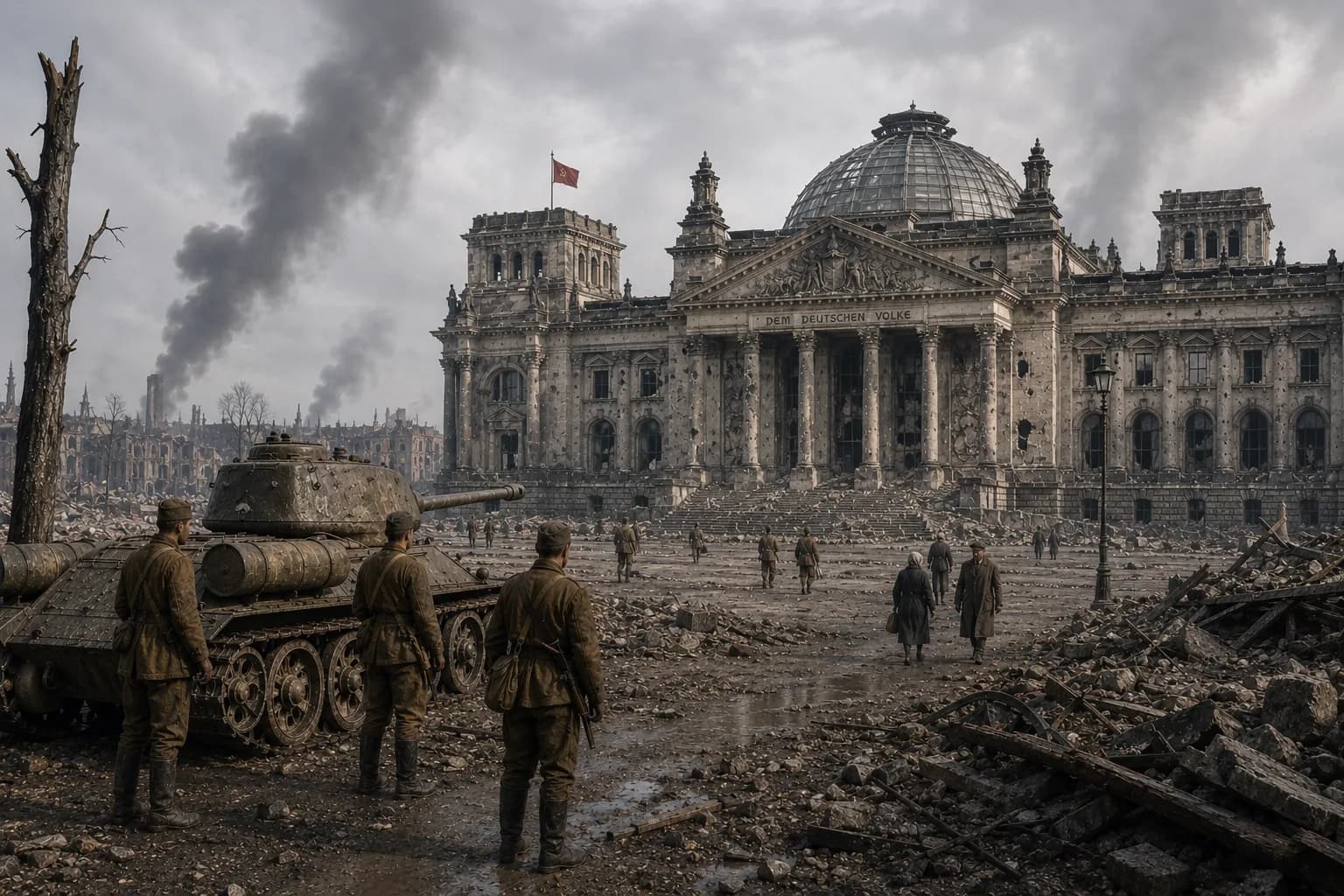
Eden joined the King's Royal Rifle Corps and served with distinction on the Western Front, becoming one of the youngest brigade majors in the British Army. The war marked him personally as well as politically: two of his brothers died, and he saw the consequences of strategic failure at close range. Unlike some later appeasers, Eden did not draw from 1914-1918 the conclusion that almost any concession was preferable to conflict. He came to believe that aggression had to be recognised early and handled firmly, because delay could make war worse. This conviction gave him moral clarity in the 1930s. It would later become dangerous when he applied the memory of fascist aggression too mechanically to Gamal Abdel Nasser.

1923

Entry into politics

Eden's parliamentary rise was built on expertise rather than demagoguery. He studied languages, travelled, followed European diplomacy closely, and became one of the Conservative Party's most promising younger figures on foreign policy. In an age when Britain was trying to preserve peace through the League of Nations while managing imperial commitments and European instability, Eden looked like a new kind of Tory internationalist: polished, serious, and alert to the dangers of dictatorship. His fluency in diplomatic detail made him valuable to senior governments, and by the early 1930s he was moving rapidly toward office.

1930s

Foreign policy focus

Eden's reputation was made by the crisis years before the Second World War. As Foreign Secretary, he confronted the breakdown of collective security after Mussolini's invasion of Ethiopia, Hitler's expansion, and the weakness of League diplomacy. He was not reckless, but he grew increasingly uncomfortable with policies that treated dictators as ordinary negotiators. In 1938 he resigned after disagreements with Neville Chamberlain, especially over how to deal with Italy. The resignation gave him lasting credit among those who later saw appeasement as moral failure. Eden became the Conservative who had warned, or at least resisted, before catastrophe confirmed the danger.

1935–1940, 1940–1945

Foreign Secretary role

During the Second World War, Eden became one of Churchill's indispensable ministers. Foreign policy required managing alliances that were essential but uneasy: Roosevelt's United States, Stalin's Soviet Union, governments-in-exile, imperial partners, and emerging postwar plans. Eden was not the dominant personality Churchill was, but he supplied professionalism, continuity, and diplomatic discipline. He also saw how Britain's position was changing. Victory depended increasingly on American power and Soviet sacrifice, while the empire's future looked less secure. Eden's wartime service enhanced his stature, but it also trapped him in a paradox: he helped win a war that left Britain victorious yet diminished.

1950s

Heir apparent

Eden's long apprenticeship was both advantage and curse. He had served at the centre of British diplomacy for decades, and many voters saw him as the obvious successor to Churchill. But waiting so long for power created pressure to prove that he was more than an elegant deputy. His health was fragile after a botched gallbladder operation in 1953, and pain, medication, and exhaustion would later complicate his judgement during crisis. Politically, he inherited a country still adjusting to postwar austerity, American dominance, Soviet rivalry, decolonisation, and the loss of old imperial certainty. He came to office with experience, but not with the world his experience had been formed to manage.

1955

Becoming Prime Minister

Eden's premiership began with public confidence. He was experienced, urbane, and seemed a natural continuation of Conservative rule after Churchill. The 1955 general election strengthened his position, but it also raised expectations. Domestic politics offered little room for dramatic reinvention; his authority rested most of all on the belief that he understood the world. That made foreign crisis especially dangerous. Eden had spent his career warning against appeasement and believing that dictators exploited weakness. When Nasser nationalised the Suez Canal in 1956, Eden interpreted the act through that moral and historical lens. The result would destroy him.

1956

Suez Crisis

Suez was a strategic crisis, a moral error, and a revelation of Britain's reduced power. Eden believed Nasser's nationalisation of the Suez Canal threatened vital interests and echoed the dictator challenges of the 1930s. Britain, France, and Israel secretly coordinated a plan: Israel would invade Egypt, and Britain and France would intervene as supposed peacekeepers while regaining control of the canal. The deception unravelled quickly. The United States refused to support the operation and applied financial pressure; the Soviet Union issued threats; the United Nations condemned the intervention; and British public opinion split. Militarily, the operation had momentum. Politically, it was unsustainable. Suez showed that Britain could no longer act as an imperial great power against American opposition.

1957–1977

Resignation and legacy

Eden left office only months after the Suez invasion, succeeded by Harold Macmillan. His later life, as Earl of Avon, included memoirs and attempts to defend the reasoning behind his actions, but Suez remained the lens through which his career was judged. The tragedy of Eden is that his failure grew from qualities that had once made him admirable: hatred of aggression, belief in resolve, and commitment to Britain's international role. In 1956 those instincts met a changed world and produced miscalculation. His long service as Foreign Secretary, his anti-appeasement reputation, and his wartime diplomacy remain historically significant. Yet the prime minister who thought he was preventing another 1930s became the symbol of Britain's post-imperial limits.

Continue in context

Connected stories

Move from the profile into the wider events and settings this figure belongs to.

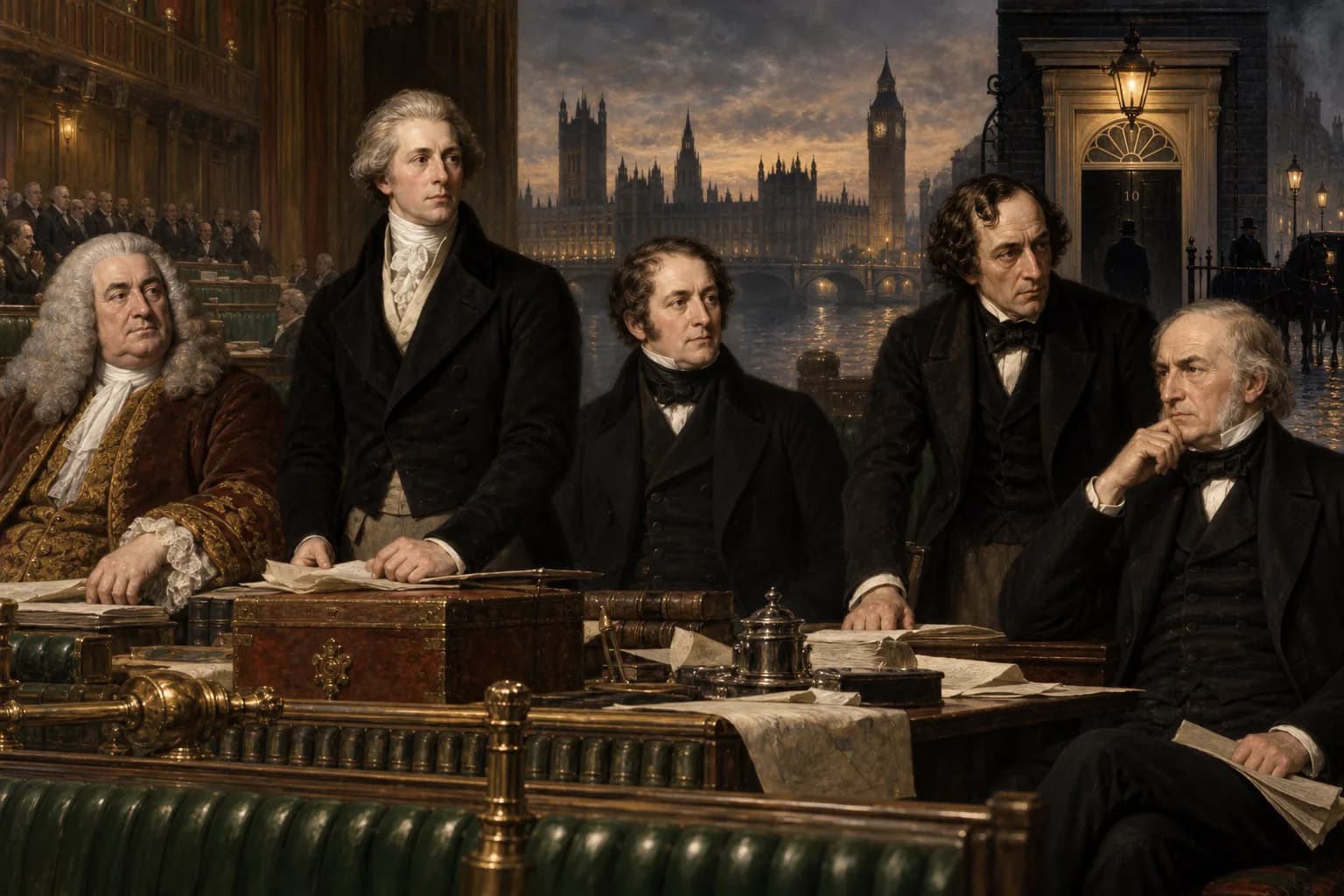
British Prime Ministers lineage
LineagePrime ministers in sequence
British Prime Ministers
1721 CE–present

Explore British prime ministers from Walpole to the present.

View lineage
Tertiary paths

Content note

This profile is written for educational use and connects to related Stories of History pages. The main portrait uses a real historical or editorial image, with source and licence details recorded for attribution review. Image policy Image attribution

References

Sources & Further Reading

Reliable reference works, archives and reading paths connected to this profile.

Further reading

  1. Encyclopaedia Britannica, Search results for Anthony Eden,” accessed June 2026.Open source
  2. WorldCat, Books and library holdings for Anthony Eden,” accessed June 2026.Open source

Primary sources

  1. Library of Congress, Search results for Anthony Eden,” accessed June 2026.Open source

Reviewed claim sources

Loading reviewed claim sources...

A weekly route through history

Find out first about the latest published stories, feature notes and occasional Premium offers in one weekly email.